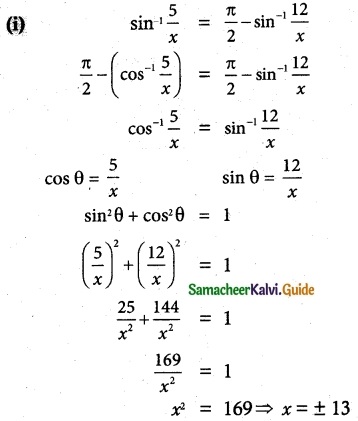
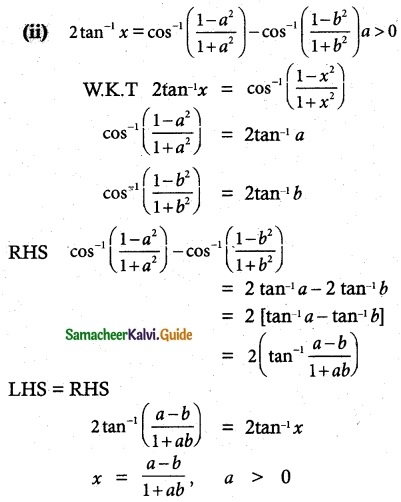
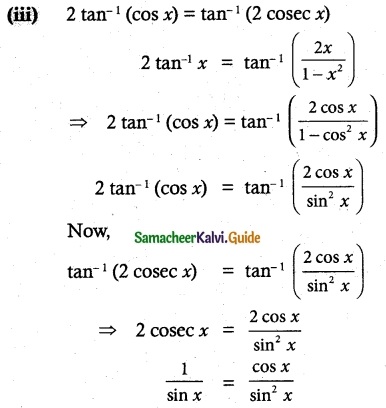
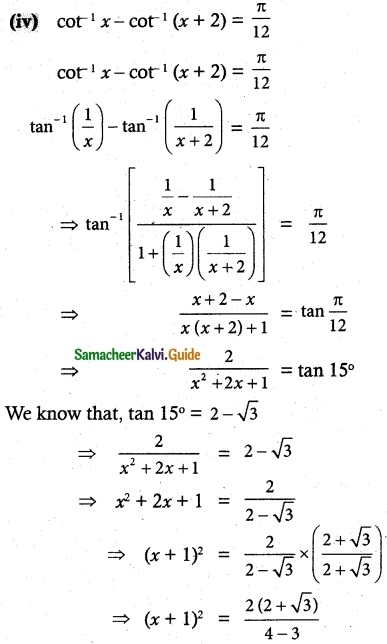
Samacheer Kalvi 12th English Guide Prose Chapter 1 Two Gentlemen of Verona

Tamilnadu State Board New Syllabus Samacheer Kalvi 12th English Guide Pdf Prose Chapter 1 Two Gentlemen of Verona Text Book Back Questions and Answers, Summary, Notes.

Tamilnadu Samacheer Kalvi 12th English Solutions Prose Chapter 1 Two Gentlemen of Verona

12th English Guide Two Gentlemen of Verona Text Book Back Questions and Answers

Textual Questions:

I. Answer the following questions in one or two sentences each based on your understanding of the story:
(Note: IQ Important Questions)

Question a.
Who did the narrator meet at the outskirts of Verona? (IQ)
Answer:
The Narrator met Nicola and Jacopo at the outskirts of Verona.

Question b.
Why did the driver not approve of the narrator buying fruits from the boys?
Answer:
The driver did not approve of the narrator buying fruits from the boys because of their shabby appearance.

Question c.
The boys did not spend much on clothes and food, why?
Answer:
The boys had to save every penny towards the weekly medical bill of their sister Lucia. So, they did not spend much on clothes and food.

Samacheer Kalvi 12th English Guide Prose Chapter 1 Two Gentlemen Of Verona

Question d.
Were the boys saving money to go to the states? How do you know?
Answer:

  1. The boys had the commitment to saving the life of their sister.
  2. So they were not saving money to go to the states.

Question e.
Why did the author avoid going to Lucia’s room?
Answer:

  1. The author did not like to disturb the happy family party.
  2. So he avoided going to Lucia’s room.

Question f.
What was Lucia suffering from? (IQ)
Answer:
Lucia was suffering from tuberculosis of the spine.

Question g.
What made the boys join the resistance movement against the Germans?
Answer:

  1. The Germans killed the boy’s father and made them homeless.
  2. This made the boys join the resistance movement.

Question h.
What made the boys work so hard? (IQ)
Answer:
They did not want charity from the hospital. The determination to save the life of their sister made the boys work hard.

Question i.
Why didn’t the boys disclose their problem to the author?
Answer:

  1. The boys didn’t like to gain sympathy.
  2. So they did not disclose their problem to the author.

Samacheer Kalvi 12th English Guide Prose Chapter 1 Two Gentlemen Of Verona

2. Answer the following questions in three or four sentences each: (Text Book Page No. 5)

Question a.
Describe the appearance of Nicola and Jacopo.
Answer:
One boy had worn Jersey and cut-off khaki pants. The other had a shortened army tunic gathered in loose folds about his skinny frame. They had tangled hair and dark earnest eyes.

Question b.
What were the various jobs undertaken by the little boys? (IQ)
Answer:
They shined shoes, sold fruits, hawked newspapers, conducted tourists round the town, and ran errands.

Question c.
How did the narrator help the boys on Sunday? (IQ)
Answer:
The author took the boys in his car to a tiny village called Poleta, set high upon a hill. He drove the car up to a large red-roofed villa. The boys asked the author to come thereafter for an hour and went inside.

Question d.
Who took the author to the cubicle? (IQ)
Answer:
The nurse who was taking care of the boy’s sister Lucia took the author to the cubicle.

Question e.
Describe the girl with whom the boys were talking to in the cubicle.
Answer:

  1. The girl seemed to be about twenty.
  2. She wore a pretty lace jacket.
  3. Propping up on pillows, she was listening to the chatter of the boys.
  4. Her eyes were soft and tender.

Question f.
Recount the untold sufferings undergone by the siblings after they were rendered homeless.
Answer:
The boys and their sister were thrown in the streets. Lucia had to give up her singing lessons. They had suffered horribly from near starvation and exposure to the cold winter. Lucia developed tuberculosis of the spine. The boys built a home from the rubbles. They had to admit Lucia to a nursing home. To pay the weekly medical bill, they worked from dawn to midnight doing odd jobs eating very little.

Question g.
The narrator did not utter a word and preferred to keep the secret to himself. Why? Substantiate the statement with reference to the story.
Answer:

  1. The narrator kept the secret to himself because he knew that the boys did not like to reveal their secret to anyone.
  2. When the narrator asked them what did they do with the money they earned, they were not ready to give a prompt reply for it.

Samacheer Kalvi 12th English Guide Prose Chapter 1 Two Gentlemen Of Verona

3. Answer the following in a paragraph of 100-150 words each: (Text Book Page No. 5)

Question a.
What was the driving force that made the boys do various jobs?
Answer:
In the war-hit Verona, everything was difficult. Food had become scarce and dear. The hospital which offered to treat Lucia was forced to charge a weekly fee. Work was scarce. But the boys were determined to save the life of their beloved sister.

After the untimely death of the father in the war, the two little boys Nicola and Jacopo took the responsibility of earning money by doing all odd jobs for defraying the medical expenses for their sister on their tender shoulders. They spent very little on their food and clothes. The driving force behind their selfless sacrifice and hard work from dawn to midnight was the love they had for their elder sister. They wanted her to get well soon and become an accomplished singer in life. Once you set a goal far above your capacity but work hard ceaselessly, you are bound to achieve it.

Question b.
How was the family affected by the war?
Answer:
The family was terribly affected by the war. Their father, a well-known singer had been killed in the early part of the war. After some time a bomb had destroyed their home and so the three children Nicola, Jacopo, and Lucia were thrown out into the streets. Their comfortable and cultured life got destroyed by the war. In fact, they suffered horribly from near starvation and exposure to the cold winter.

For many months they lived in a shelter made of broken building walls and bricks. In the meantime, the two boys get separated from their sister. They were under German rule for nearly three years. The boys grew to hate the Germans just because they suffered a lot because of them. In fact, they were the first to join the resistance movement against the Germans.

Question c.
Write a character sketch of Nicola and Jacopo.
Answer:
Nicola was 13 and Jacopo only 12. They were brothers. They were tanned, had tangled hair and dark earnest eyes. Though they were just kids, they were serious about their work. They did hundreds of errands for the tourists. They were found doing brisk business shining shoes or selling wild berries. They had the skill to find seats in the theater for the tourists and also guide the tourists through many important sites of the city of Verona such as Juliet’s tomb. Jacopo was lively as a squirrel.

Nicola’s smile was steady and engaging yet in their innocent faces, one could find seriousness far beyond their years. What struck one was the extreme willingness of both the boys to work. Under the scorching Sun, they hawked newspapers. When the narrator enquired what they did with the money they earned as they were not spending it on clothes or food or saving it for emigrating to America, Nicola coloured but he did not reveal the secret family adversity. Both are gentlemen because they did not want anyone’s sympathy.

Samacheer Kalvi 12th English Guide Prose Chapter 1 Two Gentlemen Of Verona

Question d.
What message is conveyed through the story “Two Gentlemen of Verona”
Answer:
The message conveyed through the story is one can overcome one’s adversities with strong will and determination. Nothing is impossible in this world. It is one’s hard work and dedication which can help one to achieve one’s goal. The boys in the story were badly affected by the war. In spite of it they were ready to do many odd jobs to save their sister.

This action of the boys throws light on the fact that family is the true demonstration of love, affection, and faith. Yet another message which gets conveyed is that it is the situation and circumstance which one faces in one’s life that makes one shoulder responsibilities with strong determination. In simple words, we can say that Nature is the best teacher who teaches us many lessons in our life.

Question e.
Justify the title of the story “Two Gentlemen of Verona”.
Answer:
In the story ‘Two Gentlemen of Verona’, the two orphan boys Jacopo and Nicola work immensely and exhaustively. They shine shoes, sell newspapers, run errands, and show tourists round the city. They take only figs and black tea as food. They save every penny for the medical treatment of their sister Lucia who is suffering from tuberculosis of the spine. The narrator himself admits that their willingness to work impressed him. They demonstrate an unusual devotion to their work.

The objective of their hard work and purpose behind their half-starved daily routine is not known to many in Verona. Anyone may polish shoes or hawk newspapers but it is the magnanimity of heart and nobleness of purpose that actually determines whether one is a real gentleman or a hypocrite. Hence the title ‘‘Two Gentlemen of Verona” is justified.

Question f.
Adversity brings out the best as well as the worst in people. Elucidate this statement with reference to the story.
Answer:
No human life is possible without adversities. In fact, it is these adversities that bring out the qualities of self-confidence and endeavor in a person. It depends upon the mentality of a man to make it the worst or brings out the best out of it. In this story, the two boys faced the great disaster of losing their father and their home because of the war. To add fuel to it their sister suffered from tuberculosis of the spine.

This was the worst adversity in their life as they lost almost everything at a young age. but they did not lose hope. They had a strong determination to work hard and earn money for the treatment of their sister. Many good qualities like love, devotion, sacrifice, sincerity, and maturity get revealed just because of the adversities they face in their life. Thus the statement “Adversity brings out the best as well as the worst in people” is justified.

Question g.
Which character do you like the most in the story and why?
Answer:
Of all the characters, I like Nicola who is a 13-year-old boy (i.e.) one of the two gentlemen of Verona. Though he is small, he is mature beyond his years. Like John Keets, he hated sympathy and self-pity. He does not want any favour except for the opportunity to work. He has an engaging smile. He and his brother Jacopo were hardworking and devoted to their sister Lucia. He has seriousness far beyond his years.

Even when kindly enquired by the narrator as to why he was spending little on clothes and food, he doesn’t open up. He colours deeply and grows pale. He even avoided the eyes of the narrator. When his squirrel-like brother requested the narrator to send them in his car to Poleta on Sunday, Nicola doesn’t like it. He glares at his brother in vexation and says, “we couldn’t think of troubling you, sir.” He wins the respect of all readers because of his maturity, willingness to work, and devotion to his sister.

Samacheer Kalvi 12th English Guide Prose Chapter 1 Two Gentlemen Of Verona

Paragraph:

Introduction:
A.J. Cronin has explained the importance of dedication towards a relationship in the story, “Two Gentlemen of Verona”.

About the story:
The story is about the two boys named Nicola and Jacopo, who do numerous things to earn money only to pay for their sister’s treatment who suffers from tuberculosis of the spine. The narrator was driving down the foothills of the Alps along with his companion. At that time, two young boys who sold wild strawberries stopped their car.

Two gentlemen of Verona:
‘The small boys appeared to be quite shabby. The boys were brothers, The elder one Nicola was 13 and the younger Jacopo was 12 years old. The narrator and his companion bought the biggest basket of strawberries from the boys. They came to know that the boys did many kinds of jobs like selling fruits, polishing shoes, selling newspapers, etc., to earn money. During the time of their stay in the town, the young boys were very helpful.

Lucia’s Suffering:
The boys earned money but they spent only a little. The boys earned the money to cure their sister who was hospitalised for tuberculosis of spine. They had a decent life before the war and the war made them orphans. They tried their best to make the payments regularly to the hospital, The narrator drove them to the hospital one Sunday and knew everything about the boys and he did not reveal it to the boys. He drove them back in silence.

Conclusion:
Their selfless action brought nobility to human life, they were really two gentlemen of Verona.

Samacheer Kalvi 12th English Guide Prose Chapter 1 Two Gentlemen Of Verona

Vocabulary:
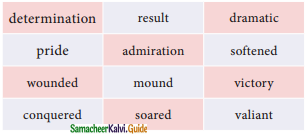
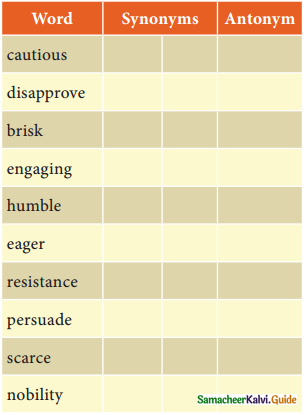
a) Read the following words taken from the story. Give two synonyms and one antonym for each of these words. Use a dictionary, if required: O(Text Book Page No. 6)
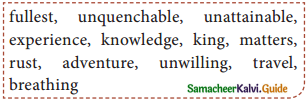
Samacheer Kalvi 12th English Guide Prose Chapter 1 Two Gentlemen Of Verona 1
Answer:

Word Synonyms Antonym
cautious careful/watchful careless
disapprove condemn / criticise / refuse approve
brisk quick / hurried / active idle / inactive
engaging attractive / appealing / interesting boring.
humble courteous / polite / modest impolite
eager keen / willing / craving uninterested
resistance opposition compliance
persuade induce / encourage dissuade
scarce rare adequate
nobility honour / dignity dishonour

b) Homophones and Confusables: (Text Book Page No. 6, 72, 148)
Homophones are two or more words with the same sound but with different spellings and meanings. You have already learned that homophones are words that sound alike but are different in spelling and
meaning.
E.g. feet – feat / face – phase / sort – sought / hair – heir/

Question 1.
What are confusables?
Answer:
Confusables /confusables are words that are commonly confused with one another in meaning or usage
because of slight similarities in spelling, pronunciation, or meaning.
e.g. moment – movement / except – expect / human – humane / discover – invent.

Samacheer Kalvi 12th English Guide Prose Chapter 1 Two Gentlemen Of Verona

(i) Given below is a list of common confusables. Distinguish the meaning of each pair of words by framing your own sentences: (Text Book Page No. 6)

a) emigrate – leave one’s country/move abroad (my friend wants to emigrate from Asia)
immigrate – come to live permanently in a foreign country (He wants to immigrate to India)

b) beside – near (He stands beside me)
besides – in addition to (Besides having a car, he also has a bike)

c) judicial – legal (The court ordered judicial custody of the convict)
judicious – wise (The lawyer argued in a judicious manner)

d) eligible – qualified (He ¡s an eligible hand)
illegible – not clear (Mostly doctor’s prescriptions are illegible)

e) conscience – moral sense (His conscience promoted him to know his mistakes)
conscious – awareness (He has consciously abused his teacher)

f) industrial – commercial (The industrial chemicals are polluting the river)
industrious – hard-working (Sathish is an industrious student)

g) eminent – famous (Ramesh is an eminent scientist)
imminent – about to happen (There is an imminent danger of corona virus)

h) illicit – illegal (Ten people were arrested for brewing illicit liquor)
elicit – bring out (The teacher elicited answers from the student)

i) prescribed – advised (The doctor prescribed powerful medicines to me)
proscribed – remove (The police proscribed the striking students)

j) affect – change (The place is affected by the flood)
effect – the result of a change (The effect of the flood in very heavy)

k) aural – related to hearing
oral – related to speaking

l) born – related to birth (Raji was born on 2nd January 2020)
borne – carry (The people near the border borne the brunt of the attack.)

(ii) Fill in the blanks using suitable homophones or confusables:
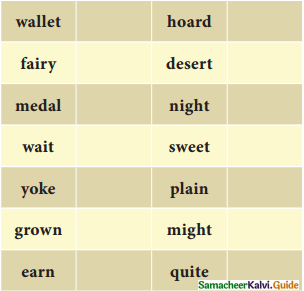
Samacheer Kalvi 12th English Guide Prose Chapter 1 Two Gentlemen Of Verona 2
Answer:

wallet valet hoard horde
fairy faerie desert dessert
medal meddle night knight
wait weight sweet suite
yoke yolk plain plane
grown groan might mite
earn erne/urn quite quiet

Samacheer Kalvi 12th English Guide Prose Chapter 1 Two Gentlemen Of Verona

c) Give the meanings of the following phrasal verbs and frame sentences using them: (Text Book Page No. 7)

Question 1.
cut off
Answer:

  • to remove something by cutting
  • The branch was cut off from the tree

Question 2.
come upon
Answer:

  • meet someone by chance
  • I came upon my Maths teacher in Chennai

Question 3.
put out
Answer:

  • stop something burning
  • The firefighters put out the fire

Question 4.
draw up
Answer:

  • stop
  • A taxi drew up outside the hotel

Question 5.
pass out
Answer:

  • become unconscious/faint
  • The politician passed out when the income tax officials quizzed him.

Question 6.
take off
Answer:

  • Start flying/remove clothing
  • The flight took off at the right time.

Question 7.
turn away
Answer:

  • refuse permission
  • The reporters who came to interview the Prime Minister were turned away.

Question 8.
stand by
Answer:

  • help someone who ¡s in difficult to be ready.
  • My friend stood by me all the time.

Question 9.
bank on
Answer:

  • depend on
  • The whole team is banking on him to win the match.

Samacheer Kalvi 12th English Guide Prose Chapter 1 Two Gentlemen Of Verona

d) Read the list of words formed by adding suffixes: (Text Book Page No. 7)
frequently, satisfaction, willingness, inevitable, preparation, government, periodic, management,
population, department, announcement, comfortable, resemblance, nobility.

Form two derivatives from each of the following words by adding prefixes and suffixes: (Text Book Page No. 7)
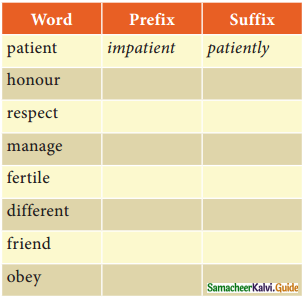
Samacheer Kalvi 12th English Guide Prose Chapter 1 Two Gentlemen Of Verona 3
Answer:

Word Prefix Suffix
patient impatient patiently
honour dishonour honourable
respect disrespect respectful
manage mismanage management, manageable
fertile infertile fertility
different indifferent differentiate / difference
friend befriend friendship, friendly
obey disobey obedience

Listening:

Floods are an inevitable natural disaster which can occur in any part of the world. Floods can prove all the more
disastrous in localities, where population density is high. Preparation for Disaster Management has become imperative for any city, town, or village during monsoons. The Government Department entrusted with Disaster Management makes periodic announcements about the precautions to be taken whenever floods are anticipated.

Samacheer Kalvi 12th English Guide Prose Chapter 1 Two Gentlemen Of Verona

Now, you are going to listen to the cautionary instructions that are given to the general public living in flood-prone areas. Listen carefully and complete the following sentences:

Question a.
The announcement was made by the Department of _______.
Answer:
Disaster Management.

Question b.
Widespread heavy rains are expected from the early hours of _______.
Answer:
Sunday.

Question c.
The public is asked to find out the locations of _______.
Answer:
the closest flood shelters available and routes to reach them

Question d.
An emergency kit should contain water bottles, biscuit packets, and a _______.
Answer:
whistle to signal for help

Question e.
A list of__________ should be displayed on the wall.
Answer:
emergency telephone numbers

Question f.
Important documents can be secured by keeping them in a ___________case.
Answer:
waterproof

Question g.
Damage to refrigerators can be avoided by _______.
Answer:
leaving their door open

Question h.
Mobile phones should be charged to enable the marooned to contact their friends, relatives, and _______.
Answer:
emergency services

Question i.
___________ should be placed in the toilet bowls to prevent sewage inflow.
Answer:
Sandbags

Question j.
Listen to the_________ and follow the instructions implicitly.
Answer:
periodic news updates

Samacheer Kalvi 12th English Guide Prose Chapter 1 Two Gentlemen Of Verona

Speaking: (Text Book Page No. 8)

Drafting a Speech:

Task 1:
On the occasion of World Environment Day, you have been asked to deliver a speech during the morning assembly on the importance of tree planting. Write the speech in about 100 – 150 words:

  1. Introduction
  2. Suggested value points:
    Pollution control – Medicine – Necessary for wildlife – Cause rainfall
  3. Conclusion

Respected Principal, the chief guest

Good evening. I am immensely delighted to speak to you on World Environment Day. All of you know that
we celebrate Environment Day on 5th June, every year. Let me explain why we celebrate World Environment
Day. The relationship between humanity and the environment is a delicate balance. Since the industrial revolution,
the world’s population has increased exponentially.

With the population growth, the environment has been profoundly affected Deforestation, pollution and global climatic changes are amongst the adverse effect the explosive population and technological expansion have introduced. The main objective of Environment Day is to gain a greater understanding of the environment.

This enhanced awareness, I believe, will help the country reduce its carbon footprint, increase the use of solar power, reduce and recycle non-biodegradable waste and evolve alternative technologies which would reduce our dependence on fossil fuels.

Moreover, tree planting will be done on a mission mode by school children and college students representing
NCC and NSS wings. This would spread the forest cover and give shelter to the wildlife and also ensure
plentiful rainfall sustaining life on this lovely planet. The student community shall disseminate the urgent need to
conserve water and other natural resources appeal to the younger generation, I mean my friends to be socially
responsive and do their part to preserve the environment.

Samacheer Kalvi 12th English Guide Prose Chapter 1 Two Gentlemen Of Verona

Task 2:
Prepare a speech on “The importance of a reading habit” in about 100—150 words as using the hints given below together with your own ideas: (Text Book Page No. 9)

  1. Introduction
  2. Suggested value points
    Knowledge enrichment — Skill development — Meaningful usage of time — Overall development
  3. Conclusion

The most distinguished chief guest, revered Principal, dignitaries on the Dias and off the dais, my beloved teachers and friends. This morning I wish to share my views on a man-making habit called ‘Reading’.

Books are the quietest and most constant of friends. They are the most accessible and wisest of counsellors and the most patient of teachers. Some schools do focus on developing a flair for reading by keeping a library period. Children are allowed to borrow books and also share their observations with their peers after the library hour is over. Such sharing introduces children to the wonderful world of books.

The art of reading is in great part that of acquiring a better understanding of life from one’s encounter with it in a book. Through reading, one exposes oneself to new things, new ways to solve a problem. Reading is a very useful hobby. Wiseman has lauded the importance of reading and the hobby of reading. Kofi Annan said, “Literacy is a bridge from misery to hope”.

William James said, “So it is with children who learn to read fluently and well. They begin to take flight into whole new worlds as effortlessly as young birds take to the sky”. Dear friends let us read books and conquer the world.

Samacheer Kalvi 12th English Guide Prose Chapter 1 Two Gentlemen of Verona

Reading – Note Making: (Text Book Page No. 9)

Read the passage given below and make notes:

To match the best cities across the world, the Government of India initiated ‘smart cities’ to drive economic growth and improve the quality of life of people. The agenda under smart city promises to resolve urban sustainability problems. Urban forests provide a range of important ecosystem services that are critical for the sustainability of cities. Urban forestry, which is defined more as ‘Management of Trees’ contributes to the physiological, sociological, and economic well-being of the society.

Mangroves, lakes, grasslands, and forests in and around our cities, act as sponges that absorb the air and noise pollution and they present themselves as our cultural and recreational hotspots. However, these spots are rapidly being reclaimed and replaced in the name of development. The presence of urban green has shown to increase the economic value of the place.

Urban forests contribute to reducing the cost of building stormwater drain systems for municipalities and neutralizing the urban heat island effect. Plants not only provide shade but also help in regulating the micro-climate. They help regulate energy budgets, improve air quality, and curtail noise pollution. Trees, herbs, shrubs, and grasses arrest sedimentation and prevent other pollutants from entering our water systems, This will give a chance for our urban lakes and rivers to recover and help improve aquatic ecosystems.

Biodiversity also gets a boost through the urban forests and helps create corridors connecting the forest areas, High biodiversity areas can also help to build resilient ecosystems. The availability of forests within our urban areas gives an opportunity for children to connect to the natural environment and learn about native species.
Answer:
Smart city:
1. Initiation by Indian Government

  • Economic growth
  • Urban sustainability.

2. Urban forestry

  • management of trees
  • Act as sponges to absorb pollution.

3. Benefits of urban forestry

  • Regulated micro-climate
  • Arrests sedimentation and pollutants.

Samacheer Kalvi 12th English Guide Prose Chapter 1 Two Gentlemen of Verona

Grammar:

Task 1:
Tick the correct options and complete the dialogue:

A: Hello. What do you watch/are you watching?

B: A programme about the Jillian Wala Bagh massacre, which I recorded last night. I study /I’m studying about it this term.

A: All that I know / I’ve known about it is that hundreds of people died /had died in it.

B: Yes, it was much, much worse than anyone has expected/had expected. It went on / has gone off for hours. Do you want / Have you wanted to watch the programme with me?

A: No, thanks. I’ve got to do some veena practice. I’ve just remembered / I just remembered that we’ve got a concert tomorrow, and I don’t have/haven’t had time to practice my new piece this week.

B: OK. I’ve already done / I already did my practice, so I’ve got time to watch TV. See you later.

Task 2:
Complete the sentences with the correct tense form of the verbs in brackets: (Text Book Page No. 11)

Question a.
(tell) me exactly what (happen) last night!
Answer:
Tell me exactly what happened last night.

Question b.
Mrs. Mageswari is my Maths teacher. She (teach) me for four years.
Answer:
Mrs. Mageswari is my maths teacher She has been teaching me for four years.

Question c.
I (never /think) of a career ¡n medicine before I spoke to my Biology teacher but now I (seriously! consider) it.
Answer:
I had never thought of a career in medicine before I spoke to my biology teacher but now I seriously consider it.

Question d.
Oh no! I (forget) to bring my assignment! What am I going to do? This is the second time I (do) this!
Answer:
Oh no I forgot to bring my assignment! what am I going to do? This is the second time I am doing this.

Question e.
I can’t remember what my teacher (say) yesterday about our homework. I (not listen) properly because Hussain (talk) to me at the same time.
Answer:
I can’t remember what my teacher said yesterday about our homework. I did not listen properly because Hussian was talking to me at the same time.

Question f.
Last year we (go) on a school trip to Kanyakumari. We (have) a very interesting time.
Answer:
Last year we went on a school trip to Kanyakumari. We had a very interesting time.

Question g.
At the moment I (think) about what course to pursue next year but I (not make) a final decision yet.
Answer:
At the moment I am thinking about what course to pursue next year but I have not made a final decision yet.

Question h.
I (get) up at 7 every morning but this morning I (sleep) for a long time and I (not get) up until 8.
Answer:
I get up at 7 every morning but this morning I slept for a long time and I did not get up until 8.

Samacheer Kalvi 12th English Guide Prose Chapter 1 Two Gentlemen Of Verona

Task 3:
Fill in the blanks with the correct form of the verbs given in the brackets:

Question a.
Everyone _________ when the earthquake hit the small town. (sleep)
Answer:
was sleeping

Question b.
Evangeline _______ her job a couple of years ago. (quit)
Answer:
quit

Question c.
Where ___________ your last holidays? (you spend)
Answer:
did you spend

Question d.
I think Suresh _________ for Tiruvallur next morning. (leave)
Answer:
will leave

Question e.
I was angry that I _______ such a mistake (make).
Answer:
had made

Question f.
My mother was tired yesterday because she __________ well the night before (not sleep).
Answer:
did not sleep

Question g.
Her parents ___________ in Coimbatore for two weeks from today (be).
Answer:
havebeen

Question h.
Nothing much ________ when I got to the meeting (happen).
Answer:
had happened

Question i.
Scientists predict that by 2050, man ________ on Mars. (land)
Answer:
will land

Question j.
Sh! Someone ___________ to our conversation! (listen)
Answer:
is listening

Question k.
The plane ________ off in a few minutes. (take)
Answer:
will take

Question l.
They _________ about me when I interrupted their conversation. (talk)
Answer:
were talking

Question m.
Justin and his parents _________ in an apartment right now because they can’t find a cheap house. (live)
Answer:
are living

Question n.
Rajini Prem’s family _________ in Chengalpet now. (be)
Answer:
is
Question o.
Yusuf_________ to the movies once in a while. (go)
Answer:
goes

Question p.
This _________ an easy quiz so far (be).
Answer:
has been

Question q.
Our team _________ any games last year. (not win)
Answer:
did not win

Question r.
We _________ a wonderful film at the cinema last night. (see)
Answer:
saw

Question s.
Hurry up! The movie ________ (already begin)
Answer:
has already begun.

Samacheer Kalvi 12th English Guide Prose Chapter 1 Two Gentlemen Of Verona

Modal Auxiliaries: (Text Book Page No. 12)

Modal Auxiliary is a special auxiliary that is used to denote a particular mood or expression of the subject.
There are 13 Modal Auxiliaries (four of which are quasi-modals/ margins).
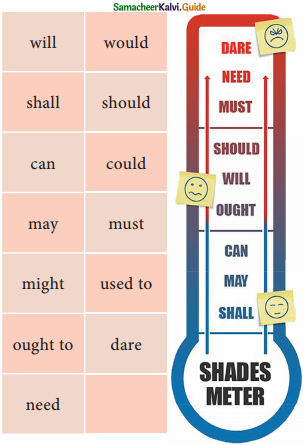
Samacheer Kalvi 12th English Guide Prose Chapter 1 Two Gentlemen Of Verona 4

Task 1:
Fill in the blanks with modal auxiliaries: (Text Book Page No. 14)

Question a.
The candidates _______ answer five out of ten questions.
Answer:
must

Question b.
How _______ you open my bag?
Answer:
dare/can

Question c.
Tajudeen ________ finish this work by Monday.
Answer:
will

Question d.
_______ I go to school today?
Answer:
Shall

Question e.
I wish you ________ tell me the truth.
Answer:
would

Question f.
Poonam __________ not catch the bus yesterday.
Answer:
could

Question g.
People who live in glass houses ______ not throw stones.
Answer:
should/must

Question h.
You ________ not go to the market as I have brought vegetables.
Answer:
need

Question i.
_______ you have taken all this trouble?
Answer:
Must

Question j.
You ______ be joking.
Answer:
must

Question k.
I tried to climb up the tree, but _____ not.
Answer:
could

Question l.
Hima Das ran so fast that she ______ win the medal.
Answer:
could

Question m.
You ________ lead a horse to water, but you _______ make it drink.
Answer:
can, cannot

Question n.
I ________ like to have a cup of coffee.
Answer:
would

Question o.
My grandfather _____ visit this temple when he was young.
Answer:
used to/would

Samacheer Kalvi 12th English Guide Prose Chapter 1 Two Gentlemen Of Verona

Task 2:
Complete the following sentences with modals using the clues given:

Question a.
You _________ help the needy. (moral obligation)
Answer:
must/ought to

Question b.
If I were you, I ________ not behave like that. (conditional sentence)
Answer:
would

Question c.
I _______ never tell a lie. (determination)
Answer:
will

Question d.
My uncle _______ have reached by now. (possibility)
Answer:
may

Question e.
The patient is critical. He __________be taken to the hospital.(compulsion)
Answer:
must

Question f.
I ________ to play hockey when I was a student. (past habit)
Answer:
used to

Question g.
You _______ not attend my class. (order)
Answer:
must

Question h.
He ___________ come today. (remote possibility)
Answer:
might

Question i.
You ___________ follow the traffic rules. (regulation)
Answer:
must

Question j.
He play the match. (willingness)
Answer:
will

Question k.
You __________ not waste time on it. (necessity)
Answer:
need

Question l.
Had the doctor come in time, he _______ have saved the patient.(probability)
Answer:
would

Samacheer Kalvi 12th English Guide Prose Chapter 1 Two Gentlemen Of Verona

Reported Speech:

Task 1:
Read what these people say and rewrite as sentences: (Text Book Page No. 15)underlines

Question 1.
I am very busy.
Answer:
Raja said that he was very busy.

Question 2.
I have completed my work.
Answer:
Satya said that he had completed his work.

Question 3.
I don’t like to go out.
Answer:
Johnson said that he didn’t like to go out.

Question 4.
I have just come back from Chennai.
Answer:
Akshita said that she had just come back from Chennai.

Question 5.
I am learning English.
Answer:
Jayan said that he was learning English.

Question 6.
I bought a pen yesterday.
Answer:
Madhu said that she had bought a pen the previous day.

Question 7.
We will go shopping tomorrow.
Answer:
Joseph and Mary said that they would go shopping the next day.

Question 8.
We can’t attend the party.
Answer:
Afsar and Ayesha said that they could not attend the party.

Question 9.
How are you?
Answer:
Satish asked how he was.

Question 10.
I am fine. Thank you
Answer:
Victor said that he was fine and thanked him.

Samacheer Kalvi 12th English Guide Prose Chapter 1 Two Gentlemen Of Verona

Task 2:
Read the following dialogue and complete the report in the space provided:

Priya: Where are you going to?
Vijay: I am going to the railway station.
Priya: Why are you going there?
Vijay: I want to receive my uncle who is coming from Bangalore.

Question 1.
Priya asked Vijay ___________
Answer:
Priya asked Vijay where he was going.

Question 2.
Vijay replied __________
Answer:
Vijay replied that he was going to the railway station.

Question 3.
Priya further inquired ___________
Answer:
Priya further enquired why he was going there.

Question 4.
Vijay stated that ___________
Answer:
Vijay stated that he wanted to receive his uncle who was coming from Bangalore.

b) Teacher: Why are you late?
Divya: I missed the bus.
Teacher: You should have reached the bus stop on time.
Divya: My grandmother is ill. So, I had to take her to the doctor.
Teacher: I am sorry. What ails her?
Divya: She has a high fever.

Question 1.
The teacher asked Divya why she was late. Divya replied that (a) ________.The teacher told her that (b) _____. Divya said that her grandmother was ill so she had to take her to the doctor. The teacher felt sorry and further asked her (c) _____. Divya explained that she (c)_________ high fever.
Answers:
(a) She had missed the bus
(b) She should have reached the bus stop on time.
(c) what ailed her?
(d) had

Samacheer Kalvi 12th English Guide Prose Chapter 1 Two Gentlemen Of Verona

Task 3:
Rewrite the following passage in indirect speech: (Text Book Page No. 16)

Question 1.
Pradeep got out of bed with much excitement. “It is going to be a lovely sunny day,” he remarked
to his sister Varshini. “Just let me sleep a bit longer, Pradeep,” Varshini begged, “and since you are feeling so
enthusiastic, “she suggested, “Why don’t you go and help a mother in cooking?” Sure, I will say Pradeep.
“Can I help you, mum?’ he said to his mother. “Yes, of course. There are idlis and vadas on the dining table.
Have your breakfast.” “Thank you, mum; I’ll surely help you by eating them.”
Answer:
Pradeep got out of bed with much excitement. He told his sister Varshini that it was going to be a lovely sunny day. Varshini begged him to let her sleep a bit longer and since he was feeling so enthusiastic she asked him why not go and help a mother in cooking. Pradeep said that he would. He asked his mother if he could help her. The mother replied positively and added that there were idlis and vadas on the dining table and told him to have his breakfast. Pradeep thanked his mother and said that he would surely help her by eating them.

Samacheer Kalvi 12th English Guide Prose Chapter 1 Two Gentlemen Of Verona

Writing:
Read the following letter carefully, discuss with your partner, and answer the questions:

Sir,
I request you to publish the following letter in your daily to address an important issue which needs immediate redressal.

During weekends motorcyclists are seen racing on the East Coast Road and the Old Mahabalipuram road of Chennai. The amateur racers are risking their own lives and of the public as well. They are fearless and irresponsible, not knowing the price of human lives. Risking others and their lives for their pleasure is highly condemnable.

Even school students indulge in such activities and cause fatal accidents. The racers have started
occupying the lanes and streets of busy localities. As such, the violation of traffic rules often results in the loss of young lives. Such reckless riders who violate traffic rules should be punished severely. As a responsible citizen of society, I request the authorities concerned to take appropriate measures to put an end to this menace.
Yours truly,
xxxxx.

Questions:

Question a)
Who is the sender of the letter?
Answer:
Srivastava is the sender of the letter.

Question b)
Who is the receiver?
Answer:
The editor of a daily is the receiver.

Question c)
What is the issue?
Answer:
Motorcycle racing is the issue.

Question d)
What is the request of the sender?
Answer:
The request of the sender to the authorities concerned is to take appropriate measures to put an end to the motorcycle racing.

Question e)
Who will take steps after reading it?
Answer:
The traffic police will take steps after reading it.

Samacheer Kalvi 12th English Guide Prose Chapter 1 Two Gentlemen Of Verona

b) You have chosen Computer Science in the Higher Secondary Course. Write a letter to your friend giving reasons for your choice. Read the clues given in brackets to complete the letter.

Dear Arjun (Greeting),

Hope you are well (enquire about his well-being). I would like to say that I have chosen computer science in Hr. Sec course. Firstly I want you to help me with my future (the reason for your choice of group). I wish to become an Engineer (state your ambition). We come to hear a lot of instances of misusing social media. (discuss recent unhealthy happenings in social media and society). These have made me select the course so that after knowing the system well. I will be able to find out something to stop such things (demand or need of this profession). I have plans to pursue M.S in the US (higher studies or specialization).

All the best for your CA preparation. Convey my regards to all at home.

Yours lovingly,
(your name)

Task: (Text Book Page No. 18)
a) You had been to your Grandma’s house during the summer holidays. You enjoyed your stay in her company. Write a letter to your Grandma stating how much you miss her after returning to your home.

My dear Grandma,

I hope, you are quite well. But I am not fine here, because I miss you a lot. I enjoyed your company during my summer holidays. I feel very sad after returning to my home. I am expecting my next vacation to come. I felt very happy when I stayed with you. Take care of your health. See you on your next vacation.

Yours lovingly,
Arjun S.

Address on the envelope
To

STAMP

Mrs. R.Vasantha,
No.75, West Street,
Trichy – 627032.

Samacheer Kalvi 12th English Guide Prose Chapter 1 Two Gentlemen Of Verona

b) You are the head of the English department in a renowned institution. You are invited to preside over the inauguration of the English Literary club in your alma mater. Respond to the letter you have received either accepting the invitation or expressing your inability to attend the function.

From
M Ravi Kumar,
Head of the Department of English,
Joseph College of Arts and Science,
Madurai – 627035

To
The Principal,
ABC College of Arts and Science
Trichy – 620177

Sir,

Sub: Accepting your invitation – reg.

This is to kindly inform you that I have received your invitation to the inauguration of the English Literary club. I am really happy to preside over the function in my alma mater. I am sure that I will be at the function on time.
Thanking you,

Yours faithfully,
M Ravikumar.

Madurai,
10.04.2020.

Address on the envelope
To

STAMP

The Principal
ABC College of Arts and Science
Trichy-620177

c. Write a letter to the Headmaster of your school requesting him to help you obtain a duplicate mark sheet of class XII, which you lost while traveling.

From
S. Anand,
No. 12, West Street,
Virudhunagar.

To
The Headmaster,
TCS. Hr. Sec. School,
Virudhunagar.

Sir,
Sub: Requesting to obtain a duplicate mark sheet of class XH-reg.

I would like to bring to your kind notice that I had missed my mark sheet for class XII while traveling. Therefore, I kindly request you to help me to obtain a duplicate mark sheet.

Thanking you,

Yours faithfully,
B. Anand.

Virudhunagar,
15.04.2020.

Address on the envelope
To

STAMP

The Headmaster,
TCS. Hr. Sec. School,
Virudhunagar.

d) Write a letter to AZ Company requesting them to replace the defective juicer that you bought recently. Include the following details: the problem, date of purchase, receipt number, model, and warranty.

From
S. Rahul,
No.2, North Street,
Kovilpatti.

To
The manager,
AZ company,
Chennai-627201

Sir,

Sub: Requesting to replace the defective juicer-reg.

I would like to bring to your kind notice that I had bought a juicer in your company a week ago. Now it is not working but properly due to magnetic sensors. I have also mentioned the date of purchase and receipt number. So, kindly replace the defective juices as early as possible.
Thanking you,

Yours faithfully,
S. Raghul.

Kovilpatti,
20.05.2020.

Address on the envelope

To

Stamp

The manager,
AZ company,
Chennai-627201

e) You wish to become a pilot. Write a letter to a college enquiring about the details of the pilot training course offered by the college. Include the following details in your inquiry: duration of the course, fee structure, scholarships, hostel facilities, and placement details.

From
D.Kumar,
No.75, East street,
Tenkasi.

To
The principal,
ABC College of Technology,
Coimbatore.

Sir.

Sub: Enquiring about the details of the pilot training course offered-reg.
This is to inform you that I would like to know about the pilot training course offered at your college. Please let me know the duration of the course, fee structure, scholarships, hostel facilities, and placement details as soon as possible.

Thanking you,

Yours faithfully,
D. Kumar.

Tenkasi,
25.04.2020.

Address on the envelope

To

STAMP

The principal,
ABC College of Technology,
Coimbatore.

Samacheer Kalvi 12th English Guide Prose Chapter 1 Two Gentlemen of Verona

f) Write a letter to the manager of Waves Furniture Company ordering furniture for a coaching center. Include the following details: description of the furniture, number of pieces, mode of payment, time, and delivery options.

From
S. Ramesh,
No.72, Anbu Nagar, Palayamkottai.

To
The manager,
The waves furniture company,
Chennai.

Sir,

Sub: Ordering some furniture-reg.

We are in need of some furniture for our coaching center. Kindly send the goods by train to the above address.

Items Quantity
Chair 50 nos
Tables 10 nos
Boards 5 nos

Thanking you,

Yours faithfully,
S. Ramesh.

Palayamkottai,
20.06.2020.

Address on the envelope
To

STAMP

The manager,
The waves furniture company,
Chennai.

g. Write an application for the post of Personal Secretary to the Managing Director of a company. Include the following details: Educational qualification, experience, various other qualifications required for the post.

From
XXX
YYY
ZZZ.

To
The Managing Director,
Software solution,
Chennai-28

Sir,

Sub: Application for the post of personal secretary -reg.

Ref: Advertisement in The Hindu dated 8th June 2020.

I read your advertisement in “The Hindu” dated 8th June 2020.1 wish to apply for the post of personal secretary. I have given below my bio-data. If I am appointed, I assure you that I will discharge my duties to your entire satisfaction.

Bio – Data

  1. Name of the applicant: xxx
  2. Residential Address: yyy
  3. Father’s name: A.Jeyaraj
  4. Date of birth and age: 27th Dec 1990
  5. Age: 28 years old
  6. Sex: Male/Female
  7. Educational Qualification: M.A. English
  8. Experience: 3 years
  9. Languages Known: Tamil, English, and Hindi
  10. Special Talent: Fluency in English, good knowledge of computer, a good athlete
  11. Salary expected: 15,000/- per month

Thanking you,

Declaration:

I, XXX hereby declare that the information which I have furnished is true to the best of my knowledge.

Yours faithfully,
Place: yyy, XXX
Date: 10.06.2020.

Address on the envelope

To

STAMP

The Managing Director,
Software solution,
Chennai-28

h) Write a letter to the editor of a newspaper about the nuisance created by the roadside vendors blocking the pavements and occupying the parking zone.

From
K. Ashok,
No.7, West Mambalam st,
Villupuram.

To
The Editor,
The Indian Express,
Villupuram-27.

Sir,

Sub: Publishing the nuisance created by the roadside vendors in your newspaper -reg.

This is to bring to your kind attention that the roadside vendors are blocking the pavements and occupying the parking zone and thereby creating a nuisance to the public. So, please bring the news to the government by publishing this in your newspaper.

Thanking you,

Yours faithfully,
K.Ashok.

Villupuram,
05.07.2020.

Address on the envelope

To

STAMP

The Editor,
The Indian Express,
Villupuram-27.

j) Write a letter to your relative or friend who is admitted in the hospital for treatment of jaundice. Advise him/her not to worry about the illness and be positive. Assure him/her of your psychological and financial help during the crisis.

My dear Friend,

I heard that you are admitted to the hospital for the treatment of jaundice. It is only a common disease, especially in summer days. So, you take rest and always think positive which will enable you to recover from it soon. If you need any financial help, please inform me at once, So that I will help and be with you.

Yours lovingly,
Arun S

Address on the envelope
To

STAMP

Mrs. M. Karthick,
No.45, North street,
Tirunelveli

Samacheer Kalvi 12th English Guide Prose Chapter 1 Two Gentlemen of Verona

ஆசிரியரைப் பற்றி:

ஆர்ச்சிபால்டு ஜோசப் க்ரோனின் (Archibald Joseph Cronin) (1896-1981) ஸ்காட்டிஷை சார்ந்த நாவலாசிரியர், நாடக ஆசிரியர் மற்றும் இயற்பியலாளர் ஆவார். மருத்துவப் பயிற்சிப் பெற்ற க்ரோனின் இருபதாம் நூற்றாண்டின் புகழ் பெற்ற கதை சொல்லுபவரில் ஒருவர், அவரின் பல கதைகள் இவரின் மருத்துவ பணியிலிருந்து வெளிப்பட்டதாகவும் (emerged) அவைகளின் கதைப்பாணி, சமூக அக்கறையுடையதாகவும், அமைக்கப்பட்டிருக்கும்.

க்ரோனின் புத்தகங்கள் அதிகமாக விற்பனையாவது மட்டுமல்லாமல் சில படைப்புகள் (The Citadel and The Keys of the Kingdom) வெற்றிகரமான படங்களாகவும், வானொலி மற்றும் தொலைகாட்சிகளிலும் ஒளிபரப்பப்பட்டன. இவரின் “Novella country doctor” என்னும் படைப்பு தேர்ந்தெடுக்கப்பட்டு BBC வானொலியிலும், தொலைக்காட்சி தொடரிலும் அதிக நாட்களாக ஒளிபரப்பப்பட்டது.

பாடத்தைப் பற்றி:

கொடுக்கப்பட்டுள்ள இந்த பாடத்தின் ஆசிரியர் A.J.Cronin இரு சிறுவர்களின் வாழ்க்கைப்பற்றியும், அவர்கள் தங்களின் சிறுவயதிலேயே அனுபவிக்கின்ற துன்பங்களைப் பற்றியும் விவரிக்கிறார். பெற்றோரை தங்களின் சிறு வயதிலேயே இழந்த முதுகெலும்பு காசநோயால் பாதிக்கப்பட்ட (Tuberculosis of the spine) சகோதரியைக் காப்பாற்ற போராடும் இரு சகோதரர்களின் செயல்களில் வெளிப்படும் அன்பு, அர்ப்பணிப்பு, தியாகம், நேர்மை மற்றும் முதிர்ச்சி ஆகியவை குறித்த ஒரு கதை கொடுக்கப்பட்டுள்ளது. அவர்களுடைய செயல்கள் எவ்வாறு மனிதநேயத்திற்கு ஒரு புதிய நம்பிக்கையை ஊட்டுகிறது என்பதை அறிய தொடர்ந்து வாசிப்போம்.

Two Gentlemen Of Verona Summary in Tamil

நாங்கள் மகிழுந்தில் (Car) வெரோனா புறநகர்பகுதியில் ஆல்ப்ஸ் (Alps) மலையின் அடிவாரம் வழியாக பயணித்த போது இரு சிறுவர்கள் எங்களை நிறுத்தினர். அவர்கள் காட்டு ஸ்ட்ராபெரி (strawberry) பழங்களை விற்றுக் கொண்டிருந்தனர். ”வாங்காதீர்கள்” என்று, எங்களின் எச்சரிக்கையான (Cautious) வாகன ஓட்டுநர் லூகி (Luigi) கூறினான். “வெரோனா நகரின் உட்பகுதியில் இதை விட சிறந்த பழங்களை நீங்கள் பெறலாம். மேலும் இந்தப் பையன்கள்….” என்று அவர்களின் அழுக்குத் தோற்றத்தை ஏற்றுக்கொள்ளாத வகையில் அவரது தோளை அழுத்தினார். ஒரு சிறுவன் மேலாடையையும், வெட்டப்பட்ட காக்கி காற்சட்டையையும் அணிந்திருந்தான்.

மற்றொருவன் சிறியதாக்கப்பட்ட, முழங்கால் வரை அணியக்கூடிய உடையை அவனது மெல்லிய உடம்பில் தொளதொளவென் அணிந்திருந்தான். பழுப்பு நிறத்தையும், கலைந்த முடியையும், ஊக்கமான கண்களையும் உடைய அந்த இரு சிறிய உருவங்களை இன்னும் கூர்ந்து நோக்கியபடியே, நாங்கள் அவர்களால் கவரப்பட்டதை உணர்ந்தோம். என்னுடன் வந்தவர் (companion), அச்சிறுவர்களிடம் பேச்சுக்கொடுத்து அவர்களிருவரும் சகோதரர்கள் என்று அறிந்தார். மூத்தவன் பெயர் நிக்கோலா (Nicola), வயது 13; எங்கள் காரின் கதவின் அருகே வந்து நின்றவன் பெயர் ஜாகோபா (Jacopo), வயது 12-யை நெருங்கும். நாங்கள் அவர்களின் பெரிய கூடை முழுவதையும் வாங்கிக்கொண்டு (bought) நகரத்தை நோக்கிப் புறப்பட்டோம்.

அடுத்த நாள் காலையில் நாங்கள் எங்கள் விடுதியில் இருந்து வெளியே வந்தபோது, எங்களின் அந்த நண்பர்கள் காலணிகளை பளபளப்பாக்கும் பெட்டியில் (shoe shine box) குணிந்தவாறு, நகரின் பொது சதுக்கத்தின் (public square) நீர்வீழ்ச்சி அருகில் சுறுசுறுப்பாக வேலை செய்வதைக் கண்டோம்.

சிறிது நேரம் அவர்களைக் கவனித்தோம் (watched). அவர்களின் தொழில் மந்தமான (slackened) போது நாங்கள் அவர்களிடம் சென்றோம். அவர்கள் எங்களை இன்முகத்தோடுவரவேற்றார்கள் “நீங்கள் வாழ்வாதாரத்திற்கு தான் பழங்களை விற்றீர்கள் என்று நினைத்தேன்” என்றேன்.

“நாங்கள் நிறைய வேலைகள் பார்ப்போம்” ஐயா என்றான் நிக்கோலா. அவன் நம்பிக்கையுடன் (hopefully) எங்களை நோக்கினான். “நாங்கள் இங்கு வரும் பார்வையாளர்களுக்கு இந்த நகரத்தையும், ஜீலியட்டின் கல்லறையையும் மற்றும் அவர்கள் விரும்பும் இடங்களையும் சுற்றிக்காண்பிப்போம்’, என்றான்.

நான் புன்னகையுடன் “சரி எங்களுக்கும் சுற்றிக் காண்பி” என்றேன். நாங்கள் சுற்றிப்பார்த்து கொண்டிருந்த போது, அவர்களின் குறிப்பிடத்தக்க நடத்தை (demeanour) என் ஆர்வத்தை மேலும் தூண்டியது. அவர்கள் குழந்தைத்தனத்துடன் பல செயல்களில் கள்ளக்கபடமில்லாமல் (artless) இருந்தார்கள். ஜாகோபா அணிற்பிள்ளைப் (squirrel) போன்று மிகவும் சுறுசுறுப்புடன் இருந்தான். நிக்கோலா எப்பொழுதும் சிரித்த முகத்தோடு இருந்தான். இருந்தாலும் அச்சிறுவர்களின் குழந்தை முகங்களில், அவர்களின் வயதுக்கு அப்பாற்பட்ட தீவிரம் (seriousness) காணப்பட்டது.

Samacheer Kalvi 12th English Guide Prose Chapter 1 Two Gentlemen of Verona

அதற்கு அடுத்த வாரத்தில் அவர்களை நாங்கள் அடிக்கடி (frequently) பார்த்தோம். அவர்கள் எங்களுக்கு மிகவும் உபயோகமாக (useful) இருந்தார்கள். எங்களுக்கு அமெரிக்க சிகரெட்டுகள் வேண்டுமென்றாலும், இசை நிகழ்ச்சிக்கு சீட்டு வேண்டுமென்றாலும், நல்ல உணவகத்திற்கு செல்ல வேண்டுமென்றாலும் எங்களின் தேவைகளை நிறைவேற்ற நாங்கள் நிக்கோலா மற்றும் ஜாகோபாவை நம்பினோம். அவர்களின் வேலை செய்யும் ஆர்வம் எங்களை வெகுவாக ஈர்த்தது. இந்த கடுமையான வெயிலிலும் அவர்கள், காலணிகளை பளபளப்பாக்குதல், பழங்கள் விற்றல், ஓர் இடத்திலிருந்து இன்னொரு இடத்திற்கு எடுத்துச் சென்று செய்தித்தாள்களை விற்றல், பார்வையாளர்களை சுற்றிக் காண்பித்தல் என அனைத்து வேலைகளையும் ஒரே நேரத்தில் செய்தனர்.

ஒரு நாள் இரவு அவர்களை காற்றோட்டமான, ஆள் நடமாட்டமில்லாத (deserted), சதுக்கத்தின், விளக்குகளுக்கு கீழே, கல் நடைபாதையில் (pavement) ஓய்வெடுப்பதை கண்டோம். நிக்கோலா கலைப்புடன் அமர்ந்திருந்தான். விற்காத ஒரு கட்டு செய்தித்தாள்கள் அவன் காலடியில் கிடந்தன. ஜாகோபா, அவனது சகோதரரின் தோளின் மேல் தலைவைத்து தூங்கி கொண்டிருந்தான். நேரம் நள்ளிரவை நெருங்கியது.

“ஏன் இவ்வளவு நேரம் இங்கே இருக்கிறீர்கள், நிக்கோலா?”

“பதுவாவிலிருந்து (Padua) வரும் கடைசி பேருந்துக்காக காத்துக் கொண்டிருக்கிறோம். அது வந்தவுடன் எங்களின் அனைத்து செய்தித்தாள்களையும் விற்று விடுவோம்”. என்றான்.

“நீங்கள் இவ்வளவு கடினமாக உழைக்க வேண்டுமா? பார்பதற்கு மிகவும் களைப்பாக (tired) இருக்கிறீர்கள்”. என்று நான் கேட்டேன்.

“நாங்கள் அதனை குறையாக தெரிவிக்கவில்லை ஐயா”, என்றான்.

மறுநாள் காலை நான் காலணிகளை பளபளப்பாக்க சதுக்கத்தின் நீர்வீழ்ச்சி அருகே சென்றபோது, “நிக்கோலா, நீங்கள் உழைப்பதைப் பார்த்தால் நீங்கள் நிறைய சம்பாதிக்க வேண்டும். நீங்கள் ஆடைகளில் செலவலிப்பதில்லை. மிகக் குறைவாகவே சாப்பிடுகிறீர்கள், வழக்கமாக நீ கருத்த ரொட்டித்துண்டு (blackbread) மற்றும் அத்திப்பழங்களை (figs) மட்டுமே சாப்பிடுவதை நான் கண்டிருக்கிறேன். உங்கள் பணத்தை வைத்து நீங்கள் என்ன செய்கிறீர்கள்? என்று என்னிடம் சொல்”.

அவன் உடனே குழம்பிப்போய் மிகுந்த வருத்தமுற்றான். பின்பு தரையைப் பார்த்துக் குணிந்தான்.
”அமெரிக்காவிற்கு புலம் பெயர்வதற்காகவா (emigrate) பணத்தை சேமிக்கிறீர்கள்?” என்று கேட்டேன். அவன் என்னை பக்கவாட்டில் பார்த்து பேசினான். “எங்களுக்கும் அமெரிக்கா போக வேண்டும் என்று பெரிய ஆசை உண்டு” ஆனால், இங்கே, இப்போது நாங்கள் வேறு திட்டங்கள் வைத்திருக்கிறோம்”.

“என்ன திட்டங்கள்?” (plans)
அவன் சங்கடத்துடன் (uncomfortably) புன்னகைத்தான். “சாதரணமான திட்டங்கள் தான்”, என்றான் மெதுவான குரலில்.

“நல்லது,” “நாங்கள் வரும் திங்கட்கிழமை புறப்படுகிறோம். நாங்கள் புறப்படுவதற்குள் உனக்கு ஏதாவது செய்ய வேண்டுமா?” என்றேன். வேண்டாமென் நிக்கோலா தலையை அசைத்தான். ஆனால் திடிரென ஜாகோபா, ஐயா நாங்கள் ஒவ்வொரு ஞாயிற்றுகிழமையும் முப்பது கிலோமீட்டர் அப்பால் இருக்கக்கூடிய ‘பொலேடா (Poleta) என்ற இடத்திற்கு வாடகை மிதிவண்டியில் (hire bicycles) செல்வோம். நீங்கள் எங்களிடம் மிக கனிவுடன் நடந்து கொள்வதால், நாளை எங்களை உங்கள் காரில் அங்கு அழைத்து செல்லலாம் என்றான். நான் லூகியிடம் ஞாயிற்றுகிழமை ஓய்வு. இருந்தபோதும் உங்களுக்காக கார் ஓட்டுகிறேன்” என்று பதிலளித்தேன்.

சிறிய இடைவெளிக்குப்பின், நிக்கோலா அவனது சகோதரனை எரிச்சலுடன் (Vexation) முறைத்தான். “உங்களுக்கு தொந்தரவு வேண்டாம் என்று நினைத்தோம் ஐயா”
“இது ஒன்றும் தொந்தரவு இல்லை”.

தனது உதட்டை கடித்தபடியே மெல்லிய குரலில் சரி நல்லது’ என்றான். அடுத்த கிராமத்திற்கு காரில் பயணமானோம். நாங்கள் அங்கு வசிக்கக் கூடிய இடம் மிகச்சாதரணமாகத்தான் இருக்கும் என கற்பனை செய்திருந்தேன். ஆனால், ஜாகாபாவோ எங்களை பெரிய சிவப்புக் கூரையிட்ட, பெரிய கல் சுவரால் சூழப்பட்ட கிராமப்புற வீட்டுக்கு அழைத்துச் சென்றான். என்னால் என் கண்களையே நம்பமுடியாமல் திகைத்திருந்த வேளையில், என்னுடன் வந்த இரு பயணிகளும் காரில் இருந்து குதித்து இறங்கினர்.

“நாங்கள் அதிக நேரம் எடுத்துக்கொள்ள மாட்டோம் ஐயா, ஒரு மணி நேரம் மட்டுமே. நீங்கள் இங்கே உள்ள தேநீர் கடையில் ஏதேனும் அருந்த விரும்புகிறீர்களா?”. அவர்கள் இருவரும் சுவரின் பின்னால் மறைய (disappear) ஆரம்பித்தனர்.

சில நிமிடங்களுக்கு பிறகு, நானும் அவர்களை பின்தொடர்ந்தேன். நான் கம்பியினால் ஆன ஒரு வாசலைக் கண்டேன். தீர்மானமாக (determinedly) அழைப்பு மணியை அடித்தேன்.

இரும்பு வளையத்தினால் (steel-rimmed) ஆன கண்ணாடியை அணிந்த ஒரு கனிவான பெண்மணி வந்தாள். அந்த பெண்மணி வெள்ளை நிற செவிலியர் உடையுடன் வந்தாள். நான் வியந்து பார்த்தேன்.

“நான் இங்கே இரு சிறுவர்களை அழைத்து வந்தேன்”. ஓ! அப்படியா! என்று அவர் முகம் பிரகாசமானது. அவள் கதவை திறந்து என்னை உள்ளே அனுமதித்தாள். நிக்கோலா, ஜாகோபாவிடம், நான் உங்களை அழைத்துச் செல்கிறேன்” என்றேன்.

Samacheer Kalvi 12th English Guide Prose Chapter 1 Two Gentlemen of Verona

அவள் என்னை குளிர்ந்த, பளிங்கினால் ஆன தாழ்வாரம் (vestibule) வழியே ஒரு மருத்துவமனைக்கு அழைத்துச்சென்றாள். (அந்த கிராமத்து வீடே இப்போது மருத்துவமனையாகி இருந்தது. ஒரு சிறிய படுக்கை அறையின் வாசலில் அவள் நின்று, தன் வாயில் அவள் கையை வைத்து புன்னகைத்தப்படி, கண்ணாடி பிளவின் (glass partition) வழியே என்னைப் பார்க்கச் சொன்னாள்.

அந்த இரு பையன்களும், 20 வயது மதிக்கத்தக்க அழகான பின்னலாடை அணிந்திருந்த தலையணைகளால் தாங்கப்பட்டு படுக்கையிலிருந்த பெண்ணின் அருகில் கட்டிலில் அமர்ந்திருந்தனர். அந்த பெண் அவர்கள் பேசுவதைக் (chatter) கேட்டுக் கொண்டிருந்தாள். அவளது கண்கள் இளமையாகவும், மென்மையாகவும் இருந்தது. பார்த்தவுடன் அவளது தோற்றம் அவளுடைய சகோதரர்களை ஒத்திருப்பதை யாராலும் சொல்ல முடியும். அவளது மேசையில் ஒரு ஜாடி நிறைய காட்டு மலர்களும், கூடவே பழங்களும், நிறைய புத்தகங்களும் இருந்தன.

“நீங்கள் உள்ளே போகவில்லையா?” என்று முனுமுனுத்தாள் அந்த செவிலியப் பெண். “உங்களைப் பார்த்தால் ‘லூசியா (Lucia) மகிழ்வாள்” என்றாள் செவிலி.

நான் தலையை அசைத்து மறுத்த படியே அங்கிருந்து நகர்ந்தேன். அவர்களின் மகிழ்ச்சியான குடும்ப சந்திப்பின் போது உள்ளே நுழைய வேண்டாம் என்று நான் நினைத்தேன். ஆனால் படிகட்டுகளின் கீழே நின்று அவளிடம் அந்த இரு சிறுவர்களைப் பற்றி நீ அறிந்ததை கூறு என்று கெஞ்சி (begged) கேட்டேன். அவளும் சம்மதித்தாள்.

“அவர்கள் இருவருக்கும் அவர்களின் அக்கா லூசியாவைத் தவிர இவ்வுலகில் யாரும் கிடையாது” என்று விவரித்தாள் (explained). மனைவியை இழந்த அவர்களின் தந்தை ஒரு நல்ல பாடகர் (singer), அவர் போர்காலத்தில் கொல்லப்பட்டார்.

பின் சிறிது காலத்தில் அவர்கள் வீட்டின் மீது ஒரு குண்டு விழுந்து, இம்மூன்று சிறுவர்களையும் வீதிக்கு தூக்கி எறிந்தது. அவர்கள் எப்போதும் சுகமான (comfortable) வாழ்வை வாழ்ந்து வந்தார்கள். லூசியாவோ ஒரு பாடகராக பயிற்சி செய்து கொண்டிருந்தாள். மேலும் அவர்கள் கடுங்குளிரினாலும், பசியினாலும் கடுமையாகப் பாதிக்கப்பட்டார்கள்.

பல மாதங்கள், அவர்கள் பழைய செங்கல் மற்றும் சிறந்த பொருள்களினால், அவர்களே செய்த கூடாரத்தில் வாழ்ந்து வந்தார்கள். அதன்பின் 3 வருடங்கள் ஜெர்மனியர்கள் இந்த நகரை ஆண்டார்கள் ஜெர்மானியர்களை (Germans) வெறுத்தபடியே (hate) இச்சிறுவர்கள் வளர்ந்த னர்.

“ஜெர்மானியர்களை எதிர்த்து எதிர்ப்பு இயக்கம் (resistance movement) தோன்றிய போது இவர்கள் முதலில் போய் அதில் இணைந்தனர். போர் முடிவடைந்து அமைதி திரும்பியபோது, அவர்கள் தங்கள் அன்பிற்குரிய சகோதரியிடம் திரும்பி வந்தார்கள். மேலும் தங்களது சகோதரி முதுகெலும்பு காசநோயால் (tuberculosis) பாதிக்கப்பட்டிருப்பதை கண்டறிந்தார்கள்”, என்று அவள் ஒரு கணம் நிறுத்தி மூச்சை உள்ளிளுத்தாள்.

“அவர்கள் அவளை கை விட்டு (give up) விட்டார்களா? என்ற கேள்விக்கு நான் பதில் கூற வேண்டியதில்லை. அவர்களே அவளை இங்கு கொண்டு வந்து எங்களிடம் அவளை இந்த மருத்துவமனையில் சேர்த்துக் கொள்ளும் படி வேண்டி கேட்டுக் கொண்டார்கள், இந்த 12 மாதங்கள் அவள் எங்கள் நோயாளியாகவே (patient) இருக்கிறாள், மேலும் அவளது நிலையில் முன்னேற்றம் இருக்கிறது. அவள் மீண்டும் எழுந்து வந்து பாடுவாள் என்ற நம்பிக்கை எங்களுக்கு உள்ளது”.

“இங்கு எல்லாமே இப்போது மிக கடினமாக (difficult) உள்ளது. எனவே உணவு, தங்குமிடம் என அனைத்திற்கும் நாங்கள் பணம் வசூலிக்கவில்லையென்றால் எங்களால் மருத்துவமனையை நடத்த இயலாது. ஆனால் ஒவ்வொரு வாரமும் லூசியாவின் சகோதரர்கள் அவளுக்கான கட்டணத்தை (payment) செலுத்திவிடுவார்கள்.

அவர்கள் என்ன வேலை செய்கிறார்கள் என்று தெரியவில்லை, நானும் கேட்பதில்லை. வெரோனா நகரில் வேலைக் கிடைப்பது மிகக் கடினம். என்னவாக இருந்தாலும் சரி, அவர்கள் நன்றாக செய்கிறார்கள் என்று எனக்குத் தெரியும்”.

“ஆமாம், இதைவிடச் சிறப்பாக அவர்களால் செய்ய இயலாது” என்று நானும் சம்மதித்தேன் (agreed). அவர்கள் என்னிடம் வரும் வரையில் நான் வெளியே காத்திருந்தேன். வந்ததும் மீண்டும் நகருக்கு திரும்பினோம். அவர்கள் என்னிடம் எதுவும் பேசாமல் அமர்ந்திருந்தார்கள். நானும் அவர்களிடம் ஒரு வார்த்தைக்கூட கேட்கவில்லை. அவர்கள் தங்கள் சகோதரி குறித்த இரகசியத்தை (secret) தங்களுடன் மட்டுமே வைத்துக் கொள்ள விரும்புவார்கள் என்று எனக்குத் தெரியும்.

போர் (war) அவர்களது மனநிலையை உடைக்கமுடியவில்லை . அவர்களின் தன்னலமற்ற செயல், மனித வாழ்க்கைக்கு ஒரு புதிய பெருந்தன்மையையும் (nobility), மனித சமுதாயத்திற்கு ஒரு பெரிய நம்பிக்கையைத் (hope) தரக்கூடிய உறுதியையும் அளித்துள்ளன.

Samacheer Kalvi 12th English Guide Prose Chapter 1 Two Gentlemen of Verona

Glossary:

WORDS SYNONYMS ANTONYMS
1. Shrug raise one’s shoulders slightly concur
2. tunic a loose outer garment without sleeves
3. slackened reduced grow/increase
4. demeanor appearance and behaviour rudeness
5. artless innocent artful
6. hawk sell things crying out loudly, going from place to place
7. deserted uninhabited, unoccupied crowded, populous
8. emigrate take up citizenship of another country immigrate
9. vexation annoyance delight, contentment
10. vestibule lobby wayout
11. chatter a series of short, quick, high- pitched sounds quiet
12. intrude enter without permission abandon
13. rubble debris, broken bricks treasure, valuable
14. glaring staring fiercely soft
15. destination end, terminal start, beginning
16. dwelling habitat, residence
17. scarcely rarely, seldom frequently
18. leaped jumped descended
19. blink wink of an eye, flutter be aware
20. propped up to support let down
21. resemblance similarity, affinity contrast, difference
22. exposure subjection, risk safety, cover
23. starvation malnutrition, need supply, plenty
24. barely scarcely, hardly often
25. persuaded convinced, induced dissuaded
26. devotion attachment, fondness aversion, dislike
27. nobility greatness, honor dishonour, humiliation
28. cautious careful reckless
29. disapprove criticize approve
30. brisk energetic / fast / quick idle / slow
31.engaging amicable / charming / captivating hateful / boring
32. humble courteous / poor / inferior intricate / superior
33. eager craving / anxious / enthusiastic apathetic/unenthusiastic
34. resistance defiance / fighting / struggle assistance / cooperation
35. persuade induce / prompt dissuade / discourage
36. scarce insufficient, deficient frequent / adequate
37. nobility honour / dignity / virtue dishonour

Samacheer Kalvi 12th English Guide Prose Chapter 1 Two Gentlemen Of Verona

Additional:

WORDS SYNONYMS ANTONYMS
1. outskirts border interior
2. cautious careful reckless / careless
3. disapproved criticize approval/permit
4. shabby ill-dressed smart
5. angled entwined plain
6. set off to start on a journey
7. glance glimpse, look examine
8. provoke evoke, cause, kindle allay
9. frequently regularly, often rarely
10. relied upon depended on distrusted
11. errands odd jobs
12. pale ill or tired healthy
13. burst out explode, begin suddenly dull

Samacheer Kalvi 12th Maths Guide Chapter 4 Inverse Trigonometric Functions Ex 4.6

Tamilnadu State Board New Syllabus Samacheer Kalvi 12th Maths Guide Pdf Chapter 4 Inverse Trigonometric Functions Ex 4.6 Textbook Questions and Answers, Notes.

Tamilnadu Samacheer Kalvi 12th Maths Solutions Chapter 4 Inverse Trigonometric Functions Ex 4.6

Choose the most suitable answer from the given four alternatives:

Question 1.
The value of sin-1(cos x), 0 ≤ x ≤ π is
(a) π – x
(b) x – \(\frac {π}{2}\)
(c) \(\frac {π}{2}\) – x
(d) x – π
Solution:
(c) \(\frac {π}{2}\) – x
Hint:
sin-1(cos x) = sin-1(sin(\(\frac {π}{2}\) – x)) = \(\frac {π}{2}\) – x

Question 2.
If sin-1 x + sin-1 y = \(\frac {2π}{3}\); then cos-1 x + cos-1 y is equal to
(a) \(\frac {2π}{3}\)
(b) \(\frac {π}{3}\)
(c) \(\frac {π}{6}\)
(d) π
Solution:
(b) \(\frac {π}{3}\)
Hint:
sin-1x + cos-1x + cos-1y + sin-1y = \(\frac {π}{2}\) + \(\frac {π}{2}\) = π
\(\frac {2π}{3}\) + cos-1x + cos-1y = π
cos-1x + cos-1y = π – \(\frac {2π}{3}\) = \(\frac {3π-2π}{3}\) = \(\frac {π}{3}\)

Samacheer Kalvi 12th Maths Guide Chapter 4 Inverse Trigonometric Functions Ex 4.6

Question 3.
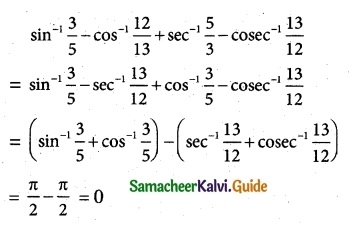
sin-1\(\frac {3}{5}\) – cos-1\(\frac {12}{13}\) + sec-1\(\frac {5}{3}\) – cosec-1\(\frac {13}{12}\) is equal to
(a) 2π
(b) π
(c) 0
(d) tan-1\(\frac {12}{65}\)
Solution:
(c) 0
Hint:
Samacheer Kalvi 12th Maths Guide Chapter 4 Inverse Trigonometric Functions Ex 4.6 1

Question 4.
If sin-1 x = 2sin-1 α has a solution, then
(a) |α| ≤ \(\frac {1}{√2}\)

(b) |α| ≥ \(\frac {1}{√2}\)
(c) |α| < \(\frac {1}{√2}\)
(d) |α| > \(\frac {1}{√2}\)
Solution:
(a) |α| ≤ \(\frac {1}{√2}\)
Hint:
If sin-1 x = 2sin-1 α has a solution then
–\(\frac {π}{2}\) ≤ 2sin-1α ≤ \(\frac {π}{2}\)
–\(\frac {π}{4}\) ≤ sin-1α ≤ \(\frac {π}{4}\)
sin(\(\frac {-π}{4}\)) ≤ α ≤ sin\(\frac {π}{4}\)
–\(\frac {1}{√2}\) ≤ α ≤ \(\frac {1}{√2}\)
-|α| ≤ \(\frac {1}{√2}\)

Samacheer Kalvi 12th Maths Guide Chapter 4 Inverse Trigonometric Functions Ex 4.6

Question 5.
sin-1(cos x) = \(\frac {π}{2}\) – x is valid for
(a) -π ≤ x ≤ 0
(b) 0 ≤ x ≤ π
(c) –\(\frac {π}{2}\) ≤ x ≤ \(\frac {π}{2}\)
(d) –\(\frac {π}{4}\) ≤ x ≤ \(\frac {3π}{4}\)
Solution:
(b) 0 ≤ x ≤ π
Hint:
sin-1 (cosx) = \(\frac {π}{2}\) – x is valid for
cos x = sin (\(\frac {π}{2}\) – x)
cos x ∈ [0, π]
∴ 0 ≤ x ≤ π

Question 6.
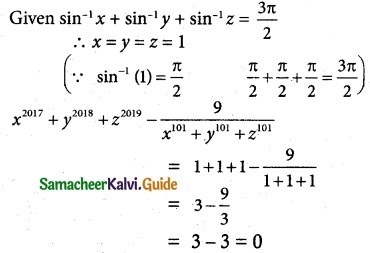
If sin-1 x + sin-1 y + sin-1 z = \(\frac {3π}{2}\), the value of show that x2017 + y2018 + z2019 – \(\frac {9}{x^{101}+y^{101}+z^{101}}\) is
(a) 0
(b) 1
(c) 2
(d) 3
Solution:
(a) 0
Hint:
Samacheer Kalvi 12th Maths Guide Chapter 4 Inverse Trigonometric Functions Ex 4.6 2

Samacheer Kalvi 12th Maths Guide Chapter 4 Inverse Trigonometric Functions Ex 4.6

Question 7.
If cot-1 x = \(\frac {2π}{5}\) for some x ∈ R, the value of tan-1 x is
(a) –\(\frac {π}{10}\)
(b) \(\frac {π}{5}\)
(c) \(\frac {π}{10}\)
(d) –\(\frac {π}{5}\)
Solution:
(c) \(\frac {π}{10}\)
Hint:
tan-1 x + cos-1 \(\frac {π}{2}\)
tan-1x = \(\frac {π}{2}\) – cot-1 x = \(\frac {π}{2}\) – \(\frac {2π}{5}\)
= \(\frac {5π-4π}{10}\) = \(\frac {π}{10}\)

Question 8.
The domain of the function defined by f(x) = sin-1 \(\sqrt {x-1}\) is
(a) [1, 2]
(b) [-1, 1]
(c) [0, 1]
(d) [-1, 0]
Solution:
(a) [1, 2]
Hint:
f(x) = sin-1 \(\sqrt {x-1}\)
\(\sqrt {x-1}\) ≥ 0
-1 ≤ \(\sqrt {x-1}\) ≤ 1
∴ 0 ≤ \(\sqrt {x-1}\) ≤ 1
0 ≤ x – 1 ≤ 1
1 ≤ x ≤ 2
x ∈ [1, 2]

Samacheer Kalvi 12th Maths Guide Chapter 4 Inverse Trigonometric Functions Ex 4.6

Question 9.
If x = \(\frac {1}{5}\) the value of cos(cos-1x + 2sin-1x) is
(a) –\(\sqrt{\frac {24}{25}}\)
(b) \(\sqrt{\frac {24}{25}}\)
(c) \(\frac {1}{5}\)
(d) –\(\frac {1}{5}\)
Solution:
(d) –\(\frac {1}{5}\)
Hint:
cos[cos-1x + sin-1x + sin-1x] = cos(\(\frac {π}{2}\) + sin-1x)
= -sin(sin-1x)
[∵ cos(90+θ) = -sin θ]
= -x = –\(\frac {1}{5}\)

Question 10.
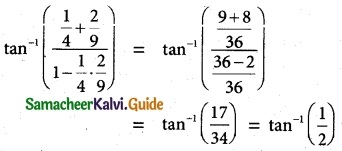
tan-1(\(\frac {1}{4}\)) + tan-1(\(\frac {2}{9}\)) is equal to
(a) \(\frac {1}{2}\)cos-1(\(\frac {3}{5}\))
(b) \(\frac {1}{2}\)sins-1(\(\frac {3}{5}\))
(c) \(\frac {1}{2}\)tan-1(\(\frac {3}{5}\))
(d) tan-1(\(\frac {1}{2}\))
Solution:
(d) tan-1(\(\frac {1}{2}\))
Hint:
Samacheer Kalvi 12th Maths Guide Chapter 4 Inverse Trigonometric Functions Ex 4.6 3

Samacheer Kalvi 12th Maths Guide Chapter 4 Inverse Trigonometric Functions Ex 4.6

Question 11.
If the function f(x) = sin-1(x² – 3), then x belongs to
(a) [-1, 1]
(b) [√2, 2]
(c) [-2, -√2]∪[√2, 2]
(d) [-2, -√2]
Solution:
(c) [-2, -√2]∪[√2, 2]
Hint:
-1 ≤ x² – 3 ≤ 1
-1 + 3 ≤ x² ≤ 1 + 3
⇒ 2 ≤ x² ≤ 4
±√2 ≤ x ≤ ± 2
[-2, -√2]∪[√2, 2]

Question 12.
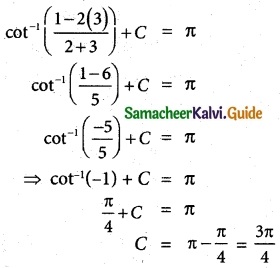
If cot-1 2 and cot-1 3 are two angles of a triangle, then the third angle is
(a) \(\frac {π}{4}\)
(b) \(\frac {3π}{4}\)
(c) \(\frac {π}{6}\)
(d) \(\frac {π}{3}\)
Solution:
(b) \(\frac {3π}{4}\)
Hint:
A + B + C = π (triangle)
cot-1 2 + cot-1 3 + C = π
Samacheer Kalvi 12th Maths Guide Chapter 4 Inverse Trigonometric Functions Ex 4.6 4

Samacheer Kalvi 12th Maths Guide Chapter 4 Inverse Trigonometric Functions Ex 4.6

Question 13.
sin-1(tan\(\frac {π}{4}\)) – sin-1(\(\sqrt{\frac {3}{x}}\)) = \(\frac {π}{6}\). Then x is root of the equation
(a) x² – x – 6 = 0
(b) x² – x – 12 = 0
(c) x² + x – 12 = 0
(d) x² + x – 6 = 0
Solution:
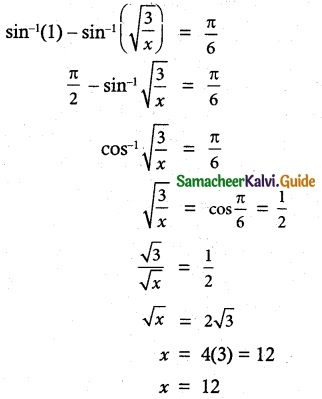
(b) x² – x – 12 = 0
Hint:
Samacheer Kalvi 12th Maths Guide Chapter 4 Inverse Trigonometric Functions Ex 4.6 5

Question 14.
sin-1(2 cos²x – 1) + cos-1(1 – 2 sin²x) =
(a) \(\frac {π}{2}\)
(b) \(\frac {π}{3}\)
(c) \(\frac {π}{4}\)
(d) \(\frac {π}{6}\)
Solution:
(a) \(\frac {π}{2}\)
Hint:
sin-1(2 cos² x – 1) + cos-1(1 – 2 sin²x)
= sin-1 (2 cos² x – 1) + cos-1 (1 – sin² x – sin² x)
= sin-1(2 cos² x – 1) + cos-1(cos² x – (1 – cos²x))
= sin-1(2 cos² x – 1) + cos-1(cos² x – 1 + cos²x)
= sin-1(2 cos² x – 1) + cos-1(2 cos² x – 1)
= \(\frac {π}{2}\) [∵ sin-1 x + cos-1 x = \(\frac {π}{2}\)]

Samacheer Kalvi 12th Maths Guide Chapter 4 Inverse Trigonometric Functions Ex 4.6

Question 15.
If cot-1(\(\sqrt {sinα}\)) + tan-1(\(\sqrt {sinα}\)) = u, then cos 2u is equal to
(a) tan²α
(b) 0
(c) -1
(d) tan 2α
Solution:
(c) -1
Hint:
cot-1 x + tan-1 x = \(\frac {π}{2}\)
∴ u = \(\frac {π}{2}\)
cos 2u = cos 2(\(\frac {π}{2}\)) = cos π = -1

Question 16.
If |x| ≤ 1, then 2 tan-1 x – sin-1\(\frac {2x}{1+x²}\) is equal to
(a) tan-1x
(b) sin-1x
(c) 0
(d) π
Solution:
(c) 0
Hint:
sin-1\(\frac {2x}{1+x²}\) = 2 tan-1x
∴ 2 tan-1 x – 2 tan-1 x = 0

Samacheer Kalvi 12th Maths Guide Chapter 4 Inverse Trigonometric Functions Ex 4.6

Question 17.
The equation tan-1 x – cot-1 x = tan-1(\(\frac {1}{√3}\)) has
(a) no solution
(b) unique solution
(c) two solutions
(d) infinite number of solutions
Solution:
(b) unique solution
Hint:
tan-1 x – cot-1 x = tan-1(\(\frac {1}{√3}\)) …….. (1)
tan-1 x – cot-1 x = \(\frac {π}{2}\) ……… (2)
Add 1 and 2
2 tan-1 x = \(\frac {π}{6}\) + \(\frac {π}{2}\) = \(\frac {2π}{3}\)
tan-1 x = \(\frac {π}{3}\)
x = √3 which is uniqe solution.

Question 18.
If sin-1 x + cot-1(\(\frac {1}{2}\)) = \(\frac {π}{2}\), then x is equal to
(a) \(\frac {1}{2}\)
(b) \(\frac {1}{√5}\)
(c) \(\frac {2}{√5}\)
(d) \(\frac {√3}{2}\)
Solution:
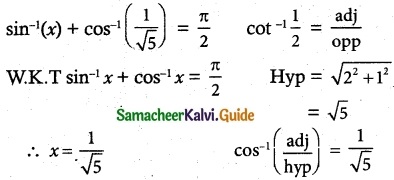
(b) \(\frac {1}{√5}\)
Hint:
Samacheer Kalvi 12th Maths Guide Chapter 4 Inverse Trigonometric Functions Ex 4.6 6

Samacheer Kalvi 12th Maths Guide Chapter 4 Inverse Trigonometric Functions Ex 4.6

Question 19.
If sin-1 \(\frac {x}{5}\) + cosec-1\(\frac {5}{4}\) = \(\frac {π}{2}\), then the value of x is
(a) 4
(b) 5
(c) 2
(d) 3
Solution:
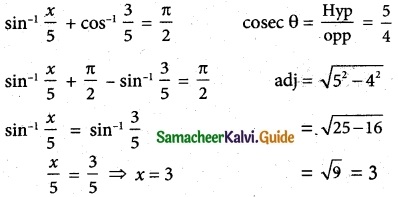
(d) 3
Hint:
Samacheer Kalvi 12th Maths Guide Chapter 4 Inverse Trigonometric Functions Ex 4.6 7

Question 20.
sin(tan-1 x), |x| < 1 is equal to
(a) \(\frac {x}{\sqrt{1-x^2}}\)
(b) \(\frac {1}{\sqrt{1-x^2}}\)
(c) \(\frac {1}{\sqrt{1+x^2}}\)
(d) \(\frac {x}{\sqrt{1+x^2}}\)
Solution:
(d) \(\frac {x}{\sqrt{1+x^2}}\)
Hint:
tan a = x
W.K.T 1 + tan² a = sec² a
1 + x² = sec² a
sec a = \(\sqrt{1+x^2}\)
\(\frac {1}{cosa}\) = \(\sqrt{1+x^2}\)
cos a= \(\frac {1}{\sqrt{1+x^2}}\)
sin a = \(\sqrt{1-cos^2a}\) = \(\sqrt{1-\frac {1}{1+x^2}}\)
\(\sqrt{\frac{1+x^2 -1}{1+x^2}}\) = \(\frac {x}{\sqrt{1+x^2}}\)

Samacheer Kalvi 12th Maths Guide Chapter 4 Inverse Trigonometric Functions Ex 4.6

Samacheer Kalvi 12th Maths Guide Chapter 4 Inverse Trigonometric Functions Ex 4.5

Tamilnadu State Board New Syllabus Samacheer Kalvi 12th Maths Guide Pdf Chapter 4 Inverse Trigonometric Functions Ex 4.5 Textbook Questions and Answers, Notes.

Tamilnadu Samacheer Kalvi 12th Maths Solutions Chapter 4 Inverse Trigonometric Functions Ex 4.5

Question 1.
Find the value, if it exists. If not, give the reason for non-existence.
(i) sin-1 (cos π)
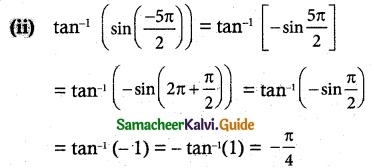
(ii) tan-1(sin(\(\frac {-5π}{2}\)))
(iii) sin-1 [sin 5]
Solution:
(i) sin-1 (cos π) = sin-1 (-1) = -sin-1 (1) = –\(\frac {π}{2}\) [∵ cos π = -1]

Samacheer Kalvi 12th Maths Guide Chapter 4 Inverse Trigonometric Functions Ex 4.5 1

(iii) sin-1 [sin 5]
–\(\frac {π}{2}\) ≤ sin-1 5 ≤ \(\frac {π}{2}\)
-3\(\frac {π}{2}\) ≤ 5 ≤ 2π
–\(\frac {π}{2}\) ≤ 5 – 2π ≤ 0 ≤ \(\frac {π}{2}\)
sin(5 – 2π) = sin 5
sin-1 (sin 5) = 5 – 2π

Samacheer Kalvi 12th Maths Guide Chapter 4 Inverse Trigonometric Functions Ex 4.5

Question 2.
Find the value of the expression in terms of x, with the help of a reference triangle.
(i) sin (cos-1(1 – x))
(ii) cos (tan-1 (3x – 1))
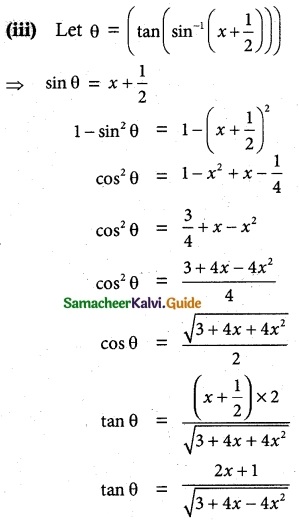
(iii) tan (sin-1(x + \(\frac {π}{2}\)))
Solution:
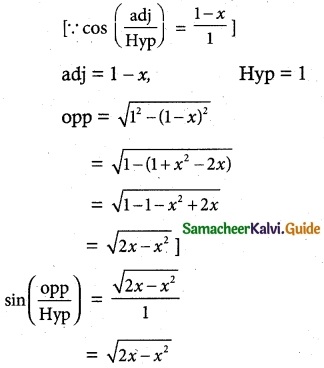
(i) sin (cos-1(1 – x)) = sin [cos-1(adj/hyp)]
Samacheer Kalvi 12th Maths Guide Chapter 4 Inverse Trigonometric Functions Ex 4.5 2

(ii) cos (tan-1(3x – 1)) = cos [opp/adj]
Let θ = tan-1(3x – 1)
tan θ = 3x- 1
1 + tan² θ = 1 +(3x – 1)²
sec² θ = 9x² – 6x + 2
sec θ = \(\sqrt{9x² – 6x + 2}\)
cos θ = \(\frac{1}{\sqrt{9x² – 6x + 2}}\)
⇒ cos (tan-1(3x – 1)) = \(\frac{1}{\sqrt{9x² – 6x + 2}}\)

Samacheer Kalvi 12th Maths Guide Chapter 4 Inverse Trigonometric Functions Ex 4.5

Samacheer Kalvi 12th Maths Guide Chapter 4 Inverse Trigonometric Functions Ex 4.5 3

Question 3.
Find the value of
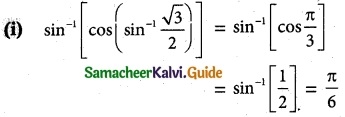
(i) sin-1(cos(sin-1(\(\frac {√3}{2}\))))
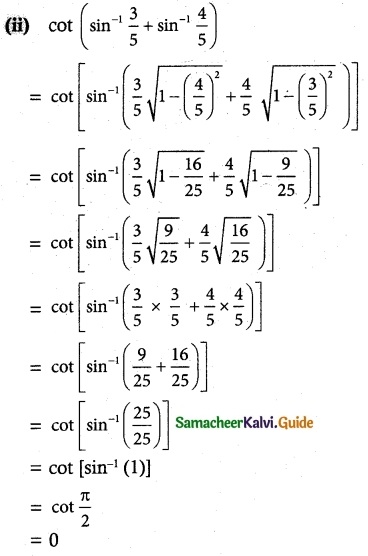
(ii) cot(sin-1 \(\frac {3}{5}\) + sin-1\(\frac {4}{5}\))
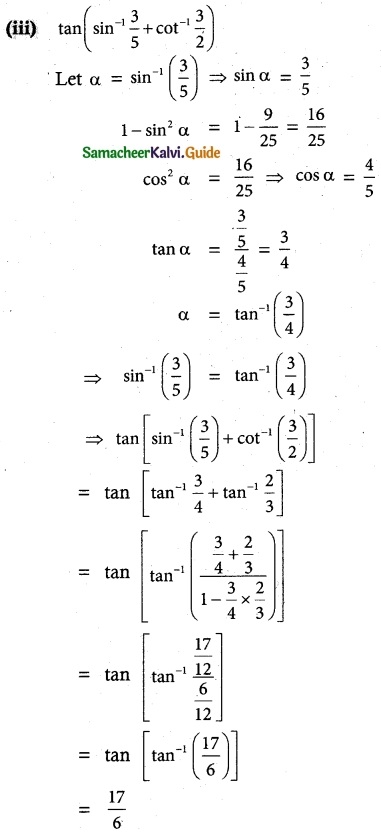
(iii) tan(sin-1 \(\frac {3}{5}\) + cot-1\(\frac {3}{2}\))
Solution:
Samacheer Kalvi 12th Maths Guide Chapter 4 Inverse Trigonometric Functions Ex 4.5 4
Samacheer Kalvi 12th Maths Guide Chapter 4 Inverse Trigonometric Functions Ex 4.5 5
Samacheer Kalvi 12th Maths Guide Chapter 4 Inverse Trigonometric Functions Ex 4.5 6

Samacheer Kalvi 12th Maths Guide Chapter 4 Inverse Trigonometric Functions Ex 4.5

Question 4.
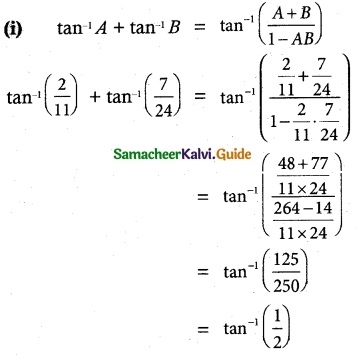
(i) tan-1\(\frac {2}{11}\) + tan-1 \(\frac {7}{24}\) = tan-1 \(\frac {1}{2}\)
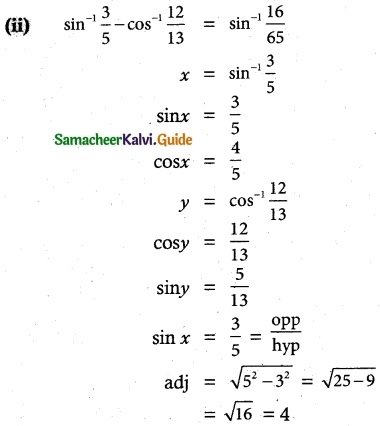
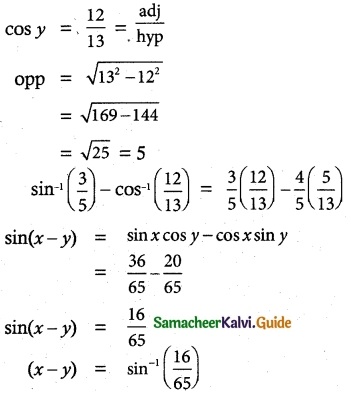
(i) tan-1\(\frac {3}{5}\) + cos-1 \(\frac {12}{13}\) = sin-1 \(\frac {16}{65}\)
Solution:
Samacheer Kalvi 12th Maths Guide Chapter 4 Inverse Trigonometric Functions Ex 4.5 7
Samacheer Kalvi 12th Maths Guide Chapter 4 Inverse Trigonometric Functions Ex 4.5 8
Samacheer Kalvi 12th Maths Guide Chapter 4 Inverse Trigonometric Functions Ex 4.5 9

Question 5.
Prove that
tan-1 x + tan-1 y + tan-1 z = tan-1 (\(\frac {x+y+z-xyz}{1-xy-yz-zx}\))
Solution:
tan-1 x + tan-1 y + tan-1 z
Samacheer Kalvi 12th Maths Guide Chapter 4 Inverse Trigonometric Functions Ex 4.5 10

Samacheer Kalvi 12th Maths Guide Chapter 4 Inverse Trigonometric Functions Ex 4.5

Question 6.
tan-1 x + tan-1 y + tan-1 z = π, show that x + y + z = xyz
Solution:
tan-1 x + tan-1 y + tan-1 z = π
Samacheer Kalvi 12th Maths Guide Chapter 4 Inverse Trigonometric Functions Ex 4.5 11
x + y + z – xyz = 0
x + y + z = xyz

Question 7.
Prove that
tan-1 x + tan-1 \(\frac {2x}{1-x^2}\) = tan-1 \(\frac {3x-x^3}{1-3x^2}\), |x| < \(\frac {1}{√3}\)
Solution:
Samacheer Kalvi 12th Maths Guide Chapter 4 Inverse Trigonometric Functions Ex 4.5 12

Samacheer Kalvi 12th Maths Guide Chapter 4 Inverse Trigonometric Functions Ex 4.5

Question 8.
Simplify
tan-1 \(\frac {x}{y}\) – tan-1 \(\frac {x-y}{x+y}\)
Solution:
Samacheer Kalvi 12th Maths Guide Chapter 4 Inverse Trigonometric Functions Ex 4.5 13

Question 9.
(i) sin-1 \(\frac {5}{x}\) + sin-1 \(\frac {12}{x}\) = \(\frac {π}{2}\)
(ii) 2 tan-1 x = cos-1 \(\frac {1-a^2}{1+a^2}\) – cos-1 \(\frac {1-b^2}{1+b^2}\), a > 0, b > 0
(iii) 2 tan-1 (cos x) = tan-1 (2 cosec x)
(iv) cot-1 x – cot-1 (x + 2) = \(\frac {π}{12}\), x > 0
Solution:
Samacheer Kalvi 12th Maths Guide Chapter 4 Inverse Trigonometric Functions Ex 4.5 14
Samacheer Kalvi 12th Maths Guide Chapter 4 Inverse Trigonometric Functions Ex 4.5 15

Samacheer Kalvi 12th Maths Guide Chapter 4 Inverse Trigonometric Functions Ex 4.5

Samacheer Kalvi 12th Maths Guide Chapter 4 Inverse Trigonometric Functions Ex 4.5 16
sin² x = sin x cos x
⇒ sin x cos x – sin² x = 0
⇒ sin x(cos x – sin x) = 0
sin x = 0 (or) cos x – sin x = 0
⇒ x = nπ, n ∈ Z, (or) cos x = sin x
tan x = 1 = tan \(\frac {π}{4}\)
⇒ x = nπ + \(\frac {π}{4}\), n ∈ Z
Samacheer Kalvi 12th Maths Guide Chapter 4 Inverse Trigonometric Functions Ex 4.5 17
⇒ (x + 1)² = 4 + 2√3
⇒ (x + 1)² = 1 + 3 + 2√3
⇒ (x + 1)² = (1 + √3)²
⇒ x + 1 = 1 + √3
∴ x = √3

Samacheer Kalvi 12th Maths Guide Chapter 4 Inverse Trigonometric Functions Ex 4.5

Question 10.
Find the number of the solutions of the equations
tan-1(x – 1) + tan-1 x + tan-1(x + 1) = tan-13x
Solution:
tan-1(x – 1) + tan-1 x + tan-1(x + 1)
= tan-1(x – 1) + tan-1(x + 1) + tan-1x
Samacheer Kalvi 12th Maths Guide Chapter 4 Inverse Trigonometric Functions Ex 4.5 18
4x – x³ = 6x – 9x³
8x³ = 2x
8x³ – 2x = 0
2x(x² – 1) = 0
x = 0, x² = 1
x = ±1
Number of solutions are three (0, 1 -1)

Samacheer Kalvi 12th Maths Guide Chapter 4 Inverse Trigonometric Functions Ex 4.5

Samacheer Kalvi 12th English Guide Poem 6 Incident of The French Camp

Tamilnadu State Board New Syllabus Samacheer Kalvi 12th English Guide Pdf Poem 6 Incident of The French Camp Text Book Back Questions and Answers, Summary, Notes.

Tamilnadu Samacheer Kalvi 12th English Solutions Poem 6 Incident of The French Camp

12th English Guide Incident of The French Camp Text Book Back Questions and Answers

Warm Up:

Have you played chess or watched the game carefully?
Now identfy the chess pieces and complete the table below. Discuss the role of each piece in the game.
Samacheer Kalvi 12th English Guide Poem 6 Incident Of The French Camp 1
Answer:
Samacheer Kalvi 12th English Guide Poem 6 Incident Of The French Camp 2

Samacheer Kalvi 12th English Guide Poem 6 Incident of The French Camp

Textual Questions:

1. Fill in the blanks choosing the words from the box given and complete the summary of the poem:

Samacheer Kalvi 12th English Guide Poem 6 Incident Of The French Camp 3

The poet Robert Browning narrates an incident at the French Camp in the war of 1809 between France and Austria, in a (a) _____ version. He describes the brave action of a (b) ______soldier, whose heroic devotion to duty and his (c) ________ in it is inspiring and worthy of (d) _____. During the attack of the French army on Ratisbon, Napoleon was anxious about the (e) _____. Austrians were defending Ratisbon with great (f) _______ and courage. Napoleon was watching the war standing on a (g) ________ near the battlefield. All of a sudden a rider appeared from the closed smoke and dust. Riding at great speed, jumping and leaping, he approached the mound where Napoleon stood. As he came closer, the narrator noticed that the rider, a young boy, was severely wounded. But the rider showed no sign of pain and smiling in joy, jumped off the horse and gave the happy news of (h) _______ to the emperor. He exclaimed with pride that French had (i) ________ Ratisbon and he himself had hoisted the flag of France. When Napoleon heard the news, his plans (j) _____ up like fire. His eyes (k) _______ when he saw that the soldier was severely wounded. Like a caring mother eagle, the emperor asked if he was wounded. The (l) _______ soldier replied proudly that he was killed and died heroically.

Answers:

(a) dramatic
(b) valiant
(c) pride
(d) admiration
(e) result
(f) determination
(g) mound
(h) victory
(i) conquered
(j) soared
(k) softened
(l) wounded

Samacheer Kalvi 12th English Guide Poem 6 Incident of The French Camp

2. Based on your understanding of the poem, answer the following questions in one or two sentences each:
(Text Book Page No. 193)

Question a.
Who do you think is the narrator of the poem?
Answer:
A French soldier is the narrator of the poem.

Question b.
Where was the narrator when the incident happened?
Answer:
The narrator was in the French camp when the incident happened.

Question c.
Who took the city of Ratisbon by storm?
Answer:
French soldiers led by Marshall Lannes took the city of Ratisbon by storm.

Question d.
Where was Napoleon standing on the day of the attack on the city of Ratisbon?
Answer:
Napoleon was standing on a little mound near the battlefield.

Question e.
Describe the posture of Napoleon.
Answer:
Napoleon’s neck was outthrust. He kept his legs wide and arms locked behind as if to balance his body against his brow heavy with oppressive thoughts about the battle.

Question f.
Who came galloping on a horse to Napoleon?
Answer:
A young soldier came galloping on a horse to Napoleon.

Question g.
What does the phrase ‘full galloping’ suggest?
Answer:
Full galloping suggests full speed.

Samacheer Kalvi 12th English Guide Poem 6 Incident of The French Camp

Question h.
Why was the rider in a hurry?
Answer:
The rider was in a hurry to deliver happy news of victory to his emperor.

Question i.
What did the rider do when he reached Napoleon?
Answer:
He jumped off his horse when he reached Napoleon.

Question j.
Why did the rider keep his lips compressed?
Answer:
The rider kept his lips compressed so that blood would not be visible in his mouth.

Question k.
Where did the rider plant the French flag after Ratisbon was captured?
Answer:
The rider had planted the French flag at the Market place in Ratisbon.

Question l.
What was Napoleon’s reaction to hearing the news of victory?
Answer:
Napoleon’s eyes flashed and his plans soared up like fire when he heard the news of victory.

Question m.
When did the narrator find that the boy was badly wounded?
Answer:
Soon after the boy disclosed the conquest of Ratisbon and his glorious role in perching the French flag, Napoleon found that the boy was wounded.

Question n.
Why did Napoleon’s eyes become soft as a mother eagle’s eyes?
Answer:
As Napoleon saw the young soldier severely wounded his eyes became soft as a mother eagle’s eyes.

Question o.
How did the young soldier face his end?
Answer:
The young soldier died with a smile frozen on his lips.

Samacheer Kalvi 12th English Guide Poem 6 Incident of The French Camp

4. Read the lines given below and answer the questions that follow: (Text Book Page No. 194)

a) Legs wide, arms locked behind,
As if to balance the prone brow Oppressive with its mind.

i. Whose action is described here?
Answer:
Napoleon’s action is described here.

ii. What is meant by prone brow?
Answer:
The phrase ‘prone brow’ means eyebrow inclined downward.

iii. What is his state of mind?
Answer:
His state of mind is filled with anxiety and his eagerness hasted.

b) ‘You’re wounded!’ ‘Nay’, his soldier’s pride Touched to the quick, he said:

i. Why did the boy contradict Napoleon’s words?
Answer:
The boy felt proud to die for his own country. So he contradicted Napoleon’s words by saying that he was killed and not wounded.

ii. Why was his pride touched?
Answer:
His pride was touched quickly. He took pride and declared that he felt joy and thrill in giving his life for his own country.

c) A film of the mother eagle’s eye When her bruised eaglet breathes

i. Who is compared to the mother eagle in the above lines?
Answer:
Napoleon is compared to the mother eagle.

ii. Explain the comparison.
Answer:
The feelings of Napoleon at that moment were just like those of the mother eagle who gets worried and confused when she (eagle) finds her young ones badly injured and on the verge of death. Mother eagle struggles and fails to understand how to save her young one’s life. Similarly, maternal affection can be seen and felt in Napoleon’s heart when he saw that the boy was severely wounded.

iii. Why did Napoleon’s eyes become soft as a mother eaglets eyes?
Answer:
Because the soldier was severely wounded.

Samacheer Kalvi 12th English Guide Poem 6 Incident of The French Camp

Additional Questions:

1) “You know, we French stormed Ratisbon A mile or so away”.

a) Who does ‘we’ refer to?
Answer:
‘We’ refer to the French people.

b) What does the word ‘stormed ‘ mean?
Answer:
The word ‘ stormed ‘ means a sudden violent attack.

2) “ On a little mound, Napoleon
Stood on our storming- day,
With neck out-thrust, you fancy how”.

a) Where was Napoleon standing?
Answer:
Napoleon was standing on a mound near the battlefield.

b) Give the meaning of ‘mound’
Answer:
hillock/hill.

3) “A rider, bound on bound Full-galloping, not bridle drew”

a) Who is the rider here?
Answer:
The rider is a young French soldier.

b) Explain full-galloping
Answer:
A young French soldier was rushing towards Napoleon riding his horse at top speed.

c) Where was the French flag planted after the victory?
Answer:
At the market area in Ratisbon.

4) “So tight he kept his lips compressed”

a) What does the word ‘compressed’ refer to?
Answer:
The word ‘compressed’ refers to pressed together.

b) Why did he keep his lips compressed?
Answer:
His mouth was full of blood so he had his lips so tightly sealed not to allow the blood to ooze out.

c) How did the young soldier face his end?
Answer:
Proudly and heroically.

5) “The chief’s eye flashed: hut presently softened itself as sheathes”

a) Whose eyes are referred to as ‘the chief’s eyes’?
Answer:
The chief’s eyes are referred to as Napoleon’s eyes.

b) Give the meaning of ‘sheathes’
Answer:
‘sheathes’ means covers.

Samacheer Kalvi 12th English Guide Poem 6 Incident of The French Camp

Poetic lines Figure of Speech
1. ‘You know, we French stormed Ratisbon’ Synecdoche
2. With neck out-thrust, you fancy how, Metaphor
3. We’ve got you Ratisbon! Exclamation
4. Soared up again like fire. Simile
5. A film the mother eagle’s eye Simile
6. Perched him!’The Chief’s eye flashed; his plans Personification
7. A rider, bound on bound Repetition
8. As if to balance the prone brow Personification
9. ‘I’m killed, Sirel’And, his Chief beside, Contrast
10. Stood on our storming day Alliteration
11. Let once my army leader lannes Alliteration
12. As if to balance the prone brow Alliteration
13. waver at yonder wall Alliteration
14. And held himself erect Alliteration
15. The Marshal’s in the market place Alliteration
16. To see your flag bird flap his vans Alliteration
17. softened itself, as sheathes Alliteration
18. When her bruised eagle breathes Alliteration
19. We French stormed Ratisbon. Synecdoche

Samacheer Kalvi 12th English Guide Poem 6 Incident of The French Camp

d) Explain the following lines with reference to the context:

i. Then off there flung in smiling joy,
And held himself erect

Reference:
These lines are taken from Poem – “Incident of the French Camp”, Poet – “Robert Browning”.
Context:
The poet appreciated the heroic behaviour of the young soldier.
Explanation:
He was fatally wounded, he displayed extraordinary courage and confidence but the rider showed no sign of pain and smiling in joy.

ii. ‘I’m killed, Sire!’ And, his Chief beside,
Smiling, the boy fell dead.

Reference:
These lines are taken from Poem – “Incident of the French Camp”, Poet – “Robert Browning”.
Context:
The poet appreciated the heroic behaviour of the young soldier.
Explanation:
Napoleon became very happy about his victory, But suddenly he realised that the soldier was seriously wounded. He asked the soldier if he was wounded. The soldier replied that he was almost killed. Saying this he fell beside the emperor and died smilingly.

iii. To see your flag-bird flap his vans
Where I, to heart’s desire,
Perched him!’

Reference:
These lines are taken from Poem – “Incident of the French Camp”, Poet – “Robert Browning”.
Context:
The poet is describing the way in which the young soldier informed Napoleon of their success.
Explanation:
Due to their victory, the soldier felt a special kind of joy and pride in the fact that he, with his own hands, had flown the French flag over Ratisbon. The flag had the figure of a bird on it when the flag fluttered in the air, it seemed as the bird was flapping its wings.

Samacheer Kalvi 12th English Guide Poem 6 Incident of The French Camp

5. Answer the following questions in about 100-150 words each: (Text Book Page No. 194)

Question a.
The young soldier matched his emperor in courage and patriotism. Elucidate your answer.
Question b.
What is the role of the young soldier in the victory of the French at Ratisbon?

Answer:
In “Incident of the French camp” the speaker describes a boy serving in the army of Napoleon as the army attempts to capture a city known as Ratisbon. As Napoleon stands “On a little mound”, he waits anxiously to know the outcome of the battle. Then a badly wounded young boy rides towards the emperor, jumps down from his horse, reveals that the French has taken the city, and then falls dead at Napoleon’s feet. The boy’s action can be regarded as heroic for a number of reasons.

He serves in the army, even though he is only a boy. He participates in a dangerous battle. Even though he is mortally wounded, he rides his horse at a fast gallop back to the emperor to report that the battle has been won. Even though his wounds are horrible, he behaves with great physical energy.

He calls no attention to his wounds and asks for no help. He raised the French flag in the conquered city. He takes pride in the fact that his wounds are mortal and he dies smiling. Apparently, he feels that he has served his emperor and nation and so he expresses no regrets about his death and he died heroically with a smiling face.

Question c.
Napoleon was a great source of inspiration for his army. Justify.
Answer:
The poem “Incident of the French Camp’ by Robert Browning’ narrates an actual incident in the war in 1809 between France and Austria, led by Napoleon. In this poem, the poet brings out the clear vision that Napoleon was a great source of inspiration to his army through many incidents. During the attack of the French army at Ratisbon, Napoleon was defending Ratisbon with determination. He was standing on a mound near the battlefield because he eagerly wanted to know the result of the war.

He had his neck out-thrust with legs wide and arms locked behind. It shows that he was standing majestically. Outwardly he did not reveal any sign of worry or tension. Undoubtedly, we came to know that Napoleon was a great inspiration to his army, when even a young soldier who was not in the army, worked for the country. A young French soldier got inspiration from Napoleon. He participates in a dangerous battle.

Even though he is mortally wounded, he rides his horse at a fast gallop back to the emperor to report that the battle has been won. As a king, Napoleon heard the news his plans soared up like fire. Suddenly, he became like a caring mother eagle, when he saw that the young soldier was severely wounded, He asked if he was wounded. We will surely admire the action and feeling of Napoleon who acts as a perfect king, caring and affectionate person, brave leader, etc. These all make others get inspiration from him. No doubt he was a great source of inspiration to his army and his people too.

Samacheer Kalvi 12th English Guide Poem 6 Incident of The French Camp

Paragraph:

a. The young soldier matched his emperor in courage and patriotism. Elucidate your answer.
b. What is the role of the young soldier in the victory of the French at Ratisbon?
c. Napoleon was a great source of inspiration to his army. Justify.

Introduction:
The poem “Incident of the French Camp’ by Robert Browning’ narrates an actual incident in the war in 1809 between France and Austria, led by Napoleon. In this poem, the poet brings out the clear vision that Napoleon was a great source of inspiration to his army through many incidents.

The war:
During the attack of the French army at Ratisbon, Napoleon was defending Ratisbon with determination. He was standing on a mound near the battlefield because he eagerly wanted to know the result of the war. He had his neck out-thrust with legs wide and arms locked behind. It shows that he was standing majestically. Outwardly he did not reveal any sign of worry or tension. Undoubtedly, we come to know that Napoleon was a great inspiration to his army, when even a young soldier who was not in the army, worked for the country.

The arrival of the Soldiers:
A young French soldier got inspiration from Napoleon. He participates in a dangerous battle. Even though he is mortally wounded, he rides his horse at a fast gallop back to the emperor to report that the battle has been won. As a king, Napoleon heard the news his plans soared up like fire. Suddenly, he became like a caring mother eagle, when he saw that the young soldier was severely wounded, He asked if he was wounded. We will surely admire the action and feeling of Napoleon who acts as a perfect king, caring and affectionate person, brave leader, etc.

Conclusion:
These all make others get inspiration from him. No doubt he was a great source of inspiration to his army and his people too.
Greedy kills humanity.

Samacheer Kalvi 12th English Guide Poem 6 Incident of The French Camp

Listening:

Some words have been left out in the poem below. First, read the poem. Then, fill in the missing words on listening to the reading or the recording of it in full. You may listen again if required:

Question 1.
The Drum – John Scott (1731—83)

I hate that drum’s _____ sound.
Parading round, and round, and round:
To thoughtless _____________ it pleasure yields,
And lures from cities and from fields,
sell their _________________ for charms
Of tawdry lace, and glittering arms;
And when________________ voice commands,
To march, and fight, and fall,
in__________.

I hate that drum’s discordant sound, parading round, and round, and round; To me, it talks of _____ plains, And burning towns and ruin’d swains, And all that Misery’s hand bestows, To fill the _____ of human woes.

Answer:
I hate that drum’s discordant sound,
Parading round, and round, and round:
To thoughtless youth it pleasures yields,
And lures from cities and from fields,
sell their liberty for charms
Of tawdry lace and glittering arms;
And when Ambition’s voice commands,
To march, and fight, and fall,
in foreign lands.

I hate that drum’s discordant sound, Parading round, and round, and round; To me it talks of ravag’d plains, And burning towns, and ruin’d swains, And all that Misery’s hand bestows, To fill the catalogue of human woes.

Samacheer Kalvi 12th English Guide Poem 6 Incident of The French Camp

கவிஞரைப் பற்றி:

இராபர்ட் ப்ரௌனிங் (Robert Browning) (7 மே 1812 – 12 டிசம்பர் 1889) ஒரு ஆங்கிலக் கவிஞர் (English Poet) மற்றும் நாடக ஆசிரியர் (Play wright) ஆவார். இவர் தனது நாடக தனியுரை (dramatic monologue) மூலமாக விக்டோரியன் கவிஞர்களில் (Victorian poets) தலை சிறந்த ஒருவராகத் திகழ்ந்தார். இவர் லண்டனில் உள்ள கேம்பர்வெல் (Camberwell) என்ற குக்கிராமத்தில் மே மாதம் 7-ம் தேதி 1812-ம் ஆண்டு பிறந்தார். பெரும்பாலும் வீட்டிலேயே கற்ற இவர் கிரேக்க (Greek) மொழியை மட்டும் லண்டன் பல்கலைக்கழகத்தில் (London University) பயின்றார்.

இவரது கவிதைகள் முரண்தொடை (irony), கதாபாத்திரங்கள், இருண்ட நகைச்சுவை (dark humour), சமூக சிந்தனை (social commentary), வரலாற்றுப் பின்னணி மற்றும் மாறுபட்ட வார்த்தைகள் மற்றும் வாக்கிய கட்டமைப்புக்கு பெயர்பெற்றவை. இவர் தன் கவிதையினை தனித்தன்மை வாய்ந்த இராகமற்ற உரையாடல் வடிவில் அமைத்துள்ளார். இவரது Dramatis Personae என்ற தொகுப்பும், புத்தகம் போன்ற நீண்ட கவிதையான The Ring and the Book – ம் இவரை ஒரு தலைசிறந்த ஆங்கிலக் கவிஞராக்கியது (British Poet). இவர் ஆங்கில இலக்கியத்திற்கு அளித்துள்ள பங்கினை பாராட்டி 1881-ல் ப்ரௌனிங் இலக்கிய சமூகம் (literary society) என்ற ஒன்று அமைக்கப்பட்டுள்ளது.

Samacheer Kalvi 12th English Guide Poem 6 Incident of The French Camp

கவிதையைப் பற்றி:

பண்டைய இந்தியாவிலிருந்து கணினி காலம் வரை இராணுவம் இந்த சதுரங்க விளையாட்டின் நுணுக்கங்களை உவமையாகவும் பயிற்சிக்கும் கூட பயன்படுத்தி இருக்கிறது. இந்த சதுரங்க விளையாட்டு ஆறாம் நூற்றாண்டில் ஒரு 64 கட்ட அட்டை விளையாட்டாக இந்தியாவில் தொடங்கியது. அக்காலத்திய இராணுவத்தின் ஒரு மாதிரியாக இருந்த அதனை சதுரங்கம் என்று அழைத்தனர். பாடலைக் கவனிக்கும் முன்பு இந்த சுவாரஸ்யமான பிரெஞ்சு முகாமின் நிகழ்வின் பின்னணியை பார்க்கலாம்.

நெப்போலியன் போனபாட் (1769-1821) இந்த முகாமில் ஒரு அதிகாரியாக இருந்து, இராணுவத் தளபதியாக உயர்ந்து ஒரு சிறந்த போர்வீரராகவும் இருந்து, பின்பு தனது போர்த் திறமைக்கும், புத்திக்கூர்மைக்கும் புகழ் பெற்றார். இந்த கவிதை பிரெஞ்சு முகாம் நிகழ்வு 1809 – ல் நடந்த ஒரு உண்மைச் சம்பவத்தை விவரிக்கிறது. பிரான்ஸ் (France) மற்றும் ஆஸ்திரியா (Austria) போன்ற நாடுகளுக்கிடையே நிகழ்ந்த இந்த போர் நெப்போலியன் தலைமையில் நிகழ்ந்தது. நெப்போலியன் ஒரு குன்றின் மேல் ஏறி நின்று ரேட்டிஸ் போனை (Ratisbon) எதிர் நோக்கி நிற்கிறான்.

அப்போது அவன் மனதில் பல எண்ணங்களை சுமந்து நின்றான், ஒருவேளை லேன்ஸ் ரேட்டிஸ்போனை தோற்கடிக்காவிட்டால் தன் கனவுகள் அனைத்தும் வீணாகிவிடுமே என்று தனக்குள்ளே கூறிக்கொண்டான். இந்த பாடல் பேராண்மை, துணிவு, நாட்டுப்பற்று மற்றும் தியாகம் ஒரு பிரெஞ்சு இராணுவ வீரனின் மனதில் எவ்வாறு உள்ளது என்பதை விவரிக்கிறது.

Samacheer Kalvi 12th English Guide Poem 6 Incident of The French Camp

Incident of The French Camp Summary in Tamil

பிரெஞ்சுப் படையினராகிய நாங்கள் ரேட்டிஸ்போனைத் (Ratisbon நகர்) தாக்கினோம்
நெப்போலியன் ஒருமைல் தூரம் தள்ளி
ஒரு சிறிய குன்றின் (mound) மேல் ஏறி
தாக்குதல் தினத்தன்று (storming day) நின்று கொண்டிருந்தான்
தனது கழுத்தை முன் நீட்டியவாறு, (out thrust) நினைத்துப்பாருங்கள்
கால்களை அகலமாக (wide) வைத்து, கைகளை பின்னால் கட்டி, (cocked behind)
குனிய நினைக்கும் கண் இமைகளை நிலைநிறுத்தி (Pronebrow) நிற்கிறான்
தன் மனதினை எதிர்த்து (oppressive) செயல்பட நினைப்பதால்

பின் சற்று சிந்தனை (mused) எழுகிறது, என் திட்டங்கள்
உயர்கின்றன (soar), அது நிலம் நோக்கி எந்நேரமும் விழலாம் (fall),
என் படைத்தலைவன் லேன்ஸ் (lannes) அங்கிருந்த
சுவற்றில் கொடியை நாட்டியவுடன்
வேதி கொள்கலன் திறக்கப்பட்டு புகைந்தவுடன் (battery smokes)
அங்கு வருகின்றான் வீரன் துள்ளிக்குதித்து (full galloping)
முழு மூச்சில் வருகின்றான். குன்றினை அடையும் வரை
கடிவாளம் (bridle) கூட அசையவில்லை

Samacheer Kalvi 12th English Guide Poem 6 Incident of The French Camp

பின் தொலைவில் தெரிந்தது மகிழ்ச்சிப் புன்னகையும் (joy)
நிமிர்ந்த (erect) உடல் தோற்றமும்
அவனது குதிரையின் முடியை (mane) மட்டும் கொண்டு, ஒரு சிறுவனாய்
உன்னாலும் சந்தேகிக்க (suspect) முடியாததாய் இருந்தது
(அவன் தன் வாயிலிருந்து குருதி வெளியேறிவிடும்
என அஞ்சி உதடுகளை இறுக்க மூடி (compressed) வைத்திருந்தான்)
நீ அவனது மார்பைக் (breast) காணும் முன் இருமுறை பார்த்தாய்.
ஆனால் அதில் இரண்டு அம்புகள் துளைத்திருந்தன (shot)

அவன் கத்தினான் அரசே (Emperor), கடவுளின் அருளால்
நாங்கள் உங்களுக்கு ரேட்டிஸ்போனை (Ratisbon) கொண்டுவந்துளோம்
மார்ஷல் (Marshall) சந்தைப் (market) பகுதியில் இருக்கின்றார்
நீங்களும் விரைவில் அங்கிருப்பீர்கள்
உமது கொடிப்பறவை (flagbird) சிறகடித்து பறப்பதை காண்பதற்கு
நான் தான் என் இதயம் கூறியதால் அவனை
அங்கிருக்க சொன்னேன் தலைவனின் கண்கள் மிளிர்ந்தன (flashed)
அவனது திட்டங்கள் காட்டுத்தீ (fire) போல் மீண்டும் உயர்ந்தன

தலைவனின் (chief) கண்கள் மிளிர்ந்தன (flashed). ஆனால் தற்போது
தன்னை வலுவிழக்கச்செய்தது தன் காயப்பட்ட குஞ்சை (bruised eaglet)
கண்ட தாய் கழுகின் (eagle) கண்கள் மறைவது போல்
அவனது கண்க ளில் மிளிர்வு குறைந்தது (softened).
உனக்கு காயம்பட்டிருக்கிறது (wounded) இல்லை (nay) அவ்வீரனின்
பெருமிதம் சட்டெனத் தொட்டது, அவன் கூறினான்
நான் கொல்லப்பட்டுவிட்டேன் (killed), தலைவரே என்று கூறி தலைவன் அருகிலேயே (beside)
சிரித்துக்கொண்ட, அவன் இறந்து விழுந்தான் (fell dead).

Samacheer Kalvi 12th Maths Guide Chapter 4 Inverse Trigonometric Functions Ex 4.4

Tamilnadu State Board New Syllabus Samacheer Kalvi 12th Maths Guide Pdf Chapter 4 Inverse Trigonometric Functions Ex 4.4 Textbook Questions and Answers, Notes.

Tamilnadu Samacheer Kalvi 12th Maths Solutions Chapter 4 Inverse Trigonometric Functions Ex 4.4

Question 1.
Find the principle value of
(i) sec-1 (\(\frac {2}{√3}\))
(ii) cot-1 (√3)
(iii) cosec-1 (-√2)
Solution:
(i) Let sec-1 (\(\frac{2}{\sqrt{3}}\)) = θ
⇒ sec θ = \(\frac{2}{\sqrt{3}}\)
⇒ cos θ = \(\frac{\sqrt{3}}{2}\) = cos \(\frac{\pi}{6}\)
⇒ θ = \(\frac{\pi}{6}\)

Samacheer Kalvi 12th Maths Guide Chapter 4 Inverse Trigonometric Functions Ex 4.4

(ii) cot-1 (√3)
cot-1 (√3) = θ
√3 = cot θ
cot \(\frac {π}{6}\) = cot θ
θ = \(\frac {π}{6}\)

(iii) cosec-1 (-√2)
cosec-1 (-√2) = θ
cosec θ = -√2 = -cosec(\(\frac {π}{4}\))
= cosec (-\(\frac {π}{4}\))
θ = –\(\frac {π}{4}\)

Samacheer Kalvi 12th Maths Guide Chapter 4 Inverse Trigonometric Functions Ex 4.4

Question 2.
Find the value
(i) tan-1 (√3) – sec-1(-2)
(ii) sin-1(-1) + cos-1(\(\frac {1}{2}\)) + cot-1(2)
(iii) cot-1(1) + sin-1(-\(\frac {√3}{2}\)) – sec-1(-√2)
Solution:
x = tan-1(√3)
tan x = √3 = tan \(\frac {π}{3}\)
x = \(\frac {π}{3}\)
y = sec-1(-2)
sec y = -2 = -sec \(\frac {π}{3}\)
sec y = sec(π – \(\frac {π}{3}\))
sec y = sec(2\(\frac {π}{3}\))
y = (2\(\frac {π}{3}\))
tan-1(√3) – sec-1(-2) = \(\frac {π}{3}\) – \(\frac {2π}{3}\)
= \(\frac {π – 2π}{3}\) = –\(\frac {π}{3}\)

Samacheer Kalvi 12th Maths Guide Chapter 4 Inverse Trigonometric Functions Ex 4.4

(ii) sin-1(-1) + cos-1(\(\frac {1}{2}\)) + cot-1(2)
x = sin-1(1)
sin x = -1 = sin(-\(\frac {π}{2}\))
x = –\(\frac {π}{2}\)
y = cos-1(\(\frac {1}{2}\))
cos y = \(\frac {1}{2}\) = cos \(\frac {π}{3}\)
y = \(\frac {π}{3}\)
z = cot-1(2)
cot z = 2
z = cot-1(2) is constant.
sin-1(-1) + cos-1(\(\frac {1}{3}\)) + cot-1(2)
= –\(\frac {π}{2}\) + \(\frac {π}{3}\) + cot-1(2)
= –\(\frac {3π+2π}{6}\) + cot-1(2)
= cot-1(2) – \(\frac {π}{6}\)

Samacheer Kalvi 12th Maths Guide Chapter 4 Inverse Trigonometric Functions Ex 4.4

Samacheer Kalvi 12th Maths Guide Chapter 4 Inverse Trigonometric Functions Ex 4.4 1

Samacheer Kalvi 12th Maths Guide Chapter 4 Inverse Trigonometric Functions Ex 4.4

Samacheer Kalvi 12th English Guide Poem 5 A Father To His Son

Tamilnadu State Board New Syllabus Samacheer Kalvi 12th English Guide Pdf Poem 5 A Father To His Son Text Book Back Questions and Answers, Summary, Notes.

Tamilnadu Samacheer Kalvi 12th English Solutions Poem 5 A Father To His Son

12th English Guide A Father To His Son Text Book Back Questions and Answers

1. Fill in the blanks choosing the words from the box given and complete the summary of the poem:
(Text Book Page No. 64)

Lines 1-25:
Samacheer Kalvi 12th English Guide Poem 5 A Father To His Son 2

The poet Carl Sandburg gives a vivid description of a father’s worldly (1) ______ in directing a son who is at the threshold of his (2) ______. Here the father motivates his son to be like a hard (3) ______ and withstand life’s (4) ______ and sudden betrayals. (5) ______ is like fertile soil. We can make our life fruitful if we are gentle, and take life as it comes. At times (6) _________ overtakes harshness. The growth of a (7) ______ can split a rock. One should have an (8) ________and strong will to achieve. Greed for (9) _________ has left men dead before they really die. Good men also have fallen prey in the quest for (10) ______ money. Time for (11) ______ is not a waste. When you seek knowledge never feel ashamed to be called a (12) ______ for not knowing, at the same time learn from your (13) _________and never (14) ______ it.
Answers:

  1. wisdom
  2. manhood
  3. rock
  4. challenges
  5. life
  6. gentleness
  7. tender
  8. deep
  9. money
  10. carry
  11. leisure
  12. fool
  13. mistake
  14. repeat

Samacheer Kalvi 12th English Guide Poem 5 A Father To His Son

Lines 26-44:
Samacheer Kalvi 12th English Guide Poem 5 A Father To His Son 3

Do (15) ______ often, and do not hesitate to accept your shortcomings, avoid (16) _________to protect self against other people. Solitude helps to be (17) and (18) ________ are taken in silent rooms. Instead of being one among many, be (19) ______. if that is your nature. The son may need lazy days to find his (20) ______abilities, to seek what he is born for. He will then know how free imaginations bring (21) ______ to the world, which (22) ______ change. During such resentment, let him know that it is time for him to be on his own, and (23) ______to achieve like Shakespeare, the Wright brothers, Pasteur, Pavlov, and Michael Faraday.
Answers:
(15) introspect
(16) white
(17) creative
18) final decision
(19) different
(20) inherent
(21) changes
(22) resents
(23) work

Samacheer Kalvi 12th English Guide Poem 5 A Father To His Son

2. Based on your understanding of the poem answer the following questions in one or two sentences:
(Text Book Page No. 165)

Question a.
How would the poet’s advice help his son who is at the threshold of manhood?
Answer:
The poet’s advice would help the son at the threshold of manhood, to grow as a positive individual and succeed in life like great scientists and dramatists.

Question b.
‘A tough will counts.’ Explain.
Answer:
In life, everybody may face a tough situation which is surrounded by obstacles. But we should not give up our try to achieve our goal or success. One should have a deep desire and strong will power to achieve it.

Question c.
What happened to the people who wanted too much money?
Answer:
People who wanted too much money fell prey to greed. They lost their reputation also.

Question d.
What has twisted good men into thwarted worms?
Answer:
Questing for easy money in a dishonourable way has twisted goodmen into thwarted (frustrated) worms.

Question e.
How would his being alone help the boy?
Answer:
Solitude would help the boy to be creative.

Samacheer Kalvi 12th English Guide Poem 5 A Father To His Son

Question f.
Where are the final decisions taken?
Answer:
The final decisions are taken in a silent room.

Question g.
What are the poet’s thoughts on ‘being different’?
Answer:
Instead of being one among many, one can be different if it is one’s nature to be so. One need not take conscious efforts to be different.

Question h.
Why does the poet advise his son to have lazy days?
Answer:
The poet advises his son to have lazy days because that helps him to seek his strong motives and find his own real inherent abilities.

Question i.
The poet says ‘Without rich wanting nothing arrives’ but he condemns ‘the quest of lucre beyond a few easy needs. Analyze the difference and write.
Answer:
Appreciating the rich wanting and condemning ‘the quest for lucre beyond a few easy’ needs seems like a conundrum. One needs to take both the statements with a pinch of salt. One needs strong will power to succeed. One can earn a lot too. Jack Ma has had a strong will and earned beyond lucre but invested a major part in community development and charitable works retaining some for his basic needs. Warren Buffet, Bill Gates, and Ratan Tata are other such examples. The wealth earned should benefit a large number of people and not the individual who initiated the wealth.

Samacheer Kalvi 12th English Guide Poem 5 A Father To His Son

4. Read the lines given below and answer the questions that follow: (Text Book Page No. 166)

a) “Life is hard; be steel; be a rock.”

i) How should one face life?
Answer:
One should face life daringly like steel and hard rock.

ii) Identify the figure of speech in the above line.
Answer:
Metaphor.

b) “ Life is a soft loam; be gentle; go easy.”
And this too might serve him.

i) Why does the poet suggest to take life easy?
Answer:
Life is like fertile soil. If one is gentle and easy, he too can succeed.

ii) Identify the figure of speech in the above line.
Answer:
Metaphor.

c) Tell him solitude is creative if he is strong
and the final decisions are made in silent rooms.

i) Can be in solitude help a strong human being? How?
Answer:
Yes, being in solitude helps a strong human being. He becomes creative and strong in solitude.

ii) Identify the figure of speech in the above line.
Answer:
Transferred Epithet.

Samacheer Kalvi 12th English Guide Poem 5 A Father To His Son

d) Tell him time as a stuff can be wasted.
Tell him to be a fool every so often

i) Why does the poet suggest that time can be wasted?
Answer:
Time can be wasted in learning new things and learning from one’s mistakes.

ii) Identify the figure of speech in the above line.
Answer:
Repetition.

e) Tell him to be a fool ever so often
and to have no shame over having been a fool
yet learning something out of every folly
hoping to repeat none of the cheap follies.

i) Is it a shame to be a fool at times?
Answer:
No, it is not a shame to be a fool at times and at the same time learn from your mistake and that should not be repeated.

ii) What does one learn from every folly?
Answer:
One does learn something from every failure.

f) ……………..Free imaginations
Bringing changes into a world resenting change.

i) How does free imagination help the world?
Answer:
Free imagination helps to bring changes into the world.

ii) Identify the figure of speech.
Answer:
Transferred epithet.

e) Pick out the alliterated words from the poem and write.
And this might stand him for the storms.
Answer:
Stands-Storms

Poetic lines Figure of speech
1. ‘The growth of a frail flower in a path up’ Antithesis / Metaphor
2. ‘has sometimes shattered and split a rock’ Antithesis
3. “Brutes have been gentled where lashes failed.” Antithesis
4. e.g. and left them dead years before burial: Transferred Epithet
5. Let him have lazy days seeking his deeper motives. Transferred Epithet
6. Bringing changes into a world resenting change. Transferred Epithet
7. Tell him to be alone often and get at himself and above all tell himself no lies about himself Repetition                             ‘
8. “Life is hard; be steel; be a rock.” Metaphor / Imagery
9. “Life is a soft loam; be gentle; go easy.” Metaphor / Imagery
10. “Tell him solitude is creative if he is strong” Metaphor
11 …………..Free imaginations

Bringing changes into a world resenting change.

Transferred Epithet / Personification
12. “Tell him too much money has killed men” Alliteration
whatever the white lies and protective fronts Alliteration
13. “Tel! him time as a stuff can be wasted. Tell him to be a fool ever so often” Repetition

Samacheer Kalvi 12th English Guide Poem 5 A Father To His Son

Additional Questions:

a) “and serve him for humdrum monotony?

i) Who does ‘him’ refer to?
Answer:
‘Him’ refers to son.

ii) What does ‘humdrum monotony’ mean?
Answer:
Humdrum monotony means boring routine.

b) “Tell him too much money has killed men and left them dead years before burial”

i) What would kill the men?
Answer:
Too much money earning in a dishonest way would kill the men.

ii) What would bring if men greed for money?
Answer:
Greed for money has left men to die before they really die.

“Whatever the white lies and protective fronts”

i) Pick out the alliterated words from the above line.
Answer:
Whatever – Whitelies.

ii) What does ‘white lies’ mean?
Answer:
‘Whitelies’ means lies told to avoid hurting one’s feelings.

d) “has twisted good enough men sometimes into dry thwarted worms”.

i) What makes good men into thwarted worms?
Answer:
Questing for easy money makes good men into thwarted worms.

ii) What does ‘thwarted’ mean?
Answer:
‘Thwarted’ means frustrated.

Samacheer Kalvi 12th English Guide Poem 5 A Father To His Son

5. Explain the following lines with reference to the context: (Text Book Page No. 167)

a) and guide him among sudden betrayals and tighten him for slack moments:

Reference:
These lines are taken from Poem – “A father to his son”, Poet – “Carl August Sandburg”.
Context:
The poet brings out his advice to his son.
Explanation:
The poet advises his son who is standing at the threshold of manhood. It’s a time when nearly each and every father becomes protective and cautious. So the poet motivates his son to be like a hard rock (daring) and bold enough to face challenges and sudden betrayals. ‘Slack moments’ refers to a state of depression also, he should know how to overcome that.

b. Brutes have been gentled where lashes failed.

Reference:
These lines are taken from Poem – “A father to his son”, Poet – “Carl August Sandburg”.
Context:
The poet tells his son how the brute will become gentle.
Explanation:
The poet motivates his son to reach manhood to be gentle. This will make him face the challenges of life and sudden betrayals. At times gentleness overtakes harshness. Thrashing may fail to change a man. But a gentle approach will make a brute good-natured.

c. Gentleness makes our life fruitful.
Yet learning something out of every folly hoping to repeat none of the cheap follies

Reference:
These lines are taken from Poem – “A father to his son”, Poet – “Carl August Sandburg”.
Context:
The poet tells his son not to repeat his mistakes.
Explanation:
The poet advises his son that making mistakes is common. He should not get discouraged. When he seeks knowledge never feel ashamed to make mistake. But at the same time, he could learn from his mistakes. Doing the same mistakes makes the man less effective. So we should be careful not to repeat the mistake.

d. ‘He will be lonely enough
to have time for the work.

Reference:
These lines are taken from the Poem – “A father to his son”, Poet – “Carl August Sandburg”.
Context:
The poet says how his son’s loneliness makes him work effectively.
Explanation:
The poet wants his son to know how free imagination brings changes to the world which resents change. During such resentment, let him know that it is time for him to be his own and try to achieve like great people.

Samacheer Kalvi 12th English Guide Poem 5 A Father To His Son

6. Answer the following questions in about 100-150 words each: (Text Book Page No. 167)

Question a)
Explain how the poet guides his son who is at the threshold of manhood, to face the challenges of life.
Question b)
How according to the poet is it possible for his son-to bring changes into a world that resents change?

Introduction:
The poet Carl Sandburg gives a vivid description of a father’s worldly wisdom in directing a son who is at the threshold of “manhood”. The caring father wants him to be like a rock and face the storms of life and betrayals.

What is Life:
Life is like fertile soil, so he directs him to go easy with gentleness. “Life is a soft loam; be gentle; go easy.” We can make our life fruitful if we are gentle and take life as it comes. The poet tells his son how the brute will become gentle. This will make him face the challenges of life and sudden betrayals. At times gentleness overtakes harshness. Thrashing may fail to change a man. But a gentle approach will make a brute good-natured. Gentleness makes our life fruitful. The growth of a tender flower (gentleness) can split a rock (harshness).

Father’s advice:
One should have a deep and strong “will” to achieve his good. While achieving his goal, he would face discouragement but he should not get vexed. He should not give up his task. Greed for money has left men to die before they really also. Goodman also has fallen prey in the quest for easy money. But that should not be encouraged. He should earn money in the right way. When you seek knowledge never feel ashamed to be called a fool for not knowing, at the same time learn from his mistake and never repeat it. Do introspect often, and do not hesitate to accept your shortcomings and avoid white lies to protect yourself against other people. He wants his son to avoid white lies and tells him that solitude is creative.

Father’s belief:
The son may have his lazy days to seek his inner motives and find his talent. Free imaginations bring him to know that it is time for him to be on his own and work to achieve like Shakespeare, the Wright Brothers, Michael Faraday.

Conclusion:
The poet wants his son to know how free imagination brings changes to the world. During such resentment, let him know that it is time for him to be his own and try to achieve his goal.

Samacheer Kalvi 12th English Guide Poem 5 A Father To His Son

கவிஞரைப் பற்றி:

சான்பர்க் (Sandburg) Swedish ancestry பெற்றேரருத்த இல்லினஸ்ஸின் (Illinois) a Giron கேல்ஸ்ஸ ர்க்கில் (Galesburg) பிறந்தவர். கார்ல் ஆகஸ்ட் சான்பர்க் (ஜனவரி 6, 1878 –ஜீலை 22, 1967) அமெரிக்காவை சார்ந்த கவிஞர், எழுத்தாளர் மற்றும் பதிப்பாளர் ஆவார். இவரின் இரு கவிதைகளுக்காகவும், ஆபிரகாம் லிங்கனின் (Abraham Lincoln) வாழ்க்கை வரலாற்றை எழுதியதற்காகவும் மும்முறை புலிட்சர் பரிசு (Pulitzer Prizes) வழங்கப்பட்டார்.

இவரின் வாழ்க்கையில் சான் பர்க் இலக்கியத்தில் சிறந்தவராக கருதப்பட்டார். முக்கியமாக இவரின் Chicago poems (1916) Corn huskers (1918) மற்றும் Smoke and steal (1920) ஆகியவற்றிக்காவும் சிறந்தவராக கருதப்பட்டார். இவர் 1967ல் இவரின் மரணத்தின் போது Lyndon B. Johnson ஆகியவர்களாலும் அமெரிக்காவில் சிறந்த கவிஞராக கருதப்பட்டார்.

கவிதையைப் பற்றி:
ஒவ்வொரு பெற்றோரும் தன் குழந்தையின் நலனையே விரும்புவர். அதை அவர்களுக்கு அறிவுரை வழங்கி வெளிப்படுத்துவர். இந்த கவிதையிலும் தந்தை தன் மகனுக்கு குழந்தை பருவம் முதல் இளமை வரை செய்ய வேண்டிய செயல்களை கற்று கொடுப்பதாக அமைத்திருக்கிறார். வாழ்க்கையின் இன்ப துன்பங்களை கற்று கொடுக்கிறார். அவன் புயலை தாங்கும் பாறையைப் போல் வாழ்க்கையை எதிர் கொள்ள வேண்டும்.

அவன் மென்மையான இதயம் கொள்ள வேண்டும். பேராசையுடன் இருக்க கூடாது. தன் தவறுகளிலிருந்து பாடம் கற்றுக் கொள்ள வேண்டும். தனிமையில் ஆக்கப்பூர்வமான சிந்தனைகளை சிந்திக்க வேண்டும். தன்னை சிறப்புமிக்கவனாக மாற்றிக் கொள்ளவேண்டும். தன்னைத்தானே முழுமையாக புரிந்து கொள்ள வேண்டும். இதனைப் பற்றி முழுமையாக இக்கவிதை வாசித்து புரிந்து கொள்வோம்.

Samacheer Kalvi 12th English Guide Poem 5 A Father To His Son

A Father To His Son Summary in Tamil

வளரும் பருவத்தில் (manhood) தன் மகனிடம் தந்தை
என்ன செய்தியைக் கூறுவார்? “வாழ்க்கை கடினமானது, இரும்பென (steel) இரு. பாறையாய் (rock) இரு”.
அது அவனைப் புயலை (storm) எதிர்த்து நிற்கச் செய்யும்
தனிமையிலும் சோர்விலும் (humdrum monotony) அவனுக்கு உதவி செய்யும்.

எதிர்பாரா ஏமாற்றங்களில் (betrayals) அவனை வழி நடத்தும் (guide)
வலுவற்ற தருணங்களில் (slack moments) அவனுக்கு வலுவூட்டும்
“வாழ்க்கை எளிமையானது. நேர்மையாயிரு (gentle), எளிதாய் செல்”.
இதுவும் அவனுக்கு பயன்படும்.
சாட்டைகளின் (ashes) சரிவில் மிருகங்கள் (brutes) கூட மிருதுவாகிவிட்டது.

பாதையில் பூக்கும் (frail flower) பஞ்சுபோன்ற பூ கூட
பாறைகளை பிளந்து சிதறடிக்கிறது (shattered) சிலநேரங்களில்
கடினமானவையும் (tough) விருப்பங்களும் (desire) மிக முக்கியமானவை.
அதுபோன்றே பணம்படைத்தோரின் எளிய எதிர்பார்ப்புகளும்
சிறந்த எதிர்பார்ப்புகளின்றி ஏதும் வருவதில்லை.

அவனிடம் கூறுங்கள் அதிக பணம் மனிதரைக் கொன்றிருக்கிறது.
புதைப்பதற்கு (burial) பல வருடங்களுக்கு முன்பே என்று
தேவைகளைத் தூண்டிய பணம் குவிக்கும் ஆவல் (guest)
நல்ல மனிதர்களைக் கூட சிலநேரம்
வெறுக்கத்தக்க காய்ந்த (thwarted) புழுக்களாக (worms) மாற்றிவிடும் (twisted).
Samacheer Kalvi 12th English Guide Poem 5 A Father To His Son 1

அவனிடம் கூறுங்கள் நேரம் வீணாக்குவதற்கே.
கூறுங்கள் அவனிடம் அடிக்கடி முட்டாளாக (fool)
முட்டாளாவதற்கு அவமானப்பட (shame) வேண்டாமென்று
அந்த முட்டாள்தனத்திலிருந்து (folly) ஏதேனும் கற்றுக்கொள்வதற்கு கூறுங்கள்
அதில் எதையும் திரும்ப (repeat) செய்யக் கூடாதென்று.

Samacheer Kalvi 12th English Guide Poem 5 A Father To His Son

இவ்வாறாக உலகின் முட்டாள்களைப் (fool) பற்றிய
ஆழ்ந்த புரிதலை (intimate understanding) அடைய வேண்டுமென்று.
அடிக்கடி தனித்திருந்து சுயத்தை அடையக் கூறுங்கள்.
அனைத்துக்கும் மேலாக தன்னைப் பற்றி பொய் (lies) கூறக் கூடாதென்று
பிறரைக் காயப்படுத்தா பொய்களையும் (white lies), பாதுகாப்பு (protective) உரைகளையும்

பிறருக்கெதிராய் (against) அவன் பயன்படுத்திய போதிலும்
கூறுங்கள் அவனிடம் தனிமையே (solitude) புதுமை அவன் வலிமையாயிருந்தால்
மற்றும் இறுதி முடிவுகள் (decisions) உருவாவது அமைதியான அறையிலே (silent rooms).
அவனிடம் கூறுங்கள் பிறரிடமிருந்து வேறுபட்டிருக்க
இயற்கையாகவும் (natural) எளிதாகவும் (easy) வேறுபாடு வருமென்றால்

அவன் ஓய்வு நாட்கள் (lazy days) பெறட்டும் ஆழ்ந்த நோக்கங்களைத் தேட (deeper motive)
அவன் ஆழமாய் தேடட்டும் அவன் எங்கு பிறந்தான் என்பதை
பின் அவன் புரிந்துகொள்வான் ஷேக்ஸ்பியரையும் (shakespeare), ரைட் சகோதரர்களையும் (wright brothers), பாஸ்டரையும் (Pasteur), பாவ்லோவையும் (Pavlov) மைக்கேல் பாரடே (Michael Faraday) மற்றும் சுதந்திர
சிந்தனைகளை (free imaginations)

மாற்றங்களை விரும்பா உலகிற்கு மாற்றம் (resenting change) கொண்டு வருவனவற்றை
தேவையான அளவு தனிமையில் இருப்பான் அவனறிந்த
அவனுடைய வேலைகளைச் (work) செய்ய
சரியான நேரம் (time) பெற.

Samacheer Kalvi 12th Maths Guide Chapter 4 Inverse Trigonometric Functions Ex 4.3

Tamilnadu State Board New Syllabus Samacheer Kalvi 12th Maths Guide Pdf Chapter 4 Inverse Trigonometric Functions Ex 4.3 Textbook Questions and Answers, Notes.

Tamilnadu Samacheer Kalvi 12th Maths Solutions Chapter 4 Inverse Trigonometric Functions Ex 4.3

Question 1.
Find the domain of the following functions
(i) tan-1 (\(\sqrt {9-x^2}\))
(ii) \(\frac {1}{2}\) tan-1 (1 – x²) – \(\frac {π}{4}\)
Solution:
(i) f(x) = \(\tan ^{-1}(\sqrt{9-x^{2}})\)
We know the domain of tan-1 x is (-∞, ∞) and range is \(\left(-\frac{\pi}{2}, \frac{\pi}{2}\right)\)
So, the domain of f(x) = \(\tan ^{-1}(\sqrt{9-x^{2}})\) is the set of values of x satisfying the inequality
\(-\infty \leq \sqrt{9-x^{2}} \leq \infty\)
⇒ 9 – x2 ≥ 0
⇒ x2 ≤ 9
⇒ |x| ≤ 3

(ii) Range of tan-1 x is R
-∞ < 1 – x² < ∞
-∞ < -x² < ∞
-∞ < x < ∞
x ∈ R
Domain = R

Samacheer Kalvi 12th Maths Guide Chapter 4 Inverse Trigonometric Functions Ex 4.3

Question 2.
Find the value of
(i) tan-1(tan\(\frac {5π}{4}\))
(ii) tan-1(tan(-\(\frac {π}{6}\)))
Solution:
Samacheer Kalvi 12th Maths Guide Chapter 4 Inverse Trigonometric Functions Ex 4.3 1

Samacheer Kalvi 12th Maths Guide Chapter 4 Inverse Trigonometric Functions Ex 4.3

Question 3.
Find the value of
(i) tan(tan-1(\(\frac {7π}{4}\)))
(ii) tan(tan-1(1947))
(iii) tan(tan-1(-0.2021))
solution:
We know that tan(tan-1 x) = x
(i) \(\tan \left(\tan ^{-1} \frac{7 \pi}{4}\right)=\frac{7 \pi}{4}\)
(ii) tan(tan-1(1947))= 1947
(iii) tan(tan-1 (-0.2021)) = -0.2021

Samacheer Kalvi 12th Maths Guide Chapter 4 Inverse Trigonometric Functions Ex 4.3

Question 4.
Find the value of
(i) tan(cos-1(\(\frac {1}{2}\)) – sin-1(-\(\frac {1}{2}\)))
(ii) sin(tan-1(\(\frac {1}{2}\)) – cos-1(\(\frac {4}{5}\)))
(iii) cos(sin-1(\(\frac {4}{5}\)) – tan-1(\(\frac {3}{4}\)))
solution:
Samacheer Kalvi 12th Maths Guide Chapter 4 Inverse Trigonometric Functions Ex 4.3 2
Samacheer Kalvi 12th Maths Guide Chapter 4 Inverse Trigonometric Functions Ex 4.3 3

Samacheer Kalvi 12th Maths Guide Chapter 4 Inverse Trigonometric Functions Ex 4.3

Samacheer Kalvi 12th Maths Guide Chapter 4 Inverse Trigonometric Functions Ex 4.3 4

Samacheer Kalvi 12th Maths Guide Chapter 4 Inverse Trigonometric Functions Ex 4.3

Samacheer Kalvi 12th English Guide Poem 4 Ulysses

Tamilnadu State Board New Syllabus Samacheer Kalvi 12th English Guide Pdf Poem 4 Ulysses Text Book Back Questions and Answers, Summary, Notes.

Tamilnadu Samacheer Kalvi 12th English Solutions Poem 4 Ulysses

12th English Guide Ulysses Text Book Back Questions and Answers

Textual Questions:

1. Complete the summary of the poem, choosing words from the list given below:

Lines 1 to 32:
Samacheer Kalvi 12th English Guide Poem 4 Ulysses 3

Ulysses is (1) _________ to discharge his duties as a (2) ______, as he longs for (3) ________. He is filled with an (4) ___________ thirst for (5) __________ and wishes to live life to the (6) ________. He has travelled far and wide gaining (7) _________ of various places, cultures, men and (8). He recalls with delight his experience at the battle of Troy. Enriched by his (9) ________ he longs for more and his quest seems endless. Like metal which would (10) ________ if unused, life without adventure is meaningless. According to him living is not merely (11) ___________ to stay alive. Though old but zestful, Ulysses looks at every hour as a bringer of new things and yearns to follow knowledge even if it is (12) ________.
Answers:

  1. unwilling
  2. king,
  3. travel
  4. unguenchable
  5. adventure
  6. fullest
  7. experience
  8. matters
  9. knowledge
  10.  rust
  11. breathing
  12. unattainable

Samacheer Kalvi 12th English Guide Poem 4 Ulysses

Lines 33 to 42:
Samacheer Kalvi 12th English Guide Poem 4 Ulysses 4

Ulysses desires to hand over his (1) ______ to his son Telemachus, who would fulfil his duties towards his subjects with care and (2) ______. Telemachus possesses patience and has the will to civilise the citizens of Ithaca in a (3) _______ way. Ulysses is happy that his son would do his work blamelessly and he would pursue his (4) ________ for travel and knowledge.
Answers:

  1. kingdom
  2. tender
  3. prudence
  4. guest

Lines 44 to 70:
Samacheer Kalvi 12th English Guide Poem 4 Ulysses 5

Ulysses beckons his sailors to (1) ________ at the port where the ship is ready to sail. His companions who have faced both (2) ______and sunshine with a smile, are united by their undying spirit of adventure. Though death would end everything, Ulysses urges his companions to join him and sail beyond the sunset and seek a newer (3) _____, regardless of consequences. These brave hearts who had once moved (4) ______ and earth, may have grown old and weak physically but their spirit is young and (5) ______. His call is an inspiration for all those who seek true knowledge and strive to lead (6) _____ lives.
Answers:

  1. gather
  2. thunder
  3. world
  4. heaven
  5. undaunted

Samacheer Kalvi 12th English Guide Poem 4 Ulysses

2. Answer the following questions in one or two sentences each: (Text Book Page No. 131)

Question a.
‘Ulysses is not happy to perform his duties as a king’ Why?
Answer:
Ulysses is not happy to perform the ordinary duties of a king mainly because his heart is in voyages beyond horizon. He is bored with the task of enforcing law and order and giving reward and punishment to a savage race.

Question b.
What does he think of the people of his kingdom?
Answer:
Ulysses views the people of Ithaca as uncultured and uncivilized. They are like country bumpkins with a little bit of an attitude.

Question c.
What has Ulysses gained from his travel experiences?
Answer:
Ulysses has met people hailing from different cultural backgrounds. He has learned much from their manners, climates, councils, and governments. He learned strategies of warfare in battles.

Question d.
Pick out the lines which convey that his quest for travel is unending.
Answer:
“I cannot rest from travel: I will drink life to the lees;

Question e.
‘As tho’ to breathe were life!’ – From the given line what do you understand of Ulysses’ attitude to life?
Answer:
Ulysses strongly believes that just breathing is not life. Life has to be adventurous and full of action.

Question f.
What does Ulysses yearn for?
Answer:
Ulysses yearns for travel and adventure. He has a passion to travel to unknown lands.

Samacheer Kalvi 12th English Guide Poem 4 Ulysses

Question g.
Who does the speaker address in the second part?
Answer:
The speaker addresses the readers in the second part explaining the difference between his roles and that of Telemachus.

Question h.
Why did Ulysses want to hand over the kingdom to his son?
Answer:
Ulysses wanted to hand over the kingdom to his son Telemachus who would fulfill his duties towards his subjects and his son would pursue his quest for travel and knowledge.

Question i.
How would Telemachus transform the subjects?
Answer:
Ulysses believes that his son Telemachus is wise and kind enough to transform rugged citizens into mild and civilized subjects by his tenderness and love.

Question j.
‘He works his work, I mine’ – How is the work distinguished?
Answer:
Here Ulysses’ work and his son’s work are distinguished. At the end of his parting with Ithaca, Ulysses has his duty to hand over his kingdom to his son Telemachus and his son has the duty of ruling the kingdom in a fair manner.

Question k.
In what ways were Ulysses and his mariners alike?
Answer:
Both Ulysses and his fellow sailors are now old. They no more have the strength they possessed in olden days moving earth and heaven. They are made weak by time and fate but strong in will “to strive, to seek, to find and not to yield.” They share the heroic temper and undying quest for knowledge and adventure.

Question l.
What could be the possible outcomes of their travel?
Answer:
The possible outcomes of their travel could be gaining true knowledge and leading meaningful lives.

Samacheer Kalvi 12th English Guide Poem 4 Ulysses

3. Identify the figures of speech employed in the following lines:

Poetic lines Figure of Speech
1. Thro’ scudding drifts the rainy Hyades Vext the dim sea… Personification
2. For always roaming with a hungry heart Metaphor
3. And drunk delight of battle with my peers; Metaphor
4. the deep, Moans round with many voices. Personification
5. To follow knowledge like a sinking star. Simile
6. There lies the port the vessel puffs her sail Personification
7. ‘I cannot rest from travel’ Oxymoron
8. The thunder and sunshine, and opposed Metaphor
9. ‘I will drink life to the lees’ Metaphor
10. ‘Yet all experience is an arch’

Gleams that untravelled world whose margin fades to store and hoard me,

A rugged people, and thro’

Subdue them to the useful

The long day wanes: the slow moon climbs:

smite the sounding furrows; for my purpose holds

Metaphor
11. ‘T is not too late to seek a newer world.

Souls that have toil’d, and wrought, and thought

Synecdoche
12. Match’d with an aged wife 1 mete and dole Alliteration
13. ‘For some three suns to store and hoard myself,’ Alliteration
14. ‘Of common duties, decent riot to fail’ Alliteration
15. ‘The long day wanes: the slow moon climbs: the deep” Alliteration
16. ‘Push off and sitting well in order smite’ Alliteration
17. ‘Push off and sitting well in order smite’ Alliteration

Samacheer Kalvi 12th English Guide Poem 4 Ulysses

4. Read the sets of lines from the poem and answer the questions that follow: (Text Book Page No. 132)

a) ……..I mete and dole ”
Unequal laws unto a savage race,
That hoard, and sleep, and feed, and know not me.

i. What does Ulysses do?
Answer:
Ulysses awards rewards and punishments to his people.

ii. Did he enjoy what he was doing? Give reasons.
Answer:
No, he didn’t enjoy what he was doing. He thought this life a waste when compared with the previous life (adventurous life). He also complained that the people were savage and they were only eating and sleeping.

b) Yet all experience is an arch wherethrough
Gleams that untravelled world, whose margin
fades
Forever and forever when I move.

i. What is experience compared to?
Answer:
Experience is compared to an ‘arch’.

ii. How do the fines convey that the experience is endless?
Answer:
His desire is to keep travelling and living a life of adventure.

c) Little remains: but every hour is saved
From that eternal silence, something more,
A bringer of new things; and vile it were

i. How is every hour important to Ulysses?
Answer:
As every hour passes, Ulysses gains experience.

ii. What does the term Little remains to convey?
Answer:
He is old and is left with a few more days of life.

Samacheer Kalvi 12th English Guide Poem 4 Ulysses

d) This is my son, mine own Telemachus,
To whom I leave the sceptre and the isle Well-loved of me,

i. Who does Ulysses entrust his kingdom to, in his absence?
Answer:
Ulysses desires to hand over his kingdom to his son Telemachus.

ii. Bring out the significance of the ‘sceptre’.
Answer:
A ‘Sceptre’ is a ceremonial staff that symbolizes authority. Here, Ulysses gave the sceptre to his son. Who would do his work blamelessly and fulfill his duties towards his subjects with care?

e) That ever with a frolic welcome look
The thunder and the sunshine, and opposed

i. What do ‘thunder’ and ‘sunshine’ refer to?
Answer:
‘Thunder’ and ‘Sunshine’ refer to bad times and good times.

ii. What do we infer about the attitude of the sailors?
Answer:
We infer that the sailors have brave hearts. They had once moved heaven and earth, may have grown old and weak physically but their spirit is young and undaunted. Thus the sailor’s attitude is young and energetic.

f) Death closes all: but something ere the end,
Some work of noble note may yet be done,
Not unbecoming men that strove with Gods.

i. The above lines convey the undying spirit of Ulysses. Explain.
Answer:
Ulysses wants to do something great which can outweigh his previous achievements. He wants to achieve before his death.

ii. Pick out the words in alliteration in the above lines.
Answer:
ere, end
noble, note.

g) ……………for my purpose holds
To sail beyond the sunset and the baths
Of all the western stars, until I die.

i. What was Ulysses’ purpose in life?
Answer:
Ulysses purpose in life was to travel to unknown lands.

ii. How long would his venture last?
Answer:
His venture would last till his death.

h) One equal temper of heroic hearts,
Made weak by time and fate, but strong in will
To strive, to seek, to find, and not to yield.

i. Though made weak by time and fate, the hearts are heroic. Explain.
Answer:
Ulysses and his companions have brave hearts who had once moved heaven and earth, may have grown old and weak physically but their spirit is young and undaunted.

ii. Pick out the words in alliteration in the above lines.
Answer:
heroic hearts strive to seek.

Samacheer Kalvi 12th English Guide Poem 4 Ulysses

Additional Questions:

a) “Match’d with an aged wife, I mete and dole”

i) Whom does ‘I’ refer to?
Answer:
‘I’ refer to king Ulysses.

ii) What does the word ‘mete’ mean?
Answer:
The word ‘mete’ means ‘to allot’ or ‘measure out’.

b) ‘Thro’ scudding drifts the rainy Hyades’

i) Explain ‘Scudding drifts’
Answer:
‘Scudding drifts’ are pounding showers of rain that one might encounter at sea during a storm.

ii) What do you mean by ‘Hyades’?
Answer:
‘Hyades’ means a group of stars in the constellation.

c) “Myself not least, but honour’d of them all
And drunk delight of battle with my peers”

i) Explain the phrase ‘Myself not least’.
Answer:
‘Myself not least’ means, Ulysses wasn’t treated like the least little thing but was honoured by everybody he met.

ii) Name the battle mentioned in the above lines.
Answer:
‘The battle of Troy’ is mentioned.

Samacheer Kalvi 12th English Guide Poem 4 Ulysses

d) “Well-loved of me, discerning to fulfill
This labour, by slow prudence, to make mild”

i) Whose labour is mentioned as ‘this labour’?
Answer:
Son of Ulysses ‘Telemachus’ labour is mentioned here.

ii) How does Telemachus do his duties?
Answer:
Telemachus does his duties with care and mild. He will civilise the citizen of Ithaca ina prudence way.

e) “A rugged people and through soft degrees
Subdue them to the useful and the good

i) Who are rugged people?
Answer:
The people of Ithaca are rugged people.

ii) What does ‘rugged’ mean here?
Answer:
‘Rugged’ means that the people are a little uncivilized and uncultured.

f) “Death closes all but something ere the end,
Some work of noble note may yet be done”

i) What does ‘ere’ mean?
Answer:
‘ere’ means an old poetic word that means ‘before’.

ii) Is the poet ready to stop his work (travel)?
Answer:
No, the poet is not ready to stop his work (travel).

g) “I may be we shall touch the Happy Isles And see
the great Achilles, whom we knew”

i) What is referred to as ‘happy isles’?
Answer:
‘Happy Isles’ is referred to as the islands of the blessed.

ii) Who can be seen in the happy isles?
Answer:
Greek heroes like Achilles can be seen in the happy isles.

Samacheer Kalvi 12th English Guide Poem 4 Ulysses

5. Explain with reference to the context the following lines: (Text Book Page No. 133)

a) I cannot rest from travel: I will drink
Lie to the lees:

Reference:
These lines are taken from Poem – “Ulysses”, Poet – “Alfred Tennyson”.
Context:
The poet brings out Ulysses’s passion for travelling.
Explanation:
Ulysses decides that he cannot rest and wants to travel beyond. He is a restless spirit who doesn’t want to take a break from roaming the ocean in search of adventure.

b) I become a name;
For always roaming with a hungry heart

Reference:
These lines are taken from Poem – “Ulysses”, Poet – “Alfred Tennyson”.
Context:
The poet brings out Ulysses’s fame.
Explanation:
Ulysses has become famous because he travelled to so many places. He has travelled far and wide gaining experience of various places, cultures, men, and matters.

c) How dull it is to pause, to make an end,
To rust unburnished, not to shine in use!

Reference:
These lines are taken from Poem – “Ulysses”, Poet – “Alfred Tennyson”.
Context:
The poet brings out Ulysses’ boredom.
Explanation:
Ulysses gets boredom by just sitting around when he could be out exploring the world. Ulysses thinks himself to some kind of metallic instrument that is still perfectly useful and shiny but just rusts if nobody uses it. So he likes to travel far away, instead of being king in Ithaca.

d) To follow knowledge like a sinking star,
Beyond the utmost bound of human thought.

Reference:
These lines are taken from Poem – “Ulysses”, Poet – “Alfred Tennyson”.
Context:
The poet compares Ulysses to a ‘Sinking Star’.
Explanation:
On the one hand, Ulysses wants to chase after knowledge and try to catch it as it sinks like a star. On the other hand, Ulysses himself could be the ‘sinking star that makes sense too he is a great personality who is moving closer to death.

e) ‘He works his work, I mine

Reference:
This line is taken from Poem – “Ulysses”, Poet – “Alfred Tennyson”.
Context:
The poet talks about Ulysses’ work and his son’s work.
Explanation:
At the end of his parting with Ithaca, Ulysses has his duty to hand over his kingdom to his son Telemachus and his son has the duty of ruling the kingdom in a manner.

Samacheer Kalvi 12th English Guide Poem 4 Ulysses

f) “You and I are old:
Old age hath yet his honour and his toil;”

Reference:
These lines are taken from Poem – “Ulysses”, Poet – “Alfred Tennyson”.
Context:
The poet talks about the spirit and power of Ulysses mental strength
Explanation:
Ulysses and his companions have brave hearts who had once moved heaven and çarth, may have grown old and weak physically but their spirit is young and undaunted.

g) The long day wanes the slow moon climbs: the deep
Means round with many voices”

Reference:
These lines are taken from Poem – “Ulysses”, Poet – “Alfred Tennyson”.
Context:
The poet brings out the time of the journey of Ulysses and his companions.
Explanation:
He starts his journey to gain indented success. He says to his mariners not to forget that they have fought with the gods and they are the same persons who are now going for an adventure. He says that it is getting night and stars are coming out, the moon is appearing. It is the time they started their journey to get fresh knowledge and adventure.

h) It may be we shall touch the Happy Isles
And see the great Achilles, whom we knew”

Reference:
These lines are taken from Poem – “Ulysses”, Poet – “Alfred Tennyson”.
Context:
The poet brings out the confidence of Ulysses to reach Happy Isles.
Explanation:
Ulysses and his companion may reach Happy isles which can be assumed as heaven. There he has the ambition to meet his co- warrior in the war of Trojan. The Warrior wants to meet Achilles. All the warriors who are presently sailing knew Achilles very well.

i) “We are not that strength which in old days
moved earth and heaven;
Reference:
These lines are taken from “Ulysses”, Poet – “Alfred Tennyson”.
Context:
The poet brings out the daring performance of Ulysses and his companion.
Explanation:
Ulysses and his companions have brave hearts who had once moved heaven and earth, may have grown old and weak physically. But they still have the will to seek out and faœ challenges without giving up.

j) “To strive, to seek to find and not yield”.

Reference:
These lines are taken from “Ulysses”, Poet – “Alfred Tennyson”.
Context:
The poet brings out Ulysses’ determination in his work (travel).
Explanations:
Ulysses urges his companion to join him and sail beyond the sunset and seek a newer world. Ulysses is an inspiration for all those who seek true knowledge and strive to lead meaningful lives.

Samacheer Kalvi 12th English Guide Poem 4 Ulysses

6. Answer the following questions in a paragraph of about 100 words each: (Text Book Page No. 133)

a) What makes Ulysses seek a newer adventure?
Answer:
Ulysses once a great hero of Ithaca is very aware that he is now old. Ulysses is unwilling to discharge his duties as a king as he longs for travel.

“I cannot take rest from travel; I will drink
Life to the lees: All time I have enjoyed”.

Ulysses is filled with an unquenchable thirst for adventure and wishes to live to the fullest. He has travelled far and wide gaining experience of various places, cultures, men, and matters. Ulysses wants to chase after knowledge and try to catch it as it sinks Ijke a star. Every hour is important to Ulysses because he has already wasted the time to be in Ithaca. Ulysses wants every hour as a bringer of new things and to yearn for more knowledge by travelling.

b) List the roles and responsibilities Ulysses assigns to his son Telemachus, while He is away:
Answer:
Ulysses obviously loves his son Telemachus. He assumes that Telemachus will be able to effectively rule the subjects and citizens of Ithaca with wisdom.

“This is my son, mine own Telemachus,
To whom I have the sceptre and the Isle,-”

Ulysses desires to hand over his kingdom to his son Telemachus, who would fulfill his duties towards his subjects with care and tenderness. His son is the right person to rule the people of Ithaca and He will surely civilise them in a prudence way. The people of Ithaca are rugged people which means they are a little uncivilized and uncultured but his son will rule them in a fine way. Ulysses is happy that his son would do his work blamelessly and he would pursue his quest for travel and knowledge.

Samacheer Kalvi 12th English Guide Poem 4 Ulysses

c) What is Ulysses clarion’s call to his sailors? How does he inspire them?
Answer:
Ulysses was the king of Ithaca. He was very brave and courageous. He went on many adventures on the sea with his companions and fought many battles bravely. Ulysses beckons his sailors to gather at the port where the ship is ready to sail. His Companions who have faced both thunder and sunshine with a smile are united by their undying spirit of adventure.

His companions have brave hearts who had once moved heaven and earth, which means good times and bad times they may have grown old and weak physically but their spirit is young and undaunted. To start another great and long voyage. They will not surrender themself and try to discover a new world. His call is an inspiration for all those who seek true knowledge and strive to lead meaningful lives.
“To Strive to seek to find and not to yield”.

Paragraph:

a) What makes Ulysses seek a newer adventure?
b) List the roles and responsibilities Ulysses assigns to his son Telemachus, while He is away.
c) What is Ulysses clarion’s call to his sailors? How does he inspire them?

Introduction:
Ulysses was the king of Ithaca. He does not want to end his life as an idle king, but seek true knowledge and strive to lead meaningful lives.

Thirst for travel:
Ulysses is filled with an unquenchable thirst for travel and wishes to live life to the fullest. He has travelled far and wide gaining knowledge of various places, cultures men, and matters. Enriched by the experience he longs for more and his quest seems endless. Like metal that would rust if unused, life without adventure is meaningless. Ulysses looks at every hour as a bringer of new things and yearns to follow knowledge even if it is unattainable.

Son of Ulysses:
Ulysses desires to hand over his kingdom to his son Telemachus who would fulfill his duties towards his subjects with care and prudence. He would ‘civilise the citizens of Ithaca in a tender way.

Ulysses companions:
Ulysses beckons his sailors to gather at the port where the ship is ready to sail. His companions who have faced both thunder and sunshine with a smile are united by their undying spirit of adventure. Ulysses urges his companions to join him and sail beyond the sunset and seek a newer world regardless of the consequences. His call is an inspiration for all those who seek true knowledge and strive to lead meaningful lives.

Conclusion:
Thus Ulysses’ unquenchable thirst for travel is clearly dealt in this poem.

Samacheer Kalvi 12th English Guide Poem 4 Ulysses

Listening:

Listen to the poem and fill in the blanks with appropriate words and phrases. If required listen to the poem again.
Choose the best option and complete the sentences.

Question 1.
________ works like madness ¡n the poet.
a) Wander—Thirst
b) Bidding Farewell
c) Eastern Sunrise
d) Western Seas
Answer:
a) Wander—Thirst

Question 2.
A man could choose ________ as his guide.
a) the sun
b) the hills
C) a star
d) a bird
Answer:
c) a star

Question 3.
There is no end of________ once the voice is heard.
a) walking
b) roaming
c) talking
d) voyaging
Answer:
d) voyaging

Question 4.
The old ships return, while the young ships ______.
a) drift
b) move
C) sail
d) wander
Answer:
c) sail

Question 5.
The blame is on the sun, stars, the road, and the _____.
a) hills
b) trees
c) seas
d) sky
Answer:
d) sky

Samacheer Kalvi 12th English Guide Poem 4 Ulysses

கவிஞரைப் பற்றி:

ஆல்பிரர் லாட் டென்னிசன் (Alfred Lord Tennyson) (6 August 1809 – 6 October 1892) பிரிட்டிஸ் (British) கவிஞர். இவர் விக்டோரியா ராணியின் காலத்தைச் சார்ந்த ஒரு கவிச்சக்கரவர்த்தி (Poet Laureate). பிரிட்டிஸ் அரசாட்சியைச் சார்ந்த புகழ்பெற்ற புலவர்களில் இவரும் ஒருவர். “Break Break Break”, “The charge of the light Brigade”, “Tears, Idle Tears” மற்றும் “Crossing the bar” போன்ற சிறிய கவிதைகளை எழுதியுள்ளார். கிரேக்க இதிகாசங்களையும் இவர் கவிதை வடிவில் தந்துள்ளார். “Ulysses” மற்றும் “Idylls of the king and Tithonus” ஆகியவை அதற்கு சான்று. இசையோடு வார்த்தைகளை படைப்பது டென்னிசனின் தனித் திறமையே.

கவிதையைப் பற்றி:

கல்ஃப்ரட் லார்ட் டெனிசனின் “Ulysses” ஆங்கில இலக்கியத்தின் புகழ்பெற்ற நாடகத்தனி மொழிப் பாடல்களில் ஒன்று. “Ulysses” கிரேக்க நாட்டின் மாபெரும் வீரன். 20 ஆண்டுகள் கழித்து தன் நாடான இத்தாலிக்கு வருகிறான். பல நாடுகள் சென்று வெற்றி கொண்டு அங்குள்ள கலாச்சாரங்களை அறிகிறான்.

அதன் மூலம் பரந்து விரிந்த அறிவை பெறுகிறான் அந்த அறிவு தான் சாகும் வரை நீடிக்க வேண்டும் என்று எண்ணி தன் மகன் டெலமாகஸ்னிடம் நாட்டை ஒப்படைக்கிறது. அவனை மக்களை ஆட்சி செய்ய பணிக்கிறான். அவனைக் கொண்டு தன் நாட்டை நாகரீக பூமியாக மாற்றுகிறான்.

யுலிசஸ் என்பது ஒரு நாடக தனியுரை. இது வரிகளைக் கொண்ட முறையற்ற கவிதை. இதாகாவின் அரசனான யுலிசஸ் போருக்கு தன் படையைத் தயார் செய்கிறான். அவன் அவர்களுக்கு நேரத்தை வீணடிக்க கூடாது என அறிவுறுத்துகிறான். ட்ராய் போர் மற்றும் பல சமுத்திர சாதனைகளை கண்ட யுலிசஸ் வயது முதிர்ந்தவராகிறார். இதற்காக திரும்பி வந்த உடனே அடுத்த சாதனை படைக்க யுலிசஸ் தயாராகிறார். இன்னும் அதிகமான சாதனை படைப்பதே அவரது இலட்சியம்.

இந்த கவிதை மூன்று பாகங்களாக பிரிக்கப்படுகிறது. (அ) தனது நாட்டில் தன்னை இருக்கவிடாமல தொடர்ந்து சாதனை படைக்க எண்ணும் அவனது ஆர்வம், (ஆ) டெலிமேகஸ்க்கு செய்ய வேண்டிய கடமைகள் மற்றும் மகன் மீது அவன் கொண்ட நம்பிக்கை, (இ மாலுமிகளுக்கு புதிய தெரியாத நாடுகளைக் கண்டறிய உரத்தக் குரலில் யுலிசஸ் விடுக்கும் அழைப்பு.

Samacheer Kalvi 12th English Guide Poem 4 Ulysses

Ulysses Summary in Tamil

உயர் மன்னருக்கு எந்த பயனுமில்லை – மனைவியுடன்
உலையருகில் அமர்ந்து பாறைகள் நடுவில் குளிர்காய்வதால்
உண்மை வேந்தன் யாரென்றே அறியா மக்களுக்கு
உட்கார்ந்து சட்டதிட்டங்களை வகுத்துக் கொண்டிருப்பதால்,

உருத்தலின்றி ஓயாமல் உண்டு ஓய்வெடுக்கும் இந்த மக்களால்
பயணத்திலிருந்து ஓய்ந்திருக்க முடியாது – வாழ்க்கையின்
அடியாழம் வரை சென்று (life to the lees) அனுபவிக்கப் போகிறேன்.
உச்ச இன்பமும் கண்டிருக்கிறேன் உச்ச வலியும் பெற்றிருக்கிறேன்.

என் அன்புக்குரியவர்களுடனும், தனிமையிலும், கடற்கரைகளிலும் (shore)
மழைதரும் நட்சத்திர குழுமங்களின் விரைவு சறுக்கலில்,
சமுத்திரமே சிக்கல்களுக்குள்ளானது. நான் பிரபலமாகிறேன்,
ஓயாமல் ஓடிக் கொண்டிருக்கும் என் தீராத் தாகம் கொண்ட இதயத்தால்.

பல நகரத்து மனிதர்களை நான் நன்கு அறிந்திருக்கிறேன்.
வேறுபட்ட பண்புகள், காலநிலை மற்ற அரசாங்கங்களுடன்,
அங்கு அனைவராலும் நான் கௌரவிக்கப்பட்டேன், (honour’d)
போர்களின் வெற்றியை நண்பர்களுடன் பகிர்ந்து பருகியிருக்கிறேன்.

ட்ராய் (Troy) போரில் சமவெளிகள் கூட சத்தமிட்டுக் கொண்டிருந்தன
நான் சந்தித்த அனைத்திலும் எனக்கும் பங்குண்டு
இருந்தும் இந்த அனுபவங்கள் வெறும் நுழைவாயிலே
எல்லைகள் மங்கும் பயணிக்கா உலகின் பிராகசத்திற்கு
Samacheer Kalvi 12th English Guide Poem 4 Ulysses 1

எப்போதும் எல்லாநேரமும் நான் பயணிக்கும் போது
அதை முடிக்க நிறுத்துவது எவ்வளவு சோகமானது
உபயோகிக்காமல் அந்த அனுபவத்தை வீணாக்குவது
மூச்சுவிடுவது மட்டுமல்ல வாழ்க்கை, வாழ்க்கை மேல் வாழ்க்கை

ஒன்று என்பது மிகச் சொற்பம் எனக்கு
நான் வாழும் ஒவ்வொரு மணிநேரமும்
சாவின் கையிலிருந்து நான் காப்பாற்றிய கணம் ஒவ்வொன்றும்
புதுப்புது அனுபவம் தருவது, மற்றும் வெறுக்கத்தக்கது

வெறும் மூன்று வருடங்களுக்குள் என்னைத் தொலைப்பது,
ஏக்கத்தோடு விரும்புகிறது என் மனது
மூழ்கும் நட்சத்திரமாய் அறிவை பின்பற்றுவதற்கு
மனித சிந்தனையின் எல்லைகளையும் தாண்டி,

இது என் மகன், என் சொந்த மகன் டெலிமேக்ஸ்,
இவனுக்காகவே நான் விட்டுச்செல்கிறேன் இத்தீவையும் என் செங்கோலையும்
என் அன்புக்குரியவன், இப்பணியைச் செய்யவே வந்தவன்
எளிய ஞானத்தால் கடினமானவர்களை கனியச் செய்பவன்.

மற்றும் இலகுவான முறையில் இளைத்திடுவான்
அவர்களை உபயோகமானவர்களாகவும் நல்லவர்களாகவும்
கள்ளம் கூறவே முடியாதவன், பொது வாழ்வின்
மையமானவன், தோற்பதற்காக பிறவாதவன்

இளமையான அலுவல்களிலும் எம் இல்ல
இறைவனுக்கும் ஆராதனை செலுத்துவான்,
நான் சென்றபின் அவன் தன் வேலையைச் செய்கிறான். நான் என்னுடையதாக
அங்கிருக்கிறது துறைமுகம், கப்பல்கள் கிழம்பிய நிலையில்,

அங்குள்ளது அந்த கடிய, கரிய, பரந்த கடல் என் மாலுமிகள்
என்னோடு உழைத்து, உருவாக்கி, நினைத்த ஆத்மாக்கள்
இடியையும் சூரிய ஒளியையும் எப்போதும்
இன்முகத்துடன் எதிர்த்து நின்று வரவேற்பவர்கள்.

சுதந்திர இதயத்தோடும் நெற்றியோடும் நீயும் நானும் வயதானோர்,
முதிய வயதுடன் இன்னுமுண்டு பெருமையும் கடின உழைப்பும்,
இறப்பு அனைத்தையும் முடிக்கிறது. ஆனால் அதற்குமுன்
சில நல்ல செயல்கள் செய்யப்பட உள்ளது,
Samacheer Kalvi 12th English Guide Poem 4 Ulysses 2

அது கடவுளோடு நடப்பவருக்கு பொருந்தாது.
பாறையினின்று வெளிச்சம் மிளிரத் துவங்குகிறது,
நீண்ட பகல் மறைகிறது. நிலவு துளிர்கிறது, ஆழ்ந்த
முணக்கங்கள் பல குரல்களால் சூழப்படுகிறது வாருங்கள் நண்பரே,

இன்னும் தாமதமில்லை புதிய உலகை தேடுவதற்கு
தள்ளுங்கள், ஒழுங்காய் அமர்ந்து ஒலியெழுப்பும்
கடல் எல்லைக் கோடுகளை அடிப்பதற்கு, ஏனெனில் என் இலக்கு
சூரிய அஸ்தமனத்தைத் தாண்டிய நிலப்பகுதிக்கு பயணிப்பது

அனைத்து மேற்கத்திய நட்சத்திரங்களுக்கு, இறக்கும் வரை
அந்த வளைகுடாக்குள் நம்மை அழித்து விடலாம்
மகிழ்ச்சித் தீவை நாம் அடைந்து நாமறிந்த
ஆகிலஸின் முகத்தையும் நாம் பார்க்கலாம்.

பலவற்றை நாம் பெற்றிருந்தும், பலவற்றை பொருத்திருந்தும்
பழைய பலத்தை நாம் இப்போது பெற்றிறாவிடினும் –
முன்பு பூமியையும் வானத்தையும் நகர்த்திய நாம், நாம் தான்,
ஒரு சிறந்த இதயத்தின் சமநிலை காலத்தாலும் விதியாலும் வலுவிழக்கிறது,
ஆனால் வலுப்பெறுகிறது. போராடி, தேடி அடைய வேண்டும்,
விடக் கூடாது என்ற மன உறுதியில்.

Samacheer Kalvi 12th Maths Guide Chapter 4 Inverse Trigonometric Functions Ex 4.2

Tamilnadu State Board New Syllabus Samacheer Kalvi 12th Maths Guide Pdf Chapter 4 Inverse Trigonometric Functions Ex 4.2 Textbook Questions and Answers, Notes.

Tamilnadu Samacheer Kalvi 12th Maths Solutions Chapter 4 Inverse Trigonometric Functions Ex 4.2

Question 1.
Find all values of x such that
(j) -6π ≤ x ≤ 6π and cos x = 0
(ii) -5π ≤ x ≤ 5π and cos x = 1
Solution:
(i) cos x = 0
cos x = cos \(\frac {π}{2}\)
x = (2n + 1) \(\frac {π}{2}\), n = 0, ±1, ±2, ±3, ±4, ±5, -6

(ii) cos x = -1
cos x = cos π
x = (2n + 1) π, n = 0, ±1, ±2, -3

Samacheer Kalvi 12th Maths Guide Chapter 4 Inverse Trigonometric Functions Ex 4.2

Question 2.
state the reason for cos -1 [cos(\(\frac {-π}{6}\))] ≠ –\(\frac {π}{6}\)
Solution:
cos -1 [cos(-\(\frac {π}{6}\))] = cos -1[ \(\frac {π}{6}\) ] = \(\frac {π}{6}\) ≠ \(\frac {-π}{6}\) ∉ [0, π]
Which is the principle domain of cosine function [∵ cos(-θ) = cos θ]

Question 3.
Is cos-1 (-x) = π – cos-1 true? justify your answer.
solution:

Samacheer Kalvi 12th Maths Guide Chapter 4 Inverse Trigonometric Functions Ex 4.2

Question 4.
Find the principle value of cos-1(\(\frac {1}{2}\))
solution:
y = cos-1(\(\frac {1}{2}\))
cos-1x range is [0, π]
cos y = \(\frac {1}{2}\) = cos = \(\frac {π}{3}\)
y = \(\frac {π}{3}\) ∈ [0, π]
principle value is \(\frac {π}{3}\)

Question 5.
find the value of
(i) 2 cos-1 (\(\frac {1}{2}\)) + sin-1 (\(\frac {1}{2}\))
(ii) cos-1 (\(\frac {1}{2}\)) + sin-1(-1)
(iii) cos-1 (cos\(\frac {π}{2}\)cos\(\frac {π}{17}\) – sin\(\frac {π}{7}\)sin\(\frac {π}{17}\))
Solution:
(i) 2 cos-1 \(\frac {1}{2}\) + sin-1 \(\frac {1}{2}\)
Samacheer Kalvi 12th Maths Guide Chapter 4 Inverse Trigonometric Functions Ex 4.2 1

Samacheer Kalvi 12th Maths Guide Chapter 4 Inverse Trigonometric Functions Ex 4.2

(ii) cos-1 \(\frac {1}{2}\) + sin-1(-1)
Samacheer Kalvi 12th Maths Guide Chapter 4 Inverse Trigonometric Functions Ex 4.2 2
Samacheer Kalvi 12th Maths Guide Chapter 4 Inverse Trigonometric Functions Ex 4.2 3

Question 6.
Find the domain of
(i) f(x) = sin-1 (\(\frac {|x|-2}{3}\)) + cos-1 (\(\frac {1-|x|}{4}\))
(ii) g(x) = sin-1 x + cos-1 x
Solution:
(i) -1 ≤ sin-1 (x) ≤ 1
-1 ≤ \(\frac {|x|-2}{3}\) ≤ 1
-3 ≤ |x| – 2 ≤ 3
-3 + 2 ≤ |x| ≤ 3 + 2
-1 ≤ |x| ≤ 5
|x| ≤ 5
since -1 ≤ |x| is not possible
-5 ≤ x ≤ 5 ………. (1)
By the definitions
-1 ≤ cos-1 (x) ≤ 1
-1 ≤ \(\frac {1-|x|}{4}\) ≤ 1
-4 ≤ 1 – |x| ≤ 4
-5 ≤ -|x| ≤ 3
-3 ≤ |x| ≤ 5
-3 ≤ |x| is not possible
-5 ≤ x ≤ 5 ………. (2)
From 1 and 2 we get
domain is x ∈ [-5, 5]

Samacheer Kalvi 12th Maths Guide Chapter 4 Inverse Trigonometric Functions Ex 4.2

(ii) g(x) = sin-1 x + cos-1 x
range of sin x and cos x is [-1, 1]
-1 ≤ x ≤ 1
∴ x ∈ [-1, 1]
The domain of g(x) = [-1, 1]

Question 7.
For what value of x, the inequality
\(\frac {π}{2}\) < cos-1 (3x – 1) < π holds?
Solution:
\(\frac {π}{2}\) < cos-1 (3x – 1) < π
cos \(\frac {π}{2}\) < (3x – 1) < cos π
0 < 3x < 1 < -1
0 + 1 < 3x < -1 + 1
1 < 3x < 0
The inequality is true, only when
0 < x < \(\frac {1}{3}\)

Samacheer Kalvi 12th Maths Guide Chapter 4 Inverse Trigonometric Functions Ex 4.2

Question 8.
Find the value of
(i) cos[cos-1(\(\frac {4}{5}\)) + sin-1(\(\frac {4}{5}\))]
(ii) (cos-1(cos \(\frac {4π}{3}\))) + cos-1(cos(\(\frac {5π}{4}\)))
Solution:
Samacheer Kalvi 12th Maths Guide Chapter 4 Inverse Trigonometric Functions Ex 4.2 4

Samacheer Kalvi 12th Maths Guide Chapter 4 Inverse Trigonometric Functions Ex 4.2

Samacheer Kalvi 12th English Guide Poem 3 All The World’s A Stage

Tamilnadu State Board New Syllabus Samacheer Kalvi 12th English Guide Pdf Poem 3 All The World’s A Stage Text Book Back Questions and Answers, Summary, Notes.

Tamilnadu Samacheer Kalvi 12th English Solutions Poem 3 All The World’s A Stage

12th English Guide All The World’s A Stage Text Book Back Questions and Answers

Textual Questions:

1. Fill in the blanks using the words given in the box to complete the summary of the poem:
(Text Book Page No. 91)

Shakespeare considers the whole world a stage where men and women are only (1)________. They (2) ________ the stage when they are born and exit when they die. Every man, during his lifetime, plays seven roles based on age. In the first act, as an infant, he is wholly (3) ______on the mother or a nurse. Later, emerging as a schoolchild, he slings his bag over his shoulder and creeps most (4)________ to school. His next act is that of a lover, busy (5) ______ballads for his beloved and yearns for her (6)________. In the fourth stage, he is aggressive and ambitious and seeks (7) ______in all that he does. He (8)________ solemnly to guard his country and becomes a soldier. As he grows older, with (9) _____and wisdom, he becomes a fair judge. During this stage, he is firm, and (10)________. In the sixth act, he is seen with loose pantaloons and spectacles. His manly voice changes into a childish (11)________. The last scene of all is his
second childhood. Slowly, he loses his (12) ______of sight, hearing, smell, and taste and exits from the role of life.

Answer:

  1. actors
  2. enter
  3. dependent
  4. reluctantly
  5. composing
  6. attention
  7. reputation
  8. promises
  9. maturity
  10. serious
  11. treble
  12. faculties

Samacheer Kalvi 12th English Guide Poem 3 All The World's A Stage

2. From your understanding of the poem, answer the following questions briefly in a sentence or two:
(Text Book Page No. 91)

Question a.
What is the world compared to?
Answer:
The world is compared to a stage.

Question b.
“And they have their exits and their entrances” – What do the words ‘exits’ and ‘entrances’ mean?
Answer:
The word ‘exits’ means death. ‘entrances’ means birth.

Question c.
What is the first stage of a human’s life?
Answer:
The first stage of human life is “infant”. The babe on the nurse’s arms pukes and mewls.

Question d.
Describe the second stage of life as depicted by Shakespeare.
Answer:
The second stage of life is a schoolchild, who is unwilling to go to school.

Question e.
How does a man play a lover’s role7
Answer:
As a lover, a man sings serenades seeking the attention of his lady love.

Samacheer Kalvi 12th English Guide Poem 3 All The World's A Stage

Question f.
Bring out the features of the fourth stage of a man as described by the poet.
Answer:
The fourth stage portrays the man as a soldier. He is aggressive and ambitious and seeks a (bubble) a short-lived reputation in all that he does. This is perhaps the toughest stage in his life.

Question g.
When does a man become a judge? How?
Answer:
As a man grows older with maturity and wisdom, he becomes a fair judge. He turns into justice, the one who knows what is good and what is right. At this stage, he is perhaps the best person to approach to find out who is correct and who is wrong.

Question h.
Which stage of man’s life is associated with the ‘shrunk shank’?
Answer:
In the sixth stage, the man becomes thin and weak. His fashionable dresses of youthful days have now become too lose to use for his shrunk shank (i.e.) legs that have become very lean with age.

Question i.
Why is the last stage called a second childhood?
Answer:
When he enters old age, he turns into a child again. Slowly, he loses his teeth, his eyesight, the taste in his mouth, and the love or greed for everything that he once wanted in his life.

Question j.
Why is the last stage called a second childhood?
Answer:
The last stage is called the second childhood. The old man slowly loses all his senses. He requires the support of a nurse or wife to do anything. In this stage, he departs from the world.

Samacheer Kalvi 12th English Guide Poem 3 All The World's A Stage

3. Explain the following lines briefly with reference to the context: (Text Book Page No. 92)

a) “They have their exits and their entrances;
And one man in his time plays many parts,”

Reference:
These lines are taken from Poem – “All the World’s a Stage”, Poet – “William Shakespeare”.
Context:
The poet tells about the ‘birth’ and ‘death’ of a man.
Explanation:
All the people take birth and then die after a certain period of time. When a man enters the world he has to undergo seven different stages. He has to play different roles. Season as a brother, father, husband, a fighter for the nation, etc. Finally, he exits from the roles of his life.

b) “Jealous in honour, sudden and quick in quarrel,
Seeking the bubble reputation”.

Reference:
These lines are taken from Poem – “All the World’s a Stage”, Poet – “William Shakespeare”.
Context:
Here, the poet explains the behaviour of a man in the 4t stage.
Explanation:
Here he is aggressive and ambitious. This stage portrays the man as a soldier. He takes an oath to protect his country. He quarrels, but he also maintains his dignity to create and develop his short-lived reputation.

c) “Is second childishness and mere oblivion;
Sans teeth, sans eyes, sans taste, sans everything.”

Reference:
These lines are taken from Poem – “All the World’s a Stage”, Poet – “William Shakespeare”.
Context:
The poet brings out the inability of man in his last stage.
Explanation:
When the man enters old age. He turns into a child again. He loses his teeth, his eyesight, the taste, and the love or greed for everything that he once wanted in his life.

Samacheer Kalvi 12th English Guide Poem 3 All The World's A Stage

4. Read the poem once again carefully and identify the figure of speech that has been used in each of the following lines from the poem. (Text Book Page No. 92)

Poetic lines Figure of speech
1.  “All the world’s a stage” Metaphor
2. “And all the men and women merely players” Metaphor
3. “And shining morning face, creeping like a snail” Simile
4. “Full of strange oaths, and bearded like the pard,” Simile
5. “Seeking the bubble reputation” Metaphor
6. “His youthful hose, well saved, a world too wide” Alliteration
7. “Arid his big manly voice, Turning again toward childish treble” Metaphor
8. “Sighing like furnace, with a woeful ballad” Simile
9. “Even in the cannon’s mouth” Personification
10. “Is second childishness….’’ Metaphor
11. “Sans teeth, sans eyes, sans taste, sans everything” Anaphora

Samacheer Kalvi 12th English Guide Poem 3 All The World's A Stage

5. Read the poem once again carefully and identify the figure of speech that has been used in each of the following lines from the poem. (Text Book Page No. 92)

Poetic lines Figure of speech
1. “And all the men and women merely players” Alliteration
2. “And one man in his time plays many parts” Alliteration
3. “Jealous in honour, sudden and quick in quarrel.” Alliteration / Imagery
4. “For his shrunk shank….” Alliteration
5. “They have their exits and their entrances” / “His acts being seven stages” Imagery

Samacheer Kalvi 12th English Guide Poem 3 All The World's A Stage

6. Read the given lines and answer the questions that follow. (Text Book Page No. 92)

a) Then the whining school-boy, with his satchel
And shining morning face, creeping like snail
Unwillingly to school.

i. Which stage of life is being referred to here by the poet?
Answer:
2nd stage of life is being referred to here by the poet. (He is a schoolboy).

ii. What are the characteristics of this stage?
Answer:
The boy is unwilling to go to school and unwilling to take the responsibility of being a student. He is naughty and irresponsible. He doesn’t care for anything.

iii. How does the boy go to school?
Answer:
The boy goes to school unwillingly. He doesn’t like to go and take up the responsibility of being a student.

iv. Which figure of speech has been employed in the second line?
Answer:
‘Simile’ has been employed in the second line.

b) Then a soldier,
full of strange oaths, and bearded like the pard,
Jealous in honour, sudden and quick in quarrel,
Seeking the bubble reputation
Even in the cannon’s mouth.

i. What is the soldier ready to do?
Answer:
The soldier is ready to guard his country.

ii. Explain ‘bubble reputation’.
Answer:
Bubble stands for a short time. Reputation means earning a good name. In the fourth stage, man seeks fame though it is temporary and short-lived.

iii. What are the distinguishing features of this stage?
Answer:
The fourth stage portrays the man as a soldier. He is very aggressive and ambitious and seeks a reputation in all that he does. This is perhaps the toughest stage in his life.

c. And then the justice,
In fair round belly with good capon lin’d,
With eyes severe and beard of formal cut,
Full of wise saws and modern instances;

i. Whom does justice refer to?
Answer:
Justice refers to the man in the fifth stage. In this stage, the man turns into being justice, the one who knows what is good and who is right.

ii. Describe his appearance.
Answer:
He is a man with maturity and wisdom, he becomes a fair judge. He has a round belly. He becomes fatter. He wears a short, formal beard and his eyes become intense.

iii. How does he behave with the people around him?
Answer:
He behaves wisely with the people around him. He is full of wisdom, speaking to everyone in a just and wise manner.

iv. What does he do to show his wisdom?
Answer:
He is the best person to approach to find out who is correct and who is wrong. He is full of wisdom, speaking to everyone in a just and wise manner.

Samacheer Kalvi 12th English Guide Poem 3 All The World's A Stage

Additional Questions:

1. “All the world’s a stage,
And all the men and women merely players.

i. What is compared to ‘the world’s a stage’?
Answer:
The world’s stage is compared to a human’s life. Everyman plays several parts during his lifetime.

ii. Who are the players?
Answer:
All men and women are the players.

2. “Mewling and puking in the nurse’s arms,
Then the whining schoolboy with his satchel”.

i. Who pukes in the nurse’s arms?
Answer:
A child pukes ¡n the nurse’s arms.

ii. What does ‘Satchel’ mean?
Answer:
‘Satchel’ means a shoulder bag.

iii. Describe the whining school-boy.
Answer:
Whining means expressing unhappiness. The schoolboy is unwilling to go to school.

3. ‘Sighing like furnace, with a woeful ballad’

i. Which stage of life is being referred to here by the poet?
Answer:
The third stage is referred to here by the poet.

ii Which figure of speech has been employed in this line?
Answer:
‘Simile’ has been employed in this line.

4. ‘Into the lean and slipper’d pantaloon.
i. Describe the phrase “lean and slipper’d pantaloon”.
Answer:
The phrase “lean and slipper’d pantaloon” describes a thin old man who becomes very weak too.

ii. Which stage of life is being referred to hereby by the poet?
Answer:
The sixth stage of life ¡s referred to here by the poet.

5. “Is second childishness and mere oblivion”

i. Which stage is the second childhood? why?
Answer:
The last stage is the second childhood, He becomes dependent on people once more. He loses his sight, hearing, smell, and taste.

ii. Explain ‘mere oblivion’.
Answer:
Oblivion means unconsciousness. He doesn’t know what is happening around him, because he has grown very old and weak.

Samacheer Kalvi 12th English Guide Poem 3 All The World's A Stage

7. Complete the table based on your understanding of the poem:

Samacheer Kalvi 12th English Guide Poem 3 All The World's A Stage 4
Answer:

Stage Characteristic
Infant crying
judge firm and serious
soldier aggressive and ambitious
lover boy unhappy
second childhood losing his facilities
schoolboy whining
old man thin and weak

Samacheer Kalvi 12th English Guide Poem 3 All The World's A Stage

8. Based on your understanding of the poem, answer the following questions ¡n about 100-150 words each. You may add your own ideas if required, to present and justify your point of view: (Text Book Page No. 94)

a) Describe the various stages of a man’s life picturized in the poem “All the World’s a stage.”
b) Shakespeare has skillfully brought out the parallels between the life of man and actors on stage. Elaborate this statement with reference to the poem.

Introduction:
Shakespeare considers the whole world a stage where men and women are only actors. They enter the stage when they are born and exist when they die. Every player plays seven roles during his life.

First stage:
The first stage of a man’s life is infancy. As a baby he ‘mewls’ and ‘pukes’ in the arms of a nurse. In this stage, the baby is cared for by his mother.

Second stage:
As a whining schoolboy, he creeps towards the school ‘like a snail’. He is unwilling to go to school and unwilling to take the responsibility of being a student.

Third stage:
The lover’s behaviour bears a resemblance to a ‘sighing’ ‘furnance’. For him, there is definitely no other place that can comfort him, than the eyebrow of his ladylove.

Fourth stage: [soldier]
He is a soldier who fights for the nation. He goes in search of fame, which is short-lived and temporary. His beard depicts all those strange oaths that he takes he protect his country. He is aggressive and ambitious. This is perhaps the toughest stage in his life.

Fifth stage: [Middle aged man]
He is a man of justice. He grows older with maturity and wisdom, he becomes a fair judge.

Sixth stage: [Old man]
He is a weak, thin, old man. He seems funny in his loose clothes, even his voice is undergoing a transformation from its ‘manly’ huskiness to that of a childish voice.

Seventh stage: [Second childishness]
He becomes like a child and forgets everything. He loses his teeth, his eyesight, the taste, and the love or greed for everything that he once wanted in his life.

Samacheer Kalvi 12th English Guide Poem 3 All The World's A Stage

Listening:

Listen to the poem and fill in the blanks with appropriate words and phrases. If required listen to the poem again. (P No. 94)

Question 1.
The World Is Too Much with Us
The world is too much with us; late and soon,
Getting and spending, we lay waste our powers;
Little we see _______ in that is ours;
We have given _______ away, a sordid boon!
This Sea that bares her bosom _______
_________ that will be howling at all hours,
And are up-gathered now like _______
For this, for everything, we are _______;
It ____________ us not. Great God!
I’d rather be
A Pagan suckled in a creed outworn;
So might 1, standing on this pleasant lea,
Have glimpses that would make me less forlorn;
Have sight of Proteus rising _______
Or hear old Triton blow his wreathed horn.
_William Wordsworth.
Answer:
The World Is Too Much with Us
The world is too much with us; late and soon,
Getting and spending, we lay waste our powers;
Little we see in Nature that is ours;
We have given our hearts away, a sordid boon!
This Sea that bares her bosom to the moon,
The wind that will be howling at all hours,
And are up-gathered now like sleeping flowers,
For this, for everything, we are out of tune;
It moves us not. Great God! I’d rather be
A Pagan suckled in a creed outworn;
So might I, standing on this pleasant lea,
Have glimpses that would make me less forlorn;
Have sight of Proteus rising from the sea;
Or hear old Triton blow his wreathed horn.

Samacheer Kalvi 12th English Guide Poem 3 All The World's A Stage

கவிஞரைப் பற்றி வில்லியம் ஷேக்ஸ்பியர் (William Shakespeare):

(1564-1616) எலிசபத் ராணி (Elizabethan) மற்றும் ஜேக்கப் மன்னர் (Jacobean) காலத்தைச் சார்ந்த சிறந்த ஆங்கில எழுத்தாளர். (சில நேரங்களில் ஆங்கில புரட்சியாளர் (Renaissance) என அழைக்கப்பட்டவரி. ஷேக்ஸ்பியர் நாடகங்களுக்கு சிறந்தவர் என்றாலும், அவை மட்டும் அவர் எழுதவில்ல. அவரது கவிதைகள் இன்றளவும் புகழ் பெற்றுள்ளன. அவரது படைப்புகள் எண்ணற்ற (countless) வெவ்வேறான படைப்புகளை உருவாக்கியுள்ளது.

அவரது படைப்புகள் அனைத்தும “வில்லியம் ஷேக்ஸ்பியரின் மொத்த படைப்புகள்” (The Complete Works of William Shakespeare) என்ற பெயரில் தொகுக்கப்பட்டுள்ளது. இது அவரது நாடகங்கள் (flays), செய்யுள்கள் (sonnels) மற்றும் கவிதைகள் (poems) அனைத்தையும் உள் அடக்கியது. வில்லியம் ஷேக்ஸ்பியர் இன்றளவும் ஆங்கிலத்தில் தலைசிறந்த இலக்கியவாதிகளில் (literary figures) ஒருவராக திகழ்கிறார்.

Discuss with your partner the different stages in the growth of a man from a newborn to an adult.
மனித வளர்ச்சியின் வெவ்வேறு நிலைகளை நண்பர்களுடன் கலந்துரையாடி அறிந்து கொள்க.

Samacheer Kalvi 12th English Guide Poem 3 All The World's A Stage 1

“உலகமே ஒரு நாடக மேடை” என்ற வரி வில்லியம் ஷேக்ஸ்பியர் எழுதிய “As you like it” என்ற நாடகத்தில் ஜேக்குயிஸ் (jaques) என்ற கதாபாத்திரம் பேசும் முதல் ஐந்து வரிகள். அவன் உலகத்தை ஒரு நாடக மேடைக்கும், மனித வாழ்க்கையை ஒரு நாடகத்திற்கும், ஆண்களும், பெண்களும் அதில் நடக்கும் நடிகர்களாகவும், வாழ்வின் பல்வேறு நிகழ்வுகள் நடிக்கப்படும் வேடங்கள் என்றும், பிறப்பின் மூலம் உள்நுழைந்து இறப்பின் மூலம் வெளிசெல்வதாக ஒப்பிடுகிறார்.

மனிதர்கள் வெவ்வேறு கதாபாத்திரங்களாக நடிக்கிறார்கள். ஷேக்ஸ்பியரின் வரிகளில் அடிக்கடி பிறரால் குறிப்பிடப்பட்ட வரிகளில் இதுவும் ஒன்று.

Samacheer Kalvi 12th English Guide Poem 3 All The World's A Stage

All The World’s A Stage Summary in Tamil

உலகமே ஒரு நாடகமேடை (stage),
அதில் அனைவருமே நடிகர் நடிகைகள்;
அவர்களுக்கு நுழைவாயில்களும் (entrances) உண்டு வெளிச்செல்லும் (exits) வழிகளும் உண்டு
ஒருவருக்கோ அவரது காலத்தில் பல வேடங்களும் உண்டு.
அவரது நடிப்பு ஏழு பருவங்களாய் உள்ளது. முதலில் குழந்தை (infant) பருவம்
செவிலியின் (nurse) கரங்களில் அழுவதும் (mewling) வாந்தி எடுப்பதுமாய் (puking).
பின்னர் புலம்பியழும் (whining) பள்ளி சிறுவன், அவன் தனது பையுடன் (satchel)
மின்னும் முகப்பொலிவுடன், நத்தை (snail) போன்று நகர்கின்றான்.
விருப்பமின்றி பள்ளிக்கு. அதன்பின் காதல் பருவம்,
எரியும் நெருப்பு சுவாலை போன்று அவனது காதலியின் புருவங்கள்
பற்றி சோகமான (woeful) ராகங்களின் வெளிப்பாடு.
Samacheer Kalvi 12th English Guide Poem 3 All The World's A Stage 2

Samacheer Kalvi 12th English Guide Poem 3 All The World's A Stage 3

பின்ன ர் ஒரு படைவீரன் (soldier), வித்யாச சத்தியபிரமாணங்கள் (oaths)
தாவும் சிறுத்தை தாடியுடன், வெற்றி பொறாமையில் (jealous), துடிப்பும்
துணிவும் அவன் சண்டையில் நொடிப்பொழுது பெருமையைத் தேடுகிறான்.
பீரங்கியின் துழையின் முன் கூட. அடுத்து ஒரு நீதிபதி (justice),
வட்ட வடிவ வயிற்றுடன் இடைவெளிகளற்ற வரிகளுடன் (capon lin’d)
கூரிய பார்வை மற்றும் சீரான சிகையலங்காரத்துடன்
அறிவான அறிவுரைகளும் (wise saws) புதிய பார்வைகளுடன்
தன் பணி செய்கிறான். ஆறாம் பருவம் நகர்கிறது (shifts)
மெல்லிய எளிய காலணி அணிந்த முதுமை பருவத்திற்குள்.

மூக்குக் கண்ணாடியும் தோளில் பையும் (pouch)
அவரது இளமைக்கால கால்சட்டை (hose) பாதுகாப்பாய் உள்ளது இப்பரந்த உலகில்.
அவரது மெலிந்த கால்களுக்காய் (shrunk shank), அவனது ஆண்மைக் குரலோ (manly voice)
மீண்டும் மாற்றம் பெறுகிறது, குழந்தையின் மழலைக் குரலாய்
கீச்சொலி (whistles) கேட்கிறது அவரது குரலில். இறுதிக் காட்சி,
இந்த அசாதாரண நிகழ்வுநிறை வரலாற்றை முடிப்பதற்கு
இரண்டாம் குழந்தைப்பருவம் மறதியின் பருவம் (oblivion)
பற்களில்லை, பார்வையில்லை, ருசியில்லை, ஏதுமில்லை.