Samacheer Kalvi 12th Computer Science Guide Chapter 3 Scoping

Tamilnadu State Board New Syllabus Samacheer Kalvi 12th Computer Science Guide Pdf Chapter 3 Scoping Text Book Back Questions and Answers, Notes.

Tamilnadu Samacheer Kalvi 12th Computer Science Solutions Chapter 3 Scoping

12th Computer Science Guide Scoping Text Book Questions and Answers

I. Choose the best answer (I Marks)

Question 1.
Which of the following refers to the visibility of variables in one part of a program to another part of the same program.
a) Scope
b) Memory
c) Address
d) Accessibility
Answer:
a) Scope

Question 2.
The process of binding a variable name with an object is called
a) Scope
b) Mapping
c) late binding
d) early binding
Answer:
b) Mapping

Samacheer Kalvi 12th Computer Science Guide Chapter 3 Scoping

Question 3.
Which of the following is used in programming languages to map the variable and obj ect?
a) ::
b) :=
c) =
d) ==
Answer:
c) =

Question 4.
Containers for mapping names of variables to objects is called
a) Scope
b) Mapping
c) Binding
d) Name spaces
Answer:
d) Name spaces

Samacheer Kalvi 12th Computer Science Guide Chapter 3 Scoping

Question 5.
Which scope refers to variables defined in current function?
a) Local Scope
b) Global scope
c) Module scope
d) Function Scope
Answer:
a) Local Scope

Question 6.
The process of subdividing a computer program into separate sub-programs is called
a) Procedural Programming
b) Modular programming
c) Event Driven Programming
d) Object oriented Programming
Answer:
b) Modular programming

Samacheer Kalvi 12th Computer Science Guide Chapter 3 Scoping

Question 7.
Which of the following security technique that regulates who can use resources in a computing environment?
a) Password
b) Authentication ‘
c) Access control
d) Certification
Answer:
c) Access control

Question 8.
Which of the following members of a class can be handled only from within the class?
a) Public members
b) Protected members
c) Secured members
d) Private members
Answer:
d) Private members

Samacheer Kalvi 12th Computer Science Guide Chapter 3 Scoping

Question 9.
Which members are accessible from outside the class?
a) Public members
b) Protected members
c) Secured members
d) Private members
Answer:
a) Public members

Question 10.
The members that are accessible from within the class and are also available to its sub classes is called
a) Public members
b) Protected members
c) Secured members
d) Private members
Answer:
b) Protected members

Samacheer Kalvi 12th Computer Science Guide Chapter 3 Scoping

II. Answer the following questions (2 Marks)

Question 1.
What is a scope?
Answer:
Scope refers to the visibility of variables, parameters, and functions in one part of a program to another part of the same program.

Question 2.
Why scope should be used for variables. State the reason
Answer:

  • Every variable defined in a program has global scope.
  • Once defined, every part of your program can access that variable.
  • But it is a good practice to limit a variable’s scope to a single definition.
  • This way, changes inside the function can’t affect the variable on the outside of the function in unexpected ways.

Samacheer Kalvi 12th Computer Science Guide Chapter 3 Scoping

Question 3.
What is Mapping?
Answer:
The process of binding a variable name with an object is called mapping. = (equal to sign) is used in programming languages to map the variable and object.

Question 4.
What do you mean by Namespaces?
Answer:
Names paces are containers for mapping names of variables to objects.

Question 5.
How Python represents the private and protected Access specifiers?
Answer:
Private members of a class are denied access from the outside of the class. They can be handled only within the class.
Protected members of a class are accessible from within the class and are also available to its sub-classes. No other process is permitted access to it.

Samacheer Kalvi 12th Computer Science Guide Chapter 3 Scoping

III. Answer the following questions (3 Marks)

Define Local scope with an example.
Answer:
Local scope:

  • Local scope refers to variables defined in the current function.
  • Always, a function will first lookup for a variable name in its local scope.
  • Only if it does not find it there, the outer scopes are checked.

Example:

Samacheer Kalvi 12th Computer Science Guide Chapter 3 Scoping 1

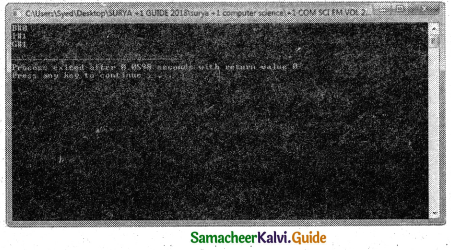
  • On execution of the above code, the variable a displays the value 7, because it is defined and available in the local scope.

Question 2.
Define Global scope with an example
Answer:
Global variable:

  • A variable which is declared outside of all the functions in a program is known as Global variable.
  • Global variable can be accessed inside or outside of all the functions in a program

Example:
Samacheer Kalvi 12th Computer Science Guide Chapter 3 Scoping 2

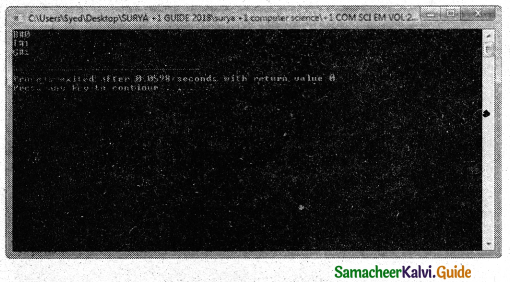
  • On execution of the above code the variable a which is defined inside the, function displays the value 7 for the function call Disp() and then it displays 10, because a is defined in global scope.

Samacheer Kalvi 12th Computer Science Guide Chapter 3 Scoping

Question 3.
Define Enclosed scope with an example
Answer:
Enclosed Scope:

  • A variable which is declared, inside a function which contains another function definition with in it, the inner function can also access the variable of the outer function. This scope is called enclosed scope.
  • When a compiler or interpreter search for a variable in a program, it first searches Local, and then searches Enclosing scopes.

Example:
Samacheer Kalvi 12th Computer Science Guide Chapter 3 Scoping 3

Question 4.
Why access control is required?
Answer:
Access control is a security technique that regulates who or what can view or use resources in a computing environment.
It is a fundamental concept in security that minimizes risk to the object. In other words, access control is a selective restriction of access to data.
In Object-oriented programming languages, it is implemented through access modifies.
Classical object-oriented languages, such as C++ and Java, control the access to class members by the public, private, and protected keywords.

Samacheer Kalvi 12th Computer Science Guide Chapter 3 Scoping

Question 5.
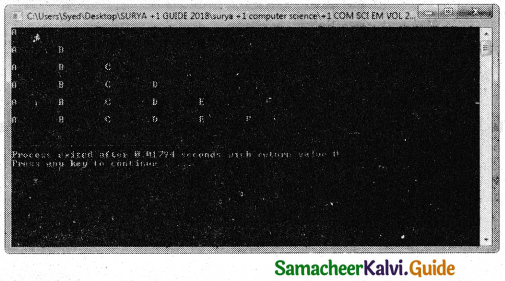
Identify the scope of the variables in the following pseudo-code and write its output
color:= Red
mycolor():
b:=Blue
myfavcolor():
g:=Green
printcolor, b, g
myfavcolor()
printcolor, b
mycolor()
print color
Answer:
Scopes:
g – Local scope
b – Enclosed scope
color – Global scope
Output:
Red Blue Green
Red Blue
Red

Samacheer Kalvi 12th Computer Science Guide Chapter 3 Scoping

IV. Answer the following questions (5 Marks)

Question 1.
Explain the types of scopes for variable or LEGB rule with example.
Answer:
Types of Scope:
There are four types of Scope namely
Local Scope, Global Scope, Enclosed Scope and Built-in Scope:
Local Scope:

  • Local scope refers to variables defined in the current function.
  • Always, a function will first lookup for a variable name in its local scope.
  • Only if it does not find it there, the outer scopes are checked.

Example:

Samacheer Kalvi 12th Computer Science Guide Chapter 3 Scoping 4

  • On execution of the above code the variable a displays the value 7, because it is defined and available in the local scope.

Global Scope:

  • A variable which is declared outside of all the functions in a program is known as a global variable.
  • This means global variable can be accessed inside or outside of all the functions in a program.

Example:

Samacheer Kalvi 12th Computer Science Guide Chapter 3 Scoping 5

  • On execution of the above code the variable ‘a’ which is defined inside the function displays the value 7 for the function call Disp() and then it displays 10; because a is defined in global scope.
  • Enclosed Scope:
  • All programming languages permit functions to be nested. A function (method) with in another function is called nested function.
  • A variable which is declared inside a function which contains another function definition with in it, the inner function can also access the variable of the outer function. This scope is called enclosed scope.
  • When a compiler or interpreter search for a variable in a program, it first search Local, and then search Enclosing scopes.

Example:

Samacheer Kalvi 12th Computer Science Guide Chapter 3 Scoping 6

  • In the above example Displ() is defined with in Disp().
  • The variable ‘a’ defined in Disp( ) can be even used by Displ( ) because it is also a member of Disp().

Built-in Scope:

  • The built-in scope has all the names that are pre-loaded into the program scope when we start the compiler or interpreter.
  • Any variable or module which is defined in the library functions of a programming
    language has a Built-in or module scope. They are loaded as soon as the library files are imported to the program.

Samacheer Kalvi 12th Computer Science Guide Chapter 3 Scoping 7

LEGB rule:

  • The LEGB rule is used to decide the order in which the scopes are to be searched for scope resolution.
  • The scopes are listed below in terms of hierarchy (highest to lowest).
Local (L) Defined inside function/ class
Enclosed(E) Defined inside enclosing functions (Nested function concept)
Global (G) Defined at the uppermost level
Built-in(B) Reserved names in built-in functions (modules)

Samacheer Kalvi 12th Computer Science Guide Chapter 3 Scoping 8
Scope also defines the order in which variables have to be mapped to the object in order to obtain the value.

Example:
1. x:= ‘outer x variable’
2. display ():
3. x:= ‘inner x variable’
4. print x
5. display()

  • When the above statements have executed the statement (4) and (5) display the result as

Output:
outer x variable
inner x variable

  • Above statements give different outputs because the same variable name ‘x’ resides in different scopes, one inside the function display() and the other in the upper level.
  • The value ‘outer x variable’ is printed when x is referenced outside the function definition.
  • Whereas when display() gets executed, ‘inner x variable’ is printed which is the x value inside the function definition.
  • From the above example, we can guess that there is a rule followed, in order to decide from which scope a variable has to be picked.

Samacheer Kalvi 12th Computer Science Guide Chapter 3 Scoping

Question 2.
Write any Five Characteristics of Modules
Answer:

  • Modules contain instructions, processing logic, and data.
  • Modules can be separately compiled and stored in a library.
  • Modules can be included in a program.
  • Module segments can be used by invoking a name and some parameters.
  • Module segments can be used by other modules.

Question 3.
Write any five benefits of using modular programming.
Answer:

  • Less code to be written.
  • A single procedure can be developed for reuse, eliminating the need to retype the code many times.
  • Programs can be designed more easily because a small team deals with only a small part of the entire code.
  • Modular programming allows many programmers to collaborate on the same application.
  • The code is stored across multiple files.
  • Code is short, simple, and easy to understand.
  • Errors can easily be identified, as they are localized to a subroutine or function.
  • The same code can be used in many applications.
  • The scoping of variables can easily be controlled.

Samacheer Kalvi 12th Computer Science Guide Chapter 3 Scoping

12th Computer Science Guide Scoping Additional Questions and Answers

I. Choose the best answer (1 Mark)

Question 1.
Names paces are compared with ……………………….
(a) Programs
(b) Dictionaries
(c) Books
(d) Notebooks
Answer:
(b) Dictionaries

Question 2.
The scope of a ……………. is that part of the code where it is visible
a) Variable
b) Keyword
c) Function
d) Operator
Answer:
a) Variable

Samacheer Kalvi 12th Computer Science Guide Chapter 3 Scoping

Question 3.
Find the value of a.
1. a: = 5
2. b: = a
3. a: = 3
(a) 0
(b) 3
(c) 5
(d) 2
Answer:
(b) 3

Question 4.
The inner function can access the variable of the outer function. This is called ………… scope.
a) Local
b) Enclosed
c) Function
d) Global
Answer:
b) Enclosed

Question 5.
The duration for which a variable is alive is called its ……………………………
(a) Scale
(b) Life time
(c) Static
(d) Function
Answer:
(b) Lifetime

Samacheer Kalvi 12th Computer Science Guide Chapter 3 Scoping

Question 6.
InObjectOrientedProgrammingLanguageAccesscontrolisimplementedthrough ………….
a) Access modules
b) Access modifiers
c) Access variables
d) Keywords
Answer:
b) Access modifiers

Question 7.
………… is a selective restriction of access to data in a program?
a) Control variable
b) Access control
c) System authentication
d) Module
Answer:
b) Access control

Samacheer Kalvi 12th Computer Science Guide Chapter 3 Scoping

Question 8.
How many types of variable scopes are there?
(a) 1
(b) 2
(c) 3
(d) 4
Answer:
(d) 4

Question 9.
How many variables can be mapped to the same instance?
a) 2
b) 3
c) Multiple
d) 4
Answer:
c) Multiple

Question 10.
A variable which is declared outside of all the functions in a program is known as …………………………… variable.
(a) L
(b) E
(c) G
(d) B
Answer:
(c) G

Samacheer Kalvi 12th Computer Science Guide Chapter 3 Scoping

Question 11.
Which of the following rule is used to decide the order in which the scopes are to be searched for scope resolution?
a) LGEB
b) LEGB
c) LBEG
d) LGBE
Answer:
b) LEGB

Question 12.
How many types of variable scope are there?
a) 2
b) 3
c) 4
d) 6
Answer:
c) 4

Samacheer Kalvi 12th Computer Science Guide Chapter 3 Scoping

Question 13.
A variable which is declared outside all the functions in a program is known as
a) Local
b) Enclosed
c) Global
d) Extern
Answer:
c) Global

Question 14.
The scope of a nested function is …………………………… scope
(a) Local
(b) Global
(c) Enclosed
(d) Built-in
Answer:
(c) Enclosed

Samacheer Kalvi 12th Computer Science Guide Chapter 3 Scoping

Question 15.
Which of the following programming enables programmers to divide up the work and retry pieces of the program independently?
a) Procedural Programming
b) Modular Programming
c) Object-Oriented Programming
d) Structural Programming
Answer:
b) Modular Programming

Question 16.
Which of the following contain instructions, processing logic, and data?
a) Scopes
b) Indentation
c) Modules
d) Access control
Answer:
c) Modules

Samacheer Kalvi 12th Computer Science Guide Chapter 3 Scoping

Question 17.
Which of the following members of a class are denied access from outside the class?
a) Protected
b) Private
c) Public
d) Enclosed
Answer:
b) Private

Question 18.
Variables of built-in scopes are loaded as …………………………… files.
(a) Exe
(b) Linker
(c) Object
(d) Library
Answer:
(d) Library

Question 19.
By default the Python class members are
a) Private
b) Protected
c) Public
d) Global
Answer:
c) Public

Samacheer Kalvi 12th Computer Science Guide Chapter 3 Scoping

Question 20.
By default the C++ and Java class members are
a) Protected
b) Private
c) Public
d) Local
Answer:
b) Private

Question 21.
…………….. are composed of one or more independently developed Modules
a)’Access control
b) Programs
c) Encapsulation
d) Members of a class
Answer:
b) Programs

Samacheer Kalvi 12th Computer Science Guide Chapter 3 Scoping

Question 22.
Identify which is not a module?
(a) Algorithm
(b) Procedures
(c) Subroutines
(d) Functions
Answer:
(a) Algorithm

II. Answer the following questions (2 and 3 Marks)

Question 1.
Define variable.
Answer:
Variable are addresses (references, or pointers, to an object in memory.

Question 2.
Define lifetime?
Answer:
The duration for which a variable is alive is called its ‘lifetime’.

Samacheer Kalvi 12th Computer Science Guide Chapter 3 Scoping

Question 3.
Define Modular programming.
Answer:
The process of subdividing a computer program into separate sub-programs is called modular programming.

Question 4.
Define: module
Answer:

  • A module is a part of a program.
  • Programs are composed of one or more independently developed modules

Question 5.
Define nested function.
Answer:
A function (method) within another function is called a nested function.

Samacheer Kalvi 12th Computer Science Guide Chapter 3 Scoping

Question 6.
Write a note on module
Answer:

  • A module is a part of a program.
  • Programs are composed of one or more independently developed modules.
  • A single module can contain one or several statements closely related to each other.
  • Modules work perfectly on an individual level and can be integrated with other modules.
  • A software program can be divided into modules to ease the job of programming and debugging as well.
  • A program can be divided into small functional modules that work together to get the output.
  • The process of subdividing a computer program into separate subprograms is called Modular programming.
  • Modular programming enables programmers to divide up the work and debug pieces of the program independently.
  • The examples of modules are procedures, subroutines, and functions.

Samacheer Kalvi 12th Computer Science Guide Chapter 3 Scoping

Question 7.
Write a note on modules?
Answer:
A module is a part of a program. Programs are composed of one or more independently developed modules. A single module can contain one or several statements closely related to each other. Modules work perfectly on an individual level and can be integrated with other modules.

III. Answer the following questions (5 Marks)

Question 1.
Explain how Access Specifiers are activated in Python, C++, and Java:
Answer:

  • Python prescribes a convention of prefixing the name of the variable/ method with a single or double underscore to emulate the behaviour of protected and private access specifiers.
  • C++ and Java, control the access to class members by the public, private, and protected
    keywords.
  • All members in a Python class are public by default whereas by default in C++ and java all members are private.
  • Any member can be accessed from outside the class environment in Python which is not. possible in C++ and java.

Samacheer Kalvi 12th Business Maths Guide Chapter 4 Differential Equations Miscellaneous Problems

Tamilnadu State Board New Syllabus Samacheer Kalvi 12th Business Maths Guide Pdf Chapter 4 Differential Equations Miscellaneous Problems Text Book Back Questions and Answers, Notes.

Tamilnadu Samacheer Kalvi 12th Business Maths Solutions Chapter 4 Differential Equations Miscellaneous Problems

Question 1.
Suppose that Qd = 30 – 5P + 2\(\frac { dp }{dt}\) + \(\frac { d^2p }{dt^2}\) and Qs = 6 + 3P Find the equilibrium price for market clearance.
Solution :
Qd = 30 – 5P + 2\(\frac { dp }{dt}\) + \(\frac { d^2p }{dt^2}\) and
Qs = 6 + 3P
For market clearance, the required condition is
Qd = Qs
Samacheer Kalvi 12th Business Maths Guide Chapter 4 Differential Equations Miscellaneous Problems 1
The auxiliary equation is m2 + 2m – 8 = 0
(m + 4) (m – 2) = 0
m = -4, 2
Roots are real and different
C.F = Aem1x + Bem2x
C.F = Ae-4t + Be2t
Samacheer Kalvi 12th Business Maths Guide Chapter 4 Differential Equations Miscellaneous Problems 2
The general solution is y = C.F + P.I
y = Ae-ut + Be2t + 3

Samacheer Kalvi 12th Business Maths Guide Chapter 4 Differential Equations Miscellaneous Problems

Question 2.
Form the differential equation having for its general solution y = ax² + bx
Solution:
y = ax² + bx ……….. (1)
Since we have two arbitary constants, differentiative twice.
Samacheer Kalvi 12th Business Maths Guide Chapter 4 Differential Equations Miscellaneous Problems 3

Question 3.
Solve yx²dx + e-x dy = 0
Solution:
yx²dx + e-x dy = 0
e-x dy = -yx²dx
\(\frac { 1 }{y}\) dy = -x² ex dx
Integrating on both sides
Samacheer Kalvi 12th Business Maths Guide Chapter 4 Differential Equations Miscellaneous Problems 4

Samacheer Kalvi 12th Business Maths Guide Chapter 4 Differential Equations Miscellaneous Problems

Question 4.
Solve (x² + y²) dx + 2xy dy = 0
Solution:
(x² + y²) dx + 2xy dy = 0
2xy dy = – (x² + y²) dx
\(\frac { dy }{dx}\) = \(\frac { -(x^2+y^2) }{2xy}\) ………. (1)
This is a homogeneous differential equation
Samacheer Kalvi 12th Business Maths Guide Chapter 4 Differential Equations Miscellaneous Problems 5
\(\frac { 1 }{3}\) log(3v² + 1) = – logx + logc
log (3v² + 1)1/3 + log x = log c
logx (3v² + 1)1/3 = log c
⇒ x (3v² + 1)1/3 = c
⇒ x[\(\frac { 3y^2 }{x^2}\) + 1]1/3 = c

Question 5.
Solve x \(\frac { dy }{dx}\) + 2y = x4
Solution:
Samacheer Kalvi 12th Business Maths Guide Chapter 4 Differential Equations Miscellaneous Problems 6
This solution is
y(I.F) = ∫Qx (I.F) dx + c
y(x²) = ∫(x³ × x²) dx + c
yx² = ∫x5 dx + c
⇒ yx² = \(\frac { x^6 }{6}\) + c

Samacheer Kalvi 12th Business Maths Guide Chapter 4 Differential Equations Miscellaneous Problems

Question 6.
A manufacturing company has found that the cost C of operating and maintaining the equipment is related to the length’m’ of intervals between overhauls by the equation m² \(\frac { dc }{dm}\) + 2mc = 2 and c = 4 and whem m = 2. Find the relationship between C and m.
Solution:
m² \(\frac { dc }{dm}\) + 2mc = 2
÷ each term by m²
\(\frac { dc }{dm}\) + \(\frac { 2mc }{m^2}\) = \(\frac { 2 }{m^2}\)
\(\frac { dc }{dm}\) + \(\frac { 2c }{m}\) = \(\frac { 2 }{m^2}\)
This is a first order linear differential equation of the form
\(\frac { dc }{dm}\) + Pc = Q where P = \(\frac { 2 }{m}\) and Q = \(\frac { 2 }{m^2}\)
∫Pdm = 2 ∫\(\frac { 1 }{m}\)dm = 2 log m = log m²
I.F = e∫Pdm = elogm² = m²
General solution is
C (I.F) = ∫Q × (IF) dm + k
C(m²) = ∫\(\frac { 2 }{m^2}\) × (m²) dm + k
C(m²) = ∫2dm + k
Cm² = 2m + k ……….. (1)
when C = 4 and m = 2, we have
(4) (2)² = 2(2) + k
16 = 4 + k = 12
Equation (1)
Cm² = 2m + 12
Cm² = 2(m + 6)

Samacheer Kalvi 12th Business Maths Guide Chapter 4 Differential Equations Miscellaneous Problems

Question 7.
Solve (D² – 3D + 2) y = e4x
Solution:
(D² – 3D + 2) y = e4x
The auxiliary equation is m² – 3m + 2 = 0
(m – 1) (m – 2) = 0
m = 1, 2
The roots are real and different
C.F = Aem1x + Bem1x
C.F = Aex + Be2x
Samacheer Kalvi 12th Business Maths Guide Chapter 4 Differential Equations Miscellaneous Problems 7
The general solution is y = C.F + P.I
y = Aex + Be2x + \(\frac { e^{4x} }{6}\) ………. (1)
When x = 0; y = 0
Samacheer Kalvi 12th Business Maths Guide Chapter 4 Differential Equations Miscellaneous Problems 8
Samacheer Kalvi 12th Business Maths Guide Chapter 4 Differential Equations Miscellaneous Problems 9

Question 8.
Solve \(\frac { dy }{dx}\) + y cos x = 2 cos x
Solution:
\(\frac { dy }{dx}\) + y cos x = 2 cos x
This is of the form \(\frac { dy }{dx}\) + Py = Q
Here P = cos x and Q = 2 cos x
∫Pdx = ∫cos x dx = sin x
I.F = e∫pdx = esin x
The solution is
y (I.F) = ∫Q (I.F) dx + c
yesin x = ∫(2 cos x) esin x dx
Samacheer Kalvi 12th Business Maths Guide Chapter 4 Differential Equations Miscellaneous Problems 10

Samacheer Kalvi 12th Business Maths Guide Chapter 4 Differential Equations Miscellaneous Problems

Question 9.
Solve x²ydx – (x³ + y³) dy = 0
Solution:
x²ydx = (x³ + y³) dy = 0
x²ydx = (x³ + y³) dy
\(\frac { dy }{dx}\) = \(\frac { x^2y }{(x^3+y^3)}\) ……… (1)
This is a homogeneous differential equation, same degree in x and y
Samacheer Kalvi 12th Business Maths Guide Chapter 4 Differential Equations Miscellaneous Problems 11

Question 10.
Solve \(\frac { dy }{dx}\) = xy + x + y + 1
Solution:
Samacheer Kalvi 12th Business Maths Guide Chapter 4 Differential Equations Miscellaneous Problems 12

Samacheer Kalvi 12th Business Maths Guide Chapter 4 Differential Equations Miscellaneous Problems

Samacheer Kalvi 12th Computer Science Guide Chapter 2 Data Abstraction

Tamilnadu State Board New Syllabus Samacheer Kalvi 12th Computer Science Guide Pdf Chapter 2 Data Abstraction Text Book Back Questions and Answers, Notes.

Tamilnadu Samacheer Kalvi 12th Computer Science Solutions Chapter 2 Data Abstraction

12th Computer Science Guide Data Abstraction Text Book Questions and Answers

I. Choose the best answer (1 Marks)

Question 1.
Which of the following functions build the abstract data type?
a) Constructors
b) Destructors
c) recursive
d) Nested
Answer:
a) Constructors

Question 2.
Which of the following functions retrieve information from the data type?
a) Constructors
b) Selectors
c) recursive
d) Nested
Answer:
b) Selectors
Samacheer Kalvi 12th Computer Science Guide Chapter 2 Data Abstraction

Question 3.
The data structure which is a mutable ordered sequence of elements is called
a) Built-in
b) List
c) Tuple
d) Derived data
Answer:
b) List

Question 4.
A sequence of immutable objects is called
a) Built-in
b) List
c) Tuple
d) Derived data
Answer:
c) Tuple

Samacheer Kalvi 12th Computer Science Guide Chapter 2 Data Abstraction

Question 5.
The data type whose representation is known is called
a) Built-in data type
b) Derived data type
c) Concrete data type
d) Abstract data type
Answer:
c) Concrete data type

Question 6.
The data type whose representation is unknown are called
a) Built-in data type
b) Derived data type
c) Concrete data type
d) Abstract data type
Answer:
d) Abstract data type

Samacheer Kalvi 12th Computer Science Guide Chapter 2 Data Abstraction

Question 7.
Which of the following is a compound structure?
a) Pair
b) Triplet
c) single
d) quadrat
Answer:
a) Pair

Question 8.
Bundling two values together into one can be considered as
a) Pair
b) Triplet
c) single
d) quadrat
Answer:
a) Pair

Samacheer Kalvi 12th Computer Science Guide Chapter 2 Data Abstraction

Question 9.
Which of the following allows to name the various parts of a multi-item object?
a) Tuples
b) Lists
c) Classes
d) quadrats
Answer:
c) Classes

Question 10.
Which of the following is constructed by placing expressions within square brackets?
a) Tuples
b) Lists
c) Classes
d) quadrats
Answer:
b) Lists

Samacheer Kalvi 12th Computer Science Guide Chapter 2 Data Abstraction

II. Answer the following questions (2 Marks)

Question 1.
What is abstract data type?
Answer:
Abstract Data type (ADT) is a type (or class) for objects whose behavior is defined by a set of values and a set of operations. The definition of ADT only mentions what operations are to be performed but not how these operations will be implemented.

Question 2.
Differentiate constructors and selectors.
Answer:

Constructors Selectors
Constructors are functions that build the abstract data type. Selectors are functions that retrieve information from the data type.

Samacheer Kalvi 12th Computer Science Guide Chapter 2 Data Abstraction

Question 3.
What is a Pair? Give an example.
Answer:

  • Pair is a compound structure which is made up of a list of Tuple
  • The way of bundling two values together into one can be considered as a Pair.
  • Example: Pr = [10,20]
    a,b :=Pr
    In the above example ‘a’ becomes 10,’ b’ becomes 20.

Question 4.
What is a List? Give an example.
Answer:
The list is constructed by placing expressions within square brackets separated by commas.
An example for List is [10, 20].

Question 5.
What is a Tuple? Give an example.
Answer:

  • A tuple is a comma-separated sequence of values surrounded by parentheses.
  • Example: colour^ (‘red’, ‘blue’, ‘Green’)

Samacheer Kalvi 12th Computer Science Guide Chapter 2 Data Abstraction

III. Answer the following questions (3 Marks)

Question 1.
Differentiate Concrete Data Type and Abstract Data Type
Answer:

Concrete Data Type

Abstract Data Type

1 Concrete data types or structures (CDT’s) are direct implementations of a relatively simple concept Abstract Data types (ADT’s) offer a high-level view (and use) of a concept independent of its implementation
2 In Concrete Data Type is a data type whose representation is known In Abstract Data Type the representation of a data type is unknown

Question 2.
Which strategy is used for program designing? Define that Strategy.
Answer:
We are using here a powerful strategy for designing programs: ‘wishful thinking’.
Wishful Thinking is the formation of beliefs and making decisions according to what might be pleasing to imagine instead of by . appealing to reality.

Samacheer Kalvi 12th Computer Science Guide Chapter 2 Data Abstraction

Question 3.
Identify Which of the following are constructors and selectors?
(a) N1=number()
(b) accetnum(n1)
(c)  displaynum(n1)
(d)  eval(a/b)
(e) x,y= makeslope (m), makeslope(n)
(f) display()
Answer:

a N1=number() a Constructors
b accetnum(n1) b Selector
c displaynum(n1) c Selector
d eval(a/b) d Selector
e x,y= makeslope (m), makeslope(n) e Constructors
f display() f Selector

Question 4.
What are the different ways to access the elements of a list. Give example
Answer:
List is constructed by placing expressions within square brackets separated by commas. An example for List is [10, 20].
The elements of a list can be accessed in two ways. The first way is via our familiar method of multiple assignments, which unpacks a list into its elements and binds each element to a different name.
1st: = [10, 20]
x, y: = 1st
In the above example, x will become 10 and y will become 20.
A second method for accessing the elements in a list is by the element selection operator, also expressed using square brackets. Unlike a list literal, a square – bracket expression directly following another expression does not evaluate to a list value but instead selects an element from the value of the preceding expression.
1st [0]
10
1st [1]
20

Samacheer Kalvi 12th Computer Science Guide Chapter 2 Data Abstraction

Question 5.
Identify Which of the following are List, Tuple and class ?
(a) arr [1, 2, 34]
(b) arr (1, 2, 34)
(c) student [rno, name, mark]
(d) day= (‘sun’, ‘mon’, ‘tue’, ‘wed’)
(e) x= [2, 5, 6.5, [5, 6], 8.2]
(f) employee [eno, ename, esal, eaddress]
Answer:

a arr [1, 2, 34] a List
b arr (1, 2, 34) b Tuple
c student [rno, name, mark] c Class
d day= (‘sun’, ‘mon’, ‘tue’, ‘wed’) d Tuple
e x= [2, 5, 6.5, [5, 6], 8.2] e List
f employee [eno, ename, esal, eaddress] f Class

IV. Answer the following questions (5Marks)

Question 1.
How will you facilitate data abstraction? Explain it with a suitable example.
Answer:
To facilitate data abstraction we need to create two types of functions namely

  1. Constructors
  2. Selectors

Constructors:
Constructors are functions that build the abstract data type.
Selectors:
Selectors are functions that retrieve information from the data type.
Example:

  • We have an abstract data type called a city.
  • This city object will hold the city’s name, and its latitude and longitude.
  • To create a city object, you’d use a function like
    city =makecity (name, lat, Ion)
  • Here makecity (name, lat, Ion) is the constructor which creates the object city.
  • To extract the information of a city object, we would use functions(Selectors) like getname( city)
    getlat( city)
    getlon(city)
  • In the above example, makecity (name, lat, Ion) is the constructor and getname(city),getlat( city) and getlon(city) are the selectors.
  • Because the above functions extract the information of the city object.

Samacheer Kalvi 12th Computer Science Guide Chapter 2 Data Abstraction

Question 2.
What is a List? Why List can be called as Pairs. Explain with suitable example
Answer:

  • Some languages like Python provides a compound structure called Pair which is made up of List or Tuple.
    The first way to implement pairs is with the List construct.

List:

  • The list is constructed by placing expressions within square brackets separated by commas.
  • Such an expression is called a list literal. The list can store multiple values.
  • Each value can be of any type and can even be another list.
  • Example :List := [10,20],
    The elements of a list can be accessed in two ways.
  • The first way is via our familiar method of multiple assignments, which unpacks a list into its elements and binds each element to a different name.
    1st := [10,20]
    x, y := 1st
    In the above example, x will become x and y will become 20.
  • A second method for accessing the elements in a list is by the element selection operator, also expressed using square brackets.
  • Unlike a list literal, a square-brackets expression directly following another expression does not evaluate a list value but instead selects an element from the value of the preceding expression.
    1st[0]
    10
    Ist[l]
    20
  • In both the example mentioned above mathematically we can represent list similar to a set as 1st[(0,10),(l,20)]
    List [(0,10), (1,20)] – Where
    Samacheer Kalvi 12th Computer Science Guide Chapter 2 Data Abstraction 1
  • Any way of bundling two values together into one can be considered as a pair.
  • Lists are a common method to do so. Therefore List can be called as Pairs.

Example: Representing rational numbers using list:

  • We can now represent a rational number as a pair of two integers in pseudo-code: a numerator and a denominator.
    rational(n, d):
    return [n, d]
    numer(x):
    return x[0]
    denom(x):
    return x[l]

Samacheer Kalvi 12th Computer Science Guide Chapter 2 Data Abstraction

Question 3.
How will you access the multi-item? Explain with example.
Answer:
We can use the structure construct (In OOP languages it’s called class construct) to represent multi-part objects where each part is named (given a name).

Consider the following pseudo-code:
class Person:
creation()
firstName :=””
lastName :=””
id :=””
email :=””
The new data type Person is pictorially represented as
Samacheer Kalvi 12th Computer Science Guide Chapter 2 Data Abstraction 2

Let main() contains
p1:=Person() statement creates the object
firstN ame:=” Padmashri” setting a field called first Name with value Padamashri
lastName:=”Basker” setting a field called last Name with value Baskar
id:=”994-222-1234″ setting a field called id value 994-222-1234
email=”[email protected] setting a field called email with value [email protected]
— output of first Name: Padmashri

The class (structure) construct defines the form for multi-part objects that represent a person.


  • Its definition adds a new data type, in this case, a type named Person.
  • Once defined, we can create new variables (instances) of the type.
  • In this example, Person is referred to as a class or a type, while pi is referred to as an object or an instance.

Samacheer Kalvi 12th Computer Science Guide Chapter 2 Data Abstraction

12th Computer Science Guide Data Abstraction Additional Questions and Answers

I. Choose the best answer (1 Mark)

Question 1.
How many types of functions are needed to facilitate abstraction?
(a) 1
(b) 2
(c) 3
(d) 4
Answer:
(b) 2

Question 2.
Expansion of CDT is ………….
a) Collective Data Type
b) Class Data Type
c) Concrete Data Type
d) Central Data Type
Answer:
c) Concrete Data Type

Samacheer Kalvi 12th Computer Science Guide Chapter 2 Data Abstraction

Question 3.
To facilitate data abstraction we need to create types of functions
a) 2
b) 3
c) 4
d) 5
Answer:
a) 2

Question 4.
……………………………. is the representation for ADT.
(a) List
(b) Classes
(c) Int
(d) Float
Answer:
(b) Classes

Question 5.
Which of the following is contracted by placing expressions within square brackets separated by commas?
a) Tuple
b) List
c) Set
d) Dictionary
Answer:
b) List

Samacheer Kalvi 12th Computer Science Guide Chapter 2 Data Abstraction

Question 6.
The list is constructed by using …………….. and …………….
a) ();
b) [ ],
c) < >.;
d) [ ]
Answer:
b) [ ],

Question 7.
Identify the constructor from the following
(a) City = makecity(name, lat, lon)
(b) getname(city)
(c) getlat(city)
(d) getlon(city)
Answer:
(a) City = makecity(name, lat, lon)

Samacheer Kalvi 12th Computer Science Guide Chapter 2 Data Abstraction

Question 8.
Which of the following extract the information of the object?
a) Constructors
b) Selectors
c) Functions
d) Destructors
Answer:
b) Selectors

Question 9.
Which of the following is used to build the abstract data type?
a) Destructors
b) Constructors
c) Selectors
d) All of these
Answer:
b) Constructors

Samacheer Kalvi 12th Computer Science Guide Chapter 2 Data Abstraction

Question 10.
How many ways of representing pair data types are there?
(a) 1
(b) 2
(c) 3
(d) 4
Answer:
(b) 2

Question 11.
The process of providing only the essentials and hiding the details is known as …………….
a) Functions
b) Encapsulation
c) Abstraction
d) Pairs
Answer:
c) Abstraction

Question 12.
A D T expansion is …………….
a) Abstract Data Type
b) Absolute Data Type
c) Abstract Data Template
d) Application Development Template
Answer:
a) Abstract Data Type

Samacheer Kalvi 12th Computer Science Guide Chapter 2 Data Abstraction

Question 13.
How many objects can be created from a class?
(a) 0
(b) 1
(c) 2
(d) many
Answer:
(d) many

Question 14.
A powerful concept that allows programmers to treat codes as objects?
a) Encapsulation
b) Inheritance
c) Data Abstraction
d) Polymorphism
Answer:
c) Data Abstraction

Samacheer Kalvi 12th Computer Science Guide Chapter 2 Data Abstraction

II. Answer the following questions (2 and 3 Marks)

Question 1.
What are the two parts of a program?
Answer:
The two parts of a program are, the part that operates on abstract data and the part that defines a concrete representation.

Samacheer Kalvi 12th Computer Science Guide Chapter 2 Data Abstraction

III. Answer the following questions (5 Marks)

Question 1.
Explain the representation of Abstract data type using rational numbers.
Answer:

  • Any program consists of two parts – the part that operates on abstract data and the part that defines a concrete representation, which is connected by a small set of functions that implement abstract data in terms of the concrete representation.
  • To illustrate this technique, let us consider an example to design a set of functions for manipulating rational numbers.

Example:

  • A rational number is a ratio of integers, and rational numbers constitute an important sub-class of real numbers.
  • A rational number such as 8/3 or 19/23 is typically written as : < numerator > /< denominator > where both the < numerator > and < denominator > are placeholders for integer values.
  • Both parts are needed to exactly characterize the value of the rational number.
  • Actually dividing integers produces a float approximation, losing the exact precision of integers.
  • However, you can create an exact representation for rational numbers by combining together the numerator and denominator.
    – – constructor
    – – constructs a rational number with numerator n, denominator d
    rational (n, d)
    – – selector
    numer(x) → returns the numerator of rational number x
    denom(y) → returns the denominator of rational number y.
  • We have the operations on rational numbers defined in terms of the selector functions numer and denom, and the constructor function rational, but you haven’t yet defined these functions.
  • We have to glue together a numerator and a denominator into a compound value
  • The pseudo-code for the representation of the rational number using the above constructor and selector is
    x,y:=8,3
    rational (n,d)
    numer(x)/numer(y)
    – – output: 2.6666666666666665

Samacheer Kalvi 12th Computer Science Guide Chapter 1 Function

Tamilnadu State Board New Syllabus Samacheer Kalvi 12th Computer Science Guide Pdf Chapter 1 Function Text Book Back Questions and Answers, Notes.

Tamilnadu Samacheer Kalvi 12th Computer Science Solutions Chapter 1 Function

12th Computer Science Guide Function Text Book Questions and Answers

I. Choose the best answer (I Marks)

Question 1.
The small sections of code that are used to perform a particular task is called
a) Subroutines
b) Files
c) Pseudo code
d) Modules
Answer:
a) Subroutines

Question 2.
Which of the following is a unit of code that is often defined within a greater code structure?
a) Subroutines
b) Function
c) Files
d) Modules
Answer:
b) Function

Samacheer Kalvi 12th Computer Science Guide Chapter 1 Function

Question 3.
Which of the following is a distinct syntactic block?
a) Subroutines
b) Function
c) Definition
d) Modules
Answer:
c) Definition

Question 4.
The variables in a function definition are called as
a) Subroutines
b) Function
c) Definition
d) Parameters
Answer:
d) Parameters

Samacheer Kalvi 12th Computer Science Guide Chapter 1 Function

Question 5.
The values which are passed to a function definition are called
a) Arguments
b) Subroutines
c) Function
d) Definition
Answer:
a) Arguments

Question 6.
Which of the following are mandatory to write the type annotations in the function definition
a) Curly braces
b) Parentheses
c) Square brackets
d) indentations
Answer:
b) Parentheses

Samacheer Kalvi 12th Computer Science Guide Chapter 1 Function

Question 7.
Which of the following defines what an object can do?
a) Operating System
b) Compiler
c) Interface
d) Interpreter
Answer:
c) Interface

Question 8.
Which of the following carries out the instructions defined in the interface?
a) Operating System
b) Compiler
c) Implementation
d) Interpreter
Answer:
c) Implementation

Question 9.
The functions which will give exact result when same arguments are passed are called
a) Impure functions
b) Partial Functions
c) Dynamic Functions
d) Pure functions
Answer:
d) Pure functions

Samacheer Kalvi 12th Computer Science Guide Chapter 1 Function

Question 10.
The functions which cause side effects to the arguments passed are called
a) Impure functions
b) Partial Functions
c) Dynamic Functions
d) Pure functions
Answer:
a) Impure functions

II. Answer the following questions (2 Marks)

Question 1.
What is a subroutine?
Answer:
Subroutines are the basic building blocks of computer programs. Subroutines are small sections of code that are used to perform a particular task that can be used repeatedly. In Programming languages, these subroutines are called Functions.

Question 2.
Define Function with respect to the Programming language.
Answer:

  • A function is a unit of code that is often defined within a greater code structure.
  • A function works on many kinds of inputs like variants, expressions and produces a concrete output.

Samacheer Kalvi 12th Computer Science Guide Chapter 1 Function

Question 3.
Write the inference you get from X:=(78).
Answer:
Value 78 is bound to the name X.

Question 4.
Differentiate Interface and Implementation
Answer:

Interface Implementation
Interface defines what an object can do, but won’t actually do it Implementation carries out the instructions defined in the interface

Question 5.
Which of the following is a normal function definition and which is a recursive function definition?
Answer:
(I) Let Recursive sum x y:
return x + y

(II) let disp:
print ‘welcome’

(III) let Recursive sum num:
if (num! = 0) then return num + sum (num – 1) else
return num

  1. Recursive function
  2. Normal function
  3. Recursive function

Samacheer Kalvi 12th Computer Science Guide Chapter 1 Function

III. Answer the following questions (3 Marks)

Question 1.
Mention the characteristics of Interface.
Answer:

  • The class template specifies the interfaces to enable an object to be created and operated properly.
  • An object’s attributes and behaviour is controlled by sending functions to the object.

Question 2.
Why strlen() is called pure function?
Answer:
strlen (s) is called each time and strlen needs to iterate over the whole of ‘s’. If the compiler is smart enough to work out that strlen is a pure function and that ‘s’ is not updated in the lbop, then it can remove the redundant extra calls to strlen and make the loop to execute only one time. This function reads external memory but does not change it, and the value returned derives from the external memory accessed.

Samacheer Kalvi 12th Computer Science Guide Chapter 1 Function

Question 3.
What is the side effect of impure function? Give example.
Answer:

  • Impure function has side effects when it has observable interaction with the outside world.
  • The variables used inside the function may cause side effects through the functions which are not passed with any arguments. In such cases the function is called impure function.
  • When a function depends on variables or functions outside of its definition block, you can never be sure that the function will behave the same every time it’s called.
  • For example, the mathematical function random () will give different outputs for the same function call
    let random number
    let a:= random()
    if a> 10 then
    return: a
    else
    return 10
  • Here the function random is impure as it not sure what the will be the result when we call
    the function

Question 4.
Differentiate pure and impure functions.
Answer:

Pure Function

Impure Function

1 The return value of the pure functions solely depends on its arguments passed. The return value of the impure functions does not solely depend on its arguments passed..
2 Pure functions with the same set of arguments always return same values. Impure functions with the same set of arguments may return different values.
3 They do not have any side effects. They have side effects.
4 They do not modify the arguments which are passed to them They may modify the arguments which are passed to them
5 Example: strlen(),sqrt() Example: random(),date()

Samacheer Kalvi 12th Computer Science Guide Chapter 1 Function

Question 5.
What happens if you modify a variable outside the function? Give an example
Answer:
When a function depends on variables or functions outside of its definition block, you can never be sure that the function will behave the same every time it’s called.
For example let y: = 0
(int) inc (int) x
y: = y + x;
return (y)
In the above example the value of y get changed inside the function defintion due to which the result will change each time. The side effect of the inc ( ) function is it is changing the data ‘ of the external visible variable ‘y’.

IV. Answer the following questions (5 Marks)

Question 1.
What are called Parameters and Write a note on
1. Parameter Without Type
2. Parameter With Type
Answer:
Parameter:
Parameter is the variables in a function definition
Arguments:
Arguments are the values which are passed to a function definition
Parameters passing are of two types namely

  1. Parameter without Type
  2. Parameter with Type

1. Parameter without Type:
Let us see an example of a function definition.
(requires: b > =0 )
(returns: a to the power of b)
let rec pow a b:=
if b=0 then 1
else a pow a*(b-l)

  • In the above function definition variable ‘b’ is the parameter and the value which is passed to the variable ‘b’ is the argument.
  • The precondition (requires) and postcondition (returns) of the function is given.
  • Note we have not mentioned any types (data types).
  • Some language computer solves this type (data type) inference problem algorithmically, but some require the type to be mentioned.

2. Parameter with Type:
Now let us write the same function definition with types for some reason:
(requires: b > 0 )
(returns: a to the power of b )
let rec pow (a: int) (b: int): int: =
if b=0 then 1 else a * pow b (a-1)

  • When we write the type annotations for ‘a’ and ‘b’ the parentheses are mandatory.
  • There are times we may want to explicitly write down types.
  • This useful on times when you get a type error from the compiler that doesn’t make sense.
  • Explicitly annotating the types can help with debugging such an error message.

Samacheer Kalvi 12th Computer Science Guide Chapter 1 Function

Question 2.
Identify in the following program
Answer:
let rec gcd a b : =
if b < > 0 then gcd b (a mod b) else return a
(I) Name of the function
gcd

(II) Identify the statement which tells it is a recursive function
let rec

(III) Name of the argument variable
a, b

(IV) Statement which invokes the function recursively
gcd b(a mod b) [when b < > 0]

(V) Statement which terminates the recursion
return a (when b becomes 0).

Question 3.
Explain with example Pure and impure functions.
Answer:
Pure functions:

  • Pure functions are functions which will give exact result when the same arguments are passed.
  • For example, the mathematical function sin (0) always results 0.
    Let us see an example.
    let square x
    return: x * x
  • The above function square is a pure function because it will not give different results for the same input.

Impure functions:

  • The variables used inside the function may cause side effects through the functions which are not passed with any arguments. In such cases, the function is called the impure function.
  • When a function depends on variables or functions outside of its definition block, we can never be sure that the function will behave the same every time it’s called.
  • For example, the mathematical functions random () will give different outputs for the same function call.
    let Random number
    let a := random() if a > 10 then
    return: a else
    return: 10
  • Here the function Random is impure as it is not sure what will be the result when we call the function.

Samacheer Kalvi 12th Computer Science Guide Chapter 1 Function

Question 4.
Explain with an example interface and implementation
Answer:
Interface Vs Implementation:
An interface is a set of actions that an object can do. For example, when you press a light switch, the light goes on, you may not have cared how it splashed the light. In an Object-Oriented Programming language, an Interface is a description of all functions that a class must have in order to be a new interface.

In our example, anything that “ACTS LIKE” a light, should have to function definitions like turn on ( ) and a turn off ( ). The purpose of interfaces is to allow the computer to enforce the properties of the class of TYPE T (whatever the interface is) must have functions called X, Y, Z, etc.

A class declaration combines the external interface (its local state) with an implementation of that interface (the code that carries out the behaviour). An object is an instance created from the class. The interface defines an object’s visibility to the outside world.

Characteristics of interface

  • The class template specifies the interfaces to enable an object to be created and operated properly.
  • An object’s attributes and behavior is controlled by sending functions to the object.
Interface Implementation
Interface defines what an object can do, but won’t actually do it Implementation carries out the instructions defined in the interface

Example:
Samacheer Kalvi 12th Computer Science Guide Chapter 1 Function 1

    • The person who drives the car doesn’t care about the internal working.
  • To increase the speed of the car he just presses the accelerator to get the desired behaviour.
  • Here the accelerator is the interface between the driver (the calling / invoking object) and the engine (the called object).
  • In this case, the function call would be Speed (70): This is the interface.
  • Internally, the engine of the car is doing all the things.
  • It’s where fuel, air, pressure, and electricity come together to create the power to move the vehicle.
    All of these actions are separated from the driver, who just wants to go faster. Thus we separate interface from implementation.

12th Computer Science Guide Function Additional Questions and Answers

I. Choose the best answer (1 Mark)

Question 1.
……………………… are expressed using statements of a programming language.
(a) Algorithm
(b) Procedure
(c) Specification
(d) Abstraction
Answer:
(a) Algorithm

Question 2.
The recursive function is defined using the keyword
a) let
b) requires
c) name
d) let rec
Answer:
d) let rec

Samacheer Kalvi 12th Computer Science Guide Chapter 1 Function

Question 3.
A function definition which calls itself is called
a) user-defined function
b) recursive function
c) built-in function
d) derived function
Answer:
b) recursive function

Question 4.
Find the correct statement from the following.
(a) a : = (24) has an expression
(b) (24) is an expression
Answer:
(a) a : = (24) has an expression

Samacheer Kalvi 12th Computer Science Guide Chapter 1 Function

Question 5.
strlen() is an example of ………………. function.
a) pure
b) impure
c) user-defined
d) recursive
Answer:
a) pure

Question 6.
Evaluation of ………………. functions does not cause any side effects to its output?
a) Impure
b) built-in
c) Recursive
d) pure
Answer:
d) pure

Question 7.
The name of the function in let rec pow ab : = is …………………………
(a) Let
(b) Rec
(c) Pow
(d) a b
Answer:
(c) Pow

Samacheer Kalvi 12th Computer Science Guide Chapter 1 Function

Question 8.
An …………….. is an instance created from the class.
a) Interface
b) object
c) member
d) function
Answer:
b) object

Question 9.
In object-oriented programs …………… are the interface.
a) classes
b) object
c) function
d) implementation
Answer:
a) classes

Question 10.
In b = 0, = is ……………………….. operator
(a) Assignment
(b) Equality
(c) Logical
(d) Not equal
Answer:
(b) Equality

Samacheer Kalvi 12th Computer Science Guide Chapter 1 Function

II. Answer the following questions (2 and 3 Marks)

Question 1.
What are the two types of parameter passing?
Answer:

  1. Parameter without type
  2. Parameter with type

Question 2.
What is meant by Definition?
Answer:
Definitions are distinct syntactic blocks.

Question 3.
Write the syntax for the function definitions?
Answer:
let rec fn a1 a2 … an : = k
fn : Function name
a1 … an – variable
rec: recursion

Samacheer Kalvi 12th Computer Science Guide Chapter 1 Function

Question 4.
Define Argument.
Answer:
Arguments are the values which are passed to a function definition through the function definition

Question 5.
Write notes on Interface.
Answer:

  • An interface is a set of actions that an object can do.
  • Interface just defines what an object can do, but won’t actually do it

Question 6.
Define Implementation.
Answer:
Implementation carries out the instructions defined in the interface

Samacheer Kalvi 12th Computer Science Guide Chapter 1 Function

Question 7.
Write notes on Pure functions.
Answer:

  • Pure functions are functions which will give exact result when the same arguments are passed.
  • Example: strlen(),sqrt()

Question 8.
Write notes on the Impure function.
Answer:

  • The functions which cause side effects to the arguments passed are called
    Impure function.
  • Example: random(), date()

Question 9.
What is a Recursive function?
Answer:
A function definition which calls itself is called a Recursive function.

Samacheer Kalvi 12th Computer Science Guide Chapter 1 Function

Question 10.
Differentiate parameters and arguments.
Answer:

Parameters

Arguments

Parameters are the variables in a function definition Arguments are the values which are passed to a function definition.

Question 11.
Give function definition for the Chameleons of Chromeland problem?
Answer:
let rec monochromatize abc : =
if a > 0 then
a, b, c : = a – 1, b – 1, c + 2
else
a: = 0, b: = 0, c: = a + b + c
return c

Question 12.
Define Object:
Answer:
An object is an instance created from the class.

Samacheer Kalvi 12th Computer Science Guide Chapter 1 Function

III. Answer the following questions (5 Marks)

Question 1.
Explain the syntax of function definitions
Answer:

  • The syntax to define functions is close to the mathematical usage.
  • The definition is introduced by the keyword let, followed by the name of the function and its arguments; then the formula that computes the image of the argument is written after an = sign.
  • If you want to define a recursive function: use “let rec” instead of “let”.

The syntax for function definitions:

  • let rec fn al a2 … an := k
  • Here the ‘fn’ is a variable indicating an identifier being used as a
    function name.
  • The names ‘al’ to ‘an’ are variables indicating the identifiers used as parameters.
  • The keyword ‘rec’ is required if ‘fn’ is to be a recursive function; otherwise, it may be omitted.

Question 2.
Write a short note and syntax for function types?
Answer:

  • The syntax for function types
    x→→y
    x1 →→ x2→→y
    x1 →→….. →→xn→→ y
  • The ‘x’ and ‘y’ are variables indicating types
  • The type x →→ ‘y’ is the type of a function that gets an input of type ‘x’ and returns an output of type ‘y’ whereas xl→→ x2 →→y is a type of a function that takes two inputs, the first input is of type and the second input of type ‘xl’, and returns an output of type <y’.
  • Likewise x1→→……. →→ >xn→→y has type ‘x’ as the input of n arguments and ‘y’ type as output

Samacheer Kalvi 12th Computer Science Guide Chapter 1 Function

Question 3.
On the island, there are different types of chameleons. Whenever two different color chameleons meet they both change their colors to the third color. Suppose two types of chameleons are equal in number.
Construct an algorithm that arranges meetings between these two types so that they change their color to the third type. In the end, all should display the same color.
Answer:
let ree monochromatic a b c:=
if a > 0 then
a, b, c:= a -1, b -1, c + 2
else
a:= 0 b:= 0 c:= a + b + c
return c

HANDS-ON PRACTICE

Question 1.
Write the algorithmic function definition to find the minimum among 3 numbers.
Answer:
let min 3abc:=
if a < b then
if a < c then a else c
else
if b < c then b else c

Samacheer Kalvi 12th Computer Science Guide Chapter 1 Function

Question 2.
Write the algorithmic recursive function definition to find the sum of ‘n ‘ natural numbers. Answer:
let rec sum num:
lf(num!=0)
then return num+sum(num-l)
else return num

Samacheer Kalvi 12th Business Maths Guide Chapter 4 Differential Equations Ex 4.6

Tamilnadu State Board New Syllabus Samacheer Kalvi 12th Business Maths Guide Pdf Chapter 4 Differential Equations Ex 4.6 Text Book Back Questions and Answers, Notes.

Tamilnadu Samacheer Kalvi 12th Business Maths Solutions Chapter 4 Differential Equations Ex 4.6

Choose the most suitable answer from the given four alternatives:

Question 1.
The degree of the differential equation
\(\frac { d^2y }{dx^4}\) – (\(\frac { d^2y }{dx^2}\)) + \(\frac { dy }{dx}\) = 3
(a) 1
(b) 2
(c) 3
(d) 4
Solution:
(a) 1
Hint:
Since the power of \(\frac{d^{4} y}{d x^{4}}\) is 1

Samacheer Kalvi 12th Business Maths Guide Chapter 4 Differential Equations Ex 4.6

Question 2.
The order and degree of the differential equation \(\sqrt{\frac { d^2y }{dx^2}}\) = \(\sqrt{\frac { dy }{dx}+5}\) are respectively.
(a) 2 and 2
(b) 3 and 2
(c) 2 and 1
(d) 2 and 3
Solution:
(a) 1
Hint:
Squaring on both sides
\(\frac { d^2y }{dx^2}\) = \(\frac { dy }{dx}\) + 5
Highest order derivative is \(\frac { d^2y }{dx^2}\)
∴ order = 2
Power of the highest order derivative \(\frac { d^2y }{dx^2}\) = 1
∴ degree = 1

Question 3.
The order and degree of the differential equation
(\(\frac { d^2y }{dx^2}\))3/2 – \(\sqrt{(\frac { dy }{dx})}\) – 4 = 0
(a) 2 and 6
(b) 3 and 6
(c) 1 and 4
(d) 2 and 4
Solution:
(a) 2 and 6
Hint:
Samacheer Kalvi 12th Business Maths Guide Chapter 4 Differential Equations Ex 4.6 1
Highest order derivative is \(\frac { d^2y }{dx^2}\)
∴ Order = 2
Power of the highest order derivative \(\frac { d^2y }{dx^2}\) is
∴ degree = 6

Samacheer Kalvi 12th Business Maths Guide Chapter 4 Differential Equations Ex 4.6

Question 4.
The differential equation (\(\frac { dx }{dy}\))³ + 2y1/2 = x
(a) of order 2 and degree 1
(b) of order 1 and degree 3
(c) of order 1 and degree 6
(d) of order 1 and degree 2
Solution:
(b) of order 1 and degree 3
Hint:
Samacheer Kalvi 12th Business Maths Guide Chapter 4 Differential Equations Ex 4.6 2
Highest order derivative is \(\frac { dy }{dx}\)
∴ order = 1
Power of the highest order derivative \(\frac { dy }{dx}\) is 3
∴ degree = 3

Question 5.
The differential equation formed by eliminating a and b from y = aex + be-x
(a) \(\frac { d^2y }{dx^2}\) – y = 0
(b) \(\frac { d^2y }{dx^2}\) – \(\frac { dy }{dx}\)y = 0
(c) \(\frac { d^2y }{dx^2}\) = 0
(d) \(\frac { d^2y }{dx^2}\) – x = 0
Solution:
(a) \(\frac { d^2y }{dx^2}\) – y = 0
Hint:
Samacheer Kalvi 12th Business Maths Guide Chapter 4 Differential Equations Ex 4.6 3

Samacheer Kalvi 12th Business Maths Guide Chapter 4 Differential Equations Ex 4.6

Question 6.
If y = ex + c – c³ then its differential equation is
(a) y = x\(\frac { dy }{dx}\) + \(\frac { dy }{dx}\) – (\(\frac { dy }{dx}\))³
(b) y + (\(\frac { dy }{dx}\))³ = x \(\frac { dy }{dx}\) – \(\frac { dy }{dx}\)
(c) \(\frac { dy }{dx}\) + (\(\frac { dy }{dx}\))³ – x\(\frac { dy }{dx}\)
(d) \(\frac { d^3y }{dx^3}\) = 0
Solution:
(a) y = x\(\frac { dy }{dx}\) + \(\frac { dy }{dx}\) – (\(\frac { dy }{dx}\))³
Hint:
y = cx + c – c³ ……… (1)
\(\frac { dy }{dx}\) = c
(1) ⇒ y = x\(\frac { dy }{dx}\) + \(\frac { dy }{dx}\) – (\(\frac { dy }{dx}\))³

Question 7.
The integrating factor of the differential equation \(\frac { dy }{dx}\) + Px = Q is
(a) e∫pdx
(b) ePdx
(c) ePdy
(d) e∫pdy
Solution:
(d) e∫pdy

Samacheer Kalvi 12th Business Maths Guide Chapter 4 Differential Equations Ex 4.6

Question 8.
The complementary function of (D² + 4) y = e2x is
(a) (Ax+B)e2x
(b) (Ax+B)e-2x
(c) A cos2x + B sin2x
(d) Ae-2x + Be2x
Solution:
(c) A cos2x + B sin2x
Hint:
A.E = m2 + 4 = 0 ⇒ m = ±2i
C.F = e0x (A cos 2x + B sin 2x)

Question 9.
The differential equation of y = mx + c is (m and c are arbitrary constants)
(a) \(\frac { d^2y }{dx^2}\) = 0
(b) y = x\(\frac { dy }{dx}\) + o
(c) xdy + ydx = 0
(c) ydx – xdy = 0
Solution:
(a) \(\frac { d^2y }{dx^2}\) = 0
Hint:
y = mx + c
\(\frac { dy }{dx}\) = m ⇒ \(\frac { d^2y }{dx^2}\) = 0

Samacheer Kalvi 12th Business Maths Guide Chapter 4 Differential Equations Ex 4.6

Question 10.
The particular intergral of the differential equation \(\frac { d^2y }{dx^2}\) – 8\(\frac { dy }{dx}\) + 16y = 2e4x
(a) \(\frac { x^2e^{4x} }{2!}\)
(b) y = x\(\frac { e^{4x} }{2!}\)
(c) x²e4x
(d) xe4x
Solution:
(c) x²e4x
Hint:
Samacheer Kalvi 12th Business Maths Guide Chapter 4 Differential Equations Ex 4.6 4

Question 11.
Solution of \(\frac { dx }{dy}\) + Px = 0
(a) x = cepy
(b) x = ce-py
(c) x = py + c
(d) x = cy
Solution:
(b) x = ce-py

Samacheer Kalvi 12th Business Maths Guide Chapter 4 Differential Equations Ex 4.6

Question 12.
If sec2x x isa na intergranting factor of the differential equation \(\frac { dx }{dy}\) + Px = Q then P =
(a) 2 tan x
(b) sec x
(c) cos 2 x
(d) tan 2 x
Solution:
(a) 2 tan x
Hint:
I.F = sec² x
e∫pdx = sec²x
∫pdx = log sec² x
∫pdx = 2 log sec x
∫pdx = 2∫tan x dx ⇒ p = 2 tan x

Question 13.
The integrating factor of the differential equation is x \(\frac { dy }{dx}\) – y = x²
(a) \(\frac { -1 }{x}\)
(b) \(\frac { 1 }{x}\)
(c) log x
(c) x
Solution:
(b) \(\frac { 1 }{x}\)
Hint:
Samacheer Kalvi 12th Business Maths Guide Chapter 4 Differential Equations Ex 4.6 5

Samacheer Kalvi 12th Business Maths Guide Chapter 4 Differential Equations Ex 4.6

Question 14.
The solution of the differential equation where P and Q are the function of x is
(a) y = ∫Q e∫pdx dx + c
(b) y = ∫Q e-∫pdx dx + c
(c) ye∫pdx = ∫Q e∫pdx dx + c
(c) ye∫pdx = ∫Q e-∫pdx dx + c
Solution:
(c) ye∫pdx = ∫Q e∫pdx dx + c

Question 15.
The differential equation formed by eliminating A and B from y = e-2x (A cos x + B sin x) is
(a) y2 – 4y1 + 5 = 0
(b) y2 + 4y – 5 = 0
(c) y2 – 4y1 + 5 = 0
(d) y2 + 4y1 – 5 = 0
Solution:
(d) y2 + 4y1 – 5 = 0
Hint:
y = e-2x (A cosx + B sinx)
y e2x = A cosx + B sinx ………. (1)
y(e2x) (2) + e2x \(\frac { dy }{dx}\) = A(-sin x) + B cos x ………. (2)
Differentiating w.r.to x
Samacheer Kalvi 12th Business Maths Guide Chapter 4 Differential Equations Ex 4.6 6

Samacheer Kalvi 12th Business Maths Guide Chapter 4 Differential Equations Ex 4.6

Question 16.
The particular integral of the differential equation f (D) y = eax where f(D) = (D – a)²
(a) \(\frac { x^2 }{2}\) eax
(b) xeax
(c) \(\frac { x }{2}\) eax
(d) x² eax
Solution:
(a) \(\frac { x^2 }{2}\) eax

Question 17.
The differential equation of x² + y² = a²
(a) xdy + ydx = 0
(b) ydx – xdy = 0
(c) xdx – ydx = 0
(d) xdx + ydy = 0
Solution:
(d) xdx + ydy = 0
Hint:
x2 + y2 = a2
⇒ 2x + 2y \(\frac{d y}{d x}\) = 0
⇒ x dx + y dy = 0

Samacheer Kalvi 12th Business Maths Guide Chapter 4 Differential Equations Ex 4.6

Question 18.
The complementary function of \(\frac { d^y }{dx^2}\) – \(\frac { dy }{dx}\) = 0 is
(a) A + Bex
(b) (A + B)ex
(c) (Ax + B)ex
(d) Aex + B
Solution:
(a) A + Bex
Hint:
A.E is m2 – m = 0
⇒ m(m – 1) = 0
⇒ m = 0, 1
CF is Ae0x + Bex = A + Bex

Question 19.
The P.I of (3D² + D – 14) y = 13e2x is
(a) \(\frac { 1 }{2}\) ex
(b) xe2x
(c) \(\frac { x^2 }{2}\) e2x
(d) Aex + B
Solution:
(b) xe2x
Hint:
(3D² + D – 14) y = 13e2x
Samacheer Kalvi 12th Business Maths Guide Chapter 4 Differential Equations Ex 4.6 7

Samacheer Kalvi 12th Business Maths Guide Chapter 4 Differential Equations Ex 4.6

Question 20.
The general solution of the differential equation \(\frac { dy }{dx}\) = cos x is
(a) y = sinx + 1
(b) y = sinx – 2
(c) y = cosx + C, C is an arbitary constant
(d) y = sinx + C, C is an arbitary constant
Solution:
(d) y = sinx + C, C is an arbitary constant
Hint:
\(\frac { dy }{dx}\) = cos x
dy = cos x dx
∫dy = ∫cos x dx ⇒ y = sin x + c

Question 21.
A homogeneous differential equation of the form \(\frac { dy }{dx}\) = f(\(\frac { y }{x}\)) can be solved by making substitution.
(a) y = v x
(b) y = y x
(c) x = v y
(d) x = v
Solution:
(a) y = v x

Samacheer Kalvi 12th Business Maths Guide Chapter 4 Differential Equations Ex 4.6

Question 22.
A homogeneous differential equation of the form \(\frac { dy }{dx}\) = f(\(\frac { x }{y}\)) can be solved by making substitution.
(a) x = v y
(b) y = v x
(c) y = v
(d) x = v
Solution:
(a) y = v x

Question 23.
The variable separable form of \(\frac { dy }{dx}\) = \(\frac { y(x-y) }{x(x+y)}\) by taking y = v x and \(\frac { dy }{dx}\) = v + x \(\frac { dy }{dx}\)
(a) \(\frac { 2v^2 }{1+v}\) dv = \(\frac { dx }{x}\)
(b) \(\frac { 2v^2 }{1+v}\) dv = –\(\frac { dx }{x}\)
(c) \(\frac { 2v^2 }{1-v}\) dv = \(\frac { dx }{x}\)
(d) \(\frac { 1+v }{2v^2}\) dv = –\(\frac { dx }{x}\)
Solution:
(d) \(\frac { 1+v }{2v^2}\) dv = –\(\frac { dx }{x}\)
Hint:
Samacheer Kalvi 12th Business Maths Guide Chapter 4 Differential Equations Ex 4.6 8

Samacheer Kalvi 12th Business Maths Guide Chapter 4 Differential Equations Ex 4.6

Question 24.
Which of the following is the homogeneous differential equation?
(a) (3x – 5) dx = (4y – 1) dy
(b) xy dx – (x³ + y³) dy = 0
(c) y²dx + (x² – xy – y²) dy = 0
(d) (x² + y) dx (y² + x) dy
Solution:
(c) y²dx + (x² – xy – y²) dy = 0

Question 25.
The solution of the differential equation \(\frac { dy }{dx}\) = \(\frac { y }{x}\) + \(\frac { f(\frac { y }{x}) }{ f(\frac { y }{x}) }\) is
(a) f\(\frac { y }{x}\) = k x
(b) x f\(\frac { y }{x}\) = k
(c) f\(\frac { y }{x}\) = k y
(d) x f\(\frac { y }{x}\) = k
Solution:
(a) f\(\frac { y }{x}\) = k x

Samacheer Kalvi 12th Business Maths Guide Chapter 4 Differential Equations Ex 4.6

Samacheer Kalvi 11th History Guide Chapter 7 குப்தர்

Tamilnadu State Board New Syllabus Samacheer Kalvi 11th History Guide Pdf Chapter 7 குப்தர்
Text Book Back Questions and Answers, Notes.

Tamilnadu Samacheer Kalvi 11th History Solutions Chapter 7 குப்தர்

11th History Guide குப்தர் Text Book Questions and Answers

I. சரியான விடையைத் தேர்ந்தெடுக்கவும்

Question 1.
குப்தர் காலம் குறித்த கீழ்க்கண்ட சான்றுகளில் எது நம்ப முடியாதது என்று நீங்கள் கருதுகிறீர்கள்?
அ) இலக்கியச் சான்றுகள்
ஆ) கல்வெட்டு சான்றுகள்
இ) நாணயச் சான்றுகள்
ஈ) கதைகள், புராணங்கள்
Answer:
ஈ) கதைகள், புராணங்கள்

Question 2.
பொருத்துக.
எழுதியவர் – இலக்கியப் படைப்பு
1) சூரிய சித்தாந்தா – தன்வந்திரி
2) அமரகோஷா – வராஹமிகிரா
3) பிருஹத்சம்ஹிதா – ஆர்யபட்டர்
4) ஆயுர்வேதா – அமரசிம்மா
அ) 4, 3, 1, 2
ஆ) 4, 1, 2, 3
இ) 4, 2, 1, 3
ஈ) 4, 3, 2, 1
Answer:
ஈ) 4, 3, 2, 1

Samacheer Kalvi 11th History Guide Samacheer Kalvi 11th History Guide Chapter 7 குப்தர்

Question 3.
…………………. க்குக் கவிராஜா என்ற பட்டம் அளிக்கப்பட்டது?
அ) முதலாம் சந்திரகுப்தர்
ஆ) சமுத்திரகுப்தர்
இ) இரண்டாம் சந்திரகுப்தர்
ஈ) ஸ்ரீகுப்தர்
Answer:
ஆ) சமுத்திரகுப்தர்

Question 4.
……………………… -என்ற சீனப் பயணி பொ.ஆ. ஐந்தாம் நூற்றாண்டின் இந்திய சமூகத்தைக் குறித்து விரிவாக எழுதியுள்ளார்.
அ) இட்சிங்
ஆ) யுவான் – சுவாங்
இ) பாஹியான்
ஈ) வாங்-யுவான்-சீ
Answer:
இ) பாஹியான்

Samacheer Kalvi 11th History Guide Samacheer Kalvi 11th History Guide Chapter 7 குப்தர்

Question 5.
கீழ்க்கண்டவற்றில் எது குப்தர் காலத்துக் குடைவரைக் குகைக் கோயில் இல்லை?
அ) உதயகிரி குகை (ஒடிசா)
ஆ) அஜந்தா-எல்லோரா குகை (மகாராஷ்டிரா)
இ) எலிபண்டா குகை (மகாராஷ்டிரா)
ஈ) பாக் (மத்தியப் பிரதேசம்)
Answer:
இ) எலிபண்டா குகை (மகாராஷ்டிரா)

Question 6.
தர்க்கம் குறித்த முதல் முழுமையான பௌத்த நூலை எழுதியவர் ………………………
அ) திக்நாகர்
ஆ) வசுபந்து
இ) சந்திரகாமியா
ஈ) வராகமிகிரர்
Answer:
ஆ) வசுபந்து

Samacheer Kalvi 11th History Guide Samacheer Kalvi 11th History Guide Chapter 7 குப்தர்

Question 7.
…………………… என்பது காளிதாசரின் முக்கியமான கவிதைப் படைப்பாகும்.
அ) சாகுந்தலம்
ஆ) ரகுவம்சம்
இ) குமாரசம்பவம்
ஈ) மேகதூதம்
Answer:
அ) சாகுந்தலம்

கூடுதல் வினாக்கள்

Question 1.
இரண்டாம் சந்திர குப்தர் காலத்தில் இந்தியாவிற்கு வந்த சீனப்பயணி …………………..
அ) இட்சிங்
ஆ) யுவான் சுவாங்
இ) பாஹியான்
ஈ) அ-வுங்
Answer:
இ) பாஹியான்

Question 2.
33 வரிகளில் அலகாபாத் தூண் கல்வெட்டில் சமுத்திர குப்தரின் ஆட்சியைப் பற்றி பொறித்தவர் ………………….
அ) காரவேலர்
ஆ) ஹரிசேனர்
இ) வாகடக
ஈ) ஈரண்
Answer:
ஆ) ஹரிசேனர்

Samacheer Kalvi 11th History Guide Samacheer Kalvi 11th History Guide Chapter 7 குப்தர்

Question 3.
நாளந்தா பல்கலைக் கழகத்தை நிறுவியவர்………………………..
அ) தம்மபாலர்
ஆ) குமாரகுப்தர்
இ) சமுத்திரகுப்தர்
ஈ) சந்திரகுப்தர்
Answer:
ஆ) குமாரகுப்தர்

Question 4.
குப்த மரபில் தலை சிறந்தவர்…………………………….
அ) குமாரகுப்தர்
ஆ) சந்திரகுப்தர்
இ) சமுத்திரகுப்தர்
ஈ) 2ம் சந்திரகுப்தர்
Answer:
இ) சமுத்திரகுப்தர்

Samacheer Kalvi 11th History Guide Samacheer Kalvi 11th History Guide Chapter 7 குப்தர்

Question 5.
குப்த மரபின் கடைசி பேரரசர்…………………………………..
அ) குமாரகுப்தர்
ஆ) ஸ்கந்த குப்தர்
இ) விஷ்ணுகுப்தர்
ஈ) ஸ்ரீகுப்தர்
Answer:
ஆ) ஸ்கந்த குப்தர்

Question 6.
குப்த வம்சத்தின் கடைசி அரசர். …………………………….
அ) குமாரகுப்தர்
ஆ) ஸ்கந்த குப்தர்
இ) விஷ்ணுகுப்தர்
ஈ) ஸ்ரீகுப்தர்
Answer:
இ) விஷ்ணுகுப்தர்

Samacheer Kalvi 11th History Guide Samacheer Kalvi 11th History Guide Chapter 7 குப்தர்

Question 7.
குப்த வம்சத்தின் முதல் அரசர்…………………………….
அ) குமாரகுப்தர்
ஆ) ஸ்கந்த குப்தர்
இ) விஷ்ணுகுப்தர்
ஈ) ஸ்ரீகுப்தர்
Answer:
ஈ) ஸ்ரீகுப்தர்

Question 8.
“விக்ரமாதித்யன்” என்று அழைக்கப் பட்ட குப்தபேரரசர் ………………………….
அ) முதலாம் சந்திரகுப்தர்
ஆ) சமுத்திரகுப்தர்
இ) இரண்டாம் சந்திரகுப்தர்
ஈ) ராமகுப்தர்
Answer:
இ) இரண்டாம் சந்திரகுப்தர்

Samacheer Kalvi 11th History Guide Samacheer Kalvi 11th History Guide Chapter 7 குப்தர்

Question 9.
சரியான வரிசையைக் கண்டறிக.
அ) சந்திரகுப்தர், ஸ்ரீகுப்தர், சமுத்திரகுப்தர், கடோத்கஜர்
ஆ) சந்திரகுப்தர், சமுத்திரகுப்தர், ஸ்ரீகுப்தர், கடோத்கஜர்
இ) சந்திரகுப்தர், கடோத்கஜர், ஸ்ரீகுப்தர், சமுத்திரகுப்தர்
ஈ) ஸ்ரீகுப்தர், கடோத்கஜர், சந்திரகுப்தர், சமுத்திரகுப்தர்
Answer:
ஈ) ஸ்ரீகுப்தர், கடோத்கஜர், சந்திரகுப்தர், சமுத்திரகுப்தர்

Question 10.
குப்தர்கள் ஏற்படுத்திய ஒற்றர்கள் கொண்ட உளவு அமைப்பு
அ) பதகா
ஆ) விஜ்யா
இ) ஆயுத்கா
ஈ) துடகா
Answer:
ஈ) துடகா

Samacheer Kalvi 11th History Guide Samacheer Kalvi 11th History Guide Chapter 7 குப்தர்

Question 11.
குஜராத் கிர்கார் மலை அடிவாரத்தில் உள்ள குப்தர் கால ஏரி ………………………..
அ) சோழகங்கம்
ஆ) வராஹஏரி
இ) சுதர்சன ஏரி
ஈ) இந்திரஏரி
Answer:
இ) சுதர்சன ஏரி

Question 12.
மகாபாஷ்யம் என்ற நூலை எழுதியவர் ……………………………..
அ) மெகஸ்தனிஸ்
ஆ) விஷ்ணுகுப்தர்
இ) பாணினி
ஈ) பதஞ்சலி
Answer:
ஈ) பதஞ்சலி

Samacheer Kalvi 11th History Guide Samacheer Kalvi 11th History Guide Chapter 7 குப்தர்

Question 13.
கயாவில் பௌத்தமடம் கட்ட அனுமதி கோரிய இலங்கை அரசர்………………………….
அ) கயவாகு
ஆ) மானவர்மன்
இ) மேகவர்மன்
ஈ) திருமாறன்
Answer:
இ) மேகவர்மன்

Question 14.
குப்த பேரரசில் பாகா என்பது விளைச்சலில் ………………………..
அ) 1/3, பங்கு
ஆ) 1/4 பங்கு
இ) 1/6 பங்கு
ஈ) 1/8 பங்கு
Answer:
இ) 1/6 பங்கு

Samacheer Kalvi 11th History Guide Samacheer Kalvi 11th History Guide Chapter 7 குப்தர்

II. குறுகிய விடை தருக.

Question 1.
ஸ்கந்த குப்தர் வரையிலான குப்த அரசர்களின் பட்டியலைக் காலவரிசைப்படி எழுதுக.
Answer:

  • ஸ்ரீகுப்தர் – பொ.ஆ. 240-280
  • கடோத்கஜர் – பொ .ஆ. 280-319
  • முதலாம் சந்தரகுப்தர் – பொ.ஆ. 319 – 335
  • சமுத்திரகுப்தார் – பொ.ஆ. 335 – 370
  • ராமகுப்தர் – பொ.ஆ. 370 – 375
  • இரண்டாம் சந்திரகுப்தர் – பொ.ஆ. 375 – 415
  • முதலாம் குமாரகுப்தர் – பொ.ஆ. 415 – 455
  • ஸ்கந்தகுப்தார் – பொ.ஆ. 455-467

Question 2.
ஹீணர் குறித்து நீங்கள் அறிவது என்ன?
Answer:

  • ஹீணர்களின் தோற்றம் குறித்து உறுதியாக எதுவும் தெரியவில்லை
  • ரோமானிய வரலாற்றாளர் டாசிடஸின் கூற்றுப்படி அவர்கள் காஸ்பியன் கடல் அருகில் வாழ்ந்த பழங்குடி இனக்குழுக்கள்.
  • ரோமாபுரிப் பேரரசின் வீழ்ச்சிக்குக் காரணமாக இருந்தவர்கள். அட்டில்லாவின் தலைமையில் திரண்ட இவர்கள் ஐரோப்பாவில் கொடுங்கோண்மைக்குப் பெயர் பெற்றவர்கள்.

வெள்ளை ஹீணர்கள் என்று அழைக்கப்பட்ட ஹீணர்களின் ஒரு பிரிவு மத்திய ஆசியவிலிருந்து இந்தியா நோக்கி நகர்ந்தது. இவர்களது படையெடுப்பு குஷாணர்கள் காலத்திற்கு நூறு ஆண்டுகளுக்குப் பின் ஆரம்பமானது.

Samacheer Kalvi 11th History Guide Samacheer Kalvi 11th History Guide Chapter 7 குப்தர்

Question 3.
மதுரா குறித்து பாஹியான் குறிப்பிடுவதைச் சுருக்கமாக எழுதுக.
Answer:

  • இரண்டாம் சந்திரகுப்தர் ஆட்சிகாலத்தில் சீன அறிஞர் பாஹியான் இந்தியாவிற்கு வந்தார். மதுராவைப் பற்றி சில தகவல்களை அளிக்கிறார்.
  • மதுராவில் மக்கள் தொகை அதிகம் அவர்கள் மகிழ்ச்சியாக இருந்தனர்.
  • அவர்கள் தமது குடும்பத்தை பதிவு செய்ய வேண்டிய அவசியம் இல்லை .
  • அரசருக்குச் சொந்தமான நிலத்தில் விவசாயம் செய்தவர்கள் மட்டும்தான் தானியத்தில் ஒரு பகுதியை அரசருக்கு தரவேண்டும்.
  • சூழலைப் பொறுத்து குற்றவாளிகளுக்கு மிதமாகவோ, கடுமையாகவோ அபராதம் விதிக்கப்பட்டது என சுட்டிக் காட்டுகிறார்.

Question 4.
பௌத்த அறிஞர்களையும் அவர்களது படைப்புகளையும் பட்டியலிடுக.
Answer:

  • தொடக்க கால பௌத்த இலக்கியங்கள் மக்கள் மொழியான பாலிமொழியில் இருந்தன.
  • பின்னர் சமஸ்கிருதக் கலப்புடன் கவிதையும் வசனமுமாக மீண்டும் எழுதப்பட்டன.
  • ஆர்ய தேவர், ஆர்ய அசங்கர் ஆகியோர் குப்தர் காலத்தின் குறிப்பிடத் தகுந்த எழுத்தாளர்கள் ஆவர்.
  • தர்க்க அறிவியல் சார்ந்த முதலாவது முழுமையான பௌத்த நூல் வசுபந்துவால் இக்காலக்கட்டத்தில் எழுதப்பட்டது.
  • வசுபந்துவின் சீடரான திக்நாகரும் பல அரிய நூல்களை எழுதினார்.

Samacheer Kalvi 11th History Guide Samacheer Kalvi 11th History Guide Chapter 7 குப்தர்

Question 5.
அலகாபாத் தூண் கல்வெட்டுக் குறித்துக் கூறுக.
Answer:

  • மெஹ்ரோலி இரும்புத் தூண் கல்வெட்டு முதலாம் சந்திரகுப்தரின் சாதனைகளை குறிக்கிறது.
  • அலகாபாத் தூண் கல்வெட்டு சமுத்திரகுப்தரின் ஆட்சி அவரது ஆளுமை, சாதனைகள் ஆகியவற்றை விளக்குகிறது.
  • இதனைப் பொறித்தவர் ஹரிசேனர்.
  • இது 33 வரிகளில் நாகரி வரிவடிவத்தில் சமஸ்கிருதத்தில் எழுதப்பட்டுள்ளது.

கூடுதல் வினாக்கள்

Question 1.
குப்தர்கால விவசாயிகளின் நிலையை விளக்குக.
Answer:

  • விவசாயிகளின் நிலைமை கீழ் நிலையில் இருந்தது.
  • சாதி காரணமாகவும், நிலங்களும் உரிமைகளும் மற்றவர்களுக்கு வழங்கப்பட்டதாலும் மானியங்கள் வழங்கப்பட்டதன் காரணமாகவும் அவர்கள் கொத்தடிமைகளின் நிலைக்குத் தள்ளப்பட்டனர்.
  • அப்போதிருந்த குத்தகை முறைப்படி குத்தகைதாரர்கள் நிலையான குத்தகைதாரர்கள் அல்ல.
  • மாறாக எப்போது வேண்டுமானாலும் குத்தகையை விட்டு வெளியேற்றப்படும் நிலையில் இருந்தார்கள்.
  • விவசாயிகள் பலவிதமான வரிகளையும் கட்ட வேண்டி இருந்தது.

Samacheer Kalvi 11th History Guide Samacheer Kalvi 11th History Guide Chapter 7 குப்தர்

Question 2.
குப்தர்கால இலக்கிய இலக்கணம் யாவை?
Answer:

  • குப்தர் சமஸ்கிருதத்தை அலுவல் மொழியாக்கினார்கள்.
  • அவர்களின் அனைத்து கல்வெட்டுகளும், பட்டயங்களும் அம்மொழியில் தான் எழுதப்பட்டன.
  • இக்காலகட்டம் தான் சமஸ்கிருத இலக்கியத்தின் உச்சகட்டமாகும்.
  • பாணினி எழுதிய அஷ்டத்யாமி, பதஞ்சலியால் எழுதப்பட்ட மஹாபாஷ்யா ஆகிய படைப்புகளின் அடிப்படையில் குப்தர் காலத்தில் சமஸ்கிருத இலக்கணத்தின் வளர்ச்சி புலப்படுகிறது.
  • இக்காலகட்டம் குறிப்பாக அமரசிம்மரால் ‘அமரகோசம்’ என்ற சமஸ்கிருத சொற்களஞ்சியம் கொடுக்கப்பட்டதாக அறியப்படுகிறது.
  • வங்கத்தைச் சேர்ந்த பௌத்த அறிஞர் சந்திரகோமியர் ‘சந்திரவியாகரணம்’ என்ற இலக்கண நூலைப் படைத்தார்.

Question 3.
குப்தர்கால மருத்துவ அறிவியலைப் பற்றி கூறுக?
Answer:
மருந்துக்கள் தயாரிப்பதற்கு உலோகங்களைப் பயன்படுத்துதல் பாதரசம் மற்றும் இரும்பு ஆகியவற்றின் பயன்பாடு குறித்து வராஹமிகிரரும் பிறரும் எழுதியிருப்பதைப் பார்க்கும் போது குப்தர் ஆட்சிக்காலகட்டத்தில் வேதியியலில் பெரும் முன்னேற்றம் நிகழ்ந்திருப்பது தெரிகிறது.

நவணி தகம் என்ற மருத்துவ நூல் நோய்களுக்கான மருந்துள், மருந்துகள் தயாரிக்கும் முறை ஆகியவற்றைக் கூறுகிறது.

பாலகாப்யா எழுதிய ஹஸ்த்யாயுர் வேதா என்ற நூல் விலங்குகளுக்கான மருத்துவ நூலாகும்.

இது குப்தர் காலத்தில் மருத்துவ அறிவியல் எந்த அளவிற்கு வளர்ந்து இருந்தது என்பதைக் காட்டுகிறது.

Samacheer Kalvi 11th History Guide Samacheer Kalvi 11th History Guide Chapter 7 குப்தர்

Question 4.
ஹுணர்களின் படையெடுப்பைப் பற்றி கூறுக?
Answer:

  • ஸ்கந்தகுப்தரின் ஆட்சியின்போது ஹுணர்கள் வடமேற்கு இந்தியாவின் மீது படையெடுத்தார்கள்.
  • ஸ்கந்தகுப்தர் ஹுணர்களை விரட்டினாலும், குப்தர்களின் கருவூலம் காலியானது.
  • ஆறாம் நூற்றாண்டில் ஹுணர்கள் மாளவம், குஜராத், பஞ்சாப், காந்தாரா ஆகியவற்றைக் கைப்பற்றினார்.
  • ஹுணர்களின் படையெடுப்பால், நாட்டின் மீது குப்தர்களின் பிடி தளர்ந்தது.

III. சுருக்கமான விடை தருக

Question 1.
குப்தப் பேரரசின் நிர்வாகப் பிரிவுகளைக் கூறுக.
Answer:
குப்தரின் நிர்வாக முறை:
குப்தரின் ஆட்சியில் அரசியல் அதிகாரப் படிநிலைகள் காணப்பட்டன. வழங்கப்பட்டன. பட்டங்கள் மேலதிகாரம், கீழ்ப்படிதல் ஆகிய உறவுகளின் வழியாக அதிகார படிநிலைகளை அறிய முடிகிறது.

அமைச்சர்கள், அதிகாரிகள் :
முத்திரைகள் கல்வெட்டுகள் போன்றவற்றில் பதிவிடப்பட்டுள்ளவை அதிகாரிகளின் படிநிலைகளும் அவர்களது படிநிலைகளும் ஆகும்.

அமைச்சர் குழு:
குப்த அரசர்களுக்கு ஒரு அமைச்சர் குழு உதவி புரிந்தது. அலகாபாத் கல்வெட்டு சபா என்ற ஒரு குழு குறித்துக் கூறுகிறது.

Question 2.
விக்ரமசீலா பல்கலைக்கழகம் குறித்துச் சிறு குறிப்பு தருக.
Answer:

  • விக்ரமசீலா பீகாரில் பாகல்பூர் மாவட்டத்தில் உள்ளது.
  • பாலர் வம்சத்தை சேர்ந்த தர்மபாலர் விக்ரமசீலா என்ற பௌத்த மடாலயத்தை நிறுவினார்.
  • இது பின்னாளில் விக்ரமசீலா பல்கலைக் கழகமாக உருவெடுத்தது.
  • தர்மபாலர் புத்த மதத்தின் பெரும் ஆதரவாளராக இருந்த படியால், விக்ரமசீலாவில் பௌத்தை கொள்கைகளையும் பண்பாட்டையும் போதிக்க வழிவகை செய்தார்.
  • இங்கு அதிஷா, சரகர், திலோபா போன்ற அறிஞர்கள் கல்வியைப் போதித்தனர்.

Samacheer Kalvi 11th History Guide Samacheer Kalvi 11th History Guide Chapter 7 குப்தர்

Question 3.
குப்தர் காலத்தில் சமண இலக்கியம் வளர்ந்தது குறித்து விவரிக்கவும்.
Answer:
சமண இலக்கியம் :

  • சமணர்களின் மதநூல்களும் தொடக்கத்தில் பிராகிருத மொழியிலேயே எழுதப்பட்டன. பின்னர் சமஸ்கிருதத்தில் எழுதப்பட்டன.
  • குறுகிய காலத்திலேயே சமணமதம் பல பெரிய அறிஞர்களை உருவாக்கிவிட்டது.
  • இவர்களது முயற்சியால் சமணமதக் கோட்பாடுகளைப் பரப்ப பல இந்து புராணங்களும், இதிகாசங்களும் சமணமதக் கண்ணோட்டத்தில் மாற்றி எழுதப்பட்டன.
  • விமலா சமண இராமாயணத்தை எழுதினார்.
  • சித்தசேன திவாகார சமணர்களிடையே தர்க்க சாஸ்திரத்திற்கு அடித்தளமிட்டார்.

Question 4.
குப்தர் காலத்தில் – அறிவியல் வளர்ச்சி குறித்து விவரிக்கவும்.
Answer:
சுழியம் என்ற கருத்தாக்கத்தைக் கண்டு பிடித்தது இக்காலகட்டத்தின் அறிவியலார்களையே சாரும்.

ஆரியப்பட்டர்:
சூரிய சித்தாந்தா என்ற நூலில் சூரிய கிரகணங்களின் உண்மையான காரணங்களை ஆராய்ந்தார். பூமி ஒரு அச்சில் தன்னைத்தானே சுற்று கிறது என்பதை முதன் முதலில் கண்டுபிடித்தார்.

தனது ‘ஆரியபட்டீயம்’ என்ற நூலில் கணிதம் கோணவியல், அல்ஜீப்ரா ஆகியவற்றைப் பற்றி குறிப்பிடுகிறது.

வராகமிகிரர் :
வராகமிகிரரின் பிருஹத் சம்ஹிதா என்ற நூல் வானவியல், புவியியல், தாவரவியல், இயற்கை வரலாறு ஆகியவற்றிற்கான கலை களஞ்சியமாகும். பஞ்சசித்தாந்திகா. பிருஹத் ஜாதகா ஆகியவை இவரது மற்ற படைப்புகளாகும்.

பிரம்ம குப்தர் :
கணிதம் மற்றும் வானவியலுக்கான முக்கிய நூல்களான ‘பிரும்மஸ்புத – சித்தாந்த, கண்டகதீயகா ஆகிய நூல்களை எழுதியுள்ளார்.

Samacheer Kalvi 11th History Guide Samacheer Kalvi 11th History Guide Chapter 7 குப்தர்

Question 5.
குப்தப் பேரரசின் வீழ்ச்சிக்கு முக்கியமான காரணங்கள் யாவை? ஏதேனும் மூன்று காரணங்களைக் கூறுக.
Answer:
உள்நாட்டு பூசல்களும் அரச குடும்பத்தில் கருத்து வேறுபாடுகளும் அதன் வீழ்ச்சிக்குக் காரணமாயின.

பிற்காலத்திய குப்த அரசர்கள் பௌத்தத்தைக் கடைப்பிடித்ததும் இவர்கள் பேரரசை விரிவுப்படுத்துவதிலோ ராணுவப் படையெடுப்புகளிலே கவனம் செலுத்தாததும் பேரரசைப் பலவினப்படுத்தியது.

அத்துடன் வெளிநாட்டிலிருந்து மேற்கொள்ளப்பட்ட படையெடுப்புகள், சிற்றரசர்கள் பலமாக உருவானது ஆகியன அனைத்தும் சேர்ந்து குப்தப் பேரரசு வீழக் காரணமாகின.

ஹுணர்களின் படையெடுப்பால் கருவூலம் காலியானது, பிற்கால குப்த அரசர்கள் வலிமை குன்றியது ஆகியன குப்த பேரரசின் வீழ்ச்சிக்குக் காரணங்களாயின.

Samacheer Kalvi 11th History Guide Samacheer Kalvi 11th History Guide Chapter 7 குப்தர்

கூடுதல் வினாக்கள்

Question 1.
சமயம் சாரா இலக்கியங்கள் யாவை?
Answer:
சமுத்திர குப்தரே ‘கவிராஜா’ என்று புகழ்பெற்ற
காளிதாசர் இயற்கை அழகை எழுதிய கவிஞர். சகுந்தலம் மாளவிகாக்னிமித்ரம் விகரமோர் வசியம் ஆகியவை இவரது புகழ்பெற்ற நாடகங்கள், சூத்ரகரின் மிருச்சகடிகம்.

விசாகதத்தரின் முத்ராராட்சசம், தேவி சந்திரகுப்தர் ஆகிய படைப்புகள் வெளியாயின. (ைைன) அதே சமயம் அதிகம் புகழ் பெறாத நாடக ஆசிரியர்கள், கவிஞர்களின் படைப்புகளுக்கு இலக்கிய மதிப்பீடுகளுக்கு பங்காற்றின.

Question 2.
நிலப்பிரபுத்துவம் பற்றி விளக்குக.
Answer:
நிலப்பிரபுத்துவம் என்ற சமூக அமைப்பு இந்தியாவின் மத்திய கால சமூகத்தின் ஒரு பண்பு நிலை அகும் வரலாற்றாளர் சு.ளு.சர்மா – நிலப்பிரபுத்துவப் பண்புகளைப் பட்டியலிடுகிறார்.

  • அரசர் அளிக்கும் நிலமானியம், நிதி, நீதி உரிமைகளை பயனாளிகளுக்கு மாற்றித் தருதல்
  • விவசாயிகள், கலைஞர்கள், வணிகர்கள் மீது நில உடைமையாளர்களுக்கு உரிமை அளித்தல்.
  • அடிக்கடி நிகழ்ந்த கட்டாய உழைப்பு நிகழ்ச்சிகள்
  • உபரியை அரசு எடுத்துக் கொள்ளல்
  • வணிகத்திலும் நாணயம் அச்சடித்தலிலும் வீழ்ச்சி
  • அதிகாரிகளின் ஊழியத்தை நிலவருவாய் வசூல் மூலம் பெற்றுக்கொள்ள அனுமதிப்பது.
  • சமந்தா எனப்படும் நிலபிரபுத்துறை துணை நிலை ஆட்சியாளர்களின் அதிகாரங்கள் அதிகரித்தல் ஆகியன.

Samacheer Kalvi 11th History Guide Samacheer Kalvi 11th History Guide Chapter 7 குப்தர்

IV. விரிவான விடை தருக

Question 1.
“குப்தர் காலம் பண்டைய இந்தியாவின் பொற்காலம்” விவாதிக்கவும்.
Answer:
பண்டைய இந்தியாவில் “குப்தர்களின் காலம் பொற்காலம் என்ற அழைக்கப்படுகிறது.

பொற்கால ஆட்சி :
எல்லாத் துறைகளிலும் சமமான வளர்ச்சி இருப்பின் அந்த ஆட்சியை பொற்கால ஆட்சி என்று அழைக்கலாம். குப்தர்காலத்தில் உலோகவியல், வணிகம், கட்டிடக்கலை, சிற்பங்கள், ஓவியங்கள், இலக்கியங்கள், கல்வி, கணிதம், வானவியல் மற்றும் மருத்துவ அறிவியல் என அனைத்து துறைகளிலும் சீரான வளர்ச்சி காணப்பட்டது. எனவே குப்தர்கள் காலம் பொற்காலம் என உறுதியாகிறது.

உலோகக்கலை:
குப்தர்கள் காலத்தில் மிகச்சிறப்பாக வளர்ந்த தொழில் உலோகவியல் தொழிலாகும். இக்காலத்தில் உலோகவியல் நுட்பங்கள் உச்சத்தில் இருந்தது என்பதை நிறுவுவதற்கு தில்லி குதுப்மினார் வளாகத்தில் இருக்கும் “மெஹ்ரோலி” இரும்புத்தூணைக் கூறலாம். இன்றளவு அத்தூண் துருப்பிடிக்கவில்லை.

கட்டிடக்கலை:
குப்தர்கள் கட்டிடக்கலையில் புதிய பரிமானங்களை தொட்டனர். குடவரைக் கோயில்களை அமைத்து அதன் முகப்பு பகுதியில் அலங்காரத்திலும் உட்புறத் தூண் வடிவமைப்பிலும் விரிவான புதிய மாற்றங்கள் கொண்டு வரப்பட்டன. உதாரணமாக அஜந்தா, பாக், எல்லோரா குகைகள்.

கைவினைக் கலை:
பெரிய அளவில் உலோகச் சிற்பங்களை வார்க்கும் கலையை குப்தர் காலத்து கைவினைக் கலைஞர்கள் மிகவும் கலை நுணுக்கங்களோடு செய்தனர். (எ.கா.) நாளந்தா 18 அடி புத்தர் சிலை.

ஓவியக்கலை:
குப்தர் கால ஓவியக்கலை வளர்ச்சி அபிரிமிதமானது. குப்தரின் சுவரோவியங்கள் அஜந்தா, பாக், பாதாமி ஆகிய இடங்களில் காணப்படுகின்றன.

இலக்கியம்:
குப்தர் கால இலக்கிய வளர்ச்சிக்கு எடுத்துக்காட்டால் ஏராளமான இலக்கியப் படைப்புகள் காணப்படுகின்றன. சமுத்திர குப்தரின் அவையை அலங்கரித்த “காளிதாசர்” மிகச் சிறந்த அறிஞர் ஆவார். சாகுந்தலம். மாளவிகாக்னி மித்திரம், விக்ரமோர்வசியம் போன்றவை அவருடைய புகழ்மிக்க நாடகங்கள் ஆகும். மேலும் சூத்ரகர், விசாகதத்தர் போன்ற அறிஞர்களும் பல படைப்புகளை வெளியிட்டனர்.

கல்வி:
குப்தர்கள் கல்விக்கு அளித்த முக்கியத்துவம் அவர்கள் நாளந்தா பல்கலைகழகத்தை ஆதரித்தலில் இருந்து தெரிந்து கொள்ளலாம். உலகின் பல்வேறு இடங்களிலிருந்து எல்லாம் மாணவர்கள் கல்வி பயில இங்கு வந்தனர்.

அறிவியல் :
பதின்ம இலக்க முறையை கண்டுபிடித்து இவர்கள் கணிதத்தின் மீது வைத்திருந்த ஆவலை காட்டுகின்றது. ஆரியபட்டர் சூரிய கிரகணங்களின் உண்மையான காரணங்களை ஆராய்ந்தார். வராகமிரரின் பிருகத்சம்ஹதா நூல் வானவியல், புவியலின் கலைக் களஞ்சியமாகும்.

மருத்துவ அறிவியலில் முன்னேற்றம், தங்கம் நாணயங்கள் புழக்கம் முதலியவை மூலம் குப்தர் காலம் பொற்காலம் என்ற கூற்று மெய்பிக்கப்படுகிறது.

Samacheer Kalvi 11th History Guide Samacheer Kalvi 11th History Guide Chapter 7 குப்தர்

Question 2.
குப்தர் காலத்தில் நிலங்கள் பிரிக்கப்பட்ட விதம், நில குத்தகை முறைகள் குறித்து விவரிக்கவும்.
Answer:
குப்தர் ஆட்சிக் காலத்தில் – அரசு சார்பில் ஏராளமான பாசன பணிகள் மேற்கொள்ளப் பட்டதன் விளைவாக வேளாண்மை மேம்பாடு அடைந்தது. பஹார்பூர் செப்பேடு அரசர் தான் நிலத்தின் ஒரே உரிமையாளர் எனக் கூறுகிறது.

பஹார்பூர் செப்பேடுகளின்படி உஸ்தபலா என்ற அதிகாரி நில பரிமாற்றம் தொடர்பான ஆவணங்களை பாதுகாத்தார். கிராமநிலங்கள் தொடர்பான ஆவணங்களை கிராமகணக்கர் பராமரித்தார். குப்தர் காலத்தில் நிலம் கீழ்க்கண்டவாறு பிரிக்கப்பட்டிருந்தன.
பெயர் – நிலப்பிரிவு

  • க்ஷேத்ரா – பயிரிடக் கூடிய நிலம்
  • கிலா – தரிசுநிலம்
  • அப்ரஹதா – காடு அல்லது தரிசுநிலம்
  • வாஸ்தி – குடியிருக்கத் தகுந்த நிலம்
  • கபடசஹாரா – மேய்ச்சல் நிலம்

பல்வேறு விதமான நிலகுத்தகை முறை :

  • நிலகுத்தகை வகை – உரிமையின் தன்மை
  • நிவி தர்மா – அறக்கட்டளை மூலம் நிலமான்யம்
  • நிவிதர்ம அக்சயினா – நிரந்தர அறக்கட்டளை பெற்றவர் அதன் வருவாயை பயன்படுத்திக் கொள்ளலாம்.
  • அப்ரதா தர்மா – வருவாயை பயன் படுத்தலாம். தானம் செய்ய முடியாது நிர்வாக உரிமை கிடையாது.
  • பூமி சித்ராயனா – தரிசு நிலத்தை சாகுபடி நிலமாக மாற்றுபவருக்கு தரப்படும் உரிமை – குத்தகை விலக்கு
  • அக்ரஹார மானியம் – பிராமணர்களுக்கு தரப்படுவது வரிகிடையாது.
  • தேவக்கிரஹாரமானியம் – கோயில் மராமத்து வழிபாடு போன்றவற்றிற்காக கொடுக்கப்படுவது.
  • சமயச் சார்பற்ற மானியம்- நிலப்பிரபுகளுக்கு தரப்பட்ட மானியம்

Samacheer Kalvi 11th History Guide Samacheer Kalvi 11th History Guide Chapter 7 குப்தர்

Question 3.
குப்தர் காலத்து வணிகக் குழுக்களின் பங்கை ஆய்வு செய்க.
Answer:
வணிகர்கள் :
“சிரேஷ்டி”, “சார்ந்தவஹா” என்ற இரு வேறுபட்ட வகைகளை சேர்ந்த வணிகர்கள் இருந்தனர். சிரோஷ்டி என்பவர் ஒரே இடத்தில் தங்கி இருந்து வாணிபம் செய்பவர் ஆவார். சார்த்தவஹா என்பவர் ஊர் ஊராக சென்று வாணிபம் செய்பவராக இருந்தார்.

வணிககுழுக்கள் :
குப்தர் காலத்தில் பொருள்களின் உற்பத்தி, அதிகரிப்பு வணிக விரிவாக்கம் ஆகியவற்றில் வணிகர் குழுக்களின் பங்கு அதிக அளவு இருந்தது. இக்குழுக்கள் தன்னாட்சி பெற்ற அமைப்புகளாக இருந்தன. இவர்களது சட்டத்திட்டங்கள் அரசாங்கம் மதித்தது. இந்த வணிக குழுக்களின் அமைப்பு மற்றும் செயல்பாடுகளை குறித்து “நாரத ஸ்மிருதி” “பிருகஸ்பதி ஸ்மிகுதி” போன்ற நூல்கள் விளக்குகின்றன.

ஒரு குழுவில் ஒரு குழுத்தலைவர் மற்றும் ஐந்து நிர்வாக அதிகாரிகள் இருந்ததாக இவைக் குறிப்பிடுகின்றன. குழுச்சட்டங்கள் எழுத்துப்பூர்வமாக இருக்க வேண்டும் என்ற உறுப்பினர்களின் தகராறுகளின் மீது தீர்ப்பு வழங்கியது குறித்து குறிப்பிட்டு இருக்க வேண்டும் என்று கூறப்படுகிறது. குழு தீர்ப்பு எப்படி இருந்தாலும் அரசிடம் ஒப்புதல் பெற வேண்டும் எனக் கூறப்பட்டுள்ளது.

பயணிகள் நலன்கள் :
பயணிகளின் நலன்களுக்காக நிழல் குடை, விடுதிகள், சத்திரங்கள் கோயில்கள், தோட்டங்கள், மட்பாண்டங்கள் ஏற்படுத்தி தரும் கொடைநடவடிக்கைகளிலும் வணிகக் குழுக்கள் ஈடுபட்டு வந்ததற்கான சான்றுகள் கிடைத்துள்ளன.

மாவட்ட அளவிலான நிர்வாக அமைப்புகளில் வணிகக் குழுக்களின் தலைவர்கள் முக்கிய பங்காற்றியதாக கல்வெட்டுகள் கூறுகின்றன.

வணிக வங்கிகள், கவிகை வண்டி வணிகக் குழுக்கள் கைவினைஞர்களின் குழுக்களின் குழுமங்கள் இயங்கியதாகவும் குறிப்புகள் உள்ளன வணிக குழுக்கள் வங்கிகளின் பங்கினை ஆற்றியதாகவும் அறிய முடிகிறது.

மேலும் வணிகத்தில் அதிகலாபம், ஈட்டுவதற்காகப் பணம் கடனாக பெறப்பட்டு அதிக வட்டிக்கு விடப்பட்டதற்கான குறிப்புகள் இக்கால கட்ட சான்றுகளில் காணப்படுகின்றன.

இவ்வாறு குப்தர் கால வணிகக்குழுக்கள் தங்களது பங்களிப்பினை வணிகத்தில் செலுத்தி வாணிபம் பெருக உதவி செய்தது. இதன் மூலம் குப்தர்களின் பொருளாதாரம் வேகமாக உயர்ந்தது.

Samacheer Kalvi 11th History Guide Samacheer Kalvi 11th History Guide Chapter 7 குப்தர்

கூடுதல் வினாக்கள்

Question 1.
குப்தர் கால வரலாற்றை அறிய உதவும் சான்றுகளின் வகை யாவை? அவற்றை விளக்குக.
Answer:
குப்தர் கால வரலாற்றை அறிய உதவும் சான்றுகள் :
1, இலக்கியச் சான்றுகள்
2, கல்வெட்டுச் சான்றுகள்
3, நாணய ஆதாரங்கள்
இலக்கியச் சான்றுகள் :

  • நாரதர், விஷ்ணு , பிருகஸ்பதி, காத்யாயனர் ஸ்மிருதிகள்.
  • அரசருக்கு கூறுவது போன்று எழுதப்பட்டுள்ள காமந்தகாரின் நீதி சாரம் என்ற தரும சாஸ்திரம் (பொ .ஆ. 400)
  • விசாகதத்தரின் தேவி சந்திர குப்தம், முத்ராராட்சசம் ஆகியவை குப்தரின் எழுச்சி குறித்த விவரங்கள் அளிக்கின்றன.
  • புத்த, சமண இலக்கியங்கள்.
  • காளிதாசர் படைப்புகள்
  • இரண்டாம் சந்திரகுப்தர் காலத்தில் இந்தியாவிற்கு வருகை தந்த சீனப்பயணி பாஹியான் குறிப்புகள்.

2. கல்வெட்டுச் சான்றுகள் :

  • மெஹ்ரோலி இரும்புத் தூண் கல்வெட்டு முதலாம் சந்திரகுப்தரின் சாதனைகளை குறிக்கிறது,
  • அலகாபாத் தூண் கல்வெட்டு : சமுத்திர குப்தரின் ஆட்சி, அவரது ஆளுமை, சாதனைகள் பொறித்தவர் ஹரிசேனர் இது 33 வரிகளில் நாகரி வரி வடிவத்தில் சமஸ்கிருதத்தில் எழுதப் பட்டுள்ளது.

3. நாணய ஆதாரங்கள் :

  • குப்த அரசர்கள் வெளியிட்ட நாணயங்களின் உருவங்கள் பொறிக்கப்பட்டுள்ளன,
  • இந்தத் தங்க நாணயங்கள் குப்த அரசர்களின் பட்டங்கள் குறித்தும் அவர்கள் நடத்திய வேதச் சடங்குகள் குறித்தும் தெரிவிக்கின்றன.

Samacheer Kalvi 11th History Guide Samacheer Kalvi 11th History Guide Chapter 7 குப்தர்

Question 2.
சமுத்திர குப்தரின் போர் வெற்றிகளைப் பற்றி விவரி.
Answer:
பொ.ஆ. 335 இல் முதலாம் சந்திரகுப்தர் தனது புதல்வர் சமுத்திர குப்தரைத் தனது வாரிசாக நியமித்தார். அசோகர் தூண் ஒன்றில் பொறிக்கப்பட்ட இவர் குறித்த நீண்ட புகழுரை அவர் மௌரிய பரம்பரையில் வந்ததாக சொல்கிறது.

இந்தக் கல்வெட்டு சமுத்திர குப்தர் நாடு முழுவதும் படையெடுத்துச் சென்ற போது அவருக்கு அடிபணிந்த அரசர்கள், ஆட்சி பகுதிகள் ஆகியன குறித்த மிகப் பெரும் பட்டியலைத் தருகிறது.

  • முக்கியமாக தில்லி மற்றும் உத்திர பிரதேசத்தின் நான்கு அரசர்களை வென்றுள்ளனர்.
  • தெற்கு மற்றும் கிழக்குப் பகுதி அரசர்கள் கப்பம் செலுத்த கட்டாயப்படுத்தப்பட்டனர்.
  • கிழக்குக் கடற்கரையோரம் காஞ்சிபுரம் வரை இவர் படையெடுப்பு நீண்டது.
  • கங்கை சமவெளியில் மேற்குப் பகுதியில் ஒன்பது அரசர்களை படை பலத்தால் வென்றார்.
  • தக்காண பழங்குடியினைத் தலைவர்கள் கப்பம்
    கட்ட கட்டாயப்படுத்தப்பட்டனர்.
  • காட்டு ராஜாக்களும் அஸ்ஸாம் வங்கம் போன்ற கிழக்குப் பகுதி அரசர்களும் நேபாளம், பஞ்சாப் போன்ற பகுதிகளின் சிற்றரசர்களும் கப்பம் கட்ட கட்டாயப்படுத்தப்பட்டனர்.
  • இராஜஸ்தான் பகுதியில் உள்ள ஒன்பது குடியரசுகள் குப்தர்களின் ஏகாதிபதியத்தை ஏற்குமாறு கட்டாயப்படுத்தப்பட்டனர்.
  • சாகர் அரசு, இலங்கை அரசு போன்ற வெளிநாட்டு அரசர்களும் கப்பம் கட்டியதாக கல்வெட்டுச் செய்திகள் கூறுகின்றன.
  • இவ்வாறு சமுத்திரகுப்தர் ஒரு வெற்றி வீரராக இருந்துள்ளது. சான்றுகள் மூலம் உறுதியாகிறது. இவர் தனது இராணுவ வெற்றிகளை பிரகடனம் செய்ய “அசுவமேதயாகம்” நடத்தினர்.

Samacheer Kalvi 12th Business Maths Guide Chapter 4 Differential Equations Ex 4.5

Tamilnadu State Board New Syllabus Samacheer Kalvi 12th Business Maths Guide Pdf Chapter 4 Differential Equations Ex 4.5 Text Book Back Questions and Answers, Notes.

Tamilnadu Samacheer Kalvi 12th Business Maths Solutions Chapter 4 Differential Equations Ex 4.5

Question 1.
\(\frac { d^2y }{dx^2}\) – 6\(\frac { dy }{dx}\) + 8y = 0
Solution:
Given (D2 – 6D + 8) y = 0, D = \(\frac{d}{d x}\)
The auxiliary equations is
m2 – 6m + 8 = 0
(m – 4)(m – 2) = 0
m = 4, 2
Roots are real and different
The complementary function (C.F) is (Ae4x + Be2x)
The general solution is y = Ae4x + Be2x

Samacheer Kalvi 12th Business Maths Guide Chapter 4 Differential Equations Ex 4.5

Question 2.
\(\frac { d^2y }{dx^2}\) – 4\(\frac { dy }{dx}\) + 4y = 0
Solution:
The auxiliary equations A.E is m2 – 4m + 4 = 0
(m – 2)2 = 0
m = 2, 2
Roots are real and equal
The complementary function (C.F) is (Ax + B) e2x
The general solution is y = (Ax + B) e2x

Samacheer Kalvi 12th Business Maths Guide Chapter 4 Differential Equations Ex 4.5

Question 3.
(D² + 2D + 3) y = 0
Solution:
The auxiliary equation is m² + 2m + 3 = 0
Here a = 1, b = 2, c = 3
Samacheer Kalvi 12th Business Maths Guide Chapter 4 Differential Equations Ex 4.5 1
The complementary function is
eax (Acosßx + Bsinßx)
∴ C.F = e-x [Acos√2x + Bsin √2x]
∴ The general solution is
y = e-x (Acos√2x + Bsin√2x)

Question 4.
\(\frac { d^2y }{dx^2}\) – 2k\(\frac { dy }{dx}\) + k²y = 0
Solution:
Given (D2 – 2kD + k2)y = 0, D = \(\frac{d}{d x}\)
The auxiliary equations is m2 – 2km + k = 0
⇒ (m – k)2 = 0
⇒ m = k, k
Roots are real and equal
The complementary function (C.F) is (Ax + B) ekx
The general solution is y = (Ax + B) ekx

Samacheer Kalvi 12th Business Maths Guide Chapter 4 Differential Equations Ex 4.5

Question 5.
(D² – 2D – 15) y = 0
Solution:
The auxiliary equation is
m² – 2m + 15 = 0
m² + 3m – 5m – 15 = 0
m (m + 3) – 5 (m + 3) = 0
(m + 3) (m – 5) = 0
m = -3, 5
Roots are real and different
∴ The complementary function is
Aem1x + Bem2x
C.F = Ae-3x + Be5x
∴ The general solution is
y = (Ae-3x + Be5x) ………… (1)
\(\frac { dy }{dx}\) = Ae-3x (-3) + Be5x (5)
\(\frac { dy }{dx}\) = -3Ae-3x + 5Be5x ………… (2)
\(\frac { d^2y }{dx^2}\) = 9Ae-3x + 25Be5x ……….. (3)
when x = 0; \(\frac { dy }{dx}\) = 0
-3 Ae° + 5Be° = 0
-3A + 5B = 0 ………. (4)
when x = 0; \(\frac { d^2y }{dx^2}\) = 2
Eqn (3) ⇒ 9Ae° + 25Be° = 2
9A + 25B = 2 ……… (5)
Solving equation (4) & (5)
Samacheer Kalvi 12th Business Maths Guide Chapter 4 Differential Equations Ex 4.5 2

Samacheer Kalvi 12th Business Maths Guide Chapter 4 Differential Equations Ex 4.5

Question 6.
(4D² + 4D – 3) y = e2x
Solution:
The auxiliary equation is
4m² + 4m – 3 = 0
4m² + 6m – 2m – 3 = 0
2m (2m + 3) – 1 (2m + 3) = 0
(2m + 3) (2m – 1) = 0
2m = -3; 2m = 1
m = -3/2, 1/2
Roots are real and different
The complementary function is
Aem1x + Bem2x
Samacheer Kalvi 12th Business Maths Guide Chapter 4 Differential Equations Ex 4.5 3

Samacheer Kalvi 12th Business Maths Guide Chapter 4 Differential Equations Ex 4.5

Question 7.
\(\frac { d^2y }{dx^2}\) + 16y = 0
Solution:
Given (D2 + 16) y =0
The auxiliary equation is m2 + 16 = 0
⇒ m2 = -16
⇒ m = ± 4i
It is of the form α ± iβ, α = 0, β = 4
The complementary function (C.F) is e0x [A cos 4x + B sin 4x]
The general solution is y = [A cos 4x + B sin 4x]

Samacheer Kalvi 12th Business Maths Guide Chapter 4 Differential Equations Ex 4.5

Question 8.
(D² – 3D + 2) y = e3x which shall vanish for x = 0 and for x = log 2
Solution:
(D² – 3D + 2) y = e3x
The auxiliary equation is
m² – 3m + 2 =0
(m – 1) (m – 2) = 0
m = 1, 2
Roots are real and different
The complementary function is
C.F = Aem1x + Bem2x
C.F = Ax + Be2x
Samacheer Kalvi 12th Business Maths Guide Chapter 4 Differential Equations Ex 4.5 4
when x = log 2; y = 0
Aelog 2 + Be2log 2 + \(\frac { e^{3xlog2} }{2}\) = 0
Aelog 2 + Belog (2)² + \(\frac { e^{log2³} }{2}\) = 0
2A + 4B + \(\frac { 8 }{2}\) = 0
2A + 4B + 4 = 0
2A + 4B = -4 ……… (3)
Solving equation (2) & (3)
Eqn (2) × 2 ⇒ 2A + 2B = -1
Samacheer Kalvi 12th Business Maths Guide Chapter 4 Differential Equations Ex 4.5 5

Samacheer Kalvi 12th Business Maths Guide Chapter 4 Differential Equations Ex 4.5

Question 9.
(D² + D – 2) y = e3x + e-3x
Solution:
The auxiliary equation is
m² + m – 6 = 0
(m + 3) (m – 2) = 0
Roots are real and different
The complementary function is
C.F = Aem1x + Bem2x
C.F = Ae-3x + Be2x
Samacheer Kalvi 12th Business Maths Guide Chapter 4 Differential Equations Ex 4.5 6

Question 10.
(D² – 10D + 25) y = 4e5x + 5
Solution:
The auxiliary equation is
m² – 10m + 25 = 0
(m – 5) (m – 5) = 0
m = 5, 5
Roots are real and equal
C.F = (Ax + B) emx
C.F = (Ax + B) e5x
P.I(1) = x. \(\frac { 4 }{2D-10}\) e5x
Replace D by 5, 2D – 10 = 0 when D = 5
Samacheer Kalvi 12th Business Maths Guide Chapter 4 Differential Equations Ex 4.5 7

Samacheer Kalvi 12th Business Maths Guide Chapter 4 Differential Equations Ex 4.5

Question 11.
(4D² + 16D +15) y = 4e\(\frac { -3 }{2}\)x
Solution:
The auxiliary equation is 4m² + 16m + 15 = 0
4m² + 16m + 10m + 15 = 0
2m (2m + 3) + 5 (2m + 3) = 0
(2m + 3) (2m + 5) = 0
2m = -3, -5
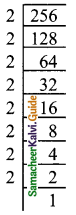
∴ m = -3/2, -5/2
Roots are real and different
C.F = (Ax + B) em1x + Bem2x
C.F = Ae-3/2 x + Be-5/2 x
Samacheer Kalvi 12th Business Maths Guide Chapter 4 Differential Equations Ex 4.5 8

Question 12.
(3D² + D – 14) y – 13 e2x
Solution:
The auxiliary equation is 3m² + m – 14 = 0
3m² – 6m + 7m – 14 = 0
3m (m – 2) + 7 (m – 2) = 0
(m – 2) (3m + 7) = 0
m = 2; 3m = -7
m = 2, -7/3
Roots are real and different
C.F = (Ax + B) em1x + Bem2x
C.F = Ae2x + Be-7/3 x
Samacheer Kalvi 12th Business Maths Guide Chapter 4 Differential Equations Ex 4.5 9

Samacheer Kalvi 12th Business Maths Guide Chapter 4 Differential Equations Ex 4.5

Question 13.
Suppose that the quantity demanded Qd = 13 – 6p + 2\(\frac { dp }{dt}\) + \(\frac { d^2p }{dt^2}\) = and quantity supplied Qd = -3 + 2p where is the price. Find the equilibrium price for market clearence.
Solution:
For market clearance, the required condition is Qd = Qs
Samacheer Kalvi 12th Business Maths Guide Chapter 4 Differential Equations Ex 4.5 10
The auxiliary equation is
m² + 2m – 8 = 0
(m + 4) (m – 2) = 0
m = -4, 2
Roots are real and different
Samacheer Kalvi 12th Business Maths Guide Chapter 4 Differential Equations Ex 4.5 11

Samacheer Kalvi 12th Business Maths Guide Chapter 4 Differential Equations Ex 4.5

Samacheer Kalvi 11th History Guide Chapter 6 மௌரியருக்கு பிந்தைய அரசியல் அமைப்பும் சமூகமும்

Tamilnadu State Board New Syllabus Samacheer Kalvi 11th History Guide Pdf Chapter 6 மௌரியருக்கு பிந்தைய அரசியல் அமைப்பும் சமூகமும்
Text Book Back Questions and Answers, Notes.

Tamilnadu Samacheer Kalvi 11th History Solutions Chapter 6 மௌரியருக்கு பிந்தைய அரசியல் அமைப்பும் சமூகமும்

11th History Guide மௌரியருக்கு பிந்தைய அரசியல் அமைப்பும் சமூகமும் Text Book Questions and Answers

I. சரியான விடையைத் தேர்ந்தெடுக்கவும்

Question 1.
அலெக்சாண்டரின் திறன்மிக்க தளபதிகளுள் ஒருவர். ……………………
அ) செலியுகஸ் நிகேடர்
ஆ) அன்டிகோனஸ்
இ) அண்டியோகஸ்
ஈ) டெமெட்ரியஸ்
Answer:
அ) செலியுகஸ் நிகேடர்

Question 2.
செலியுகஸ் நிகேடரால் தலைநகரம் பாடலிபுத்திரத்துக்கு …………………… தூதராக மெகஸ்தனிஸ் அனுப்பப்பட்டார்.
அ) ரோமானிய
ஆ) கிரேக்க
இ) சீன
ஈ) பிரிட்டிஷ்
Answer:
ஆ) கிரேக்க

Samacheer Kalvi 11th History Guide Samacheer Kalvi 11th History Guide Chapter 6 மௌரியருக்கு பிந்தைய அரசியல் அமைப்பும் சமூகமும்

Question 3.
வழக்கமான தூதர்கள் மற்றும் கடிதப் பரிமாற்றம் ………………
அ) இந்தியாவிலிருந்து மேற்குக்கான வழக்கமான வணிகத்தைப் பாதித்தது.
ஆ) இந்தியாவிலிருந்து மேற்குக்கு வழக்கமான வணிகத்திற்கு உதவியது.
இ) இந்தியாவிலிருந்து கிழக்குக்கு வழக்கமான வணிகத்திற்கு உதவியது.
ஈ) மேற்கூறிய எதுவுமில்லை
Answer:
(ஆ) இந்தியாவிலிருந்து மேற்குக்கு வழக்கமான வணிகத்திற்கு உதவியது.

Question 4.
இந்தோ -கிரேக்க அரசர்களில் நன்கறியப்பட்டவர் ……………………
அ) யூதிடெமஸ்
ஆ) டெமெட்ரியஸ்
இ) மினாண்டர்
ஈ) ஆன்டியால்ஸைடஸ்
Answer:
இ) மினாண்டர்

Samacheer Kalvi 11th History Guide Samacheer Kalvi 11th History Guide Chapter 6 மௌரியருக்கு பிந்தைய அரசியல் அமைப்பும் சமூகமும்

Question 5.
குஷாண நாணயங்கள் ……………………. நாணயங்களை விட உயர்ந்த தரத்தில் இருந்தன.
அ) ரோமானிய
ஆ) கிரேக்க
இ) குப்த
ஈ) சாதவாகன
Answer:
அ) ரோமானிய

Question 6.
இந்தோ -கிரேக்கக் கலை மற்றும் சிற்பப் பாணி …………………………. என்று குறிப்பிடப்பட்டது.
அ) மதுரா கலை
ஆ) காந்தாரக் கலை
இ) பாக்கலை
ஈ) பாலா கலை
Answer:
ஆ) காந்தாரக் கலை

Samacheer Kalvi 11th History Guide Samacheer Kalvi 11th History Guide Chapter 6 மௌரியருக்கு பிந்தைய அரசியல் அமைப்பும் சமூகமும்

Question 7.
கீழ்க்கண்டவற்றில் பொருத்தமற்றது எது?
அ) புத்தசரிதம் – அஸ்வகோஷர்
ஆ) எரித்ரியக் கடலின் பெரிப்ளஸ் – மெகஸ்தனிஸ்
இ) அர்த்தசாஸ்திரம் – கௌடில்யர்
ஈ) காமசூத்திரம் – வாத்சாயனர்
Answer:
ஆ) எரித்ரியக் கடலின் பெரிப்ளஸ் – மெகஸ்தனிஸ்

Question 8.
சக சத்ரப்களில் மிகவும் புகழ் பெற்றவர் ……………………
அ) மொக
ஆ) ருத்ரதாமன்
இ) அஸிஸ்
ஈ) யசோவர்மன்

Question 9.
ஐரோப்பாவுக்கும் இந்தியாவுக்கும் இடையிலான வணிகத்தின் தன்மைகள் பொது ஆண்டின் தொடக்கத்தில் மாறியதற்குக் காரணம்.
i) பொ.ஆ.மு. கடைசி நூற்றாண்டின் முடிவில் மத்திய தரைக்கடல் உலகின் பெருஞ்சக்தியாக ரோம் எழுச்சியுற்றது.
ii) அரேபியக் கடலில் வீசும் பருவக் காற்றுகளின் காலமுறை இயல்புகள் பொ.ஆ. முதல் நூற்றாண்டில் ஹிப்பால ஸால் கண்டுபிடிக்கப்பட்டது.
அ) (i) சரி
ஆ) (ii)சரி
இ) (i),(ii) இரண்டுமே சரி
ஈ) (i),(ii) இரண்டுமே தவறு
Answer:
இ) (i),(ii) இரண்டுமே சரி

Samacheer Kalvi 11th History Guide Samacheer Kalvi 11th History Guide Chapter 6 மௌரியருக்கு பிந்தைய அரசியல் அமைப்பும் சமூகமும்

Question 10.
………………………. பகுதியில் ரோமானிய நாணயங்கள் அகழ்ந்தெடுக்கப்பட்டன.
அ) அரிக்கமேடு
ஆ) ஆதிச்சநல்லூர்
இ) புகார்
ஈ) பல்லாவரம்
Answer:
அ) அரிக்கமேடு

கூடுதல் வினாக்கள்

Question 1.
கங்கை பகுதிகள் இருந்து தரிவிக்கப்பட்டு ரோமுக்கு ஏற்றுமதி செய்யப்பட்ட நறுமணத்தைலம் …………………..
அ) மிளகுத் தைலம்
ஆ) விளாமிச்சைவேர்த் தைலம்
இ) தாளிச பத்ரிதைலம்
ஈ) யூகலிப்டஸ் தைலம்
Answer:
ஆ) விளாமிச்சைவேர்த் தைலம்

Question 2.
முதன்முதலாக அறியப்பட்ட இந்தோ – கிரேக்க அரசர் …………………..
அ) டியோடோடஸ்
ஆ) ஆண்டியோகஸ்
இ) டெமிட்ரியஸ்
ஈ) யூதிடெமஸ்
Answer:
இ) டெமிட்ரியஸ்

Samacheer Kalvi 11th History Guide Samacheer Kalvi 11th History Guide Chapter 6 மௌரியருக்கு பிந்தைய அரசியல் அமைப்பும் சமூகமும்

Question 3.
பாகபத்ர அரசரின் அரச சபைக்குத் தூதராக மினாண்டரால் அனுப்பப்பட்டவர் ……………………
அ) ஹீயோடோரஸ்
ஆ) ஆண்டியால் சைடல்
இ) வோனேனெஸ்
ஈ) மித்ரடேட்ஸ்
Answer:
அ) ஹீயோடோரஸ்

Question 4.
புகழ்பெற்ற ஜீனாகத் பாறைக் கல்வெட்டில் போற்றப்பட்டுள்ள சாக சத்ரப். …………………….
அ) ருத்ராமன்
ஆ) ருத்ரமாறன்
இ) ருத்ரதாசன்
ஈ) ருத்ரதாமன்
Answer:
ஈ) ருத்ரதாமன்

Samacheer Kalvi 11th History Guide Samacheer Kalvi 11th History Guide Chapter 6 மௌரியருக்கு பிந்தைய அரசியல் அமைப்பும் சமூகமும்

Question 5.
சுங்கர்களைத் தொடர்ந்து ஆட்சிக்கு வந்தவர்கள் ……………………..
அ) சாகர்கள்
ஆ) சாதவாளனர்கள்
இ) மௌரியர்கள்
ஈ) யவனர்கள்
Answer:
ஆ) சாதவாளனர்கள்

Question 6.
கனிஷ்கர் கூட்டிய பௌத்த மகாசங்கம் …………………………..
அ) முதல் பௌத்த சங்கம்
ஆ) 2ஆம் பௌத்த சங்கம்
இ) 3ஆம் பௌத்த சங்கம்
ஈ) 4ஆம் பௌத்த சங்கம்
Answer:
ஈ) 4ஆம் பௌத்த சங்கம்

Question 7.
நாசிக் கல்வெட்டு இவருடைய சாதனைகளைக் குறிப்பிடுகிறது …………………..
அ) புஷ்யமித்ர சுங்கம்
ஆ)கௌதமிபுத்ரசதகர்னி
இ) கனிஷ்கர்
ஈ) மீனாந்தர்
Answer:
ஆ)கௌதமிபுத்ரசதகர்னி

Samacheer Kalvi 11th History Guide Samacheer Kalvi 11th History Guide Chapter 6 மௌரியருக்கு பிந்தைய அரசியல் அமைப்பும் சமூகமும்

Question 8.
புத்த சரிதம் என்ற நூல் ஆசிரியர் ……………………..
அ) வசுமித்திரர்
ஆ) அஸ்வகோசர்
இ) யுவான்சுவாங்
ஈ) ஹர்சர்
Answer:
ஆ) அஸ்வகோசர்

Question 9.
வாதஸ்யானர் எழுதிய நூல்.
அ) மனுஸ்மிருதி
ஆ) இனடிகா
இ) காமசூத்ரம்
ஈ) அர்த்தசாஸ்திரம்
Answer:
இ) காமசூத்ரம்

Samacheer Kalvi 11th History Guide Samacheer Kalvi 11th History Guide Chapter 6 மௌரியருக்கு பிந்தைய அரசியல் அமைப்பும் சமூகமும்

Question 10.
சோழமண்டலக் கடற்கரையில் இருந்த மிக முக்கியமான துறைமுகம்
அ) முசிறி
ஆ) தொண்டி
இ) கொற்கை
ஈ) புகார்
Answer:
ஈ) புகார்

Question 11.
கூற்று : பிளாண்டர் குறித்த தகவல்களை நாம் அறிவதற்கு அவரது தூதர் ஹீலியோடோரஸ் என்பவரே காரணம்
காரணம் : இவர் பாகபத்ர அரசரின் அரச சபைக்குத் தூதராக பினாண்டரால் அனுப்பப்பட்டார்.
i) கூற்றும் காரணமும் சரி, காரணம் கூற்றை விளக்குகிறது.
ii) கூற்று சரி, காரணம் தவறு
iii) கூற்று தவறு, காரணம் சரி
iv) கூற்றும் காரணமும் சரி, காரம் கூற்றை விளக்கவில்லை
Answer:
i) கூற்றும் காரணமும் சரி, காரணம் கூற்றை விளக்குகிறது.

Samacheer Kalvi 11th History Guide Samacheer Kalvi 11th History Guide Chapter 6 மௌரியருக்கு பிந்தைய அரசியல் அமைப்பும் சமூகமும்

Question 12.
சரியான இணையை எடுத்து எழுதுக.
i) சாகாயா – அ. கனிஷ்கர்
ii) புருஷபுரம் – ஆ. புஷ்யமித்ர சுங்கர்
iii) பாடலிபுத்திரம் – இ. மீனாந்தம்
iv) தட்சசீலம் – ஈ. முதலாம் ஆசஸ்
Answer:
iv) தட்சசீலம் – ஈ. முதலாம் ஆசஸ்

II. குறுகிய விடை தருக.

Question 1.
இந்தியாவை மத்தியத் தரைக்கடல் உலகத்தோடும் மத்திய ஆசியாவோடும், சீனாவோடும் இணைப்பதற்கு இட்டுச் சென்றது எது?.
Answer:

பேரரசர் அசோகர் இரக்கத்தையும் அதன் விளைவாக மெளரியப் பேரரசின் வீழ்ச்சியயையும் தொடர்ந்து வந்த நான்கு நூற்றாண்டுகளில் இந்தியாவின் சில பகுதிகள் மேற்காசியா, மத்திய ஆசியாவைச் சேர்ந்த இந்தோ – கிரேக்கர், சாகர், குஷாணர் ஆகியோரின் படையெடுப்புகளுக்கு உள்ளாயின.

  • இவர்கள் அனைவருமே இந்தியாவின் பெறும்பகுதிகளில்  தங்களின் ஆட்சிகளை நிறுவினர்.
  • இது இந்தியச் சமூகத்திற்குள் , பண்பாட்டுமயமாக்கம், அந்நிய நாடுகளின் பண்பாடுகள், கலை வடிவங்கள் ஆகியவற்றைத் தன்வயப்படுத்துதல் ஆகிய செயல் முறைகளை வலுப்படுத்தியது.
  • மேலும், இது விரிவான வணிகத் தொடர்புகள் மூலம் மத்தியத் தரைக்கடல் பகுதிகள், மத்திய ஆசியா சீனா ஆகியவற்றோடு இந்தியாவை ஒருங்கிணைத்தது.

Samacheer Kalvi 11th History Guide Samacheer Kalvi 11th History Guide Chapter 6 மௌரியருக்கு பிந்தைய அரசியல் அமைப்பும் சமூகமும்

Question 2.
சந்திரகுப்தருக்கும் செலியுகஸ் நிகேடருக்கும் இடையே நிகழ்ந்த போரின் விளைவு என்ன?
Answer:

  • பொ. ஆ.மு. 305 வாக்கில் சந்திரகுப்தர் செலியுகஸை எதிர்த்துப் போரிட்டு அவரைத் தோற்கடித்தார்.
  • இருப்பினும், இது அலெக்ஸாண்டரின் ஏனைய ஆளுநர்களுக்கு ஏற்பட்டதைப் போன்ற கொடுரமான தோல்வி அல்ல.
  • மாறாக, சந்திரகுப்தர் செலியுகஸுடன் ஓர் அமைதி உடன்படிக்கை செய்து கொண்டார்.
  • சிந்து வரையிலும் தான் வெற்றி கொண்டிருந்த நிலப்பரப்பை ஒப்படைத்த செலியுகஸ், அதற்கு பதிலாக 500 போர் யானைகளைப் பெற்றுக் கொண்டார்.

Question 3.
“யவன” என்ற சொல்லுக்குப் பொருள் என்ன ?
Answer:

  • இந்தியா முழுவதும் கிரேக்கர்களைக் குறிப்பிடப் பயன்படுத்தப்பட்ட யவன (அல்லது யோன) என்ற சொல்லை இப்பொழுது பார்ப்போம்.
  • இச்சொல், பாரசீக மொழியில் கிரேக்கர்களைக் குறிக்கும். “யயுனா” என்றும் சொல்லிலிருந்து பெறப்பட்டதாகும்.
  • இந்தியாவில் இச்சொல்லானது கலப்பின மக்கள் உட்பட கிரேக்கத்தை பிறப்பிடமாகக் கொண்ட அனைவரையும் மேலும் பொனீசியர்களைக் கூடக் குறிப்பதற்கு பயன்படுத்தப்படுகிறது.

Samacheer Kalvi 11th History Guide Samacheer Kalvi 11th History Guide Chapter 6 மௌரியருக்கு பிந்தைய அரசியல் அமைப்பும் சமூகமும்

Question 4.
“நாட்டின் வட மேற்கில் ஒரு பெரிய அரசை மினாண்டர் ஆட்சி செய்ததாகக் கூறப் படுகிறது” விவரிக்கவும்?
Answer:

  • இந்தோ – கிரேக்க அரசர்களிலேயே நன்கறியப்பட்டவரான மினாண்டர், (சுமார் பொ.ஆ.மு. 165/145-130) நாட்டின் வடமேற்கில் ஒரு பெரிய பகுதியை ஆட்சி செய்ததாகத் தெரிகிறது.
  • அவரது நாணயங்கள், காபூல், சிந்து நதிகளின் சமவெளிகளிலிருந்து மேற்கு உத்திரபிரதேசம் வரையிலுமான விரிந்து பரந்த பகுதிகளில் கண்டெடுக்கப்பட்டுள்ளன.

Question 5.
“சத்ரப்கள்” பற்றி நீவீர் அறிவது யாது?
Answer:

  • சாகர்களின் ஆட்சிக்காலத்தில் மாகாண ஆளுனர்கள் “சத்ரப்கள்” என்று அழைக்கப்பட்டனர்.
  • சத்ரப்க்கள் பலரும் தங்களை சுதந்திர அரசாக அறிவித்துக் கொண்டு தங்களுக்கு மஹாசத்ரபாக்கள் என்ற பட்டப் பெயரை சூட்டிக் கொண்டார்கள்.
  • புகழ் பெற்ற சாக சத்ரப்களில் புகழ் பெற்றவர் ”ருத்ரதாமன்” என்பவராவார்.
  • இவர் சாதவாகனர்களையும் போரில் தோற்கடித்துள்ளார்.

Samacheer Kalvi 11th History Guide Samacheer Kalvi 11th History Guide Chapter 6 மௌரியருக்கு பிந்தைய அரசியல் அமைப்பும் சமூகமும்

Question 6.
பின்வருவன குறித்து ஒரு பட்டியலைத் தயாரிக்கவும்
அ) இந்தியாவிலிருந்து ரோமுக்கு ஏற்றுமதி செய்யப்பட்ட பொருள்கள்.
ஆ) ரோமிலிருந்து இந்தியாவுக்கு இறக்குமதி செய்யப்பட்ட பொருள்கள்.
Answer:
ஏற்றுமதிப் பொருட்கள்
இந்தியாவிலிருந்து ரோமுக்கு மிளகு , முத்துக்கல், தந்தம், பட்டுத்துணி, விளாமிச்சை வேர் தைலம், தாளிசபத்திரி என்ற நறுமணப் பொருள், நீலக்கல், கோமேதகம், வைரம், ஆமை ஓடு மற்றும் பருத்தி துணிகள் ஆகியவை ஏற்றுமதி ஆகியன.

இறக்குமதிப் பொருட்கள்
ரோமிலிருந்து இந்தியாவிற்கு நாணயங்கள், புஷ்பராசக்கல், அஞ்சனம், பவழம் கச்சா கண்ணாடி, தாமிரம், தகரம், ஈயம், மது வகைகள் போன்றவை இறக்குமதி செய்யப் பட்டன.

Question 7.
பெருகிவரும் வணிகத்திற்கும் வியாபாரத்திற்குமான வணிகர்களின் பங்களிப்பை விவரிக்கவும்?
Answer:

  • வணிகம் பெருமளவும் வளர்ந்த நிலையில் வணிகர்கள் எண்ணிக்கையில் பெருகி சமுதாயத்தில் முக்கியமானோர் ஆயினர்.
  • கடல் கடந்த வணிகத்தில் ஈடுபட்ட வணிகர்கள்.
  • வெளிநாடுகளுடன் தரை வழியாகவும் வாணிபத்தில் ஈடுபட்டனர்.
  • இந்த வளர்ச்சியானது விரிவடைந்து வரும் வணிக நடவடிக்கைகளுக்கு உதவியது.
  • எனவே வணிகம் விரிவடைந்து பொருளாதார உற்பத்தியின் அடித்தளத்தில் முக்கிய மாற்றங்களை ஏற்படுத்தியது.

Samacheer Kalvi 11th History Guide Samacheer Kalvi 11th History Guide Chapter 6 மௌரியருக்கு பிந்தைய அரசியல் அமைப்பும் சமூகமும்

கூடுதல் வினாக்கள்

Question 1.
காந்தாரக்கலையைப் பற்றி கூறுக.
Answer:
பண்பாட்டுத் தாக்கங்கள் சங்கமிக்குமிடத்தில் அமைந்துள்ள காந்தாரம் கிரேக்க மற்றும் ரோமானியப் பண்பாடுகளின் செல்வாக்குக்கு ரோமானியம் உட்பட்டது. பொ.ஆ. முதல் நூற்றாண்டில் காந்தாரக் கலை வடிவங்கள் வளர்ச்சியடைந்தன.

குஷாணப் பேரரசுக் காலத்தில் ரோமுடனான அதன் தொடர்புகளினால் ரோமானியக் கலைநுட்பங்கள் இந்தியக் கலை நுட்பங்களோடு கலந்து, வடமேற்கு இந்தியா முழுவதும்
பின்பற்றப்பட்டன.

ஆன்மநிலையில் – கண்கள் பாதி மூடிய நிலையில் தியானத்திலிருக்கிற புத்தரைச் சித்தரித்ததற்காகக் காந்தாரக்கலை புகழ் பெற்றது.

Question 2.
குறிப்பு வரைக : செலியுகஸ் நிகேடர்
Answer:

அலெக்ஸாண்டரின் திறமை மிக்க தளபதிகளுள் ஒருவரான செலியுகஸ் நிகேடர் பொ.ஆ.மு 311க்குப் பிறகு பிரிஜியா (துருக்கி) தொடங்கி சிந்து நதி வரையிலுமான ஒரு மிகப்பெரிய பரப்பில் வெற்றிகரமாக தனது ஆட்சியை நிறுவினார்.

பொ.ஆ.மு. 305 வாக்கில் சந்திரகுப்தர் செலியுகஸை எதிர்த்துப் போரிட்டு அவரைத் தோற்கடித்தார். இருப்பினும் இது அலெக்ஸாண்டரின் ஏனைய ஆளுநர்களுக்கு ஏற்பட்டதைப் போன்ற கொடூரமான தோல்வி அல்ல

Samacheer Kalvi 11th History Guide Samacheer Kalvi 11th History Guide Chapter 6 மௌரியருக்கு பிந்தைய அரசியல் அமைப்பும் சமூகமும்

Question 3.
ரோமானிய பேரரசு குடியரசு பற்றி கூறுக
Answer:

  • ரோமானியக் குடியரசு பொ.ஆ.மு. 27ல் பேரரசர் அகஸ்டஸின் கீழ் ஒரு பேரரசு ஆயிற்று.
  • ஐரோப்பாவிலும் வடஆப்பிரிக்காவிலும் பெற்ற வெற்றிகள் மூலம் குவித்திருந்த மிகப்பெரும் செல்வங்களைத் தனது கட்டுப்பாட்டில் வைத்திருந்த ரோம்தான் உலகிலேயே மிகப்பெரிய செல்வச் செழிப்பு மிக்க நகரமாகும்.
  • ரோமின் செல்வச் செழிப்பு, இந்தியாவைச் சேர்ந்த பல்வேறு பொருள்களின் வணிகத்தை பெருக்கியது.
  • குறிப்பாக தமிழ்நாட்டின் நறுமணப் பொருள்கள் மற்றும் துணி வகைகளின், தேவையை அங்கு பெருமளவிற்கு அதிகரித்து ஒரு பெரும் வணிக விரிவாக்கத்தை ஏற்படுத்தியது.

Question 4.
கனிஷ்கரைப் பற்றிய குறிப்பு தருக (அல்லது) குஷானர்களில் புகழ்பெற்ற அரசர் யார்? அவரைப் பற்றிக் கூறுக.
Answer:

  • குஷான அரசர்களில் புகழ் பெற்றவர் கனிஷ்கர் ஆவார்.
  • பௌத்தத்தின் மகாயானப்பிரிவை இவர் ஆர்வமுடன் பின்பற்றினார். நான்காம் பௌத்த மகா சங்கத்தை கூட்டியவர்.
  • இவரது காலத்தில் தான் காந்தாரக் கலை வளர்ச்சியுற்றது.
  • அஸ்வகோஷர், பார்ஸ்வர். வசுமித்ரர். நாகார்ஜுனர் ஆகிய பௌத்தத் தத்துவ ஞானிகளை ஆதரித்தவர் கனிஷ்கர்.

Samacheer Kalvi 11th History Guide Samacheer Kalvi 11th History Guide Chapter 6 மௌரியருக்கு பிந்தைய அரசியல் அமைப்பும் சமூகமும்

III. சுருக்கமான விடை தருக

Question 1.
டெமெட்ரியஸீடைய நாணயங்களின் சிறப்பைச் சுட்டிக்காட்டுக.
Answer:

  • இந்தோ – கிரேக்க அரசர்களில் அறியப்பட்ட முதல் அரசர் டெமெட்ரியஸ் ஆவார்.
  • இந்தோ – கிரேக்கர்கள் நேர்த்தி மிக்க நாணயங்களை வெளியிட்டனர்.
  • இந்நாணயங்கள் அவர்களின் ஆட்சியை வேறுபடுத்தி காட்டுகின்ற அம்சங்களோடு வெளியிடப்பட்டன.
  • நாணயத்தின் ஒரு பக்கத்தில் ஆட்சி செய்து கொண்டிருக்கிற அரசரின் உருவமும், பெயரும் பொறிக்கப்பட்டிருக்கும்.
  • அரசர்கள் பல விதமான தலைக்கவசங்களோடு இருப்பது தனிச்சிறப்பு.
  • இந்நாணயங்கள் தனிமுக மற்றும் உடல் கூறுகளையும் கொண்ட அரசரின் தோற்றத்தைக் காட்டுகின்றன.

Question 2.
மினாண்டர் குறித்து நீங்கள் அறிந்தவை யாது?.
Answer:

  • மீனாத்தார், மிலித்தா என்றும் அழைக்கப்படுகிறார்.
  • அவர் புத்த சமயத்தில் அதிக ஆர்வம் கொண்டவர்.
  • புத்த சமயத் துறவி நாகபாணருடன் அவர் உரையாடியது மிலிந்த பின்ஹோ ன்ற பாலிமொழி நூலாகத் தொகுக்கப்பட்டுள்ளது.
  • மீனாந்தர் புத்த சமயத்தை தழுவினார்.
  • கிரேக்கத் தூதரான ஹீலியோடோரஸ் வைணவ சமயத்தை தழுவியதோடு பெஸ் நகரில் கருடத்தூணையும் நிறுவினார்.

Samacheer Kalvi 11th History Guide Samacheer Kalvi 11th History Guide Chapter 6 மௌரியருக்கு பிந்தைய அரசியல் அமைப்பும் சமூகமும்

Question 3.
“முற்பட்ட கால ரோமானிய நாணயங்கள் கோயம்புத்தூர், ஈரோடு, சேலம், கரூர் மாவட்டங்களில் அதிகம் கிடைக்கின்றன” ஏன்?
Answer:

  • மேற்குக் கரையிலிருந்து, ரோமானிய வணிகர்கள் நிலவழியே பாலக்காடு கணவாயைக் கடந்து கிழக்கேயுள்ள உற்பத்தி மையங்களுக்கு வந்தனர்.
  • ஈரோட்டிலுள்ள கொடுமணல், படியூர், வாணியம்பாடி ஆகிய இடங்களில் ரோம் நாட்டில் அதிக தேவையில் இருந்த நவரத்தினக் கல்லான கோமேதகம் கிடைக்கின்ற சுரங்கங்களிருந்தன.
  • மேலும், ஈரோடு அருகேயுள்ள சென்னிமலையில் உற்பத்தி செய்யப்பட்ட இரும்பும் எஃகும் ரோமாபுரிக்கு ஏற்றுமதி செய்யப்பட்டன.
  • உருக்காலை மற்றும் உருக்கு எச்சங்கள் இங்கே அகழ்வாய்வில் கண்டெடுக்கப்பட்டுள்ளன.
  • இதனால்தான் முற்பட்ட காலத்திய ரோமானிய நாணயங்கள், கோயம்புத்தூர், ஈரோடு, சேலம், கரூர் மாவட்டங்களில் அதிக அளவில் கிடைப்பதைக் காண்கிறோம்.

Question 4.
“இரண்டு வணிகச் சுற்றுகளின் மையமாக முசிறி இருந்தது” எவ்வாறு?
Answer:

  • சங்கப் பாடல்களின் படி முசிறி நகரம் இரண்டு வணிகச் சுற்றுகளின் மையமாக இருந்துள்ளது.
  • நாட்டின் உள்பகுதிகளிலிருந்து அரிசியை ஏற்றிவந்த படகுகள் திரும்பிச் செல்கையில் மீன்களை ஏற்றிச் சென்றன.
  • இது அடிப்படையான நுகர்வுப் பொருள்களின் வணிகத்தில் பண்டமாற்று முறை பின்பற்றப்பட்டதைச் சுட்டுகிறது.

அதே நேரத்தில், சந்தைக்குக் கொண்டு வரப்பட்ட கருமிளகு மூட்டைகள், கப்பலில் வந்த தங்கத்திற்குப் பண்டமாற்று செய்துகொள்ளப்பட்டு, பின் அத்தங்கம் படகுகளில் கடற்கரைக்குக் கொண்டு செல்லப்பட்டன.

Samacheer Kalvi 11th History Guide Samacheer Kalvi 11th History Guide Chapter 6 மௌரியருக்கு பிந்தைய அரசியல் அமைப்பும் சமூகமும்

Question 5.
பரிமாற்றத்துக்கான ஒர ஊடகமாகப் பணத்தின் முக்கியத்துவத்தை விவரிக்கவும்?
Answer:
நவீனத்துக்கு முந்தைய அனைத்துப்பொருளாதாரங்கலும் பரிமாற்றத்துக்கு ஒரு முக்கியமான ஊடகமாகப் பண்டமாற்று முறை விளங்கியிருக்கிறது.

எடுத்துக்காட்டாக, தமிழ்ப் பகுதியைச் சேர்ந்த உப்பு வணிகர்கள், கிழக்கு உட்புறக் கடற்கரைப் பகுதிகளிலிருந்துத் தங்களின் வண்டிகளில் உப்பை ஏற்றிக் கொண்டு குழுக்களாகச் சேர்ந்து சென்றனர்

அவர்கள் தங்களின் உப்பைப் பணத்துக்கு விற்காமல் ஏனைய பண்டங்களுக்காவும் இதரத் தேவைகளுக்காகவும் பண்டமாற்று செய்து கொண்டிருக்கவே வாய்ப்பு அதிகம்.

இருப்பினும், தரைவழி, கடல்வழி, வணிகம் ஆகியவற்றின் அளவும், கூடவே நகர அங்காடிகள் குறித்து இலக்கியத்திலுள்ள சித்தரிப்புகளில் பணம்தான் பரிமாற்றத்துக்கான முக்கிய ஊடகமாக இருந்தது என்பதை உணர்த்துகின்றன.

Question 6.
கிரேக்கருடனான இந்தியத் தொடர்பின் விளைவான பண்பாட்டுத் தாக்கத்தின் சிறப்புகளைக் கூறவும்.
Answer:

  • கிரேக்கர்களின் படையெடுப்பு, பரஸ்பரப் பண்பாட்டுத் தாக்கம் ஏற்படுவதற்கு இட்டுச் சென்றது.
  • இந்தியாவில் அலெக்ஸாண்டர் இறந்த பிறகு, அவரத தளபதி செலியுகஸ் நிகேடர், தொடர்ந்து வடமேற்கு இந்தியப் பகுதிகளில் ஆட்சி செலுத்தினார். இதனைத் தொடர்ந்து இராஜாங்க உறவுகள் ஏற்படுத்தப்பட்டன.
  • பாடபுத்திரத்தில் உள்ள நினைவு சின்னங்களில் கிரேக்க பண்பாட்டுத் தாக்கம் தெரிந்தது..
  • மௌரியப் பேரரசின் விரிவான நிர்வாக அமைப்பு கிரேக்க நிர்வாக அமைப்பு முறையை ஒத்திருந்தது.
  • மேற்கு இந்தியாவில் இந்தோ – கிரேக்க அரசாட்சிகள் தோன்றியது. இந்திய வரலாற்றில் மாறுபட்ட பண்பாட்டின் தாக்கத்தை ஏற்படுத்தியது.
  • மேலும் மாறுபட்ட தனித்தன்மை கொண்ட கலைச் சிந்தனையும், போக்கையும் இந்தியாவில் ஏற்படுத்தியது.

Samacheer Kalvi 11th History Guide Samacheer Kalvi 11th History Guide Chapter 6 மௌரியருக்கு பிந்தைய அரசியல் அமைப்பும் சமூகமும்

கூடுதல் வினாக்கள்

Question 1.
காந்தாரக்கலையை பற்றி கூறுக?.
Answer:

சிலை வடிப்புக் கலையில் கிரேக்க தாக்கத்தின் காரணமாக இந்திய – கிரேக்க பாணியிலான கூறுகள் ஒன்றிமைந்து புதியமுறை உருவானது.

இது காந்தாரக்கலை எனப்படுகிறது. இந்தோ கிரேக்க பாணியிலான சிற்பங்களும் கலையும்
தோன்றுவதற்கு வழிவகுத்தது.

தட்சசீலத்திலும் வடமேற்குப் பகுதியிலும் செதுக்கப்பட்ட புத்தரின் சிலைகள் கிரேக்க மரபால் ஊக்கம் பெற்று, கண்ணியமான ஆடைகளில் தேவதூதர்களாலும் சிலைகளாலும் சூழப்பட்டு உள்ளதாக அவரைக் காட்டுகின்றன.

Question 2.
சாகர்களைப் பற்றி எழுதுக.
Answer:

  • இந்தியாவின் முதல் சாக ஆட்சியாளர் மௌஸ் அல்லது மொ/மொகா ஆவார்.
  • காந்தாரத்தைக் கைப்பற்றிய அவர், இந்தோ – கிரேக்க அரசாட்சியில் ஒரு பிளவை ஏற்படுத்தினார்.
  • அவரைத் தொடர்ந்து ஆட்சிக்கு வந்த அஸிதான் இந்தோ – கிரேக்க அரசாட்சிகளின் கடைசி மிச்சங்களை இறுதியாக அழித்து கிழக்கே மதுரா வரையிலும் சாகர்களின் ஆட்சியை விரிவுப்படுத்தினார்.
  • இந்தியாவில் சாகர்கள், இந்து சமூகத்துக்குள் இரண்டறக் கலந்து விட்டனர்.
  • இந்தப் பெயர்களையும், மத நம்பிக்கைகளையும் கைக்கொள்ளத் தொடங்கினர்.
  • அவர்களது நாணயங்களின் ஒருபக்கத்தில் இந்துக் கடவுள்களின் உருவம் பொறிக்கப்பட்டது.
  • சாகர்கள் தங்களின் ஆட்சிப் பகுதிகளை நிர்வகிக்க சத்ரப்களை மாகாண ஆளுநர்களாக நியமித்தனர்.
  • சத்ரபாக்கள் பலரும் தங்களுக்கு மஹாசத்ரபாக்கள் எனப்பட்டம் சூடிக் கொண்டதோடு நடைமுறையில் சுதந்திர ஆட்சியாளர்களாயினர்.
  • புகழ் பெற்ற சாக சத்தரப்களில் ஒருவர்தான் ருத்ரதாமன்.

Samacheer Kalvi 11th History Guide Samacheer Kalvi 11th History Guide Chapter 6 மௌரியருக்கு பிந்தைய அரசியல் அமைப்பும் சமூகமும்

Question 3.
கனிஷ்கர் கால இலக்கியங்கள் யாவை?
Answer:

பௌத்த ஆசான் நாகார்ஜுனர், பௌத்தத் தத்துவஞானிகள் அஸ்வகோஷர், பார்ஸ்வர், வசுமித்திரர், போன்றோரின் புரவலராகப் பேரரசர் கனிஷ்கர் திகழ்ந்தனர்.

“அஸ்வகோஷர்” அவரது “புத்த சரிதம் ” நூலுக்காகப் புகழ் பெற்றவர் என்பதோடு ஒன்பது காட்சிகளில் அமைந்த சரிபுத்ரப்ரகரண என்ற முதல் சமஸ்கிருத நாடகத்தின் ஆசிரியர் என்பதற்காகவும் போற்றப்படுகிறார்.

மாபெரும் நாடகாசிரியர் பாசன், பெரும்பாலும் இந்தக் காலத்தைச் சேர்ந்தவராவார்.

இந்து மத நூல்களில் மனு ஸ்மிருதி, வாத் சயாயனரின் காமசூத்ரம், கௌடில்யரின் அர்த்த சாஸ்திரம் ஆகிய நூல்கள் இதே பொ.ஆ. 2ம் நூற்றாண்டில் தான் இறுதி வடிவம் பெற்றன என்பதை அறிகிறோம்.

Samacheer Kalvi 11th History Guide Samacheer Kalvi 11th History Guide Chapter 6 மௌரியருக்கு பிந்தைய அரசியல் அமைப்பும் சமூகமும்

IV. விரிவான விடை தருக :

Question 1.
மேற்கு இந்தியாவில் இந்தோ – கிரேக்க அரசர்களின் எழுச்சி, வணிக , பண்பாட்டுத் தொடர்புகளை வலுப்படுத்தியது விவரிக்கவும்.
Answer:
அலெக்சாண்டர் படையெடுப்பும் இந்தியத் தொடர்பும்: அலெக்சாண்டர் வடமேற்கு இந்தியாவின் மீது படையெடுத்து பஞ்சாப் பகுதியை கைப்பற்றியதிலிருந்து கிரேக்கர்களுடனான இந்திய தொடர்பு தொடங்கியது.

அலெக்சாண்டருக்குப்பின் அவரது தளபதிகளில் ஒருவரான செல்யூகஸ் நிகேடர் இந்தியாவின் சிந்து பகுதி வரை ஆட்சி செய்தார்.

பின்னர் இந்தோ – கிரேக்க அரசர்களின் முக்கியமானவர்களாக “டெமட்ரியஸ்”, “மினான்டர்”, “ஆண்டியால் சைடஸ்’ போன்றோர் எழுச்சி பெற்றனர்.
நாணயங்கள் :
இந்தோ – கிரேக்க அரசர்களின் தனிச் சிறப்பு நேர்த்திமிக்க நாணயங்களை வெளியிடுவது ஆகும். மீனாள்டரின் நாணயங்கள் இந்தியாவில் மேற்கு உத்தரபிரதேசம் வரை கிடைத்துள்ளது. இதிலிருந்து இந்தோ – கிரேக்க உறவு எவ்விதம் இருந்தது என்பதை நாம் அறிந்து கொள்ளலாம்.

நினைவுச் சின்னங்கள் :
பாடலிபுத்திரத்தில் உற்ற நினைவுச் சின்னங்கள் இந்தோ – கிரேக்க கலையை பிரதிபலிக்கின்றன. மேலும் மௌரியப் பேரரசின் விரிவான நிர்வாக அமைப்பு கிரேக்கர்களுடைய நிர்வாக அமைப்பை ஒத்து இருந்தன.

மேலும் மேற்கு இந்தியாவில் இந்தோ – கிரேக்க அரசாட்சிகள் தோன்றியது ஒரு மாறுபட்ட பண்பாட்டின் தாக்கத்தை ஏற்படுத்தியது. கட்டிடக்கலையில் தனித்தன்மை கொண்ட போக்கை ஏற்படுத்தியது.

அசோகர் காலம்:
அசோகர் காலத்தில் ஏற்பட்ட மௌரிய பேரரசின் விரிவாக்கம் ஆஃப்கானிஸ்தான் வரை இருந்தது. இதனால் மேற்கே எகிப்து வரை முறையான வாணிபம் நடைபெறுவதற்கு உதவி புரிந்தது.
தரைவழி வணிகமானது வடமேற்கு ஆஃகானிஸ் வழியாக நடைபெற்றது.

ஏற்றுமதி :
இந்தியாவிலிருந்து தந்தம், ஆமை ஓடுகள், முத்துக்கள், அவுரி, விளாமிச்சை, வேர்த்தைலம், தாளிசபத்ரி மற்றும் அரியவகை மரங்கள் ஏற்றுமதி செய்யப்பட்டன.
இவ்வாறாக இந்தோ – கிரேக்க வணிகம், பண்பாடு வலுபடுத்தப்பட்டது.

Samacheer Kalvi 11th History Guide Samacheer Kalvi 11th History Guide Chapter 6 மௌரியருக்கு பிந்தைய அரசியல் அமைப்பும் சமூகமும்

Question 2.
கலைக்கும் இலக்கியத்துக்குமான கனிஷ்கரின் பங்களிப்பு குறித்து விவாதிக்கவும்.
Answer:
குஷாணர்கள் காலத்தில் நிலவிய பெருமளவிலான படைப்பாற்றல் காரணமாக கலையும், இலக்கியமும் செழித்து இருந்தன. கனிஷ்கரும் கலை, இலக்கியத்தில் ஆர்வமிக்கவராய் இருந்ததால் பல படைப்புகள் உருவாயின
கலை – மகாயான புத்தமதம் :
கனிஷ்கர் காலத்தில் கலை வளர்வதற்கு மஹாயான புத்தமதப்பிரிவும் ஒருகாரணமாகும். மகாயான பிரிவு புத்தரை கடவுளாக சித்தரித்தது. உருவ வழிபாட்டை ஆதரித்தது. புத்தரை மனித வடிவில் சிலை வடிப்பதை ஊக்குவித்தது.

சிலை வடிவமைப்பு :
கிரேக்கத் தாக்கத்தின் காரணமாக இந்தோ – கிரேக்க கூறுகள் ஒன்றிணைந்து புதிய கலை படைப்பு உருவானது. இது காந்தாரக்கலை என அழைக்கப்படுகிறது.
ஆன்ம நிலையில், கண்களை பாதி மூடிய நிலையில், தியான நிலையில் புத்தர் இருப்பது போன்ற சிலைகள் வடிவமைக்கப்பட்டன.

புத்தரின் சிலைகள் :
குறிப்பாக தட்சசீலத்திலும், வடமேற்குப் பகுதிகளில் செதுக்கப்பட்ட புத்தரின் சிலைகள் கண்ணியமான ஆடைகளாலும் , தேவ தூதர்களாலும், இலைகளாலும் சூழப்பட்டிருப்பது போன்று வடிவமைக்கப்பட்டன.
மதுரா அருகே செம்மணற்கல்லில் மிக நுட்பமாக செதுக்கப்பட்ட புத்தரின் சிலைகள் இக்காலகட்ட சிற்பக்கலையின் உச்சம் ஆகும்.

குகைகள்:
அஜந்தா குகைகள் முதல் மும்பையின் கன்ஹேரி குகைகள் வரை பௌத்தர்கள் பாறைகளைக் குடைந்து குகைகள் அமைத்தனர். இக்குகைகளில் பெரிய அளவு புத்தரின் சிலைகள் வடிவமைக்கப்பட்டன.

இலக்கியம்:

பௌத்த ஆசான் நாகார்ஜுனர், பௌத்தத் தத்துவஞானிகள் அஸ்வகோஷர், பார்ஸ்வர், வசுமித்திரர், போன்றோரின் புரவலராகப் பேரரசர் கனிஷ்கர் திகழ்ந்தனர்.

“அஸவகோஷர்” அவரது “புத்தசரிதம்” நூலுக்காகப் புகழ் பெற்றவர் என்பதோடு ஒன்பது காட்சிகளில் அமைந்த சரிபுத்ரப்ரகரண என்ற முதல் சமஸ்கிருத நாடகத்தின் ஆசிரியர் என்பதற்காகவும் போற்றப்படுகிறார்.

மாபெரும் நாடகாசிரியர் பாசன், பெரும்பாலும் இந்தக் காலத்தைச் சேர்ந்தவராவார்.

இந்து மத நூல்களில் மனு ஸ்மிருதி, வாத் சயாயனரின் காமசூத்ரம், கௌடில்யரின் அர்த்த சாஸ்திரம் ஆகிய நூல்கள் இதே பொ.ஆ. 2ம் நூற்றாண்டில் தான் இறுதி வடிவம் பெற்றன என்பதை அறிகிறோம்

Samacheer Kalvi 11th History Guide Samacheer Kalvi 11th History Guide Chapter 6 மௌரியருக்கு பிந்தைய அரசியல் அமைப்பும் சமூகமும்

Question 3.
மத்தியத் தரைக் கடல் உலகின் பெருஞ் சக்தியாக ரோமானிய அரசு மேலெழுந்த விதத்தை விவரி.
Answer:
ரோம் குடியரசும் மத்தியத் தரைகடலும் :
பொது ஆண்டின் தொடக்கத்தில் இரண்டு முக்கியமான வளர்ச்சியின் காரணமாக ஐரோப்பாவிற்கும் இந்தியாவிற்குமான வாணிபத்தில் பெரும் மாற்றங்கள் ஏற்பட்டன. பொ.ஆ.மு. கடைசி நூற்றாண்டின் முடிவில் கிரேக்க அரசுகளை அகற்றி விட்டு மத்திய தரைகடல் உலகின் வல்லரசாக ரோம் எழுந்தது. மேலும் பொ.ஆ. மு. 27ல் பேரரசர் அகஸ்டஸின் கீழ் ஒரு பேரரசாக ரோம் உருவெடுத்தது.

வெற்றியும் செல்வகுவிப்பும் :
ஐரோப்பாவிலும், வடஆப்பிரிக்காவிலும் பெற்ற வெற்றிகள் மூலம் குவிந்திருந்த மிகப் பெரிய செல்வங்களை ரோம் தனது கட்டுப்பாட்டில் வைத்திருந்தது.

இச்செல்வங்கள் ரோமின் புகழை உலகறியச் செய்தன அன்றைய காலகட்டத்தில் ரோம் தான் உலகிலேயே மிகப் பெரியதும், செல்வச் செழிப்பு மிக்க நகரமாகும் இதன் மூலம் மத்தியத் தரைக்கடல் வழியாக நடைபெறும் வணிகம் ரோமானியர்களின் கைகளில் வந்தது.

குறிப்பாக தமிழ்நாட்டின் நறுமணப் பொருள்கள் மற்றும் அணிவகைகளின் தேவை ரோமுக்கு அவசியமாயிற்று. இந்த அவசியம் ஒரு பெரும் வணிக விரிவாக்கத்தை ஏற்படுத்தியது.

ஹிப்பாலஸ்காலக்கணிப்பு :
பொ.ஆ. முதலாம் நூற்றாண்டில் எகிப்தின் கடலோடி “ஹிப்பாலஸ்” என்பவர் அரபிக் கடலில் வீசும் பருவக்காற்றுகளின் காலத்தை கணித்தார். இந்தக் கண்டுபிடிப்பு மிகப்பெரிய அளவில் மத்திய தரைக்கடல் வாணிபத்திற்கு உதவியது.

இதுவரை அரேபியர்கள் கட்டுப்பாட்டில் இருந்த மத்திய தரைக்கடல் வாணிபம் மெல்ல மெல்ல ரோமாபுரியின் கைகளுக்கு மாறின.

மேலும் இதுவரை அரேபியருக்கு ஏகபோகமாய் இருந்த இரகசியங்கள் வெளி உலகத்திற்கு வெட்ட வெளிச்சமாயின.

நேரடி கடல் வழி :
ரோமானியக் கப்பல்கள் இந்தியாவின் மேற்கு கடற்கரையை நோக்கி நேரடியாக பயணிக்கத் தொடங்கின. பயம் நிறைந்த கடல் வழிகளையும் தரை வழி வாணிபத்தையும் ரோமானியர்கள்
தவிர்த்த னர்.

இதன்மூலம் அவர்களுக்கு பயணப்பாதுகாப்பு எட்டியது. இந்தியாவிற்கான நேரடி கடல் வழி திறப்பின் இறுதி விளைவாக இந்தியாவிற்கு வரும் ரோமானிய கப்பல்களின் எண்ணிக்கை கணிசமாக உயர்ந்தது.

ஆண்டுக்கு 20 கப்பல்கள் என்பதிலிருந்து ஏறக்குறைய அன்றாடம் ஒரு கப்பல் என்று அதிகரித்தது. இவ்வாறு மத்தியத் தரைக்கடல் உலகின் தனிப்பெரும் சக்தியாக ரோமானிய அரசு உருவெடுத்தது.

Samacheer Kalvi 11th History Guide Samacheer Kalvi 11th History Guide Chapter 6 மௌரியருக்கு பிந்தைய அரசியல் அமைப்பும் சமூகமும்

Question 4.
பொ.ஆ. 1 ஆம் நூற்றாண்டு தமிழ் அரசாட்சிகள் குறித்த விவரங்கள் தருக.
Answer:
சாதவாகன ஆட்சி :
இந்தியாவின் வடபகுதியில் நிகழ்ந்து வந்த அரசியல் மாறுதல்களினால் தென்னிந்தியா பாதிக்கப்படாமல் இருந்தது. பொ.ஆ. முதல் நூற்றாண்டில் நவீன ஆந்திரா மற்றும் தெலுங்கானா மாநிலங்களை உள்ளடக்கிய தக்காணப் பகுதியில் சாதவாகன ஆட்சி நிறுவப்பட்டது.

இது மௌரிய ஆட்சியை போன்று ஒரு மையப்படுத்தப்பட்ட ஆட்சியாக அமையவில்லை. சாதவாகன மாகாண ஆட்சியாளர்கள் பலம் தன்னாட்சி உரிமை பெற்றிருந்தனர்.
மூவேந்தர்கள் :
வட இந்தியாவில் அமைந்த பரந்த பேரரசுகள் போல் அல்லாமல் தென்னிந்தியாவின் தமிழ் பகுதியில் சிற்றரசர்கள் ஆட்சியில் இருந்தனர். அவர்கள் மூவேந்தர்கள் என அழைக்கப்பட்டனர்.

  • மதுரையை தலைமையிடமாக கொண்டு பாண்டியர்களும்
  • உறையூரை தலைமையிடமாகக் கொண்டு சோழர்களும்
  • வஞ்சியை தலைமையிடமாகக் கொண்டு சேரர்களும் ஆட்சி புரிந்தனர்.

மௌரியக் கால கல்வெட்டில் :
பொ.ஆ.மு. மூன்றாம் நூற்றாண்டிலேயே மௌரிய அரசர்கள் தமிழக மூவேந்தர்களைப் பற்றிய செய்திகளை தங்கள் கல்வெட்டுக்களில் பொறித்து வைத்துள்ளார்கள்.

அசோகரின் 2வது கல்வெட்டு ஆணையில் தனது பேரரசின் எல்லையில் அமைந்த அரசுகளைப் பற்றி கூறியுள்ளார்கள்.

மூவேந்தர்கள் மட்டும் தென்னிந்தியாவை ஆண்டனர் என கூற இயலாது. சிறிய பகுதிகளை ஆட்சி புரிந்த ஏராளமான சிற்றரசர்களும் இருந்தனர் என்பதில் ஐயமில்லை . இந்த சிற்றரசர்கள் அந்த காலத்தில் வேளிர் என அழைக்கப்பட்டனர்.

Samacheer Kalvi 11th History Guide Chapter 5 தென்னிந்தியாவில் சமுதாய உருவாக்கம்
Tamilnadu State Board New Syllabus Samacheer Kalvi 11th History Guide Pdf Chapter 5 தென்னிந்தியாவில் சமுதாய உருவாக்கம் Text Book Back Questions and Answers, Notes.
Tamilnadu Samacheer Kalvi 11th History Solutions Chapter 5 தென்னிந்தியாவில் சமுதாய உருவாக்கம்

11th History Guide தென்னிந்தியாவில் சமுதாய உருவாக்கம் Text Book Questions and Answers

I. சரியான விடையைத் தேர்ந்தெடுக்கவும்

Question 1.
கரிகாலன் …………….. மகனாவார்.
அ) செங்கண்ணன்
ஆ) கடுங்கோ
இ) இளஞ்சேட் சென்னி
ஈ) அதியமான்
Answer:
இ) இளஞ்சேட் சென்னி

Question 2.
கீழ்க்கண்டவற்றில் எந்த இணை தவறானது?
i) தலையாலங்கானம் – நெடுஞ்செழியன்
ii) பட்டினப்பாலை – உருத்திரங்கண்ணனார்
iii) கஜபாகு – இலங்கை
iv) திருவஞ்சிக்களம் – சோழர்
அ) i)
ஆ) ii)
இ) iii)
ஈ) iv)
Answer:
(ஈ) iv) திருவஞ்சிக்களம் – சோழர்

Samacheer Kalvi 11th History Guide Chapter 5 தென்னிந்தியாவில் சமுதாய உருவாக்கம்

Question 3.
…………….. ராஜசூய யாகத்தை நடத்தினார்.
அ) பெருநற்கிள்ளி
ஆ) முதுகுடுமிப் பெருவழுதி
இ) சிமுகா
ஈ) அதியமான்
Answer:
அ) பெருநற்கிள்ளி

Question 4.
இந்திர விகாரம் பற்றி ………………….. குறிப்பிடுகிறது.
அ) மணிமேகலை
ஆ) சிலப்பதிகாரம்
இ) அசோகர் கல்வெட்டு
ஈ) சேரர் நாணயம்
Answer:
அ) மணிமேகலை

Samacheer Kalvi 11th History Guide Chapter 5 தென்னிந்தியாவில் சமுதாய உருவாக்கம்

Question 5.
இக்சவாகுகள் ……………….. பகுதியில் வலிமை பெற்றிருந்தனர்.
அ) ஆந்திரா – கர்நாடகா
ஆ) ஒடிசா
இ) தக்காணப் பகுதி
ஈ) பனவாசி
Answer:
அ) ஆந்திரா – கர்நாடகா

Question 6.
கீழ்க்காணும் கூற்றுகளை வாசித்து தவறான கூற்றை வெளிக் கொணர்க.
i) களப்பிரர்கள் கலியரசர்கள் எனக் குறிப்பிடுகின்றனர்.
ii) களப்பிரர்கள் சைவத்தை ஆதரித்தனர்.
iii) பல்லவரையும் பாண்டியரையும் களப்பிரர் தோற்கடித்தனர்.
iv) இக்சவாகுகள் வேதவேள்விகளை ஆதரித்தனர்.
அ) i)
ஆ) ii)
இ) iii)
ஈ) iv)
Answer:
(இ) iii) பல்லவரையும் பாண்டியரையும் களப்பிரர் தோற்கடித்தனர்.

Samacheer Kalvi 11th History Guide Chapter 5 தென்னிந்தியாவில் சமுதாய உருவாக்கம்

கூடுதல் வினாக்கள்

Question 1.
கௌதமிபுத்திர சதகர்னிக்குப் பின்னர் ஆட்சிப் பொறுப்பேற்றவர் ……………….
அ) வசிஷ்டபுத்ர புலுமாவி
ஆ) நாகப்பனா
இ) கடம்பர்
ஈ) யக்னஸ்ரீ சதகர்னி
Answer:
அ) வசிஷ்டபுத்ர புலுமாவி

Question 2.
…………………….. அரசர் ஹால் 700 காதற் பாடல்களைக் கொண்ட காதாசப்தசதி என்ற நூலை இயற்றினார்.
அ) சேர
ஆ) சோழ
இ) பாண்டிய
ஈ) சாதவாகன
Answer:
ஈ) சாதவாகன

Samacheer Kalvi 11th History Guide Chapter 5 தென்னிந்தியாவில் சமுதாய உருவாக்கம்

Question 3.
சங்க காலத்தில் சோழர்களின் தலைநகரம் …………………….
அ) தஞ்சாவூர்
ஆ) காவிரிப்பூப்பட்டினம்
இ) உறையூர்
ஈ) சாகர்கள்
Answer:
இ) உறையூர்

Question 4.
சேரர்களின் துறைமுக நகரம் ………………….
அ) தொண்டி
ஆ) புகார்
இ) கொற்கை
ஈ) நெல்கிண்டா
Answer:
அ) தொண்டி

Samacheer Kalvi 11th History Guide Chapter 5 தென்னிந்தியாவில் சமுதாய உருவாக்கம்

Question 5.
பாண்டியர்களின் துறைமுக நகரம் ……………………..
அ) முசிறி
ஆ) தொண்டி
இ) புகார்
ஈ) கொற்கை
Answer:
ஈ) கொற்கை

Question 6.
”மதுரை காஞ்சி” என்ற நூல் குறிப்பிடப்பட்டுள்ள “அல்லங்காடி” என்பது …………………….
அ) பகல்
ஆ) இரவு
இ) மாலை
ஈ) பகல் மற்றும் இரவு
Answer:
ஆ) இரவு

Question 7.
தமிழகத்தில் “இருண்ட காலம்” என்று வரலாற்று ஆசிரியர்கள் குறிப்பிடுவது ……………………..
அ) சாதவாகனர்கள் ஆட்சிக்காலம்
ஆ) வெளிர்கள் ஆட்சிக்காலம்
இ) பகல்வர் ஆட்சிக்காலம்
ஈ) களப்பிரகர் ஆட்சிக்காலம்
Answer:
ஈ) களப்பிரகர் ஆட்சிக்காலம்

Samacheer Kalvi 11th History Guide Chapter 5 தென்னிந்தியாவில் சமுதாய உருவாக்கம்

Question 8.
“சேத்தன் ” , “கூற்றன் ” என்ற இரு அரசர்களின் பெயர்களை குறிப்பிடும் கல்வெட்டு ……………………..
அ) கூரம் செப்பு பட்டயம்
ஆ) ஐஹோல் கல்வெட்டு
இ) அலகாபாத் கல்வெட்டு
ஈ) பூலாங்குறிச்சி கல்வெட்டு
Answer:
ஈ) பூலாங்குறிச்சி கல்வெட்டு

Question 9.
வெண்ணிப்போரில் வெற்றி பெற்றவன் …………………….
அ) கரிகாலன்
ஆ) நெடுஞ்செழியன்
இ) செங்குட்டுவன்
ஈ) மகேந்திரன்
Answer:
அ) கரிகாலன்

Samacheer Kalvi 11th History Guide Chapter 5 தென்னிந்தியாவில் சமுதாய உருவாக்கம்

II. குறுகிய விடை தருக.

Question 1.
பண்டமாற்று முறையை விளக்குக.
Answer:
பண்டமாற்று முறை என்பது தனக்கு தேவைக்கு போக அதிகமான பொருளை பிறரிடம் கொடுத்துவிட்டு தன்னிடம் இல்லாத தனக்கு தேவையான பொருளை இதற்கு பதிலாக பெற்றுக்கொள்வது பண்டமாற்று முறை எனப்படும். வணிகத்தில் நாணயங்கள் பயன்படுத்தப்பட்டாலும் பண்டமாற்று முறையே அதிக அளவில் பழக்கத்திலிருந்தது.

Question 2.
மதுரைக்காஞ்சியிலிருந்து நீ அறிவது என்ன ?
Answer:
மதுரைக்காஞ்சி முதுகுடுமிப் பெருவழுதியையும் மற்றொரு நெடுஞ்செழியனான தலையாலங் கானத்துச் செருவென்ற நெடுஞ்செழியனையும் வேறு சில பாண்டிய மன்னர்களையும் குறிப்பிடுகின்றது.

Samacheer Kalvi 11th History Guide Chapter 5 தென்னிந்தியாவில் சமுதாய உருவாக்கம்

Question 3.
ஆடுகோட்பாட்டுச் சேரலாதனை பற்றி நீ அறிந்தது என்ன?
Answer:
மன்னர் நெடுஞ்செறலாதனின் மகன். சேரன் இரும்பொறையே ஆடுகோட்பாட்டுச் சேரலாதன் என அழைக்கப்படுகிறார். இவர் வெற்றியை (ஆடு) தனது கொள்கையாகக் (கோட்பாடு) கொண்டு பல வெற்றிகள் குறித்து வீறு பெற்ற மன்னனாக வாழ்ந்தார்.

கூடுதல் வினாக்கள்

Question 1.
தென்னிந்திய வரலாற்றை அறிய உதவும் நாணயச் சான்றுகள் யாவை?
Answer:
நாணயச் சான்றுகள் :

  • ஆந்திரா – கர்நாடகா பகுதிகளின் சாதவாகனர் மற்றும் அவர்களுக்கு முந்தைய குறுநில மன்னர் வெளியிட்ட நாணயங்கள்.
  • சங்க காலச் சேர, சோழ, பாண்டிய அரசர்களும் வேளிரும் வெயியிட்ட நாணயங்கள்.
  • தங்கம், வெள்ளி, தாமிரத்தாலான ரோம நாணயங்கள்.

Samacheer Kalvi 11th History Guide Chapter 5 தென்னிந்தியாவில் சமுதாய உருவாக்கம்

Question 2.
கல்வெட்டுகளைப் பற்றி எழுதுக.
Answer:

  • ஆந்திரா – கர்நாடகப் பகுதிகளில் காணப்படும், பிராகிருத மொழியில் பொறிக்கப்பட்ட அசோகர் கல்வெட்டுகள்.
  • தமிழக, கேரளக் குகைகளில் காணப்படும் தமிழ் – பிராமி கல்வெட்டுகள்: மாங்குளம், ஜம்பை, புகளூர் முதலானவை.
  • ஆந்திரப் பகுதியிலுள்ள சாதவாகனர் கல்வெட்டுகளும் பிறபௌத்த கல்வெட்டுகளும்.

தமிழகப் பகுதியில் கிடைத்துள்ள மட்பாண்டங்கள், மோதிரம், கற்கள் ஆகியவற்றில் பொறிக்கப்பட்ட எழுத்துக்கள்; இந்தியாவிற்கு வெளியே பெரனிக்கே, குவாசிர் அல் காதம் (எகிப்து), கோர் ரோரி ஓமன்), குவாங்லுக் (தாய்லாந்து) போன்ற இடங்களில் காணப்படும் ஆவணங்கள்.

Question 3.
தென் இந்திய வரலாற்றை அறிய உதவும் வெளிநாட்டவரது குறிப்புகள் யாவை?
Answer:
வெளிநாட்டவரது குறிப்புகள் :
கீழ்க்காணும் கிரேக்க, லத்தீன் சான்றுகள் தொலைதூர வணிகம், பண்பாட்டுத் தொடர்புகள் குறித்த செய்திகளைத் தெரிவிக்கின்றன.

  • பொ. ஆ. முதலாம் நூற்றாண்டைச் சேர்ந்த தொன்மையான கிரேக்க நூலான எரித்தரியக் கடலின் பெரிப்ளஸ்.
  • பொ. ஆ. முதலாம் நூற்றாண்டில் மூத்த பிளினி எழுதிய இயற்கை வரலாறு’ (Natural History).
  • பொ. ஆ. இரண்டாம் நூற்றாண்டில் தாலமி எழுதிய ஜியோகிரபி (புவியியல்).
  • ரோமானியரின் வரைபடமான பீயூட்டெஞ்செரியன் அட்டவணை (Peutingerian Table).

Samacheer Kalvi 11th History Guide Chapter 5 தென்னிந்தியாவில் சமுதாய உருவாக்கம்

Question 4.
பாண்டியன் நெடுஞ்செழியனைப் பற்றிக் கூறுக.
Answer:
நெடுஞ்செழியன் சேரர், சோழர், ஐந்து வேளிர் குல சிற்றரசர்கள் (திதியன் , எழினி , கொற்கையின் தலைவனென்றும், திருநெல்வேலி கடற்கரைப் பகுதியில் வாழும் மீன் பிடிக்கும், போர்புரியும் திறன் பெற்ற தென்பகுதி பரதவர்களின் தலைவனென்றும் இவர் புகழப்படுகிறார்.

எருமையூரான், இருங்கோவேண்மான், பொருநன்miss கானத்துப் போரில் வெற்றி கொண்டதற்காகப் புகழப்படுகிறார்.
மேலும் சிற்றரசர்களிடமிருந்து (வேளிர்) மிலலை, முத்தூர் (புதுக்கோட்டை மாவட்டம்) என்னும் இடங்களைக் கைப்பற்றிய பெருமை இவரையே சாரும்.

Samacheer Kalvi 11th History Guide Chapter 5 தென்னிந்தியாவில் சமுதாய உருவாக்கம்

III. சிறு குறிப்பு வரைக

Question 1.
சங்க காலத்தில் தமிழ் நிலத்தின் ஐந்து திணைகள்.
Answer:
திணைக் கோட்பாட்டின் பின்புலத்தின் தமிழகம் குறிஞ்சி, முல்லை , மருதம், நெய்தல், பாலை எனும் ஐந்து முக்கிய நிலப்பரப்புகளாகப் பிரிக்கப்பட்டிருந்தது.

  1. குறிஞ்சி – மலையும் மலை சார்ந்த பகுதியுமாகும்.
  2. முல்லை – காடும் காடு சார்ந்த பகுதியுமாகும்.
  3. மருதம் – வயலும் வயல் சார்ந்த பகுதியுமாகும்.
  4. நெய்தல் – கடலும் கடல் சார்ந்த பகுதியுமாகும்.
  5. பாலை – மணலும் மணல் சார்ந்த வறண்ட பகுதியுமாகும்.

Question 2.
சோழ அரசர்களில் தலை சிறந்தவன்
Answer:
கரிகாலன்.
இளஞ்சேட் சென்னியின் மகனான கரிகாலன் சங்க கால சோழ அரசர்களில் தலையாயவராக அறியப்படுகிறார். “பட்டினப்பாலை” அவருடைய ஆட்சியைப் பற்றி விரிவாகக் கூறுகிறது. கரிகாலனுடைய தலையாய போர் வெற்றி என்பதுவெண்ணி போர்களத்தில் சேரரையும் பாண்டியரையும் அவர்களுக்கு உதவிய பதினோரு வேளிர் குலத் தலைவர்களையும் வெற்றி கொண்டதாகும்.

காட்டை வெட்டி நாடாக்கியதற்காகவும், குளம் வெட்டி வளம் பெருக்கியதற்காகவும், காவிரியில் அணை கட்டி, வாய்க்கால்கள் வெட்டி நீர்ப்பாசன வசதிகள் ஏற்படுத்திக் கொடுத்தன் மூலம் வேளாண்மையே வளரச் செய்தார் என்பதற்காகவும் இவர் போற்றப்படுகிறார்.

Samacheer Kalvi 11th History Guide Chapter 5 தென்னிந்தியாவில் சமுதாய உருவாக்கம்

Question 3.
கெளதமி புத்திர சதகர்னியின் சாதனைகளை எழுதுக.
Answer:

  • சாதவாகன அரசர்களுள் கௌதமபுத்ர சதகர்னி பெரும் அரசனாவார்.
  • சாக அரசர் ‘நாகப்பனா’ வை வென்ற அவர் நாகபனாவின் நாணயங்களைத் தன் அரசமுத்திரையோடு மீண்டும் வெளியிட்டார்.

அவருடைய தாயான கௌதம பாலஸ்ரீ என்பாரின் நாசிக் கல்வெட்டு, சாகர் பகல்வர், யவனர்கள் ஆகியோரை இவர் வெற்றி கொண்டதாக ஆகியோரை இவர் வெற்றி கொண்டதாகக் கூறுகிறது. பெருமைக்குரிய அஸ்வமேத யாகத்தை இவர் நடத்தியதாகவும் கூறப்படுகிறது.

Samacheer Kalvi 11th History Guide Chapter 5 தென்னிந்தியாவில் சமுதாய உருவாக்கம்

Question 4.
கிழார் – வேளிர் இருவருக்குமுள்ள வேறுபாடுகள்.
Answer:
கிழார் :
கிழார் என்போர் கிராமங்களின் அல்லது ஒரு சிறிய பகுதியின் தலைவராக இருந்து, பின்னர் நாடு என்றறியப்பட்ட நிர்வாகப் பிரிவின் தலைவராவர். இவர்கள் குறிப்பிட்ட இடங்களில் வாழும் பழங்குடிச் சமூகங்களின் தலைவர்களாவர்.

வேளிர் :
வேளிர்கள், பல்வேறு புவியியல் தன்மைகளைக் கொண்ட, குறிப்பாக மூவேந்தர்களின் வளம் நிறைந்த பகுதிகளின் இடையே அமைந்திருந்த மலைப்பாங்கான காட்டுப் பகுதிகளைத் தங்கள் கட்டுப்பாட்டில் கொண்டிருந்தனர்.

கூடுதல் வினாக்கள்

Question 1.
தென்னிந்திய வரலாற்றை அறிய உதவும் இலக்கியச் சான்றுகள் யாவை?
Answer:
இலக்கியச் சான்றுகள் :

  • சங்க நூல்களும் சங்கம் மருவிய இலக்கியங்களும்
  • பொருளாதாரம், அரசாட்சிக் கலை ஆகியன குறித்து கௌடில்யர் எழுதிய அர்த்தசாஸ்திரம்.
  • ஆந்திரர் / சாதவாகனர் வம்சாவளி வரலாற்றினைக் குறிப்பிடும் புராணங்கள்.
  • மகாவம்வம் முதலான பௌத்த வரலாற்று நூல்கள்.
  • சாதவாகன அரசர் ஹால் பிராகிருத மொழியில் எழுதிய காதாசப்தசதி.

Samacheer Kalvi 11th History Guide Chapter 5 தென்னிந்தியாவில் சமுதாய உருவாக்கம்

Question 2.
தமிழ் செவ்வியல் இலக்கியம் கூறு.
Answer:
தமிழ் செவ்வியல் இலக்கியத் தொகுப்பானது தொல்காப்பியம், எட்டுத்தொகை, பத்துப்பாட்டு ஆகியவற்றைக் கொண்டுள்ளது. தமிழின் மிகப் பழமையான இலக்கண நூலான தொல்காப்பியம் கவிதையியலைப் பற்றி மட்டும் பேசவில்லை . அக்காலத்து சமூகப் பண்பாட்டையும் பேசுகிறது.

சங்கம் மருவிய காலத்தைச் சேர்ந்த பதினெண் கீழ்க்கணக்கு நூல்களும் ஐம்பெரும்காப்பியங்களும் (பொ. ஆ. நான்காம் நூற்றாண்டு முதல் ஆறாம் நூற்றாண்டு வரை) இதற்கடுத்த காலச் சமூகப் பண்பாட்டுச் சூழலைச் சார்ந்தவையாகும்.

Question 3.
சாதவாகனர் காலத்தின் முக்கியத்துவம் யாது?
Answer:
நிலமானியம் வழங்குவது சாதவாகனர் காலத்தின் முக்கிய அம்சமாகும். இதன் பயனாளிகள் பெரும்பாலும் பௌத்தர்களும் பிராமணர்களும் ஆவர். பௌத்தத் துறவிகளுக்கு வழங்கப்பட்ட நிலங்களுக்கு வரிவிலக்கு அளிக்கப்பட்டதை நனிகாட் கல்வெட்டு குறிப்பிடுகின்றது.

இவ்வாறு மதகுருமார்களைக் கொண்ட குழுக்கள் செல்வாக்குப் பெற்று உயரிடத்தை வகிக்கத் தொடங்கியதைக் காண முடிகிறது. நிலங்களைக் கொடையாக வழங்கும் இம்முறை நிலங்களில் வேளாண்மை செய்யாமல், நிலங்களுக்கு உரிமையாளர்களாக மாறிய ஒரு பிரிவினரை உருவாக்கியது.

இது காலப்போக்கில் நிலத்தை அடிப்படையாகக் கொண்ட சமூகப் படிநிலைகளும் பிரிவுகளும் உருவாவதற்கு இட்டுச் சென்றது.

Samacheer Kalvi 11th History Guide Chapter 5 தென்னிந்தியாவில் சமுதாய உருவாக்கம்

IV. விரிவான விடை தருக :

Question 1.
“சங்க கால அரசியல் முறையானது அரசு உருவாக்கப்படுவதற்கு முன்பிருந்த தலைமையுரிமையே ஆகும்” இக்கூற்றை ஆதரித் தோ எதிர்த்தோ உனது காரணங்களை வழங்கு.
Answer:
சங்க கால சேர, சோழ, பாண்டிய அரசுகளின் அரசியல் அமைப்பைப் பொறுத்த மட்டிலும் அறிஞர்களிடையே பல மாறுபட்ட கருத்துகள் நிலவுகின்றன. தொடக்க காலத்தைச் சேர்ந்ததும் பெரும்பான்மையோரால் ஒத்துக்கொள்ளப்பட்ட கருத்தும் யாதெனில் சங்ககாலச் சமுதாயமானது நன்கு கட்டமைக்கப்பட்ட அரசைக் கொண்ட ஒரு சமூகம் என்பதாகும்.

அ. தங்கள் கருத்துக்கு ஆதரவாக முன் வைக்கும் வாதங்கள் வருமாறு :

  • சமூகப் பிரிவினைகள் வெளிப்படவில்லை .
  • எல்லைகள் தெளிவாக வரையறை செய்யப்படாத நிலையிருந்தது.
  • ஒரு அரசின் உருவாக்கத்திற்குத் தேவைப்படும். வேளாண் வளர்ச்சியும் வேளாண் உபரியும் நாசம் ஏற்படுத்தும் போர்களால் தடுக்கப்பட்டன.
  • வட இந்திய அரசுகளைப் போல வரி விதிப்பு இருந்ததாகச் சான்றுகள் இல்லை.

ஆ. மேற்கண்ட கருத்திற்கு எதிரானவர்கள் முன் வைக்கும் காரணங்கள்:

  • சங்க இலக்கியங்களை ஆழ்ந்து வாசித்தோமேயானால் மருத நிலப்பகுதி வாழ் சமூக;ததில் வேற்றுமைகள் தோன்றிவிட்டதை அறியலாம்.
  • தங்கள் நிலத்தின் மீது மூவேந்தர் கொண்டிருந்த பற்றையும் இவர்கள் பெற்றிருந்த செல்வாக்கையும் கிரேக்க – ரோமானிய நூல்கள் உறுதிப்படுத்துகின்றன.
  • ஆட்சிப் பகுதிகளை விரிவுப்படுத்துவதற்காக மேற்கொள்ளப்பட்ட போர்களே புறத்திணை இலக்கியங்களின் முக்கியப்பாடு பொருளாக இருக்கின்றன.
  • வணிகப் பெருவழிகளிலும், காவிரிப் பூம்பட்டிணம் துறைமுகத்திலும் வரி வசூலிக்கப் பட்டது குறிப்பிடப்பட்டுள்ளது.
  • பொ. ஆ. மு. முதலாம் நூற்றாண்டின் பிற்பகுதியில் தொடங்கி, பொ. ஆ. மூன்றாம் நூற்றாண்டு வரை வணிகம் மிகப்பெரும் பங்கை வகித்துள்ளது.

Samacheer Kalvi 11th History Guide Chapter 5 தென்னிந்தியாவில் சமுதாய உருவாக்கம்

Question 2.
மூவேந்தர் அரசுகளுடைய நிர்வாகக் கட்டமைப்பை விவரிக்கவும்.
Answer:
சங்க காலத்தில் மூவேந்தர் என்றறியப்பட்ட மணிமுடி சூடிய அரசர்களான சேர, சோழ, பாண்டியர் பெரும்பாலான வேளாண் நிலங்களையும், வணிகப் பெருவழிகளையும் நகரங்களையும் தங்கள் கட்டுப்பாட்டில் வைத்திருந்தனர்.
சோழர்:

  • தமிழகத்தின் மத்திய வட பகுதிகளைத் தங்கள் கட்டுப்பாட்டின் கீழ்க் கொண்டிருந்தனர்.
  • அவர்களது ஆட்சியின் மையமாக இருந்த பகுதி காவிரியாற்றின் கழிமுகப் பகுதியாகும்.
  • இதுவே பின்னர் சோழ மண்டலம் என்றழைக்கப்பட்டது. அவர்களின் தலைநகர் உறையூர் ஆகும். (திருச்சிராப்பள்ளி நகரத்திற்கு அருகே அமைந்துள்ளது.
  • மேலும் புகார் அல்லது காவிரிப்பூம்பட்டினமானது முக்கியத் துறைமுகமாகவும் திகழ்ந்தது.
  • சோழரின் சின்னம் புலி ஆகும்.

சேரர் :

  • மத்திய, வடக்கு கேரளப் பகுதிகளையும் தமிழ்நாட்டின் கொங்கு பகுதியினையும் ஆட்சி செய்தனர்.
  • வஞ்சி அவர்களின் தலைநகராகும். மேலைக் கடற்கரைத் துறைமுகங்களான முசிறியும் தொண்டியும் அவர்களது கட்டுப்பாட்டில் இருந்தன.
  • சில அறிஞர்கள் கேரளத்திலுள்ள திருவஞ்சைக்களம் என்னும் ஊரே வஞ்சி என்று அடையாளங்காண்கின்றனர்.
  • சேரர்களின் சின்னம் வில் அம்பு ஆகும்.

பாண்டியர் :

  • மதுரையிலிருந்து ஆண்டர். தாமிரபரணி நதி வங்காள விரிகுடாக் கடலில் கலக்குமிடத்தில் அமைந்துள்ள கொற்கை அவர்களின் முக்கியத் துறைமுகமாகும்.
  • இது முத்துக் குளிப்பிற்கும் சங்குகள் சேகரிப்பிற்கும் பெயர் பெற்றதாகும். கொற்கை பெரிப்ளசின் குறிப்புகளில் கொல்கொய் என்று குறிப்பிடப்பட்டுள்ளது.
  • பாண்டியரின் சின்னம் மீன்.
  • மரபுவழிச் செய்தியின்படி பாண்டியர் தமிழ்ச் சங்கங்களை ஆதரித்து சங்க நூல்களைத் தொகுப்பித்தனர்.

Samacheer Kalvi 11th History Guide Chapter 5 தென்னிந்தியாவில் சமுதாய உருவாக்கம்

Question 3.
களப்பிரர் என்போர் யார்? அவர்கள் குறித்து பூலாங்குறிச்சிக் கல்வெட்டிலிருந்து அறிந்து கொள்வதென்ன?
Answer:
சங்க காலத்திற்கும், பல்லவர், பாண்டியர் காலத்திற்கும் இடைப்பட்ட (தோராயமாக, பொ. ஆ. 300 – 600க்கும்) காலமே, தமிழக வரலாற்றில் களப்பிரர் காலம் என அறியப்படுகிறது.

களப்பிரர்கள் என்போர் தமிழகத்தைக் கைப்பற்றித் தமிழகத்தின் பாரம்பரிய அரசுகளான மூவேந்தர்களையும் தோற்கடித்ததால் இக்காலமானது களப்பிரர்களின் இடைக்கால ஆட்சி என்றும், இருண்ட காலமென்றும் தொடக்க கால வரலாற்று ஆசிரியர்கள் சித்தரித்தனர்.

தமிழ்ப்பண்பாட்டின் பல சிறந்த கூறுகள் இக்காலத்தில்தான் தோன்றியிருக்கிறது. இக்காலத்தில்தான் உன்னதமான தமிழ் இலக்கியமான திருக்குறளும் அதோடு ஏனைய பதினென் கீழ்க்கணக்கு நூல்களும் இயற்றப்பட்டன.

சிலப்பதிகாரம், மணிமேகலை ஆகிய சிறந்த காப்பியங்களும் இக்காலத்தைச் சார்ந்தவையே.

இக்கால கட்டம் ஒரு பெறும் மாற்றத்தை நோக்கி இட்டுச் சென்ற மாறுதல் காலமாகும்.

இந்த மாறுதல்களின் விளைவாகவே, பொ. ஆ. ஆறாம் நூற்றாண்டுக்குப் பின்னர் வட தமிழகத்தில் பல்லவரும், தென்தமிழகத்தில் பாண்டியரும் அரசு மற்றும் சமூகத்தை உருவாக்க வழி உருவானது.

தொடக்கத்தில் இந்நாடுகளின் அரசர்கள் சமண பௌத்த மதங்களையே ஆதரித்தனர். ஆனால் அவர்கள் படிப்படியாக சைவ – வைணவ பக்தி இயக்கத்தால் புத்துயிர் பெற்ற வேத புராண மதங்களின் செல்வாக்கிற்கு உள்ளாயினர்.

சிவகங்கை மாவட்டம் பூலாங்குறிச்சியில் கண்டுபிடிக்கப்பட்ட ஐந்தாம் நூற்றாண்டின் இடைப்பகுதியைச் சேர்ந்த கல்வெட்டுகளில் ஒன்று சேந்தன், கூற்றன் என்ற இரு அரசர்களின் பெயர்களைக் குறிப்பிடுகிறது.

அவர்களின் குடும்பம் வம்சாவளி ஆகியன குறித்து எக்குறிப்பும் காணப்படாவிட்டாலும் சில அறிஞர்கள் அவர்களைக் களப்பிர அரசர்கள் எனக் கருதுகின்றனர். பொ. ஆ. ஆறாம் நூற்றாண்டின் மூன்றாவது கால்பகுதி காலத்தில் களப்பிரர்கள் ஆட்சி பாண்டியர்களால் முடிவுக்கு கொண்டுவரப்பட்டதாகத் தெரிகிறது.

Samacheer Kalvi 11th History Guide Chapter 5 தென்னிந்தியாவில் சமுதாய உருவாக்கம்

கூடுதல் வினாக்கள்

Question 1.
சங்க கால வாணிகம் மற்றும் தொலைதூர வணிகத்தைப் பற்றி எழுதுக.
Answer:
சங்க கால வணிகர்கள் பற்றிய சான்றுகள் ஏராளமாக கிடைத்துள்ளன. தமிழ் – பிராமி கல்வெட்டுகளில் வணிகத்தோடு தொடர்புடைய வணிகன், சாந்தன், நிகம போன்ற சொற்கள் இடம் பெற்றுள்ளன.

கைவினைத் தொழில்களான உலோகப் பாண்டம் செய்தல், மணி மற்றும் தங்க ஆபரணங்கள் செய்தல், மட்பாண்டம் செய்தல் போன்ற உற்பத்தி நடவடிக்கைகள் குறித்த சான்றுகள் உள்ளன. மதுரைக் காஞ்சி பகல் நேரத்தில் நாளங்காடியிலும், இரவு நேரங்களில் அல்லங்காடியிலும் நடைபெற்ற வாணிபம் குறித்து கூறுகின்றது.

மட்பாண்டங்களின் மீது பொறிக்கப்பட்டுள்ள சில பெயர்கள், தமிழ்மொழி பேசாத ஏனைய மக்கள் பெரும்பாலும் வணிகர்கள், நகரங்களிலும், தொழில் மையங்களிலும் இருந்ததை தெரிவிக்கின்றன. தொலைதூர நாடுகளைச் சேர்ந்த வணிகர்கள் தமிழகத்தில் தங்கி இருந்து வணிகத்தில் ஈடுபட்டுள்ளனர். உப்பு வணிகர்கள் உமணர் என அழைக்கப்பட்டனர்.

அவர்கள் மாடுகள் பூட்டிய வண்டிகளில் குடும்பத்தோடு வாணிபத்தில் ஈடுபட்டனர். சாத்து எனும் சொல் இடம் விட்டு இடம் சென்று வணிகம் செய்பவர்களை குறிக்கும்.

ரோமப் பேரரசு மற்றும் தென்கிழக்கு ஆசிய நாடுகளோடு வாணிபத் தொடர்புகள் இருந்ததை தொல்பொருள் சான்றுகள் உறுதி செய்கின்றன. இந்தியா எளிதில் தொடர்புகொள்ள கூடிய பூகோள அமைப்பை பெற்றிருப்பதால் கடல் கடந்த வாணிபத் தொடர்புகள் எளிதில் ஏற்பட்டன. ரோமானியர்களால் கொண்டு வரப்பட்ட செல்வம், அயல்நாட்டு வணிகர்கள் வருகை போன்றவை குறித்த தொல்லியல் சான்றுகள் ஏராளமாய் கிடைத்துள்ளன.

எனவே சங்க காலத்திலும், அதைத் தொடர்ந்து வந்த காலத்திலும் உள்நாட்டு வாணிபமும், தொலைதூர வாணிகமும் சிறந்து விளங்கியதில் எவ்வித ஐயமும் இல்லை .

Samacheer Kalvi 11th History Guide Chapter 5 தென்னிந்தியாவில் சமுதாய உருவாக்கம்

Question 2.
சங்க கால தென்னிந்திய வரலாற்றை அறிய உதவும் தொல்பொருள் மற்றும் நாணயச் சான்றுகளை விவரி.
Answer:
பொ. ஆ. மு. மூன்றாம் நூற்றாண்டில் தக்காணத்தில் ஒரு வலுவான அரசை சாதவாகனர்கள் நிறுவினர். அதே காலகட்டத்தில் தமிழக பகுதியில் சேர, சோழ, பாண்டியர் என்று அழைக்கப்பட்ட மூவேந்தர்கள் ஆட்சிபுரிந்து கொண்டிருந்தனர். இவர்களைப் பற்றி அறிந்துகொள்ள ஏராளமான தொல்பொருள் மற்றும் இலக்கியச் சான்றுகள் நமக்கு கிடைத்துள்ளன. அவை முறையே
தொல்பொருள் :

  • தொடக்க வரலாற்றுக் காலத்தை சார்ந்த பெருங்கற்காலப் புதைவிடங்கள்.
  • அரிக்கமேடு, கொடுமணல், ஆலங்குளம், உறையூர் போன்ற இடங்களில் காணப்பட்ட கட்டிட இடிபாட்டுத் தடயங்கள்.
  • துறைமுகங்கள், நகரங்கள் உள்ளிட்ட பழங்கால இடங்களில் அகழ்வாய்வின் மூலம் பெறப்பட்ட பொருள்கள்.
  • ஆந்திரா – கர்நாடகப் பகுதிகளில் அமைந்துள்ள ஸ்தூபிகளும், சைத்யங்களும்.

நாணயச் சான்றுகள் :
பண்டமாற்று முறை என்பது தனக்கு தேவைக்கு போக அதிகமான பொருளை பிறரிடம் கொடுத்துவிட்டு தன்னிடம் இல்லாத தனக்கு தேவையான பொருளை இதற்கு பதிலாக பெற்றுக்கொள்வது பண்டமாற்று முறை எனப்படும். வணிகத்தில் நாணயங்கள் பயன்படுத்தப்பட்டாலும் பண்டமாற்று முறையே அதிக அளவில் பழக்கத்திலிருந்தது.

Samacheer Kalvi 12th Business Maths Guide Chapter 4 Differential Equations Ex 4.4

Tamilnadu State Board New Syllabus Samacheer Kalvi 12th Business Maths Guide Pdf Chapter 4 Differential Equations Ex 4.4 Text Book Back Questions and Answers, Notes.

Tamilnadu Samacheer Kalvi 12th Business Maths Solutions Chapter 4 Differential Equations Ex 4.4

Question 1.
\(\frac { dy }{dx}\) – \(\frac { dy }{dx}\) = x
Solution:
Samacheer Kalvi 12th Business Maths Guide Chapter 4 Differential Equations Ex 4.4 1
The required solution is
Samacheer Kalvi 12th Business Maths Guide Chapter 4 Differential Equations Ex 4.4 2

Samacheer Kalvi 12th Business Maths Guide Chapter 4 Differential Equations Ex 4.4

Question 2.
\(\frac { dy }{dx}\) + y cos x = sin x cos x
Solution:
It is of the form \(\frac { dy }{dx}\) + Py = Q
Here P = cos x; Q = sin x cos x
∫Pdx = ∫cos x dx = sin x
I.F = e∫pdx = esinx
The required solution is
Y(I.F) = ∫Q (IF) dx + c
Y(esinx) = ∫Q (I-F) dx + c
y (esinx) = ∫sin x cos x esinx dx + c
Samacheer Kalvi 12th Business Maths Guide Chapter 4 Differential Equations Ex 4.4 3

Samacheer Kalvi 12th Business Maths Guide Chapter 4 Differential Equations Ex 4.4

Question 3.
x\(\frac { dy }{dx}\) + 2y = x4
Solution:
The given equation can be reduced to
\(\frac { dy }{dx}\) + \(\frac { 2y }{x}\) = x³
It is of the form \(\frac { dy }{dx}\) + Py = Q
Here P = \(\frac { 2 }{x}\); Q = x³
∫pdx = ∫\(\frac { 2 }{x}\)dx = 2∫\(\frac { 1 }{x}\)dx = 2log x – log x²
I.F = e∫Pdx = elogx² = x²
The required solution is
y(I.F) = ∫Q (IF) dx + c
y(x²) = ∫x³ (x²) dx + c
x²y = ∫x5 dx + c
x²y = \(\frac { x^6 }{6}\) + c

Samacheer Kalvi 12th Business Maths Guide Chapter 4 Differential Equations Ex 4.4

Question 4.
\(\frac { dy }{dx}\) + \(\frac { 3x^2 }{1+x^3}\) = \(\frac { 1+x^2 }{1+x^3}\)
Solution:
Samacheer Kalvi 12th Business Maths Guide Chapter 4 Differential Equations Ex 4.4 4

Question 5.
\(\frac { dy }{dx}\) + \(\frac { y }{x}\) = xex
Solution:
\(\frac { dy }{dx}\) + py = Q
Here P = \(\frac { 1 }{x}\); Q = xex
∫Pdx = ∫\(\frac { 1 }{x}\) dx = log x
I.F = e∫Pdx = elog = x
The required solution is
y (I.F) = ∫Q (I.F) dx + c
Samacheer Kalvi 12th Business Maths Guide Chapter 4 Differential Equations Ex 4.4 5

Samacheer Kalvi 12th Business Maths Guide Chapter 4 Differential Equations Ex 4.4

Question 6.
\(\frac { dy }{dx}\) + y tan x = cos³ x
Solution:
It is of the form \(\frac { dy }{dx}\) + Py = Q
Here P = tan x; Q = cos³ x
∫Pdx = ∫tan x dx = ∫\(\frac { sin x }{cos x}\) dx = -∫\(\frac { -sin x }{cos x}\) dx
= -log cos x = log sec x
I.F = e∫Pdx = elog sec x = sec x
The required solution is
y(I.F) = ∫Q(I.F) dx + c
y (sec x) = ∫cos³x (sec x) dx + c
y(sec x) = ∫cos³x \(\frac { 1 }{cos x}\) dx + c
y (sec x) = ∫cos²x dx + c
y (sec x)= ∫(\(\frac { 1+cos 2x }{2}\)) dx + c
y (sec x) = \(\frac { 1 }{2}\) ∫(1 + cos2x) dx + c
y (sec x) = \(\frac { 1 }{2}\) [x + \(\frac { sin2x }{2}\)] + c

Samacheer Kalvi 12th Business Maths Guide Chapter 4 Differential Equations Ex 4.4

Question 7.
If \(\frac { dy }{dx}\) + 2y tan x = sinx and if y = 0 when x = π/3 express y in terms of x
Solution:
\(\frac { dy }{dx}\) + 2y tan x = sinx
It is of the form \(\frac { dy }{dx}\) + Py = Q
Here P = 2tan x ; Q = sin x
∫Pdx = ∫2 tan x dx = 2∫tan xdx = 2 log sec x
log sec² x
I.F = e∫Pdx = elog(sec²x) = sec² x
The required solution is
y(I.F) = ∫Q(I.F) dx + c
y (sec² x) = ∫sin x (sec²x) dx + c
y(sec²x) = ∫sin x(\(\frac { 1 }{cos x}\)) sec x dx + c
y sec²x = ∫(\(\frac { sin x }{cos x}\)) sec x dx + c
y(sec²x) = ∫tan x sec x dx + c
⇒ y(sec²x) = sec x + c ………. (1)
If y = 0 when x = /3, then (1) ⇒
0(sec²(π/3)) = sec(π/3) + c
0 = 2 + c
⇒ c = -2
∴ Eqn (1) ⇒ y sec²x = sec x – 2

Question 8.
\(\frac { dy }{dx}\) + \(\frac { y }{x}\) = xex
Solution:
It is of the form \(\frac { dy }{dx}\) + Py = Q
Here P = \(\frac { 1 }{x}\); Q = xex
∫Pdx = ∫\(\frac { 1 }{x}\) dx = log x
I.F = e∫Pdx = elog x = x
The required solution is
Samacheer Kalvi 12th Business Maths Guide Chapter 4 Differential Equations Ex 4.4 6

Samacheer Kalvi 12th Business Maths Guide Chapter 4 Differential Equations Ex 4.4

Question 9.
A bank pays interest by contionous compounding, that is by treating the interest rate as the instantaneous rate of change of principal. A man invests Rs 1,00,000 in the bank deposit which accures interest, 8% over year compounded continuously. How much will he get after 10 years?
Solution :
Let P(t) denotes the amount of money in the account at time t. Then the differential equation govemning the growth of money is
\(\frac { dp }{dt}\) = \(\frac { 8 }{100}\)p = 0.08 p
⇒ \(\frac { dp }{p}\) = 0.08 dt
Integrating on both sides
∫\(\frac { dp }{p}\) = ∫0.08 dt
loge P = 0.08 t + c
P = e0.08 t + c
P = e0.08 t. ec
P = C1 e0.08 t ………. (1)
when t = 0, P = Rs 1,00,000
Eqn (1) ⇒ 1,00,000 = C1
C1 = 1,00,000
∴ P = 100000 e0.08 t
At t = 10
P= 1,00,000 . e0.08(10)
= 1,00,000 e0.8 {∵ e0.8 = 2.2255}
= 100000 (2.2255)
p = Rs 2,25,550

Samacheer Kalvi 12th Business Maths Guide Chapter 4 Differential Equations Ex 4.4