Samacheer Kalvi 11th English Guide Poem 1 Once Upon A Time

Tamilnadu State Board New Syllabus Samacheer Kalvi 11th English Guide Pdf Poem 1 Once Upon A Time Text Book Back Questions and Answers, Summary, Notes.

Tamilnadu Samacheer Kalvi 11th English Solutions Poem 1 Once Upon A Time

11th English Guide Once Upon A Time Text Book Back Questions and Answers

1. Based on your understanding of the poem answer the following questions in one or two sentences each:

Question i.
What do you associate with the title of the poem?
Answer:
The title of the poem is associated with fables of the past when good prevailed not only in society but in the hearts of people.

Question ii.
What is the relationship between the narrator and the listener?
Answer:
The narrator is the father and the listener is his son.

Question iii.
What happens to the poet when he visits someone for the third time?
Answer:
The third time the poet visits someone, the door is shut on his face.

Question iv.
Pick out the expressions that indicate conflicting ideas.
Answer:
  • To say “Goodbye” when one means “Good-riddance”
  • To say “Glad to meet you” without being glad
  • To say “It’s been nice talking to you” after being bored.

Samacheer Kalvi 11th English Guide Poem 1 Once Upon A Time

Question v.
How does the poet compare his face with dresses?
Answer:
One keeps changing the dresses every day according to fashion and season; Likewise, the author keeps changing his faces. He has a different face for office, home, friends, party, and street.

Question vi.
What does the poet mean when he says “goodbye”?
Answer:
He means “good-riddance” when he says “goodbye”.

Question vii.
What pleasantries does the poet use to fake cordiality?
Answer:
The poet says “glad to meet you” when the poet means the visit is disturbing him. When one’s talk is boring, The poet says, “It’s nice talking to you”. He says “Goodbye” when he actually wants to say “good riddance”. The poet says the above to fake cordiality.

Question viii.
What does he desire to unlearn and relearn?
Answer:
He desires to unlearn muting things and relearn real qualities of childhood.

Question ix.
How is the poet’s laugh reflected in the mirror?
Answer:
The poet’s laugh in the mirror shows only his teeth, not his heart or human warmth. The teeth appear like a snake’s fangs. The false laughter could conceal enough poison to kill a person.

Question x.
What does the poet long for?
Answer:
The poet longs for his childhood days that are innocent and happy.

Question xi.
Mention the qualities the child in the poem symbolizes.
Answer:
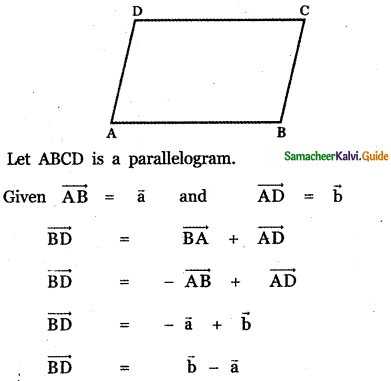
A child is guileless. He /she is innocent. He multiplies his joy and halves his sorrow by sharing them with friends. A child does not have lasting anger and is quick to forgive and forget wrongs done to him. His friendship is genuine and laughter natural and spontaneous.

Samacheer Kalvi 11th English Guide Poem 1 Once Upon A Time

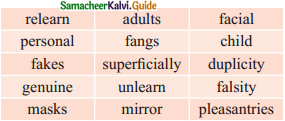
2) Fill in the blanks choosing the words from the box given and complete the summary of the poem:

Samacheer Kalvi 11th English Guide Poem 1 Once Upon a Time 2
Question 1.
The poet Okara in this narrative monologue painfully condemns the (a) ______ displayed by adults, both in their words and actions. Here, a father laments to his son about the negative changes that creep into the attitude and behaviour of humans, when they grow into (b) ______. He says that people used to be (c)_______ when they laugh and the honesty would be reflected in their eyes. But, people of modern times laugh (d) ______. Their handshakes used to be warm and happy conveying a sense of togetherness, but nowadays the handshakes have become a mere (e) ______. He warns his son that people are not trust-worthy and have become so selfish that they are concerned only about their own (f)________ benefits.

People utter words of welcome and exchange (g) ______, but those words come only from the tip of their tongues and not from the depth of their hearts. Humans have learned the art of changing their (h) ______ expressions according to situations merely to ensure social acceptance. They wear (i) ______ and exhibit multiple faces. The narrator admits that he has also changed into a hypocrite. However, he tells his son that though he (j)_______ his expressions, he does all these against his will. He says he wants to become a (k) ______ again and laugh genuinely.

He wants to (l)______ the unreal things and (m) how to laugh as he had done once upon a time. When he laughs before the (n) ______, he sees no expression. His teeth are bare like that of the (o)_______ of a snake. So, he asks his son to show him how to laugh the way he used to laugh when he was a kid like him.

Answer:
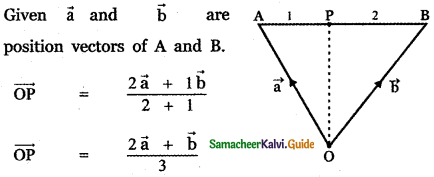
a) Duplicity
b) adults
c) genuine
d) superficially
e) falsity
f) personal
g) pleasantries
h) facial
i) masks
j) fakes
k) child
l) unlearn
m) relearn
n) mirror
o) fangs

Samacheer Kalvi 11th English Guide Poem 1 Once Upon A Time

3a) Interpret each of the expressions used in the poem in one or two lines:
Question i.
Laugh with their eyes.
Answer:
Eyes are the windows of the soul, so when one laughs heartily and with true feelings, it gets reflected in their eyes.

Question ii.
Shake hands without hearts.
Answer:
It is a handshake that does not show warmth but a routine formality.

Question iii.
Like a fixed portrait smile.
Answer:

A smile that remains fixed and does not change with personal feelings and moods.

Question iv.
Hands search my empty pockets.
Answer:
In society at present relationships are measured in terms of how much money/power one has.

Question v.
To unlearn all these muting things.
Answer:
Getting rid of falseness in one’s behavior makes one laugh unpleasant.

Samacheer Kalvi 11th English Guide Poem 1 Once Upon A Time

3b) Read the following sets of poetic lines and answer any form of the following:

i) But now they only laugh with their teeth
While their ice-block- cold eyes

Question a.
Who are they?
Answer:
They refer to the people of modern times.

Question b.
Explain ice-block – cold – eyes
Answer:
It means modern people greet each other with a laugh, which does not reach the eyes. In short, the eyes lack a feeling of warmth.

Question c.
Identify the figure of speech used here.
Answer:
The figure of speech used here is a metaphor.

ii) Most of all, I want to relearn
How to laugh, for my laugh in the mirror Shows only my teeth like a Snake’s bare fangs !’

Question a.
Why does the poet want to relearn how to laugh?
Answer:
The poet wants to get rid of falseness in his behaviour. So he wants to relearn how to behave in a natural way.

Question b.
Whom does the poet want to relearn from?
Answer:
The poet wants to relearn from his son.

Question c.
Mention figure of speech used here.
Answer:
The figure of speech used here is Simile.

Samacheer Kalvi 11th English Guide Poem 1 Once Upon A Time

Additional Appreciation Questions:

(i) Once upon a time, son
They used to laugh with their hearts And laugh with their eyes:

Question a.
Who does ‘they’ refer to?
Answer:
They refer to the people of the present world.

Question b.
How did they laugh?
Answer:
They laugh with their hearts and eyes.

(ii) There was a time indeed
They used to shake hands with their hearts.
But that’s gone, son
Now they shake hands without hearts
Write their hands search
My empty pockets.

Question a.
When did people shake their hands with hearts?
Answer:
People shook hands with their hearts before the arrival of modernism.

Question b.
What does the phrase ‘Search my empty pockets’ mean?
Answer:
Search my empty pockets means evaluating a poet’s worth.

(iii) “I have learned to wear many faces”
And I have learned too
To laugh with only my teeth.
And shake hands without my heart.

Question a.
What did the poet learn to wear?
Answer:
The poet learned to wear many faces.

Question b.
Find out the alliterated words
Answer:
hands-heart

(iv) So, show me, son
How to laugh; show me how used to laugh and smile.

Question a.
Whom does the poet ask to show?
Answer:
The poet asks his son to show how to laugh.

Question b.
What does he want to learn from his son?
Answer:
He wants to learn how to laugh.

Samacheer Kalvi 11th English Guide Poem 1 Once Upon A Time

Figure of Speech:

Poetic linesFigure of speech
1. I have learned to wear many faces like dressesSimile
When I was like youSimile
2. —– with all their conforming smiles ‘Simile
Like a fixed portrait smileSimile
3. While their ice-block – cold eyes

4. To unlearn all their muting things

5. They used to shake hands with their hearts

Metaphor
Metaphor
Alliteration
6. Cocktail face, with all their Conforming smilesAlliteration
7. Nice talking to you  after being boredAlliteration
8. But believe me, sonAlliteration
9. I want to be What I used to beAlliteration
10. Shows only my teeth like a snake’s bare fangs

11. So show me, son

Alliteration

Alliteration

Alliteration
12. Once upon a time

13. “Feel at homes come again

14. When I mean “good-riddance”

Repetition
Sarcasm
Oxymoron
15. I find doors shut on me

16. They used to laugh with their heart

17. They shake hands without hearts

Euphemism
Metonymy
Metonymy.

Samacheer Kalvi 11th English Guide Poem 1 Once Upon A Time

C. Explain the following with reference to the context:

i) Once upon a time, son
They used to laugh with their eyes:

Reference:
These lines are taken from Poem – “Once upon a time”, poet – “Gabriel Okara”.
Context:
The poet says these words while explaining the behaviour of the people in the past.
Explanation:
The poet tells his son about the behaviour of people in the olden days. He remembers a time when people had true feelings for one another. They would laugh from the heart which reaches their eyes with the same warm feeling. They meet one another with genuine feeling.

ii) There will be no thrice

Reference:
These lines are taken from Poem – “Once upon a time”, poet – “Gabriel Okara”.
Context:
The poet brings out the sarcastic feeling through this line.
Explanation:
The poet says that today in the modern world people receive their guests and say come again and ask them to feel at home. But those words do not come from their heart. When the guests visit them once or twice they will be given a warm welcome. When it continues for the third time the doors of the people remain shut for the guest.

iii) I have learned to wear my faces
Like dresses ……………

Reference:
These lines are taken from Poem – “Once upon a time”, poet – “Gabriel Okara”.
Context:
Here the poet talks about the innate changes in him.
Explanation:
The poet changes his behaviour according to the situation which prevails at that time and slowly disappears his natural behaviour. In this context, he compares his change of behaviour with that of changing dresses suitable for different occasions.

iv) I want to be what I used to be.

Reference:
These lines are taken from Poem – “Once upon a time”, poet – “Gabriel Okara”.
Context:
The poet said these words while expressing his longing desire for his childhood days.
Explanation:
The poet has a deep desire to go back to the innocence of childhood. He is dissatisfied with his own changed self. He wants to relearn how to behave in a natural way and wants to get rid of his fake behaviour. In this context, he uttered the above words.

Samacheer Kalvi 11th English Guide Poem 1 Once Upon A Time

4. Answer the following questions in about 100-150 words each:

Question I.
Explain the things the poet has learned when he grew into an adult.
Answer:
The poet has learned many fake attitudes and behaviour when he grew into an adult. As he has to thrive in society, he is forced to wear a face mask. The poet feels that he behaves differently in different situations. He behaves differently in the office compared to the way he behaves at a party, or on the street. In this context, he feels that he changes his face like that of changing dresses on different occasions. This fact gets conveyed through the lines

I have learned to wear many faces Like dresses

The poet is sure that the different face that he puts on is not his real face. He also learned to have an artificial smile on all occasions. He learned to say things that he doesn’t really mean because they are the correct things to say in that situation.

For example, He sometimes politely greets a person by saying “Glad to meet you” even though he may not be interested in meeting him or her. He also learned to laugh only with teeth which is expressionless and shake hands without his heart which makes it a routine formality. He feels sad that like other adults in today’s world he has forgotten how to be a natural person.

Question II.
This poem is nothing but criticism of modern life. Justify this statement.
Answer:
The poem ‘Once Upon A Time’ is for sure considered a criticism of modern life. Throughout the poem, the poet laments about the fake behaviour of the people in the present day. They do not laugh wholeheartedly and their hands shake has no warmth in it. Everything seems to be a mere formality.

In society at present relationships are measured in terms of how much money one has. People utter Words of welcome and exchange pleasantries but those words come only from the tip of their tongues and not from the tip of their hearts. They have also learned the art of changing their facial expressions according to situations merely to ensure social acceptance.

Moreover, their smiles are “Like a fixed portrait smile” which has no specific expressions in it. They are not trust-worthy and have become so selfish that they are concerned only about their own personal benefits. Even when they utter words of a good deed they mean something else in their mind which clearly gets conveyed from the lines.

To say Glad to meet you without being glad;
Thus it is made clear that the poem is just a criticism of modern life.

Samacheer Kalvi 11th English Guide Poem 1 Once Upon A Time

Question III.
“Face is the index of the mind” Does this adage concur with the views of the poet?
Answer:
The face is described as the index of mind since it evidently reflects the inner feelings of an individual. It produces sentiments, thoughts, and emotional feelings in a very strong way as compared to other parts of the body. Some scholars see the face as an advertisement of real occurrences deep in the mind.

In this poem ‘Once Upon A Time,’ the poet brings forth the falsity of the people who does not get revealed in their face in any way. They change their facial expressions according to situations merely to ensure social acceptance. They wear masks and exhibit multiple faces. The lines – home face, office face, street face, host face, the cocktail face reveals the above fact.

Even when they utter words of pleasantries they have something else in their mind which does not get revealed in their face. They say “It’s been nice talking to you”, after being bored. Thus the above facts clearly reveal that the adage “ Face is the index of the mind” does not concur with the views of the poet.

Samacheer Kalvi 11th English Guide Poem 1 Once Upon A Time

கவிஞரைப் பற்றி:

கேப்ரியேல் ஒக்காரா (Gabriel Okara) 1921 ம் ஆண்டு பிறந்த நைஜீரிய கவிஞரும், புதின எழுத்தாளரும் ஆவார். இவருடைய கவிதைகள் அதிகமான மொழிகளில் மொழிபெயர்க்கப்பட்டுள்ளன. The call of the river nun என்ற இவரது கவிதை நூல் நைஜீரிய இலக்கிய விழாவில் சிறந்த இலக்கிய விருதை 1953 ல் பெற்றுள்ளது.

இவரின் சில கவிதைகள் Black Orpheus என்ற புத்தகத்தில் வெளிவந்ததன் மூலம் 1960ல் தலைச்சிறந்த எழுத்தாளராக உருவாக்கிக் கொண்டவர்.ஆகவே இவருக்கு Commonwealth கவிஞர் விருதும் வழங்கப்பட்டுள்ளது.

ஒக்காராவின் கவிதைகள் மக்களின் எதார்த்த வாழ்வைப்பற்றி தொடங்கி, மகிழ்ச்சியான தருணங்களை சொல்லி மீண்டும் எதார்த்த வாழ்க்கைக்கு இட்டுச் செல்வதாக அமைந்திருக்கும். ஒக்காரா தன்னுடைய கவிதையிலும், உரை நடையிலும் ஆப்ரிக்காவின் சிந்தனைகள், கிராமிய வழக்கு ஆகியவற்றை எடுத்துயம்புவதாக உருவாக்கியிருக்கிறார்.

The voice இவரின் மிகச்சிறந்த படைப்பு. The Fisherman’s invocation (1978), Little snake and Little frog (1981) An adventure to Juju Island (1992) ஆகியவை இவரின் சிறந்த படைப்புகள்.

Samacheer Kalvi 11th English Guide Poem 1 Once Upon A Time

கவிதையைப் பற்றி:

இக்கவிதை ஒரு தந்தை தன் மகனிடம் பேசுவதாக ஒக்காரா அமைந்திருக்கிறார். கவிதையாளர் தான் சிறுவயதாக இருக்கும் போது கற்றுக் கொண்ட நல்ல பழக்க வழக்கத்தையும், சிறு குழந்தைகளின் நல்ல உள்ளத்தையும் அதிகமாக நேசிப்பதாகவும், தானும் அந்த சிறுவயதான குழந்தைபோல் மகிழ வேண்டுமென்றும், இப்போது உள்ள உலக மாயையை வெருப்பதாகவும் தன் எளிய நடையில் தன் மகனிடம் கூறுகிறார்.

Once Upon a Time Summary in Tamil

மகனே, முன்னொரு காலத்தில்
இனிமையான இதயத்தோடும்
நேரிய அன்பு பார்வையோடும் புன்னகைத்தார்கள்
ஆனால் இப்போதோ வெறும் உதட்டளவில் புன்னகைக்கிறார்கள்,

அவர்களது நேசமில்லா கண்கள்
உள்ளொன்று வைத்து புறமொன்று பேசுகின்றன.
உண்மையில் ஒரு காலம் இருந்தது
அவர்கள் தங்கள் இதய அன்போடு கைகுலுக்கிக் கொண்டார்கள்

ஆனால் மகனே அவை தற்போது இல்லை
தற்போது மனம் இல்லாமல் கைகுலுக்கிக் கொள்கிறார்கள்
அவர்கள் இடது கைகள்
காலியாக உள்ள என் பைகளை துழாவுகின்றன.

Samacheer Kalvi 11th English Guide Poem 1 Once Upon A Time

உங்கள் வீடாக கருதுங்கள், மறுபடியும் வாருங்கள்
மனிதர்கள் சொல்கிறார்கள், நானும் வரும்போதெல்லாம் என் வீடாக கருதினேன்
திரும்பவும் சென்றேன், வீட்டைப் போல்
உணர்ந்தேன், முதல் முறை, இரண்டாம்முறை

ஆனால் மூன்றாவது முறை
அவர்கள் எனக்கு கதவுகளை மூடிக்கொண்டார்கள்.
அதனால் நான் பலபாடங்களை கற்றுக்கொண்டேன், மகனே
நான் ஆடைகள் போன்று பல முகங்களை

அணிய கற்றுக்கொண்டேன் – வீட்டின் முகம்,
அலுவலக முகம், தெரு முகம், தொகுப்பாளர் முகம்
கவலை உணர்ச்சிகளை காட்டும் முகம், நிலையான உருவப்பட புன்னகைப்போல்
அப்புன்னகை நிலையான ஏமாற்றமும் செயற்கையாக இருந்தது.

Samacheer Kalvi 11th English Guide Poem 1 Once Upon a Time 1

நானும் கற்றக்கொண்டேன்
செயற்கையாக சிரித்துக்கொள்ள கற்றுக்கொண்டேன்
மனம்மில்லாமல் கைகுலுக்கிக் கொண்டேன்
“பிரியாவிடை (good bye) சொல்ல கற்றுக்கொண்டேன்

“ஒழிந்தது நல்லதே” என நினைக்கும் இடத்தில்:
”சந்தித்ததில் மகிழ்ச்சி என சொல்ல வேண்டியிருந்தது
மகிழ்ச்சியாக இல்லாமல் அவர்களிடம் “உங்களோடு
பேசுவதில் மகிழ்ச்சி அடைகிறேன் என சலிப்புடன் பொய் கூறினேன்.

Samacheer Kalvi 11th English Guide Poem 1 Once Upon A Time

சந்தித்தது மகிழ்ச்சியாக உள்ளது” என சலித்து பொய் கூறினர்
ஆனால் நம்பு மகனே
நான் உன்னைப்போல் இருக்கும்போது
நான் எனக்கு பிடித்ததை செய்வேன்

எல்லாவற்றையும் மிகைப்படுத்திக் கூறும் செயல்களை
கற்காமல் இருக்க, நான் திரும்பவும்
சிரிக்க கற்றுக்கொண்டேன், கண்ணாடியில் சிரிக்க,
உதட்டளவில் பாம்பின் விஷம் கொண்ட பற்கள் போல.

மகனே என்னிடம் காட்டு
எப்படி மகிழ (சிரிக்க) வேண்டும் என்று; என்னிடம் வெளிப்படுத்து
நான் எவ்வாறு புன்னகைத்தேன் என்று
அன்றோரு காலம் நான் மகிழ்ந்தது போல்.

Samacheer Kalvi 12th Bio Botany Guide Chapter 4 Principles and Processes of Biotechnology

Tamilnadu State Board New Syllabus Samacheer Kalvi 12th Bio Botany Guide Pdf Chapter 4 Principles and Processes of Biotechnology Text Book Back Questions and Answers, Notes.

Tamilnadu Samacheer Kalvi 12th Bio Botany Solutions Chapter 4 Principles and Processes of Biotechnology

12th Bio Botany Guide Principles and Processes of Biotechnology Text Book Back Questions and Answers

Samacheer Kalvi 12th Bio Botany Guide Chapter 4 Principles and Processes of Biotechnology

I. Choose the correct answer from the given option:

Question 1.
Restriction enzymes are.
a) Not always required in genetic engineering
b) Essential tools in genetic engineering.
c) Nucleases that cleave DNA at specific sites,
d) both b and c.
Answer:
d) both b and c

Question 2.
Plasmids are
a) circular protein molecules
b) required by bacteria.
c) tiny bacteria.
d) confer resistance to antibiotics.
Answer:
d) confer resistance to antibiotics

Samacheer Kalvi 12th Bio Botany Guide Chapter 4 Principles and Processes of Biotechnology

Question 3.
EcoRI cleaves DNA at.
a) AGGGTT
b) GTATATC.
c) GAATTC
d) TATAGC.
Answer:
c) GAATTC

Question 4.
Genetic engineering is
a) making artificial genes
b) hybridization of DNA of one organism to that of the others
c) production of alcohol by using micro organisms
d) making artificial limbs, diagnostic instruments such as ECG, EEC, etc.,
Answer:
b) hybridization of DNA of one organism to that of the others

Question 5.
Consider the following statements:
I) Recombinant DNA tecimology is popularly known as genetic engineering is a stream of biotechnology which deals with manipulation of genetic materials by man invitro.
II) pBR322 is the first artificial cloning vector developed in 1977 by Boliver and Rodriguez from E.coli plasmid.
III) Restriction enzymes belongs to a class of enzymes called nucleases.
Choose the correct option regarding above statements
a) I & II.
b) I & III.
c) II & III
d) I, II, & III
Answer:
d) I, II & III

Question 6.
The process of recombinant DNA technology has the following steps
I) Amplication of the gene
II) Insertion of recombinant DNA into host cells
III) Cutting of DNA at specific location using restriction enzyme
IV) Isolation of genetic material(DNA)
Pick out the correct sequence of step for recombinant DNA technology,
a) II, III, IV, I
b) IV, II, III, I
c) I, II, III, IV
d) IV, III, I, II
Answer:
d) IV, III, I, II

Samacheer Kalvi 12th Bio Botany Guide Chapter 4 Principles and Processes of Biotechnology

Question 7.
Which one of the following palindromic base sequence in DNA can be easily cut about the middle by some particular restriction enzymes?
a) 5’ CGTTCG 3′ 3′ ATCGTA 5!
b) 5’ GATATG3′ 3′ CTACTA 5’
c) 5′ GAAHC 3′ 3′ CTTAAG 5′
d) 5′ CACGTA 3′ 3′ CTCAGT 5′
Answer:
c) 5′ GAAHC 3′ 3′ CTTAAG 5′

Question 8.
pBR 322, BR stands for
a) Plasmid Bacterial Recombination
b) Plasmid Bacterial Replication
c) Plasmid Boliver and Rodriguez
d) Plasmid Baltimore and Rodriguez
Answer:
c) Plasmid Boliver and Rodriguez

Question 9.
Which of the following one is used as a Biosensors?
a) Electrophoresis
b) Bioreactors
c) Vectors
d) Electroporation
Answer:
Correct Answer: enzymes

Samacheer Kalvi 12th Bio Botany Guide Chapter 4 Principles and Processes of Biotechnology

Question 10.
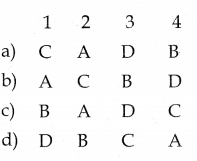
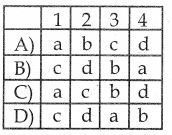
Match the following

Column AColumn B
1. Exonucleasea. add or remove phosphate
2. Endonucleaseb. binding the DNA fragments
3. Alkaline Phosphasec. cut the DNA at terminus
4. Ligased. cut the DNA at middle

Samacheer Kalvi 12th Bio Botany Guide Chapter 4 Principles and Processes of Biotechnology 17
Answer:
b) 1-c, 2-d, 3-a, 4-b

Question 11.
In which techniques Ethidium Bromide is used?
a) Southern Blotting Techniques
b) Western Blotting Techniques.
c) Polymerase Chain Reaction.
d) Agrose Gel Electroporosis.
Answer:
d) Agrose Gel Electroporosis

Question 12.
Assertion : Agrobacterium tumifaciens is popular in genetic engineering because this bacterium is associated with the root nodules of all cereals and pulse crops.
Reason : A gene incorporated in the bacterial chromosomal genome gets automatically transferred to the cross with which bacterium is associated.
a) Both assertion and reason are true. But reason is correct explanation of assertion.
b) Both assertion and reason are true. But reason is not correct explanation of assertion.
c) Assertion is true but reason is false.
d) Assertion is false but reason is true.
e) Both assertion and reason are false.
Answer:
e) Both assertion and reason are false

Samacheer Kalvi 12th Bio Botany Guide Chapter 4 Principles and Processes of Biotechnology

Question 13.
Which one of the following is not correct statement.
a) Ti plasmid causes the bunchy top disease.
b) Multiple cloning site is known as Polylinker.
c) Non viral method tranfection of Nucleic acid in cell
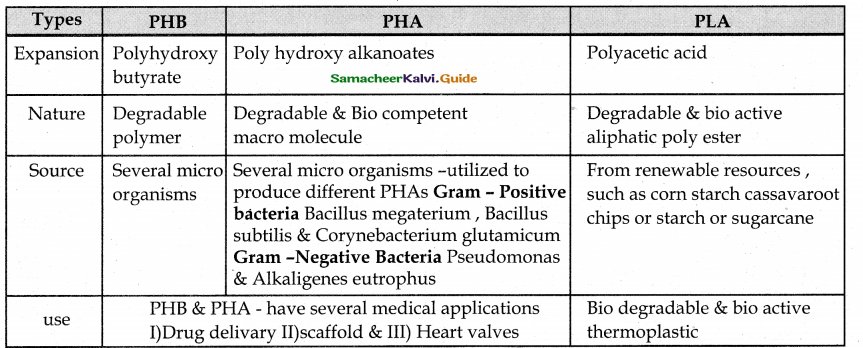
d) Polyactic acid is a kind of biodegradable and bioactive thermoplastic
Answer:
a) Ti plasmid causes the bunchy top disease

Question 14.
An analysis of chromosomal DNA using the southern hybridisation technique does not use
a) Electrophoresis .
b) Blotting
c) Autoradiography
d) Polymerase Chain Reaction
Answer:
d) Polymerase Chain Reaction

Question 15.
An antibiotic gene in a vector usually helps in the selection of.
a) Competent cells.
b) Transformed cells
c) Recombinant cells
d) None of the above
Answer:
b) Transformed cells

Samacheer Kalvi 12th Bio Botany Guide Chapter 4 Principles and Processes of Biotechnology

Question 16.
Some of the characteristics of Bt cotton are
a) Long fibre and resistant to aphids
b) Medium yield, long fibre and resistant to beetle pests
c) high yield and production of toxic protein crystals which kill dipteran pests
d) High yield and resistance to ball worms.
Answer:
d) High yield and resistance to bollworms

Question 17.
How do you use biotechnology in modern practice?
Answer:
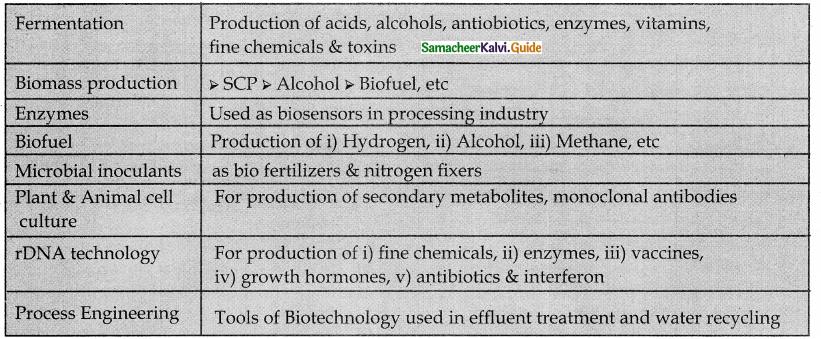
Today biotechnology is a billion-dollar business around the world, applies biotechnological tools for their product improvement.

  • Pharmaceutical companies.
  • Breweries.
  • Agro Industries & others.
  • Modern biotechnology – include all methods, rDNA technology, cell fusion technology, etc.,
  • Major focus of Biotechnology (see the tabulation)

Samacheer Kalvi 12th Bio Botany Guide Chapter 4 Principles and Processes of Biotechnology 1

Question 18.
What are the materials used to grow microorganisms like Spirulina?
Answer:
Spirulina can be grown easily on materials like waste water from potato processing plants (containing starch), straw, molasses, animal manure and even sewage, to produce large quantities.

Samacheer Kalvi 12th Bio Botany Guide Chapter 4 Principles and Processes of Biotechnology

Question 19.
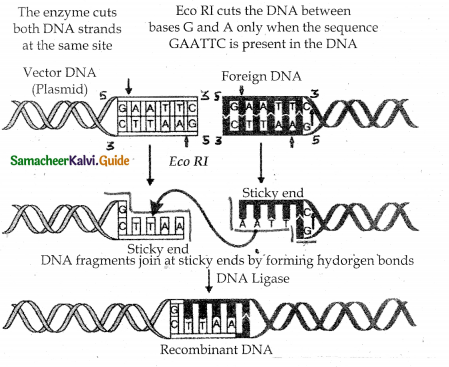
You are working in a biotechnology lab with a bacterium namely E.Coli. How will you cut the nucleotide sequence? Explain it.
Answer:

  • The exact kind of cleavage produced by a v restriction enzyme is important in the • design of a gene cloning experiment.
  • Some cleave both strands of DNA through the centre resulting in blunt or flush end known as symmetric cuts.
  • Some restriction enzymes cut the strand of DNA, a little away from the centre of palindrome sites, between the same two bases on the opposite strands, protruding and recessed ends known as sticky or cohesive end, cuts known as asymmetric cut or
    staggered cuts.
  • It is necessary that the vector and the source DNA are cut with the same restriction enzyme, so that the resultant DNA fragments have the same sticky ends facilitating the action of DNA ligase to join them.

Samacheer Kalvi 12th Bio Botany Guide Chapter 4 Principles and Processes of Biotechnology 2

Question 20.
What are the enzymes you can used to cut terminal end and internal phosphodiester bond of nucleotide sequence?
Answer:
Restriction exonuclease are the restriction enzyme used to cut nucleotides from the terminal end of DNA. Whereas, restriction endonucleases cut the internal phosphodiester bond with DNA molecule.

Samacheer Kalvi 12th Bio Botany Guide Chapter 4 Principles and Processes of Biotechnology

Question 21.
Name the chemicals used in gene transfer.
Answer:
Director vector less Gene transfer is possible through several mediators

Chemical mediated gene transfer:
Certain chemicals like Poly Ethylene Glycol(PEG) and Dextran Sulphate.
These chemicals induce the uptake of DNA into plant protoplasts.

Question 22.
What do you know about the word pBR332?
Answer:
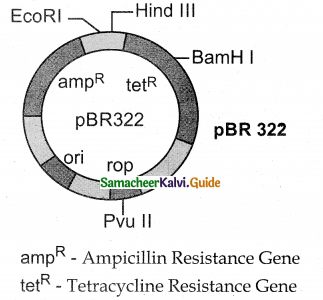
pBR332 – It is a reconstructed plasmid and most widely used as cloning vector.

  • It contains 4361 base pairs.
  • P denotes Plasmid .
  • B&R – The names of Boliver and Rodriguez, the scientists developed this plasmid.
  • 322 – The number of plasmid developed from their lab.
  • It contains ampR & tetR – 2 different antibiotic resistant genes & the recognition sites for several restriction enzymes (Hindlll, ECoRI, Bam H-I, Sal I, Pvu II, Pst I, Cla I) ori & antibiotic resistance genes.
  • Rop – Codes for the proteins involved in the replication of the plasmid.

Samacheer Kalvi 12th Bio Botany Guide Chapter 4 Principles and Processes of Biotechnology 3

Question 23.
Mention the application of Biotechnology.
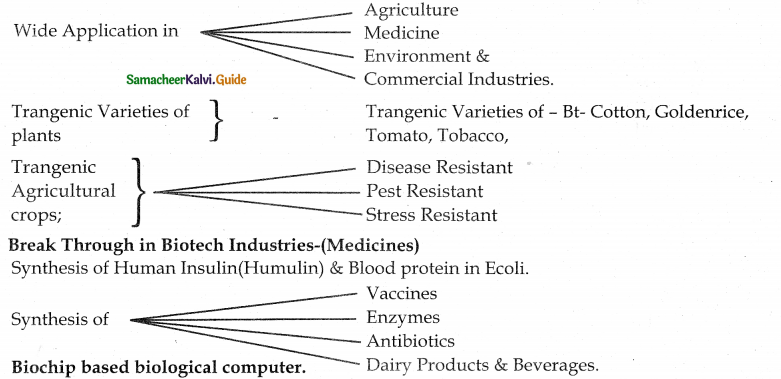
Answer:
Introduction: Most important applied interdisciplinary sciences of the 21 st century
It has promise for the benefits of Human Being.
Samacheer Kalvi 12th Bio Botany Guide Chapter 4 Principles and Processes of Biotechnology 4 Samacheer Kalvi 12th Bio Botany Guide Chapter 4 Principles and Processes of Biotechnology 5

Production of secondary metabolites – Biofertilizers, Biopesticides & Enzymes
Biomass Energy, Biofuel, Biorernediation phvtoremediation for environmental biotechnology.

Question 24.
What is the restriction enzymes? Mention their type with a role in Biotechnology.
Answer:
Restriction enzymes are the enzymes of bacterial origin which cleaves DNA into fragments at or near specific recognition sites within DNA molecules. This principle is used in biotechnology to cut and insert the desired gene (gene of interest) thereby generating an rDNA with desirable characters.

Samacheer Kalvi 12th Bio Botany Guide Chapter 4 Principles and Processes of Biotechnology

a) Exonucleases – remove nucleotides one at a time from the end of DNA.
Eg: Bal 31, Exonuclease III

b) Endonucleases – break the internal phosphodiester bonds with in a DNA.
Eg: Hind II, EcoRI, Pvul, Bam HI, Taql.

Three classes of Restriction endonuclease

  • Type 1, II & III – which differ slightly by their mode of action
  • Type II – preferred in rDNA technology as they cut DNA with in a specific sequence consisting of 4 – 8 bp.
  • Hind II – cut DNA at a point of specific sequence of 6 base pairs (recognition
    sequence).
  • From 200 strains 900 restriction enzymes isolated from over 230 strains of bacteria with different recognition sequences.
  • Restriction endonucleases are named by a standard procedure.
  • The first letter of the enzymes indicates the genus name, followed by the first two letters of the species, then comes the strain of the organism and finally a roman numeral indicating the order of discovery.
  • For example ECORI is from Escherichia (E) coli (co) strain Ry 13 (R) and first endonuclease (I) to be discovered .
  • It contains 2 different antibiotic resistance genes and recognition site for several restriction enzymes.
    This sequence is referred to as a restriction site and is generally – palindromic which means that the sequence in both DNA strands at this site read same in 5′ – 3′ direction and in the 3′ – 5′ direction.

Samacheer Kalvi 12th Bio Botany Guide Chapter 4 Principles and Processes of Biotechnology

Question 25.
Are there any possibilities to transfer a suitable desirable gene to host plant without vector? Justify your answer.
Answer:
Yes, it is possible to transfer a suitable desired gene to a host plant using certain chemicals, microinjection method, electroporation or by biolistics.

a. Chemical mediated gene transfer:
Chemicals Poly Ethylene Glycol (PEG) & Dextran sulphate – induce DNA uptake into plant protoplasts.

b. Microinjection:
With a fine-tipped glass needle, DNA is directly injected into the nucleus.
The protoplasts are immobilized on solid support (agarose on a microscopic slide)

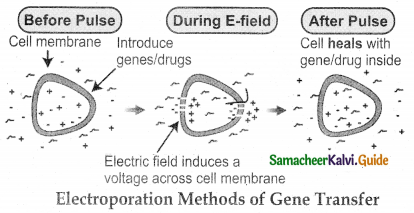
c. Electroporation method of gene transferJjjJU Protoplasts, cells or tissues subjected to a pulse of high voltage electric power to make transient pores in the plasma membrane, through which uptake of foreign DNA occurs.

d. Liposome – mediated methods of gene transfer
The gene or DNA is transferred in an encapsulated form from Liposome ( the artificial phospholipid vesicles) into the vacuole of plant cells.

e. Biolistics:
The DNA particle with gold or tungsten particle (1.3 gm) coating are bombarded into the target tissue by gene gun or microprojectile gun/shotgun The bombarded cells/tissues are cultured to regenerate plants from transformed cells.
Samacheer Kalvi 12th Bio Botany Guide Chapter 4 Principles and Processes of Biotechnology 6

Samacheer Kalvi 12th Bio Botany Guide Chapter 4 Principles and Processes of Biotechnology

Question 26.
How will you identify vectors?
Answer:

PropertiesEffect
Able to replicate automatically.Multiple copies can be got along with insert in the host cell.
Small size, low molecular weight less than 10kbpEntry into the host cell is easy.
Should contain oriIt can independently replicate within the host.
Contain suitable marker (Antibiotic resistance) etc.It permit its detection in the transformed host cell.
Should have unique target sites for integration with DNA insert & should have ability to integrate with DNA insert.So that it can be carried into the genome of the host cell.
Most of the cloning vectors have more than one restriction site (MCS) or polylinker.Multiple cloning site (MCS) facilitates the use of restriction enzyme of choice.

Question 27.
Compare the various types of Blotting techniques.
Answer:

Type. Transfer of DNA/RNA (From – To)
1. Southern BlottingDNA from Agarose gels to Nitrocellulose membrane.
2. Northern Blotting.RNA transferred to Nitrocellulose membrane.
3. Western Blotting.Proteins transferred from protein to Nitrocellulose membrane.

Question 28.
Write the advantages of herbicide-tolerant crops.
Answer:

CharacterEffect
1. Weed controlImproves high yielding crops
2. Reduces spray of HerbicideEconomic effort – also ecofriendly & Nonhazardous
3. Use of low toxicity compoundsDoes not harm soil because do not remain active in the soil.
4. Reduce competition between crop plant & weedHealthy plant growth is assured

Samacheer Kalvi 12th Bio Botany Guide Chapter 4 Principles and Processes of Biotechnology

Question 29.
Write the advantages and disadvantages of Bt cotton.
Answer:

AdvantagesDisadvantages
1. Yield – Increase due to effective control of bollwormsCost of Bt cotton seeds are high.
2. Usage of insecticide is reducedRemain effective only up to 120 days after that effectiveness is reduced
3. Cost of cultivation potentially reducedIneffective – against
sucking pests like 1. Jassids, 2.aphids, 3. Whitefly
Affects pollinating insects & thus yield.

Question 30.
What is bioremediation? Give some examples of bioremediation.
Answer:
Bioremediation:
It is defined as the use of microorganisms or plants to clean up the environmental pollution. It is an approach used to treat wastes including wastewater, industrial waste, and solid waste. The bioremediation process is applied to the removal of oil, petrochemical residues, pesticides, or heavy metals from soil or groundwater.

In many cases, bioremediation is less expensive and more sustainable than other physical and chemical methods of remediation. The bioremediation process is a cheaper and eco-friendly approach and can deal with lower concentrations of contaminants more effectively. The strategies for bioremediation in soil and water can be as follows:

  1. Use of indigenous microbial population as indicator species for the bioremediation process.
  2. Bioremediation with the addition of adapted or designed microbial inoculants.
  3. Use of plants for bioremediation – green technology.

Samacheer Kalvi 12th Bio Botany Guide Chapter 4 Principles and Processes of Biotechnology

Question 31.
Write the benefits and risks of Genetically Modified Foods.
Answer:

Benefits

Risk (Believed to)

Yield:
High yield without pest.
Health Hazards: Liver, kidney function affected cause cancer.
Reduction in usage of chemical pesticides.Hormonal Imbalance and Physical Disorder.
Reduction in soil pollution.Anaphylactic shock (Sudden hypersensitive reaction) & Allergies.
Conservation of microbial population of soil.Loss of viability of seeds as in terminator seed technology of GM crops.
Reduction in groundwater pollution.Not favoured by agriculturists.
Reduction in air pollution (Chemical spray of pesticides – reduced)

12th Bio Botany Guide Principles and Processes of Biotechnology Additional Important Questions and Answers

I. Choose the correct answer

Question 1.
Which one of the following is a secondary metabolite? IWriiWJ
a. Ethanol
b. Acetic acid
c. Citric acid
d. Toxic pigments
Answer:
d) Toxic pigments

Samacheer Kalvi 12th Bio Botany Guide Chapter 4 Principles and Processes of Biotechnology

Question 2.
Bio-Technology was coined by.
a. Weisner
b. Karl Prantl
c. Sanger & Gilbert
d. KarlEreky
Answer:
d) Karl Ereky

Question 3.
Traditional Bio-Technology is also known as.
a. Fermentation Biology
b. Kitchen Technology
c. Hybridization Biology
d. Transgenic Biology
Answer:
b) Kitchen Technology

Question 4.
The study of Drugs or medicines used in medical treatment is known as.
a. Pharmaceuticals
b. Biomedical Engineering
c. Chemical Engineering
d. Tissue Engineering
Answer:
a) Pharmaceuticals

Samacheer Kalvi 12th Bio Botany Guide Chapter 4 Principles and Processes of Biotechnology

Question 5.
Which of the following can be Bio Technological products?
a. Antibiotics
b. Vaccines
c. Enzymes
d. All the above.
Answer:
d) All the above

Question 6.
Multiplication of Alien DNA in organisms required
a. ROP
b. ORI
c. Stop codon
d. TATA box
Answer:
b) ORI

Question 7.
Tools of Biotechnology is used for effluent treatment, water cycling is known as
a. Process Engineering
b. Production Engineering
c. Mechanical Engineering
d. Microbial Engineering
Answer:
a) Process Engineering

Samacheer Kalvi 12th Bio Botany Guide Chapter 4 Principles and Processes of Biotechnology

Question 8.
The scientist who use a first viral vaccine to inoculate a child from smallpox is
a. Louis Pasteur
b. Edward Jenner
c. Sanger and Gilbert.
d. Arber and Nathans
Answer:
b) Edward Jenner

Question 9.
The enzyme used for making artificial sweeteners is
a. Lactose
b. Galactose
c. Invertase
d. Reductase
Answer:
c) Invertase

Question 10.
Development of Artificial gene functioning within living cells was done by
a. H.G.Khorana
b. Ian Wilmet
c. Sir Robert
d. G. Edwards
Answer:
a) H.G.Khorana

Samacheer Kalvi 12th Bio Botany Guide Chapter 4 Principles and Processes of Biotechnology

Question 11.
rDNA is also known as
a. Hybrid DNA-RNA
b. Recombinant of vector DNA and desired genes
c. Chimeric DNA
d. Bothb&c
Answer:
d) Both b & c

Question 12.
Plasmids are
a. ss DNA
b. ds DNA(linear)
c.rDNA
d. Vector DNA
Answer:
d) Vector DNA

Question 13.
pBR322 is most extensively studied
a. Foreign gene
b. r DNA
c. done
d. Plasmid DNA of Ecoli.
Answer:
d) Plasmid DNA of Ecoli

Question 14.
Restriction enzymes recognize specific
a. Palindromic region,
b. Exons
c. Introns
d. None of these
Answer:
a) Palindromic region

Samacheer Kalvi 12th Bio Botany Guide Chapter 4 Principles and Processes of Biotechnology

Question 15.
Restriction enzymes of Ecoli are
a. Hind III
b. Bam III
c. EcoRI I & EcoRI II
d. All of these.
Answer:
c) EcoRI I & EcoRI II

Question 16.
The best cloning organism for biotechnology is
a. Agrobacterium
b. Pseudomonas
c. Lambda phage
d. E. Coli
Answer:
d) E.Coli

Question 17.
The ability to form tumours is found in the plasmids of
a. E.coli
b. Pseudomonas
c. Agrobacterium tumefaciens
d. Pneumococcus
Answer:
c) Agrobacterium tumefaciens

Question 18.
Engineered bacterium carries
a. Plasmids
b. rDNA
c. c DNA
d. ssDNA
Answer:
b) rDNA

Samacheer Kalvi 12th Bio Botany Guide Chapter 4 Principles and Processes of Biotechnology

Question 19.
Electrophoresis and southern blotting techniques are used in
a. DNA fingerprinting
b. Gene Synthesis
c. gene cloning
d. All of these.
Answer:
a) DNA fingerprinting

Question 20.
In biosesnsors Green Fluorescent protein is used which is isolated from A and spliced
a. A Chlamydomonas – B Ecoli
b. A Gelidium – B Bacillus subtilis
c. A Aequorea victoria – B Arabidopsis thaliana
d. A Asoaragus – B Accacia melanoxylon
Answer:
c. A Aequorea victoria – B Arabidopsis thaliana

Question 21.
Bacteria protects themselves from viral attack by producing
a. Exonuclease
b. Endonuclease
c.DNAligase
d. Gy ase
Answer:
b) Endonuclease

Question 22.
Molecular scissor is
a. Urease
b. Helicase
c. Peptidase
d. Restriction Endonuclease
Answer:
d) Restriction Endonuclease

Samacheer Kalvi 12th Bio Botany Guide Chapter 4 Principles and Processes of Biotechnology

Question 23.
Which one of the following is used in transfer of foreign DNA to crop plants?
a. Penicillum Expansum
b. TrichodermaHarzianum
c. Meloidogyne Incognita
d. Agrobacterium tumefaciens
Answer:
d) Agrobacterium tumefaciens

Question 24.
E coli is the mostly used organism for gene cloning, because
a. It is easy to handle
b. It is growing easily under optimal condition
c. It is the safe organism d. All the above.
Answer:
d) All the above.

Question 25.
Which one of the following palindromic base sequences in DNA can be easily cut at about the middle by some particular restriction enzyme?
a. 5′ CGTTCG3’3′ ATGGTA 5′
b. 5′ GATATG 3′ 3′ CTACTA 5′
c. 5′ GAATTC 3′ 3’CTTAAG 5′
d. 5′ CACGTA3’3′ CTCAGT 5′
Answer:
c. 5′ GAATTC 3′ 3’CTTAAG 5′

Question 26.
Biolistics (gene gun) is suitable for
a. Constructing recombinant DNA by joining with vectors
b. DNA finger printing
c. Disease resistant genes
d. Transformation of plant cells
Answer:
d) Transformation of plant cells

Samacheer Kalvi 12th Bio Botany Guide Chapter 4 Principles and Processes of Biotechnology

Question 27.
For transformation micro particles coated with DNA to be bombarded with gene gun are made up of
a. Silver or Platinum
b. Platinum or Zinc
c. Silicon or Platinum
d. Gold or Tungsten
Answer:
d) Gold or Tungsten

Question 28.
Rising of dough is due to
a. Multiplication of Yeast
b. Production of CO2
c. Emulsification
d. Hydrolysis of wheat flour starch in to sugar
Answer:
b) Production of CO2

Question 29.
All the process after the fermentation process is known as
a. upstream process
b. downstream process
c. forward process
d. backward process
Answer:
b) downstream process

Question 30.
For making GMO, the three basic steps that are required are
a. Identification of DNA with desirable gene
b. Introduction of identified DNA into the host
c. Maintenance of introduced DNA in to the host and transfer of DNS to its progeny
d. All the above
Answer:
d) All the above

Samacheer Kalvi 12th Bio Botany Guide Chapter 4 Principles and Processes of Biotechnology

Question 31.
Zymology is the study of
a. Fermentation & its practical use
b. Name of Bioreactors
c. Upstream pro^ss
d. Downstream process
Answer:
a) Fermentation & its practical use

Question 32.
ECORI – R stands for
a. Genus
b. Species
c. Strains
d. Group
Answer:
a) Genus

Question 33.
Which is suitable for transferring an alien DNA into a plant cell?
a. CaCl2
b. Biolistics or gene gun method
c. Micro infection
d. Heat shock
Answer:
b) Biolistics or gene gun method

Question 34.
The group of degradable biopolymers are
a. CrylAc and DMH-11
b. PHAsandPHB
c. GFPandPGA
d. DMH and HT
Answer:
b) PHAs and PHB

Samacheer Kalvi 12th Bio Botany Guide Chapter 4 Principles and Processes of Biotechnology

Question 35.
Genetically engineered human insulin is
a. Haematiri
b. Pro insulin
c. Hybridin
d. Humulin
Answer:
d) Humulin

Question 36.
Probiotics are
a. Food Allergens
b. safe antibiotics
c, Carcinogenic microbes
d. Live microbial food supplements
Answer:
d) Live microbial food supplement

Question 37.
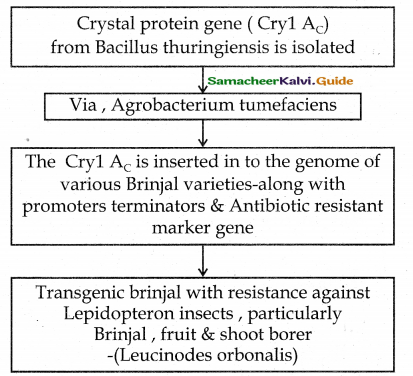
Bt Brinjal is produced by using A and is having resistance against B.
a. A Ecoli – B Virus
b. A Virus – B Bacteria
c. A Agrobacterium – B Bacillus
d. A Agrobacterium – B Lepidopteron
Answer:
d. A Agrobacterium – B Lepidopteron

Samacheer Kalvi 12th Bio Botany Guide Chapter 4 Principles and Processes of Biotechnology

Question 38.
PCR refers to
a. A common laboratory technique of making millions of copies of a particular region of DNA
b. A biotechnological procedure of replicating DNA strands
c. Hybridization of DNA molecules in to several fragments
d. It is a test for tracing genetic defects.
Answer:
a) A common laboratory technique of making millions of copies of a particular region of DNA

Question 39.
The test used in the diagnosis of AIDS are
a. ELISA and Southern blot
b. Northern blot and ELISA
c. Western blot and ELISA
d. ELISA and Widal test
Answer:
c) Western blot and ELISA

Question 40.
The characteristics of molecular probe are
a. very long molecule
b. double stranded
c. DNAorRNA
d. complementary to a part of desired gene options
I. a & b
II. b & c
III. a & d
IV. c & d
Answer:
iv) c & d

Samacheer Kalvi 12th Bio Botany Guide Chapter 4 Principles and Processes of Biotechnology

Question 41.
Use of biology in industrial process and for improving quality of life is called
a. Biotechnology
b. Genetic engineering
c. Eugenics
d. Microbiology
Answer:
c) Eugenics

Question 42.
Somoclonal variations occur in plants subjected to
a. r DNA technology
b. Exposed to gamma rays
c. Tissue culture
d. Highly polluted environmrnt
Answer:
c) Tissue culture

Question 43.
DNA elements with ability to change positions is called
a. intron
b. transposon
c. exon
d. recon
Answer:
b) transposon

Samacheer Kalvi 12th Bio Botany Guide Chapter 4 Principles and Processes of Biotechnology

Question 44.
The process of RNA interference has been used in the development of plants resistant to
a. viruses
b. Nematodes
c. Fungi
d. Insect pests
Answer:
b) Nematodes

Question 45.
A transgenic food crop which may help in solving the problem of night blindness in developing countries is
a. Bt Soyabean
b. Star link Maize
c. Golden rice
d. FlavrSavr Tomato
Answer:
c) Golden rice

Question 46.
LacZ is a reporter gene used in
a. Antibiotic resistant markers
b. Replica Plating Technique
c. Vector mediated gene transfer
d. Insertional Inactivation (Blue white colony selection method)
Answer:
d) Insertional Inactivation (Blue white colony selection method)

Samacheer Kalvi 12th Bio Botany Guide Chapter 4 Principles and Processes of Biotechnology

Question 47.
PTA – 6
a. GMF
b. Circular protein
c. GFP
d. PLA
Answer:
c) GFP

Question 48.
The introduction of foreign nucleic acids ito cells by non viral methods is known as
a. Transduction
b. Transfection
c.Inoculatin
d.Transformation
Answer:
b) Transfection

Question 49.
The CO2 and Ethyl alcohol of fermentation are used respectively in
a. Bakery and Brewery
b. Brewery and Sugar Refining
c. Refinery and Brewery
d. Sewage treatment plants & Alcoholic beverage factories
Answer:
a) Bakery and Brewery

Question 50.
This enzyme is purified from bacteria and calf intestine is
a. DNAligase
b. Alkaline Phosphatase
c. Exo nuclease
d. Endo nuclease
Answer:
b) Alkaline Phosphatase

Samacheer Kalvi 12th Bio Botany Guide Chapter 4 Principles and Processes of Biotechnology

Question 51.
The use of transposon is well studied in
a. Arabidopsis thaliana & Escherichia coli
b. Escherichia coli & Yeast cell
c. Salmonella typhi & Pisum Sativum
d. None of the above
Answer:
a) Arabidopsis thaliana & Escherichia coli

Question 52.
Curd milk, cheese and butter are produced with the help of
a. penicillium
b. streptomyces
c. saccharomyces
d. none of the above
Answer:
d. none of the above

Question 53.
Basta herbicide tolerant gene PPT was isolat ed from
a. Medicago sativa
b. Ginkgo biloba
c. Mentha viridis
d. None of the above
Answer:
a) Medicago sativa

Samacheer Kalvi 12th Bio Botany Guide Chapter 4 Principles and Processes of Biotechnology

Question 54.
The number of Bt Toxin produced by strains of Bacillus thurigiensis is
a. 200
b.400
c. 2600
d, 2400
Answer:
a) 200

Question 55.
The name & source organism of the gene crylAc and its target pest are
a. Meloidegyne incognita – root borer
b. Bacillus thuringiensis – cotton bollworm
c. Agrobacterium tumefaciens – stem borer
d. Manducta sexta – horn worm
Answer:
b) Bacillus thuringiensis – cotton bollworm

Question 56.
Which was the first plants to be used to demonstrate the feasibility of CRISPR – mediated targeted mutagenesis and gene replacement
a. Wheat
b. Rice
c. Maize
d. Arabidiopsis
Answer:
b) Rice

Samacheer Kalvi 12th Bio Botany Guide Chapter 4 Principles and Processes of Biotechnology

Question 57.
Which one of the following selection method takes longer time in bringing about desired
a. Clonal selection
b. Mass selection
c. Pure line selection
d. Natural selection
Answer:
d) Natural selection

Question 58.
EPSPSisa
a. Hydrolysins substance
b. Round up Enzyme
c. Bio Pesticide
d. Fertilizer
Answer:
b) Round up Enzyme

Question 59.
Match the following

1 Plasmida. Jumping gene
2 Ti plasmidb. ds- circular gene
3 PBR322 plasmidc. Has one, ori & inc genes
4 Transposable elementsd. most widely used as cloning vector

Answer:
1. b. ds- circular gene
2. c. Has one, ori & inc genes
3. d. most widely used as cloning vector
4. a. Jumping gene
Samacheer Kalvi 12th Bio Botany Guide Chapter 4 Principles and Processes of Biotechnology

Question 60.
Match
1. Fermentation – Kohler
2. Monoclonal antibodies – Francis cirde
3. Viral Vaccine – Louis pasteur
4. Double helix structure . of DNA – Edward jenner
a) i-III, ii) I, iii) IV, iv) II
a) i-II, ii) III, iii) IV, iv) I
a) i-IV, ii) III, iii) I, iv) IV
a) i-II, ii) III, iii) I, iv) IV
Answer:
a) i-III, ii) I, iii) IV, iv) II

Question 61.
Choose the odd man out
With regard to the strategies of Bio remediation
a. Use of indigenous microbial population as indicator species
b. The addition of adapted or designed microbial inoculants
c. Use of plants to clean up pollutants
d. Molecular pharming to produce transgenic organisms.
Answer:
d. Molecular pharming to produce transgenic organisms.

Samacheer Kalvi 12th Bio Botany Guide Chapter 4 Principles and Processes of Biotechnology

Question 62.
With regard to SCP – Choose the odd man out.
a. Chlorella
b. Spirulina
c. Chlamydomonas
d. Bacillus thuringiensis
Answer:
d) Bacillus thuringiensis

Question 63.
With regard to secondary metabolites choose the odd man out
a. Antibiotics
b. Terpenoids
c. Rubber
d. Lactic acid
Answer:
d) Lactic acid

Question 64.
Choose the incorrect pair

a.PBR 322Ecoli cloning vector
b.EcoRl — cIal, Hind 1HRestriction Enzyme
c.ROPProtein involved in the replication of the plasmid
d.PCR


Technique in which multiple copies of the gene (or DNA) of interest is synthesized, invitro

Answer:
c) ROP – Protein involved in the replication of the plasmid

Question 65.

a. DMH -IIHerbicide-tolerant Pea
b. PLABio degradable & Bio active thermoplastic
c. GFPProtein is isolated from the Jellyfish Aequora Victoria
d. PPTBasta herbicide tolerant gene

Answer:
a) DMH -11 – Herbicide tolerant Pea

Samacheer Kalvi 12th Bio Botany Guide Chapter 4 Principles and Processes of Biotechnology

Question 66.
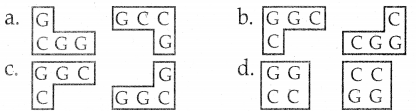
Which is the set of fragments obtained by the action of Hae III restriction enzymes on
\(\left\{\begin{array}{l}
5^{\prime} \mathrm{GGCC}^{\prime} \\
3^{\prime} \mathrm{CCGG} 5^{\prime}
\end{array}\right\}=?\)
Samacheer Kalvi 12th Bio Botany Guide Chapter 4 Principles and Processes of Biotechnology 18
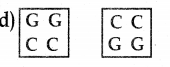
Answer:
Samacheer Kalvi 12th Bio Botany Guide Chapter 4 Principles and Processes of Biotechnology 19

Question 67.
With regard to transgenic organism & the processes

a. Biopharrninggenetically engineered pharmaceuticals substances
b. Mycoremediationuse of bacteria to bring about environmental remediation
d. Bioaugmentationuse of selected microbes to speed up degradation process
d. Bioleachinguse of microbes to recover metal pollutants from contaminated place

Answer:
b. Mycoremediation – use of bacteria to bring about environmental remediation

Samacheer Kalvi 12th Bio Botany Guide Chapter 4 Principles and Processes of Biotechnology

II. Assertion and Reason

In each of the following questions, two statements are given. One is assertion (A) and the other one is reason(R) Mark the correct answer as
a) If both ‘A’ and ‘R’ are true and ‘R’ is the correct explanation of A
b) It both ‘A’ and ‘R’ are true but ‘R’ is not the correct explanation of A
c) It A is true but’R’is false
d) If both A&R are false

Question 68.
Assertion : Stirred tank fermenters help in obtaining the foreign gene product Reason : They allow the large scale growth of the biomass that leads to a higher yield of desired proteins
Answer:
a) If both ‘A’ and ‘R’ are true and ‘R’ is the correct explanation of A

Question 69.
Assertion: PCR is used inrDNA technology. Reason : Special fast multiplying vectors are produced using PCR method.
Answer:
b) It both ‘A’ and ‘R’ are true but ‘R’ is not the correct explanation of A

Question 70.
Assertion : In EcoRI, the letter R is derived from the genus of bacteria.
Reason :
EcoRI, the name of palindromic nucleotide sequences.
Answer:
d) If both A & R are false

Samacheer Kalvi 12th Bio Botany Guide Chapter 4 Principles and Processes of Biotechnology

Question 71.
Assertion : Assertion:Micro injection technique is used to inject rDNA directly into the nucleus of an animal cell
Reason: Genegun is used to transfer rDNA into plant cells
Answer:
b) It both ‘A’ and ‘R’ are true but ‘R’ is not the correct explanation of A

Question 72.
Assertion : In bio reactors, the transforming cells are maintained in their physiologically most active phase..
Reason : A large biomass using higher yields of desired protein is got by it.
Answer:
a) It both ‘A’ and ‘R’ are true but ‘R’ is not the correct explanation of A

Question 73.
Assertion: n rDNA technology, the restriction enzymes, those produce sticky ends are commonly used.
Reason : Sticky ends facilitates the action of enzyme DNA ligase.
Answer:
a) It both ‘A’ and ‘R’ are true but ‘R’ is not the correct explanation of A

Question 74.
Assertion : Cloning vector should have selectable marker.
Reason : Selectable marker helps in identifying and eliminating non – trnsformants and selectively permitting the growth of transformants.
Answer:
a) It both ‘A’ and ‘R’ are true but ‘R’ is not the correct explanation of A

Samacheer Kalvi 12th Bio Botany Guide Chapter 4 Principles and Processes of Biotechnology

III. Choose the correct statement

Question 75.
The bio reactor is a Fermentor – vessel in which the following factors are controlled.
a. Nutrient, temperature and microorganism
b. Aeration, agitation, temperature and pH
c. Aeration, Activation, Agarose gel & hormones.
d. Hormones, Oxygen, Carbon Dioxide & not trade secrets.
Answer:
b. Aeration, agitation, temperature and pH

Question 76.
Which one of the following statement is true regarding IPR?
a. The discoverer has the full rights on his/her property.
b. IPR includes only the process of the product
c. IPR is not protected by laws framed by the country.
d. The discoverer can use his discovery for his own company but can not sell it to others.
Answer:
a) The discoverer has the full rights on his/her property.

Question 77.
a. Most of Bt toxins are insecticidal to the larvae of Honeybees, Butterflies & Lepidoptera.
b. Bt – Brinjal is developed to give resistant against viral attacks.
c. Flavr – Savr is a variety of corn produced by Agrobacterium mediated genetic engineering technique
d. Goldenrice has been genetically altered so that the endosperm now accumulates Beta – Carotene
Answer:
d) Goldenrice has been genetically altered so that the endosperm now accumulates Beta -Carotene

Question 78.
a.Cosmids are hybrid vectors derived from plasmids.
b. YAC plasmid vector does not behave like a yeast chromosome.
c. BAC vector is not used inrDNA technology.
d. The shuttle vectors are plasmids present in most of the Prokaryotes.
Answer:
a.Cosmids are hybrid vectors derived from plasmids.

Samacheer Kalvi 12th Bio Botany Guide Chapter 4 Principles and Processes of Biotechnology

IV. Choose the incorrect statements

Question 79.
a. ELISA is a diagnostic tool in the identification of pathogen species by using antibodies
b. In plant pathology ELISA is used to weed out virus infected plants.
c. ELISA test is one of the tests in the diagnosis of AIDS.
d. The presence of Mycobacterium tuberculosis is also traced by ELISA test.
Answer:
d) The presence of Mycobacterium tuberculosis is also traced by ELISA test.

Question 80.
a. DNA probes are used in the identification of viruses and other pathogen.
b. RNA probes are used in the identification of bacteria as pathogens.
c. Northern Blotting can also be used in the «identification of pathogenecity of viruses.
d. Southern Blotting help as a tool to identify virus and other pathogens.
Answer:
b) RNA probes are used in the identification of bacteria as pathogens

Samacheer Kalvi 12th Bio Botany Guide Chapter 4 Principles and Processes of Biotechnology

IV. Fill in the blanks Answer

1. The method that involved the growth of tissues & cells in a suitable new medium and away from the parent plant is known as…………………….
Answer:
Tissue culture

2. The range of insects killed by Bt. Toxins are…………………….
Answer:
Lepitopteron

Samacheer Kalvi 12th Bio Botany Guide Chapter 4 Principles and Processes of Biotechnology

3. The genes that code for Bt toxins are commercially called…………………….
Answer:
Cry genes

4. The first company to produce insulin by rDNA technology is…………………….
Answer:
Eli Lilly

5. The Indian scientist who was the innovator of ELISA in India is…………………….
Answer:
Usha M.Joshi

6. PCR is usually used to detect the……………………. in a suspected …………………….patient.
Answer:
HIV & AIDS

7. Are present in increased quantities in glutelin is…………………….
Answer:
rice

8. Protein encoded by cry Ab control…………………….
Answer:
Cotton borer

Samacheer Kalvi 12th Bio Botany Guide Chapter 4 Principles and Processes of Biotechnology

9. Use of microorganism in solution to recover toxic metal pollutants from contaminated sites is…………………….
Answer:
Bioleaching

10. The endosperm of normal rice doesnot contain…………………….
Answer:
Beta carotene

V. Two Marks

Question 1.
What are the tools for genetic engineering?
Answer:

  • Enzymes (1) restriction endonuclease (2) DNA ligase
  • Vectors
  • Host organisms

Question 2.
What is PCR?
Answer:
PCR (Polymerase Chain Reaction is common laboratory technique used to make copies (millions) of a particular region of DNA

Question 3.
Differtiate between Exonuclease & Endonuclease
Exonuclease

  1. It remove nucleotides one at a time from the end of a DNA molecule
  2. May also cut RNA Eg;Exonuclease

Samacheer Kalvi 12th Bio Botany Guide Chapter 4 Principles and Processes of Biotechnology

Exonuclease :

  1. It break the internal internal phosphodiester bonds with in a DNA molecule
  2. They do not cut RNA | Eg:Hind II -ecoRI Pvul, Bam HI, Taq I

Question 4.
What is the role of Restriction endonuclease in the life of bacteria?
Answer:

  • They exist in many bacteria, where they function as a part of their defence mechanism called restriction-modification system
  • It helps the bacteria to cut the genetic material of the virus that attack it and render them harmless. EgiE.coli

Question 5.
How do DNA ligases join the DNA fragments?
Answer:
DNA ligase,joins the sugar and phosphate molecule of double stranded DNA (ds.DNA) with 5’po4 and 3′-OH in an ATP -dependent reaction

Question 6.
What are the two types of vectors?
Answer:
Cloning vector
It is used for cloning of DNA,insert inside the suitable host cell

Expression vector
It is used to express the DNA insert for producing specific protein inside the host

Samacheer Kalvi 12th Bio Botany Guide Chapter 4 Principles and Processes of Biotechnology

Question 7.
What is meant by ori?
Answer:
Origin replication (ori) is a sequence from
where replication starts and piece of DNA when linked to this sequence can be made to replicate within the host cells

Question 8.
What is the main function of a selectable marker?
Answer:

  • Selectable marker , which helps in identifying and eliminating nontransformants
  • It will selectively permit the growth to the transformants

Question 9.
What is known as Walking genes or jumping genes or Transposons?
Answer:
The DNA sequence able to insert itself at a new location in the – Genome without having any sequence relationship with the target locus -,hence known as walking or jumping genes-or Transposons

Question 10.
Differentiate between BAG &Y AC vector
BAC vector:

  1. It is a shuttle plasmid vector
  2. Most useful cloning vector in r DNAtechnology
  3. Can clone DNA inserts of up to 300 kb
  4. Stable & more user friendly

YAC vector :

  1. Behave like a yeast chromosome
  2. It occur in 2 forms i) circular ii) linear
    I. Circular YAC- multiplies in bacteria
    II. Linear YAC-multiplies in yeast cells

Question 11.
Differentiate between plasmid DNA & chromosomal DNA
Answer:
Plasmid DNA

  1. Extra chromosomal DNA
  2. Mostly circular double stranded (ds)
  3. Not associated with histones
  4. Show autonomous replication with in a suitable host
  5. Do not act as genetic factor
  6. Don’t have introns

Chromosomal DNA :

  1. Chromosomal DNA
  2. Associated with histone proteins
  3. They replicate with the genome
  4. Can be linear/circular ss or ds
  5. They act as genetic factor
  6. Have both introns & exons

Samacheer Kalvi 12th Bio Botany Guide Chapter 4 Principles and Processes of Biotechnology

Question 12
Ecoli is the most widely used organism as genetic material in Biotechnological studies-justify
Answer:

  • E.coli genetic makeup has been extensively studied
  • It is easy to handle & grow in short time
  • It can accept a range of vectors & also been studied for safety
  • Under optimal growing conditions the cells divide every 20 minutes

Question 13.
What is Biolistics method/ gene gun/ shot gun/method of DNA introduction ? Give any one practical application of this method of gene transfer
Answer:

  • It is a method of transfecting cells by bombarding them with microprojectiles coated with DNA
  • It is most useful for inserting genes(such as pesticide/ herbicide resistance genes) into plant cells
  • The bombarded cells or tissues are cultured on selected medium to regenerate plants from the transformed cells

Question 14.
Biotechnologists refer to Agrobacterium tumifaciens as a natural genetic engineer of plants. Give reasons to support then statement
Answer:
Yes – because the T1 plasmid of this bacterium is very large sized one known as(Tumour inducing) and a portion of it is referred as T-DNA (transfer DNA).Since upon infection of the cells at wound site the bacterium has the natural ability to transfer T- DNA region of its plasmid in to plant genome it is also known as Natural genetic engineer of plants

Samacheer Kalvi 12th Bio Botany Guide Chapter 4 Principles and Processes of Biotechnology

Question 15.
What is ‘Gene knock out’ . Name the two types of vectors used for ‘Gene knock out’
Answer:

  • In gene targeting experiments the nuclei has been targeted. This is known as gene knock out
  • Two types of vectors are used for it. They are insertion vectors & the replacement vectors

Question 16.
What is Genome project?
Answer:
In this project the whole – genome of plant is analysed using sequence analysis & sequence homology with other plants.
Eg: Chlamydomonas(Algae), Arabidopsis thaliana, Rice & Maize

Question 17.
What is biofortification?
Answer:

  • A process in biotechnology by which the nuitritive quantity of food material is increased by gene transfer technology .It is also known as Biofortification
  • The nutritive protein, carbohydrate, Vitamins can be enriched by this process.
  • Eg: Golden rice with vitamin A

Question 18.
What are the advantages of Herbicide tolerant crops
Answer:

  • Weed control, improves higher crop yields
  • Reduces usage of herbicides
  • Reduces competition between crop & weed
  • Use of low toxicity compounds ( not remain active in soil)
  • Conservation of soil structure and soil microbes

Samacheer Kalvi 12th Bio Botany Guide Chapter 4 Principles and Processes of Biotechnology

Question 19.
How is the Bacillus thuringiensis bacterium protected from BT. toxin and how it is effective in insect body?
Answer:
BT.toxin is present in its inactive form called protoxin in bacillus thuringiensis
When the bacterium is ingested by the insect, the alkaline PH of the- alimentary canal of insect is activated .The toxin which binds to the epithelial cells of midgut forming pores -leading to swelling & lysis of the cells -leading to death of the insects

Question 20.
Distinguish between cry & cry III Ab
Answer:

  • Gene for BT.toxin is written as cry and the prote in as cry III At
  • The first letter of protein symbol is always written capital form and written as cry III Ab.

Question 21.
What is bio remediation?
Answer:
It is an approach in which genetically engineered Micro organism (GEMS) or green plants etc., can be used to treat nonbiodegradable/toxic wastes suches
oil,petrochemical residues,pesticides or heavy metals in
i) Soil ii) Ground water iii) Marine environment and to make environment more sustainable.

Question 22.
What are the limitations of Bioremediation?
Answer:

  • Only biodegradable contaminants can be degraded
  • The process must be specific to the contaminated site
  • Small scale tests to be conducted before carrying out on a pilot scale
  • It is a costly affair also need more research in these areas.

Question 23.
What is Algal bio-fuel-Explain
Answer:

  • The use of Algae as a source of energy
  • It is an alternative to i) Fossil fuels, ii) Fuel from corn, iii) Sugar cane
  • It is also used for making bio-fuel or bio-iesal
  • Land unsuitable for Agriculture can be utilised for (farming algae) algal culture. Eg.Botryococcus braunii

Samacheer Kalvi 12th Bio Botany Guide Chapter 4 Principles and Processes of Biotechnology

Question 24.
Write the chemistry of biological hydrogen production by algae?
Answer:

  • The Technology is photo biological water splitting
  • When thenormal condition of photosynthesis was altered, or when it is deprived of sulfur it switches to the production of Hydrogen and the electrons are transported to ferredoxins
  • [Fe]-hydrogenase enzymes combine them into the production of Hydrogen gas, an alternative fuel for the next generation

Question 25.
Write the principle of electrophoresis?
Answer:

  • Electrophoresis is a separating technique used to separate different biomolecules with positive and negative charges.
  • By applying electricity (DC) the molecules migrate according to the type of charges they have.
  • The electrical charges on different molecules are variable.
  • +ve charged cation will move towards -ve cathod.
  • -ve charged anions will move towards +ve anode.

Question 26.
What is screening?
Answer:

  • After the introduction of r-DNA into a suitable host cell
  • It is essential to identify those cells which have received the r-DNA molecule.
  • This process is called screening

Question 27.
Name the two types of gene transfer methods in plants?
Answer:

  • Direct or vector less gene transfer
  • Indirect or vector mediated gene transfer

Question 28.
Define Zymology?
Answer:
The study of termentation, its practical uses is called zymology.

Samacheer Kalvi 12th Bio Botany Guide Chapter 4 Principles and Processes of Biotechnology

VI. Three Marks.

Question 1.
Give the two main features of modern biotechnology that differentiated it from conventional technology
Answer:

  • Ability to change the -genetic material for getting new products according to the requirement through r DNA technology
  • Ownership of the newly developed technology and its social impact

Question 2.
What is a bioreactor?
Answer:
It is a vessal or container , designed,

A. To provide an optimum environment, in which microorganism or their enzymes interact with a subtract to produce a product
B. It provide a controlled condition, aeration, agitation, temperature and PH.
C. It has 2 processes i) upstream ii) down stream

Question 3.
Differentiate between upstream & downstream process
Answer:
Upstream process :

  1. 1st part
  2. All the process-of preparation before the starting the process >
  3. Includes sterilization of the bioreactor, preparation & sterilization of culture medium and growth of the suitable inoculum

Downstream process :

  1. Follows upstream
  2. All the process after the fermentation process
  3. Includes distillation centrifuging, filteration & solvent extraction Mostly- involves the purification of the desired product

Samacheer Kalvi 12th Bio Botany Guide Chapter 4 Principles and Processes of Biotechnology

Question 4.
Explain the role of Agrobacterium as a vector in gene transfer.
Answer:
Ti plasmid :

  • Ti plasmid is found in Agrobacterium tumefaciens a bacteria responsible for inducing tumours in several dicot plants.
  • It plasmid carries transfer (tra) gene which help to transfer T-DNA from one bacterium to other bacterial or plant cell.
  • It has one gene for oncogonecity, ori gene for origin for replication and inc gene for incompatibility.
  • T-DNA of Ti-plasmid is stably integrated with plant DNA
  • Agrobacterium plasmids have been used for introduction of genes of desirable traits in to plants.

Question 5.
Write down the various Applications of SCP. SCP is used in various ways
Answer:

  • Protein supplement
  • Cosmetic product for healthy hair & skin
  • Poultry industry as excellent source of proteinacious food.
  • In food industry – canbe carrier in production of aroma, tic compounds vitamin, emulsifying agent  improve the nutritive value of baked products & ready to serve meals.
  • In the processing of paper & leather as foam stabilizers.

Samacheer Kalvi 12th Bio Botany Guide Chapter 4 Principles and Processes of Biotechnology

Question 6.
What is Barcode in genetic term?
Answer:

  • It is genetic form refer to the identify of the taxon based on its genetic makeup.
  • It is an optical machine readable representation of data which describes about A the characters of any plants / objects.

Question 7.
Define Genome or Gene editing.
Answer:

  • A group of technologies that has the ability to change an organism’s DNA.
  • Genetic material can be added, removed or altered at particular locations in the genome – known as genome or gene editing.
  • Eg. GRISPR – mediated gene replacement – Rice can be switched from sexual to an asexual mode.

Question 8.
What are the (believed to be) Risks of GM Food
Answer:

  • Affect Liver, Kidney functioning
  • Carcinogenic (cause cancer)
  • Hormonal imbalance & Physical disorder
  • Anaphylactic shocks (sudden hypersensitive reaction) & Allergies
  • Adverse effects on immune system – due to interference of bacterial protein
  • Loss of viability of seeds, (shown in terminator seed technology of GM crops).

Question 9.
What is Northern to Blot & differentiate it from western Blot?.
Answer:

  • Alwin et al. (1979) devised a special technique Northern Blot hybridization to
    transfer RNA bands.
  • Amino Benzyloxymethyl paper is the filter paper used, which can be prepared from what man 540 paper.

Western Blot

  • It is electrophoretic transfer of protein to blotting papers.
  • Nitrocellulose filter paper can be used.
  • A particular protein is then identified by probing the blot with a radio-labelled antibody – binds on the specific protein to which the – antibody was prepared.

Samacheer Kalvi 12th Bio Botany Guide Chapter 4 Principles and Processes of Biotechnology

Question 10.
How are the flavr-savr type of Tomatoes formed?.
Answer:

  • The native genes in Tomato produce enzyme Polygalacturonase and this leads to ripening follow by senescence & fruits get spoit.
  • When Anitsense RNA genes inserted into Tomato plant via Agrobacterium mediated gene transfer the gene interfere with the production of Polygalacturonase, there by delay ripening, softening and further spoiling (shelf life of fruits increased).
  • Transgenic tomatos can be transported to long distance with out getting spoilt.

Question 11.
Western blot test is more perfect than ELISA. How?
Answer:
Both ELISA and Western Blotting are indirect tests – to measure he immune system’s response to an infections agent rather than looking for the components of the agent itself.

ELISA TestWestern Blot Test
It detects the antibodies which the
body starts to produce between 2-12 weeks after being infected,
It is a confirmative test. It is less likely to have false positive results – as it can effectively distinguish between the anti bodies of the particular disease from other antibodies
It is a qualitative, sensitive test – but not a confirmative test. Eg.: HIV – AIDSIt is a clear confirmative test.
Eg.: HIV – AIDS

Samacheer Kalvi 12th Bio Botany Guide Chapter 4 Principles and Processes of Biotechnology

VII. Five marks

Question 1.
Upstream process, fermentation process & downstream process are the 3 steps.
Answer:

1. Up-stream proces (Preparation)
It include,

  • Sterilization of the fermenter
  • Sterilization of the culture medium
  • Growth of the suitable inoculum

2. Fermentation process

3. Down stream process (Purification)
It include,

  • Distillation
  • Centrifuging
  • filtration &
  • solvent extraction.

So; for fermentation process to occur the preparation process(upstream process) is essential. If no inoculum we can’t produce culture. Also without sterilization contami-nation occur leading to spoilage of the culture by the harmful microbes.

Samacheer Kalvi 12th Bio Botany Guide Chapter 4 Principles and Processes of Biotechnology

Question 2.
Antibiotic resistant maker is a useful selective marker – Explain.
Answer:

  • Antibiotic Resistant Marker (ARM) is – a gene when introduced into bacterial cells – (Recombinant) produce – a protein that provide resistance to antibiotics.
  • Recombinants (A) may grow well in a medium with antibiotics (such as ampicillin, chioramphenicol, teiracycline or kanamycinetc)
  • Non recombinants (B) may not be able to grow in these media with these antibiotics.
  • Thus Antibiotic resistant marker is a useful selectable marker in distinguishing the two.

Question 3.
How will you select the transformed cells using Replica plating technique?
Answer:
Technique:
Pattern of colonies growing on a culture plate can be copied.

Procedure:

  • A culture plate with growing bacterial colonies is taken (A) – infected.
  • A sterile filter plate (B) – is pressed against culture plate (A) – infected.
  • The filter (B) got infected and then it is pressed against a sterile culture plate (C)
  • New plate (C) got infected with same relative positions as colonies in the original.

The study can be repeated on different conditions.

(i) with an Antibiotic
(ii) with a growth factor etc.,
Samacheer Kalvi 12th Bio Botany Guide Chapter 4 Principles and Processes of Biotechnology 7

Samacheer Kalvi 12th Bio Botany Guide Chapter 4 Principles and Processes of Biotechnology

Question 4.
Explain the separation & Isolation of DNA using GEL Electrophoresis.
Answer:

  • Agarose GEL Electrophoresis is a,medium used to separate DNA fragements of larger sizes (few 100S to 20,000 bp)
  • Polycrylamide is a medium used to separate DNA fragments of smaller sizes.
  • Agarose GEL provides – a three dimensional matrix & DNA molecules migrates through the – gel and DNA bands can be readily detected at highter sensitivity.
  • Energy – The electric field provide energy
  • Technique – DNA are negatively charged and migrate towards the positive pole (anode)
  • (The marker DNA fragments of known size which allow accurate size determination of an unknown DNA molecule by interpolation)
  • The bands of DNA can be stained by a dye Ethium bromide and can be detected as visible orange fluorescence under UV light and can also be photographed.

Question 6.
Explain RNA or RNA-Interf erence or RNA mediated gene silencing
Answer:
Definition:
RNAi (is a phenomena in which ds RNA molecules targetedly select m RNA – molecule and inactive or inhabit or neutralise its gene expression into protein (Translation)

Samacheer Kalvi 12th Bio Botany Guide Chapter 4 Principles and Processes of Biotechnology 8

Samacheer Kalvi 12th Bio Botany Guide Chapter 4 Principles and Processes of Biotechnology

Question 7.
Explain Herbicide tolerant – Basta or Notes on PPT & PAT with reference to Herbicide
resistance.
Answer:
1. Basta refers to nonselective herbicide with chemical compoumd Phosphinothricin – which inhibit, the enzyme glutamine synthetase involved in ammonia assimilation.
Steps:
Samacheer Kalvi 12th Bio Botany Guide Chapter 4 Principles and Processes of Biotechnology 9

2. Like wise PAT – similer FPT was extracted
to get Herbicide resistant transgenic plant:
Samacheer Kalvi 12th Bio Botany Guide Chapter 4 Principles and Processes of Biotechnology 10

Question 8.
Give a tabulation of some transgenic plants & their applications.
Answer:

Transgenic plantsUseful application of transgenic plants
1 Bt.cottonResist bollworms & gat flies
Increased yield
Reduction in insecticide use
2 Bt.BrinjalResist lepidopteron insects such as fruit and shoot borer- Leucinodes or bonalis
3 Golden riceBio fortified rice-modified to produce beta carotene (used by the body to make vitamin A)
4 Dhara mustard hybrid (DMH-I)Transgenic mustard is resistant to herbicide Basta
Yield is increased
5 Flavrsavr tomatoTransgenic tomato, retaining color & flavor ripening is delayed & can be transported to long distance without getting spoiled.

Samacheer Kalvi 12th Bio Botany Guide Chapter 4 Principles and Processes of Biotechnology

Question 9.
Distinguish between the bio polymers PHB, PHA & PLA.
Answer:
Samacheer Kalvi 12th Bio Botany Guide Chapter 4 Principles and Processes of Biotechnology 11

Question 10.
Give the protocol for the herbicide glyphosate tolerant potato plant.
Answer:
Samacheer Kalvi 12th Bio Botany Guide Chapter 4 Principles and Processes of Biotechnology 12
Explain the development of transgenic brinjal
Steps:
Samacheer Kalvi 12th Bio Botany Guide Chapter 4 Principles and Processes of Biotechnology 13

Question 11.
How do the Bt.cotton – plant resist pests?
Answer:
Bt.cotton is a transgenic plant
Bacillus thuringiensis produces 200 different Bt. toxins
Most of the toxins are effective against moths, Butterflies, Beeltes, cotton bollworms & gatflies

Cry genes produce crytoxins, when dissolved in the alkaline PH of gut of insect the toxins become active , form pores on the epithelial cells , there by sufficient regulation of potassium ions are lost resulting in the death of the epithelial cells leading to death of the larves.

Samacheer Kalvi 12th Bio Botany Guide Chapter 4 Principles and Processes of Biotechnology

Question 12.
What is GFP? What are its properties?
Answer:
Nature:

  • Green Fluorescent protein (GFF) – contain aminoacid residues of 26.9 KD a that exhibits bright green fluorescence when exposed to blue UV range (395 nm)

Properties:

  • This protein is 1st isolated from a Jelly fish Aequorea victoria
  • It has the ability to form internal chromophore without any co factor except molecular oxygen Uses:
  • GFP is used as a reporter of expression
  • It is used in modified forms to make biosensors

Question 13.
Explain the Bio piracy attempt on Neem & Turmeric.
Answer:
Samacheer Kalvi 12th Bio Botany Guide Chapter 4 Principles and Processes of Biotechnology 14
Samacheer Kalvi 12th Bio Botany Guide Chapter 4 Principles and Processes of Biotechnology 15

Question 14.
Explain the Biopiracy of ‘Basmati’s, and how India fought back its rights?
Answer:
Samacheer Kalvi 12th Bio Botany Guide Chapter 4 Principles and Processes of Biotechnology 16

Question 15.
What are the applications of Biotechnology?
Answer:
It has wide applications in various sectors

I. Agriculture – Transgenic plants
Bt.cotton, Bt.brinjal, Golden rice, Flavr Savr tomato, Cauliflower, Potato, and Banana – are
the outcome of Biotechnology Resistant varieties They are Resistant to pest, stress, disease, etc.,

II. Medicine:

  • Insulin – is produced by r DNA technology is a breakthrough in medicine
  • Vaccines, enzymes, antibiotics, dairy products & beverages are also products of biotechnology

III. Biochip:
Bio chip-based biological computer

IV. Genetic engineering:
It involves

  • gene manipulation
  • Tissue culture
  • Single-cell protein (food industry) SCP
  • secondary metabolites & etc.,
  • biofertilizers – biopesticides etc.,

V. Environmental aspects Include

  • Bio mass-energy
  • Biofuel
  • Bio & phytoremediation
  • Environmental biotechnology etc.,

Samacheer Kalvi 12th Bio Botany Guide Chapter 4 Principles and Processes of Biotechnology

Question 16.
Give the explanation in a single or two sentences
Answer:

  1. Bio-pesticide: pesticide derived from plants bacteria, animals, etc.,
  2. Bio-fertilizer: all nutrient outputs of biological origin include plants, animals & microbes
  3. Bio venting: The process that increases oxygen to accelerate the degradation of environmental pollutants
  4. Bio leaching: Microbes in solution, used to recover poisonous metal pollutants in the soil
  5. Bioprospecting: The process of commercialization of new products of based on biological resources
  6. Bio – pharming: use of genetically engineered plants/microbes to produce molecular pharming: pharmaceutical products
  7. BioFuel: plant/microbes/algae used as an alternative fuel source
  8. Biofortification: Breeding crops to enrich the nutritional value either by conventional or gene by genetic engineering
  9. Bioremediation: use plants/microbes to clean up environmental pollutants
  10. Biopiracy: exploiting the traditional knowledge/invention of poor countries by MNC or developed countries without approval or proper compensation
  11. Bio patency: The legal exclusive right for the inventor and thereby excluding others from exploiting the knowledge/invention.
  12. Bio chip: microchip designed intended to function in a biological environment or inside the body of an organism

Samacheer Kalvi 11th English Guide Prose Chapter 6 The Accidental Tourist

Tamilnadu State Board New Syllabus Samacheer Kalvi 11th English Guide Pdf Prose Chapter 6 The Accidental Tourist Text Book Back Questions and Answers, Summary, Notes.

Tamilnadu Samacheer Kalvi 11th English Solutions Prose Chapter 6 The Accidental Tourist

11th English Guide The Accidental Tourist Text Book Back Questions and Answers

A. Answer the following in one or two sentences:

Question 1.
Give a few instances of Bryson’s confusing acts.
Answer:
Whenever he went looking for the lavatory in a cinema he used to stand in an alley on the wrong side of a self-locking door. For getting his room number while staying in a hotel, he often visited the hotel desks.

Question 2.
What were the contents of the bag?
Answer:
The contents of the bag were a frequent flyer cards, newspaper cuttings, loose papers, tobacco pipes, magazines, passports, English money, and film.

Question 3.
Describe the fluttery cascade of things tumbling from the bag.
Answer:
Documents came raining down, coins bounced to a variety of noisy oblivions, and the lidless
tobacco rolled crazily disgorging its contents.

Question 4.
Why did the author’s concern over tobacco shift to his finger?
Answer:
When the author saw the racing tobacco box disgorging its content, he worried about the need to buy expensive tobacco in England. But when he saw his own bleeding finger that he had gashed while forcefully opening the jammed zip, he shifted his cry to his finger.

Samacheer Kalvi 11th English Guide Prose Chapter 6 The Accidental Tourist

Question 5.
What happened to Bryson when he leaned to tie his shoelace?
Answer:
When he learned to tie his shoelace someone in the seat ahead of him threw his seat back to relax and he found himself pinned in the crash position.

Question 6.
How did Bryson free himself from the crash position?
Answer:
Bryson was able to disentangle himself only by clawing the leg of the man sitting next to him.

Question 7.
Give a brief account of the embarrassing situation of Bryson when he knocked down the drink.
Answer:
Bryson knocked down twice the soft drink onto the lap of a sweet little lady sitting beside him twice. He didn’t know how it happened repeatedly.

Question 8.
What was Bryson’s worst accident on a plane?
Answer:
During one of the flights, the author was jotting down his thoughts on a notebook. The important thoughts reflected how well he behaves in public places. His recorded thoughts were, “buy socks”, “clutch drinks carefully”. He was sucking the pen thoughtfully. He was oblivious of the fact that the pen was leaking. The leaked ink had left scrub-resistant navy blue on his mouth, gum, chin, tongue, and teeth for several days.

Question 9.
What did Bryson wish to avoid in his life?
Answer:
Bryson wished to avoid seismic event while rising from a dining table, leaving 14 inches of coat outside while getting into a car and dirtying light-colored trousers.

Question 10.
How would stay away from liquid mischief benefit Bryson?
Answer:
Staying away from liquid mischief would naturally reduce the expense on laundry bills.

Samacheer Kalvi 11th English Guide Prose Chapter 6 The Accidental Tourist

B. Answer in about three to four sentences:

Question 1.
Why doesn’t Bryson seem to be able to do easily what others seem to? Give a few reasons.
Answer:
Bryson does not seem to do what others do easily because he gets confused very easily. He is also a man of forgetfulness.

Question 2.
What was the reaction of Bryson’s wife to his antics?
Answer:
Mrs. Bryson saw the quixotic behaviour of her husband. She was neither angry nor exasperated. But she just expressed her deep sense of wonder. She said, ‘I can’t believe you do this for a living”.

Question 3.
Briefly describe the ‘accidents’ encountered on the flight by Bryson.
Answer:
Once when he leaned over to tie a shoelace, he was pinned helplessly in the crash position when someone in the seat ahead of him threw his seat back to relax. The most embarrassing situation was when he knocked down a soft drink onto the lap of a lady repeatedly. The worst experience was sucking his pen thoughtfully without knowing that it was leaking and that his mouth, chin, tongue, teeth, and gums remained navy blue for several days.

Samacheer Kalvi 11th English Guide Prose Chapter 6 The Accidental Tourist

C. Based on your understanding of the text, answer the following questions in a paragraph of about 100-150 words:

Question 1.
‘To this day, I don’t know how I did it’ – What does ‘it’ refer to?
Answer:
Once, the author knocked a soft drink onto the lap of a sweet little lady sitting beside him. The flight attendant came and cleaned her up and brought him a replacement drink. Instantly he knocked ‘it’ onto the woman again. To this day, the author does not remember how he spilled the drink twice on the same lady passenger seated next to him in the aeroplane.

He just remembers reaching out for the new drink and watch helplessly as his arm, like some cheap prop in one of those 1950 horror movies with a name swept the drink from its perch and onto her lap. The sweet lady was an mm. She looked at him with a stupefied expression. She uttered an oath that started with oh! and ended with sake. In between, she used some words the author had never heard before in public.

“I don’t know what is messier, my room, or my life.”

Question 2.
‘But, when it’s my own-well, I think hysterics are fully justified’- How?
Answer:
It is a general fact that we human beings never worry much when something disastrous happens to others. At the same time, it hurts us a lot when the same situation is being faced by us. The same is the feeling of Bill Bryson when there was a cut on his finger. When he was about to open his carry-on bag for taking out the card, the zip got jammed. He enforced his utmost effort to open it.

Because of this incident, there was a deep cut on his finger out of which blood started shedding out in a lavish manner. He never bothered about the flow of blood when it was for others. But now he was there in panic mode and felt like crying in an uncontrollable manner. This clearly justifies the statement But, when it’s my own – well, I think hysterics are fully justified’.

Samacheer Kalvi 11th English Guide Prose Chapter 6 The Accidental Tourist

Question 3.
Bring out the pun in the title “The Accidental Tourist”.
Answer:
The title “accidental tourist” implies that a man travels a lot and is always confused. He gets into trouble because of his unintentional acts and clumsiness. He does not happen to travel by accident because he should buy a ticket, go to the airport, and board the aircraft with a careful plan. But during his travel, he does meet with numerable accidents.

The latter interpretation is very apt for the author. The story depicts many humorous travel experiences like being pinned in a crash position in his own seat by a fellow passenger, spilling a drink on a co-passenger, making his own teeth, gum, chin and tongue scrub-resistant navy blue by his unwise mannerism of sucking the pen, while thinking. The author accidentally gets into trouble often. Hence the pun in the use of “accidental” is pertinent.

“Fill your life with adventures, not things Have stories to tell, not stuff to show.”

Question 4.
Can a clumsy person train himself/herself to overcome shortcomings? How this could be done.
Answer:
No man is perfect in this world. There may be shortcomings in their life in one way or the other. There is no use feeling worried about it. On the other hand, one must think of some fruitful ideas to overcome those shortcomings. In this story, we come to know that Bryson often forgets the room number of his stay. A person like him can tackle such a situation by noting down the important dates, numbers, and their schedule in their diary.

A person like him gets confused just because of nervousness. It is their over-excitement that makes them do everything in a haphazard way. This can be controlled if they practice doing meditation regularly Nothing is difficult. Everything lies in the hands of the clumsy person who likes to come out of it ‘Practice makes a man perfect’ .If he practices doing the above-said ideas, naturally he can overcome his shortcomings to a great extend.

Question 5.
As a fellow passenger of Bill Bryson on the flight, make a diary entry describing his clumsy behaviour during the trip and the inconveniences caused to others as a result of his nervousness.
Answer:
On that fateful day, I was standing in front of the check-in counter just behind a crazy man. He was making odd movements with his hands. It appeared that he was trying to open something. He had yanked the zip of his bag open. It spilled ejecting all the important contents. The funny thing was, the funnyman was running behind a tin of tobacco which had already disgorged its content. Then he suddenly cried, “My finger”. Maybe he had hurt his finger. The funniest side of the whole episode was that he ignored his passport, currency, coins, and other fluttering travel documents. I had my sincere sympathy with the man but I couldn’t help laughing noiselessly because the fellow was really eccentric.

He did not have a sense of proportion. He gave importance to trifles and ignored the major things lying down fluttering in the corridor of the airport. During his flight, he disgorged/spilled the contents of his drink and profusely tendered his apology to the lady next to him. He appeared as real as a buffoon when he appeared sheepish with navy blue ink smeared on his gum, teeth, chin, and tongue. It reminded me of a lion-faced monkey.

Samacheer Kalvi 11th English Guide Prose Chapter 6 The Accidental Tourist

Reading:

Read the passage and answer the questions that follow:

Caesar, the Hero of Mumbai on 26/11:

1. Mumbai: Caesar, the last surviving hero of his kind, died of a heart attack on Thursday. Caesar, a Labrador Retriever, was covered with tri-colour and given an emotional farewell from the city Police Force. The Mumbai Police Commissioner too marked the passing of the hero with a tweet.

2. Caesar, who was 11 years old was the sole survivor among the dogs of Mumbai Police who took part in bomb detection operations during the terrorist attack on Mumbai that began on November 26, 2008. He died of a heart attack at a farm in Virar where he and his three canine buddies had been sent after retirement. During the terror attack in Mumbai, Caesar saved several lives when he sniffed out the hand grenades left by the terrorists at the busy CST railway station.

3. Caesar was also a part of the search team at Nariman House, where terrorists were holed up for three days. Earlier he was also pressed into service for bomb search operation after the 2006 serial train blasts and July 2017 blast in Mumbai. The Mumbai police officials also tweeted their grief saying, “Services of retired members of Dog Squad during 26/11 will be unforgettable. We will remember our heroes forever:’’

Samacheer Kalvi 11th English Guide Prose Chapter 6 The Accidental Tourist 4

Answer the following questions:

Question 1.
Labrador retriever was covered with tri-colour. What does this signify?
Answer:
It signifies that Caesar was given due respect by the government during its funeral Ceremony.

Question 2.
How did Caesar save several lives at the CST railway station?
Answer:
He saved several lives by sniffing out the busy CST railway station.

Question 3.
Which word in the passage (paragraph 3) means the same as ‘force’.
Answer:
The word which means the same as ‘forced’ is pressed.

Question 4.
“Services of retired members of Dog Squad during 26/11 will be unforgettable”. Mention three services rendered by Caesar.
Answer:
Caesar took part in bomb detection operations during the terrorist attack on Mumbai in 2008. He sniffed out the hand grenades and saved the lives of many people at CST railway station.

Question 5.
Caesar is a Labrador breed of dogs. Name a few other native breeds that are used by the Police force.
Answer:
He was also a part of the search team at Nariman house where terrorists were hold up for 3 days.

Question 6.
Try to rewrite the news item in your mother tongue without losing the spirit and flavour of the text. Give a suitable title to your translated version.
Answer:
German Shepherd, Belgian Malinois, Boxers, Doberman Pinscher, Blood hound and Giant Schnauzer.

Samacheer Kalvi 11th English Guide Prose Chapter 6 The Accidental Tourist

ஆசிரியரைப் பற்றி:

அமேரிக்காவில், அயோவா மாகாணத்தில், 1951ல் பிறந்த இவர் ஒரு ஆங்கிலோ அமேரிக்கா இனத்தவர் ஆவார். இவரது தாய் ஐரிஷ் இனத்தவர். இவர் பெரும்பாலான காலத்தை இங்கிலாந்திலேயே கழித்துள்ளார்.

இவர் ஐரோப்பாவை சுற்றிப்பார்த்து அதன் அனுபவங்களை வைத்துக்கொண்டு, புத்தகங்கள் எழுதியுள்ளார். அமேரிக்காவில் உள்ள ட்ரேக் பல்கலைகழகத்தின் வேந்தராக பணியாற்றியுள்ளார். Notes from a small Island neither here nor there, Travels in Europe போன்றவை இவரின் படைப்புகள் ஆகும்.

Samacheer Kalvi 11th English Guide Prose Chapter 6 The Accidental Tourist

பாடத்தைப் பற்றி:

நம்மில் ஒருசிலர் நம்முடைய சிறு தவறுகளால் சிக்களில் மாட்டிக் கொள்கிறோம். இது நாமே தேடிக் கொள்வது. பெரும்பாலும் நம்மில் சிலர், தங்களின் ஞாபக மறதியின் காரணமாக நமக்கு துன்பத்தை தேடிக்கொள்கிறோம்.

இதனால் நாம் அடையும் துன்பங்களை இந்த கட்டுரையின் ஆசிரியர் பில் பிரைசன் நகைச்சுவையுடன் விளக்குகிறார். தனது விமானப்பயணங்களின் போது, தான் சந்திக்கும் சிறு நெருக்கடிகளை தனக்கே உரித்தான நகைச்சுவையுடன் அவர் விளக்குவது இக்கட்டுரையின் தனிச்சிறப்பு.

Samacheer Kalvi 11th English Guide Prose Chapter 6 The Accidental Tourist

The Accidental Tourist Summary in Tamil

எல்லாவற்றிலும் நான் மிகவும் சிறந்தவன் அல்ல, உண்மையான உலகத்தில் வாழ்வது மிகவும் சிறந்தது. சில மக்கள் தெளிவாக சிரமம்மின்றி செய்வதை நினைத்து நான் ஆச்சரியப்படுகிறேன். அது எனக்கு நன்றாக உள்ளது.

உதாரணமாக, நான் தியேட்டரில் கழிப்பறை தேடி செல்லும் போது கடைசியில் ஒரு சந்தில் (Alley) தானியங்கி கதவின் முன் நின்றிருப்பேன், நான் தினமும் மூன்று அல்லது நான்கு முறை ஹோட்டல் மேசைக்கு திரும்பி வந்து எனது அறை எண்ணை கேட்டு செல்வேன். நான் குட்டையாக (குள்ளமாக) இருப்பதால் எளிதில் குழம்பிவிடுவேன்.

Samacheer Kalvi 11th English Guide Prose Chapter 6 The Accidental Tourist 1

நான் கடைசியாக எனது குடும்பத்துடன் பெரிய ஒரு சுற்றுலா பயணத்திற்கு சென்றதை நினைத்துக் கொண்டிருந்தேன். அது (Easter) காலம், ஒரு வார காலம் நாங்கள் இங்கிலாந்து சென்றோம். நாங்கள் Bostonல் உள்ள (logan) விமான நிலையத்தில் டிக்கெட் சரிபார்த்து கொண்டிருந்தோம்.

அப்போது திடீரென பிரிட்டிஸ் விமானப்படையின் flyer திட்டத்தில் சேர்ந்தது நினைவுக்கு வந்தது. அதன் அட்டையில் (card) என் பையில் வைத்திருப்பது ஞாபகம் வந்தது. அது என் கழுத்தை சுற்றி இருந்ததும் நினைவில் வந்தது. அங்கு தான் பிரச்சனை தொடங்கியது.

Samacheer Kalvi 11th English Guide Prose Chapter 6 The Accidental Tourist

என் பையின் ஜிப்பை திறக்கமுடியவில்லை . ஆதலால், அதை அதிக அழுத்தம் (jerk) (yanked) கொண்டு இழுத்தேன். அதை சில மணித்துளிகள் அழுத்தம் கொடுத்து இழுத்தேன். ஆனால் அதை திறக்கமுடியவில்லை. ஆதலால் மிக கடினமாக மிகுந்த உறுமல்லுடன் இழுத்தேன்.

திடீரென அந்த ஜிப் வழிவிட்டது. ஒரு வழியில் அந்த பையில் இருந்தது. செய்தித்தாள் துண்டுகள் மற்றும் இதர காகிதங்கள், 14 ounce குழாய், புகையிலை டின், பத்திரிக்கைகள் பாஸ்போர்ட், ஆங்கில ரூபாய்கள், படம் – ஆடம்பரமான டென்னிஸ் கோர்ட் ஆகிய அனைத்தும் வெளியே வந்தது.

நூறு வரிசைப்படுத்தப்பட்ட ஆவணங்கள் கவனமான (fluttery) நீர் வீழ்ச்சி (cascade) போல் கீழே இறைச்சலோடு இயங்குவதை (dumb struck) கண்டேன். நாணயங்கள் பல்வேறு சப்தங்களை எழுப்பியது புகையிலை டப்பாவின் தகரம் நீண்டு வழியிலேயே (concourse) சிதறப்போயிருந்தது. அதன் உள்பொருளை வெளியே பரப்பிவிட்டு வெறுமையாக்கியது.

Samacheer Kalvi 11th English Guide Prose Chapter 6 The Accidental Tourist 2

”எனது புகையிலை” என வருந்தினேன், நான் புகையிலைக்கு இங்கிலாந்தில் அதிகமாக செலவழிக்க வேண்டுமே? என மனதில் வந்து சென்றது. பிறகு “என் விரல்! என் விரல்! எனது விரல் பையின் ஜிப்பில் பட்டு ஆழமாக கீரல் விழுந்ததால் கத்தினேன். அது விலைமதிப்பற்ற இரத்தத்தை வெளியிட்டது. (அதாவது நான் இரத்தத்தை சிந்துவதில் நல்லவன் அல்ல, ஆனால் அது என்னுடையது.

வளிப்பு நோய் (Hysterics) உள்ளோர் இதை நியாயப்படுத்துவார்கள் என நினைக்கிறேன். இந்த நேரத்தில் எனது மனைவி பதற்றத்துடன் – கோபம், எரிச்சல் இல்லாமல் ஆனால் சிறிய திகைப்புடன் “நீங்கள் வாழ்வதற்கு இப்படிச் செய்வீர்கள் என நான் நம்பவில்லை,” என்று சொன்னாள்.

Samacheer Kalvi 11th English Guide Prose Chapter 6 The Accidental Tourist

ஆனால், நான் கொஞ்சம் பயந்தேன். எதிர்பாராத (catastrophes) நிகழ்வுகள் பயணத்தின் போது நிகழும். ஒரு முறை விமானத்தில், நான் கீழே குனிந்து எனது shoe lace யை மாட்டிக்கொண்டிருந்தேன், சற்று நேரத்தில் எனது முன் இருக்கையில் இருந்தவர் பின்னாக முழுவதுமாக சாய்ந்தார்.

Samacheer Kalvi 11th English Guide Prose Chapter 6 The Accidental Tourist 3

எனது அருகே இருந்தவர் கால்களை இருபக்கமும் போட்டுக் கொண்டார். நானும் அவரிடம் இருந்து விடுதலை பெற நினைத்தேன். எனது விமான பயணத்தில் இது மட்டுமே எனது மோசமான அனுபவங்கள் அல்ல.

எனது முக்கியமான எண்ணங்களை நான் புத்தகங்களில் எழுதுவதே எனது மோசமான தருணங்கள். (சாக்ஸ் வாங்க கிளட்ச் பானங்கள் கவனமாக….) யோசித்துக்கொண்டு பேனா நுனியை வாயில் வைத்து உறிஞ்சினேன். எனது அருகே உள்ள சிறுவயது பெண்மணியின் உரையாடலில் மூழ்கினேன்.

20 நிமிடங்கள் அவளை தொடர்ந்து பார்த்துக் கொண்டிருந்தேன். பின்னர் கழிப்பறை நோக்கி சென்றான். அப்போது தான் நான் பார்த்தேன் பேனாவின் மை என் வாய், கண்ணம், நாக்கு, பல் மற்றும் ஈறுகள் அனைத்திலும் தெரிந்தது. Navy blue, பல நாட்களாய் என் வாயிலிருந்து போகாமல் இருந்தது.

நான் சிறந்த பண்பாளனாய் (suave) இருக்க எவ்வளவு சிரமப்படுகிறேன் என நீங்கள் உணர்ந்திருப்பீர்கள் என நான் நம்புகிறேன். டைனிங் டேபிள் இருந்து பார்க்காமல் ஒரு Besimicevent செய்தேனே என முயற்சி செய்து பார்க்க வேண்டும்.

எனது 14 இன்ச் கோர்ட்டை மறவாமல் எடுத்துவந்து காரில் ஏறி ஜன்னலை சாத்த வேண்டும். மெல்லிய நிறங்களைக் கொண்ட ஆடைகள் அணிந்து அந்த நாள் இறுதிவரை, நான் முன்பு செய்தது போல் chewing Gum, Ice cream, cough syrup and motor oil செய்யக்கூடாது. ஆனால், அது அவ்வாறு நடக்காது.

Samacheer Kalvi 11th English Guide Prose Chapter 6 The Accidental Tourist

இப்போது விமானத்தில் உணவு உபசரிக்கப்படுகிறது. “அப்பாவின் சாப்பாட்டு மூடியை திறங்கள்” அல்லது “உங்கள் தலைகளை மூடுங்கள் குழந்தைகளே அப்பா தற்போது அவரது உணவை சாப்பிட போகிறார்.

என என் மனைவி கூறுகிறாள் “ஆம், நான் என் குடும்பத்துடன் பறக்கும் போது நடப்பது. நான் தனியாக செல்லும் போது சாப்பிட, குடிக்க எனது shoe lace கட்ட முயற்சிக்க மாட்டேன்.

எனது வாயின் அருகே பேனாவை கொண்டு செல்ல மாட்டேன். நான் மிகமிக அமைதியாக இருப்பேன். சிலநேரம் என்கையில் இருந்து வடியும் நீரே எனக்கு பிரச்சனையைக் கொடுக்கும். இது சிரிப்பிற்குரிய விஷயம் அல்ல, ஆனால் இவையனைத்தும் எனது லாண்டரி பில்லில் சேர்க்கப்படும்.

என்னுடைய அன்றாட flyer milesயை நான் இன்னும் பெறவில்லை. நான் செய்தது இல்லை. எனது கார்டை-நேரத்திற்கு என்னால் பெற முடியாது. எனக்கு தெரிந்த அனைவரும் – Bali-க்கு முதல் வகுப்பு ஏர் மைல்ஸ் செல்கின்றனர். என்னால் எதையும் பெறமுடியவில்லை . நான் வருடத்தில் 100,000 மைல்கள் பறப்பேன், ஆனால் 23 ஏர் லைன்கள் மூலம் மொத்தம் 212 air miles உள்ளன.

இது எனது கவன கோளாறு. நான் ஞாபகம் செய்தும் அது பதிவு செய்யப்படவில்லை . எழுத்தரிடம் கேட்டபோது அவர் எனக்கு இதில் உரிமை இல்லை என்றும் தெரிவித்தார். ஜனவரி, ஆஸ்திரேலியா விமானத்தில் இந்த விமானத்தில் zillion air miles பெறப்போகிறது – நான் எனது கார்டை எழுத்தரிடம் கொடுக்கும்போது அவள் தலை நிமிர்ந்து பார்த்து இதில் “யாருக்கும் உரிமை இல்லை,” என்றாள்.

“ஏன்”?
இந்த டிக்கெட் B. Bryzon பேரிலும் அந்த கார்டு W. Bryzon பேரில் உள்ளது.

Samacheer Kalvi 11th English Guide Prose Chapter 6 The Accidental Tourist

நான் அவளிடம் விவரித்து Bill மற்றும் William பற்றிய மதிப்புகளை (value) பற்றி எடுத்துக் கூறினேன், ஆனால் அவள் அதை ஏற்கவில்லை.

அதனால் எனது air miles யை பெற வில்லை , முதல் வகுப்பில் என்னால் Bali-க்கு பயணம் செல்ல முடியவில்லை. இருந்தாலும் நல்லதுதான், இவ்வளவு தூரம் என்னால் சாப்பிடாமல் இருக்க முடியாது.

Samacheer Kalvi 11th English Guide Prose Chapter 5 The Convocation Address

Tamilnadu State Board New Syllabus Samacheer Kalvi 11th English Guide Pdf Prose Chapter 5 The Convocation Address Text Book Back Questions and Answers, Summary, Notes.

Tamilnadu Samacheer Kalvi 11th English Solutions Prose Chapter 5 The Convocation Address

11th English Guide The Convocation Address Text Book Back Questions and Answers

Textual Inside Questions:

Question 1.
What does the speaker try to covey in the beginning of his speech?
Answer:
The speaker tries to convey that he is going to repeat some of the key principles spoken by some eminent personalities in the past years.

Question 2.
How can a university trim and train guide and lead a person to function better in society?
Answer:
A university can trim and train a person by making him realize his duty as a citizen of a democracy. It has to fashion out of him an individual fitted and equipped for the task of making democracy fruitful and effective.

Question 3.
According to Dr. S. Radhakrishnan universities ensure the democratic way of life for future generations how?
Answer:
Universities ensure the democratic way of life by mere appreciation of others points of view and adjustment of differences through discussions. It is kept healthy by individual responsibility. Universities make a person recall the struggles of the past and realize the dangers and challenges of the present.

Question 4.
List the contributions of the educated youth to society.
Answer:
Educated youth must render their service in toning up the society, in bringing light into the dark alleys, sunshine into dingy places, solace into the afflicted, hope into the despondent and a new life unto everyone.

Samacheer Kalvi 11th English Guide Prose Chapter 5 The Convocation Address

A. Answer the following questions briefly in a sentence or two:

Question 1.
Who does the speaker claim to represent?
Answer:
The speaker claims to represent the common man.

Question 2.
Why are universities necessary for a society?
Answer:
Universities are necessary because they impart wisdom and service to an individual and equip him for the task of bettering society in all its age.

Question 3.
What was the role of scholars and poets in olden days?
Answer:
In olden days scholars and poets adorn the chambers of royalty or the gilded mansions of lords. Their wisdom was meant for high society people not for common man.

Samacheer Kalvi 11th English Guide Prose Chapter 5 The Convocation Address

Question 4.
In what ways have universities improved society?
Answer:
Universities are the repositories of knowledge and the nursing ground for emissaries of thought, wisdom, and service. They equip individuals in the task of bettering society. Universities have in fact eschewed monarchy and autocracy and have initiated the era of democracy. Thus universities have helped society.

Question 5.
Universities develop broad-mindedness. How does Dr. Radha Krishnan drive home this idea?
Answer:
Universities develop the true spirit of democracy. It develops good qualities such as appreci¬ating others points of view and having healthy discussions etc.

Question 6.
What should the youngsters aim in life after graduation?
Answer:
The immediate aim is to acquire the means for a decent living but they are highly indebted to the community which they should replenish richly.

Question 7.
How can a graduate give back to his/her society?
Answer:
A graduate can give back in terms of service like toning up society, bringing light into the dark alleys sunshine into dingy places, and solace into the afflicted.

Samacheer Kalvi 11th English Guide Prose Chapter 5 The Convocation Address

B. Answer in three or four sentences:

Question 1.
‘Wisdom was meant for the mansion, not for the market place’ What does this statement signify?
Answer:
This statement signifies that knowledge, in the olden days was meant only for high society peo¬ple and not for the common or downtrodden ones.

Question 2.
According to the speaker, how should universities mould the students of the present day?
Answer:
The universities mould the students by putting a task before them which demands patience and perseverance, faith in himself and others, and confidence in his inherent ability to shoul¬der the responsibilities.

Question 3.
How does Arignar Anna highlight the duties and responsibilities of graduates to society?
Answer:
The graduates must perform their duties in terms of service like toning up society, bringing light into dark alleys, sunshine into dingy places, solace into the afflicted, and new life to everyone.

Question 4.
Students are instilled with some of the essential values and skills by the universities that Enumerate them.
Answer:
The universities train and guide the students in many ways. They induce in students patience and perseverance faith in himself and others and confidence in his inherent ability to shoulder the responsibilities.

Question 5.
What are the hindrances a graduate faces in his/her way?
Answer:
The main hindrance is the influence of the environment which disturbs an individual’s hope and determination. Apart from this unpleasant sight of practices and tyranny of all sorts dis¬courage even the people with robust optimism.

Samacheer Kalvi 11th English Guide Prose Chapter 5 The Convocation Address

C. Answer the following questions, based on your understanding of the speech of Dr.Annadurai:

Question 1.
How do universities mould students apart from imparting academic education to them?
Answer:
The role of University today is not confined as in the past. Its functions have been enlarged and play a vital role in moulding students. It trains and guides the students before they are asked to do their duty as a citizen of a democracy.

It provides tasks to the Students which inher¬its patience and perseverance, faith in himself and in others, and confidence in his inherent ability to shoulder the responsibilities. In fact, the main responsibility of the universities is to fashion out of a student on individual fitted and equipped for the task of making democracy fruitful and effective.

It also induces in him the quality of appreciating other’s points of view and adjustment of differences through discussions. In short, it moulds the student in such a way that he can face any challenges of the present in an optimistic way.

Question 2.
The common men contribute to the maintenance of institutions of higher education Explain this statement.
Answer:
The younger generation of the present age is deeply indebted to their community or society for getting the privilege to enjoy a university education. Most of the money needed for maintaining institutions of higher education come from the revenues collected from the community through the state.

Naturally, a good proportion of that revenue comes from the tillers and the toilers. These are the common men who were not provided with an opportunity to enter university. They are the one who willingly submits themselves to their discomfort. They don’t like their next generation to have the same discomfort.

Instead, they want them to lead a better life. This thought of the common men is to be really appreciated. Thus the younger generation has got the responsibility to repay this society in terms of their service. That is the best way in which they can pay their tribute to the common men who indirectly help them in their university education.

Samacheer Kalvi 11th English Guide Prose Chapter 5 The Convocation Address

Question 3.
How does the speaker highlight the importance of giving back to society?
Answer:
The graduates must realize the contribution made by common men towards their higher ed¬ucation. They can aptly repay it only in terms of their service to humanity. It is not an easy task. They have to overcome many hindrances to perform their service successfully. They may have to face the unpleasant sight of practices, tyranny of all sorts which will discourage them.

But they must realize that a continuous stream of men and women endowed with the spirit of service has been carrying on the crusade successfully and have conferred rich benefits on humanity. The Tamilians have been holding this ideal for more than two thousand years as expressed in Purananuru. It celebrates the selfless spirit and courage of people who served society by sharing everything with their fellow men. So as inheritors of that rich legacy the graduates must overcome their hindrances and serve society to the best of their abilities.

You were one of the fresh graduates at the convocation function of the University. You had the rare privilege of listening to the enlightening speech of Dr. Arignar Anna. Write a letter to your friend describing the core ideas of his speech and the impact of the speech on you.

5/20, II street,
Trichy.

DearAyush,

I am very delighted to share my experience at the convocation function of my university. I had the great privilege to listen to the speech of Dr. Anna Durai which imparts a great impact on me. I would like to share my experience with you. He started his speech by saying universities which are the repositories of knowledge play a vital role in the life of an individual.

I come to know that universities in olden age train scholars, who in turn render their service only to the royal society and not to the common men. But now the function of university has been enlarged which moulds an individual in all ways and equips him for the task of making democracy fruitful It is the duty of the graduate to repay the society in terms of service in the path of which he has to overcome many obstacles.

We are expected to follow the ideals expressed in Purananuru and serve society to the best of our abilities. His speech was really very impressive and enlightening It kindles the spirit in me to serve society. His enlightened speech indulges an optimistic outlook in my view. I even took an oath of serving this society to my fullest.

Samacheer Kalvi 11th English Guide Prose Chapter 5 The Convocation Address

Reading:

The following is a letter by Nobel Laureate Rabindranath Tagore to Mahatma Gandhi. Follow the diction, fluency, and style of the great Indian writer who has contributed excellent writings to Indian Literature. You can improve your vocabulary by familiarising some of the words used in the letter using a dictionary.
Gandhi Letter 23A: From Rabindranath Tagore.

Shanti Niketan,
April 12, 1919.

Dear Mahatmaji,

Power in all its forms is irrational it is like the horse that drags the carriage blindfolded. The moral element in it is only represented in the man who drives the horse. Passive resistance, a force which is not necessarily moral in itself, can be used against truth as well as for it.

The danger inherent in all force grows stronger when it is likely to gain success, for then it becomes a temptation. I know your teaching is to fight against evil with the help of the good. But such a fight is for heroes and not for men led by impulses of the moment.

Evil on one side naturally begets evil on the other, injustice leading to violence and insult to vengefulness. Unfortunately, such a force has already been started, and either through panic or through wrath our authorities have shown us the claws whose sure effect is to drive some of us into the secret path of resentment and others into utter demoralization.

In this crisis, you, as a great leader of men, have stood among us to proclaim your faith in the ideal which you know to be that of India, the ideal which is both against the cowardliness of hidden revenge and the cowed submissiveness of the terror-stricken…

I have always felt, and said accordingly, that the great gift of freedom can never come to a people through charity. We must win it before we can own it. And India’s opportunity for winning it will come to her when she can prove that she is morally superior to the people who rule her by their right of conquest.

Armed with her utter faith in goodness she must stand unabashed before the arrogance that scoffs at the power of the spirit. And you have come to your motherland in the time of her need to remind her of her mission, to lead her in the true path of conquest, to purge her present-day politics of its feebleness which imagines that it has gained its purpose when it struts in the borrowed feathers of diplomatic dishonesty.

This is why I pray most fervently that nothing that tends to weaken our spiritual freedom may intrude into your marching line, that martyrdom for the cause of truth may never degenerate into fanaticism for mere verbal forms, descending into the self-deception that hides behind sacred names.

Samacheer Kalvi 11th English Guide Prose Chapter 5 The Convocation Address

With these few words for an introduction allow me to offer the following as a poet’s contribution to your noble work:

Give me the supreme courage of love,
this is my prayer,
the courage to speak,
to do, to suffer at thy will,
to leave all things or be left alone.

Give me the supreme faith of love,
this is my prayer,
the faith of life in death,
of the victory in defeat,
of the power hidden in the frailness of beauty,
of the dignity of pain that accepts hurt,
but disdains to return it.

Very sincerely yours,
Rabindranath Tagore.

Samacheer Kalvi 11th English Guide Prose Chapter 5 The Convocation Address

A. Answer the following questions:

Question 1.
Who according to Gandhi, can fight against evil and how?
Answer:
According to Gandhi, a person who follows nonviolent methods can fight against evil.

Question 2.
What is Gandhiji’s ideal?
Answer:
Gandhiji’s ideal is against the cowardliness of hidden revenge and the cowed submissiveness of the terror-stricken.

Question 3.
According to Tagore, when will India get the opportunity to win the gift of freedom?
Answer:
India will get the opportunity to win the gift of freedom when she can prove that she is morally superior to the people who rule her by their right of conquest.

Question 4.
How does Tagore acknowledge Gandhi s noble work?
Answer:
Tagore acknowledges Gandhiji’s noble work by offering or dedicating a poem to him.

Samacheer Kalvi 11th English Guide Prose Chapter 5 The Convocation Address

Question 5.
Find words from the passage which mean the same as the following:

Question a.
a malevolent desire for revenge (para 1)
Answer:
Vengefulness

Question b.
tactful (para 2)
Answer:
diplomatic

Question c.
despise (para 3)
Answer:
disdain

Question 6.
Find words from the passage which are antonyms of the following:

Question a.
artificially (para 1)
Answer:
naturally

Question b.
strength (para 2)
Answer:
weaken

Samacheer Kalvi 11th English Guide Prose Chapter 5 The Convocation Address

ஆசிரியரைப் பற்றி:

முனைவர் காஞ்சிபுரம் நடராஜன் அண்ணாதுரை (15 Sep 1909 – 3 Feb 1969) அறிஞர் அண்ணாதுரை என்றும் அழைக்கப்படுவார். அரசியல்வாதியான இவர் 1967 முதல் 1969 வரை தமிழ் நாட்டின் முதலமைச்சராக இருந்தார். நாடக ஆசிரியர், நாடக நடிகர், எழுத்தாளர், விமர்சகர், சொற்பொழிவாளர், அரசியல் நிர்வாகி, கதாசிரியர் என்ற பன்முக தன்மை கொண்டவர்.

சமூக அரசியல், இலக்கிய புத்தகங்கள் பலவற்றை எழுதியுள்ளார். அமேரிக்காவின் யேல் பல்கலைகழகத்தால் சப் ஃபெல்லோஷிப் விருது வழங்கி கௌரவிக்கப்பட்டார். இது அமேரிக்கர் அல்லாத ஒருவருக்கு வழங்கப்பட்ட முதல் கொளரவமாகும். இதே சமயம் அண்ணாமலைப் பல்கலைக்கழகத்தில் கௌரவ முனைவர் பட்டம் வழங்கி கௌரவிக்கப்பட்டார்.

Samacheer Kalvi 11th English Guide Prose Chapter 5 The Convocation Address

பாடத்தைப் பற்றி:

1967 ஆம் ஆண்டு நவம்பர் 18ம் தேதி அண்ணாமலை பல்கலைகழகத்தில் நடைபெற்ற பட்டமளிப்பு விழாவில் முன்னாள் தமிழக முதல்வர் C.N.அண்ணாதுரை அவர்கள் மாணவர்களுக்கு ஆற்றிய உரையின் ஒரு பகுதி இப்பாடமாகும்.

இறுதி ஆண்டு பயின்று முடித்த மாணவர்கள் சமூகத்தை எதிர்கொள்ள வேண்டிய, சமூகத்திற்கு செய்ய வேண்டிய பணிகள் கடமைகளை பற்றி இப்பாடத்தில் விரிவாக காண்போம்.

The Convocation Address Summary in Tamil

நம்மை சுற்றி வருவது, போவது என்ன?

சமூகத்தில் நடைபெறும் செயல்கள், கட்டமைப்பின் வளர்ச்சி, கல்வி, உடல் நலம் etc…. அனைத்து எல்லா வகையிலும் தேவையான வளங்கள் ஆகும். அனைத்து வகையான வளங்களும் மனித முயற்சியால் கொண்டு – வரப்பட்டவை. சமூகத்தில் பலதரப்பட்ட பகுதியில் இருந்து இந்த முயற்சி கொண்டுவரப்பட்டது. இன்று நாம் சுவைக்கும் வளர்ச்சியின் கனிகள் பாடப்படாத பல ஹீரோக்களின் முயற்சியின் மூலமாக வந்தவை.

நாம் பெற்றதை சமூக வளர்ச்சிக்காக திரும்பக் கொடுப்பது நமது கடமை. துன்பமிக்க மாணவன்/மாணவி தனது பணியில் ஜொலித்தால் அவன்/அவள் சேவை அங்கத்தின் ஊக்கமாக கருதப்படுவர். இந்த சமூகம் ஒவ்வொரு பட்டதாரியையும் கவனமாக பேணிக்காக்கின்றது. அவன்/அவள் மலர்ந்து தன் சிறகை விரித்து பறக்க நாம் சமூகத்தில் இருந்து பெற்றதை திரும்பி கொடுப்பதற்கு பட்டமளிப்போ (graduation) சிறந்த நேரம் ஆகும்.

இந்த நிறுவனத்தில் எனக்குவழங்கப்பட்ட தனிப்பட்ட மரியாதைக்காக நான் நன்றி செலுத்துகிறேன். இந்த பெருமைமிகு அவைக்கு முன்னால் இன்று நான் பட்டமளிப்பு முகவுரை வழங்கப்போகிறேன். இந்த மகிழ்ச்சியான தருணத்தில் இங்கே இருப்பது எனக்கு மகிழ்வைத் தருகிறது. இந்த ஆண்டு பட்டம் பெரும் பட்டதாரிகள் அனைவருக்கும் நல்ல பொழிவான எதிர்காலம் அமைய வாழ்த்துகிறேன். சரியான வழிகாட்டுதல் அவர்களுக்கு அமைவது சுலபமானது அல்ல.

Samacheer Kalvi 11th English Guide Prose Chapter 5 The Convocation Address

உண்மை என்னவென்றால் என் கட்டுபாட்டு வரம்புகளை நான் அறிந்திருக்கிறேன் என்பது எனக்கு நிம்மதி தருகிறது, நான் என் கருத்துக்களை அல்லது கோட்பாடுகளை ஒரு சிறப்பு முத்திரையாக வழங்க முயற்சிக்க மாட்டேன்.

ஆனால் கடந்த ஆண்டுகளில் எனக்கு அறிவுரை வழங்கிய அனைவருக்கும் நான் திரும்பவும் (reiterate) சில கொள்கைகளை தெளிவாக சொல்லப்போகிறேன்.

(enunciated) ஆங்காங்கே மேற்கோள்கள் வைத்து, கல்வியுடன் தொடரப்பட்ட பல்வேறு துறைகளில் நிபுணர்களின் கண்டுபிடிப்பிற்காக சாதாரணமனிதக் கண்ணோட்டத்தை சுமந்து கொண்டு வர வேண்டும்.

இது சாதாரண மனிதனின் காலம் – சிலர் பலவகை வேதனைகள் பெற்றிருக்கலாம் – அவனுடைய பார்வைக்கு அது பெரிதாக தெரியும். நான் அவரை அனைத்து வலிமை பிரதிநிதித்துடன் கருதுவேன்.

பள்ளிகளின் அமைப்பு முறை எண்ணங்கள், தத்துவம் மற்றும் அரசியல், அறநெறி மற்றும் பொருளாதாரம் அனைத்தும் அவனுக்காக அமைய வேண்டும். பல்கலைக்கழகங்கள் அறிவின் களஞ்சியங்கள் (repositories) மற்றும் பிரதிநிதிகள் (emissaries) எண்ண த்திற்கு (Nursing ground) போலவும், மெய்யளிவு மற்றும் சேவை தனிச்சிறப்பை முக்கியத்துவம் பெற்று தினமும் வளர்ச்சி அடைகிறது.

எல்லா வயதிலும் சமூகத்தை முன்னேற்றும் பொருட்டு மேலும் மேலும் தனிநபர் (eschewed) இந்த வேலை செய்கின்றான். நாம் பெற்று தவிர்த்த முடியாட்சி மற்றும் சர்வாதிகாரம் (Autocracy) ஜனநாயகம் காலத்தைத் தோற்றுவிக்கும்.

முடியாட்சி அல்லது நிலப்பிரதித்துவ நாட்களில் பல்கலைக் கழகங்கள் அறிஞர்களுக்கும், கவிஞர்களுக்கும் பயிற்சி அளித்தது. வசதியான வாழ்க்கை வாழவும் மற்றும் lords, noblesக்கு அரண்மனைகளில் பயிற்சி வழங்கப்பட்டது. அவர்களின் மெய்யறிவு மாளிகைக்கு பயன்படுத்தப்பட்டது. சந்தை வெளியில் பயன்படுத்தப்படவில்லை.

Samacheer Kalvi 11th English Guide Prose Chapter 5 The Convocation Address

அந்த நாளில் நாட்கள் கணக்கிடப்படுவதில்லை. மக்களை ஆக்கிரமிக்கும் (confronting) பிரச்சினைகளை எதிர் கொள்வதற்கு பிரத்தியேக அறிஞர்கள் இருந்தார்கள். அவர்கள் தனியாக இடத்தில் வேலை செய்வார்கள். தத்துவ கவிதைகளின் விலையுயர்ந்த நூழிலையை ஆடையாக உடுத்தி சாதாரண மக்களின் சத்தம் கேட்காத இடத்தில் வாழ்ந்தார்கள்.

பழங்காலத்தில் இருந்ததை விட இப்போது பல்கலைகழகத்தில் கட்டுப்படுத்த படுவதில்லை (cloistered). அதன் செயல்பாடு அதன் அடிப்படையில் அல்ல. ஆனால் அதன் களம் விரிவுப்படுத்தப்பட்டுள்ளது. அது பொதுவாக எடுத்துக் கொள்ளப்படுகிறது. ஆனால் செதுக்கி, பக்குவப்படுத்தி, வழிகாட்டி, நடத்தி செல்லும் முன்பு அவன் குடிமகனாக ஜனநாயகத்து கடமையைச் செய்ய வேண்டும்.

இந்த திட்டம் நமக்கு நம்பிக்கை தந்தாலும் இவை நமக்கு பொறுமை, விடாமுயற்சி (Preseverance) அவனிடம் உள்ள நம்பிக்கை , அவனுடன் பிறந்த (inherent) செயல்கள் முக்கியத் – துவத்திற்கு தோல் கொடுக்கின்றனர்.

பொது மனிதன் ஒரு சாத்தியமான ஆட்சியாளர் கடமையில் இருந்து தோன்றுகிறார். இன்று பல்கலைகழகத்தின் பொறுப்பானது, ஜனநாயகம் பயனளிக்கும் திறனுடன் செயல்படுவதற்காக பயனுள்ள ஒரு தனிநபரை உருவாக்குவதாகும்.

Brussels பல்கலைக்கழகத்தில் நமது முன்னால் குடியரசுத் தலைவர் Dr. S. Radhakrishnan உரையாற்றிய போது, அவர் இவ்வாறு கூறினார், அரசு தன்மைகள் விட ஜனநாயகம், முறையான செயல்பாடாக கருதப்படுகிறது. நாம் பல்கலைக்கழகத்தின் ஜனநாயகத்தின் உண்மை உணர்வுகளை வளர்க்க வேண்டும்.

உரையாடலில் மேற்கொள்ளும் வித்தியாசங்களுக்கும் அடுத்தவர் கூறும் செய்திகளுக்கும் செவி சாய்க்க வேண்டும். அவனை திடமாகவும் சுகமாகவும் வைப்பது தனிமனிதனின் பொறுப்பு மற்றும் அனுசரிப்புமாகும். பல்கலைக்கழகத்தில் பழங்காலத்தில் நடந்த பிரச்சினைகளை நினைத்து தற்போதைய நிலைமைகள், வாய்ப்புகள், சவால்கள் மற்றும் அனைத்தையும் எதிர் கொள்ள வேண்டும்.

இந்த வருடத்தின் பட்டதாரிகளே, நல்ல எதிர்காலம் அமைய உங்களை வாழ்த்துகிறேன். அடுத்து, ஒவ்வொருவருக்கும் நான் தெரிவிக்க நினைப்பது, பட்டதாரிகள், மனித செயல்பாடு பெறுவதற்கான அடிதளம். மனித செயல்பாட்டின் முதல் ஊக்குவித்தல் இதுதான். யாரும் இதை நிராகரிக்க முடியாது.

Samacheer Kalvi 11th English Guide Prose Chapter 5 The Convocation Address

ஆனால் ஒரே குறிக்கோள் அல்ல. தனித்தனி பொருள் முன்னேற்றத்தைக் காட்டிலும் உயர்ந்த மற்றும் உன்னதமான ஒன்று நீங்கள் எதிர்பார்க்கப்படுவது இந்த பல்கலைகழகத்தின் கல்வி மகிழ்ந்து பெருமைப்பட கூடியதே, நீங்கள் வாழ்ந்த இந்த சமூகத்திற்கு இந்த கல்வியை திரும்ப கொடுக்க வேண்டும்.

மேல்நிலை கல்வி நிலையங்கள் அமைக்க மாநிலம் முழுவதிலிருந்து வருவாய் பெறப்படுகிறது. இந்த வருவாய் அனைத்தும் உணவை விளைவிப்பவர் (tillers) தினக் கூலிகள், கல்வியை அனுபவிக்க முடியாதவர்களிடமிருந்து பெறப்படுகிறது. இதையெல்லாம் அனுபவிக்க முடியாதவர்கள்.

அவர்கள் தங்களின் சுகத்தை இழந்து அடுத்து தலைமுறையின் நல்வாழ்விற்கு உழைக்கிறார்கள். பட்டதாரிகளே, நான் உங்களிடம் கேட்கிறேன், என்னகைமாறுசெய்ய போகிறீர்கள்? சமூகத்திற்கு உங்கள் பங்களிப்பு என்ன? நீங்கள் நிரப்பாத வரையில் வரவிருக்கும் தலை முறையினர் ஒரு வெற்றிடத்தை மட்டுமே காண முடியும். உனது உயர்கல்வி சமூகத்தின் பொறுப்புணர்வை மேம்படுத்தும்.

உனது தனிப்பட்ட முன்னேற்றம், உங்களிடமிருந்து போதுமான வருமானத்தை சமுதாயம் எதிர்பார்பதற்கு உரிமை உண்டு. சமுதாயத்தை உயர்த்துவது, பணங்களில் இல்லை , உனது கடமையில் இருக்கிறது. இருளுள்ள இடத்தில் வெளிச்சம் கொண்டு வர, பாதிக்கப்பட்டோருக்கான ஆறுதல் அழிக்க ஒவ்வொருவரும் மனச்சோர்வின்றி (despondent) உழைக்க புதிய வாழ்க்கையை எதிர்பார்க்கிறேன்.

சேவை முடிவடையும் வரை, சொற்பொழிவுகள் இனிப்பு நாகரிகமாக மாறும். Jefferson கூறுவது போல் ”வாய்ப்புகள் ஜனநாயகத்தில் இருந்து எழும் சாதனைகள் ஒரு பிரதிநிதித்துவத்தை கனவு கண்டாக வேண்டும்”.

நான் சமுதாயத்தைச் சேவிக்கும் மிகச் சிறந்த பணியில் உங்கள் உதவியையும் ஒத்துழைப்பையும் தேடும் போது, தயவுசெய்து கண் சிமிட்டி சிரிக்காமல் சொல்லுங்கள், அது சொல்வதற்கு மிகவும் இனிமையானது. என்வழியில் ஆகியோரின் துன்பங்கள் பற்றி தெரியாது, உன் சூழலில் உள்ள செல்வாக்கை ஒதுக்கி தூக்கி போடுகிறேன்.

உன் பயணம் தொடங்கி போகும் இந்த உலகத்தில் உன் நம்பிக்கை இருளாக இருக்கலாம். உங்கள் உறுதியை தொந்தரவாக செய்யலாம். உங்களிடம் உள்ள கோட்பாடுகளிலிருந்து பரவலாக வேறுபடுகின்ற பழக்கவழக்கங்களுடனான நேர்மையான பார்வையை நீங்கள் எதிர்கொள்ள நேரிடலாம்.

Samacheer Kalvi 11th English Guide Prose Chapter 5 The Convocation Address

நீங்கள் சுயநல வாதிகள், சித்திரவதைகள், மற்றும் நோயாளி தொழிலாளி துரோகம் காணலாம். கொடுமை உன்னை நேரிட்டு பார்க்கலாம். உனது ஒவ்வொரு அடியும் உனக்கு பிரச்சனை தரும். வலுவான நம்பிக்கையுடன் கூடிய மக்கள் உங்களுக்கு ஊக்கமளிப்பார்கள்” என்று நான் கருதுகிறேன். நிச்சயமாக அவர்கள் உனக்கு எளிதாகவும், ஆறுதலாகவும் இருப்பர்.

முழு முயற்சியுடன், முழு உத்வேகத்துடன் ஆண்களும் பெண்களும் சமுகத்திற்காக உழைத்தால் நம் சமூகத்தை வெற்றிகரமான சமூகமாக மாற்ற முடியும் என்பதை நாம் உணர்ந்து கொள்ள வேண்டும்.

தமிழாகிய நாம் இரண்டு ஆயிரம் ஆண்டுகளாக நமது புறநானூறு (182)ற்றை தூக்கிநிற்கிறோம். நீ தான் உன் சிறந்த ஆற்றலிலிருந்து இந்த சூழ்நிலைகளை எதிர்கொண்டு சமூக சேவை செய்யவேண்டும்.

இந்த அகண்ட உலகத்தில் உன்னை நம்பிக்கையுடன் அனுப்புகிறேன். இதைவைத்து நீ வெற்றி பெற வேண்டும். இந்நிறுவனம் உனக்கு அளித்த உணர்வுகள் மற்றும் மனநிலை கொண்டு உனது வாழ்க்கை பிரகாசமாக அமையட்டும். உங்கள் மிளிர்வு இந்த இடத்தை பிரகாச மாக்கட்டும். என்னுடைய வாழ்த்துக்களை ஏற்றுக் கொண்டு முன்னேறி செல்லுங்கள். புன்னகை தேசத்திற்கு …..

Samacheer Kalvi 11th Maths Guide Chapter 8 Vector Algebra – I Ex 8.2

Tamilnadu State Board New Syllabus Samacheer Kalvi 11th Maths Guide Pdf Chapter 8 Vector Algebra – I Ex 8.2 Text Book Back Questions and Answers, Notes.

Tamilnadu Samacheer Kalvi 11th Maths Solutions Chapter 8 Vector Algebra – I Ex 8.2

Samacheer Kalvi 11th Maths Guide Chapter 6 Vector Algebra - I Ex 8.2

Question 1.
Verify whether the following ratios are direction cosines of some vector or not.
(i) \(\frac{1}{5}, \frac{3}{5}, \frac{4}{5}\)
(ii) \(\frac{1}{\sqrt{2}}, \frac{1}{2}, \frac{1}{2}\)
(iii) \(\frac{4}{3}, 0, \frac{3}{4}\)
Answer:
(i) \(\frac{1}{5}, \frac{3}{5}, \frac{4}{5}\)
Samacheer Kalvi 11th Maths Guide Chapter 8 Vector Algebra - I Ex 8.2 1
Samacheer Kalvi 11th Maths Guide Chapter 8 Vector Algebra - I Ex 8.2 2
[If l, m, n are direction cosines of a vector then l2 + m2 + n2 = 1]
∴ The given ratio \(\frac{1}{5}, \quad \frac{3}{5}, \quad \frac{4}{5}\) do not form the direction cosines of a vector.

(ii) \(\frac{1}{\sqrt{2}}, \frac{1}{2}, \frac{1}{2}\)
Samacheer Kalvi 11th Maths Guide Chapter 8 Vector Algebra - I Ex 8.2 3
[If l, m, n are direction cosines of a vector then l2 + m2 + n2 = 1]
∴ The given ratio form the direction cosines of a vector.

(iii) \(\frac{4}{3}, 0, \frac{3}{4}\)
Samacheer Kalvi 11th Maths Guide Chapter 8 Vector Algebra - I Ex 8.2 4
[If l, m, n are direction cosines of a vector then l2 + m2 + n2 = 1]
∴ The given ratio do not form the direction cosines of a vector.

Samacheer Kalvi 11th Maths Guide Chapter 6 Vector Algebra - I Ex 8.2

Question 2.
Find the direction cosines of a vector whose direction ratios are
(i) 1, 2, 3
(ii) 3, -1 , 3
(iii) 0, 0, 7
Answer:
(i) 1, 2, 3
The given direction ratios are a = 1, b = 2 , c = 3
Samacheer Kalvi 11th Maths Guide Chapter 8 Vector Algebra - I Ex 8.2 5

(ii) 3, – 1, 3
The given direction ratios are a = 3, b = – 1 , c = 3
Samacheer Kalvi 11th Maths Guide Chapter 8 Vector Algebra - I Ex 8.2 6
Samacheer Kalvi 11th Maths Guide Chapter 8 Vector Algebra - I Ex 8.2 7

(iii) 0, 0, 7
The given direction ratios are a = 0, b = 0, c = 7
Samacheer Kalvi 11th Maths Guide Chapter 8 Vector Algebra - I Ex 8.2 8

Samacheer Kalvi 11th Maths Guide Chapter 6 Vector Algebra - I Ex 8.2

Question 3.
Find the direction cosines and direction ratios for the following vectors.
(i) 3î – 4ĵ + 8k̂
Answer:
Samacheer Kalvi 11th Maths Guide Chapter 8 Vector Algebra - I Ex 8.2 9
Samacheer Kalvi 11th Maths Guide Chapter 8 Vector Algebra - I Ex 8.2 10

(ii) 3î + ĵ + k̂
Answer:
Samacheer Kalvi 11th Maths Guide Chapter 8 Vector Algebra - I Ex 8.2 11

(iii) ĵ
Answer:
ĵ = 0î + ĵ + 0k̂
The direction ratios of the vector ĵ are (0, 1, 0)
The direction cosines of the vector ĵ are
Samacheer Kalvi 11th Maths Guide Chapter 8 Vector Algebra - I Ex 8.2 12
(0, 1, 0)
Direction ratios = (0, 1, 0)
Direction cosines = (0, 1, 0)

(iv) 5î – 3ĵ – 48k̂
Answer:
Samacheer Kalvi 11th Maths Guide Chapter 8 Vector Algebra - I Ex 8.2 13

(v) 3î – 3k̂ + 4ĵ
Answer:
Samacheer Kalvi 11th Maths Guide Chapter 8 Vector Algebra - I Ex 8.2 14

(vi) î – k̂
Answer:
Samacheer Kalvi 11th Maths Guide Chapter 8 Vector Algebra - I Ex 8.2 15
Samacheer Kalvi 11th Maths Guide Chapter 8 Vector Algebra - I Ex 8.2 16

Samacheer Kalvi 11th Maths Guide Chapter 6 Vector Algebra - I Ex 8.2

Question 4.
A triangle is formed by joining the points (1, 0, 0), (0, 1, 0) and (0, 0, 1). Find the direction cosines of the medians.
Answer:
Let ABC be the triangle and D, E, F is the midpoints of the sides BC, CA, AB respectively. Then AD, BE, CF are the medians of ∆ ABC.
Given that the vertices of the triangle are A (1, 0, 0) , B (0, 1, 0 ) and C (0, 0, 1).
Samacheer Kalvi 11th Maths Guide Chapter 8 Vector Algebra - I Ex 8.2 17
Samacheer Kalvi 11th Maths Guide Chapter 8 Vector Algebra - I Ex 8.2 18
Samacheer Kalvi 11th Maths Guide Chapter 8 Vector Algebra - I Ex 8.2 19
Samacheer Kalvi 11th Maths Guide Chapter 8 Vector Algebra - I Ex 8.2 20
Samacheer Kalvi 11th Maths Guide Chapter 8 Vector Algebra - I Ex 8.2 21

Samacheer Kalvi 11th Maths Guide Chapter 6 Vector Algebra - I Ex 8.2

Question 5.
If \(\frac{1}{2}, \frac{1}{\sqrt{2}}\), a are the direction cosines of some vector, then find a.
Answer:
Given \(\frac{1}{2}, \frac{1}{\sqrt{2}}\), a are the direction cosines of some vector, then
Samacheer Kalvi 11th Maths Guide Chapter 8 Vector Algebra - I Ex 8.2 22
Samacheer Kalvi 11th Maths Guide Chapter 8 Vector Algebra - I Ex 8.2 23
[If l, m, n are direction cosines of a vector then l2 + m2 + n2 = 1]

Question 6.
If (a, a + b , a + b + c)is one set of direction ratios of the line joining (1, 0, 0) and (0, 1, 0), then find a set of values of a, b, c.
Answer:
Let A be the point (1, 0, 0) and B be the point (0, 1, 0) (i.e.,) \(\overrightarrow{\mathrm{OA}}=\hat{i}\) and \(\overrightarrow{\mathrm{OB}}=\hat{j}\)
Then \(\overrightarrow{\mathrm{AB}}=\overrightarrow{\mathrm{OB}}-\overrightarrow{\mathrm{OA}}=\hat{j}-\hat{i}=-\hat{i}+\hat{j}\)
= (-1, 1, 0)
= (a, a + b, a + b + c)
⇒ a = -1, a + b = 1 and a + b + c = 0
Now a = -1 ⇒ -1 + b = 1 ;a + b + c = 0
⇒ b = 2; -1 + 2 + c = 0 ⇒ c + 1 = 0
⇒ c = -1
∴ a = -1; b = 2; c = -1.
Note: If we taken \(\overrightarrow{\mathrm{BA}}\) then we get a = 1, b = -2 and c = 1.

Samacheer Kalvi 11th Maths Guide Chapter 6 Vector Algebra - I Ex 8.2

Question 7.
Show that the vectors 2î – ĵ + k̂ , 3î – 4ĵ – 4k̂, î – 3ĵ – 5k̂ form a right angled triangle.
Answer:
Samacheer Kalvi 11th Maths Guide Chapter 8 Vector Algebra - I Ex 8.2 24

Question 8.
Find the value of λ for which the vector \(\vec{a}\) = 3î + 2ĵ + 9k̂ and \(\vec{b}\) = î + λĵ + 3k̂ are parallel.
Answer:
Samacheer Kalvi 11th Maths Guide Chapter 8 Vector Algebra - I Ex 8.2 25

Samacheer Kalvi 11th Maths Guide Chapter 6 Vector Algebra - I Ex 8.2

Question 9.
Show that the following vectors are coplanar
(i) î – 2ĵ + 3k̂, – 2î + 3ĵ – 4k̂, – ĵ + 2k̂
Answer:
Samacheer Kalvi 11th Maths Guide Chapter 8 Vector Algebra - I Ex 8.2 26
Samacheer Kalvi 11th Maths Guide Chapter 8 Vector Algebra - I Ex 8.2 27

(ii) 5î + 6ĵ + 7k̂, 7î – 8ĵ + 9k̂, 3î + 20ĵ + 5k̂
Answer:
Samacheer Kalvi 11th Maths Guide Chapter 8 Vector Algebra - I Ex 8.2 28
Samacheer Kalvi 11th Maths Guide Chapter 8 Vector Algebra - I Ex 8.2 29

Samacheer Kalvi 11th Maths Guide Chapter 6 Vector Algebra - I Ex 8.2

Question 10.
Show that the points whose position vectors 4î + 5ĵ + k̂, – ĵ – k̂, 3î + 9ĵ + 4k̂ and -4î + 4ĵ + 4k̂ are coplanar.
Answer:
Let the given position vectors of the points A, B, C, D be
Samacheer Kalvi 11th Maths Guide Chapter 8 Vector Algebra - I Ex 8.2 30
Samacheer Kalvi 11th Maths Guide Chapter 8 Vector Algebra - I Ex 8.2 31
Equating the like terms on both sides
-4 = 3s – 7t ………… (1)
-6 = 10s – 5t ……….. (2)
-2 = 5s …………. (3)
(3) ⇒ s = \(-\frac{2}{5}\)
Substituting in equation (2) , we have
-6 = 10 × \(-\frac{2}{5}\) – 5t
-6 = -4 – 5t
-6 + 4 = -5t
⇒ -5t = -2
⇒ t = \(\frac{2}{5}\)
Substituting for s and t in equation (1), we have
Samacheer Kalvi 11th Maths Guide Chapter 8 Vector Algebra - I Ex 8.2 32

Samacheer Kalvi 11th Maths Guide Chapter 6 Vector Algebra - I Ex 8.2

Question 11.
If \(\vec{a}\) = 2î + 3ĵ – 4k̂ , \(\vec{b}\) = 3î – 4ĵ – 5k̂ and \(\vec{c}\) = – 3î + 2ĵ + 3k̂ , find the magnitude and direction cosines of
(i) \(\vec{a}\) + \(\vec{b}\) + \(\vec{c}\)
(ii) 3\(\vec{a}\) – 2\(\vec{b}\) + 5\(\vec{c}\)
Answer:
The given vectors are \(\vec{a}\) = 2î + 3ĵ – 4k̂ , \(\vec{b}\) = 3î – 4ĵ – 5k̂ \(\vec{c}\) = – 3î + 2ĵ + 3k̂
(i) \(\vec{a}\) + \(\vec{b}\) + \(\vec{c}\)
Samacheer Kalvi 11th Maths Guide Chapter 8 Vector Algebra - I Ex 8.2 33

(ii) 3\(\vec{a}\) – 2\(\vec{b}\) + 5\(\vec{c}\)
Samacheer Kalvi 11th Maths Guide Chapter 8 Vector Algebra - I Ex 8.2 34
Samacheer Kalvi 11th Maths Guide Chapter 8 Vector Algebra - I Ex 8.2 35

Samacheer Kalvi 11th Maths Guide Chapter 6 Vector Algebra - I Ex 8.2

Question 12.
The position vectors of the vertices of a triangle are î + 2ĵ + 3k̂ ; 3î – 4ĵ + 5k̂ and – 2î + 3ĵ – 7k̂. Find the perimeter of the triangle.
Answer:
Let A, B, C be the vertices of a triangle ABC.
Given the position vectors of the vertices A, B, C are given by
Samacheer Kalvi 11th Maths Guide Chapter 8 Vector Algebra - I Ex 8.2 36
Samacheer Kalvi 11th Maths Guide Chapter 8 Vector Algebra - I Ex 8.2 37
∴ The required perimeter of the triangle ABC is given by AB + BC + AC = \(\sqrt{44}+\sqrt{218}+\sqrt{110}\)

Samacheer Kalvi 11th Maths Guide Chapter 6 Vector Algebra - I Ex 8.2

Question 13.
Find the unit vector parallel to
Samacheer Kalvi 11th Maths Guide Chapter 8 Vector Algebra - I Ex 8.2 38
Answer:
Samacheer Kalvi 11th Maths Guide Chapter 8 Vector Algebra - I Ex 8.2 39
Samacheer Kalvi 11th Maths Guide Chapter 8 Vector Algebra - I Ex 8.2 40

Question 14.
The position vectors \(\vec{a}\), \(\vec{b}\), \(\vec{c}\) of three points satisfy the relation 2 \(\vec{a}\) + 7\(\vec{b}\) + 5\(\vec{c}\) = \(\vec{0}\). Are these points collinear?
Answer:
Samacheer Kalvi 11th Maths Guide Chapter 8 Vector Algebra - I Ex 8.2 41
Samacheer Kalvi 11th Maths Guide Chapter 8 Vector Algebra - I Ex 8.2 42

Samacheer Kalvi 11th Maths Guide Chapter 6 Vector Algebra - I Ex 8.2

Question 15.
The position vector of the points P, Q, R, S are î + ĵ + k̂, 2î + 5ĵ, 3î + 2ĵ – 3k̂ and î – 6ĵ – k̂ respectively. Prove that the line and PQ and RS are parallel.
Answer:
Given that the position vector of the given points P, Q, R, S are
Samacheer Kalvi 11th Maths Guide Chapter 8 Vector Algebra - I Ex 8.2 43
Samacheer Kalvi 11th Maths Guide Chapter 8 Vector Algebra - I Ex 8.2 44

Question 16.
Find the value or values of m for which m (î + ĵ + k̂) is a unit vector.
Answer:
The given vector is m (î + ĵ + k̂)
Given that it is a unit vector.
∴ |m (i + j + k)| = 1
|m (i + j + k)| = 1
m (± \(\sqrt{1^{2}+1^{2}+1^{2}}\)) = 1
m = ± \(\frac{1}{\sqrt{3}}\)

Samacheer Kalvi 11th Maths Guide Chapter 6 Vector Algebra - I Ex 8.2

Question 17.
Show that points A (1, 1, 1), B (1, 2, 3), and C (2, -1, 1 ) are vertices of an isosceles triangle.
Answer:
The given vertices of a triangle are
A(1, 1, 1) ,B(1 , 2, 3) and C (2, – 1, 1)
Position vector of A is \(\overrightarrow{\mathrm{OA}}\) = î + ĵ + k̂
Position vector of B is \(\overrightarrow{\mathrm{OB}}\) = î + 2ĵ + 3k̂
Position vector of C is \(\overrightarrow{\mathrm{OC}}\) = 2î – ĵ + k̂
Samacheer Kalvi 11th Maths Guide Chapter 8 Vector Algebra - I Ex 8.2 45
Samacheer Kalvi 11th Maths Guide Chapter 8 Vector Algebra - I Ex 8.2 46
∴ A, B, C are not collinear.
Hence A, B, C form a triangle.
AB = CA = √5
∴ ∆ABC is an isosceles triangle.

Samacheer Kalvi 11th Maths Guide Chapter 8 Vector Algebra – I Ex 8.1

Tamilnadu State Board New Syllabus Samacheer Kalvi 11th Maths Guide Pdf Chapter 8 Vector Algebra – I Ex 8.1 Text Book Back Questions and Answers, Notes.

Tamilnadu Samacheer Kalvi 11th Maths Solutions Chapter 8 Vector Algebra – I Ex 8.1

Question 1.
Represent graphically the displacement of
(i) 45cm, 30° north of east
(ii) 80 km, 60° south of west
Answer:
(i) 45cm, 30° north of east
Samacheer Kalvi 11th Maths Guide Chapter 8 Vector Algebra - I Ex 8.1 1

(ii) 80 km, 60° south of west
Samacheer Kalvi 11th Maths Guide Chapter 8 Vector Algebra - I Ex 8.1 2

Samacheer Kalvi 11th Maths Guide Chapter 6 Vector Algebra - I Ex 8.1

Question 2.
Prove that the relation R defined on the set V of all vectors by ‘\(\vec{a}\) R \(\vec{b}\) if \(\vec{a}\) = \(\vec{b}\)’ is an equivalence relation on V.
Answer:
Samacheer Kalvi 11th Maths Guide Chapter 8 Vector Algebra - I Ex 8.1 3

Samacheer Kalvi 11th Maths Guide Chapter 6 Vector Algebra - I Ex 8.1

Question 3.
Let \(\vec{a}\) and \(\vec{b}\) be the position vectors of the points A and B. Prove that the position vectors of the points which trisects the line segment AB are \(\frac{\overrightarrow{\mathbf{a}}+2 \overrightarrow{\mathbf{b}}}{3}\) and \(\frac{\overrightarrow{\mathbf{b}}+2 \overrightarrow{\mathbf{a}}}{3}\).
Answer:
Samacheer Kalvi 11th Maths Guide Chapter 8 Vector Algebra - I Ex 8.1 4

Question 4.
If D and E are the midpoints of the sides AB and AC of a triangle ABC, prove that \(\overrightarrow{\mathbf{B E}}\) and \(\overrightarrow{\mathbf{D C}}\) = \(\frac{3}{2} \overrightarrow{\mathrm{BC}}\)
Answer:
Samacheer Kalvi 11th Maths Guide Chapter 8 Vector Algebra - I Ex 8.1 5
Samacheer Kalvi 11th Maths Guide Chapter 8 Vector Algebra - I Ex 8.1 6
Samacheer Kalvi 11th Maths Guide Chapter 8 Vector Algebra - I Ex 8.1 7

Samacheer Kalvi 11th Maths Guide Chapter 6 Vector Algebra - I Ex 8.1

Question 5.
Prove that the line segment joining the midpoints of two sides of a triangle is parallel to the third side whose length is half of the length of the third side.
Answer:
ABC be the triangle and D, E, F is the midpoints of the sides AB, BC, and AC respectively.
Let O be the origin and let \(\vec{a}\), \(\vec{b}\) and \(\vec{c}\) are the position vectors of the points A, B and C respectively.
Samacheer Kalvi 11th Maths Guide Chapter 8 Vector Algebra - I Ex 8.1 8
Samacheer Kalvi 11th Maths Guide Chapter 8 Vector Algebra - I Ex 8.1 9
Samacheer Kalvi 11th Maths Guide Chapter 8 Vector Algebra - I Ex 8.1 10

∴ \(\overrightarrow{\mathbf{D E}}\) is parallel to \(\overrightarrow{\mathbf{B C}}\) and length of DE is half the length of BC. Similarly we can prove \(\overrightarrow{\mathbf{E F}}\) = \(\frac{1}{2} \overrightarrow{\mathrm{AB}} \cdot \overrightarrow{\mathrm{EF}}\)
parallel to \(\overrightarrow{\mathbf{A B}}\) and length of E is half the length of AB.
Also \(\overrightarrow{\mathbf{D F}}\) = \(\frac{1}{2} \overrightarrow{\mathrm{AC}}\)

\(\overrightarrow{\mathbf{D F}}\) is parallel to \(\overrightarrow{\mathbf{A C}}\) and length of DF is half the length of AC . Thus, the line segment joining the mid points of two sides of a triangle is parallel to the third side whose length is half of the length of the third side.

Samacheer Kalvi 11th Maths Guide Chapter 6 Vector Algebra - I Ex 8.1

Question 6.
Prove that the line segments joining the midpoints of the adjacent sides of a quadrilateral form a parallelogram.
Answer:
Let ABCD be any quadrilateral D, E, F, G are the midpoints of the sides AB, BC, CD, AD respectively.
Samacheer Kalvi 11th Maths Guide Chapter 8 Vector Algebra - I Ex 8.1 11
Samacheer Kalvi 11th Maths Guide Chapter 8 Vector Algebra - I Ex 8.1 12
Samacheer Kalvi 11th Maths Guide Chapter 8 Vector Algebra - I Ex 8.1 13
Samacheer Kalvi 11th Maths Guide Chapter 8 Vector Algebra - I Ex 8.1 14
Samacheer Kalvi 11th Maths Guide Chapter 8 Vector Algebra - I Ex 8.1 15
∴ EF and DG are parallel and equal.
∴ In the quadrilateral, DEFG’s opposite sides are parallel and equal. Therefore, DEFG is a parallelogram.

Samacheer Kalvi 11th Maths Guide Chapter 6 Vector Algebra - I Ex 8.1

Question 7.
If \(\vec{a}\) and \(\vec{b}\) represent a side and a diagonal of a parallelogram , find the other sides and the other diagonal.
Answer:
Samacheer Kalvi 11th Maths Guide Chapter 8 Vector Algebra - I Ex 8.1 16
Let ABCD be a parallelogram
Let \(\overrightarrow{\mathbf{A B}}\) = \(\vec{a}\)
\(\overrightarrow{\mathbf{A C}}\) = \(\vec{b}\)
Since ABCD is a parallelogram , we have
Samacheer Kalvi 11th Maths Guide Chapter 8 Vector Algebra - I Ex 8.1 17
Samacheer Kalvi 11th Maths Guide Chapter 8 Vector Algebra - I Ex 8.1 18

Question 8.
If \(\overline{\mathbf{P O}}+\overline{\mathbf{O Q}}\) = \(\overline{\mathbf{Q O}}+\overline{\mathbf{O R}}\), prove that the points P , Q , R are collinear.
Answer:
Samacheer Kalvi 11th Maths Guide Chapter 8 Vector Algebra - I Ex 8.1 19
Let P, Q , R be the given points . Let O be the origin. Then the position vectors of
P, Q, R are \(\overrightarrow{\mathrm{OP}}\), \(\overrightarrow{\mathrm{OQ}}\) and \(\overrightarrow{\mathrm{OR}}\).
Samacheer Kalvi 11th Maths Guide Chapter 8 Vector Algebra - I Ex 8.1 20
∴ P, Q, R lie on a straight line.
Hence, P, Q, R are collinear.

Samacheer Kalvi 11th Maths Guide Chapter 6 Vector Algebra - I Ex 8.1

Question 9.
If D is the midpoint of the aide BC of i triangle ABC , prove that \(\overrightarrow{\mathbf{A B}}\) + \(\overrightarrow{\mathbf{A C}}\) = 2 \(\overrightarrow{\mathbf{A D}}\)
Answer:
Given D is the mid point of the side BC of a triangle ABC
Samacheer Kalvi 11th Maths Guide Chapter 8 Vector Algebra - I Ex 8.1 21

Question 10.
If G is the centroid of a triangle ABC, prove that \(\overrightarrow{\mathbf{G A}}+\overrightarrow{\mathbf{G B}}+\overrightarrow{\mathbf{G C}}=\overrightarrow{\mathbf{0}}\)
Answer:
Samacheer Kalvi 11th Maths Guide Chapter 8 Vector Algebra - I Ex 8.1 22
Let ABC be the triangle with centroid G. Let \(\vec{a}\), \(\vec{b}\) and \(\vec{c}\) be the position vectors of the vertices A, B and C respectively with respect to the origin O. Then
Samacheer Kalvi 11th Maths Guide Chapter 8 Vector Algebra - I Ex 8.1 23

Samacheer Kalvi 11th Maths Guide Chapter 6 Vector Algebra - I Ex 8.1

Question 11.
Let A, B, and C be the vertices of a triangle. Let D, E, and F be the midpoints of the sides BC, CA, and AB respectively. Show that \(\overrightarrow{\mathbf{A D}}+\overrightarrow{\mathbf{B E}}+\overrightarrow{\mathbf{C F}}=\overrightarrow{\mathbf{0}}\)
Answer:
Samacheer Kalvi 11th Maths Guide Chapter 8 Vector Algebra - I Ex 8.1 24
Let ABC be the triangle. D, E, F are the mid points of the sides BC , CA , AB respectively . Let \(\vec{a}\), \(\vec{b}\) and \(\vec{c}\) be the position vectors of the vertices A, B, C respectively. Then
Samacheer Kalvi 11th Maths Guide Chapter 8 Vector Algebra - I Ex 8.1 25
Samacheer Kalvi 11th Maths Guide Chapter 8 Vector Algebra - I Ex 8.1 26
Samacheer Kalvi 11th Maths Guide Chapter 8 Vector Algebra - I Ex 8.1 27

Samacheer Kalvi 11th Maths Guide Chapter 6 Vector Algebra - I Ex 8.1

Question 12.
If ABCD is a quadrilateral and E and F are the midpoints of AC and BD respectively, then Prove that \(\overrightarrow{\mathbf{A B}}+\overrightarrow{\mathbf{A D}}+\overrightarrow{\mathbf{C B}}+\overrightarrow{\mathbf{C D}}=4 \overrightarrow{\mathbf{E F}}\)
Answer:
Samacheer Kalvi 11th Maths Guide Chapter 8 Vector Algebra - I Ex 8.1 28
Given that ABCD is a quadrilateral. E and F are the midpoints of AC and BD.
Samacheer Kalvi 11th Maths Guide Chapter 8 Vector Algebra - I Ex 8.1 29
Samacheer Kalvi 11th Maths Guide Chapter 8 Vector Algebra - I Ex 8.1 30
Samacheer Kalvi 11th Maths Guide Chapter 8 Vector Algebra - I Ex 8.1 31

Samacheer Kalvi 11th Maths Guide Chapter 7 Matrices and Determinants Ex 7.5

Tamilnadu State Board New Syllabus Samacheer Kalvi 11th Maths Guide Pdf Chapter 7 Matrices and Determinants Ex 7.5 Text Book Back Questions and Answers, Notes.

Tamilnadu Samacheer Kalvi 11th Maths Solutions Chapter 7 Matrices and Determinants Ex 7.5

Choose the correct or the most suitable answer from the given four alternatives.

Question 1.
If aij = \(\) (3i – 2j) and A = [aij]3 × 2 is
(1) Samacheer Kalvi 11th Maths Guide Chapter 7 Matrices and Determinants Ex 7.5 1
(2) Samacheer Kalvi 11th Maths Guide Chapter 7 Matrices and Determinants Ex 7.5 2
(3) Samacheer Kalvi 11th Maths Guide Chapter 7 Matrices and Determinants Ex 7.5 3
(4) Samacheer Kalvi 11th Maths Guide Chapter 7 Matrices and Determinants Ex 7.5 4
Answer:
(2) Samacheer Kalvi 11th Maths Guide Chapter 7 Matrices and Determinants Ex 7.5 2

Samacheer Kalvi 11th Maths Guide Chapter 7 Matrices and Determinants Ex 7.5

Explaination:
Samacheer Kalvi 11th Maths Guide Chapter 7 Matrices and Determinants Ex 7.5 5
Samacheer Kalvi 11th Maths Guide Chapter 7 Matrices and Determinants Ex 7.5 6

Question 2.
What must be the matrix X, if
Samacheer Kalvi 11th Maths Guide Chapter 7 Matrices and Determinants Ex 7.5 7
(1) Samacheer Kalvi 11th Maths Guide Chapter 7 Matrices and Determinants Ex 7.5 8
(2) Samacheer Kalvi 11th Maths Guide Chapter 7 Matrices and Determinants Ex 7.5 9
(3) Samacheer Kalvi 11th Maths Guide Chapter 7 Matrices and Determinants Ex 7.5 10
(4)Samacheer Kalvi 11th Maths Guide Chapter 7 Matrices and Determinants Ex 7.5 11
Answer:
(1) Samacheer Kalvi 11th Maths Guide Chapter 7 Matrices and Determinants Ex 7.5 8

Samacheer Kalvi 11th Maths Guide Chapter 7 Matrices and Determinants Ex 7.5

Explaination:
Samacheer Kalvi 11th Maths Guide Chapter 7 Matrices and Determinants Ex 7.5 12

Question 3.
Which one of the following is not true about the matrix \(\left[ \begin{matrix} 1 & 0 & 0 \\ 0 & 0 & 0 \\ 0 & 0 & 0 \end{matrix} \right] \) ?.
(1) a scalar matrix
(2) a diagonal matrix
(3) an upper triangular matrix
(4) a lower triangular matrix
Answer:
(1) a scalar matrix

Explaination:
Let A = \(\left[ \begin{matrix} 1 & 0 & 0 \\ 0 & 0 & 0 \\ 0 & 0 & 0 \end{matrix} \right] \)
(1) a scalar matrix – not true
(2) a diagonal matrix – true
(3) an upper triangular matrix – true
(4) a lower triangular matrix – true

[(1) A square matrix A = [aij]m × n is called a diagonal matrix if aij = 0 whenever i ≠ j
(2) A diagonal matrix whose entries along the principle diagonal are equal is called a scalar matrix.
(3) A square matrix is said to be an upper triangular matrix if all the elements below the main diagonal are zero.
(4) A square matrix is said to be a lower triangular matrix if all the elements above the main diagonal are zero.]

Samacheer Kalvi 11th Maths Guide Chapter 7 Matrices and Determinants Ex 7.5

Question 4.
If A and B are two matrices such that A + B and AB are both defined, then
(1) A and B are two matrices not necessarily of same order
(2) A and B are square matrices of same order
(3) Number of columns of A is equal to the number of rows of B
(4) A = B
Answer:
(2) A and B are square matrices of same order

Explaination:
Given A and B are two matrices such that A + B and AB are both defined.
A + B defined means A and B are same order.
AB defined means , Number of columns of A equal to Number of rows of B.
A + B and AB are simultaneously defined.
Therefore A and B are of same order.

Question 5.
If A = \(\left[ \begin{matrix} λ & 1 \\ -1 & -λ \end{matrix} \right] \), then for what value of λ, A2 = 0 ?
(1) 0
(2) ± 1
(3) – 1
(4) 1
Answer:
(2) ± 1

Explaination:
Samacheer Kalvi 11th Maths Guide Chapter 7 Matrices and Determinants Ex 7.5 13

Samacheer Kalvi 11th Maths Guide Chapter 7 Matrices and Determinants Ex 7.5

Question 6.
If A = \(\left[ \begin{matrix} 1 & -1 \\ 2 & -1 \end{matrix} \right]\), B = \(\left[ \begin{matrix} a & 1 \\ b & -1 \end{matrix} \right]\) and (A + B)2 = A2 + B2, then the values of a and b are
(1) a = 4, b = 1
(2) a = 1, b = 4
(3) a = 0, b = 4
(4) a = 2, b = 4
Answer:
(2) a = 1, b = 4

Explaination:
Samacheer Kalvi 11th Maths Guide Chapter 7 Matrices and Determinants Ex 7.5 14
Samacheer Kalvi 11th Maths Guide Chapter 7 Matrices and Determinants Ex 7.5 15
Samacheer Kalvi 11th Maths Guide Chapter 7 Matrices and Determinants Ex 7.5 16
Samacheer Kalvi 11th Maths Guide Chapter 7 Matrices and Determinants Ex 7.5 17
L .2
Equating the like entrices
(a – 1)2 = a2 + b – 1 ………. (3)
o = a – 1 ………. (4)
2a+ 2 + ab + b = ab – b ………. (5)
4 = b ………. (6)
a = 1, b = 4

Samacheer Kalvi 11th Maths Guide Chapter 7 Matrices and Determinants Ex 7.5

Question 7.
If A = \(\left[ \begin{matrix} 1 & 2 & 2 \\ 2 & 1 & -2 \\ a & 2 & b \end{matrix} \right] \)
the equation AAT = 9I, where I is 3 × 3 identity matrix, then the ordered pair (a, b)
is equal to
(1) (2, -1)
(2) (- 2, 1)
(3) (2, 1)
(4) (- 2, – 1)
Answer:
(4) (- 2, – 1)

Explaination:
Samacheer Kalvi 11th Maths Guide Chapter 7 Matrices and Determinants Ex 7.5 18
Samacheer Kalvi 11th Maths Guide Chapter 7 Matrices and Determinants Ex 7.5 19
Equating the like entries
a + 2b + 4 = 0 …………. (1)
2a – 2b + 2 = 0
a – b + 1 = 0 …………. (2)
a2 + b2 + 4 = 9 …………. (3)
Samacheer Kalvi 11th Maths Guide Chapter 7 Matrices and Determinants Ex 7.5 20
3b = – 3 ⇒ b = -1
Substituting in equation (1) we get
a + 2 × – 1 + 4 = 0
a – 2 + 4 = 0
a = – 2
Substituting the values a = – 2 , b = – 1 in equation (3)
we have
(- 2)2 + (-1)2 + 4 = 9
4 + 1 + 4 = 9
9 = 9
∴ The required value of the ordered pair (a, b) is
(a, b) = (- 2, – 1)

Samacheer Kalvi 11th Maths Guide Chapter 7 Matrices and Determinants Ex 7.5

Question 8.
If A is a square matrix, then which of the following is not symmetric?
(1) A + AT
(2) AAT
(3) ATA
(4) AAT
Answer:
(4) AAT

Explaination:
Given A is a square matrix.
A square matrix A is symmetric if AT = A

(1) A + AT
(A + AT)T = AT + (AT)T
= AT + A = A + AT
∴ A + AT is symmetric.

(2) AAT
(AAT)T = (AT)TAT
= AAT
∴ AAT is symmetric.

(3) ATA
(ATA)T = AT(AT)T
= ATA
∴ ATA is symmetric.

(4) A – AT
(A – AT)T = AT – (AT)T
= ATA
∴ A – AT is not symmetric.

Question 9.
If A and B are symmetric matrices of order n , where (A ≠ B) , then
(1) A + B is skew – symmetric
(2) A + B is symmetric
(3) A + B is a diagonal matrix
(4) A + B is a zero matrix
Answer:
(2) A + B is symmetric

Explaination:
Given A and B are symmetric matrices of order n.
∴ AT = A and BT = B
A matrix A is skew symmetric if AT = – A
(1)(A + B)T = AT + BT = A + B
A + B is not skew symmetric.
(2)(A + B)T = AT+BT = A + B
∴ A + B is symmetric.
(3) A + B is a diagonal matrix is incorrect.
(4) A + B is a zero matrix is incorrect.

Samacheer Kalvi 11th Maths Guide Chapter 7 Matrices and Determinants Ex 7.5

Question 10.
If A = \(\left[ \begin{matrix} a & x \\ y & a \end{matrix} \right] \) and if xy = 1, then det (AAT) is equal to
(1) (a – 1)2
(2) (a2 + 1)2
(3) a2 – 1
(4) (a2 – 1)2
Answer:
(4) (a2 – 1)2

Explaination:
Samacheer Kalvi 11th Maths Guide Chapter 7 Matrices and Determinants Ex 7.5 21
= (a2 + x2) (y2 + a2) – (ax + ay) (ax + ay)
= a2 y2 + a4 + x2 y2 + a2 x2 – ((ax)2 + (ay)2 + 2 (ax)(ay))
= a2 x2 + a2 y2 + a4 + (xy)2 – a2 x2 – a2 y2 – 2a2 xy
= a4 + (1)2 – 2a2(1)
= a4 – 2a2 + 1
|AAT| = (a2 – 1)2

Question 11.
The value of x, for which the matrix A = \(\left[ \begin{matrix} { e }^{ x-2 } & { e }^{ 7+x } \\ { e }^{ 2+x } & { e }^{ 2x+3 } \end{matrix} \right] \) is singular
(1) 9
(2) 8
(3) 7
(4) 6
Answer:
(2) 8

Explaination:
Samacheer Kalvi 11th Maths Guide Chapter 7 Matrices and Determinants Ex 7.5 22

Samacheer Kalvi 11th Maths Guide Chapter 7 Matrices and Determinants Ex 7.5

Question 12.
If the points (x, – 2), (5, 2), (8, 8) are collinear , then x is equal to
(1) – 3
(2) \(\frac{1}{3}\)
(3) 1
(4) 3
Answer:
(4) 3

Explaination:
Let the given points be (x1, y1) = (x, – 2) ,
(x2, y2) = (5, 2) and (x3, y3) = (8, 8)
The condition for the three points (x1, y1), (x2, y2) and (x3, y3) to be collinear is
Samacheer Kalvi 11th Maths Guide Chapter 7 Matrices and Determinants Ex 7.5 23
\(\frac{1}{2}\) [x(2 – 8) + 2(5 – 8) + 1(40 – 16)] = 0
x × – 6 + 2 × – 3 + 1 × 24 = 0
– 6x – 6 + 24 = 0
– 6x + 18 = 0
6x = 18 ⇒ x = \(\frac{18}{6}\) = 3
x = 3

Question 13.
If \(\left| \begin{matrix} 2a & { x }_{ 1 } & { y }_{ 1 } \\ 2b & { x }_{ 2 } & { y }_{ 2 } \\ 2c & { x }_{ 3 } & { y }_{ 3 } \end{matrix} \right| \) = \(\frac{\text { abc }}{2}\) ≠ 0, then the area of the triangle whose vertices are
Samacheer Kalvi 11th Maths Guide Chapter 7 Matrices and Determinants Ex 7.5 24
(1) \(\frac{1}{4}\)
(2) \(\frac{1}{4}\)abc
(3) \(\frac{1}{8}\)
(4) \(\frac{1}{8}\)abc
Answer:
(3) \(\frac{1}{8}\)

Explaination:
Samacheer Kalvi 11th Maths Guide Chapter 7 Matrices and Determinants Ex 7.5 25
Samacheer Kalvi 11th Maths Guide Chapter 7 Matrices and Determinants Ex 7.5 26
Samacheer Kalvi 11th Maths Guide Chapter 7 Matrices and Determinants Ex 7.5 27

Samacheer Kalvi 11th Maths Guide Chapter 7 Matrices and Determinants Ex 7.5

Question 14.
If the square of the matrix \(\left[ \begin{matrix} α & β \\ γ & -α \end{matrix} \right] \) is the unit matrix of order 2, then α, β, and γ should
(1) 1 + α2 + βγ = 0
(2) 1 – α2 – βγ = 0
(3) 1 – α2 + βγ = 0
(4) 1 + α2 – βγ = 0
Answer:
(1) 1 + α2 + βγ = 0

Explaination:
Samacheer Kalvi 11th Maths Guide Chapter 7 Matrices and Determinants Ex 7.5 28
– α2 – βγ = 1
α2 + βγ + 1 = 0

Question 15.
Samacheer Kalvi 11th Maths Guide Chapter 7 Matrices and Determinants Ex 7.5 29
(1) Δ
(2) kΔ
(3) 3 kΔ
(4) k3 Δ
Answer:
(4) k3 Δ

Explaination:
Samacheer Kalvi 11th Maths Guide Chapter 7 Matrices and Determinants Ex 7.5 30
Samacheer Kalvi 11th Maths Guide Chapter 7 Matrices and Determinants Ex 7.5 31

Question 16.
A root of the equation \(\left| \begin{matrix} 3-x & -6 & 3 \\ -6 & 3-x & 3 \\ 3 & 3 & -6-x \end{matrix} \right| \) = 0 is
(1) 6
(2) 3
(3) 0
(4) -6
Answer:
(3) 0

Explaination:
Samacheer Kalvi 11th Maths Guide Chapter 7 Matrices and Determinants Ex 7.5 32
Samacheer Kalvi 11th Maths Guide Chapter 7 Matrices and Determinants Ex 7.5 33
0 = 0
x = 0 satisfies the given equation.
Hence the root of the given equation is x = 0.

Samacheer Kalvi 11th Maths Guide Chapter 7 Matrices and Determinants Ex 7.5

Question 17.
The value of the determinant of A = \(\left[ \begin{matrix} 0 & a & -b \\ -a & 0 & c \\ b & -c & 0 \end{matrix} \right] \) is
(1) -2 abc
(2) abc
(3) 0
(4) a2 + b2 + c2
Answer:
(3) 0

Explaination:
Samacheer Kalvi 11th Maths Guide Chapter 7 Matrices and Determinants Ex 7.5 34
= 0 – a(0 – bc) – b (ac – 0)
= abc – abc = 0

Question 18.
If x1, x2, x3 as well as y1, y2, y3 are in geometric progression with the same common ratio, then the points (x1, y1), (x2, y2), (x3, y3) are
(1) vertices of an equilateral triangle
(2) vertices of a right angled triangle
(3) vertices of a right angled isosceles triangle
(4) collinear
Answer:
(4) collinear

Explaination:
Given x1, x2 , x3, as well as y1, y2, y3, are in geometric progression with the same common ratio.
∴ x1 = a, x2 = ar, x3 = ar2 ,
y1 = b, y2 = br, y3 = br2
(x1, y1) = (a, b),
(x2, y2) = (ar ,br)
and (x3, y3) = (ar2, br2)
Area of the triangle whose vertices are
(x1, y1),(x2, y2) and (x3 y3) is
Samacheer Kalvi 11th Maths Guide Chapter 7 Matrices and Determinants Ex 7.5 35
= \(\frac{1}{2}\)ab[1(r – r2) – 1 (r – r2) + 1 (r3 – r3)]
= \(\frac{1}{2}\)ab[r – r2 – r + r2 + 0]
= \(\frac{1}{2}\)ab × 0 = 0
∴ The points (x1, y1),(x2, y2) and (x3 y3) are collinear.

Samacheer Kalvi 11th Maths Guide Chapter 7 Matrices and Determinants Ex 7.5

Question 19.
If Samacheer Kalvi 11th Maths Guide Chapter 7 Matrices and Determinants Ex 7.5 36 denotes the greatest integer less than or equal to the real number under consideration and – 1 ≤ x< 0, 0 ≤ y < 1, 1 ≤ z < 2 , then the value of the determinant
Samacheer Kalvi 11th Maths Guide Chapter 7 Matrices and Determinants Ex 7.5 37
(1) Samacheer Kalvi 11th Maths Guide Chapter 7 Matrices and Determinants Ex 7.5 38
(2) Samacheer Kalvi 11th Maths Guide Chapter 7 Matrices and Determinants Ex 7.5 39
(3) Samacheer Kalvi 11th Maths Guide Chapter 7 Matrices and Determinants Ex 7.5 40
(4) Samacheer Kalvi 11th Maths Guide Chapter 7 Matrices and Determinants Ex 7.5 41
Answer:
(1) Samacheer Kalvi 11th Maths Guide Chapter 7 Matrices and Determinants Ex 7.5 38

Explaination:
Samacheer Kalvi 11th Maths Guide Chapter 7 Matrices and Determinants Ex 7.5 42

Question 20.
If a ≠ b, b, c satisfy \(\left| \begin{matrix} a & 2b & 2c \\ 3 & b & c \\ 4 & a & b \end{matrix} \right| \) = 0 then abc =
(1) a + b + c
(2) 0
(3) b3
(4) ab + bc
Answer:
(3) b3

Explaination:
Samacheer Kalvi 11th Maths Guide Chapter 7 Matrices and Determinants Ex 7.5 43
(a – 6) (b2 – ac) = 0
Since a ≠ 6 , we have a – 6 ≠ 0
∴ b2 – ac = 0
b2 = ac
b3 = abc

Samacheer Kalvi 11th Maths Guide Chapter 7 Matrices and Determinants Ex 7.5

Question 21.
If A = \(\left| \begin{matrix} -1 & 2 & 4 \\ 3 & 1 & 0 \\ -2 & 4 & 2 \end{matrix} \right| \) and B = \(\left| \begin{matrix} -2 & 4 & 2 \\ 6 & 2 & 0 \\ -2 & 4 & 8 \end{matrix} \right| \), then B is given by
(1) B = 4A
(2) B = – 4A
(3) B = – A
(4) B = 6A
Answer:
(2) B = – 4A

Explaination:
Samacheer Kalvi 11th Maths Guide Chapter 7 Matrices and Determinants Ex 7.5 44
Samacheer Kalvi 11th Maths Guide Chapter 7 Matrices and Determinants Ex 7.5 45

Question 22.
IfA skew-symmetric of order n and C is a column matrix of order n × 1, then CT AC is
(1) an identity matrix of order n
(2) an identity matrix of order I
(3) a zero matrix of order 1
(4) an identity matrix of order 2
Answer:
(3) a zero matrix of order 1

Explaination:
Given A is a skew symmetric matrix of order n.
∴ AT = – A
C is a column matrix of order n × 1
CTis of order 1 × n
∴ CT A is of order (1 × n) × (n × n) = (1 × n)
CTAC is of order (1 × n) × (n × 1) = (1 × 1)
Since A is a skew – symmetric matrix, we have
AT = -A
(CT AC)T= CT AT (CT)T = CT (-A) C
= -CT AC
∴ CTAC is a skew – symmetric matrix.
A matrix of order 1 is skew – symmetric if A is zero matrix.
Since CTAC is a skew – symmetric and its order is 1.
∴ CTAC is a zero matrix.

Samacheer Kalvi 11th Maths Guide Chapter 7 Matrices and Determinants Ex 7.5

Question 23.
The matrix A satisfying the equation
Samacheer Kalvi 11th Maths Guide Chapter 7 Matrices and Determinants Ex 7.5 46
(1) Samacheer Kalvi 11th Maths Guide Chapter 7 Matrices and Determinants Ex 7.5 47
(2) Samacheer Kalvi 11th Maths Guide Chapter 7 Matrices and Determinants Ex 7.5 48
(3) Samacheer Kalvi 11th Maths Guide Chapter 7 Matrices and Determinants Ex 7.5 49
(4) Samacheer Kalvi 11th Maths Guide Chapter 7 Matrices and Determinants Ex 7.5 50
Answer:
(3) Samacheer Kalvi 11th Maths Guide Chapter 7 Matrices and Determinants Ex 7.5 49

Explaination:
Samacheer Kalvi 11th Maths Guide Chapter 7 Matrices and Determinants Ex 7.5 51
x + 3z = 1 ——– (1)
y + 3t = 1 ——- (2)
z = 0
t = – 1
(1) ⇒ x + 3 × 0 = 1 ⇒ x = 1
(2) ⇒ y + 3 × – 1 = 1 ⇒ y = 4
∴ A = \(\left[ \begin{matrix} 1 & 4 \\ 0 & -1 \end{matrix} \right] \)

Question 24.
If A + 1 = \(\left[ \begin{matrix} 3 & -2 \\ 4 & 1 \end{matrix} \right]\), then (A + I) (A – I) is equal to
(1) Samacheer Kalvi 11th Maths Guide Chapter 7 Matrices and Determinants Ex 7.5 52
(2) Samacheer Kalvi 11th Maths Guide Chapter 7 Matrices and Determinants Ex 7.5 53
(3) Samacheer Kalvi 11th Maths Guide Chapter 7 Matrices and Determinants Ex 7.5 54
(4) Samacheer Kalvi 11th Maths Guide Chapter 7 Matrices and Determinants Ex 7.5 55
Answer:
(1) Samacheer Kalvi 11th Maths Guide Chapter 7 Matrices and Determinants Ex 7.5 52

Explaination:
Samacheer Kalvi 11th Maths Guide Chapter 7 Matrices and Determinants Ex 7.5 56
Samacheer Kalvi 11th Maths Guide Chapter 7 Matrices and Determinants Ex 7.5 57

Samacheer Kalvi 11th Maths Guide Chapter 7 Matrices and Determinants Ex 7.5

Question 25.
Let A and B be two symmetrh matrices of same order. Then which one of the following statement is not true?
(1) A + B is a symmetric matrix
(2) AB is a symmetric matrix
(3) AB = (BA)T
(4) ATB = MIT
Answer:
(2) AB is a symmetric matrix

Explaination:
Given A and B are two symmetric matrices of the same order.
A = AT , B = BT
(1)(A+B)T = AT + BT = A + B
A + B is symmetric.

(2) (AB)T = BT AT BA
Thus (AB)T ≠ AB
Hence , AB is not symmetric.

(3) AB = (BA)T
= AT BT = AB
Statement is true.

(4) AT B = ABT Since AT = A
B = BT
Statement is true.

Samacheer Kalvi 12th Bio Botany Guide Chapter 10 Economically Useful Plants and Entrepreneurial Botany

Tamilnadu State Board New Syllabus Samacheer Kalvi 12th Bio Botany Guide Pdf Chapter 10 Economically Useful Plants and Entrepreneurial Botany Text Book Back Questions and Answers, Notes.

Tamilnadu Samacheer Kalvi 12th Bio Botany Solutions Chapter 10 Economically Useful Plants and Entrepreneurial Botany

12th Bio Botany Guide Economically Useful Plants and Entrepreneurial Botany Text Book Back Questions and Answers

I. Choose the correct answer :

Question 1.
Consider the following statements and choose the right option.
i) Cereals are members of grass family
ii) Most of the food grains come from monocotyledon
a) (i) is correct and (ii) is wrong
b) Both (i) and (ii) are correct
c) (i) is wrong and (ii) is correct
d) Both (i) and (ii) are wrong
Answer:
b) Both (i) and (ii) are correct

Question 2.
Assertion: Vegetables are important part of healthy eating.
Reason : Vegetables are succulent structures of plants with pleasant aroma and flavours.
a) Assertion is correct, Reason is wrong
b) Assertion is wrong, Reason is correct
c) Both are correct and reason is the correct explanation for assertion.
d) Both are correct and reason is not the correct explanation for assertion.
Answer:
a) Assertion is correct, Reason is wrong

Question 3.
Groundnut is native of ……………..
a) Philippines
b) India
c) North America
d) Brazil
Answer:
d) Brazil
 Samacheer Kalvi 12th Bio Botany Guide Chapter 10 Economically Useful Plants and Entrepreneurial Botany

Question 4.
Statement A : Coffee contains caffeine
Statement B : Drinking coffee enhances cancer
a) A is correct, B is wrong
b) A and B – both are correct
c) A is wrong, B is correct
d) A and B – both are wrong
Answer:
a) A is correct, B is wrong

Question 5.
Tectona grandis is coming under family.
a) Lamiaceae
b) Fabaceae
c) Dipterocaipaceae
d) Ebenaceae
Answer:
a) Lamiaceae

 Samacheer Kalvi 12th Bio Botany Guide Chapter 10 Economically Useful Plants and Entrepreneurial Botany

Question 6.
Tamarindus indica is indigenous to ……………..
a) Tropical African region
b) South India, Sri Lanka
c) South America, Greece
d) India alone
Answer:
a) Tropical African region

Question 7.
New world species of cotton
a) Gossipium arboretum
b) G. herbaceum
c) Both a and b
d) G.barbadense
Answer:
d) G. barbadense

 Samacheer Kalvi 12th Bio Botany Guide Chapter 10 Economically Useful Plants and Entrepreneurial Botany

Question 8.
Assertion : Turmeric fights various kinds of cancer.
Reason : Curcumin is an anti-oxidant present in turmeric.
a) Assertion is correct, Reason is wrong
b) Assertion is wrong, Reason is correct
c) Both are correct
d) Both are wrong
Answer:
c) Both are correct

Question 9.
Find out the correctly matched pair.
a) Rubber – Shorea robusta
b) Dye – Lawsonia inermis
c) Timber – Cyperus papyrus
d) Pulp – Hevea brasiliensis
Answer:
b) Dye : Lawsonia inermis

Question 10.
Observe the following statements and pick out the right option from the following.
Statement I : Perfumes are manufactured from essential oils.
Statement II : Essential oils are formed at different parts of the plants.
a) Statement I is correct
b) Statement II is correct
c) Both statements are correct
d) Both statements are wrong
Answer:
c) Both statements are correct

 Samacheer Kalvi 12th Bio Botany Guide Chapter 10 Economically Useful Plants and Entrepreneurial Botany

Question 11.
Observe the following statements and pick out the right option from the following.
Statement I : The drug sources of Siddha include plants, animal parts, ores and minerals.
Statement II: Minerals are used for preparing drugs with long shelf-life.
a) Statement I is correct
b) Statement II is correct
c) Both statements are correct
d) Both statements are wrong
Answer:
Both statements are correct

Question 12.
The active principle trans-tetra hydro canabial is present in
a) Opium
b) Curcuma
c) Marijuana
d) Andrographis
Answer:
c) Marijuana

Question 13.
Which one of the following matches is correct?
a) Palmyra – Native of Brazil
b) Saccharun – Abundant in Kanyakumari
c) Stevecide – Natural sweetener
d) Palmyra sap – Fermented to give ethanol
Answer:
c) Stevecide – Natural sweetener

 Samacheer Kalvi 12th Bio Botany Guide Chapter 10 Economically Useful Plants and Entrepreneurial Botany

Question 14.
The only cereal that has originated and domesticated from the New world.
a) Oryza sativa
b) Triticum asetumn
c) Triticum duram
d) Zea mays
Answer:
d) Zea mays

Question 15.
Write the cosmetic uses of Aloe.
Answer:
Aloe gel are used as skin tonic. It has a cooling effect and moisturizing characteristics and hence used in preparation of creams, lotions, shampoos, shaving creams, after shave lotions and allied products. It is used in gerontological applications for rejuvenation of aging skin. Products prepared from aloe leaves have multiple properties such as emollient, antibacterial, antioxidant, antifungal and antiseptic. Aloe vera gel is used in skin care cosmetics.

 Samacheer Kalvi 12th Bio Botany Guide Chapter 10 Economically Useful Plants and Entrepreneurial Botany

Question 16.
What is pseudo cereal? Give an example.
Answer:

  • These are foods that are prepared and eaten as whole grain. Eg. quinoa (தினை) is a seed from Chenopodium quinoa plant. It belongs Amaranthaceae family.
  • It is gluten free, whole grain carbohydrate.
  • It is a whole protein with a essential amino acids.
  • Taken for 6000 years in Andes hills.

Question 17.
Discuss which wood is better for making furniture.
Answer:
Teak wood is the ideal type of wood for making household furnitures because, it is highly durable and shows great resistance against the attack of termites and fungi. Moreover it doesnot split or crack and is a carpenter friendly wood.

 Samacheer Kalvi 12th Bio Botany Guide Chapter 10 Economically Useful Plants and Entrepreneurial Botany

Question 18.
A person got irritation while applying chemical dye. What would be your suggestion for alternative?
Answer:

  • Henna is the best alternative dye.
  • It is in North Africa, South west Asia. It is in Gujarat, Madhya Pradesh and Rajesthan.
  • Orange dye henna is from leaves and shoots of
    Lawsonia inermis.
  • Principal colouring matter is ‘lacosone’
  • It is harmless causing no skin irritation.
  • It is u sed to dye skin, hair and finger nails.

Question 19.
Name the humors that are responsible for the health of human beings.
Answer:
Vatam, Pittam and Kapam.

Question 20.
Give definitions for organic farming?
Answer:

  • Alternative agricultural system.
  • Plants and crops are cultivated in natural ways, by using biological inputs.
  • It helps to maintain soil fertility and ecological balance.
  • It minimizes pollution, wastage.

 Samacheer Kalvi 12th Bio Botany Guide Chapter 10 Economically Useful Plants and Entrepreneurial Botany

Question 21.
Which is called the “King of Bitters”? Mention their medicinal importance.
Answer:
Andrographis paniculata is called as King of Bitters. Andrographis is a potent hepatoprotective agent and is widely used to treat liver disorders. Concoction of Andrographis paniculata and eight other herbs (Nilavembu Kudineer) is effectively used to treat malaria and dengue.

Question 22.
Differentiate Bio-medicines and botanical medicines.
Answer:
Bio-medicines: Medicinally useful molecules obtained from plants are marketed as drugs. These are called bio-medicines.
Botanical Medicines: Medicinal plants are marketed as powders or in other modified forms. They are called Botanical medicines.

Question 23.
Write the origin and area of cultivation of green gram and red gram.
Answer:
Origin and area of cultivation of Green Gram.

  • Native of India
  • Archaeological evidence is in Maharashtra.
  • Cultivated in Madhya Pradesh, Karnataka and Tamil Nadu.

Origin and area of cultivation of Red Gram

  • The only pulse native of South India.
  • Grown in Maharashtra, Andhra Pradesh,
    Madhya Pradesh, Karnataka, Gujarat.

 Samacheer Kalvi 12th Bio Botany Guide Chapter 10 Economically Useful Plants and Entrepreneurial Botany

Question 24.
What are millets? What are its types? Give example for each type.
Answer:
Millet’s: Small seeds cultivated by ancient people of Africa, Asia. Gluten-free with the less glycemic index.

Finger Millet (Ragi) (Eleusine coracana)
Came to India from East Africa. It is rich in calcium.’

Uses:

  • Staple food in South Indian hills.
  • Made into porridge, gruel.
  • Ragi malt is a nutrient drink.
  • Source of fermented beverages.

Sorghum vulgare.
Native of Africa. Major millet of the world with calcium, iron
Uses:

  • Feed to poultry, birds, pigs, cattle
  • Alcoholic beverage source.

Fox tail Millet (Setariaitalica)
Oldest traditional millet of India. Domesticated in China about 6000 years.
Uses: Strengthens heart, eye sight, lactation.

Kodo Millet (Paspalum scrobiculatum)
From West Africa.
Uses:

  • Flour for pudding
  • Diuretic, cures constipation.
  • Reduce obesity, blood sugar, blood pressure.

Question 25.
If a person drinks a cup of coffee daily it will help him for his health. Is this correct? If it is correct, list out the benefits.
Answer:
Benefits of Coffee:

  • Stimulates central nervous system.
  • Mild diuretic
  • Enhances acetyl choline release in brain.
  • Enhances efficiency.
  • Lower fatty liver diseases, cirrhosis, cancer.
  • Reduce the risk of type 2 diabetes,

 Samacheer Kalvi 12th Bio Botany Guide Chapter 10 Economically Useful Plants and Entrepreneurial Botany

Question 26.
Enumerate the uses of turmeric.
Answer:
Turmeric is one of the most important and ancient Indian spices and used traditionally over thousands of years for culinary, cosmetic, dyeing and for medicinal purposes. It is an important constituent of curry powders. Turmeric is used as a colouring agent in pharmacy, confectionery and food industry. Rice coloured with turmeric (yellow) is considered sacred and auspicious which is used in ceremonies. It is also used for dyeing leather, fibre, paper and toys.

Curcumin extracted from turmeric is responsible for the yellow colour. Curcumin is a very good anti-oxidant which may help fight various kinds of cancer. It has anti-inflammatory, anti- ‘ diabetic, anti-bacterial, anti-fungal and anti-viral activities. It stops platelets from clotting in arteries, which leads to heart attack.

Question 27.
What is TSM? How does it classify and what does it focus on?
Answer:
Traditional System of Medicines (TSM)
It is classified into

  1. Institutionalized (documented) system
  2. Non-institutionalized (oral) system

Institutionalized system:

  • It includes Siddha, Ayurvedha
  • It is practiced for 2000 years.
  • Text with symptoms, diagnosis, drugs, preparation of drugs, dosage, diet regimen.

Non-Institutionalized system:

  • Do not have any records
  • Practiced by rural, tribal people of India.
  • Knowledge is in oral form.

Focus of TSM:

  • Healthy lifestyle
  • A healthy diet for good health
  • Disease reversal.

Siddha system

  • Siddha is the most popular, widely practiced and culturally accepted systm in Tamil Nadu.
  • Siddha is principally based on the pancabute philosophy
  • This system specializes in using minerals for preparing drugs with a long shelf-life.
  • This system uses about 800 herbs as source of drugs.
  • Great stress is laid on disease prevention, health promotion, rejuvenation and cure.

Ayurveda system:

  • Ayurveda supposed to have originated from Brahma.
  • The core knowledge is documented by charaka, sushruta and vagbhata in compendiums written by them.
  • This system uses more of herbs and few animal parts as drug sources.
  • Plant sources include a good propertion of Himalayan plants.
  • The Ayurvedic pharmacopoeia of India lists about 500 plants used as source of drugs.

Folk system of medicine

  • Major tribal communities in Tamil Nadu who are known for their medicinal knowledge indued Irulas, Malayalis, Kurumbas, paliyans and kaanis.
  • Folk system survive as oral traditions among innumerable rural and tribal communities of India.

 Samacheer Kalvi 12th Bio Botany Guide Chapter 10 Economically Useful Plants and Entrepreneurial Botany

Question 28.
Write the uses of nuts you have studied.
Answer:
Cashews are commonly used for garnishing sweets or curries, or ground into a paste that forms a base of sauces for curries or some sweets. Roasted and raw kernels are used as snacks.

Question 29.
Give an account of the role of Jasminum in perfuming.
Answer:
Role of Jasminum in perfuming:

  • Used in India for worship, ceremonial purposes, incense, fumigants.
  • For making perfumed hair oil, cosmetics and soaps.
  • Essential oil for soothing relaxing, antidepressant qualities.
  • Blends with other perfumes.
  • Used in modern perfumery and cosmetics.
  • Popular in air fresheners, antiperspirants, talcum powder, shampoo, and deodorants.

Rose:
The average oil yield is a little less than 0.5 g from lOOOg of flowers.
Uses:

  • Rose oil is largely used in perfumes, scenting
    soaps, flovouring soft drinks, liqueurs, and certain types of tobacco, particularly snuff of chewing tobacco.
  • In India, water is much used in eye lotions
    and eyewashes.
  • Rosewater (panner) containing much of phenyl ethyl alcohol and other compounds in dissolved confectioneries syrups and soft drinks.
  • In addition, it is sprinkled on guests as a ceremonial welcome.

 Samacheer Kalvi 12th Bio Botany Guide Chapter 10 Economically Useful Plants and Entrepreneurial Botany

Question 30.
Give an account of active principle and medicinal values of any two plants you have studied.
Answer:
A) Medical importance of Keezhanelli (Phyllanthus amarus):
Active principle: Phyllanthus is a major chemical component.
Medical Importance:

  • Hepatoprotective.
  • Used in Tamil Nadu for jaundice treatment.
  • Effective against hepatitis B virus.

B) Nilavembu (Andrographis paniculata) (King of Bitters)
Active principle: Andrographolides.
Medicinal Importance:

  • Potent hepatoprotective
  • Treats liver disorders.
  • A concoction of Andrographis + 8 herbs
    (Nilavembu Kudineer) treats malaria, dengue.

Question 31.
Write the economic importance of rice.
Answer:
Rice is the easily digestible calorie rich cereal food which is used as a staple food in Southern and North East India. Various rice products such as Flaked rice (Aval), Puffed rice / parched rice (Pori) are used as breakfast cereal or as snack food in different parts of India. Rice bran oil obtained from the rice bran is used in culinary and industrial purposes. Husks are used as fuel, and in the manufacture of packing material and fertilizer.

Question 32.
Which TSM is widely practiced and culturally accepted in Tamil Nadu? explain.
Answer:
Siddha system of Medicine:

  • It is widely practiced and culturally accepted in Tamil Nadu.
  • Based on text of 18siddhars.
  • Knowledge is documented as Tamil poems.
  • Based on Pancabuta philosophy.
  • Vatam, Pittam, Kapam are 3 humors. They are responsible for the health.
  • Drug sources are plant, animal parts, marine products, minerals.
  • Minerals are used for preparing drugs with long self life.
  • 800 herbs are source of drugs.
  • Disease prevention, health promotion, rejuvenation and cure are important.

 Samacheer Kalvi 12th Bio Botany Guide Chapter 10 Economically Useful Plants and Entrepreneurial Botany

Question 33.
What are psychoactive drugs? Add a note of Marijuana and Opium.
Answer:
Phytochemicals or drugs from some of the plants alter an individual’s perceptions of mind by producing hallucination are known as psychoactive drugs.

  1. Marijuana: Marijuana is obtained from Cannabis sativa. The active principle in Marijuana is trans – tetrahydrocannabinol (TCH). It is used as pain killer and reduce hypertension. It is also used in the treatment of Glaucoma, cancer radiotherapy and asthma, etc.
  2. Opium: Opium is obtained from the exudates of the fruits of papaver somniferum (poppy plants). It is used to induce sleep and relieve pain. Opium yields morphine which is used as a strong analgesic in surgeries.

Question 34.
What are the King and Queen of Spices? Explain about them and their uses.
Answer:
Queen of Spices: Cardamom (Elettaria Cardamomum)

Origin and area of cultivation:

  • Indigenous to Southern India and Sri Lanka.
  • Main cash crop in the Western Ghats, North-Eastern India.

Uses:

  • For flavouring confectionaries, Bakery products, beverages.
  • Seeds are used in curry powder, pickles and cakes.
  • Medicinally, a stimulant and carminative (a drug for flatulence)
  • Chewed as mouth fresheners.

King of Spices: Black Pepper (Piper nigrum)

Origin and area of cultivation:

  • Indigenous to western ghats.
  • Black gold of India.
  • Kerala, Karnataka and Tamil Nadu are top producers in India.
  • Pungency is due to alkaloid piperine.
  • 2 types (Black pepper, white pepper)

Uses:

  • Flavouring sauce, soup, curry, and pickles
  • Aromatic stimulant for salivary gastric secretions as a stomachic.
  • Pepper enhances the absorption of medicines.

 Samacheer Kalvi 12th Bio Botany Guide Chapter 10 Economically Useful Plants and Entrepreneurial Botany

Question 35.
How will you prepare an organic pesticide for your home garden with the vegetables available from your kitchen?
Answer:
Preparation of Organic Pesticide:

Step 1: Mix 120 g of hot chilies with 110 g of garlic or onion. Chop them thoroughly.

Step 2: Blend the vegetables together manually or using an electric grinder until it forms a thick paste.

Step 3: Add the vegetable paste to 500 ml of warm water. Give the ingredients a stir to thoroughly mix them together.

Step 4: Pour the solution into a glass container and leave it undisturbed for 24 hours. If possible, keep the container in a sunny location. If not, at least keep the mixture in a warm place.

Step 5: Strain the mixture. Pom- the solution through a strainer, remove the vegetables and collect the vegetable-infused water and pour into another container. This filtrate is the pesticide. Either discard the vegetables or use it as a compost.

Step 6: Pour the pesticide into a squirt bottle. Make sure that the spray bottle has first been cleaned with warm water and soap to get rid it of any potential contaminants. Use a funnel to transfer the liquid into the squirt bottle and replace the nozzle.

Step 7: Spray your plants with the pesticide. Treat the infected plants every 4 to 5 days with the solution. After 3 or 4 treatments, the pest will be eliminated. If the area is thoroughly covered with the solution, this pesticide should keep bugs away for the rest of the season.

12th Bio Botany Guide Economically Useful Plants and Entrepreneurial Botany Additional Important Questions and Answers

I. Choose the correct answer :

Question 1.
Staple food of North India is ………………….
a) Sorghum
b) Millet
c) Paddy
d) Wheat
Answer:
d) Wheat

Question 2.
Folk system of medicine is popular in ………………
a) Nigeria
b) USA
c) India
d) UK
Answer:
c) India

Question 3.
State not growing black gram
a) Uttar Pradesh
b) Tamil Nadu
c) Chattisgarh
d) Karnataka
Answer:
b) Tamil Nadu

 Samacheer Kalvi 12th Bio Botany Guide Chapter 10 Economically Useful Plants and Entrepreneurial Botany

Question 4.
The very common rubber yielding plant of Tamilnadu is ……………………
a) Manihot esculenta
b) Ficus elastica
c) Hevea benthamiana
d) Hevea brasiliensis
Answer:
d) Hevea brasiliensis

Question 5.
Not a major cultivar mango in India
a) Alphonsa
b) Neelam
c) Malgova
d) Salem Mango
Answer:
d) Salem Mango

Question 6.
Toddy is from ……………… tree
a) Palmyra
b) Coconut
c) Mango
d) Sugar cane
Answer:
a) Palmyra

 Samacheer Kalvi 12th Bio Botany Guide Chapter 10 Economically Useful Plants and Entrepreneurial Botany

Question 7.
Chillies are a good source of:
a) Vitamin A, C and E
b) Vitamin K
c) Vitamin D
d) Vitamin B complex and Vitamin D
Answer:
a) Vitamin A, C and E

Question 8.
Gingeelly or sesame is originated in ……………………..
a) Asia
b) Africa
c) China
d) Europe
Answer:
b) Africa

Question 9.
Coffee is native of ……………….
a) Nigeria
b) Cuba
c) Ethiopia
d) Egypt
Answer:
c) Ethiopia

 Samacheer Kalvi 12th Bio Botany Guide Chapter 10 Economically Useful Plants and Entrepreneurial Botany

Question 10.
India is the largest producer of
a) Chilly
b) Tamarind
c) Turmeric
d) Pepper
Answer:
c) Turmeric

Question 11.
World’s largest turmeric market is in ………………. of Tamil Nadu
a) Coimbatore
b) Erode
c) Madurai
d) Nagercoil
Answer:
b) Erode

Question 12.
Asia contributes …………… % of latex in world production.
a) 80
b) 90
c) 70
d) 50
Answer:
b) 90

 Samacheer Kalvi 12th Bio Botany Guide Chapter 10 Economically Useful Plants and Entrepreneurial Botany

Question 13.
……………….. is the largest producer of latex
a) Kerala
b) Karnataka
c) Andhra
d) Delhi
Answer:
a) Kerala

Question 14.
…………….. is native of Sudan
a) Henna
b) Aloe
c) Jasmine
d) Turmeric
Answer:
b) Aloe

Question 15.
Thovalai of Tamil Nadu produces ………………..
a) Aloe
b) Tamarind
c) Turmeric
d) Jasmine
Answer:
d) Jasmine

 Samacheer Kalvi 12th Bio Botany Guide Chapter 10 Economically Useful Plants and Entrepreneurial Botany

Question 16.
Paste of this plant is used in bone fracture
a) Ocimum
b) Phyllanthus
c) Cissus
d) Acalypha
Answer:
c) Cissus

Question 17.
Find the Matching Pair
a) Ocimum – Antiseptic
b) Phyllanthus – Ringworm disease
c) Acalypha – Immune modulator
d) Aegle marmelos – Bone fracture
Answer:
a) Ocimum – Antiseptic

Question 18.
Capsaicin is in ……………..
a) Chilly
b) Pepper
c) tea
d) coffee
Answer:
a) Chilly

 Samacheer Kalvi 12th Bio Botany Guide Chapter 10 Economically Useful Plants and Entrepreneurial Botany

Question 19.
Veldt grape is the common name of …………….
a) Ocimum
b) I’hyllanthus
c) Acalypha
d) Cissus
Answer:
d) Cissus

Question 20.
Find the Mismatching Pair
a) Pappaver somniferum – Opium
b) Cannabis sativa – Marijuana
c) Phyllanthus amarus – Keezhanelli
d) Andrographis paniculata – Turmeric
Answer:
d) Andrographis paniculata – Turmeric

Question 21.
Match

A. Rice1. East Africa
B. Wheat2. Africa
C. Ragi3. Crescent Region
D. Sorghum4. South East Asia

a) A-4, B-3, C-l, D-2
b) A-l, B-2, C-3, D-4
c) A-4, B-3, C-2, D-l
d) A-2, B-l, C-4, D-3
Answer:
a) A-4, B-3, C-l, D-2

 Samacheer Kalvi 12th Bio Botany Guide Chapter 10 Economically Useful Plants and Entrepreneurial Botany

Question 22.
Vigna mungo is the botanical name of ………………..
a) Black gram
b) Red gram
c) Green gram
d) Brown gram
Answer:
a) Black gram

Question 23.
Match

A. Sesamum indicum1. Sugar cane
B. Arachis hypogea2. Palmyra
C. Borassus flabellifer3. Peanut
D. Saccharum officinarum4. Gingelly

a) A-4, B-3, C-2, D-l
b) A-l, B-2, C-3, D-4
c) A-2, B-l, C-4, D-3
d) A-3, B-l, C-2, D-4
Answer:
a) A-4, B-3, C-2, D-l

Question 24.
Which one of the following is an incorrect pair?
a) Turmeric – Erode
b) Cardamom – Queen of spices
c) Rubber – Kerala
d) Banana – National fruit of India
Answer:
d)Banana – National fruit of India

 Samacheer Kalvi 12th Bio Botany Guide Chapter 10 Economically Useful Plants and Entrepreneurial Botany

Question 25.
Assertion (A): Rice is the staple food for most of people in the world.
Reason (R): It is easily digestible and calorie-rich food.
a) (A) correct; (R) wrong
b) (A) wrong; (R) correct
c) (A) correct; (R) correct; but (R) does not explain (A)
d) (A) correct; (R) correct; (R) explains (A)
Answer:
d) (A) correct; (R) correct; (R) explains (A)

Question 26.
………………… is the largest consumer of coffee in India?
a) Tamil Nadu
b) Andhra
c) Kerala
d) Karnataka
Answer:
a) Tamil Nadu

Question 27.
………………… is the largest coffee producing estate in India
a) Kerala
b) Karnataka
c) Tamil Nadu
d) Andhra
Answer:
b) Karnataka

 Samacheer Kalvi 12th Bio Botany Guide Chapter 10 Economically Useful Plants and Entrepreneurial Botany

Question 28.
Curcumin is extracted from
a) Turmeric
b) Chilly
c) Cardamom
d) Tamarind
Answer:
a) Turmeric

Question 29.
Vilvum belongs to ……………………
a) Lamiaceae
b) Rutaceae
c) Vitaceae
d)Euphorbiaceae
Answer:
b) Rutaceae

Question 30.
Dr. Thyagarajan of university of Madras proved effect of Phyllanthus amarus against
a) Hepatitis-B
b) Cirrhosis
c) Cancer
d) Typhoid
Answer:
a) Hepatitis-B

 Samacheer Kalvi 12th Bio Botany Guide Chapter 10 Economically Useful Plants and Entrepreneurial Botany

Question 31.
Which one of the following is highly effective against jaundice?
a) Nilavembu
b) Opium poppy
c) Marijuana
d) Phyllanthus
Answer:
d) Phyllanthus

Question 32.
……………… Are gluten free with less Glycemic indess
a) pulses
b) gram
c) vegetables
d) millets
Answer:
d) millets

Question 33.
…………….. is native to tropical region of Africa.
a) Sugar cane
b) Palmyra
c) Peanut
d) Sesame
Answer:
b) Palmyra

 Samacheer Kalvi 12th Bio Botany Guide Chapter 10 Economically Useful Plants and Entrepreneurial Botany

Question 34.
Nuts contain ……………. Oil
a) 54%
b) 45%
c) 44%
d) 54%
Answer:
c) 44%

Question 35.
The medicinal plant commonly known as “King of Bitters” is ……………………
a) Nilavembu
b) Holy basil
c) Adathodai
d) Turmeric
Answer:
a) Nilavembu

Question 36.
Pungency of cayenne pepper is ……………….. Scoville Heat Units (SHU)
a) 30,000 to 50,000
b) 1,349,000
c) 2,200,000
d) 1,200,000
Answer:
a) 30,000 to 50,000

 Samacheer Kalvi 12th Bio Botany Guide Chapter 10 Economically Useful Plants and Entrepreneurial Botany

Question 37.
Foxtail millet is domesticated in China ……………….. years ago
a) 4000
b) 3000
c) 5000
d) 6000
Answer:
d) 6000

Question 38.
Setaria italica is the scientific name of ……………………
a) kodo millet
b) foxtail millet
c) sorghum
d) finger millet
Answer:
b) foxtail millet

Question 39.
Lady’s finger is not grown in abundance in ……………..
a) Tamil Nadu
b) Assam
c) Maharashtra
d) Gujarat
Answer:
a) Tamil Nadu

 Samacheer Kalvi 12th Bio Botany Guide Chapter 10 Economically Useful Plants and Entrepreneurial Botany

Question 40.
Which is the temperature region fruit?
a) Mango
b) Jack
c) Banana
d) plum
Answer:
c) Banana and d) plum

Question 41.
The following are the activities of entrepreneurship
a) Mushroom cultivation
b) Single cell protein production
c) Organi farming
d) Above all
Answer:
d) Above all

Question 42.
…………………. is a bio-pest repellent
a) Tamarind
b) Chilly
c) Sesame
d) Neem
Answer:
d) Neem

 Samacheer Kalvi 12th Bio Botany Guide Chapter 10 Economically Useful Plants and Entrepreneurial Botany

Question 43.
Indigenous to western ghats of India
a) Black pepper
b) Cardamom
c) Turmeric
d) Red pepper
Answer:
a) Black pepper

Question 44.
Endosperm of ………………… is a refreshing summer food
a) Coconut
b) Groundnut
c) Gingelly
d) Palmyra
Answer:
d) Palmyra

Question 45.
……………….. Enhances salivary and gastric secretions
a) Cardamom
b) Black pepper
c) Red pepper
d) Turmeric
Answer:
b) Black pepper

 Samacheer Kalvi 12th Bio Botany Guide Chapter 10 Economically Useful Plants and Entrepreneurial Botany

Question 46.
………………… is used in gerontological applications
a) Aloe
b) Turmeric
c) Jasmine
d) Phyllanthus
Answer:
a) Aloe

Question 47.
Lacosone (Colouring Matter) is in ……………………
a) Aloe
b) Jasminum
c) Henna
d) Turmeric
Answer:
c) Henna

Question 48.
Paper pulp is made from ………………
a) Eucalyphis
b) Casuarina
c) Neolamarkia
d) all the above
Answer:
d) all the above

 Samacheer Kalvi 12th Bio Botany Guide Chapter 10 Economically Useful Plants and Entrepreneurial Botany

Question 49.
Eco friendly packaging material is ……………………
a) cotton
b) latex
c) wood pulp
d) jute
Answer:
d) jute

Question 50
……………….. is a ingredient of Ponga I of Tamil Nadu
a) Green gram
b) Red gram
c) Black gram
d) Brown gram
Answer:
a) Green gram

II Two Marks

Question 1.
Name the 3 grass species of food plants?
Answer:
Rice, Wheat, Maize.

Question 2.
What are the nutrients provided by cereals?
Answer:
Carbohydrates, proteins, fibres, vitamins and minerals.

 Samacheer Kalvi 12th Bio Botany Guide Chapter 10 Economically Useful Plants and Entrepreneurial Botany

Question 3.
Classify cereals based on size? Give example.
Answer:

  • Major Cereals. Eg. Rice, Wheat
  • Minor Cereals. Eg. Millet’s, Sorghum

Question 4.
Comment on Maida?
Answer:

  • Processed wheat flour is called Maida.
  • It is used in making Parota, Naan and Bakery products.

Question 5.
Explain the rice products?
Answer:

  • Flaked rice (Aval)
  • Puffed rice (Pori) are used as breakfast cereal (or) snack food in India.

Question 6.
What are millet’s?
Answer:
A variety of very small seeds. These were originally cultivated by ancient people in Africa. It is gluten free, less glycemic index.

 Samacheer Kalvi 12th Bio Botany Guide Chapter 10 Economically Useful Plants and Entrepreneurial Botany

Question 7.
Enlist the uses of finger millet?
Answer:

  • Rich in calcium
  • Staple food of south hilly regions in India.
  • Ragi is made into porridge and gruel.
  • Ragi malt is a nutrient drink
  • It is the source of fermented beverage.

Question 8.
How is Sorghum useful?
Answer:

  • It is used to feed poultry, birds, pigs, cattle.
  • Source of fermented alcoholic beverage.

Question 9.
Discuss the medicinal uses of Fox tail millet?
Answer:

  • Strengthens heart
  • Improves eye sight
  • Thinai porridge is given to lactating mother.

Question 10.
Kodo Millet is medicinally useful – Discuss?
Answer:

  • It is a good diuretic
  • It cures constipation
  • It reduces obesity, blood sugar, blood pressure.

 Samacheer Kalvi 12th Bio Botany Guide Chapter 10 Economically Useful Plants and Entrepreneurial Botany

Question 11.
Which is the only pulse native to southern India? Give it’s uses?
Answer:
Red gram (Pigeon pea) Cajanus cajan is the only pulse native to south India.
Uses:

  • Major ingredient of Sambar
  • Roasted, salted, unsalted seeds are snacks.
  • Young pods are cooked and consumed.

Question 12.
Enlist the nutrients in vegetables?
Answer:
Potassium, fibre, folic acid, vitamin A, E, C

Question 13.
Molecular farming plants are different from natural medicinial plants. How?
Answer:

Molecular farmingNatural medicinal plants
It is a bio-technological method of production of valuable pharmaceutical products from transgenete plants.Natural method of extraction of medicine from cultivated medicinal plants.
Large scale production at cheaper cost bus need bi-technological expertsSimple but can’t produce on very large scale, due to lack of man power, at higher cost.

 Samacheer Kalvi 12th Bio Botany Guide Chapter 10 Economically Useful Plants and Entrepreneurial Botany

Question 14.
What are the major cultivating states of okra in Tamil Nadu?
Answer:
Coimbatore, Dharmapuri, Vellore.

Question 15.
Classify fruits based on the climatic region in which they grow?
Answer:

  • Temperate Eg. Apple, Pear, Plum
  • Tropical fruits Eg. Mango, Jack, Banana.

Question 16.
Which is the National fruit of India? Give its origin and area of cultivation?
Answer:
Mango (Mangifera Indica)
Origin and area of cultivation.

  • Native of southern Asia, Burma and Eastern India.
  • Mango producing states are Andhra Pradesh, Bihar, Gujarat and Karnataka.
  • Salem, Krishnagiri, Dharmapuri are major mango producing districts of Tamil Nadu.

 Samacheer Kalvi 12th Bio Botany Guide Chapter 10 Economically Useful Plants and Entrepreneurial Botany

Question 17.
Name the Major Cultivars of Mango in India.
Answer:
Alphonsa, Banganapalli, Neelam, Malgova.

Question 18.
Which food is the source of antioxidants?
Answer:
Dry fruits with hard shell and edible kernel are nuts. They are the good source of health fat, fibre, protein, vitamin, mineral, antioxidants.

Question 19.
Name the plants ideal for the extraction of commercial sugar?
Answer:
Sugar Cane, Palmyra

 Samacheer Kalvi 12th Bio Botany Guide Chapter 10 Economically Useful Plants and Entrepreneurial Botany

Question 20.
What is sugar?
Answer:
It is the generic name for sweet tasting soluble carbohydrate. They are used in food, beverages.

Question 21.
Give the sources of sugar?
Answer:
Roots of Sugar beet, Stems of Sugar cane, Fruits of Apple, Palmyra sap.

Question 22.
How is cultivated Saccharum officinarum evolved?
Answer:
By repeated back crossing of Saccharum officinarum of new guinea with wild Saccharum Spontaneum.

Question 23.
Toddy-Comment?
Answer:
The sap from Palmyra inflorescence is fermented to get toddy.

 Samacheer Kalvi 12th Bio Botany Guide Chapter 10 Economically Useful Plants and Entrepreneurial Botany

Question 24.
Name the 2 kinds of oils?
Answer:

  • Essential oil
  • Vegetable, fatty oil

Question 25.
Define Essential oil?
Answer:
They evaporate or volatilize in contact with air. So, they are called volatile oils.

Question 26.
Give the sources of essential oils?
Answer:
Flowers of jasmine, fruits of orange and roots of ginger.

Question 27.
Comment on vegetable oil?
Answer:
These are non-volatile oils or fixed oils. They do no evaporate. Eg. Whole seeds or endosperm are the sources.

 Samacheer Kalvi 12th Bio Botany Guide Chapter 10 Economically Useful Plants and Entrepreneurial Botany

Question 28.
What are spices?
Answer:
Aromatic plant products. They are of sweet or bitter taste. They give flavour and improve the palatability of food.

Question 29.
Comment on condiments?
Answer:
Flavouring substances with sharp taste. They are added to food after cooking Eg. Curry leaves.

Question 30.
Dates of India – Discuss.
Answer:
Tamarindus is an Arabian word. It means dates of India (Tamar – Taste; Indus – India)

 Samacheer Kalvi 12th Bio Botany Guide Chapter 10 Economically Useful Plants and Entrepreneurial Botany

Question 31.
Write any two uses of THC.
Answer:
THC is used in treating Glaucoma a condition in which presšure develops in the eyes.

  • THC is also used in reducing nausea of cancer patients under going radiation and chemotherapy.
  • It is an effective pain reliever and reduces hypertension.

III. Three Marks

Question 1.
Suggest the 4 commercial cotton species?
Answer:

  • G. hirsutum
  • G. barbadense
  • G. arboreum
  • G. herbaceum

Question 2.
Give the uses of cotton?
Answer:
Manufacturing of textile, hosiery products, toys. UsedinFlospitals.

Question 3.
Name the 2 species of plants from which Jute is derived?
Answer:

  • Corchorus capsularis (Indo – Burmese origin)
  • Corchorus olitorius (African origin)

 Samacheer Kalvi 12th Bio Botany Guide Chapter 10 Economically Useful Plants and Entrepreneurial Botany

Question 4.
Define Vulcanization?
Answer:
Heating rubber with sulphur under pressure at 150°C. It overcomes defect in rubber articles. (Vulcan is the Roman god of fire)

Question 5.
Name the woods used for making paper pulp?
Answer:

  • Wood of Melia azadirachta.
  • Neolamarkia chienensis
  • Cauarinaspe, Eucalyptus spe.

Question 6.
Dyeing is in use since that ancient times? Substantiate?
Answer:

  • Authentic records of dyeing is in the tomb painting of ancient Egypt.
  • Colouring of mummy cements (wrapping) included saffron and indigo.
  • Found in rock paintings of India.

 Samacheer Kalvi 12th Bio Botany Guide Chapter 10 Economically Useful Plants and Entrepreneurial Botany

Question 7.
Give the significance of Henna?
Answer:

  • Orange dye henna is from the leaves and shoots of Lawsonia intermis.
  • The colouring matter Lacosone is harmless and causes no skin irritation.
  • This dye is used for skin, hair and finger nails.
  • It is used for colouring leather for tails of horses and in hair dyes.

Question 8.
What do the south Indian people traditionally for skin and hair care?
Answer:
People of South India use turmeric, green gram powder, henna, sigaikai and usilai for skin, hair care.

Question 9.
What does the word’perfume’mean?
Answer:

  • ‘Perfume’ is a word derived from Latin.
  • Per (through) and fumus (to smoke) means through smoke.
  • Age old tradition of burning scented woods at religious ceremonies.

Question 10.
Give an account of NCB?
Answer:
The Narcotics Control Bureau is the drug law enforcement and intelligence agency of India. It is responsible for drug trafficking and abuse of illegal substances.

 Samacheer Kalvi 12th Bio Botany Guide Chapter 10 Economically Useful Plants and Entrepreneurial Botany

Question 11.
Can we create new business using plant resources?
Answer:
Entrepreneurial botany is the study of new business created using plant resources.

Question 12.
What is entrepreneurship?
Answer:
Developing ideas to create new ventures among young people.

Question 13.
What is the role of an Entrepreneur?
Answer:

  • One who works to create a product or service that people will buy
  • He builds an organization to support the sales.

Question 14.
Discuss about ‘Capsaicin’
Answer:

  • It is an active component of chillies.
  • It has pain relieving properties.
  • It gives pungency or spicy taste to chillies.
  • Pungency is measured in Scoville Heat Unit (SHU)
  • Eg. Naga piper is the hottest chilly of India with 1,349,000 SHU.

 Samacheer Kalvi 12th Bio Botany Guide Chapter 10 Economically Useful Plants and Entrepreneurial Botany

Question 15.
Name some plants used in making paper pulp?
Answer:

  • Melia azadirachta
  • Neolamarkia chinensis
  • Casuarina spe
  • Eucalyptus spe

Question 16.
Give the uses of purified dissolving pulp?
Answer:
It helps to manufacture rayon, artificial silk, fabrics, transparent films (cellophane, cellulose, acetate films), plastic. Viscose process of making rayon is common.

Question 17.
Which the second geographical Indication tag after Mysore Malli? How?
Answer:

  • Madurai Malli is the second GI Tag.
  • It has thick petals, long stalk.
  • Distinct fragrance is due to chemicals like jasmine, alpha terpineol.

 Samacheer Kalvi 12th Bio Botany Guide Chapter 10 Economically Useful Plants and Entrepreneurial Botany

Question 18.
Name the major tribal communities in Tamil Nadu known for their medicinal knowledge?
Answer:
Irulas, Malayalis, Kurumbas, Paliyans and Kaanis

Question 19.
Discuss the origin and area of cultivation of black gram?
Answer:

  • Archeo botanical evidence show the presence of black gram 3500 years ago.
  • India gives 80 % of global production.
  • Black gram is grown in Uttar Pradesh, Chattisgarh and Karnataka.

Question 20.
Suggest the nutrients in fruits?
Answer:
Potassium, dietary fibre, folic acid, vitamins.

 Samacheer Kalvi 12th Bio Botany Guide Chapter 10 Economically Useful Plants and Entrepreneurial Botany

Question 21.
What is rayon?
Answer:

  • Rayon is purified dis solving pulp is used as a basic material in the manufacture of rayon or artificial silk, fabrics, transport films (cellophane), cellulose, acetate films), plastics.
  • This viscose process of making rayon is the most common process.

Question 22.
What is known as sustainable development of agriculture?
Answer:

  • Use of biofertilizers is one of the important components of integrated organic farm management, as they are cost effective and renewable source of plant nutrients to supplement the chemical fertilizers for sustainable agriculture.

IV . Five Marks

Question 1.
What kind of cereal can be eaten as a whole grain? Discuss?
Answer:

  • Pseudocereal can be eaten as wholegrain.
  • These are botanical outliers from grasses.
  • Eg. Seed from the Chenopodium quinoa (Family: Amaranthaceae)
  • Gluten-free, whole grain carbohydrate, whole protein with all essential amino acids.
  • Eaten for 6000 years in Andes hill region.

 Samacheer Kalvi 12th Bio Botany Guide Chapter 10 Economically Useful Plants and Entrepreneurial Botany

Question 2.
Suggest the attributes of cereals as food plants?
Answer:

  • Adaptability and colonisation on every type of habitat.
  • Ease of cultivation.
  • Tillering property gives high yield per unit area.
  • Compact dry grains are easily handled, transported, stored without spoilage.
  • High-calorie value provides energy.

Question 3.
How will you prepare a Bio-pest repellent?
Answer:

  • Neem tree leaves are plucked.
  • Put chopped leaves in 50 litre container half-filled with water. Leave it for 3 days to brow.
  • Strain the mixture and spray on plants.
  • 100 ml of cooking oil is added to make the repellent stick to the plants.
  • Soap water is added to break down the oil.
  • A stewed leaf mixture can be composted around the base of the plant.

Question 4.
Tabulate the uses of common medicinal plants?
Answer:
Samacheer Kalvi 12th Bio Botany Guide Chapter 10 Economically Useful Plants and Entrepreneurial Botany 1

 Samacheer Kalvi 12th Bio Botany Guide Chapter 10 Economically Useful Plants and Entrepreneurial Botany

Question 5.
Give a detailed account on the ‘National Fruit of India’?
Answer:
Mango (Mangifera indica) belongs to the family Anacardiaceae
Origin and area of cultivation.

  • Native of southern Asia, Burma and Eastern India.
  • Andhra, Bihar, Gujarat and Karnataka are mango producing states.
  • Salem, Krishnagiri, Dharmapuri are mango producing districts of Tamil Nadu.
  • Major cultivars of Mango are Alphonsa, Banganapalli, Neelam and Malgova.

Uses:

  • Major Indian table fruit.
  • Rich in beta carotenes.
  • Used as dessert, canned, dried, preserves in Indian cuisine.
  • Unripe mangoes are used in chutney, pickle, side dishes, eaten raw with salt, chilli.
  • Pulp is made as jelly
  • Aerated, non aerated soft drinks are prepared.

Question 6.
Enlist the uses of Sugar cane.
Answer:
Botanical Name : Saccharum officinarum of
Poaceae family
Uses:

  • Raw material for white sugar
  • Industries supported are
  • Sugar mills producing refined sugar
  • Distilleries producing liquor grade ethanol.
  • Jaggery manufacturing unit.
  • Refreshing drink can be extracted.
  • Gives molasses. It is the raw material for ethyl alcohol.

 Samacheer Kalvi 12th Bio Botany Guide Chapter 10 Economically Useful Plants and Entrepreneurial Botany

Question 7.
Detail on the State Tree of Tamil Nadu.
Answer:
Botanical Name : Borassus flabellifer of Arecaceae family
Origin and area of cultivation

  • Native of tropical Africa, Asia, New Guinea.
  • All over Tamil Nadu especially in coastal districts.

Uses:

  • Exudate from inflorescence gives palm sugar
  • Sap of inflorescence is a healthy drink
  • Processed sap gives palm sugar
  • Fermented sap gives toddy
  • Endosperm is a refreshing summer food
  • Elongated embryo of germinated seeds is edible.

Question 8.
Enlist the uses of Chilly / Red pepper?
Answer:
Botanical Name : Capsicum annuum of
Solanaceae family
Uses:

  • Capsicum annuum is less pungent
  • Capsicum annuum includes large sweet bell peppers.
  • Long fruit cultivars called ‘Cayenne Pepper’ are crushed, powdered and used as condiment.
  • Sauce, Curry powder, pickle can be prepared.
  • Capsaicin has pain relieving property. Good source of vitamins A, C, E.

 Samacheer Kalvi 12th Bio Botany Guide Chapter 10 Economically Useful Plants and Entrepreneurial Botany

Question 9.
Which plant contributes to 90% of world production by Asia? Detail the uses?
Answer:
Rubber (Hevea brasiliensis) of Euphorbiaceae.
Origin and Cultivation

  • Native of Brazil
  • Kerala is the largest Indian producers

Uses:

  • Tyre, automobile parts consume 70% of rubber.
  • To manufacture footwear, wire, cable insulation, rain coats, household, hospital goods, shock absorbers, belts, sports goods, erasers, adhesives, rubber band
  • Hard rubber is used in electrical and radio engineering
  • Latex makes gloves, balloons, condoms.
  • Foamed latex used for the manufacture of cushion, pillow, life belts.

Question 10.
Which system of medicine originated from Brahma? Explain?
Answer:

  • Ayurveda system of Medicine
  • Core knowledge is documented in compendium of Charaka, Sushruta and Vagbhata.
  • It is based on 3 humor principles Vatha, Pitha, Kapha.
  • Herbs, few animal parts are drug sources.
  • Himalayan plants are plant sources.
  • Ayurvedic pharmacopoeia of India list 500 plant sources.

Question 11.
Which system of medicine survives as oral tradition? Explain?
Answer:
Folk system of Medicine:

  • It is a oral tradition in rural, tribal communities.
  • Document of plants used by ethnic communities was launched by Ministry of Environment and Forest, Government of India.
  • The document is All India Co-ordinated Research Project on Ethnobiology.
  • 8000 species of medical plants are documented.
  • Major tribal communities with medicinal knowledge are Irulas, Malayalis, Kurumbas, Paliyans and Kaanis.

Question 12.
Jute Industry occupies an important place in the national economy of India. Explain?
Answer:

  • One of the largest exported fibre of India.
  • Used for safe packaging of natural, renewable, bio degradable, Eco-friendly products.
  • Used in bagging, wrapping textile.
  • 75% is used to prepare sack, bag.
  • Manufacture of blanket, rag, curtain
  • Used in textiles recently.

 Samacheer Kalvi 12th Bio Botany Guide Chapter 10 Economically Useful Plants and Entrepreneurial Botany

Question 13.
Organic farming is considered as the movement towards the philosophy of Back to Nature. Explain
Answer:

  • Organic farming is an alternative agricultural system in which plants / crops are cultivated in natural ways by using biological inputs to maintain soil fertility and ecological balance thereby minimizing pollution and wastage
  • Indians were organic farmers by default until the green revolution came in to practice.
  • Use of bio-fertilizers is one of the important components of integrated organic farm management, as they are cost effective and renewable source of plant nutrients to supplement the chemical fertilizers for sustainable agriculture.
  • Several microorganisms and their association with crop plants are being exploited in the production of bio-fertilizers.
  • Organic farming is thus considered as the movement directed towards the philosophy of Back to Nature.

Samacheer Kalvi 12th Bio Botany Guide Chapter 3 Chromosomal Basis of Inheritance

Tamilnadu State Board New Syllabus Samacheer Kalvi 12th Bio Botany Guide Pdf Chapter 3 Chromosomal Basis of Inheritance Text Book Back Questions and Answers, Notes.

Tamilnadu Samacheer Kalvi 12th Bio Botany Solutions Chapter 3 Chromosomal Basis of Inheritance

12th Bio Botany Guide Chromosomal Basis of Inheritance Text Book Back Questions and Answers

Samacheer Kalvi 12th Bio Botany Guide Chapter 3 Chromosomal Basis of Inheritance

I. Choose the correct answer

Question 1.
An allohexaploidy contains
a) Six different genomes
b) Six copies of three different genomes
c) Two copies of three different genomes
d) Six copies of one genome
Answer:
c) Two copies of three different genomes

Question 2.
The A and B genes are 10 cM apart on a chromosome. If an AB/ab heterozygote is test crossed to ab/ab, how many of each progeny class would you expect out of 100 total progeny?
a) 25 AB, 25 ab, 25 Ab, 25 aB
b) 10 AB,10 ab
c) 45 AB, 45 ab
d) 45 AB, 45 ab, 5 Ab, 5aB
Answer:
c) 45 AB, 45 ab

Samacheer Kalvi 12th Bio Botany Guide Chapter 3 Chromosomal Basis of Inheritance

Question 3.
Match list I with list II

List IList II
A. A pair of chromosomes extra with diploidi. monosomy
B. One chromosome extra to the diploidii tetrasomy
C. One chromosome loses from diploidiii trisomy
D. Two individual chromosomes lose from diploidiv double monosomy

Question 4.
Which of the following sentences are correct?
1. The offspring exhibit only parental combinations due to incomplete linkage
2. The linked genes exhibit some crossing over in complete linkage
3. The separation of two linked genes are possible in incomplete linkage
4. Crossing over is absent in complete linkage
a) 1 and 2
b) 2 and 3
c) 3 and 4
d) 1 and 4
Answer:
c) 3 and 4

Samacheer Kalvi 12th Bio Botany Guide Chapter 3 Chromosomal Basis of Inheritance

Question 5.
Accurate mapping of genes can be done by three point test cross because increases
a) Possibility of single cross over
b) Possibility of double cross over
c) Possibility of multiple cross over
d) Possibility of recombination frequency
Answer:
b) Possibility of double cross over

Question 6.
Due to incomplete linkage in maize, the ratio of parental and recombinants are
a) 50:50
b) 7:1:1:7
c) 96.4: 3.6
d) 1:7:7:1
Answer:
b) 7:1:1:7

Question 7.
Genes G S L H are located on same chromosome. The recombination percentage is between L and G isT5%, S and L is 50%, H and S are 20%. The correct order of genes is
a) GHSL
b) SHGL
c) SGHL
d) HSLG
Answer:
c) SGHL

Samacheer Kalvi 12th Bio Botany Guide Chapter 3 Chromosomal Basis of Inheritance

Question 8.
The point mutation sequence for transition, transition, transversion and transversion in DNA are
a) A to T, T to A, C to G and G to C
b) A to G, C to T, C to G and T to A
c) C to G, A to G, T to A and G to A
d) G to C, A to T, T to A and C to G
Answer:
b) A to G, C to T, C to G and T to A

Question 9.
If haploid number in a cell is 18. The double monosomic and trisomic number will be
a) 35 and 37
b) 34 and 38
c) 37 and 35
d) 17 and 19
Answer:
a) 35 and 37

Question 10.
Changing the codon AGC to AGA represents
a) missense mutation
b) nonsense mutation
c) frameshift mutation
d) deletion mutation
Answer:
a) missense mutation

Samacheer Kalvi 12th Bio Botany Guide Chapter 3 Chromosomal Basis of Inheritance

Question 11.
Assertion (A): Gamma rays are generally use to induce mutation in wheat varieties.
Reason (R): Because they carry lower energy to non-ionize electrons from atom
a) A is correct. R is correct explanation of A
b) A is correct. R is not correct explanation of A
c) A is correct. R is wrong explanation of A
d) A and R is wrong
Answer:
c) A is correct. R is wrong explanation of A

Question 12.
How many map units separate two alleles A and B if the recombination frequency is 0.09?
a) 900 cM
b) 90 cM
c) 9 cM
d) 0.9 cM
Answer:
c) 9 cM

Samacheer Kalvi 12th Bio Botany Guide Chapter 3 Chromosomal Basis of Inheritance

Question 13.
When two different genes came from same parent they tend to remain together.
i) What is the name of this phenomenon?
ii) Draw the cross with suitable example.
iii) Write the observed phenotypic ratio.
Answer:
i) The name of this phenomenon is known as Linkage.
This is reported in Sweet pea Lathyrus odoratus by Willium Bateson & Reginald C Punnet in 1906.

Genes for Purple colour and Long pollen grain were found close together in the same homologous pair of chromosomes – They do not assort independently and this condition is known as linkage.

Question 14.
If you cross dominant genotype PV/PV male Drosophila with double recessive female and obtain FI hybrid. Now you cross FI male with double recessive female,
i) What type of linkage is seen?
ii) Draw the cross with correct genotype.
iii) What is the possible genotype in F2 generation?
Samacheer Kalvi 12th Bio Botany Guide Chapter 3 Chromosomal Basis of Inheritance 1

Samacheer Kalvi 12th Bio Botany Guide Chapter 3 Chromosomal Basis of Inheritance

Question 15.
Samacheer Kalvi 12th Bio Botany Guide Chapter 3 Chromosomal Basis of Inheritance 2
i) What is the name of this test cross?
ii) How will you construct gene mapping from the above given data?
iii) Find out the correct order of genes.
Answer:
i) It is three point test cross – It refers to analysing the inheritance, patterns of three alleles by crossing a triple recessive herterozygote with a triple recessive homozygote.
ii) The relative distance between the three alleles & the order in which they are located can be determined with the help of frequency of recombination between them.
Samacheer Kalvi 12th Bio Botany Guide Chapter 3 Chromosomal Basis of Inheritance 3
All the loci are linked because all the RF values are considerable less then 50%. In AC loci show highest RF value, they must be farthest apart. There fore the B locus must lie between them. The order of genes should be abc. A genetic map can be drawn.
Samacheer Kalvi 12th Bio Botany Guide Chapter 3 Chromosomal Basis of Inheritance 4

A final point note that two small map distances. 19.9 m.u and 21.75 m.u is add up to 41.95 m.u which is greater then 40.16 m.u the stance calculated for 1 and g. We must identify the two least number of progenius (totalling 8) in relation to recombination of AC . These two least progenius are double cross over. The two least progenies not only counted once should have count each of them twice because each represents a double recombinant progeny. Hence, We can correct the value adding the number 114 + 125 + 116 + 128 + 5 + 14 + 4 = 500 of the total 1200 this number exactly 41.65% which is identical with the same of two component values.
The test cross parental combination can be rewritten as follows.
Samacheer Kalvi 12th Bio Botany Guide Chapter 3 Chromosomal Basis of Inheritance 5
Gene order showing double recombinant.

Samacheer Kalvi 12th Bio Botany Guide Chapter 3 Chromosomal Basis of Inheritance

Question 16.
What is the difference between missense and nonsense mutation?
Answer:
Mis-sense Mutation:
The mutation where the codon for one amino acid is changed into a codon for another amino acid is called Missense or non-synonymous mutations.

Non-sense Mutation:
The mutations where the codon for one amino acid is changed into a termination or stop codon is called Nonsense mutation.

Question 17.
Samacheer Kalvi 12th Bio Botany Guide Chapter 3 Chromosomal Basis of Inheritance 6
From the above figure identify the type of mutation and explain it.
Answer:

  • It is a change in the arrangement of gene loci,
  • Here the duplicated segment is located immediately aftear the normal segment but the gene sepuence order will be reversed – (Paracentric inversion)

Question 18.
Write the salient features of Sutton and Boveri concept.
Answer:
Salient features of the chromosomal theory of inheritance:

  1. Somatic cells of organisms are derived from the zygote by repeated cell division (mitosis). These consist of two identical sets of chromosomes. One set is received from female parent (maternal) and the other from male parent (paternal). These two chromosomes constitute the homologous pair.
  2. Chromosomes retain their structural uniqueness and individuality throughout the life cycle of an organism.
  3. Each chromosome carries specific determiners or Mendelian factors which are now termed as genes.
  4. The behaviour of chromosomes during the gamete formation (meiosis) provides evidence to the fact that genes or factors are located on chromosomes.

Samacheer Kalvi 12th Bio Botany Guide Chapter 3 Chromosomal Basis of Inheritance

Question 19.
Explain the mechanism of crossing over.
Answer:
Crossing Over – it is a very significant biological process
It is a precise one with several stages
Samacheer Kalvi 12th Bio Botany Guide Chapter 3 Chromosomal Basis of Inheritance 7

i) Synapsis:
During zygotene – of prophase. I of meiosis I the homologous chromosomes come and align side by side known as – bivalents.
This pairing – is known as synapsis or syndesis.
Types of synapsis
Samacheer Kalvi 12th Bio Botany Guide Chapter 3 Chromosomal Basis of Inheritance 8

ii) Tetrad Formation:
Each homologous chromosome of – a bivalent begin to form two identical sister chromatids – held together by a centromere.
Each bivalent has 4 chromatids – (tetrad stage),

iii) Cross Over:
At pachytene stage cross over occur. The points of contact at one or more points between non-sister chromatids is called Chiasmata.
Crossing over is exchange of corresponding segments occur, in the chiasma region.

Synaptonemal Complex (SC)
The highly organised structure of filaments called SC – facilitate chiasma formation.

SC formation & chiasma formation – is absent in Drosophila

Terminalisation:
After crossing over, chiasma starts to moving towards the terminal end of chromatids is known as terminalisation. Complete separation of homologous chromosomes occurs after terminalization.
Samacheer Kalvi 12th Bio Botany Guide Chapter 3 Chromosomal Basis of Inheritance 9

Samacheer Kalvi 12th Bio Botany Guide Chapter 3 Chromosomal Basis of Inheritance

Question 20.
Write the steps involved in molecular mechanism of DNA recombination with diagram.
Answer:
Proposed by Robin Holliday in 1964

Steps:

  • Homologous DNA molecules are paired side by side with their duplicated copies of DMAs
  • One strand of both DNAs cut in one place by the enzyme endonuclease.
  • The cut strands cross and join the homologous strands – Holliday junction.
  • Holliday junction migrates away from the original site, a process called branch migration, as a result heteroduplex region is formed.
  • DNA strands may cut along through the vertical (V) line or horizontal (H) line.
  • The vertical cut will result in heteroduplexes with recombinants.
  • The horizontal cut will result in heteroduplex with non recombinants.

Samacheer Kalvi 12th Bio Botany Guide Chapter 3 Chromosomal Basis of Inheritance 10

Samacheer Kalvi 12th Bio Botany Guide Chapter 3 Chromosomal Basis of Inheritance

Question 21.
How is Nicotiana exhibit self¬incompatibility? Explain its mechanism.
Answer:
In Nicotiana self sterility or self-incompatibility is due to multiple alleles.
The pollen from a plant is unable to germinate on its own stigma – and no fertilization.
The gene for self incompatibility can be – ‘S’ which has allelic series S1, S2, S3, S4 & S5.
Cross-fertilizing tobacco – were not always homozygous as S1S1 or S2S2, but heterozygous
Crosses between different S1S2 plants, pollen tube did not develop normally.
But effective – development observed when cross was made with other than S1S2 Eg. S3S4.
Samacheer Kalvi 12th Bio Botany Guide Chapter 3 Chromosomal Basis of Inheritance 11

Question 22.
How is sex determined in monoecious plants. Write the genes involved in it.
Answer:
Zeamays (maize) – monoecious plant
Made & Female flowers are present on the same plant.

  • Terminal inflorescence – arise from tassel bear staminate flowers
  • Lateral inflorescence – arise from ear or cob bear pistillate flowers.
  • Unisexvality in maize – occurs through selective abortion of ear florets and pistils in tassel florets.
  • The allele for barren plant (ba)- when homozygous makes the stalk staminate (eliminating silk and ears)
  • The allele for tassel seed (ts) – transforms tassel into a pistillate structure (no pollen produced)
  • Most of these mutations are shown to be defects in Gibberellins biosynthesis.
  • Gibbercilins play an important role in the suppression of stamens in florets on the ears.

Samacheer Kalvi 12th Bio Botany Guide Chapter 3 Chromosomal Basis of Inheritance 12

Samacheer Kalvi 12th Bio Botany Guide Chapter 3 Chromosomal Basis of Inheritance

Question 23.
What is gene mapping? Write its uses.
Answer:
The diagrammatic representation of the position of genes and related distances between the adjacent genes is called genetic mapping. It is directly proportional to the frequency of recombination between them. It is also called a linkage map.
Uses of genetic mapping:

  • It is used to determine gene order, identify the locus of a gene and calculate the distances between genes.
  • They are useful in predicting the results of dihybrid and trihybrid crosses.
  • It allows the geneticists to understand the overall genetic complexity of the particular organism.

Question 24.
Draw the diagram of different types of aneuploidy.
Answer:
Samacheer Kalvi 12th Bio Botany Guide Chapter 3 Chromosomal Basis of Inheritance 13

Question 25.
Mention the name of man-made cereal. How it is formed?
Answer:

  1. Tetraploidy: Crosses between diploid wheat and rye.
  2. Hexaploidy: Crosses between tetraploid wheat Triticum durum (macaroni wheat) and rye.
  3. Octoploidy: Crosses between hexaploid wheat T. aestivum (bread wheat) and rye. Hexaploidy Triticale hybrid plants

Samacheer Kalvi 12th Bio Botany Guide Chapter 3 Chromosomal Basis of Inheritance 14

Samacheer Kalvi 12th Bio Botany Guide Chapter 3 Chromosomal Basis of Inheritance

12th Bio Botany Guide Chromosomal Basis of Inheritance Additional Important Questions and Answers

I. Fill in the blanks

1. The scientists who independently rediscovered mendelian works were
Answer:
De Vries, Correns & Tschermak

2. The worm-shaped cells formed during cell division are called in the earlier period as
Answer:
Chromosomes

3. Who postulated that the chromosomes of a cell are responsible for transferring heredity
Answer:
Wilhelm Roux (1883)

4. ……………………… was the first to find out physical mutagen in Drosophila
Answer:
Muller (1927)

5. ………………………used X-rays for the first time to induce mutation in the fruit fly
Answer:
H.J. Muller

Samacheer Kalvi 12th Bio Botany Guide Chapter 3 Chromosomal Basis of Inheritance

6. Induced mutations are planted was reported for the first time by
L.J. Stadler

7. Chemical mutagenesis was first reported by
Answer:
Auerback (1944)

8. Double nullisomy is
Answer:
2n-2-2

9. Trisomis were first reported by Blakeslee in
Datura Stramonium

10. All possible tetrasomics are available in ……………………… plant
Answer:
Wheat

11. The kind of Aneuploid are usually lethal are
Answer:
Nullisomy

Samacheer Kalvi 12th Bio Botany Guide Chapter 3 Chromosomal Basis of Inheritance

12. The alkaloid used to induce polyploidy is
Answer:
Colchicine

13. Raphano brassicas the sterile hybrid of Radish & Cabbage was produced by
Answer:
G.D. Karpechenko (1927)

14. The cross between hexaploid wheat Triticum aestivum and rye produced is a
Answer:
Octoploidy

15. Colchicine is extracted from the root and corms of
Answer:
Colchicum autumnale

16. Who first reported duplication in drosophila
Answer:
Bridges (1919)

17. In which types of cells chromosomal aberration is commonly found?
Answer:
Cancer cells

Samacheer Kalvi 12th Bio Botany Guide Chapter 3 Chromosomal Basis of Inheritance

18. Recombination frequencies are the same for
Answer:
CIS and trans heterozygotes

19. The map distance between gene A and B is 3 units between B & C is 10 units and between C & A is 7 units – the order of genes in a linkage map constructed on the about would perhaps be
Answer:
B-A-C

20. The percentage of crossing over will be more if
Answer:
Linked genes are located apart from each other

21. A point mutation that changes an amino acid coding codon into a stop codon, prematurely terminating synthesis of the encoded protein ………………………
Answer:
Nonsense mutation

22. Single base change in DNA is known as ………………………
Answer:
Point mutation

Samacheer Kalvi 12th Bio Botany Guide Chapter 3 Chromosomal Basis of Inheritance

23. Genetic change in a non-sex cell is known as
Answer:
Somatic mulalion

24. A duplicated DNA sequence next to the original sequence is known as
Answer:
Tandem duplication

25. A missing sequence of DNA or part of a chromosome
Answer:
Deletion mutation

26. Mutation that alters the genes reading frame is known as
Answer:
Frame shift mutation

27. A single base change mutation that alters and amino acid ………………………
Answer:
Missense

28. A substance that changes, adds, or deletes a DNA base
Answer:
Multagen

Samacheer Kalvi 12th Bio Botany Guide Chapter 3 Chromosomal Basis of Inheritance

29. The mutation that introduces a section of aminoacids not normally found is known as ………………………
Answer:
Frame shift mutation

30. A mutation that changes an adenine to guanine is an example of a ………………………
Answer:
transition

31. A point mutation that has no obvious effect at all on the phenotype is called a ……………………… mutation
Answer:
silent

32. A point mutation that changes a codon specifying an amino acid into a stop codon is called a ………………………
Answer:
Non sense mutation

33. Changing the codon AGC to AGA represents ……………………… of a point mutation
Answer:
missense

34. A point multation that alters a codon so that the encoded aminoacid is substituted with another is called a ………………………mutation
Answer:
missense

Samacheer Kalvi 12th Bio Botany Guide Chapter 3 Chromosomal Basis of Inheritance

35. A ………………………mutation occurs during the DNA replication that precedes meiosis. while a ……………………… mutation occurs during the DNA replication that preceeds mitosis.
Answer:
germline, somatic

36. A mutation that introduction of section of aminoacids not normally found is ………………………
Answer:
Frame shift mutation.

37. A point mutation altering a purine to pyrimidine or vice versa is ………………………
Answer:
transversion

38. A spontaneous mutation usually originates as an error in ………………………
Answer:
DNA replication

39. The codon for leucine is CUC. How many different aminoacids could possibly result from a single base substitution
Answer:
7

40. How may map units separate two alleles if the recombination frequency is o.o7?
Answer:
7cM

41. In a population of 1000 individuals 360 belong to genotype AA. 480 to Aa and the remaining 160 to aa – Based on the data, the frequency of allela A in the population is
Answer:
0.7

Samacheer Kalvi 12th Bio Botany Guide Chapter 3 Chromosomal Basis of Inheritance

II. Find out the incorrect statement

Question 43.
Which one of the following is incorrect regarding chromosomal behaviour during cell division?
a) The alleles of a genotype are found in the some locus of a homologous chromosome
b) In the S phase of meiotic interphase each chromosome replicates forming two copies of each allele, one on each chromatid.
c) The Homologus chromosomes segregate in metaphase I, thereby separating two different alleles.
d) In anaphase II of meiosis separation of sister chromatid of homologous chromosomes takes place.
Answer:
c) The Homologus chromosomes segregate in metaphase I, thereby separating two different alleles.

Question 44.
a) 94% of all flowering plants are sexually monomorphic
b) When three or more allelic forms of a gense occupy the same locus in given pair of homologous chromosome they are known as Multiple alleles
c) The mutation that result in the change of one
codon of an aminoacid changed into codon of another amino acid is known as Frame shift mutation.
d) Muller (1928) first time used x-rays to induce mutation in Drosophila
Answer:
c) The mutation that result in the change of one codon of an aminoacid changed into codon of another amino acid is known as Frame shift mutation.

Samacheer Kalvi 12th Bio Botany Guide Chapter 3 Chromosomal Basis of Inheritance

Question 45.
Which of the following statement is not correct of two genes that show 50% recombination frequency?
a) The genes may be on different chromosomes
b) The genes are tightly linked
c) The genes show independent assortment
d) If the genes are present on the same chromosome, they undergo more than one crossover in every meiosis.
Answer:
d) If the genes are present on the same chromosome, they undergo more than one crossover in every meiosis.

Question 46.
a) Selfing of monosomic plants produce nullisomics.
b) In a true diploid both the monoploid and haploid chromosome number are same.
c) An Auto triploids can be produced artificially by crossing between haploid and a diploid.
d) An increase in the number of chromosome
sets has been an important factor in the origin of new plant species.
Answer:
c) An Auto triploids can be produced artificially by crossing between haploid and a diploid.

Samacheer Kalvi 12th Bio Botany Guide Chapter 3 Chromosomal Basis of Inheritance

III. Match the following

III
1. Pentisomy1. 2n – 2
2. Double monosamy2. 2n + 1
3. Nullisorny3. 2n – 1 – 1
4. Trisomy4. 2n + 3

a) (i) C (ii) D (iii) B (iv) A
b) (i) B (ii) C (iii) D (iv) A
c) (i) C (ii) B (iii) A (iv) D
d) (i) D (ii) C (iii) A (iv) B
Answer
d) (i) D (ii) C (iii) A (iv) B

IV. Choose the correct statement

Question 48.
When red eyed female Drosophila is crossed with white eyed male, the FI offsprings would be
a) Females are with white eye and males are with red eye.
b) Males are with red eye and females are with yellow eye.
c) Both males and females are with red eye
d) Both males and females are with white eye.
Answer:
c) Both males and females are with red eye

Samacheer Kalvi 12th Bio Botany Guide Chapter 3 Chromosomal Basis of Inheritance

V. Find the Odd man out with reference to Allopolyploidy

Question 49.
a) All organisms which possess two or more basic sets of chromosomes derived from two
different specie’s.
b) They have four or six copies of its own genome – induced by doubling of the diploid species.
c) They can be developed by inter-specific crosses and fertility is restored by chromosome doubling with colchicine treatment.
d) They are formed between closely related species only..
Answer:
b) They have four or six copies of its own genome – induced by doubling of the diploid species.

VI. Find the Odd man out with reference to Altotriploidy

Question 50.
a) Thev can be produced artificially bv crossing between autotetraploid & diploid.
b) They are highly fertile due to large number of gametes.
c) Cultivated triploid bananas are seedless having larger fruits than diploid.
d) Common doob cross is a natural autotriploid.
Answer:
b) They are highly fertile due to large number of gametes.

VII. Find the Odd man out regarding crossing over

Question 51.
a) It occur in germinal cells during gametogenesis.
b) Take place during Pachytene state of prophase I of meiosis..
c) It is directly proportional to the frequency of recombination between them.
d) It has universal occurrence has great significance.
Answer:
c) It is directly proportional to the frequency of recombination between them.

Samacheer Kalvi 12th Bio Botany Guide Chapter 3 Chromosomal Basis of Inheritance

VIII. Choose the wrongly matched pair

Question 52.

III
a. Crossing over term – coined byT.H. Morgan
b. Concept of gene mapping developed byA.H. Sturtevant
c. Linkage in Lathyrus odoratus is sludied byBateson & Punnet
d. Widely accepted Model of DNA recombination was 1st proposed byRobert Koch

Answer:
d

Question 53.

a. The condition in which a pair of chromosomes is lostNullisomy
b. The condition in which one chromosome is lostMonosomy
c The condition in which two chromosome is gainedTetrasomy
d. The condition in which one chromosome is gainedDiplosomy

Answer:
d

Question 54.

a. If the chromosome has only one centromere it is known asMonocentric
b. If the inversion include long and short arm of the chromosome does not include centro mere is known asParacentric
c. If the chromosome has no terminal end – it’s known asTelocentric
d. If inversion include centromere it is known asPericentric

Answer:
c

Samacheer Kalvi 12th Bio Botany Guide Chapter 3 Chromosomal Basis of Inheritance

IX. Choose the incorrect statement with reference to Deletion

Question 55.
a) Deletions occur due to chemicals, drugs & radiation.
b) On the basis of location of breakage on chromosome it is divided in to Terminal deletion & inter calary deletion
c) Larger deletions have evolutionary significance.
d) Deletions are recorded in Drosophila & Maize
Answer:
c) Larger deletions have evolutionary significance.

Question 56.
How can we reverse the sterility of FI hybrid?
a) Genetic Engineering
b) Protoplasmic fusion
c) Induced Mutation
d) Induced chromosomal aberration
Answer:
d) Induced chromosomal aberration

Question 57.
If haploid number in a cell is 23. The double monosomic and pentasomy number will be
a) 44 and 49
b) 17 and 34
c) 47 and 46
d) 45 and 48
Answer:
a) 44 and 49

Question 58.
Genes located close together on the same chromosome and inherited together represented as
a) linked genes
b) unlinked gene
c) syntenic genes
d) trans genes
Answer:
a) linked genes

Samacheer Kalvi 12th Bio Botany Guide Chapter 3 Chromosomal Basis of Inheritance

XI. Assertion (A) & Reason (R)

Question 59.
Assertion (A): Arabidopsis plant chromosomes have more repeats of TTT nucleotide sequences in the telomeres.
Reason (R) : Restriction endonuclease enzyme is used in the formation of nucleotide sequence (Telomeres) mui
a) (A) is incorrect, (R) is correct
b) (A) is correct, (R) is the correct explanation (A)
c) (A) is correct, (R) is the incorrect explanation (A)
d) (A) and (R) are wrong.
Answer:
b) (A) is correct, (R) is the correct explanation (A)

Question 60.
Assertion (A) : Linkage and crossing over are two processes that have opposite effects. Reason (R) : Linkage keeps particular genes together but crossing over mixes them.
Answer:
a) If both the Assertion (A) & Reason (R) are true and the reason is a correct explanation of the Assertion. .

Question 61.
Assertion (A) : Increase in temperature increases the rate of mutation.
Reason (R) : While rise in temperature hydrolyses DNA by the restriction endonuclease which degrade Nucleotides.
Answer:
c) Assertion (A) is true but Reason (R) is false

XII. Two Marks

Question 1.
Define chromosome theory of inheritance.
Answer:
It states the Mendelian factors (genes) have specific locus on chromosomes & they carry information from one generation to the next generation.

Question 2.
State the number of chromosomes of the given organism.
Answer:
1) Ophioglossum 2) Arabiodopsis 3) Sugarcane 4) Rice 5) Potato 6) Maize
Answer:
1) -1262;
2) -10;
3) 80;
4) 24;
5) 48;
6) 20

Samacheer Kalvi 12th Bio Botany Guide Chapter 3 Chromosomal Basis of Inheritance

Question 3.
What are Fossil Genes?
Answer:

  • Some junk DNA is made up of pseudogenes, once working but have lost their ability to make proteins.
  • They are fossilized parts act as evidence for evolution.

Question 4.
State the works of T.H. Morgan
Answer:

  • His works on Drosophila melanogaster – Sex linkage – helped to confirm chromosome theory of heredity.
  • He received Nobel prize in Physiology of medicine in 1933 fot it.
  • He coined the term crossing over.

Question 5.
What are co-mutagens ?
Answer:
Compounds which are not having own mutagenic properties – but enhance the effects of known mutagens.
Eg. Ascorbic acid – increase the damage caused by hydrogen peroxide.
Caffeine – increase the toxicity of methotrexate.

Question 6.
Differentiate between Euploidy & Aneuploidy
Answer:
Eupoidy :

  1. Ploidy involving entire sets of chromosomes is known as euploidy
  2. Triploidy (3x); Tetraploidy (4x); Poly ploidy ( ∞n)

Aneuploidy :

  1. Here the diploid number is altered either by addition or deletion of one or more chromosomes
  2. Trisomy; Tetrasomv; Monosomy; Nullisomy (2n+1)(2n+2)(2n-1)(2n-2)

Question 7.
Distinguish between Monoploidy & Haploidy
Answer:
Monoploidy
In Monoploidy the chromosome number is referred as x .
Eg.
Hexaploidy wheat
(2n) = 6 x = 72
haplaid = (n) 36
Monoploidy = x = 12

Samacheer Kalvi 12th Bio Botany Guide Chapter 3 Chromosomal Basis of Inheritance

Haploidy :
Half the number of somatic chromosomes is referred as gametic chromosome number called haploidy (n) Human of haploid = 23 (n) Wheat of haploid = 36 (n)

Question 8.
Independent assortment & Linkage are alternatives of each other – Discuss
Answer:

Independent assortment

Linkage

1. Genes present in different chromosome they assort independentlyGenes present in same chromosome tend to stay together
2. More parental combinations & less new combinations are possibleMore parental combinations are possible

Question 9.
How does the strength and weakness of linkage depend on linked genes?
Answer:

  • The strength of linkage increases as the distance between linked genes decreases.
  • The linkage becomes weaker with the increase in the distance between genes.

Question 10.
Distinguish between crossing over & Reciprocal Translocation.
Crossing over

  1. It is legitimate & natural
  2. Occurs between nonsister chromatids of homologous chromosomes
  3. Occurs between nonsister chromatids of homologous chromosomes

Reciprocal Translocation :

  1. It is illegitimate & chromosomal abnormality
  2. Occurs between non sister chromatids of non homologous chromosomes
  3. Also play major rome in formation of species

Samacheer Kalvi 12th Bio Botany Guide Chapter 3 Chromosomal Basis of Inheritance

Question 11.
Distinguish between tetrad & bivalent Tetrad:
Answer:

  • During Synapsis homologous chromosomes come together side by side resulting in bivalents
  • As the stage during which each bivalent has 4 chromatids & the stage is known as tetrad stage.

Question 12.
Define Recombination.
Answer:
In this segments of DNA one broken and recombined to produce new combination of alleles – known as Recombination.

Question 13.
What is RF (Recombination Frequency)
Answer:
The frequency with which recombination occur is a certain condition
Samacheer Kalvi 12th Bio Botany Guide Chapter 3 Chromosomal Basis of Inheritance 15

Question 14.
A diploid organism is heterozygous for 4 loci. How many types of gametes cars be produced.
Answer:
The formula 2n is applied – Organism hetr oizy gous f or 4 loci = n = 4.
So 2n = 24 = 2 x 2 x 2 x 2 = 16.
The organism produces 16 types of gametes.

Question 15.
Notes on Colchicine.
Answer:

  • Alkaloid, extracted from – root and corms of colchicum autumnale
  • In low concentration to the growing lips it induce polyploidy
  • It does not affect the source plant due to the presence of Anticolchicine

Question 16.
Write down the significance of ploidy.
Answer:

  • Polyploids – More vigorous & more adaptive
  • Ornamental flowers – (Autotetraploids) larger flowers – longer flowering duration
  • Increase in fresh weight (due to more water content)
  • Aneuploids – help to determine the phenotypic effects (loss or gain of different chromosomes
  • Allopolyploids of angiosperms play a role in an evolution of plants.

Question 17.
Distinguish between Mendelian disorder & Chromosomal disorder.
Answer:
Mendelian disorder:
Occur due to mutation of single gene & follow the well known Mendelian pattern of inheritance.
Eg. Sickle cell anaemia

Chromosomal disorder :
Chromosomal disorders are produced due to alteration in the number of chromosomes.
Eg. Down syndrome

Samacheer Kalvi 12th Bio Botany Guide Chapter 3 Chromosomal Basis of Inheritance

Question 18.
Samacheer Kalvi 12th Bio Botany Guide Chapter 3 Chromosomal Basis of Inheritance 16
Answer:
a) Which type of crossing over is mentioned in the
above diagram? I h M I
Single cross over
b) Mention the percentage of Recombination Frequency (RF)
RF = 2/4 x 100 = 50%

Question 19.
This is a type of Numerical chromosomal abnormality find it out give a note on it.
Samacheer Kalvi 12th Bio Botany Guide Chapter 3 Chromosomal Basis of Inheritance 17
Answer:

  • This numerical chromosomal abnormality is known as double monosomy (2n-l-l)
  • From a diploid set of chromosome if one chromosomes is lost, the condition is known as monosomy (2n-l)
  • If another chromosome is also lost it is known as double monosomy (2n-l-l)

Question 20.
Bring out the difference between Linkage & Crossingover in inheritance
Answer:
Linkage

  1. It is the tendency of genes in a chromosome to stay close together
  2. It involves same chromosome of homologous chromosome
  3. It reduces new gene combinations
  4. Not very significant in evolution

Crossing over :

  1. It leads to separation of linked gene
  2. It involves exchange of segments between nonsister chromatids of homologous chromosome.
  3. It increases – variability by forming new combinations → lead to formation of new organism
  4. play important role in evolution

Samacheer Kalvi 12th Bio Botany Guide Chapter 3 Chromosomal Basis of Inheritance

Question 21.
What is chiasmata?
Answer:

  • The non – sister chromatids of homologous pair make a contact at one or more points.
  • These points of contact between non-sister chromatids of homologous chromosomes are called chiasmata.

Question 22.
What is multiple alleles?
Answer:
When any of the three or more allelic forms of a gene occupy the same locus in a given pair of homologous chromosomes, they are said be called multiple alleles.

Question 23.
What is monomorphic?
Answer:

  • About 94% of all flowering plants have only one type of individual, which produces flowers with male organs (the stamens) and female organs (the carpels).
  • Such plants are termed as sexually monomorphic.

Question 24.
What is Dimorphic?
Answer:
Some 6% of flowering plants which have two separate sexes are called dimorphic.

XIII. Three Marks

Question 1.
Differentiate tetrasomy from tetraploidy
Answer:

TetrasomyTetraploidy
Addition of a pair or two individual chromosomes to diploid set is called Tetrasomy. (2n + 2)Tetraploids have four eopies of its own genome. They can be induced by doubling the chromosomes of a diploid species.
(2n + 2 + 2) This condition is known as double tetrasomyThere are two types Auto & Allotetraploidy
Eg: wheatEg: Grapes, ground nut, potato & coffee

Samacheer Kalvi 12th Bio Botany Guide Chapter 3 Chromosomal Basis of Inheritance

Question 2.
Give a tabulation comparing the behaviour of gene & Chromosome
Answer:

Medelian FactorsChromosom at behaviour
1. Alleles of a factor occur in pairChromosomes occur in pair’s
2. Similar or dissimilar alleles of a factor separate during the gamete formationThe homologous chromosomes during meiosis.
3. Mendelian factors can assort independentlyThe paired chromosomes can separate independently
during meiosis, but the linked genes in the same chromosome normaly do not assort independently.

Question 3.
The important aspects about the chromosome behaviour during cell devision.
Answer:

  • Alleles of a genotype – found in the same locus of a homologous chromosome (A/a)
  • In ‘S’ – Phase of meiotic interphase – the replication of chromosome occur – (two copies of each allele (AA/aa) one on each chromatid
  • Anaphase II of meiosis, separation of sister chromatids of homologous chromosomes. So each daughter cell (gamete) carries only a single allele of a character (A), (A), (a) and (a)

Question 4.
Write the differences between coupling and Repulsion
Answer:
Coupling

  1. The two dominant alleles or recessive alleles called repulsion or trans configuration
  2. It tend to inherit together into same gametes

Repulsion :

  1. If dominant or recessive alleles are present on occur in the same homologous chromosomes two different but homologous chromosomes.
  2. If they inherit apart in to different game es are

Samacheer Kalvi 12th Bio Botany Guide Chapter 3 Chromosomal Basis of Inheritance

Question 5.
Define synapsis.
What are the types of Synapsis
Answer:

  • During cygotene stage of prophase I of meiosis I – homologous chromosomes are aligned side by side resulting in a pair called (bivalents).
  • This pairing phenomenon is called synapsis or syndesis.
    Based on the starting poiring of pairing there are 3 types of synapsis

    ProcentricProterminalRandom
    Starts from middleStarts from the telomeresStarts from any where

Question 6.
Distinguish between sharbati sonora & Castor Aruna.
Answer:
Sharbati sonora :

  1. Multant variety of Wheat – approved in 1967
  2. Sonora 64 (Mexican variety subjected to gamma rays to produce sharbati sonora
  3. Developed by Dr. M.D. Swaminathan
  4. Early maturing & high protein content high kneading quality

Castor Aruna :

  1. Mutant castor variety
  2. Seeds treated with thermal neutrons
  3. Early maturing – (120 days instead of 270 dyas) & High yielding.

Question 7.
How do increase in temperature cause mutation?
Answer:
Rise temperature breaks the hydrogen bonds between two DNA nucleotides – & affects the process of replication & transcription.

Question 8.
Distinguish between the impact of ionizing & non ionizing radiation in causing mutation. Ionizing radiation Non Ionizing radiation
Answer:
Ionizing radiation :

  • Short wave length and carry enough higher energy to ionize electrons from atoms. They breaks the chromosome & chromatids. Ex. x-rays – gamma rays, alfa rays, beta rays & cosmic rays.

Non Ionizing radiation :

  • Longer wave lengths and carry lower energy so they have lover penetrating power used to treat unicellular microbes – spores pollengrains – which have nuclei – near surface membrance. Eg. UV rays

Samacheer Kalvi 12th Bio Botany Guide Chapter 3 Chromosomal Basis of Inheritance

Question 9.
What is significance of ploidy?
Answer:

  • Many polyploids are more vigorous and more adaptable than diploids.
  • Many ornamental plants are autotetraploids and have large flower and longer flowering duration than diploids.
  • Auto polyploids usually have increase in fresh weight due to more water content.
  • Aneuploids are useful to determine the phenotypic effects of loss or gain of different chromosome.
  • Many angiosperms are allopolyploids and they play a role in an evolution of plants.

Question 10.
What is chemical mutagens? Give an example?
Answer:
Chemical which include mutation are called mutagens.
Example:
Nitrous oxide alters the nitrogen bases of DNA and disturb the replication and transcription that leads to the formation of incomplete and defective polypeptide during translation.

Question 11.
What is cis configuration (or) coupling?
Answer:
The two dominant alleles or recessive alleles occur in the same homologus chromosomes, tend to inherit together into same gamete are called coupling (or) cis configuration

XIV. Five Marks

Question 1.
Whose works supported the chromosomal theory of heredity? Explain.
Answer:

  • T.H. Morgan works on fruit fly supported the chromosomal theory of inheritance.
  • The alleles for red or white eye colour are present on the X – chromosome but there is no counter part for this gene on the Y chromosome.
  • The genes for yellow body colour and miniature wings are also carried on the X – chromosome.
  • By understanding the sex linked inheritance of these characters it is proved that genes are located on the chromosomes.
  • Thus T.H. Morgan’s works on Drophila came as a support to the chromosomal theory of inheritance.

Samacheer Kalvi 12th Bio Botany Guide Chapter 3 Chromosomal Basis of Inheritance

Question 2.
Write down the steps in the Holliday’s hybrid DNA model.
Answer:

Samacheer Kalvi 12th Bio Botany Guide Chapter 3 Chromosomal Basis of Inheritance 19

  • Homologous DNA molearles are paired side by side with their duplicated copies of DMAs.
  • One strand of both DNAs cut in one place by the enzyme endonuclease.
  • The cut strands cross & join the homologous strands forming the Holliday junction
  • Holliday junction – migrates away from the original site, by branch migration – as a result
    heteroduplex region is formed.
  • DNA strands may cut along the vertical (V) or horizontal (H) line.
  • The vertical cut will result in heteroduplexes with recombinants & the Horizontal with non recombinants.

Question 3.
Explain sex determination is Silene latifolia (Melandrium album)
Answer:

  • C.E Allen (1917) discovered sex determination in plants.
  • Complex precess determined by
    1. genes
    2. environment
    3. hormones

Sex determination silene latifolia – is controlled by 3 distinct regions in a sex chromosome

  • Y – Chromosome – determines maleners
  • X – Chromosome – specify femaleness
  • X & Y – show different segments (I, II, III, IV, & V)

Samacheer Kalvi 12th Bio Botany Guide Chapter 3 Chromosomal Basis of Inheritance

Question 4.
How do Hawaii explain the sex determination in Papaya
Answer:

  • Carica papaya 2n = 36
    Samacheer Kalvi 12th Bio Botany Guide Chapter 3 Chromosomal Basis of Inheritance 20
  • The sex chromosomes look like autosomes
  • Developed from autosomes
  • Y- chromosome carries the genes for male organ
  • X- chromosomes bear the gene for female organ development.

Question 5.
Explain sex determination in Sphaerocarpos donnelli. It is also known as Bottle liverwort (Bryophyta)
Answer:

  • gametophyte – haploid with 8 chromosome (n).
  • The sporophyte – diploid & heterogametic
  • Male sfemale gameto phyte – seven autosomes are similar.
  • In female 8th chromosome is X – Larger than the seven autosomes.
  • In male 8th chromosome is Y – Smaller than the autosomes.
  • In sporophyte – contain XY – combinations produces two types of meiospores
  • Meiospore with X – produce – female gemetophyte

Question 6.
What are the various types of crossing over.
Answer:
Samacheer Kalvi 12th Bio Botany Guide Chapter 3 Chromosomal Basis of Inheritance 21
Samacheer Kalvi 12th Bio Botany Guide Chapter 3 Chromosomal Basis of Inheritance 22

Question 7.
The two loci A/a and D/d are so tightly linked that no recombination is ever observed. If AA dd is crossed to aa DD what phonotypes will be seen in the F2 and in what proportions.
Answer:
Genotypes of the parents are Ad/ Ad x aD x aD – If genes are so tightly linked, the only possible types of gametes produced by parents are
Ad and aD respectively (parental or nonrecombinant gametes)
FI will be all Ad / aD
only types of gametes from each FI can be Ad (50%)oraD(50%)
F2 frequencies can be calculated from these F2 will be Ad/ Ad (1/4i) Ad/ aD (1/2) aD / aD (1/4)

Samacheer Kalvi 12th Bio Botany Guide Chapter 3 Chromosomal Basis of Inheritance

Question 8.
Classify maj or types of mutations.
Answer:
Samacheer Kalvi 12th Bio Botany Guide Chapter 3 Chromosomal Basis of Inheritance 23
Samacheer Kalvi 12th Bio Botany Guide Chapter 3 Chromosomal Basis of Inheritance 24

Question 9.
Define point mutation & explain it’s types
Answer:
Definition:
Mutation affecting single base or base pair of DNA
Types:

  • Indel mutation : (Base pair insertions or . addition. Addition or deletions of nucleotide
    pairs.
  • Substitution : one base pair is replaced by another

Types – (Two)

  1. (Purine replaced by Purine)
  2. Pyrimidine replaced by Pyrimidine
  3. Transversion purine replaced by pyrimidin or pyridine replaced

Synonymous or silent mutations:
Here change in one codon for an amino acid into another codon for that same amino acid

Missense or Non synonymous mutations
Here the codon for one amino acid is changed in to -a termination or stop codon.

Frameshift mutations.
Additions or deletions of a single base pair of DNA, – changed the reading frame for translation – so there is complete loss of normal protein structure & function.

Samacheer Kalvi 12th Bio Botany Guide Chapter 3 Chromosomal Basis of Inheritance

Question 10.
Explain how translocation chromosomal aberration is different from crossing over?
Answer:

crossing overTranslocation
It is an exchange of genetic material between homologous chromosomes that occurs during Prophase I of meiosis during gametes formationIt is a genetic abnormality involving the exchange of fragments of genes between
non-homologous chromosomes
It is a normal event occurring in almost all sexually reproducting organisms.It is a chromosomal aberration.
It often produces recombinations which play important role in evolution.It rarely produces recominations.

Question 11.
Explain structural changes in chromosome with reference to changed to changes in the number of gene loci
Answer:

  • There are 2 types
    1. Deletion
    2. Duplication

Deletion or Deficiency :

  • (loss of a portion of chromosome)
  • 2 types
    1. Terminal deletion (break in any one end
    2. Intercalary deletion (two breaks & reunion of terminal parts leaving the middle.
  • > Unpaired loops some times formed known as deficiency loops (during meiotic prophase)
  • > Larger deletions may have lethal effect Duplication or Repeat
  • > Same order of genes repeated more than once in the same chromosome.
    Eg. Drosophila

Duplication
3 types

  1. Tandem duplication
  2. Reverse tandem
  3. Displaced duplication

i) Tandem duplication
Duplicated segment is located immediately after the normal segment in the same order.

ii) Reverse tandem
Duplicated segment, immediately after the normal segment but gene sequence order will be reversed.

ii) Reverse tandem
Duplicated segment away from the normal segment.
Duplication play a maj or role in evolution.

Samacheer Kalvi 12th Bio Botany Guide Chapter 3 Chromosomal Basis of Inheritance

Question 12.
Explain translocation.
Definition : The transfer of a segment of chromosome to – a non homologous chromosome is called translocation.
Types-3
i) Simple translocation:
Single break in only one chromosome the broken segment gets attached to one end of a non homologous chromosome – (Very rare occurrence)

ii) Shift translocation.
Broken segment of one chromosome gets inserted interstitially in a non homologous chromosome.

iii) Reciprocal translocation.
Mutual exchange of chromosomal segments between two non homologous chromosomes – Illegitimate crossing over)

a) Homozygous translocation.

  • Both the chromosomes of two pairs are involved.
  • Two homologous of each translocated chromosomes are identical.

b) Heterozygous translocation.
Only me of the chromosome from each pair of two homologous are involved others remain normal.

Question 13.
Consider two hypothetical recessive auto¬somal genes a and b, where a heterozygote is testcrossed to a double homozygous mutant. Predict the phenotypic ratios under the following conditions:
a) a and b are located on separate autosomes.
b) a and b are linked on the same autosome but are so far apart that a crossover occurs between them.
c) a and b are linked on the same autosome but are so close together that a crossover almost never occurs.
Answer:
a) The problem involves an understanding of linkage, crossing over & independent assortment.
F2geno & phenotypic ratio =
Samacheer Kalvi 12th Bio Botany Guide Chapter 3 Chromosomal Basis of Inheritance 25

b) When crossing over occurs the result in same as the question (a)
F2 geno & phenotypic ratio =
Samacheer Kalvi 12th Bio Botany Guide Chapter 3 Chromosomal Basis of Inheritance 26

c) When a & b linked with out crossing on the heterozygolic parent can be AB / ab – (cis) or Ab / ab – (tr ans)
However there won’t be any recombinant gametes because no. crossing over occur.
It will produce Ab & aB (50 % of each)
The progeny of test cross will be Ab/ ab&aB/ab

Samacheer Kalvi 12th Bio Botany Guide Chapter 2 Classical Genetics

Tamilnadu State Board New Syllabus Samacheer Kalvi 12th Bio Botany Guide Pdf Chapter 2 Classical Genetics Text Book Back Questions and Answers, Notes.

Tamilnadu Samacheer Kalvi 12th Bio Botany Solutions Chapter 2 Classical Genetics

12th Bio Botany Guide Classical Genetics Text Book Back Questions and Answers

Samacheer Kalvi 12th Bio Botany Guide Chapter 2 Classical Genetics

I. Choose the correct answer from the given option

Question 1.
Extra nuclear inheritance is a consequence of presence of genes in
a) Mitrochondria and chloroplasts
b) Endoplasmic reticulum and mitrochondria
c) Ribosomes and chloroplast
d) Lysososmes and ribosomes
Answer:
a) Mitrochondria and chloroplasts

Question 2.
In order to find out the different types of gametes produced by a pea plant having the genotype AaBb, it should be crossed to a plant with the genotype
a) aaBB
b) AaBB
c) AABB
d) aabb
Answer:
d) aabb

Question 3.
How many different kinds of gametes will be produced by a plant having the genotype AABbCC?
a) Three
b) Four
c) Nine
d) Two
Answer:
b) Four

Question 4.
Which one of the following is an example of polygenic inheritance?
a) Flower colour in Mirabilis jalapa
b) production of male honey bee
c) Pod shape in garden pea
d) Skin colour in humans
Answer:
d) Skin colour in humans

Samacheer Kalvi 12th Bio Botany Guide Chapter 2 Classical Genetics

Question 5.
In Mendel’s experiments with garden pea round seed shape (RR) was dominant over wrinkled seeds (rr), Yellow cotyledon on (YY) was dominant over green cotyledon (yy). What are the expected phenotypes in the F2 generation of the cross RRYY x rryy?
a) Only round seeds with green cotyledons
b) Only wrinkled seeds with yellow cotyledons
c) Only wrinkled seeds with green cotyledons
d) Round seeds with yellow cotyledons and wrinkled seeds with yellow cotyledons
Answer:
d) Round seeds with yellow cotyledons and wrinkled seeds with yellow cotyledons

Question 6.
Test cross involves
a) Crossing between two genotypes with a recessive trait
b) Crossing between two F1 hybrids
c) Crossing the F1 hybrid with a double recessive genotype
d) Crossing between two genotypes with dominant trait
Answer:
c) Crossing the Fx hybrid with a double recessive genotype

Samacheer Kalvi 12th Bio Botany Guide Chapter 2 Classical Genetics

Question 7.
In pea plants, yellow seeds are dominant to green. If a heterozygous yellow seed plant is crossed with a green seeded plant, what ratio of yellow and green seeded plants would you expect in FI generation?
a) 9:1
b) 1:3
c) 3:1
d) 50:50
Answer:
d) 50 : 50

Question 8.
The genotype of a plant showing the dominant phenotype can be determined by
a) Back cross
b) Test cross
c) Dihybrid cross
d) Pedigree analysis
Answer:
b) Test cross

Samacheer Kalvi 12th Bio Botany Guide Chapter 2 Classical Genetics

Question 9.
Select the correct statement from the ones given below with respect to dihybrid cross
a) Tightly linked genes on the same chromosomes show very few combinations
b) Tightly linked genes on the same chromosomes show higher combinations
c) Genes far apart on the same chromosomes show very few recombinations
d) Genes loosely linked on the same chromosomes show similar recombinations as the tightly linked ones
Answer:
a) Tightly linked genes on the same chromosomes show very few combinations

Question 10.
Which Mendelian idea is depicted by a cross in which the Fx generation resembles both the parents
a) Incomplete dominance
b) Law of dominance
c) Inheritance of one gene
d) Codominance
Answer:
d) Codominance

Samacheer Kalvi 12th Bio Botany Guide Chapter 2 Classical Genetics

Question 11.
Fruit colour in squash is an example of
a) Recessive epistasis
b) Dominant epistasis
c) Complementary genes
d) Inhibitory genes
Answer:
b) Dominant epistasis

Question 12.
In his classic experiments on Pea plants, Mendel did not use
a) Flowering position
b) seed colour
c) pod length
d) Seed shape
Answer:
c) pod length

Samacheer Kalvi 12th Bio Botany Guide Chapter 2 Classical Genetics

Question 13.
The epistatic effect, in which the dihybrid cross 9:3:3:1 between AaBb Aabb is modified as
a) Dominance of one allele on another allele of both loci
b) Interaction between two alleles of different loci
c) Dominance of one allele to another allele of same loci
d) Interaction between two alleles of some loci
Answer:
b) Interaction between two alleles of different loci

Question 14.
In a test cross involving FI dihybrid flies, more parental type offspring were produced than the recombination type offspring. This indicates
a) The two genes are located on two different chromosomes
b) Chromosomes failed to separate during meiosis
c) The two genes are linked and present on the same chromosome
d) Both of the characters are controlled by more than one gene
Answer:
c) The two genes are linked and present on the same chromosome

Question 15.
The genes controlling the seven pea characters studied by Mendel are known to be located on how many different chromosomes?
a) Seven
b) Six
c) Five
d) Four
Answer:
a) Seven

Question 16.
Which of the following explains how progeny can possess the combinations of traits that none of the parents possessed?
a) law of segregation
b) Chromosome theory
c) Law of independent assortment
d) Polygenic inheritance
Answer:
c) Law of independent assortment

Samacheer Kalvi 12th Bio Botany Guide Chapter 2 Classical Genetics

Question 17.
“Gametes are never hybrid” This is a statement of
a) Law of dominance
b) Law of independent assortment
c) law of segregation
d) Law of random fertilization
Answer:
c) law of segregation

Question 18.
Gene which suppresses other genes activity but does not lie on the same locus is called as
a) Epistatic
b) Supplement only
c) Hypostatic
d) Codominant
Answer:
a) Epistatic

Samacheer Kalvi 12th Bio Botany Guide Chapter 2 Classical Genetics

Question 19.
Pure tall plants are crossed with the pure dwarf plants. In the FI generation, all plants were tall. These tall plants of the F1 generation were selfed and the ratio of tall to dwarf plants obtained was 3 : 1. This is called
a) Dominance
b) Inheritance
c) Codominance
d) Heredity
Answer:
a) Dominance

Question 20.
The dominant epistatis ratio is
a) 9:3:3:1
b) 12:3:1
c) 9:3:4
d) 9:6:1
Answer:
b) 12:3:1

Question 21.
Select the period for Mendel’s hybridiza tion experiments
a) 1856 -1863
b) 1850 -1870
c) 1857 – 1869
d) 1870 – 1877
Answer:
a) 1856 -1863

Samacheer Kalvi 12th Bio Botany Guide Chapter 2 Classical Genetics

Question 22.
Among the following characters which one was not considered by Mendel in his experimentation pea ?
a) Stem – Tall or dwarf
b) Trichomal glandular or non – glandular
c) Seed – Green or yellow
d) Pod – Inflated or constricted
Answer:
b) Trichomalgalandular or non – glandular

Question 23.
Name the seven contrasting traits of Mendel.
Answer:
Plant Height, Seed Shape, Cotyledon colour, Flower colour, Pod colour, Pod form, Flower position

Question 24.
What is meant by true-breeding or pure breeding lines/strain?
Answer:

  • True breeding lines (pure breeding strains) means it has undergone continuous self-pollination having specific phenotype trait inheritance from parent to offspring.
  • Mating within pure breeding lines produces offsprings having, specific parental traits that are the same in inheritance and expression for many generations.
  • Parents are homozygous for every trait.

Samacheer Kalvi 12th Bio Botany Guide Chapter 2 Classical Genetics

Question 25.
Give the names of the scientists who rediscovered Mendelism.
Answer:
Mendel’s experiments were rediscovered by three biologists, Hugo de Vries of Holland, Car Correns of Germany and Erich von Tschermak of Austria.

Question 26.
what is back cross?
Answer:

  • back cross is a cross off Fi offsprings with either one of the parental genotypes.
  • The recessive back cross helps to identify the heterozygosity of the hybrid.
  • It involves the cross between the fi offspring with either of the parents dominant.

Question 27.
Define Genetics.
Answer:
“Genetics” is the branch of biological science which deals with the mechanism of transmission of characters from parents to offsprings. The term Genetics was introduced by W. Bateson in 1906.

Question 28.
What are multiple alleles?
Answer:

  • Alleles are alternative form of gene and they are responsible for differences in the phenotypic expression of a given trait. A gene for which atleast two alleles exist is to be polymorphic, so a particular gene may exist in three or more allelic forms known as multiple alleles
  • eg) ABO of human blood is controlled by three alleles

Question 29.
What are the reasons for Mendels successes in his breeding experiment? Pisum sativum a wise choice, because
Answer:
Mendel was successful because:

  1. He applied mathematics and statistical methods to biology and laws of probability to his breeding experiments.
  2. He followed scientific methods and kept accurate and detailed records that include quantitative data of the outcome of his crosses.
  3. His experiments were carefully planned and he used large samples.
  4. The pairs of contrasting characters which were controlled by a factor (genes) were present on separate chromosomes.
  5. The parents selected by Mendel were pure breed lines and the purity was tested by self crossing the progeny for many generations.

Question 30.
Explain the law of dominance in monohybrid cross.
Answer:
Law of dominance
In cross of parents that are pure for contrasting traits only one form of the trait will appear in the next generation. They have hybrid or dominant trait in the phenotype.
eg) Monohybrid cross
Samacheer Kalvi 12th Bio Botany Guide Chapter 2 Classical Genetics 1
Regarding F1 generation the recessive allele is not lost, and it remain hidden or masked. But it reappears in the next generation.
Samacheer Kalvi 12th Bio Botany Guide Chapter 2 Classical Genetics 2

Samacheer Kalvi 12th Bio Botany Guide Chapter 2 Classical Genetics

Question 31.
Differentiate incomplete dominance and co-dominance.
Answer:
Incomplete Dominance:

  1. In incomplete dominance, neither of the allele is not completely dominant to another allele rather combine and produce new trait
  2. New phenotype is formed due to character blending (not alleles)
  3. Example : Pink flowers of Mirabilis Jalapa

Co-dominance:

  1. In co-dominance, both the alleles in a heterozygote are dominant and the traits are equally expressed (joint expression)
  2. No formation of new phenotype rather both dominant traits are expressed, conjointly
  3. Example: Red and white flowers of camellia

Question 32.
What is meant by cytoplasmic inheritance?
Answer:

  • DNA is a universal genetic material.
  • Genes located in nuclear chromosomes follow Mendelian inheritance.
  • Certain traits are governed by the chloroplast (or) mitochondrial genes which is known as extranuclear inheritance.
  • It is a kind of Non – Mendelian inheritance.
  • The cytoplasmic organelles chloroplast and mitochondrion act as inheritance vectors so-called cytoplasmic inheritance.
  • It is based on self – replicating extrachromosomal unit called plasminogen in the cytoplasmic Organelles, Chloroplast, and mitochondria.

Question 33.
Describe dominant epistasis with an example.
Answer:
Epistasis can be defined as a gene interaction whereby one gene interferes with the phenotypic expression of another non-allelic gene. The gene or locus which suppresses or masks the action of a gene at another locus is called the epistatic gene. The gene or locus where expressions are suppressed by an epistatic gene is called gene hypostatic.
Dominant epistasis A dominant epistasis suppresses the expression of a non-allelic gene, (dominant (or) recessive)
The F2 phenotypic ratio is 12:3:1
Samacheer Kalvi 12th Bio Botany Guide Chapter 2 Classical Genetics 3

Samacheer Kalvi 12th Bio Botany Guide Chapter 2 Classical Genetics

Question 34.
Explain polygenic inheritance with an example
Answer:

  • Polygenic inheritance, also known as quantitative inheritance, refers to a single inherited phenotypic trait that is combined bv two or more different: genes.
    (or)
  • Several genes combine to affect a single trait. A group of genes that together determine (or) contribute a characteristic of an organism is called polygenic Inheritance
    (or)
  • Polyinheritance occur when one characteristic is controlled bv two or more genes.
    Eg. Human skin colour & eye colour and weight.
  • H.Nilsson -Ehle (1909), a Swedish geneticist discovered a polygenic inheritance in wheat (kernel colour). Kernel colour is controlled by two genes each with two alleles, one with red kernel colour was dominant to white. He crossed the pure breeding wheat varieties dark red and a white.
  • Dark red genotypes R1R1R2R2 crosed unit r1 r1 r2 r2. In the F1 generation medium red were obtained with genotype R2 r1 R, r2. So the intensity of the red colour is determined by the number of R genes in the F2 generation
  • Four R genes: A dark red kernel colour is obtained.
  • Three R genes: Medium – dark red kernel colour is obtained.
  • Two R genes: Medium-red kernel colour is obtained.
  • One R gene: Light red kernel colour is obtained.
  • Absence of R gene:Results in White kernel colour is obtained.
    Samacheer Kalvi 12th Bio Botany Guide Chapter 2 Classical Genetics 4

The data produces a bell shaped curve which demonstrate continuous variation in wheat kernel from dark red to white in F2 when the number F1 were self crossed five different phenotypic classes appeared in F2 in into ratio of 1:4:6:4:1
The phenotype ratio is Dark red :1 Medium dark red :4 Medium red : 6
light red : 4 white : 1
Hence the total ratio is 63 red : 1 white in F2 generation
1:6:15 :20:15:6:1 in generation

Samacheer Kalvi 12th Bio Botany Guide Chapter 2 Classical Genetics 5

He found that In F2 generation plants have Kernel’s with range of colour variation. This is due to the fact that the genes are segregating and recombination takes place.

Samacheer Kalvi 12th Bio Botany Guide Chapter 2 Classical Genetics

Question 35.
Differentiate continuous variation with discontinuous variation .
Answer:
Variation is the difference between individual with in a species. This can be caused by inherited or environmental factors. It can be continuous and discontinuous. Height, and weight of the human being are best examples of continuous variation. Human blood group, gender identity and eye colour are best example of discontinuous variation

Continuous VariationDiscontinuous Variation
Variation are fluctuate or meanmean or average is absent
Direction is predictableunpredictable
already exists in the populationvariation occur previously
It is due to the chance of segregation of chromosomes during gamete formation & crossing over & chance pairing during fertilisation 

Produced by changes in genome or genes

 They can increase adaptability of the raceevolutionary based
It is also called fluctuationIt is also called fluctuation
graphically produce bell shaped curveNo curve is produced
Very commonappears occasionally
do not disturb the genetic systemThey disturb the genetic system

Question 36.
Explain with an example how single genes affect multiple traits and alleles the phenotype of an organism.
Answer:

  • There are several patterns responsible for the inheritance of traits, gene causes one trait. But in some cases one gene is responsible for multiple traits. Sometimes two or more gene are required to produce one trait.
  • It is otherwise called pleiotropy. It means, where one gene will code and control the phenotype or expression of several different and unrelated traits.
  • Eg. Phenylketenuria disease.
  • A gene that produces multiple or effect is called a Pleitropic gene. Multiple effects of a single gene is know as pleiotropy. A Pleitropic gene is a single gene that controls more that one trait.
  • Eg. Human genetic disorder are often pleitropic ie, unusual tall height, thin finger and toes, dislocation of the lens of the eye, heart in the aorta (heart function)
  • Eg : Pisum sativum plant with purple brown seeds and dark spot on the axis of the leaves were crossed with a variety of a peas having white flowers light coloured seed and no spot on the axils of the leaves, the three traits for peas colour, seed colour and a leaf axil spot all were inherited together as a single exist. This is due to the pattern of inheritances controlled by a single gene with dominant and recessive alleles,
  • eg .Sickle cell anemia
  • eg .Marfan syndrome
  • A human genetic disorder called marfan syndrome is caused by a mutation in one gene, yet it affects many aspects of growth and development inducing height, vision and heart function. This is an example of pleiotropy or one gene affecting multiple characteristics.

Samacheer Kalvi 12th Bio Botany Guide Chapter 2 Classical Genetics 6

  • Gene also interact in pattern such a partial dominance or co-dominance, the trait is expressed a mix between two gene , Those are possibilities for one gene. Most trait are influenced by many genes. There are many different way for these gene to influence how trait is expressed.

Samacheer Kalvi 12th Bio Botany Guide Chapter 2 Classical Genetics

Question 37.
Bring out the inheritance of chloroplast gene with an example.
Answer:

  • It is found in 4 O’clock plant (Mirabilis jalapa)
  • There are dark green leaved plants and pale green leaved plants.
  • When the pollen of dark green leaved plant (male) is transferred to the stigma of pale green leaved plant (female) the pollen of pale green leaved plant is transferred to the stigma of dark green leaved plant, the F1 generation of both the crosses is identical as per mendelian inheritance.
  • In the reciprocal cross the F1 plant differs from each other.
  • The F1 plant reveals the character of the plant.
  • The inheritance is due to the chloroplast gene found in the ovum of the female plant which contributes the cytoplasm during fertilization.
  • The male gamete contribute only the nucleus.

Samacheer Kalvi 12th Bio Botany Guide Chapter 2 Classical Genetics 7

12th Bio Botany Guide Classical Genetics Additional Important Questions and Answers

I. Match the following

Question 1.

Column -IColumn – II
a. Talli) White
b. Purpleii) Wrinkled
c. arialiii) terminal
d. Roundiv) dwarf

Answer:
(a) Tall – (iv) dwarf
(b) Purple – (i) white
(c) arial – (iii) terminal
(d) Round – (ii) wrinkled

Question 2.

Column -IColumn – II
a. Dominant epistasisi) 9:7
b. Duplicate genesii) 12:3:1
c. Recessive epistasisiii) 15:1
d. Complementary gene iv) 9:3:4

Answer:
(a) Dominant epistasis – (ii) 12:3:1
(b) Duplicate genes – (iii) 15 :1
(c) Recessive epistasis – (iv) 9:3:4
(d) Complementary gene – (i) 9:7

Question 3.

Column -IColumn – II
a. Geneticsi) E. Baeur
b. Mendelii) W. Batson
c. lethal geneiii) Father of Genetics
d. H. Nilsson Ehle iv) Kernel colour

Answer:
(a) Genetics – (ii) W. Batson
(b) Mendel – (iii) Father of Geetics
(c) lethal gene – (i) E. Baeur
(d) H. Nillsson Ehle – (iv) Kernel colour

Question 4.

Column -IColumn – II
a. Polygenic inherence i) Pisum sativm
b. 4 O’ dock pea plant ii) genetic materia
c. Garden pea plantiii) Mirabilis jalapa
d. H. NillssanEhleiv) wheat kernel colour

Answer:
(a) Polygenic inherence – (iv) wheat kernel colour
(b) 4 O’clock pea plant – (iii) Mirabilis jalapa
(c) Garden pea plant – (i) Pisum sativm
(d) H. NillssanEhle – (ii) genetic material

Samacheer Kalvi 12th Bio Botany Guide Chapter 2 Classical Genetics

II. Choose the correct statement

Question 5.
a. HbA and Hbs alleles of normal and single-cell hemoglobin are multiple alleles
b. HbA and Hbs alleles of normal and single-cell hemoglobin are dominant recessive allele
c. HbA and HbA alleles of normal and single cell heamoglobin are codominant allele
d. HbA and Hb & alleles of normal and single-cell hemoglobin are recessive alleles
Answer:
c) HbA and HbA alleles of normal and single cell heamoglobin are codominant allele

Question 6.
a. When alleles of the two contrasting characters are present together, one of the character ex-press and the other remains hidden. There is the law of purity of gametes.
b. When alleles of the contrasting characters are present together, one of the character express and the other remains hidden . There is a law of dominance.
c. When alleles of the contrasting characters are present together with one of the character express and the other remain hidden This is law of segregation
d. When allele of two contrasting character are present together, one of the character express and remain hidden. This is law of independent assortment.
Answer:
b) When alleles of the contrasting characters are present together, one of the character express and the other remains hidden. This is the law of dominance

Question 7.
a. Monohybrid ratio is 9:3:3:1
b. The crossing of FI to any one of the parent is called test cross
c. The phenotypic ratio of a monohybrid cross is 1:2:1
d. A cross in which parents differ in a single pair of contrasting character is called a dihybrid cross
Answer:
c) The phenotypic ratio of a monohybrid cross is 1:2:1

Samacheer Kalvi 12th Bio Botany Guide Chapter 2 Classical Genetics

Question 8.
a. The hybrid progeny in the first generation is called F2
b. The major reasons for the success of Mendelian experiment was the true-breeding of Garden Pea plant
c. X and Y are examples of alleles.
d. A pedigree chart shows the genotypes of any parent.
Answer:
b) The major reason for the success of mendelian experiment was true-breeding of Garden Pea plant

III. Choose the correct pair

Question 9.
a. Discontinuous variation – qualitative inheritance
b. Continuous variation – qualitative inheritance
c. Duplicate gene – 13: 3
d. Recessive epilate – 9:7
Answer:
a) Discontinuous variation – qualitative inheritance

Question 10.
a. Monohybrid – 9:3:3:1
b. Dihybrid – 1: 2: 1
c. recessive epistasis — 9: 3 : 4
d. extra chromosomal
inheritance — Mendelian inheritance
Answer:
c) recessive epistasis – 9 : 3 : 4

Question 11.
a. Emasculation – removal of anther
b. Tt – homozygous
c. genetic constitution – phenotype
d. mono hybrid cross – law of independent
assortment
Answer:
a) Emasculation – removal of anther

Samacheer Kalvi 12th Bio Botany Guide Chapter 2 Classical Genetics

Question 12.
a. polygenic trait – Traits that are controlled by multiple gene
b. Multiple alleles – A gene that is controlled by one allele
c. Pleiotropy – one gene cannot affects multiple characters
d. Phenotype – genetic makeup of an organism.
Answer:
a) polygenic trait – Traits that are controlled by multiple gene

IV. Choose the incorrect statement

Question 13.
a. A pedigree charts are shown which genes are co-dominant
b. A true-breeding is a kind of breeding where the parents would produce offspring that would carry the same phenotype
c. In polygenic inheritance, traits are determined by interaction of single gene
d. The interactions between separate genes, in which one masks the effect of another is called epistasis.
Answer:
c) In polygenic inheritance traits are determined by interaction of single gene

Question 14.
a. The outward appearance resulting from an individual’s genotype for a particular characteristic is called phenotype
b. The recessive allele of the same gene represented by lower case letter.
c. Blood group is a human characteristic that shown discrete variation
d. The name given to different form of the same gene is gametes
Answer:
d) The name given to different form of the same gene is gametes

Samacheer Kalvi 12th Bio Botany Guide Chapter 2 Classical Genetics

Question 15.
a. An allele is a viable DNA, coding that occupies a given locus on a chromosome
b. An allele is an alternative form of gene
c. An organism which has two different alleles of the gene is called homozygous
d. A person with one ‘A’ blood type and one ‘B’ blood type allele would have a blood type of “AB” ”
Answer:
c) An organism which has two different alleles of the gene is called homozygous

Question 16.
a. A pleiotropic gene is a single gene that more than one trait
b. A single gene affects multiple traits and alter the phenotype of the organism called as pleiotropy
c. Marfans syndrome is an example of pleiotropy.
d. one (or) single gene that cannot affect multiple traits are called pleiotropy.
Answer:
d) one (or) single gene that cannot affect multiple traits are called pleiotropy.

V. Choose the Incorrect Pair

Question 17.
a. Genotype – Genetic makeup of organism
b. recessive – A trait that is hidden
c. probability – The chance that an event will take place
d. Independent assortment – Mendel’s first law
Answer:
d) Independent assortment – Mendel’s first law

Question 18.
a. Dominant Allele – RR
b. Recessive allele – rr
c. Heterozygous – Tt
d. Homozygous recessive – TT
Answer:
d) Homozygous recessive – TT

Samacheer Kalvi 12th Bio Botany Guide Chapter 2 Classical Genetics

Question 19.
a. Intra-locus interaction – allelic interactions
b. Inter-locus interaction – non-allelic interactions
c. Epistatic – allelic interactions
d. Polygenic interaction – non-allelic interaction
Ans:
c) Epistatic – allelic interactions

Question 20.
a. Complementary gene – 9:7
b. Co -dominance -1:2:1
c. Dominant epistatics – 9:3:4
d. Inhibitor gene -13:3
Answer:
c) Dominant epistatics – 9:3:4

VI. Choose the Odd one out

Question 21.
a) Mirabilis jalapa
b) Snapdragon
c) ABO Blood system
d) Epistasis
Explanation: a,b,c are F2 phenotypic ratio is 1:2:1
Answer:
d) Epistasis

Question 22.
a. DNA
b. mitochondrial inheritance
c. Chloroplast inheritance
d. Atavism
Explanation : a,b,c are used as genetic material.
Answer:
d) Atavism

Question 23.
a. Monohybrid cross
b. checkerboard
c. genotype
d. phenotype
Answer:
b) checkerboard

Question 24.
a) co-dominance
b) Duplicate gene
c) inhibitor gene
d) supplementary gene
Explanation : b,c and d are intergenic or non¬allele interaction
Answer:
b) Duplicate gene

Samacheer Kalvi 12th Bio Botany Guide Chapter 2 Classical Genetics

VII. Assertion and Reason

Question 25.
A : Polygenic inheritance
R : Several genes combine to affect a single trait
(a) A is correct (b) R is false
(c) R is the correct explanation of A
(d) R only correct
Answer:
c) R is the correct explanation of A

Question 26.
A : Atavism is a modification of biological structure whereby an ancestral trait reappears after having been lost through evolutionary changes in the previous generation
R : Reemergence of sexual reproduction in the flowering plant Hieracium pilosella is the best example for Atavism in plants
(a) A is correct R is the correct explanation of A
(b) A only true
(c) R only True (d) A false & R is true
Answer:
(a) A is correct R is the correct explana-tion of A

Question 27.
A: The physical expression of an individual gene called phenotype
R: Phenotype is physical observable charactertics of an organism
a) A & R True
b) A & R False
c) A is correct
d) R is correct
Answer:
(a) A & R True

Question 28.
A : Interaction between two alleles of the same loci is the effect of epistasis
R : The epistasis is the kind of intergenic and allelic interaction.
(a) A is correct R is false
(b) R alone correct
(c) R & A are true
(d) R is the correct explanation of A
Answer:
(a) A is correct R is false

VIII. Choose the best answer

Question 29.
If you do dihybrid cross in Pisum sativum on the traits of pod shape and plant height, Will you get 9:3:3:1 ratio in F2 ?
a. Yes, because they are independently assorting genes.
b. No, they are linked genes.
c. Yes, because thev are situated on different chromosomes
d. No, we can not do experiments on these two traits.
Answer:
a) Yes, because they are independently assorting genes.

Samacheer Kalvi 12th Bio Botany Guide Chapter 2 Classical Genetics

Question 30.
A single characteristic is controlled by a number of genes is called
a. Inheritance
b. Epistasis
c. Polygenic inheritance
d. Co-dominance
Answer:
c) Polygenic inheritance

Question 31.
An allele is
a. a homozygous genotype
b. a heterozygous genotype
c. another word for gene
d. several possible form of gene
Answer:
c) another word for gene

Question 32.
Continuous variation is due to
a. effect of polygenes
b. effect of environment
c. effect of polygenes and environment
d. effect of one or two genes.
Answer:
c) effect of polygenes and environment

Samacheer Kalvi 12th Bio Botany Guide Chapter 2 Classical Genetics

Question 33.
A variation in a characteristic in which individuals show two or a few traits with large differences between them.
a. dominant
b. continuous variation
c. discontinuous variation
d. recessive
Answer:
c)discontinuous variation

Question 34.
A trait that masks the expression of another trait when both versions of the gene are present in an individual
a. variation
b. recessive
c. co-dominance
d. dominant
Answer:
d) dominant

Question 35.
Which one of the following is not a correct pair regarding genes of pea plant,
a. Seed shape – Chromosome number 6
b. Pod colour – Chromosome number 5
c. Flower position – Chromosome number 4
d. Seed colour – Chromosome number 1
Answer:
a) Seed shape – Chromosome number 6

Question 36.
The study of heredity behaviour of several genes by Gregor Mendel.
a. Molecular genetics
b. Population genetics
c. Quantitative genetics
d. Transmission genetics
Answer:
d) Transmission genetics

Samacheer Kalvi 12th Bio Botany Guide Chapter 2 Classical Genetics

Question 37.
Transmission of characters from parents to offsprings
a. variation
b. dominance
c. heredity
d. growth
Answer:
c) heredity

Question 38.
Species that shows a difference in the characteristics of the same natural population is called
a. heredity
b. variation
c. recessive
d. co -dominace
Answer:
b) variation

Question 39.
Qualitative inheritance is otherwise called
a. co – dominance
b. continuous variation
c. discontinuous variation
d. heredity
Answer:
c) discontinuous variation

Question 40.
“Experiments on plant hybrids” is a
a. book
b. research paper
c. journal
d. Magazine
Answer:
b) research paper

Samacheer Kalvi 12th Bio Botany Guide Chapter 2 Classical Genetics

Question 41.
Mendels theory of inheritance is based on
a. Particulate theory
b. mass
c. hybridization
d. variation theory
Answer:
a) Particulate theory

Question 42.
Removal of the anther is called
a. Atavism
b. Epistasis
c. Hybridization
d. Emasculation
Answer:
d) Emasculation

Question 43.
Botanical name of garden pea is
a. Solanum tuberosum
Question b. Coccus nucitera
c. Pisum sativum
d. pea
Answer:
c) Pisum sativum

Samacheer Kalvi 12th Bio Botany Guide Chapter 2 Classical Genetics

44.
Mendel’s experiments were rediscovered by
a. Hugo de vries & carl correns
b. E. Baur
c. H. Nilsson
d. T.H.Morgan
Answer:
a) Hugo de vries & carl correns

Question 45.
If a homozygous red flowered plant is crossed with a homozygous white flower plant then the off-spring will be_
a. All red flowered
b. Half white flowered
c. Half red flowered
d. All white flowered
Answer:
c) Half red flowered

Question 46.
…………….. is he best example for chloroplast inheritance
a. Mirabilis jalapa
b. Sorgum vulgare
c. Triticum vulgare
d. Musa paradisiaca
Answer:
a) Mirabilis jalapa

Samacheer Kalvi 12th Bio Botany Guide Chapter 2 Classical Genetics

Question 47.
Among the pea plant cell which one has the ability to convert a precursor molecule into an active inform
a. Le:le
b. GA1
c. Le
d. le
Answer:
b) GA1

Question 48.
Gene interaction concept was introduced and explained by
a. W. Bateson
b. Morgan
c. E. Baur
d. Nilsson
Answer:
a) W. Bateson

Question 49.
An allele which has the potential to cause the death of an organism is called
a. Genetic interaction
b. lethal alleles/lethal gene
c. Atavism
d. Autism
Answer:
b) lethal alleles/lethal genes

Question 50.
The gene whose expression is interfered by non- alletic gene and prevents from exhibiting its character is known as
a. hypostatic
b. epistatic
c. metastatic
d. hipostatic
Answer:
a) hypostatic

Samacheer Kalvi 12th Bio Botany Guide Chapter 2 Classical Genetics

Question 51.
Height and skin colour in human are controlled by
a. two pair of genes
b. three pair of genes
c. five pair of genes
d. a pair of genes
Answer:
b) three pair of genes

Question 52.
The genotypic ratio of monohybrid cross is
a. 3:1
b. 1:2:1
c. 3:1:1
d. 9:3:3:1
Answer:
b) 1:2:1

Question 53.
Which of the following statements are true regarding law of segregation
a. alleles separate with each other during gametogenesis
b. The segregation of factors is due to the segregation of chromosomes during meiosis
c. Law of segregation is called as law of purity of gametes
d. all of the above
Answer:
d) all of the above

Samacheer Kalvi 12th Bio Botany Guide Chapter 2 Classical Genetics

Question 54.
The crossing of Fj to anyone of the parents is called
a. test cross
b. back cross
c. FI cross
d. all of these
Answer:
b) back cross

Question 55.
The character that is express in to the F2 is called
a. recessive character
b. co-dominant character
c. dominant character
d. none of these
Answer:
c) dominant character

Question 56.
The recessive character will express in
a. F1
b. F2
c. both a & b
d. F3 only
Answer:
b) F2

Question 57.
Which of the following pair is not correct
a. KK=dominant
b. hybrid = heterogeneous
c. heterozygous = Kk
d. homozygous = Rr
Answer:
a) KK=dominat

Samacheer Kalvi 12th Bio Botany Guide Chapter 2 Classical Genetics

Question 58.
What is the phenotype of wheat kernal colour for the genotype: R1 R1 r2 r2 ?
a. Dark red
b. Medium dark red
c. Medium red
d. Light red
Answer:
c) Medium red

Question 59.
Mendel worked at the rules of inheritance and arrived at the correct mechanism. But
a. without any knowledge of cellular mechanism
b. knowledge of cellular mechanism
c. heredity mechanism
d. growth mechanism
Answer:
a) without any knowledge of cellular mechanism

Question 60.
is crossing an individual of unknown one pair of a genes is called genetic genotype with a homogeneous recessive.
a. back cross
b. test cross
c. monohybrid cross
d. dihybrid cross
Answer:
b) test cross

Samacheer Kalvi 12th Bio Botany Guide Chapter 2 Classical Genetics

Question 61.
……………….is the expression of a single character by the interaction of more than interaction or interaction of genes.
a. factor hypothesis/ Bateson factor hypo¬thesis
b. alternative hypothesis
c. nell hypothesis
d. All of the above
Answer:
d) All of the above

IX. One Mark Question

1. The genetic constitution of the individual is called
Answer:
Genotype

2. The observable characteristics of an organism are called
Answer:
Phenotype

3. Who is father of genetics?
Answer:
Gregor Johann Mendel

4. Name the Mendel’s published work.
Answer:
Experiments on plant Hybrids.

Samacheer Kalvi 12th Bio Botany Guide Chapter 2 Classical Genetics

5. Name the publication of Mendel research work
Answer:
1899

6. What is the year of published work Mendel’s Research paper?
Answer:
The proceedings of the Brunn Society & Natural History.

7. What is an allele?
Answer:
It is another word for a Gene.

8. Individuals show a range of traits with small difference between them.
Answer:
Continuous variation

Samacheer Kalvi 12th Bio Botany Guide Chapter 2 Classical Genetics

9. When an individual show two or a few traits with large differences between them. This type of variation is called.
Answer:
discontinuous variation

10. Human height is the good example of ………….. variation.
Answer:
Continuous variation

11. Human skin colour is the good example of …………….. variation.
Answer:
Continuous variation

Samacheer Kalvi 12th Bio Botany Guide Chapter 2 Classical Genetics

12. Mention any two examples of continuous variation.
Answer:
a. Human height
b. Human skin colour

13. Mention any two examples of discontinuous variation.
Answer:
Style length of Primula & Height of the garden pea.

14. A trait that makes the expression of another trait when both version of the gene are present in the individual called
Answer:
Dominant.

Samacheer Kalvi 12th Bio Botany Guide Chapter 2 Classical Genetics

15. What is F1?
Answer:
It is the first filial generation in a cross; the offspring of the parental generation.

16. The letter ‘P’ denoted in genetics is
Answer:
The parental generation in a cross

17. A variation in an inherited characteristics is
Answer:
Trait

18. One pair genes can completely makes the expression of another pair of genes known as
Answer:
Epistasis

19. Who discovered incomplete dominance?
Answer:
Correns. (Germany)

20. Crosses between F1 offsprings with either of the two parents (hybrids) are known as
Answer:
Back cross

Samacheer Kalvi 12th Bio Botany Guide Chapter 2 Classical Genetics

21. Diploid organisms that have two different allele at a specific gene locus are said to be
Answer:
Heterozygous

22. TT referred as…………….
Answer:
Homogenous dominant variety.

23. ‘tt’ referred as ……………
Answer:
Homozygous recessive character.

24. ‘Tt’ denotes for …………….
Answer:
Heterogeneous hybrid variety.

25. The superiority of hybrid over either of its parents in one or more traits known as
Answer:
Hybrid vigour or Heterosis

Samacheer Kalvi 12th Bio Botany Guide Chapter 2 Classical Genetics

26. The site or position of a particular gene on a chromosome is
Answer:
locus

27. An allele which has the potential to cause the death of an organism is called ……………….
Answer:
Lethal genes

28. A single gene affects multiple traits are called ……………..
Answer:
Pleiotropy

29. A single gene affects multiple traits and alter the phenotype of the organism is
Answer:
Pleiotropy

30. Several genes combine to affect a single trait of an organism.
This kind of inheritance is ……………
Answer:
Polygenic inheritance.

Samacheer Kalvi 12th Bio Botany Guide Chapter 2 Classical Genetics

31. Who demonstrated first experiment on polygenic inheritance.
Answer:
Swedish Geneticist H. Nilsson – Ehle (1909)

32. Which plant to use to identify the polygenic inheritance?
Answer:
Wheat – Kernel colour (dark red & white variety)

33. List any two intragenic or allele interaction.
Answer:

  1. Incomplete Dominance
  2. Co-dominance

Samacheer Kalvi 12th Bio Botany Guide Chapter 2 Classical Genetics

34. List any two intergenic or non-allele interaction
Answer:

  1. Dominant Epistasis
  2. Recessive Epistasis

35. Corren has used plant for studied incomplete dominance.
Answer:
Mirabilis jalapa (4′ O clock plant)

36. Mention the botanical name of 4′ O clock plant.
Answer:
Mirabilis jalapa.

37. Duplicate genes with cumulative effect of non-alleleic interaction is derived in
Answer:
Fruit shape in Summer squash.

38. What is the FI phenotypic ratio of inhibitor genes in the intergenic interaction?
Answer:
13:3

39. When the heterozygote exhibits a mixture of phenotypic character of both homozygous called as
Answer:
Co-Dominance.

40. Name the two gene interaction.
Answer:

  1. Intralocus interaction (allelic interaction)
  2. Interlocus interaction (non-allelic interaction)

41. A chart shows which genes are co-dominant. This is known as
Answer:
A pedigree charts.

42. Each character is controlled by distinct units called factor, which occur in pairs. If the pairs are heterozygous, one wiil always dominant other. This is known as
Answer:
First law of inheritance or Law of Dominance.

Samacheer Kalvi 12th Bio Botany Guide Chapter 2 Classical Genetics

43. The second law of inheritance otherwise called as
Answer:
Law of Segregation.

44. Give the name of the scientists who re-discovered Mendelism
Answer:

  1. Hugo Devries
  2. Carl Correns
  3. Erich Von Tschermak.

45. is the prerequisite for Hybridization technique.
Answer:
Emasculation.

46. Transmission of genes that occur outside the nucleus is called………………
Answer:
Cytoplasmic Inheritance or Extra Nuclear

47. Cytoplasmic inheritance are found in
Answer:
Mitochondria & Chloroplast

48. The interaction between separate gene in which one makes the effect of another
Answer:
Epistasis

49. The acquisition of traits or conditions controlled by self replicating substances within the cytoplasm. This is a type of
Answer:
Cytoplasmic Inheritance.

50. The hybrid progeny in the first generation is called as
Answer:
F1

51. The innate tendency of offspring to resemble their parents is called
Answer:
Heredity

Samacheer Kalvi 12th Bio Botany Guide Chapter 2 Classical Genetics

52. The tendency of offspring to differ from parents is called
Answer:
Variation

53. Multiple allelic inheritances is otherwise called as
Answer:
Co – dominance

54. What is the use of pedigree analysis in genetics?
Answer:
It helps in genetic counselling.

55. Who proposed the genetic theory of inheritance?
Answer:
T.H.Morgan

56. Give one good example for Atavism in plants.
Answer:
Reemergence of sexual reproduction in Hieracium pilosella.

57. In pea plant, yellow seeds are dominant to green. If a heterozygous yellow seeded plant is crossed with a green seeded plant. What ratio of yellow and green seeded plants would you expect in FI generation?
Answer:
50:50 (or) 1:1

58. Some genes have allele that prevents survival when homozygous or heterozygous. What is the kind of allele?
Answer:
Lethal alleles

59. Recessive alleles of two different genes may give the same phenotype; This kind of genes also called
Answer:
Complementary gene.

60. A gene is a functional unit of DNA which codes for a
Answer:
Polypetide chain

61. Allele are the alternative form of the
Answer:
gene

62. discovered incomplete dominance.
Answer:
Correns

Samacheer Kalvi 12th Bio Botany Guide Chapter 2 Classical Genetics

63. Human blood group is an example of variation.
Answer:
Discontinuous

X. Two marks

Question 1.
Write short note on Genotype.
Answer:
It is the genetic makeup of an organism responsible for a particular trait.

Question 2.
What is phenotype?
Answer:
It is the outward appearance or observable physical attributes of that trait.

Question 3.
Briefly explain monohybrid inheritance.
Answer:
Monohybrid inheritance looks at the inheritance of a single trait (a characteristics such as eye color, round or wrinkled seed type) coded by a single gene locus on a chromosome

Question 4.
Define Mendel’s first law.
Answer:
Mendel’s first law is ‘The law of segregation’. Segregation means separation. The two alleles are separated from each other during meiosis, so each gamete produced is haploids that is contain one allele of each gene.

Question 5.
What is epistasis?
Answer:
It is a term which describes how genes interact to affect a phenotype whereby an allele at one locus prevents an allele at another locus from manifesting its effect.
(or)
One gene is effectively interfering with or masking the effects of another gene.

Question 6.
What is epistatic?
The gene that suppresses or masks the . phenotypic expression of a gene at another locus is known as epistatic.

Question 7.
Write a note on hypostatic?
Answer:
In epistatsis, the gene whose expression is interfered by non- allelic genes and prevents from exhibiting its character is known as hypostatic.

Samacheer Kalvi 12th Bio Botany Guide Chapter 2 Classical Genetics

Question 8.
Describe one of the reason that made the garden pea an excellent choice of Mendel system for studying inheritance.
Answer:
It is easily available self pollinated crop.

Question 9.
What is continuous variation with examples?
Answer:
A variation in a characteristics in which individuals show a range of traits with small difference between them. Eg: Human height and skin colour.

Question 10.
Write a note on discontinuous variation with suitable examples.
Answer:
Discontinuous is a variation in characteristic in which individuals show two or a few traits with large differences between them. (Eg) Height or Length of a plant.

Question 11.
What is hybridization?
Answer:
The process of mating two individuals that differ, with the goal of achieving a certain characteristics in their offspring.

Question 12.
Briefly explain ‘F2‘.
Answer:
The second filial generation produced when Fi individuals are self-crossed or fertilized with each other.

Samacheer Kalvi 12th Bio Botany Guide Chapter 2 Classical Genetics

Question 13.
Write a short note on Punnett square or checkerboard?
Answer:
A sort of cross multiplication matrix used in the prediction of the outcome of a genetic cross, in which male and female gametes and their frequencies are arranged along the edges.

Question 14.
List out the ‘R’ gene on responsible for polygenic inheritance in wheat (kernel colour)
Answer:
Four R genes are produced dark red kernel color. Three R genes are produced medium dark red kernel colour. Two R genes are produced medium red kernel colour. One R gene is produced medium red kernel colour and absence of R genes in results in white kernel colour.

Question 15.
Explain the role of genes in the formation of purple colour in the flowers of pisum sativum.
Answer:

  • It was called Pea Gene A which encodes a protein that functions as a transcription factor which is responsible for the production of anthocyanin pigment.
  • So the flowers are purple. Pea plants with white flowers do not have anthocyanin, even though they have the gene that encodes the enzyme involved in anthocyanin synthesis.

Question 16.
Write a note on Mendel’s Law of Dominance.
Answer:
It states that a dominant allele expresses itself in a monohybrid cross and suppresses the expression of recessive allele. However this recessive allele for a character is not lost and remain that hidden or masked in the progenies of F:l generation and reappear in the next generation.

Samacheer Kalvi 12th Bio Botany Guide Chapter 2 Classical Genetics

Question 17.
What are multiple alleles?
Answer:
Alleles are alternative form of a gene. A gene for which at least two alleles exist is said to be polymorphic. Instances in which a particular gene may exist in three or more allelic forms are known as multiple allele conditions.

Question 18.
Briefly explain Mendelian Genetics.
Answer:
The set of theories prepared by Gregor Mendel, which attempt to explain the inheritance pattern of genetic characteristics based on simple breeding experiments involving single gene on chromosome pairs.

Question 19.
Write a note on Gene interaction.
Answer:
A single phenotype is controlled by more than one set of genes, each of which has two or more alleles. This phenomenon is called gene interaction.

Question 20.
Explain the three kinds of plants that have recersive lethal gene in Antirrhinum sp.
Answer:

  1. Green plants with chlorophyll (CC)
  2. Yellowish green plants with carotenoids are referred to as pale green, golden or a urea plants (Cc)
  3. White plants without any chlorophyll, (cc)
  4. The genotype of the homozygous green plants is CC. The genotype of the homozy¬gous white plant is cc.

Question 21.
Write a note on incomplete dominance.
Answer:
It refers to genetic situation in which one allele does not completely dominate another allele, and therefore results in a new phenotype.
(or)
It is a form of intermediate inheritance in which one allele for a specific trait is not completely expressed over its paired allele. This results in third phenotype in which the expressed physical traits is a combination of the phenotypes of both alleles.

Question 22.
A diagram that shows the possible outcomes of breeding between two individuals.
Answer:
Punnett Square or Checkerboard

Samacheer Kalvi 12th Bio Botany Guide Chapter 2 Classical Genetics

Question 23.
Write a note on Punnet Square.
Answer:
It is a square type of a diagram that shows the possible outcomes of breeding between two individuals.

Question 24.
What do you mean by genetics ?
Answer:
Genetics is the study of how living things receive common traits from previous generation.

Question 25.
What are genes ?
Answer:
Genes are functional unit of inheritance. It is the basic unit of heredity (biological information) which transmits biochemical, anatomical and behavioural traits from parents to off springs.

Question 26.
What is population Genetics ?
Answer:
It deals with heredity in groups of individuals for trait which is determined by a few genes.
(or)
Population genetics is the study of genetic variation with in population, and the examination and moddling of changes in the frequencies of gene and allele in populations over space and time.

Question 27.
Define Molecular genetics .
Answer:
It is the field of that biology that studies the structure and function of genes at a molecular level
(or)
Study of structure and function of genes at molecular level
(or)
A branch of genetics that deals with structure and function of genes at molecular leve

Question 28.
Define Mutation.
Answer:
A permanent, heritable change in the nucleotide sequence in a genes or a chromosome , the process in which such a change occurs in a gene or in chromosome.

Samacheer Kalvi 12th Bio Botany Guide Chapter 2 Classical Genetics

Question 29.
What do you mean by genetic transmission ?
Answer:
Genetic transmission is the transfer of genetic information (From parent to offspring), almost synonymous with heredity, or from one location in a cell to another .

Question 30.
Define Transmission Genetics :
Answer:
The study of the mechanisms involved in the passage of gene from one generation to the next.

Question 31.
What are polygenes ?
Answer:
A gene where individual effect on a phenotype is too small to be observed but which can act together with others to produce observable variation.
(or)
Characters are determined by two or more gene pairs, and they have additive or cumulative effect. Such genes are called polygenes or multiple factors or cumulative gene. Eg. Human skin colour.

Question 32.
Define Polygene ?
Answer:
Inheritance of phenotype is determined by the combined effects of many genes with environmental factor . These gene are called as polygene

Question 33.
Mendel was successful, why?
Answer:

  • He applied mathematical method of law of probability to his breeding experiments
  • He used pairs of contrasting characters in their experiment.

Samacheer Kalvi 12th Bio Botany Guide Chapter 2 Classical Genetics

Question 34.
Write a note on self fertization.
Answer:
> (2 Marks) Fertilisation in a plant or animal by the fusion of male and female gametes produced by the same individual
(or)
> (3 Marks) Fertilisation that occurs when male and female gamete produced by the organism unite self fertilisation occur in many protozoans and invertebrate animal. It result from self pollination in plants. Seeds fertilization allows an isolated individual organism to reproduce but restricts the genetic diversity of a community.

Question 35.
What is cross fertilisation ?
Answer:
The fertilisation of an organism by the fusion of an egg from one individual with a sperm or male gamete from a different individual’s is opposite to the self.
(or)
Cross fertilisation is a term used in the field of biological reproduction describing the fertilisation of an occurs from one individual with spermatozoa of another. It is also called allogamy.
(or)
The fusion of male and female gamete (sex cells) from different individual of the same species.
It is mostly occur in dieocious plant and in animal species which they are separate male and female individual.

Samacheer Kalvi 12th Bio Botany Guide Chapter 2 Classical Genetics

Question 36.
Does pure breeding means homozygous?
Answer:
If they are pure breeding that mean they are homozygous . So A group of identical individual that always produce offspring and same phenotype when intercrossed

Question 37.
What is the relationship between pure breeding and true breeding ?
Answer:
True breeding means that the parents with also pass down a specific phenotypic trait to their offspring. True breeding organism will have a pure genotype (genetic expression of a trait) and they will produce a certain phenotype. True breed is sometime also called pure breed.

Question 38.
Write a short note on Anthocyanin pigment.
Answer:

  • Anthocyanin are naturally occurring pigment of red, purple and blue.
  • Anthocyanin pigments are more stable at low PH (Acidic condition) which gives a red pigment. Measurable higher the PH value of anthocyanin will provide of colour fading of the colour blue or purple.

Question 39.
What is the mean ‘progeny’?
Answer:
The word progeny is the progeny of the Latin verb “progignere” meaning “to beget” . In biology, offspring are the young born of living organism, produced either by a single organism or in the case of sexual reproduction, true organism. Collective offspring may be known as a brood or progeny. It is also called as offspring of animals or plants or the children and other descendants.

Samacheer Kalvi 12th Bio Botany Guide Chapter 2 Classical Genetics

Question 40.
Point out the mechanism of Trihybird cross.
Answer:
A cross between homozygous parent that differ in three gene pairs is called to trihybrid cross. A self fertilising trihybird plants forms 8 different gemeter and 64 different zygote. So these combination of three pair crosses operating together.
Samacheer Kalvi 12th Bio Botany Guide Chapter 2 Classical Genetics 8
Phenotypic ratio -27:9:9:9:3:3:3:1 F2
Mendel laws of segregation and independent assortment are also applicable to three pairs of contrasting traits ie. Trihybrid cross

Question 41.
What is back cross ?
Answer:
The cross between the F1 offspring with either of the two parents. The parent may be dominant or recessive
(or)
When F1 individuals are crossed with one of the true parenst from which they were derived, then such cross is called back cross
Explanation

  • When TT is crossed with tt we get Tt as F1 generation
  • TT x tt = Tt
  • when Tt (F1 ) is crossed with either TT or tt (parent) it is called a back cross .

Question 42.
What are the classification of gene interactions?
Answer:
Interactions take place between the alleles o the same gene.
alleles at the same locus is called intragenic or intralocus gene interactions.

  • Incomplete dominance
  • co dominance
  • multiple alleles
  • pleiotropic genes.

Samacheer Kalvi 12th Bio Botany Guide Chapter 2 Classical Genetics

Question 43.
Inheritance of chloroplast and mitochondria characters are non-mendelian inheritance
pattern why?
Answer:
The chloroplast arid mitochondrial genes show special pattern of inheritance known as Extra chromosomal inheritance.

Chromosomal inheritance:
The other aspects are

  • They have vegetative segregation involving cytoplasmic plasmagenes. .
  • It has uniparental inheritance (only from female parent)
  • Both have reduced rate of recombinations.

Question 44.
What is hybrids?
Answer:
Mendels non-true breeding plants ae heterozygous called as hybrids.

Question 45.
What is Dihybrid cross?
Answer:

  • It is a genetic cross which involves individuals differing in two characters.
  • Dihvbrid inheritance is the inheritance of two separate genes each with two alleles.

Samacheer Kalvi 12th Bio Botany Guide Chapter 2 Classical Genetics

XI. Three marks

Question 1.
Explain Bateson’s factor hypothesis ?
Answer:
Mendelian experiments prove that a single gene controls one character. But in the post mendelion findings, various exception have been noticed, in which different types of interaction are possible between the genes. FTence the expression of a single character by the interaction of more one pair of genes is called genic interaction or interaction of genes. According to this hypothesis some character are produced by the interaction of two or more pairs factor (gene).

Question 2.
What is the human ABO phenotype blood type based on?
Answer:
It is the major human blood group system. The ABO type of a person depends on they presence of absence of two gene, A and B. These gene determine the configuration of the red blood cell surface. A person who has two A gene or an A and O gene has bloodcells of type A. There are four main group of blood A,B,AB and O. The phenotype ratio is given below.
Blood group inheritance phenotype only
Samacheer Kalvi 12th Bio Botany Guide Chapter 2 Classical Genetics 9

Question 3.
Explain the Genetic inheritance of pattern of human blood system ?
Answer:
An individually ABO type results from the inheritance of 193 alleles is A,B,0 from each parent . The possible out comes are given below
Samacheer Kalvi 12th Bio Botany Guide Chapter 2 Classical Genetics 10
Both A and B alleles are dominant over O. As a results individual who have an AO gene type will- have an A phenotype. People who are type O have OO genotype. In other words, they inherited a recessive ‘O’ allele from both parents . The A and B alleles are co-dominant. Therefore, if an A is inherited from one parent and a B from the other the phenotype will be AB.

Samacheer Kalvi 12th Bio Botany Guide Chapter 2 Classical Genetics

Question 4.
In blood type co-dominance or incomplete dominance ?
Answer:
It is closely related to incomplete dominance is co-dominance is which both alleles are simultaneously expressed in the heterozygote. In both co-dominonce and incomplete dominance both alleles for a trait are dominate in co-dominance a hetrozygous individual express both simultaneously with out any blending. People who are to type O have OO genotype. In other words they inherited a recessive O allele from both parents. The A and B alleles are co-dominant. Therefc )re is an A is inherited from one parent and a B from other the phenotype will be AB

Question 5.
In sickle cell co-dominant or incomplete dominance ?
Answer:
sickle cell anemia is a disease, in which the haemoglobin protein is produced incorrectly and the red bloodcells have a sickle shape. A person that is homozygous recessive for the sickle cells traits wills have red blood cells that all have the incorrect haemoglobin.

Question 6.
Write a note on co-dominance ?
Answer:
Co-dominance occurs when the phenotype of both parents are simultaneously expressed in the same offspring . An example of co¬dominance occurs in the human ABO blood group

Question 7.
Across between Bbcc and Bbcc. What is the probability of Bbcc?
Samacheer Kalvi 12th Bio Botany Guide Chapter 2 Classical Genetics 11
Answer:
Solution
Probability of Bbcc = (Probability Bb) . (Probability Cc)
Samacheer Kalvi 12th Bio Botany Guide Chapter 2 Classical Genetics 12

Samacheer Kalvi 12th Bio Botany Guide Chapter 2 Classical Genetics

Question 8.
Write a note on Homologous chromosome or homologous.
Answer:
Morphologically, physiologically and genetically similar chromosome present is a diploid cell are called homologous or homologous chromosomes. In each pair of homologous chromosomes, one chromosome maternal and the other is paternal.

Question 9.
Write a note Emasculation.
Answer:
Removal of stamen well before another is called emasculation . It is done in bud condition to prevent self -pollination.

Question 10.
What is Punnett square or checker board?
Answer:
Punnett square is a graphical representation to calculate the probability of all possible genotypes of offsprings in a genetic cross. It was developed by Reginald C.Punnett.

Question 11.
Distinguish between homozygous and heterozygous
Answer:
homozygous :

  1. Organism having identical alleles for a character are homozygous.
  2. It is pure or true breeding
  3. They form only one type of gametes
  4. (eg) Tall (TT) dwarf (tt)

heterozygous :

  1. Organism having dismillar alleles for a character are heterozygous.
  2. It is hybrid
  3. They form more then one type of gametes.
  4. es (Tt)

Samacheer Kalvi 12th Bio Botany Guide Chapter 2 Classical Genetics

Question 12.
Differentiate dominant from recessive character.
Answer:

Dominant characterRecessive character
1. The character that are expressed in F1 generation are dominantThe characters that are not expressed in F1 generation are recessive
2. It is expressed in presence of dominant as well as recessive allele.
Eg. Tt, TT = tall
It is expressed only when both the recessive allele of a gene are present Eg. tt – dwarf
3. In pea plants tallness and red flowers are dominant character.In pea plant dwarf and white flowers are recessive characters.
4. Dominant character can expression in both homozygous as well as hetrozygous conditionRecessive character can be expressed only in homozygous condition

Question 13.
Differentiate between Phenotype and Genotype
Answer:
Phenotype

  1. It is the physical appearance of and organism
  2. It can be directly seen
  3. phenotype can be determined from genotype, (eg) Tt =Tall

Genotype

  1. It is the genetic constitution of an organism
  2. It is determined by inheritance pattern
  3. Genotype can not be determined from phenotype (eg) Tall can either Tt (or) TT

Question 14.
Listant/Point out/Enlist the several traits in pea selected by mendel
Answer:
Samacheer Kalvi 12th Bio Botany Guide Chapter 2 Classical Genetics 13

Question 15.
Draw the flow chart for heterozygous tall X homozygous dwarf pisum sativum plants If heterozygous tall test cross
Answer:
Samacheer Kalvi 12th Bio Botany Guide Chapter 2 Classical Genetics 14 Samacheer Kalvi 12th Bio Botany Guide Chapter 2 Classical Genetics 15

Samacheer Kalvi 12th Bio Botany Guide Chapter 2 Classical Genetics

Question 16.
Distinguish between monohybrid cross and dihybrid cross
Answer:
Monohybrid cross :

  1. The cross between to pure parents differing in a single pair of contrasting character is called Monohybrid cross
  2. Phenotypic ratio is 3:1
  3. Genotypic ratio is 1:2:1
  4.  The law of segregation is explained by this method

Dihybrid cross :

  1. The cross between two pure parents differing in two pairs of contrasting character is called dihybrid cross
  2. phenotype ratio is 9:3:3:1
  3. genotype ratio is 1:2:2:4:1:2:1:2:1
  4. The law a independent is explained by this cross.

Question 17.
Distinguish between Test cross and Back cross
Answer:
Test Cross

  1. The cross between F1 hybrid and its recessive parent is called test cross
  2. A test cross is always a back cross
  3. Test cross determines the genetic constitution of an organism
  4. Test cross produces both dominant and recessive character is equal proportion

Back Cross :

  1. The cross between F1 hybrid and any one of its parents (either dominant or recessive) is called back cross.
  2. A back cross is not always a test cross
  3. Back cross helps in improving and obtaining desirable character
  4. Back cross helps in improving and obtaining desirable character

Samacheer Kalvi 12th Bio Botany Guide Chapter 2 Classical Genetics

Question 18.
What is genetic testing?
Answer:
Genetic testing is analysing an individuals genetic material to determine predisposition to a particular health condition or to confirm a diagnosis of genetic disease

Question 19.
What are genetic disorder ?
Answer:
Genetic disorders are nothing but malfunctioning of genes due to some changes in their arrangement brought by mutation. Often these disorders characterized by absence or inactive protein products.

Question 20.
Write a short note on ‘Mutation’?
Answer:
Sudden heritable change in DNA or chromosome is called mutation. There are agents which cause mutation called Mutagens. Due to mutations many abnormalities will appear in new generations which may be useful or harmful.

Question 21.
Co-dominance is an example of intragenic gene interaction. How?
Answer:

  • The phenomenon in which two alleles are both expressed in the heterzygous individual is known as codominance
    Example:
  • Red and white flowers of camellia, inheritance of sickle cell haemoglobin.
  • ABO blood group system in human beings.
  • In humanbeings, IA and IB alleles of I gene are codominant which follows mendels law of segregation.
  • The co-dominance was demonstrated in plants with the help of electrophoresis or chromatography for protein or flavonoid substance.

Samacheer Kalvi 12th Bio Botany Guide Chapter 2 Classical Genetics

Question 23.
What is the different between sex linked and sex influenced diseases ?
Answer:
In sex linked diseases the defected gene are present on the sex chromosomes attached to them whereas in sex influenced diseases defective gene are present on the other chromosome but affects the sex chromosomes.

Question 24.
What is Genome ?
Answer:
A complete set off gene is an organism is called genome .

Question 25.
What are lethal gene or lethal allele ?
Answer:
Lethal allele are alleles that cause the death of the organism that carries them. They are unusually a result of mutation is gene that are essential to growth or development. Lethal allele may be recessive, dominant or conditional depending on the genes or genes involved.

Question 26.
What do you mean by inheritance of sickle cell anemia in man.
Answer:
The diseases sickle cell anemia is causes by a gene (Hbs) which is lethal in homozygous condition. But has a slight denotable effect is the heterozygous conditions, producing sickle cell trait. The homozygous for this gene (Hbs/HbS) generally die of fatal anemia. The hetrozygotes or carriers for Hbs. (ie) HbA/HbS) show signs of mild anemia as their RBC become sickle – shaped in oxygen deficiency. A marriage between two carriers, therefore results in carrier and normal offspring in the ratio 2:1

Samacheer Kalvi 12th Bio Botany Guide Chapter 2 Classical Genetics

Question 27.
What is cytoplasmic male sterility ?
Answer:
Plants that fail to produce functional pollengrains are said to be male-sterile. If the traits conditioning the sterility is not inherited according to mendelion rules, but is instead maternally transmitted, it is referred to as cytoplasmic male sterility(cms). So in this male-sterility is inherited maternally.
The gene for cytoplasmic male sterility is found in the mitochondrial DNA
(or)
When plants fails to produce functional pollengrain, they are called male sterile mole. Male sterility may be conditioned by either nuclear or Cytoplasmic genes. If the sterility trait is inherited is a non -Mandelian fashion, it is designated as cytoplasmic male sterility (CMS). Cytoplasmic gene are most often maternally transmitted in plants.

Question 28.
Briefly explain ‘Atavism’ with suitable examples.
Answer:
Atavism derives via French from Latin atavius, meaning “ancestor”. Avus in Latin means ‘grand father’; and its is believed that the ‘at’ is related to atta a word for “Daddy”. Atavism is a term rooted in evolutionary study referring to instances when an organism possesses trait closer to a more remote ancestor, rather than its own parents. It is modification of a biological structure whereby an ancestral traits re appears after having been lost through evolutionary changes is the previous generations.

(eg) Re-emergence of sexual reproduction in the flowering plant Hieracium pilosella is the best example for Atavism in plants

Question 29.
How to do test for homozygosity of a trait in plant.
Answer:

  • To identify whether an organism exhibiting a dominant trait is homozygous or hesterozy- gous for a specific allele a scientist can perform a test cross.
  • The organism in question can be crossed with an organism that is homozygous for the recessive trait – and the offspring’s of the test cross are examined.

Samacheer Kalvi 12th Bio Botany Guide Chapter 2 Classical Genetics

XII. Five Marks

Question 1.

Difference between Pleiotropy and polygenic inheritance with suitable examples.
Answer:
Pleiotropy is when one gene affect multiple characters eg. Marfan syndrome and polygene inheritance is when one traits is controlled by multiple genes (eg), skin colour (or) skin pigmentation

Question 2.
Co-dominance and incomplete dominance are not the same? why?
Answer:

  • In co-dominance neither allele is dominant over the other, so both will be expressed equally in the heterozygote.
  • In incomplete dominance, there is an intermediate heterozygote. Such as pink flower when the parent phenotypes are red. and white.

Question 3.
Difference between Monohybrid cross and Reciprocal cross.
Answer:
Monohybrid

  1.  It is one sided or both sided
  2.  It is used to study the inheritance of single pair of alleles.
  3. It cannot distinguish between nuclear and Cytoplasmic (or) sex linked and autosomal traits

Reciprocal cross

  1. It is both sided cross in which female of one type is crossed with male of the second type and vice versa
  2. It may study inheritance of one, two or more traits
  3. It can distinguish between nuclear and cytoplasmic inheritance as well as sea linked l j and autosomal inheritance.

Samacheer Kalvi 12th Bio Botany Guide Chapter 2 Classical Genetics

Question 4.
Difference between Monohybrid and Dihybrid cross
Answer:
Monohybrid :

  1. Mono refer to single and hybrid means mixed breed
  2. It is used to study the inheritance of single pair of alleles.
  3. Genotype ratio is 1:2:1
  4. Phenotypic ratio is 3:1
  5. One pair of contrasting character are involved

Dihybrid

  1. Di refers to two or double and hybrid means breed.
  2. It is used to study the inheritance of two different alleles.
  3. Genotype is ratio is 1:2:1:2:4:2:1:2:1
  4. Phenotypic ratio is 9:3:3:1
  5. Two pair of contrasting character are involved.

Question 5.
Explain Monohybird cross.
Answer:
A monohybird is a genetic cross which occurs between two individuals, focusing on the inheritance of one trait at one time. Monohybrid cross is also known as single trait cross. Two homozygous parent are selected for this cross.
Samacheer Kalvi 12th Bio Botany Guide Chapter 2 Classical Genetics 16
Each homozygous parent in the P generation produces only one kind of gamete.
The heterozygous F] offspring produces two kinds of gamete
The heterozygous Fi offspring produces two kinds of gamete
Samacheer Kalvi 12th Bio Botany Guide Chapter 2 Classical Genetics 17

Samacheer Kalvi 12th Bio Botany Guide Chapter 2 Classical Genetics

Question 6.
Explain Dihybrid cross.
Answer:
A dihybrid cross is a genetic cross that occurs between two individuals, focusing on the inheritance of two independent traits at one time. It is also known as two trait cross.
Two parents considered for this cross have two independent traits (eg: pea colour and pea shapes of plants). Thus a dihybrid cross involves two pairs of genes. The following figure explains the process of dihybrid crossing.
Samacheer Kalvi 12th Bio Botany Guide Chapter 2 Classical Genetics 18
Samacheer Kalvi 12th Bio Botany Guide Chapter 2 Classical Genetics 19

Samacheer Kalvi 12th Bio Botany Guide Chapter 2 Classical Genetics 20

F1 phenotype: All round yellow cotyledon
Fi genotype : All RrYy
RrYy x RrYy (Fj generation selfied)
Ry Ry rY rY x Ry Ry ry ry (Haploid gametes)

How to do a Dihybrid Cross

  • Analyze the data!
  • Make a tally of all possible phenotypes.

Samacheer Kalvi 12th Bio Botany Guide Chapter 2 Classical Genetics 21

In a dihybrid cross, traits are considered as not linked, and they have an equal probability of sharing up in offspring. Each pair of alleles segregates independently of the gametes. Offspring is predicted and assessed for two trait inheritance. The phenotypic ratio of the offspring generation is 9:3:3:1 in a dihybrid cross.

Samacheer Kalvi 12th Bio Botany Guide Chapter 2 Classical Genetics

Question 7.
Briefly explain Trihybrid cross.
Answer:
A trihybrid cross is between two individuals that are homozygous for three different traits. (Eg: Pea shape, colour and pea shape)
(or)
A cross between homozygous parents that differ in three gene pairs, (ie: producing trihybrid) is called trihybrid cross. A seed fertilizing trihybrid plant forms 8 different gametes and 64 different zygotes. So a combination of three single pair crosses operating together. The three contrasting characters of a trihybrid crosses are
Samacheer Kalvi 12th Bio Botany Guide Chapter 2 Classical Genetics 22

  • F2 Phenotypic ratio – 27:9:9:9:3:3:3:1
  • 27 – round, green, smooth pod
  • 9 – round, green, constructed pod
  • 9 – round, yellow, smooth pod
  • 9 – wrinkled, green, smooth pod
  • 3 – round, yellow, constructed pod
  • 3 – wrinkled, green, constructed pod
  • 3 – wrinkled, yellow, smooth pod
  • 1- wrinkled, yellow, constructed pod

Samacheer Kalvi 12th Bio Botany Guide Chapter 2 Classical Genetics 23

Question 8.
What traits are determined by multiple alleles?
Answer:
A trait controlled by one gene but multiple allele is blood type. There are four phenotypes A, B, AB, O. Type A and B are co-dominant and ‘O’ is recessive to A and B. None are dominant. Some traits are controlled by a single gene with two alleles. Mendelian heredity had only two alternative expression or alleles. However many genes can change in several different ways or changes. Those changes give rise to several alternative states which are called multiple alleles.
(or)
Blood type is an example of a common multiple allele trait. There are three different alleles for blood type A, B & O. A is dominant to O, B is also dominant to O. A and B are both co-dominant.

Samacheer Kalvi 12th Bio Botany Guide Chapter 2 Classical Genetics

Question 9.
What is a gene?
Answer:
A gene is a segment of DNA that spells out the gentic code for a particular trait. A trait is a physical characteristics.

Question 10.
What is Incomplete dominance with example.
Answer:

  • Carl Correns’s (1905) experimented in 40′ clock plant, Mirabilis jalapn.
  • When the pure breeding homozygous red (R1R1) parent is crossed with homozygous white (R1R1)
  • The phenotype of the F1 hybrid is heterozygous pink (R2R2)
  • The F1 heterozygous phenotype differs from both the parental homozygous phenotype.
  • This cross did not exhibit the character of the dominant parent but has an intermediate colour pink.
  • The phenotypic and genotypic ratios were found to be same as 1:2:1 (1 red : 2 pink : 1 white). Genotypic ratio is 1 R1R1: 2 R1R2: 1 R2R2 in F2 interbreed.
  • In the F2 generation, R1 and R2 genes segregate and recombine to produce red, pink and white in the ratio of 1:2:1.
  • R1 allele codes for an enzyme responsible for the formation of red pigment and R2 allele codes for defective enzyme. R1 and R2 genotypes produce only enough red pigments to make the flower pink.
  • Mendel’s particulate inheritance takes place in this cross which is confirmed by the reappearance of original phenoty in F2
    Samacheer Kalvi 12th Bio Botany Guide Chapter 2 Classical Genetics 24
    Samacheer Kalvi 12th Bio Botany Guide Chapter 2 Classical Genetics 25

Samacheer Kalvi 12th Bio Botany Guide Chapter 2 Classical Genetics

Question 11.
Briefly explain about lethal gene.
Answer:
Allele that cause an organism to die are called lethal alleles or lethal genes. Lethal genes are usually a result of mutations in genes that are essential to the growth or development. Lethal gene can cause death of an organism prenatally or anytime after birth. Lethal genes are first discovered by Lucien cuenot in the study of coat colour in mice.
Samacheer Kalvi 12th Bio Botany Guide Chapter 2 Classical Genetics 26

Question 12.
Explain epistatsis and its two types.
Answer:
Epistasis is a type of polygenic interaction where one gene controls the phenotype of another gene for a trait. Both genes have an influence on the physical appearance of the traits, but the one that shows epistasis masks the effect of the other. Eg: albinism.

Dominant epistatsis: It happens when the dominant allele of one gene masks the expression of all allele of another gene.

Recessive Epistasis:
Recessive epistasis is when the recessive allele of one gene in a homozygous slate masks the phenotypic expression of the dominant allele of another gene.
(eg) Mice,
In Mice, body Colour is determined by a gene A. A is hypostatic to an allele C of another gene, which mean that C marks the expression of A. C is the presence of a gives cinnamon mice, While C in the prsence of A gives agouti mice.

Recessive Epistasis :
Samacheer Kalvi 12th Bio Botany Guide Chapter 2 Classical Genetics 28

  • Samacheer Kalvi 12th Bio Botany Guide Chapter 2 Classical Genetics 27

In dominant epistasis, the majority of the individuals are affected. There is a 12:3:1 ration.
Samacheer Kalvi 12th Bio Botany Guide Chapter 2 Classical Genetics 29
Genes that show recessive epistasis can only mask a phenotype if two alleles are present The ratio is 9:3:4
Samacheer Kalvi 12th Bio Botany Guide Chapter 2 Classical Genetics 30

Samacheer Kalvi 12th Bio Botany Guide Chapter 2 Classical Genetics

Question 13.
Briefly explain duplicate recessive gene in Intergenic interaction (or) complementary gene interaction
Answer:
If both gene loci have homozygous recessive alleles and both of them produce identical phenotype the F2 ratio 9:3:3:1 would be 9:7. The genotype aaBB, aaBb, AAbb, Aabb and aabb produce same phenotype. Both dominant alleles when are present together only than they can complement each other. This is known as complementary gene.
Complementary Genes (9:7)
Ex: In Lathyrusodoratus ,Bateson and punnet crossed two varieties(CCpp x ccPP),each with white flowers.
Samacheer Kalvi 12th Bio Botany Guide Chapter 2 Classical Genetics 31

  • Eg: complete dominance at both gene pairs, but either recessive homozygote is epistatic to the effect of the other gene.
  • In sweet pea flower colour.
  • Gene pair A = purple dominant over white
  • Gene pair B = colour dominant over white
  • Interaction = Homozygous recessive of either gene A or B produce white

Samacheer Kalvi 12th Bio Botany Guide Chapter 2 Classical Genetics 32

Question 14.
Explain duplicate gene with cumulative effect (9:6:1)
Answer:

  • Certain phenotype traits despond on the dominant alleles of two gene loci. When dominant is present it will share its phenotype. The ratio will be 9:6;1 Eg: Fruit shape in summer squash.
  • Complete dominance at both gene pair, interaction between, both dominance to give new phenotype.
  • Gene pair ‘A’ sphere shape dominant over long.
  • Gene pair ‘B’ sphere shape dominant over long.
  • So interaction at ‘AB’ when present together form disc shaped fruit.
  • Finally disc shaped fruit 9/16 Sphere shaped fruit 6/16
    Samacheer Kalvi 12th Bio Botany Guide Chapter 2 Classical Genetics 33

Duplicate genes with cumulative effect (9:6:1) :
Samacheer Kalvi 12th Bio Botany Guide Chapter 2 Classical Genetics 34

Samacheer Kalvi 12th Bio Botany Guide Chapter 2 Classical Genetics

Question 15.
What are Duplicate dominant gene (15:1) or duplicate gene?
Answer:

  • If a dominant allele of both gene low produces the same phenotype without cumulative effect i.e., independently the ratio will be 15:1
  • Eg : seed capsule of shephered’s purse complete dominance at both gene pair, but either gene when dominant, epistatic to the other.
  • Gene pair ‘A’=Triangular shape dominant over ovoid
    Gene pair ‘B’=Triangular shape dominant over ovoid (double recessive)

Duplicate dominant genes (15:1):
15/16 = Triangular
1/16= Ovoid (top shaped)
AABB x aabb
Triangular ovoid
AaBb x AaBb
Triangular Samacheer Kalvi 12th Bio Botany Guide Chapter 2 Classical Genetics 35

Question 16.
Explain dominant and recessive interaction (or) inhibitor gene (13:3)
Answer:
Sometimes the dominant alleles of one gene locus (A) in homozygous and heterozygous (AA, Aa) condition and homozygous recessive alleles bb of another locus (B) produces the same phenotype. The F2 ratio will become 13:3. The genotype AABB, AaBB, AAbb, Aabb and aabb produce one type of phenotype and genotype aaBb, aaBB, will produce another type of phenotype.

  • Eg: Feather colour of Fowl
  • Complete dominance at both gene pair, but are gene when dominant epistatic to the other and the second gene when homozygous recessive epistatic to the first.
  • Gene ‘A’ colour inhibition is dominant to colour appearance.
  • Gene ‘B’ colour in dominant to white.

Interaction:

  • Dominant colour inhibitors prevents colour even when colour is present, colour gene, when homozygous recessive prevents colour when dominant inhibitor is present.

Dominant and recessive interaction (13:3):

13/16 = white
3/16 = coloured
Samacheer Kalvi 12th Bio Botany Guide Chapter 2 Classical Genetics 36
Samacheer Kalvi 12th Bio Botany Guide Chapter 2 Classical Genetics 37

Samacheer Kalvi 12th Bio Botany Guide Chapter 2 Classical Genetics

Question 17.
Male sterility found in pearl maize (sorgum Vulgare) is the best example for mitochondria cytoplasmic inheritance.
Answer: Male sterility found in pearl maize (sorgum Vulgare) is the best example for mitochondria cytoplasmic inheritance. so it is called cytoplasmic male sterility.
In this, male sterility is inherited maternally.
The gene for cytoplasmic male sterility is found in the mitochondrial DNA.

In this plant there are two types, one with normal cytoplasm (N) which is male fertile and the other one with aberrant cytoplasm (s) which is male sterile.
These types also exhibit reciprocal differences as found in Mirabilis jalapa
Samacheer Kalvi 12th Bio Botany Guide Chapter 2 Classical Genetics 38

Recently it has been discovered that cytoplasmic genetic male sterility is common in many plant species.
This sterility maintained by the influence of both nuclear and cytoplasmic genes.
There are commonly two types of cytoplasm N (Normal) and S (Sterile)
The genes for these are found in mitochondrian.
There are also restores of fertility (Rf) genes. Even though these genes are nuclear genes, they are distinct from genetic male sterility genes of other plants.
Because the Rf genes do not have any expression of their own, unless the sterile cytoplasm is present.
Rf genes are required to restore fertility in S cytoplasm which is responsible for sterility.
So the combination of N cytoplasm with rfrf and s cytoplasm with RfRf products plants with fertile pollens, while S cytoplasm with rfrf produces only male sterile plants.
Samacheer Kalvi 12th Bio Botany Guide Chapter 2 Classical Genetics 39