Samacheer Kalvi 12th Bio Zoology Guide Book Answers Solutions

Subject Matter Experts at SamacheerKalvi.Guide have created Tamilnadu State Board Samacheer Kalvi 12th Bio Zoology Answers Solutions Guide Pdf Free Download in English Medium and Tamil Medium are part of Samacheer Kalvi 12th Books Solutions.

Let us look at these TN Board Samacheer Kalvi 12th Std Bio Zoology Guide Pdf of Text Book Back Questions and Answers, Notes, Chapter Wise Important Questions, Model Question Papers with Answers, Study Material, Question Bank and revise our understanding of the subject.

Students can also read Tamil Nadu 12th Biology Model Question Papers 2020-2021 English & Tamil Medium.

Samacheer Kalvi 12th Bio Zoology Book Solutions Answers Guide

Samacheer Kalvi 12th Bio Zoology Book Back Answers

Tamilnadu State Board Samacheer Kalvi 12th Bio Zoology Book Back Answers Solutions Guide.

We hope these Tamilnadu State Board Class 12th Bio Zoology Book Solutions Answers Guide Pdf Free Download in English Medium and Tamil Medium will help you get through your subjective questions in the exam.

Let us know if you have any concerns regarding TN State Board New Syllabus Samacheer Kalvi 12th Standard Bio Zoology Guide Pdf Text Book Back Questions and Answers, Notes, Chapter Wise Important Questions, Model Question Papers with Answers, Study Material, Question Bank, drop a comment below and we will get back to you as soon as possible.

Samacheer Kalvi 12th Bio Botany Guide Book Answers Solutions

Subject Matter Experts at SamacheerKalvi.Guide have created Tamilnadu State Board Samacheer Kalvi 12th Bio Botany Answers Solutions Guide Pdf Free Download in English Medium and Tamil Medium are part of Samacheer Kalvi 12th Books Solutions.

Let us look at these TN Board Samacheer Kalvi 12th Std Bio Botany Guide Pdf of Text Book Back Questions and Answers, Notes, Chapter Wise Important Questions, Model Question Papers with Answers, Study Material, Question Bank, Formulas and revise our understanding of the subject.

Students can also read Tamil Nadu 12th Biology Model Question Papers 2020-2021 English & Tamil Medium.

Samacheer Kalvi 12th Bio Botany Book Solutions Answers Guide

Samacheer Kalvi 12th Bio Botany Book Back Answers

Tamilnadu State Board Samacheer Kalvi 12th Bio Botany Book Back Answers Solutions Guide.

We hope these Tamilnadu State Board Class 12th Bio Botany Book Solutions Answers Guide Pdf Free Download in English Medium and Tamil Medium will help you get through your subjective questions in the exam.

Let us know if you have any concerns regarding TN State Board New Syllabus Samacheer Kalvi 12th Standard Bio Botany Guide Pdf Text Book Back Questions and Answers, Notes, Chapter Wise Important Questions, Model Question Papers with Answers, Study Material, Question Bank, Formulas, drop a comment below and we will get back to you as soon as possible.

Samacheer Kalvi 9th Science Guide Chapter 17 Animal Kingdom

Tamilnadu State Board New Syllabus Samacheer Kalvi 9th Science Guide Pdf Chapter 17 Animal Kingdom Text Book Back Questions and Answers, Notes.

Samacheer Kalvi 9th Science Solutions Chapter 17 Animal Kingdom

9th Science Guide Animal Kingdom Text Book Back Questions and Answers

I. Choose the correct answer :

Question 1.
Find the group having only marine members.
(a) Mollusca
(b) Coelenterata
(c) Echinodermata
(d) Porifera
Answer :
(d) Echinodermata

 Samacheer Kalvi 9th Science Guide Chapter 17 Animal Kingdom

Question 2.
Mesoglea is present in
(a) Porifera
(b) Coelenterata
(c) Annelida
(d) Arthropoda
Answer:
(b) Coelenterata

 Samacheer Kalvi 9th Science Guide Chapter 17 Animal Kingdom

Question 3.
Which one of the following pairs is not a poikilothermic animal
(a) Fishes and Amphibians
(b) Amphibians and Aves
(c) Aves and Mammals
(d) Reptiles and Mammals
Answer:
(c) Aves and Mammals

Question 4
Identify the animal having four chambered heart.
(a) Lizard
(b) Snake
(c) Crocodile
(d) Calotes
Answer:
(c) Crocodile

 Samacheer Kalvi 9th Science Guide Chapter 17 Animal Kingdom

Question 5
The animal without skull is
(a) Acrania
(b) Acephalia
(c) Apteria
(d) Acoelomate
Answer:
(a) Acrania

Question 6.
Hermaphrodite organisms are
(a) Hydra, Tape worm, Earthworm, Amphioxus
(b) Hydra, Tape worm, Earthworm, Ascidian
(c) Hydra, Tape worm, Earthworm, Balanoglossus
(d) Hydra, Tape worm, Ascaris, Earthworm
Answer:
b) Hydra, Tap worm, Earthworm, Ascidian

Question 7.
Poikilothermic organisms are
(a) Fish, Frog, Lizard, Man
(b) Fish, Frog, Lizard, Cow
(c) Fish, Frog, Lizard, Snake
(d) Fish, Frog, Lizard, Crow
Answer:
(c) Fish, Frog, Lizard, Snake

 Samacheer Kalvi 9th Science Guide Chapter 17 Animal Kingdom

Question 8.
Air sacs and Pneumatic bones are seen in
(a) fish
(b) frog
(c) bird
(d) bat
Answer:
(c) Bird

Question 9.
Excretory organ of tape worm is
(a) flame cells
(b) nephridia
(c) body surface
(d) solenocytes
Answer:
(a) Flame cells

Question 10.
Water vascular system is found in
(a) Hydra
(b) Earth worm
(c) Star fish
(d) Ascaris
Answer:
(c) Starfish

 Samacheer Kalvi 9th Science Guide Chapter 17 Animal Kingdom

II. Fill in the blanks :

1. The skeletal framework of Porifera is ……………..
Answer:
spicules

2. Ctenidia are respiratory organs in ……………….
Answer:
phylum mollusca

3. Skates are ………………. fishes.
Answer:
cartilaginous

 Samacheer Kalvi 9th Science Guide Chapter 17 Animal Kingdom

4. The larvae of an amphibian is …………………..
Answer:
bilaterally symmetrical

5. ………………. are jawless vertebrates.
Answer:
Cyclostomes

6. …………………… is the unique characteristic feature of mammal.
Answer:
Placenta

 Samacheer Kalvi 9th Science Guide Chapter 17 Animal Kingdom

7. Spiny anteater is an example for …………….. mammal.
Answer:
egg-laying

III. State whether true or false. If false write the correct statement :

1. Canal system is seen in coelenterates.
Answer:
False.
Correct statement: Canal system is seen in porifera

2. Hermaphrodite animals have both male and female sex organs.
Answer:
True,

3. Trachea are the respiratory organ of Annelida.
Answer:
False.
Correct statement: Trachea are the respiratory organ of Arthopoda.

 Samacheer Kalvi 9th Science Guide Chapter 17 Animal Kingdom

4. Bipinnaria is the larva of Mollusca.
Answer:
False.
Correct statement: Bipinnaria is the larva of star fish.

5. Balanoglossus is a ciliary feeder.
Answer:
True.

6. Fishes have two chambered heart.
Answer:
True.

 Samacheer Kalvi 9th Science Guide Chapter 17 Animal Kingdom

7. Skin of reptilians are smooth and moist.
Answer:
False.
Correct statement: Skin of cyclostomata are smooth and moist.

8. Wings of birds are the modified forelimbs.
Answer:
True

9. Female mammals have mammary glands.
Answer:
True.

 Samacheer Kalvi 9th Science Guide Chapter 17 Animal Kingdom

IV. Match the following :

PHYLUMEXAMPLES
(A) Coelenterata(i) Snail
(B) Platyhelminthes(ii) Starfish
(C) Echinodermata(iii) Tapeworm
(D) Mollusca(iv) Hydra

Answer:
A – iv, B – iii, C – ii, D – i

V. Answer very briefly :

Question 1.
Define taxonomy.
Answer:
The theoretical study of classification includes its basic principles, procedures, and rules.

Question 2.
What is nematocyst?
Answer:
The tentacles of organisms belonging to phylum Coelenterata bear stinging cells called cnidoblast or nematocyst.

 Samacheer Kalvi 9th Science Guide Chapter 17 Animal Kingdom

Question 3.
Why coelenterates are called diploblastic animals?
Answer:
The animals in phylum coelenterates have two layers the outer ectoderm and the inner endoderm in the body wall. So they are called diploblastic animals.

Question 4.
List the respiratory organs of amphibians.
Answer:
Respiration is through by gills, skin, buccopharynx and lungs.

Question 5.
How does locomotion take place in starfish?
Answer:
Locomotion is affected by tube feet.

 Samacheer Kalvi 9th Science Guide Chapter 17 Animal Kingdom

Question 6.
Are jellyfish and starfish similar to fishes? If no justify the answer.
Answer:

  • Jellyfish is a coelenterate. Their bodies are made of calcium carbonate.
  • Starfish fish is an echinoderm. Their bodies are made of calcium carbonate.
  • Catfish is a fish species.
  • Jellyfish and starfish are invertebrates.
  • Fishes are vertebrates.

Question 7.
Why are frogs said to be amphibians?
Answer:
The frogs have dual adaptation in land and aquatic environments. So they are called amphibians.

VI. Answer briefly:

Question 1.
Give an account on phylum Annelida.
Answer:

  • These are bilaterally symmetrical, triploblastic, first true coelomate animals with an organ-system grade of organization.
  • Body is externally divided into segments called metameres joined by ring-like structures called annuli.
  • It is covered by a moist thin cuticle.
  • Setae and parapodia are locomotor organs.
  • Sexes may be separate or ünited (hermaphrodites).
    e.g- Nereis, Earthworm, Leech.

 Samacheer Kalvi 9th Science Guide Chapter 17 Animal Kingdom

Question 2.
Differentiate between flatworms and roundworms?
Answer:

FlatwormsRoundworms
a) They belong to Phylum Platyhelminthes.They belong to Phylum Aschelminthes.
b) They are mostly parasitic.Exist as free-living soil forms or as parasites.
c) Mostly hermaphrodites.Sexual dimorphism is seen.
d) They are acoelomate organisms.They are pseudocoelomate organisms.
e) The alimentary canal is absent or simple.
Eg: Tapeworm.
The alimentary canal is a straight tube.
Eg: Roundworm.

Question3.
Outline the flow charts of Phylum Chordata.
Answer:
Classification of phylum Chordata:
Samacheer Kalvi 9th Science Guide Chapter 17 Animal Kingdom 1

Question 4.
List five characteristic features of fishes.
Answer:

  • Fishes are poikilothermic, whose internal temperature varies, considerably.
  • The body has a covering of scales.
  • Body muscles are arranged into segments called myotomes.
  • The body is differentiated into head, trunk and tail.
  • Respiration is done by 5 to7 pairs of gills, which are covered by an operculum or sometimes maybe naked.

 Samacheer Kalvi 9th Science Guide Chapter 17 Animal Kingdom

Question 5.
Comment on the aquatic and terrestrial habits of amphibians.
Answer:
Aquatic habits of amphibians:

  • The larva of amphibians (tadpole) lives in water and breathes with gills.
  • External fertilization occurs in frog with water as a medium of fertilization.
  • The adult frog has webbed feet to swim in water.
  • The skin is moist and glandular which helps in Respiration.

Terrestrial habits of amphibians:

  • The adults live on land and breathe through the lungs. Bucco-pharynx also helps in Respiration.
  • The forelimbs are short and help to hop on land.

Question 6.
How are the limbs of the birds adapted for avian life?
Answer:

  1. Birds have a spindle-shaped body.
  2. The forelimbs are modified as wings for aerial locomotion.
  3. The air sacs present in the birds, make the bird lightweight.
  4. The body is covered with feathers.

 Samacheer Kalvi 9th Science Guide Chapter 17 Animal Kingdom

VII. Answer in detail :

Question 1.
Describe the characteristic features of different Prochordates.
Answer:
Prochordata :

  • The urochordates are considered as the forerunner of vertebrates.
  • Based on the nature of the notochord, protochordate is classified into subphylum Urochordata and subphylum Cephalochordata.
    Phylum Hemichordata :
    Samacheer Kalvi 9th Science Guide Chapter 17 Animal Kingdom 2
  • Hemichordates are marine organisms with soft, vermiform and unsegmented body.
  • They are bilaterally symmetrical, coelomate animals with non-chordate and chordate features.
  • They have gill slits but do not have notochord.
  • They are ciliary feeders and mostly remain as tubiculous forms, e.g- Balanoglossus (Acorn worms).
    Subphylum Urochordata:
    Samacheer Kalvi 9th Science Guide Chapter 17 Animal Kingdom 3
  • Notochord is present only in the tail region of free-living larva, e.g. Ascidian
  • Adults are sessile forms and mostly degenerate.
  • The body is covered with a tunic or test.

Subphylum Cephalochordata :

  • Cephalochordates are small fish like marine chordates with unpaired dorsal fins.
  • The notochord extends throughout the entire length of the body. e.g. Amphioxus

Question 2.
Give an account on phylum Arthropoda.
Answer:

  • Arthropoda is the largest phylum.
  • The organisms have jointed legs.
  • The body is segmented into head, thorax and abdomen.
  • The exoskeleton is made up of chitin.
  • The coelomic cavity is filled with haemolymph (blood).
  • They do not have defined blood vessels. This is called open circulatory system.
  • The insects shed the exoskeleton and this process is called moulting.
  • Small Arthropods absorb oxygen through the body and larger aquatic species breathe through book gills.
  • Land Arthropods breathe through a system of tiny body tubes called tracheae.
  • Excretion occurs through malphigian tubules and through green glands in crabs and prawns. .
  • Insects, spiders, crabs, shrimps, butterflies, millipedes, centipedes, and scorpions are some arthropods.

 Samacheer Kalvi 9th Science Guide Chapter 17 Animal Kingdom

Intext activities

ACTIVITY – 1
Samacheer Kalvi 9th Science Guide Chapter 17 Animal Kingdom 5
Observation :

  • Scorpion
  • Arachnid
  • Cockroach
  • Crab
  • Crustacean
    [End of the activity]

9th Science Guide Animal Kingdom Additional Important Questions and Answers

I. Choose the correct answer:

Question 1.
Which is not an insect?
(a) Housefly
(b) Bedbug
(c) Mosquito
(d) Spider
Answer:
d) Spider

Question 2.
Which is not a feature of chordates?
(a) Green glands
(b) Sweat glands
(c) Sebaceous gland
(d) Mammary gland
Answer:
(a) Green glands

 Samacheer Kalvi 9th Science Guide Chapter 17 Animal Kingdom

Question 3.
Choose the correct terms related to Hemichordate
(a) Vermiform, unsegmented, bilaterally symmetrical, ciliary feeders
(b) Vermiform, segmented, triploblastic, ciliary feeders
(c) Vermiform, unsegmented, diploblastic, ciliary feeders
(d) Vermiform, unsegmented; triploblastic, filter feeders
Answer:
a) Vermiform, unsegmented, bilaterally symmetrical, ciliary feeders

Question 4.
The …………. can swim faster than a cheetah.
(a) Sail fish
(b) Catfish
(c) Jelly fish
(d) Sucker fish
Answer:
a) Sail fish

 Samacheer Kalvi 9th Science Guide Chapter 17 Animal Kingdom

Question 5.
The biggest vertebrate animal is the ……………….
(a) Blue whale
(b) Dolphin
(c) Elephant
(d) Rhinoceros
Answer:
(a) Blue whale

Question 6.
Who introduced binomial nomenclature?
(a) Huxley
(b) Carolus Linnaeus
(c) Nicolaus Copernicus
(d) Charles Darwin
Answer:
(b) Carolus Linnaeus

 Samacheer Kalvi 9th Science Guide Chapter 17 Animal Kingdom

Question 7.
What is the binomial name of tapeworm?
(a) Ascaris lumbricoides
(b) Taenia solium
(c) Lampito mauritii
(d) Hirudinaria granulosa
Answer:
(b) Taenia solium

Question 8.
Which is the state bird of Tamil Nadu?
(a) Peacock
(b) Parrot
(c) Emerald dove
(d) Eagle
Answer:
(c) Emerald dove

Question 9. ;
……………. is an example of bony fish.
(a) Mullets
(b) Sharks
(c) Skates
(d) Hagfish
Answer:
(a) Mullets

 Samacheer Kalvi 9th Science Guide Chapter 17 Animal Kingdom

Question 10.
The notochord extends throughout the entire length of the body.
(a) Acorn worms
(b) Lamprey
(c) Ascidian
(d) Amphioxus
Answer:
(d) Amphioxus

Question 11.
Animals which possess notochord are called as …………………
(a) invertebrates
(b) non-chordates
(c) chordates
(d) all the above
Answer:
(c) chordates

 Samacheer Kalvi 9th Science Guide Chapter 17 Animal Kingdom

Question 12.
What ¡s the name of the bone which is filled with air?
(a) Flat bones
(b) Irregular bones
(c) Short bones
(d) Pneumatic bones
Answer:
d) Pneumatic bones

Question 13.
_________ ¡s the unique characteristic feature of mammals.
(a) Placenta
(b) Egg
(c) Tail
(d) Ear
Answer:
(a) Placenta

Question 14.
________ have gill slits but do not have notochord.
(a) Phylum Hemichordata
(b) Phylum Echirodermata
(c) Phylum Mollusca
(d) Phylum Annelida
Answer:
Phylum Hemichordata

 Samacheer Kalvi 9th Science Guide Chapter 17 Animal Kingdom

II. Fill In the blanks:

1. The binomial name of our National Bird is …………………………
Answer:
pavocristatus

2. In mammals testis are enclosed by ………………….
Answer:
scrotal sacs

3. In birds, the air sacs communicate with …………………
Answer:
lungs

 Samacheer Kalvi 9th Science Guide Chapter 17 Animal Kingdom

4. The animals belonging to phylunm …………….. are said to be soft-bodied.
Answer:
mollusca

5. The name ………….. means “thousand legs”.
Answer:
millipede

6. The skeletal framework of phylum Porifera is made up of ……………..
Answer:
spicules

 Samacheer Kalvi 9th Science Guide Chapter 17 Animal Kingdom

7. A true body cavity is located within ………………
Answer:
mesoderm

8………………. separates the digestive tract from the body wall.
Answer:
Coelom

9. ……………….. formed during embryonic development.
Answer:
Notochord

 Samacheer Kalvi 9th Science Guide Chapter 17 Animal Kingdom

10. …………….. is the largest phylum of the animal kingdom.
Answer:
Arthropoda

11. ………………… is a fluid-filled body cavity.
Answer:
Coelom

12. The body cavity of the phylum Aschelminthes is …………………….
Answer:
pseudocoelom

 Samacheer Kalvi 9th Science Guide Chapter 17 Animal Kingdom

13. The most common diseases caused by nematodes in human beings are …………and ……………
Answer:
elephantiasis, ascariasis

14. Cyclostmes are ………………….
Answer:
jawless vertebrates

15. Malphigian tubules also called as ……………….
Answer:
green glands

 Samacheer Kalvi 9th Science Guide Chapter 17 Animal Kingdom

16. Locomotion of phylum Echinodermata is affected by .
Answer:
tube feet

III. Analogy:

Question 1.
Echinodermata: ________ : : Soft Bodies Animals: ________
Answer:
Spiny Skinned Animals; Mollusca.

Question2.
Birds: _______ : : _________ : Cold-blooded.
Answer:
Warm-blooded; Fishes.

IV. State whether true or false. If false write the correct statement:

1. Order is a number of related families having common characters are placed in an order.
Answer:
True.

2. Tissue organization can be seen in phylum Porifera.
Answer:
False.
Correct statement: Cellular grade of organization can be seen in phylum Porifera.

 Samacheer Kalvi 9th Science Guide Chapter 17 Animal Kingdom

3. Aschelminthes is the largest phylum of the animal kingdom.
Answer:
False.
Correct statement: Arthropods is the largest phylum of the animal kingdom.

4. In the animals belonging to phylum Echinodermata, the body is divided into head, muscular food and visceral mass………….
Answer:
False.
Correct statement: In phylum mollusca, the body is divided into head, muscular food and visceral mass.

5. Setae and parapodia are locomotor organs of earthworms.
Answer:
True.

 Samacheer Kalvi 9th Science Guide Chapter 17 Animal Kingdom

6. Mammals have four-chambered Hearts.
Answer:
True,

V. Match the following:

Question 1.

(A) Cartilaginous(i) Mullets
(B) Bony fishes(ii) Sharks
(C) Pneumatic bones(iii) Reptiles
(D) Three chambered heart(iv) Birds

Answer:
A – i, B – ii, C – iv, D – iii

 Samacheer Kalvi 9th Science Guide Chapter 17 Animal Kingdom

VI. Assertion and Reason type :

Question 1.
Assertion (A) : The Arthropods have an open circulatory system. .
Reason (R) : The cells and tissues are bathed in blood.
(a) A is right and R is wrong.
(b) A is the wrong R is right.
(c) A and R are wrong.
(d) A is right R explains A.
Answer:
(d) A is right R explains A

Question 2.
Assertion (A) : Mammals give birth to their young ones.
Reason (R) : Platypus is an egg-laying mammal.
(a) A and R are correct.
(b) A and R are wrong.
(c) R explains A.
(d) A is the wrong R is right.
Answer:
(a) A and R are correct

 Samacheer Kalvi 9th Science Guide Chapter 17 Animal Kingdom

VII. Answer in one or two sentences :

Question 1.
Which organism is called Friends of farmers? Why?
Answer:
Earthworms are called ‘Friends of the farmers’ because after digesting organic matter, earthworms excrete a nutrient-rich waste product called castings which are used as Vermicompost.

Question 2.
What are the sub-phylum of prochordates?
Answer:
Sub phylum of prochordates are
Subphylum Cephalochordata
Subphylum Urochordata

Question 3.
Name the three germ layers.,
Answer:
Ectoderm, mesoderm and endoderm

 Samacheer Kalvi 9th Science Guide Chapter 17 Animal Kingdom

Question 4.
Name the locomotary organs seen in phylum protozoa.
Answer:
Pseudopodia, cilia, or flagella.

Question 5.
Mention two special features of mammals.
Answer:
(i) External ear or pinna is seen in most the mammals.
(ii) Presence of the placenta is a unique characteristic feature.

Question 6.
Write the binomials of a) Man b) Tapeworm
Answer:
a) Homo sapiens
b) Taenia solium.

 Samacheer Kalvi 9th Science Guide Chapter 17 Animal Kingdom

Question 7.
What is the binomial name?
Answer:
Carolus Linnaeus introduced the method of naming the animals with two names. This is known as binomial name and is followed universally.
Eg: Binomial of frog is
Samacheer Kalvi 9th Science Guide Chapter 17 Animal Kingdom 6

VIII. Short answer questions :

Question 1.
How is the body wall of coelenterates arranged?
Answer:
Body wall of coelenterate is disloblastic with two layers, namely the outer ectoderm and the inner endoderm, are separated by non-cellular jelly-like substance called mesoglea. Due to the presence of two layers in the body wall, they are said to be diploblastic animals.

Question 2.
What is polymorphism?
Answer:
Many coelenterates exhibit polymorphism, which is the variation in the structure and function of the individuals of the same species. They reproduce both asexually and sexually, e.g. Hydra, Jellyfish.

 Samacheer Kalvi 9th Science Guide Chapter 17 Animal Kingdom

Question 3.
What is the unique feature of chordates?
Answer:
Presence of notochord is the unique feature of chordates.

Question 4.
On the basis of position of notochord, classify the different prochordates. Justify your answer.
Answer:

Subphyla of prochordatesPosition of notochord
b) CephalochordataThe notochord is present only in the tail region of the free-living larva. e.g. Ascidian
c) UrochordataThe notochord extends throughout the entire length of the body. e.g. Amphioxus

Question 5.
List the integumentary glands of mammals.
Answer:
Integumentary glands are seen in mammals:

  • Sweat glands
  • Sebaceous glands
  • Scent glands
  • Mammary glands are modified
  • Integumentary glands

 Samacheer Kalvi 9th Science Guide Chapter 17 Animal Kingdom

Question 6.
How is the reproductive characters of mammals different from those of aves.

Mammals

Aves

(i) Mammals have paired sex organs, eggs are small with little or no yolk.(i) They are oviparous and lay eggs.
(ii) They are viviparous and give birth to young one.(ii) Formation of placenta is not seen. The embryo is nourished,by egg yolk. Egg has an abundant quantity of yolk.
(iii) Formation of placenta is a special feature. The tissue connects the foetus to maternal tissues.

Question 7.
Mention two characteristic features of phylum Echinodermata.
Answer:
They have a water vascular system which is a unique feature. Locomotion is affected by tube feet.

Question 8.
Mention two features seen in Aves to aid in flying.
Answer:

  • The forelimbs are modified into wings for flight.
  • Bones are filled with air (pneumatic bones), which reduces body weight.

 Samacheer Kalvi 9th Science Guide Chapter 17 Animal Kingdom

Question 9.
Why is crocodile unique among reptiles?
Answer:
It has a four-chambered heart whereas the reptiles have a three-chambered heart.

Question 10
Why are eggs of reptiles covered with shell unlike eggs of amphibians?
Answer:
First-class of vertebrates adapted for terrestrial life and lay their eggs with tough outer Shell e.g Calotes, Lizard, Snake, Tortoise, Turtle. Hence the eggs are covered with shells to protect them. Whereas amphibians eggs are laid in water.

Question 11.
What are pneumatic bones?
Answer:
The bones are filled with air. So they are called pneumatic bones and are seen in aves.

 Samacheer Kalvi 9th Science Guide Chapter 17 Animal Kingdom

IX. Long answer questions :

Question 1.
Write a note on mammals.
Answer:

  • Mammals are -warm-blooded animals.
  • The skin is covered with hair. It also bears sweat and sebaceous (oil) glands.
  • The body is divisible into head, neck, trunk and tail.
  • Females have mammary glands, which secrete milk for feeding the young ones.
  • The external ear or pinnae is present.
  • Heart is four-chambered and they breathe through lungs.
  • Except egg-laying mammals (Platypus, and Spiny anteater), all other mammals give birth to their young ones (viviparous).
  • Placenta is the unique characteristic feature of mammals, e.g Rat, Rabbit, Man.

Question 2.
Write a note on aves.
Answer:

  • Birds are homeothermic (warm-blooded) animals with several adaptations to fly.
  • The spindle or boat-shaped body is divisible into head, neck, trunk and tail.
  • The body is covered with feathers. Forelimbs are modified into wings for flight.
  • Hindlimbs are adapted for walking, perching or swimming.
  • The respiration is through lungs, which have air sacs.
  • Bones are filled with air (pneumatic bones), which reduces body weight.
  • They lay large yolk laden eggs.
  • They are covered by hard calcareous shell, e.g. Parrot, Crow, Eagle, Pigeon, Ostrich.

Question 3.
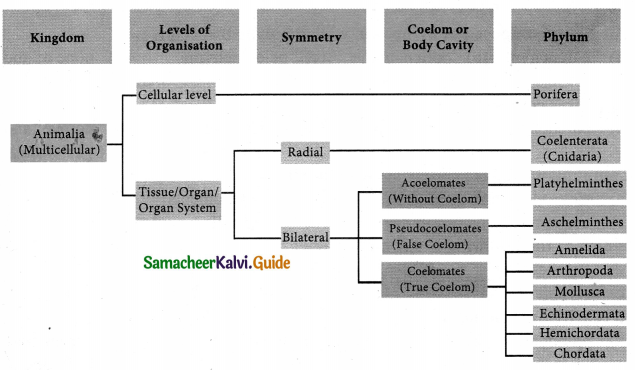
Outline the flow chart of invertebrate phyla.
Answer:
Samacheer Kalvi 9th Science Guide Chapter 17 Animal Kingdom 7

Samacheer Kalvi 9th Science Guide Chapter 19 Plant Physiology

Tamilnadu State Board New Syllabus Samacheer Kalvi 9th Science Guide Pdf Chapter 19 Plant Physiology Text Book Back Questions and Answers, Notes.

Tamilnadu Samacheer Kalvi 9th Science Solutions Chapter 19 Plant Physiology

9th Science Guide Plant Physiology Text Book Back Questions and Answers

Samacheer Kalvi 9th Science Guide Chapter 20 Organ Systems in Animals

I. Choose the correct answer :

Question 1.
The tropic movement that helps the climbing vines to find a suitable support is …………….
(a) phototropism
(c) thigmotropism
(b) geotropism
(d) chemotropism
Answer:
(c) thigmotropism

Question 2.
The chemical reaction occurs during photosynthesis is .
(a) CO2 is reduced and water is oxidized
(b) water is reduced and CO2 is oxidized
(c) both CO2 and water are oxidized
(d) both CO2 and water are produced
Answer:
(a) CO2 is reduced and water is oxidized

Question 3.
The bending of root of a plant in response to water is called …………………….
(a) Thigmonasty
(b) Phototropism
(c) Hydrotropism
(d) Photonasty
Answer:
(c) Hydrotropism

Samacheer Kalvi 9th Science Guide Chapter 20 Organ Systems in Animals

Question 4.
A growing seedling is kept in the dark room. A burning candle is placed near it for a few days. The tip part of the seedling bends towards the burning candle. This is an example of ……………
(a) Chemotropism
(b) Geotropism
(c) Phototropism
(d) Thigmotropism
Answer:
(c) Phototropism

Question 5.
The root of the plant is …………………
i) positively phototropic but-negatively geotropic
ii) positively geotropic but negatively phototropic
iii) negatively phototropic but positively hydrotropic
iv) negatively hydrotropic but.positively phototropic
(a) (i) and (ii)
(b) (ii) and (iii)
(c) (iii) and (iv)
(d) (i) and (iv)
Answer:
(b) (ii) and (iii)

Samacheer Kalvi 9th Science Guide Chapter 20 Organ Systems in Animals

Question 6.
The non-directional movement of a plant part in response to temperature is called………………..
(a) Thermotropism
(b) Thermonasty
(c) Chemotropism
(d) Thigmonasty
Answer:
(b) Thermonasty

Question 7.
Chlorophyllin a leaf is required for …………………
(a) photosynthesis
(b) tropic movement
(c) transpiration
(d) nastic movement
Answer:
(a) photosynthesis

Samacheer Kalvi 9th Science Guide Chapter 20 Organ Systems in Animals

Question 8.
Transpiration takes place through ………………..
(a) fruit
(b) seed
(c) flower
(d) stomata
Answer:
(d) stomata

II. Fill in the blanks :

1. The shoot system grows upward in response to ………………..
Answer:
light

2. ………………..is positively hydrotropic as well as positively geotropic.
Answer:
root

3. The green pigment present in the plant is………………..
Answer:
chlorophyll

Samacheer Kalvi 9th Science Guide Chapter 20 Organ Systems in Animals

4. The solar tracking of sunflower in accordance with the path of sun is due to …………………
Answer:
phototropism:

5. The response of a plant part towards gravity is ………………..
Answer:
geotropism

6. Plants take in carbon dioxide for photosynthesis but need ……………….. for their living.
Answer:
oxygen

III. Match column A with column B

Column A

Column B

1. Roots growing downwards into soil.Positive phototropism
2. Shoots growing towards the light.Negative geotropism
3. Shoots growing upward.Negative phototropism
4. Roots growing downwards away from light.Positive geotropism

Answer:

Column AColumn B
1. Roots growing downwards into soil.Positive geotropism
2. Shoots growing towards the light.Positive phototropism
3. Shoots growing upward.Negative geotropism
4. Roots growing downwards away from light.Negative phototropism

IV. State whether true or false. If false, correct the statement:

1. The response of a part of plant to the chemical stimulus is called phototropism.
Answer:
False.
Correct statement : The response of a plant part to the chemical stimulus is called Itemoiropisin.

2. Shoot is positively phototropic and negatively geotropic.
Answer:
True.

Samacheer Kalvi 9th Science Guide Chapter 20 Organ Systems in Animals

3. When the weather is hot, water evaporates lesser which is due to opening of stomata.
Answer:
False.
Correct statement: When the weather is hot, water evaporates more but stomata begin to close to reduce evaporation.

4. Photosynthesis produces glucose and carbon dioxide.
Answer:
False.
Correct statement: Photosynthesis produces glucose and oxygen.

5. Photosynthesis is important in releasing oxygen to keep the atmosphere in balance.
Answer:
True

Samacheer Kalvi 9th Science Guide Chapter 20 Organ Systems in Animals

6. Plants lose water when the stomata on leaves are closed.
Answer:
False.
Correct statement: Plants lose water when the stomata on leaves are open.

V. Answer very briefly :

Question 1.
What is nastic movement?
Answer:
Non-directional response to the stimulus is called Nastic movements.

Question 2.
Name the plant part
a) Which bends in the direction of gravity but away from the light.
b) Which bends towards the light but away from the force of gravity.
Answer:
a) Root system
b) Shoot system.

Samacheer Kalvi 9th Science Guide Chapter 20 Organ Systems in Animals

Question 3.
Differentiate phototropism from photo nasty.
Answer:
Phototropism:

  1. Movement of a plant part towards the light.
  2. Eg: Shoot of a plant.

Photonasty:

  1. Movement of a plant part is a response to light.
  2. Eg: Moonflower, Taraxacum Officinale.

Question 4.
Photosynthesis converts energy X into energy Y.
a) What are X and Y?
b) Green plants are autotrophic in their mode of nutrition. Why?
Answer:
a) X → light energy,
Y → Chemical energy.
b) Green plants are autotrophic in their mode of nutrition because they prepare then- own food materials through photosynthesis.

Question 5.
Define transpiration.
Answer:
The loss of water in the form of water vapour from the aerial parts of the plant body is called Transpiration.

Samacheer Kalvi 9th Science Guide Chapter 20 Organ Systems in Animals

Question 6.
Name the cell that surrounds the stoma.
Answer:
Each stomata is surrounded by guard cells.

VI. Answer briefly :

Question 1.
Give the technical terms for the following :
a) Growth dependent movement in plants.
b) Growth independent movement in plants.
Answer:
a) Tropic movements
b) Nastic movements

Question 2.
Explain the movement seen in Pneumatophores of Avicennia.
Answer:

  • Pneumato[hores are specialized roots that can involve in the respiration of plants,
  • This type of roots intakes the gas through its lenticel. a small hole in their both.

Question 3.
Fill in the blanks:
Samacheer Kalvi 9th Science Guide Chapter 19 Plant Physiology 1
Answer:
Samacheer Kalvi 9th Science Guide Chapter 19 Plant Physiology 2

Samacheer Kalvi 9th Science Guide Chapter 20 Organ Systems in Animals

Question 4.
What is chlorophyll?
Answer:
Chlorophyll is a green pigment present in all green plants with is responsible for the absorption of light to provide energy for photosynthesis.

Question 5.
Name the part of plant which shows positive geotropism. Why?
Answer:
Root shows positive geotropism because of the unidirectional movement in response to gravity.

Question 6.
What is the difference between the movement of flowers in the sunflower plant and the closing of the leaves in the Mimosa pudica?
Answer:
Movement of flower in sunflower plant:
In sunflower plant the stem tip follows the path of the sun from dawn to dusk (East to est) and in night it moves from West to East. This is a growth movement and takes place in response to the stimulus ‘light’. It is an example of tropic movement in response to light and is called phototropism.

Closing of the leaves in the Mimosa pudica :
The closing of leaves in Mimosa pudica occurs in response to touch. It is not a growth movement and occurs independently of the direction of stimulus. This is nastic movement . and is called Thigmonasty.

Samacheer Kalvi 9th Science Guide Chapter 20 Organ Systems in Animals

Question 7.
Suppose you have a rose plant growing in a pot, how will you demonstrate transpiration in it?
Answer:
Tie a plastic bag over leaves of rose plant and place in sunlight. After a few hours, we see water condensing inside the plastic bag. This is due to loss of water in the form of water vapour, which condenses into water. This is due to transpiration.

Question 8.
Mention the differences between stomatal and lenticular transpiration.
Answer:
Stomatal transpiration :

  1. Loss of water from plants through stomata.
  2. 90-95% of transpiration in a plant takes place through stomata only.

Lenticular transpiration :

  1. Loss of water from plants as vapour through the lenticels.
  2. A very small percentage of water is lost by through plants lenticular transpiration.

Question 9.
To which directional stimuli do (a) roots respond (b) shoots respond?
Answer:
(a) Roots respond positively geostrophic and negatively phototrophic.
(b) Shoots respond negatively geostrophic and positively phototrophic.

Samacheer Kalvi 9th Science Guide Chapter 20 Organ Systems in Animals

VII. Answer in detail :

Question 1.
Differentiate between tropic and nastic movements
Answer:
Tropic movements

  1. Unidirectional response to the stimulus.
  2. Growth dependent movements.
  3. More or less permanent and irreversible.
  4. Found in all plants.
  5. Slow action.

Nastic movements :

  1. Non-directional response to the stimulus
  2. Growth independent movements. –
  3. Temporary and reversible.
  4. Found only in a few specialized plants.
  5. Immediate action.

Question 2.
How will you differentiate the different types of transpiration?
Answer:
There are three types of transpiration:
Stomatal transpiration: Loss of water from plants through stomata. It accounts for 90- 95% of the water transpired from leaves.
Cuticular transpiration: Loss of water in plants through the cuticle.
Lenticular transpiration: Loss of water from plants as vapour through the lenticels. The lenticels are tiny openings that protrude from the barks in woody stems and twigs as well as in other plant organs.
But transpiration is necessary for the following reasons.

  1. It creates a pull in leaf and stem.
  2. It creates an absorption force in roots.
  3. It is necessary for a continuous supply of minerals.
  4. It regulates the temperature of the plant.

VIII. Higher Order Thinking Skills:

Question 1.
There are 3 plants A, B and C. The flowers of A open their petals in bright light during the day but closes when it gets dark at night. On the other hand, the flowers f of plant B open their petals at night but closes during the day when there is a bright light. The leaves of plant C fold up and droop when touched with fingers or any other solid object.
(a) Name the phenomenon shown by the flowers of plants A and B.
(b) Name one plant each which behaves like the flowers of plant A and B.
(c) Name the phenomenon exhibited by the leaves of plant C.
Answer:
(a) Photonasty
(b) Plant A – Common Dandelion – Taraxacum officinale
Plant B – Moonflower – Ipomoea alba
(c) Nyctinasty

Samacheer Kalvi 9th Science Guide Chapter 20 Organ Systems in Animals

Question 2.
Imagine that student A studied the importance of certain factors in photosynthesis.
He took a potted plant and kept it in dark for 24 hours. In the early hours of the next
morning, he covered one of the leaves with dark paper in the centre only. Then he placed the plant in sunlight for a few hours and tested the leaf which was covered
with black paper for starch.
(a) What aspect of photosynthesis was being investigated?
(b) Why was the plant kept in the dark before the experiment?
(c) How will you prove that starch is present in the leaves?
Answer:
(a) Necessity of light as a factor for Photosynthesis.
(b) To make the plant starch-free before starting the experiment. After the experiment, if starch is found in the leaf it will be the starch prepared by leaves during the experiment only.
(c) Presence of starch in the leaves can be proved by doing the starch test.

  • The potted plant is kept in bright sunlight for 4 to 6 hours.
  • The selected covered leaf is plucked and the black paper is removed.
  • The leaf is immersed in boiling water for a few minutes and then in alcohol to remove chlorophyll.
  • The leaf is now tested with iodine solution for the presence of starch.
  • The covered part of the leaf does not turn blue-black whereas the uncovered part of the leaf turns blue-black colour.
  • The covered part of the leaf which did not receive the sunlight was unable to synthesize starch.
  • Hence it does not turn blue-black colour.
  • But the uncovered part of the leaf which received sunlight was able to synthesize starch and so it turns blue-black in colour.

Intext Activities

ACTIVITY – 1

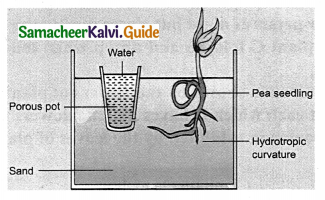
Take a glass trough and fill it with sand. Keep a flower pot containing water, plugged at the bottom at the centre of the glass trough. Place some soaked pea or bean seeds around the pot in the sand. What do you observe after 6 or 7 days? Record your observation.

Aim : To demonstrate hydrotropism.
Materials required : Glass trough, sand, flower pot, plugged at the bottom, pea or bean seeds and water.

Samacheer Kalvi 9th Science Guide Chapter 19 Plant Physiology 3

Samacheer Kalvi 9th Science Guide Chapter 20 Organ Systems in Animals

Procedure :

  1. A glass trough is taken and is filled with sand. A flowerpot containing water plugged at the bottom is kept at the centre of the glass trough.
  2. Soaked pea or bean seeds are placed around the pot in the sand. It is observed after 6 or 7 days.

Observation: Observed that radicle has grown towards the pot and moisture instead of growing vertically downward.
Inference: It proves that primary root is positively hydrotropic.
Result: Hydrotropism has been demonstrated by showing positive hydrotropism in roots.

[End of the activity]

ACTIVITY – 2

Take pea seeds soaked in water overnight. Wait for the pea seeds to germinate. Once the seedling has grown put it in a box with an opening for light on one side. After few hours, you can clearly see how the stem has bent and grown towards the light.

Aim : To demonstrate phototropism.
Materials required : Box, water, light and pea seeds.

Procedure:

  1. Take pea seeds soaked in water overnight. Wait for the pea seeds to germinate.
  2. Once the seedling has grown put it in a box with an opening for light on one side.
  3. After few hours, you can clearly see how the stem has bent and grown towards the light.

Observation : Observed that movement of a stem of a plant (pea seeds) towards light moist condition. This is the way a new plant develops from a seed.
Inference : Positive phototropism of a plant has been demonstrated.

[End of the activity]

ACTIVITY – 3

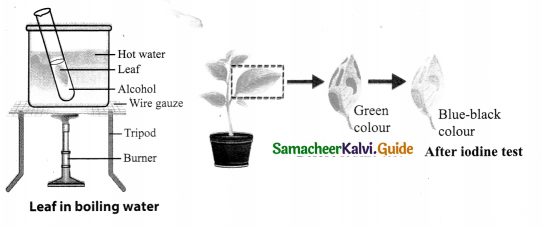
Pluck a variegated leaf from Coleus plant kept in sunlight. De- starch it by keeping in dark room for 24 hours. Draw the picture of this leaf and mark the patches of cholorphyll on the leaf. Immerse the leaf in boiling water followed by alcohol and test it for starch using iodine solution. Record your observation.

Aim : To show that chlorophyll is essential for photosynthesis.
Materials required : Plant with variegated leaves, boiling water, alcohol and iodine solution.
Samacheer Kalvi 9th Science Guide Chapter 19 Plant Physiology 4

Procedure:
Variegated leaf is plucked from Coleus plant kept in sunlight. It isde-starched by keeping it in dark room for 24 hours. The picture of this leaf is drawn and the patches of cholorphyll on the leaf are marked. After immersing the leaf in boiling water followed by alcohol it is tested for starch with iodine solution.

Observation : The patches of the leaf with chlorophyll turn blue-black. The other portions remain colourless.
Inference: The chlorophyll is essential for photosynthesis.

Samacheer Kalvi 9th Science Guide Chapter 20 Organ Systems in Animals

ACTIVITY – 4

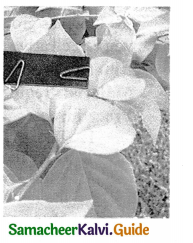
Place a potted plant in a dark room for about 2 days to de-starch its leaves. Cover one of its leaves with the thin strip of black paper as shown in the picture, make sure that the leaf is covered on both sides. Keep the potted plant in bright sunlight for 4 to 6 hours. Pluck the selected covered leaf and remove the black paper.
Immerse the leaf in boiling water for a few minutes and then in alcohol to remove chlorophyll. Test the leaf now with iodine solution for the presence of starch. The covered part of the leaf does not turn blue-black whereas the uncovered part of the leaf turns blue-black colour. Why are the changes in colour noted in the covered and uncovered part of the leaf?
Samacheer Kalvi 9th Science Guide Chapter 19 Plant Physiology 5

Aim : To show that light is essential for photosynthesis.
Materials required : Covered leaf, boiling water, alcohol and iodine.

Procedure:

  1. A potted plant is placed in a dark room for about 2 days to de-starch its leaves.
  2. One of its leaves is covered with a thin strip of black paper as shown in the picture.
  3. Make sure that the leaf is covered on both sides.
  4. The potted plant is kept in bright sunlight for 4 to 6 hours.
  5. The selected covered leaf is plucked and the black paper is removed.
  6. Th e leaf is immersed in boiling water for a few minutes and then in alcohol to remove chlorophyll.
  7. The leaf is now tested with iodine solution for the presence of starch.

Observation : The covered part of the leaf does not turn blue-black whereas the uncovered part of the leaf turns blue black colour. The covered part of the leaf which did not receive sunlight was unable to synthesize starch.
Inference : The light is essential for photosynthesis.

9th Science Guide Plant Physiology in Animals Additional Important Questions and Answers

I. Choose the correct answer :

Question 1.
The bending of root of a plant in response to water is called …………………..
(a) thigmonasty
(b) phototropism
(c) hydrotropism
(d) photonasty
Answer:
(c) hydrotropism

Question 2.
A growing seedling is kept in the dark room. A burning candle is placed near it for a few days. The top part of the seedling bends towards the burning candle. This is an example of ……………………
(a) chemotropism
(b) thigmotropism
(c) phototropism
(d) geotropism
Answer:
(c) phototropism

Question 3.
The root of the plant is ……………………
(i) positively phototropic but negatively geotropic.
(ii) positively geotropic but negatively phototropic.
(iii) negatively phototropic but positively hydrotropic.
(iv) negatively hydrotropic but positively phototropic.
(a) (i) and (ii)
(b) (ii) and (iii)
(c) (iii) and (iv)
(d) (i) and (iv)
Answer:
(b) (ii) and (iii)

Samacheer Kalvi 9th Science Guide Chapter 20 Organ Systems in Animals

Question 4.
The plant part which exhibits negative geotropism is ……………………
(a) root
(b) stem
(c) branch
(d) leaves
Answer:
(b) stem

Question 5.
The non-directional movement of a plant part in response to temperature is called…………………..
(a) thermotropism
(b) thermonasty
(c) chemotropism
(d) thigmonasty
Answer:
(b) thermonasty

Samacheer Kalvi 9th Science Guide Chapter 20 Organ Systems in Animals

Question 6.
Sunflowers open the petals in bright light during the day time but close the petals in dark at night. This response of sunflowers is called ……………………
(a) geonasty
(b) thigmonasty
(c) chemonasty
(d) photonasty
Answer:
(d) photonasty

Question 7.
During photosynthesis plants exhale ……………………
(a) Carbon dioxide
(b) oxygen
(c) hydrogen
(d) helium
Answer:
(b) oxygen

Samacheer Kalvi 9th Science Guide Chapter 20 Organ Systems in Animals

Question 8.
Chlorophyll in a leaf is required for ……………………
(a) photosynthesis
(b) transpiration
(c) tropic movement
(d) nastic movement
Answer:
(a) photosynthesis

Question 9.
A plant is kept in a dark room for about 24 hours before conducting any experiment on photosynthesis in order to ……………………
(a) remove chlorophyll from the leaf
(b) remove starch from the leaves
(c) ensure that photosynthesis occurred
(d) to prove transpiration
Answer:
(b) remove starch from the leaves

Question 10.
Transpiration takes place through ……………………
(a) fruit
(b) seed
(c) flower
(d) stomata
Answer:
(d) stomata

Samacheer Kalvi 9th Science Guide Chapter 20 Organ Systems in Animals

Question 11.
Thigmonasty can be seen in ……………………
(a) Mimosa pudica
(b) Taraxacum officinale
(c) Ipomea alba
(d) Rhizophora
Answer:
(a) Mimosa pudica

Question 12.
The venus flytrap plants are examples for …………………..
(a) chemotropism
(b) thigmonasty
(c) hydrotropism
(d) thigmotropism
Answer:
(b) thigmonasty

Question 13.
………………….. flowers bloom as the temperature increases.
(a) Rose
(b) Jasmine
(c) Lilly
(d) Tulip
Answer:
(d) Tulip

Samacheer Kalvi 9th Science Guide Chapter 20 Organ Systems in Animals

Question 14.
Only green plants have the unique capacity to release ………………….. into the atmosphere.
(a) nitrogen
(b) oxygen
(c) carbon dioxide
(d) ozone
Answer:
(b) oxygen

Question 15.
The end product of photosynthesis is ……………………
(a) glucose
(b) sucrose
(c) fructose
(d) none of the above
Answer:
(a) glucose

Samacheer Kalvi 9th Science Guide Chapter 20 Organ Systems in Animals

II. Fill in the blanks :

1. The minerals like nitrogen, potassium and phosphorus, are required in substantial quantity by the plants are called …………………..
Answer:
macronutrients

2. The solar tracking of sunflower in accordance with the path of sun is due to ………………………
Answer:
phototropism

3. The response of a plant part towards gravity is ………………………
Answer:
geotropism

4. When the leaves of a sensitive plant are touched with a finger, they fold up and when light fades at dusk the petals of a sunflower. These two plants show ……………………..and ……………………..movements.
Answer:
thigmonastic, photonastic

Samacheer Kalvi 9th Science Guide Chapter 20 Organ Systems in Animals

5. Opening and closing of Moon flower is not a tropism because the movement in this is……………………..
Answer:
independent of stimulus

6. The raw materials for photosynthesis are …………………….. and ………………………
Answer:
carbon dioxide, water

7. When iodine solution is added for testing starch, part of the leaf with …………………….. turn blue- black colour.
Answer:
starch

8. In leaves, the food is stored in the form of……………………..
Answer:
starch

9. Plants may inhale carbon dioxide for photosynthesis but need ……………………..for their living.
Answer:
oxygen

10. Plants utilize only ……………………..% of the absorbed water for photosynthesis and the other activities.
Answer:
1

Samacheer Kalvi 9th Science Guide Chapter 20 Organ Systems in Animals

11 . Plants inhale and exhale continuously through the . ……………………..
Answer:
stamata

12. The bending of shoot towards light is due to the hormone ……………………..
Answer:
auxin

13. Heliotropism is a kind of ……………………..
Answer:
phototropism

14. The ……………………..plant exhibits one of the fastest known nastic movements.
Answer:
venus flytrap

15. Chlorophyll differs from haemoglobin by the presence of its central molecule ……………………..
Answer:
magnesium

16. Plants exchange gases ……………………..continuously through these stomata.
Answer:
CO2 to O2

17. Guard cells help in regulating the ……………………..
Answer:
rate of transpiration

Samacheer Kalvi 9th Science Guide Chapter 20 Organ Systems in Animals

III. Analogy :

Question 1.
Towards a stimulus : ……………….:: Away from the stimulus : Negative tropism
Answer:
Positive tropism

Question 2.
Hydrotropism : Response towards water :: Phototropism : …………..
Answer:
Response towards light

Question 3.
Photosynthesis : ……………….. :: Transpiration : Stomata
Answer:
Green leaves

Samacheer Kalvi 9th Science Guide Chapter 20 Organ Systems in Animals

IV. State whether the following statements are true or false. If false, write the correct statement :

1. Scientific term used to represent the bending of roots towards water is called geotropism.
Answer:
False.
Correct statement: Scientific term used to represent the bending of roots towards water is called hydrotropism.

2. When the leaves of Mimosa pudica plant are touched with the finger, they fold up quickly.
Answer:
True.
Correct statement: This is an example of thigmonasty.

3. The petals of moon flower open up in morning and closes in the evening. This is called photonasty.
Answer:
False.
Correct statement :The petals of moon flower dost ‘ in the morning and opens up in the evening. This is called photonasty.

Samacheer Kalvi 9th Science Guide Chapter 20 Organ Systems in Animals

4. Photosynthesis produces glucose and carbon dioxide.
Answer:
False.
Correct statement: Photosynthesis produces glucose and oxygen.

5. Photosynthesis is important in releasing oxygen to keep the atmosphere in balance.
Answer:
True.

6. Plants lose water when the stomata on leaves are closed.
Answer:
False.
Correct statement: Plants will not lose water when the stomata on leaves are closed.

V. Assertion and reason :

Question 1.
Assertion (A) : If the plant part moves in the direction of gravity, it is called positive geotropism.
Reason (R) : Stem shows positive geotropism.
(a) A and R are incorrect
(b) A is incorrect, R is correct
(c) A is correct, R is incorrect
(d) Both A and R are correct
Answer:
(c) A is correct, R is incorrect

Question 2.
Assertion (A) : The loss of excess water from the aerial parts of the plant in the form of water vapour is known as transpiration.
Reason (R) : Stomata of the leaf perform transpiration.
(a) A and R are incorrect
(b) A is incorrect, R is correct
(c) A is correct, R is incorrect
(d) Both A and R are correct
Answer:
(d) Both A and R are correct

Samacheer Kalvi 9th Science Guide Chapter 20 Organ Systems in Animals

VI. Short answer questions :

Question 1.
Write the scientific terms used to represent the following:
(a) Growing of roots towards the gravity.
(b) Bending of roots towards the water.
Samacheer Kalvi 9th Science Guide Chapter 19 Plant Physiology 6
Answer:
(a) Positive geotropism
(b) Positive hydrotropism.

Samacheer Kalvi 9th Science Guide Chapter 20 Organ Systems in Animals

Question 2.
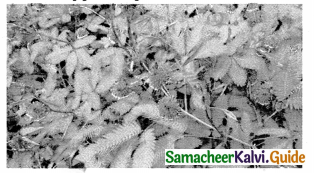
Observe the given picture.
(a) Identify this plant. What type of special movement is shown by this plant?
(b) What are the other movements seen in this plant?
Answer:
(a) Mimosa pudica.
Special movement shown by the plant: Just a casual touch is enough to make the leaves of Mimosa pudica (Touch-me- not plant) fold up and droop. This is described as seismonasty or thigmonasty.
Movements which are not directed towards stimuli but are independent of the stimulus direction are called as nastie movements. They may or may not be growth movement.

(b) The foliage of Mimosa closes during darkness and reopens in the presence of light. Note : The ‘rapid movement of in leaflets in Mimosa is rare in the plant kingdom and is related to changes in turgor pressure.

Question 3.
What is the end product of photosynthesis?
Answer:
The end product of photosynthesis is glucose which is converted into starch and stored in the plant parts.

Question 4.
Name the minute openings seen on the lower surface of the leaf.
Answer:
Stomata are the minute openings seen on the lower surface of the leaf.

Samacheer Kalvi 9th Science Guide Chapter 20 Organ Systems in Animals

Question 5.
Give the scientific terms for the following:
(a) Growth dependent movement in plants.
(b) Growth independent movement in plants.
Answer:
(a) Tropic movements
(b) Nastie movements.

Question 6.
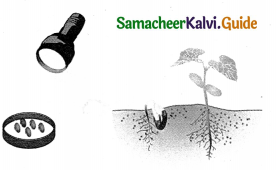
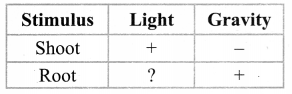
Study the pictures below and then complete the table by putting a plus (+) if the shoot or root grows towards the stimulus and a minus (-) if it grows away from it.
Samacheer Kalvi 9th Science Guide Chapter 19 Plant Physiology 7
Samacheer Kalvi 9th Science Guide Chapter 19 Plant Physiology 8
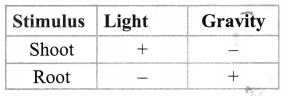
Answer:
Samacheer Kalvi 9th Science Guide Chapter 19 Plant Physiology 9

Question 7.
What is the other name for thigmonasty?
Answer:
Seismonasty.

Question 8.
Which flowering plant shows photonasty just opposite to that of Dandelion?
Answer:
Moon flower.

Samacheer Kalvi 9th Science Guide Chapter 20 Organ Systems in Animals

Question 9.
Give an example for negative hydrotropism.
Answer:
Growth of certain fungal hyphae away from the source of water/moisture.
Note : No clear evidences of negative hydrotropism.

Question 10.
Which gas is evolved during photosynthesis?
Answer:
Oxygen.

Question 11.
Give an example for micronutrients.
Answer:
Zinc.

Question 12.
What does a Mimosapudica plant do in response to touch? What is the phenomenon known as?
Answer:
In response to touch, the leaves of the plant Mimosa pudica fold up and droop. The movement is known as seismonasty or thigmonasty.

Samacheer Kalvi 9th Science Guide Chapter 20 Organ Systems in Animals

Question 13,
(i) What happens to the dandelion flower
(a) During the daytime?
(b) At night?
(ii) What is the phenomenon known as?
Answer:
(i) (a) The dandelion flower unfolds.
(b) The dandelion flower closes.
(ii) The phenomenon is known as photonasty.

Question 14.
Define photosynthesis.
Answer:
‘Photo’ means Tight’ and ‘synthesis’ means ‘to build’ thus photosynthesis literally means ‘building up with the help of light’. During this process, the light energy is converted into chemical energy. Green plants are autotrophic in their mode of nutrition because they prepare their food materials through a process called photosynthesis.\

Question 15.
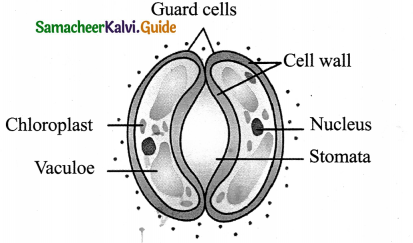
Draw the structure of stomata and label the parts.
Answer:
Samacheer Kalvi 9th Science Guide Chapter 19 Plant Physiology 10

Samacheer Kalvi 9th Science Guide Chapter 20 Organ Systems in Animals

Question 16.
Complete the following table with the different types of tropism:
Samacheer Kalvi 9th Science Guide Chapter 19 Plant Physiology 11
Answer:
Samacheer Kalvi 9th Science Guide Chapter 19 Plant Physiology 12

Question 17.
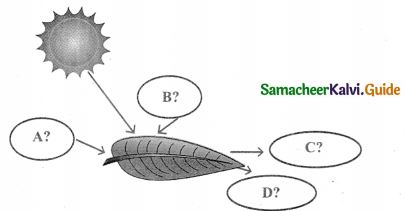
Label the diagram with the raw materials and products of photosynthesis.
Samacheer Kalvi 9th Science Guide Chapter 19 Plant Physiology 13
Answer:
A. Carbon dioxide
B. Water
C. Glucose
D. Oxygen

Samacheer Kalvi 9th Science Guide Chapter 20 Organ Systems in Animals

Question 18.
Give an example for the movement of plant part which is very quick and can be observed easily.
Answer:
Just a casual touch is enough to make the leaves of Mimosa pudica fold up and droop. This takes place quickly and can be easily observed.

Question 19.
Name the cell that surrounds the stoma.
Answer:
Guard cells.

Question 20.
Give an example for chemotropism.
Answer:
During fertilization, pollen tube grows down the style in response to the sugars in the style is an example of chemotropism.

Samacheer Kalvi 9th Science Guide Chapter 20 Organ Systems in Animals

Question 21.
Give the overall equation for photosynthesis.
Answer:
Samacheer Kalvi 9th Science Guide Chapter 19 Plant Physiology 14

Question 22.
Guard cells of stomata are green but cannot photosynthesize? Give reason.
Answer:
The enzymes needed for photosynthetic reactions are absent and hence guard cells cannot photosynthesize. _ .

Question 23.
Why do roots of halophytes show negative geotropism.
Answer:
The roots turn 180° upright for respiration.

Question 24.
Why do stems show postive phototropism?
Answer:

  • Stem growing up and towards light is more likely to get sunlight for photosynthesis and display its flowers prominently for pollinators to arrive.
  • It also has better chance of spreading its seeds.

Samacheer Kalvi 9th Science Guide Chapter 20 Organ Systems in Animals

Question 25.
Mention four factors required for photosynthesis?
Answer:
Chlorophyll, Water, Carbon dioxide and Light.

Question 26.
Why is transpiration called as necessary evil?
Answer:
Water is lost by transpiration but still it is a necessary process since it gives the following advantages to the plant.

  • Creates an absorption force in roots to suck more water form the soil.
  • Regulates the temperature of the plant. Hence transpiration is said to be a necessary evil.

Samacheer Kalvi 9th Science Guide Chapter 20 Organ Systems in Animals

Question 27.
What are stomata?
Answer:
The leaves have tiny holes, t ailed slomaia, through which the exchange of air takes place. The leaves have tiny, microscopic pores called stomata. Water evaporates through these stomata. Each stomata is surrounded by guard cells. These guard cells help in regulating the rate of transpiration by opening and closing of stomata.

Question 28.
Write the scientific terms used to represent.
Answer:
Leaves fold up and droop in touch-me-not plant Mimosa pudica Ans. Thigmonasty or Seismonasty.
Example: Brunnichia ovata and Mimosa pudica.

Samacheer Kalvi 9th Science Guide Chapter 20 Organ Systems in Animals

VII. Long answer questions :

Question 1.
Write a note on Transpiration.
Answer:

  • The loss of water in the form of wate r vapour from the aerial parts of the plant body is called as transpiration.
  • The leaves have tiny, microscopic pores called stomata.
  • Water evaporates through these stomata. Each stomata is surrounded by guard cells.
  • These guard cells help in regulating the rate of transpiration by opening and closing of stomata.

Question 2.
Write the types of tropism.
Answer:
Types of Tropism :
Based on the nature of stimuli, tropism can be classifi ed as follows.
Phototropism : Movement of a plant part towards light, e.g. shoot of a plant.
Geotropism : Movement of a plant in response to gravity, e.g. root of a plant.
Hydrotropism : Movement of a plant or part of a plant towards water, e.g root of a plant.
Thigmotropism : Movement of a plant part due to touch, e.g. climbing vines.
Chemotropism : Movement of a part of plant in response to chemicals, e.g growth of a pollen tube in response to sugar present on the stigma.

Tropism is generally termed positive if growth is towards the signal and negative if it is away from the signal. Shoot of a plant moves towards the light, the roots move away. Th us the shoots are positively phototropic.
Samacheer Kalvi 9th Science Guide Chapter 19 Plant Physiology 15
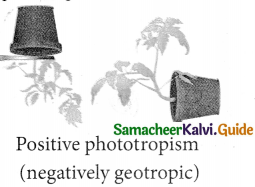
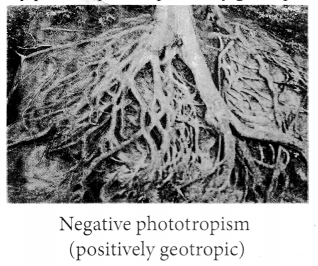
Usually shoot system of a plant is positively phototropic and negatively geotropic and root system is negatively phototropic and positively geotropic.
Samacheer Kalvi 9th Science Guide Chapter 19 Plant Physiology 16

Samacheer Kalvi 9th Science Guide Chapter 20 Organ Systems in Animals

VIII. Higher Order Thinking Skills :

Question 1.
While conducting experiments to study the effects of various stimuli on the plants, it was observed that the roots of a plant X grow and bend towards two stimuli A and B but bend away from a third stimulus C. The stem of the plant X however bends ” away from stimulus A and B but bends towards the stimulus C. The stimulus B is known to act on the roots due to factors related with Earth. Keeping these points in mind, answer the following questions:
(a) What could be stimulus A ?
(b) Name the stimulus seen in B.
(c) What could be stimulus-C?
Answer:
(a) Stimulus A – Water
(b) Stimulus B – Gravity
(c) Stimulus C – Light

Samacheer Kalvi 9th Science Guide Chapter 20 Organ Systems in Animals

Question 2.
An organism A which cannot move from one place to another makes a simple food B from the substances C and D available in the environment. This food is made in the presence of green coloured substance E present in organs F in the presence of light energy in a process called G. Some of the simple food B also gets converted into a complex food H for storage purposes. This food gives blue-black colour with iodine solution?
(a) What is (i) organism A (ii) food B and food H?
(b) What are C and D?
(c) Name (i) green coloured substance E and organ F.
(d) What is the process G?
Answer:
(a) (i) Organism A refers to Green plants.
(ii) Food B – Glucose
Food H – Starch

(b) C – Carbon dioxide
D – Water

(c) Green coloured substance E – Chlorophyll
Organ F – Leaves

(d) G – Photosynthesis process.

Samacheer Kalvi 11th Maths Guide Chapter 6 Two Dimensional Analytical Geometry Ex 6.5

Tamilnadu State Board New Syllabus Samacheer Kalvi 11th Maths Guide Pdf Chapter 6 Two Dimensional Analytical Geometry Ex 6.5 Text Book Back Questions and Answers, Notes.

Tamilnadu Samacheer Kalvi 11th Maths Solutions Chapter 6 Two Dimensional Analytical Geometry Ex 6.5
Choose the correct or more suitable answer.

Question 1.
The equation of the locus of the point whose distance from y – axis is half the distance from origin is
(1) x2 + 3y2 = 0
(2) x2 – 3y2 = 0
(3) 3x + y2 = 0
(4) 3x2 – y2 = 0
Answer:
(4) 3x2 – y2 = 0

Samacheer Kalvi 11th Maths Guide Chapter 6 Two Dimensional Analytical Geometry Ex 6.5

Explaination:
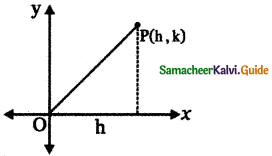
Samacheer Kalvi 11th Maths Guide Chapter 6 Two Dimensional Analytical Geometry Ex 6.5 1
Let the point be (h,k)
Equation of y axis is x = 0
Given the distance of the point from y – axis is
\(\frac{1}{2}\) × distance of the point from the origin Distance of the point (h, k) from the y- axis is
= \(\frac{\mathrm{h}}{\sqrt{1^{2}}}\) = h
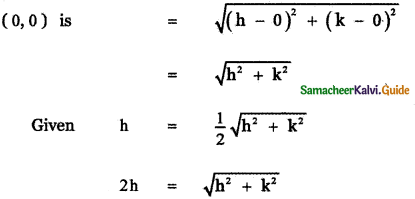
The distance of the point P (h , k) from the origin
Samacheer Kalvi 11th Maths Guide Chapter 6 Two Dimensional Analytical Geometry Ex 6.5 2
Squaring on both sides
4h2 = h2 + k2
4h2 – h2 – k2 = 0
3h2 – k2 = o
The locus of ( h, k ) is 3x2 – y2 = 0

Question 2.
Which of the following equation is the locus of (at2, 2at)
(1) \(\frac{x^{2}}{\mathbf{a}^{2}}-\frac{\mathbf{y}^{2}}{\mathbf{b}^{2}}\) = 1
(2) \(\frac{x^{2}}{a^{2}}+\frac{y^{2}}{b^{2}}\) = 1
(3) x2 + y2 = a2
(4) y2 = 4ax
Answer:
(4) y2 = 4ax

Explaination:
y2 = 4ax ⇒ Equation that satisfies the given point (at2, 2at)

Samacheer Kalvi 11th Maths Guide Chapter 6 Two Dimensional Analytical Geometry Ex 6.5

Question 3.
Which of the following points lie on the locus of 3x2 + 3y2 – 8x – 12y + 17 = 0
(1) (0, 0)
(2) (-2, 3)
(3) (1, 2)
(4) (0, – 1)
Answer:
(3) (1, 2)

Explaination:
The point that satisfies the given equations (0, 0) ⇒ 17 ≠ 0
(-2, 3) ⇒ 3 (4) + 3 (9) + 16 – 36 + 17 ≠ 0
(1, 2) ⇒ 3 + 3 (4) – 8 (1) – 12 (2) + 17
32 – 32 = 0, 0 = 0

Question 4.
If the point (8, – 5) lies on the focus \(\frac{x^{2}}{16}-\frac{y^{2}}{25}\) = k, then the value of k is
(1) 0
(2) 1
(3) 2
(4) 3
Answer:
(4) 3

Explaination:
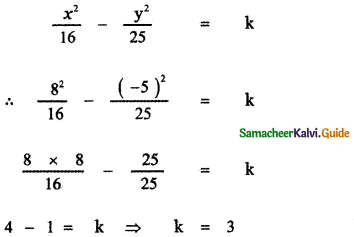
Given the point (8, – 5) lies on the locus
Samacheer Kalvi 11th Maths Guide Chapter 6 Two Dimensional Analytical Geometry Ex 6.5 3

Samacheer Kalvi 11th Maths Guide Chapter 6 Two Dimensional Analytical Geometry Ex 6.5

Question 5.
Straight line joining the points (2, 3) and (- 1, 4) passes through the point (α, β) if
(1) α + 2β = 7
(2) 3α + β = 9
(3) α + 3β = 11
(4) 3α + β = 11
Answer:
(3) α + 3β = 11

Explaination:
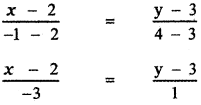
The equation of the straight line joining the points (2, 3) and (-1, 4) is
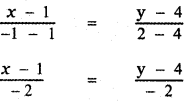
Samacheer Kalvi 11th Maths Guide Chapter 6 Two Dimensional Analytical Geometry Ex 6.5 4
x – 2 = – 3(y – 3)
x – 2 = – 3y + 9
x + 3y – 2 – 9 = 0
x + 3y – 11 = 0
Given (α, P) lies on this line
α + 3β – 11 = 0

Question 6.
The slope of the line which males an angle 45°with the line 3x – y = – 5 are
(1) 1, – 1
(2) \(\frac{1}{2}\), – 2
(3) 1, \(\frac{1}{2}\)
(4) 2, –\(\frac{1}{2}\)
Answer:
(2) \(\frac{1}{2}\), – 2

Explaination:
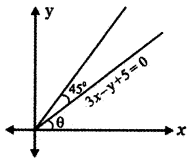
Samacheer Kalvi 11th Maths Guide Chapter 6 Two Dimensional Analytical Geometry Ex 6.5 5
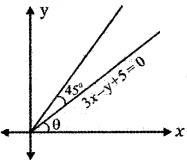
The equation of the given line is
3x – y + 5 = 0 ………… (1)
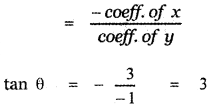
the slope of the line (1) is m = tan θ
Samacheer Kalvi 11th Maths Guide Chapter 6 Two Dimensional Analytical Geometry Ex 6.5 6
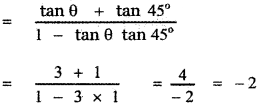
Angle made by the required line = θ + 45°
where tan θ = 3
Required slope m1 = tan (θ + 45° )
Samacheer Kalvi 11th Maths Guide Chapter 6 Two Dimensional Analytical Geometry Ex 6.5 7

Samacheer Kalvi 11th Maths Guide Chapter 6 Two Dimensional Analytical Geometry Ex 6.5

Question 7.
Equation of the straight line that forms an isosceles triangle with coordinate axes in the
1-quadrant with perimeter 4 + 2√2 is
(1) x + y + 2 = 0
(2) x + y – 2 = 0
(3) x + y – √2 = 0
(4) x + y + √2 = 0
Answer:
(2) x + y – 2 = 0

Explaination:
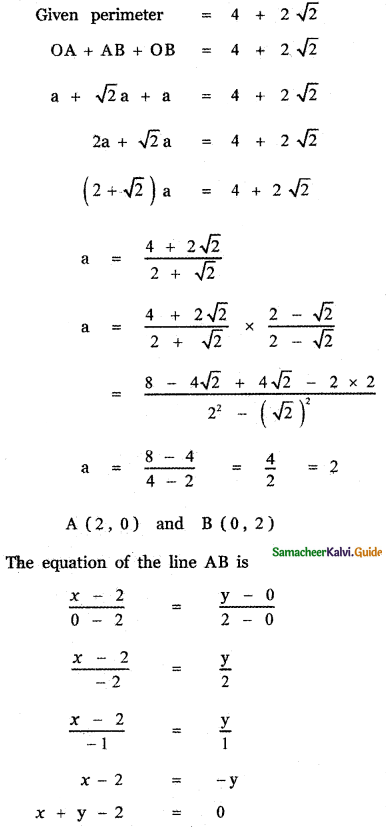
Let OAB be the isosceles triangle formed in the first quadrant. Let OA = OB = a
In the right angle A OAB
AB2 = OA2 + OB2
AB2 = a2 + a2 = 2a2
AB = √2a
Samacheer Kalvi 11th Maths Guide Chapter 6 Two Dimensional Analytical Geometry Ex 6.5 8

Samacheer Kalvi 11th Maths Guide Chapter 6 Two Dimensional Analytical Geometry Ex 6.5

Question 8.
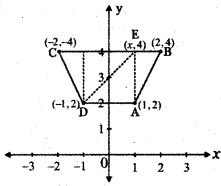
The coordinates of the four vertices of a quadrilateral are (-2, 4), (-1, 2), (1, 2) and (2, 4) taken in order. The equation of the line passing through the vertex (-1, 2 ) and dividing the quadrilateral in the equal areas is
(1) x + 1 = 0
(2) x + y = 1
(3) x + y + 3 = 0
(4) x – y + 3 = 0
Answer:
(4) x – y + 3 = 0

Explaination:
Samacheer Kalvi 11th Maths Guide Chapter 6 Two Dimensional Analytical Geometry Ex 6.5 9
ABCD is a quadrilateral in which the sides AD and BC are parallel. Draw AE and DF perpendicular to BC. ADFE is a square with sides
AD = AE = EF = DF = 2
Area of ADFE = 2 × 2 = 4
In ∆ AEB , BE = 1, AE = 2
∴ Area of ∆ AEB = \(\frac{1}{2}\) × 1 × 2 = 1
Similarly Area of ∆ DFC = 1
∆ Area of the quadrilateral A B C D = 4 + 1 + 1 = 6
Given the line through the vertex (- 1, 2 ) divides the quadrilateral ABCD into two half.
Let E (x , 4) is the point on the line BC such that the line DE divides the area of the quadrilateral ABCD into two half.
∴ Area of ∆ EDC = 3
\(\frac{1}{2}\) × EC × height = 3
\(\frac{1}{2}\) × (x + 2) × 2 = 3
x + 2 = 3 ⇒ x = 1
∴ The coordinates of E are (1, 4)
The equation of the line joining the points (- 1, 2) and (1, 4) is
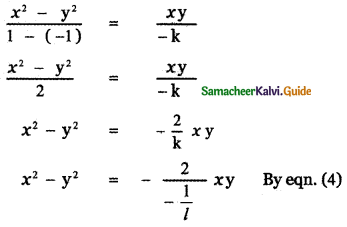
Samacheer Kalvi 11th Maths Guide Chapter 6 Two Dimensional Analytical Geometry Ex 6.5 10
x – 1 = y – 4
x – y + 3 = 0

Samacheer Kalvi 11th Maths Guide Chapter 6 Two Dimensional Analytical Geometry Ex 6.5

Question 9.
The intercepts of the perpendicular bisector of the line segment joining (1,2) and (3,4) with coordinate axes are
(1) 5, – 5
(2) 5, 5
(3) 5, 3
(4) 5, – 4
Answer:
(2) 5, 5

Explaination:
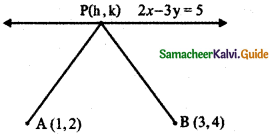
Let the given points be A (1, 2) and B (3, 4) P( h,k )be a point in the plane such that PA = PB
Samacheer Kalvi 11th Maths Guide Chapter 6 Two Dimensional Analytical Geometry Ex 6.5 11
Squaring on both the sides
(h – 1)2 + (k – 2)2 = (3 – h)2 + (k – 4)2
h2 – 2h + 1 + k2 – 4k + 4 = 9 – 6h + h2 + k2 – 8k + 16
– 2h – 4k + 5 = – 6h – 8k + 25
6h + 8k – 2h – 4k + 5 – 25 = 0
4h + 4k – 20 = 0
h + k – 5 = 0
The locus of (h, k)is x + y – 5 = 0 which is the perpendicular bisector of A and B
x + y = 5
\(\frac{x}{5}+\frac{y}{5}\) = 1
x – intercept = 5 , y – intercept = 5

Question 10.
The equation of the line with slope 2 and the length of the perpendicular from the origin equal to √5 is
(1) x + 2y = √5
(2) 2x + y = √5
(3) 2x + y = 5
(4) x + 2y – 5 = 0
Answer:
Let the equation of the required line be
y = mx + c ……….. (1)
Given Slope m = 2
(1) ⇒ y = 2x + c
2x – y + c = 0 ……….. (2)
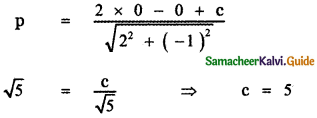
The length of the perpendicular from (0, 0) to line (2)
Samacheer Kalvi 11th Maths Guide Chapter 6 Two Dimensional Analytical Geometry Ex 6.5 12
Substituting for c in equation (2), we have
2x – y + 5 = 0

Samacheer Kalvi 11th Maths Guide Chapter 6 Two Dimensional Analytical Geometry Ex 6.5

Question 11.
If a line is perpendicular to the line Sx-y = 0 and forms a triangle with the coordinate axes of area 5 sq. units, then its equation is
(1) x + 5y ± 5√2 = 0
(2) x – 5y ± 5√2 = 0
(3) 5x + y ± 5√2 = 0
(4) 5x – y ± 5√2 = 0
Answer:
(1) x + 5y ± 5√2 = 0

Explaination:
Samacheer Kalvi 11th Maths Guide Chapter 6 Two Dimensional Analytical Geometry Ex 6.5 13
The equation of the given line is 5x – y = 0 —— (1)
The equation of any perpendicular to line (1) is
-x – 5y + k = 0
x + 5y – k = 0 —– (2)
x + 5y = k
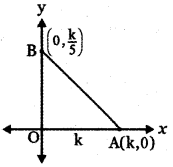
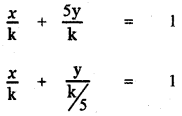
Samacheer Kalvi 11th Maths Guide Chapter 6 Two Dimensional Analytical Geometry Ex 6.5 14
x- intercept = k , y – intercept = \(\frac{\mathrm{k}}{5}\)
The line (2) intersect the x-axis at A and y-axis at B
∴ A is (k, 0) and B is \(\left(0, \frac{k}{5}\right)\)
OA = k and OB = \(\frac{\mathrm{k}}{5}\)
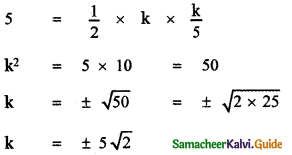
Area of ∆ OBA = \(\frac{1}{2}\) × OA × OB
Samacheer Kalvi 11th Maths Guide Chapter 6 Two Dimensional Analytical Geometry Ex 6.5 15
∴ The required equation is x + 5y = ± 5√2

Samacheer Kalvi 11th Maths Guide Chapter 6 Two Dimensional Analytical Geometry Ex 6.5

Question 12.
Equation of the straight line perpendicular to the line x – y + 5 = 0 through the point of intersection y-axis and the given line
(1) x – y – 5 = 0
(2) x + y – 5 = 0
(3) x + y + 5 = 0
(4) x + y + 10 = 0
Answer:
(2) x + y – 5 = 0

Explaination:
The equation of the given line is
x – y + 5 = 0 ………. (1)
To find the point of intersection with y – axis, Put x = 0 in (1)
0 – y + 5 = 0 ⇒ y = 5
∴ The point of intersection is ( 0, 5)
The equation any line perpendicular to line (1) is
– x – y + k = 0
x + y – k = 0
This line passes through the point (0,5)
0 + 5 – k = 0 ⇒ k = 5
∴ The equation of the required line is
x + y – 5 = 0

Question 13.
If the equation of the base opposite to the vertex (2, 3) of an equilateral triangle is x + y = 2, then the length of a side is
(1) \(\frac{\sqrt{3}}{2}\)
(2) 6
(3) √6
(4) 3√2
Answer:
(3) √6

Explaination:
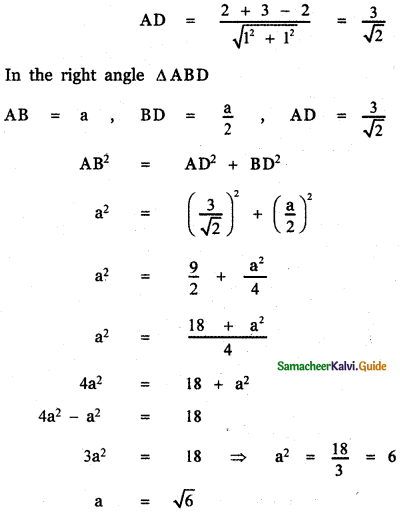
∆ ABC is an equilateral triangle. Vertex A is (2, 3)
Equation of the base BC is x + y = 2
Draw AD ⊥ BC. By the property of the equilateral triangle, D is the midpoint of BC
BD = DC
Let AB = a
AD = length of the perpendicular from A (2, 3) to the line x + y – 2 = 0
Samacheer Kalvi 11th Maths Guide Chapter 6 Two Dimensional Analytical Geometry Ex 6.5 16

Samacheer Kalvi 11th Maths Guide Chapter 6 Two Dimensional Analytical Geometry Ex 6.5

Question 14.
The line (p + 2q)x + (p – 3q)y = p – q for different values of p and q passes through the point
(1) \(\left(\frac{3}{2}, \frac{5}{2}\right)\)
(2) \(\left(\frac{2}{5}, \frac{2}{5}\right)\)
(3) \(\left(\frac{3}{5}, \frac{3}{5}\right)\)
(4) \(\left(\frac{2}{5}, \frac{3}{5}\right)\)
Answer:
(4) \(\left(\frac{2}{5}, \frac{3}{5}\right)\)

Explaination:
The equation of the given line is
(p + 2q)x + (p – 3q)y = p – q ……….. (1)
Samacheer Kalvi 11th Maths Guide Chapter 6 Two Dimensional Analytical Geometry Ex 6.5 17

Question 15.
The point on the line 2x – 3y = 5 is equal distance from (1, 2), and (3, 4) is
(1) (7, 3)
(2) (4, 1)
(3) (1, – 1)
(4)(-2, 3)
Answer:
(2) (4, 1)

Explaination:
Let P (h, k) be a point on the line
2x – 3y – 5 = 0
Samacheer Kalvi 11th Maths Guide Chapter 6 Two Dimensional Analytical Geometry Ex 6.5 18
Then 2h – 3k – 5 = 0 ……….. (1)
Let A (1, 2) and B ( 3, 4) be the given points such that PA = PB
Samacheer Kalvi 11th Maths Guide Chapter 6 Two Dimensional Analytical Geometry Ex 6.5 19
Squaring on both sides
(h – 1)2 + (k – 2)2 = (h – 3)2 + (k – 4)2
h2 – 2h + 1 + k2 – 4k + 4 = h2 – 6h + 9 + k2 – 8k + 16
-2h + 1 – 4k + 4 = – 6h + 9 – 8k + 16
-2h – 4k + 5 = – 6h – 8k + 25
6h – 2h + 8k – 4k + 5 – 25 = 0
4h + 4k – 20 = 0
h + k – 5 = 0 …………. (2)
To find P (h, k), Solve (1) and (2)
Samacheer Kalvi 11th Maths Guide Chapter 6 Two Dimensional Analytical Geometry Ex 6.5 20
(2) ⇒ h + 1 – 5 = 0
h – 4 = 0 ⇒ h = 4
∴ The required point p(h, k) is (4, 1)

Samacheer Kalvi 11th Maths Guide Chapter 6 Two Dimensional Analytical Geometry Ex 6.5

Question 16.
The image of the point (2, 3) in the line y = -x is
(1) (-3, -2)
(2) (-3, 2)
(3) (-2, -3)
(4) (3, 2)
Answer:
(1) (- 3, – 2)

Explaination:
The equation of the given line is y = -x
x + y = 0 ………… (1)
The coordinates of the image of the point (x1, y1) with respect to the line ax + by + c = 0 are given by
Samacheer Kalvi 11th Maths Guide Chapter 6 Two Dimensional Analytical Geometry Ex 6.5 21
∴ The coordinates of the image of the point (2, 3) with respect to the line x + y = 0 are given by
Samacheer Kalvi 11th Maths Guide Chapter 6 Two Dimensional Analytical Geometry Ex 6.5 22
x – 2 = y – 3 = – 5
x – 2 = -5 ⇒ x = -5 + 2 = -3
y – 3 = -5 ⇒ y = -5 + 3 = -2
∴ The required point is (-3, -2)

Question 17.
The length of perpendicular from the origin to the line \(\frac{x}{3}-\frac{y}{4}\) = is
(1) \(\frac{11}{5}\)
(2) \(\frac{5}{12}\)
(3) \(\frac{12}{5}\)
(4) –\(\frac{5}{12}\)
Answer:
(3) \(\frac{12}{5}\)

Explaination:
The equation of the given line is \(\frac{x}{3}-\frac{y}{4}\) = 1
\(\frac{4 x-3 y}{12}\) = 14x – 3y = 12
4x – 3y – 12 = 0
The length of the perpendicular from (0, 0) to the line 4x – 3y – 12 = 0 is
Samacheer Kalvi 11th Maths Guide Chapter 6 Two Dimensional Analytical Geometry Ex 6.5 23

Samacheer Kalvi 11th Maths Guide Chapter 6 Two Dimensional Analytical Geometry Ex 6.5

Question 18.
The y – intercept of the straight line passing through (1, 3) and perpendicular to 2x – 3y + 1 = 0 is
(1) \(\frac{3}{2}\)
(2) \(\frac{9}{2}\)
(3) \(\frac{2}{3}\)
(4) \(\frac{2}{9}\)
Answer:
(2) \(\frac{9}{2}\)

Explaination:
The equation of the given line is
2x – 3y + 1 = 0 …………. (1)
The equation of any line perpendicular to (1) is
-3x – 2y + k = 0
3x + 2y – k = 0 ………… (2)
This line passes through the point (1, 3)
∴ (2) ⇒ 3 × 1 + 2 × 3 – k = 0
3 + 6 – k = 0 ⇒ k = 9
∴ (2) ⇒ 3x + 2y – 9 = 0 ………. (3)
2y = – 3x + 9
y = \(-\frac{3}{2} x+\frac{9}{2}\)
∴ The required y – intercept is \(\frac{9}{2}\)

Question 19.
If the two straight lines x + (2k – 7)y + 3 = 0 and 3kx + 9y – 5 = 0 are perpendicular, then the value of k is
(1) k = 3
(2) k = \(\frac{1}{3}\)
(3) k = \(\frac{2}{3}\)
(4) k = \(\frac{3}{2}\)
Answer:
(1) k = 3

Explaination:
The equation of the given lines are
x + (2k – 7)y + 3 = 0 ……….. (1)
3kx + 9y – 5 = 0 …………. (2)
Slope of line (1), m1 = \(-\frac{1}{2 k-7}\)
Slope of line (2), m2 = \(-\frac{3 \mathbf{k}}{9}\)
Given that lines (1) and (2) are perpendicular
∴ m1 m2 = -1
Samacheer Kalvi 11th Maths Guide Chapter 6 Two Dimensional Analytical Geometry Ex 6.5 24
k = -3(2k – 7)
k = -6k + 21
6k + k = 21
⇒ 7k = 21
k = \(\frac{21}{7}\) = 3

Samacheer Kalvi 11th Maths Guide Chapter 6 Two Dimensional Analytical Geometry Ex 6.5

Question 20.
If a vertex of a square is at the origin and it’s one side lies along the line 4x + 3y – 20 = 0
then the area of the square is
(1) 20 sq. units
(2) 16 sq. units
(3) 25 sq. units
(4) 4 sq. units
Answer:
(2) 16 sq. units

Explanation:
Samacheer Kalvi 11th Maths Guide Chapter 6 Two Dimensional Analytical Geometry Ex 6.5 25
OABC is a square in which the vertex O lies on the origin and the side AB along the line 4x + 3y – 20 = 0
OA = length of the perpendicular from (0, 0) to the line 4x + 3y – 20 = 0
Samacheer Kalvi 11th Maths Guide Chapter 6 Two Dimensional Analytical Geometry Ex 6.5 26
∴ The length of the side of the square is 4 units.
∴ Area of the square = 4 × 4 = 16 sq. units

Question 21.
If the lines represented by the equation 6x2 + 41xy – 7y2 = 0 make angles α and β with x-axis then tan α . tan β =
(1) –\(\frac{6}{7}\)
(2) \(\frac{6}{7}\)
(3) –\(\frac{7}{6}\)
(4) \(\frac{7}{6}\)
Answer:
(1) –\(\frac{6}{7}\)

Explaination:
The equation of the given pair of lines is
6x2 + 41xy – 7y2 = 0 ……….. (1)
Let m1, m2 be slopes of the individual lines.
Given that the individual lines make angles α and β with x – axis.
∴ m1 = tan α and m2 = tan β
we have m1 m2 = \(\frac{a}{b}\) = \(\frac{6}{-7}\)
∴ tan α tan β = \(-\frac{6}{7}\)

Samacheer Kalvi 11th Maths Guide Chapter 6 Two Dimensional Analytical Geometry Ex 6.5

Question 22.
The area of the triangle formed by the lines x2 – 4y2 = 0 and x = a is
(1) 2a2
(2) \(\frac{\sqrt{3}}{2}\)
(3) \(\frac{1}{2}\)
(4) \(\frac{2}{\sqrt{3}}\)
Answer:
(3) \(\frac{1}{2}\)

Explaination:
Samacheer Kalvi 11th Maths Guide Chapter 6 Two Dimensional Analytical Geometry Ex 6.5 27
The equation of the given pair of straight lines is
x2 – 4y2 = 0
x2 – 4y2 = (x + 2y) (x – 2y)
∴ The separate equations of the straight lines are
x + 2y = 0 ………… (1)
x – 2y = 0 …………. (2)
The line x = a intersect the line (1) at A.
a + 2y = 0 ⇒ y = \(-\frac{a}{2}\)
∴ A is \(\left(a,-\frac{a}{2}\right)\)
The line x = a intersect the line (2) at B.
Samacheer Kalvi 11th Maths Guide Chapter 6 Two Dimensional Analytical Geometry Ex 6.5 28

Question 23.
If one of the lines given by 6x2 – xy – 4cy2 = 0 is 3x + 4y = 0,then c equals to
(1) -3
(2) -1
(3) 3
(4) 1
Answer:
(1) -3

Explaination:
The given pair of straight lines is 6x2 – xy – 4cy2 = 0 ………. (1)
One of the separate equation is 3x + 4y = 0 ……… (2)
Let the separate equation of the other line be ax + by = 0 ………. (3)
∴ (ax + by) (3x + 4y) = 6x2 – xy + 4cy2
3ax2 + 4axy + 3bxy + 4by2 = 6x2 – xy + 4cy2
Equating the coefficient of y2 on both sides
4b = 4c ⇒ c = b
Equating the coefficient of x2 on both sides
3a = 6
⇒ a = \(\frac{6}{3}\) = 2
Equating the coefficient of xy both sides
4a + 3b = -1
4 × 2 + 3b = -1 ⇒ 3b = -1 – 8
b = \(-\frac{9}{3}\) = -3
∴ c = -3

Samacheer Kalvi 11th Maths Guide Chapter 6 Two Dimensional Analytical Geometry Ex 6.5

Question 24.
θ is acute angle between the lines x2 – xy – 6y2 = 0 then \(\frac{2 \cos \theta+3 \sin \theta}{4 \cos \theta+5 \cos \theta}\) is
(1) 1
(2) \(-\frac{1}{9}\)
(3) \(\frac{5}{9}\)
(4) \(\frac{1}{9}\)
Answer:
(3) \(\frac{5}{9}\)

Explaination:
The equation of the given pair of lines is
x2 -xy – 6y2 = 0
a = 1, 2h = -1, b = -6
Given θ is the angle between the lines
Samacheer Kalvi 11th Maths Guide Chapter 6 Two Dimensional Analytical Geometry Ex 6.5 29
Samacheer Kalvi 11th Maths Guide Chapter 6 Two Dimensional Analytical Geometry Ex 6.5 30

Samacheer Kalvi 11th Maths Guide Chapter 6 Two Dimensional Analytical Geometry Ex 6.5

Question 25.
The equation of one of the lines represented by the equation x2 + 2xy cot θ – y2 = 0 is
(I) x – y cot θ = 0
(2) x + y tan θ = 0
(3) x cos θ + y (sin θ + 1) = 0
(4) x sin θ + y(cos θ + 2) = 0
Answer:
(4) x sin θ + y(cos θ + 2) = 0

Explaination:
The equation of given pair of straight line is
x2 + 2xy cot θ – y2 = 0
x2 + (2y cot θ)x + (-y2) = 0
This is a quadratic equation in x. Solving for x, we have
Samacheer Kalvi 11th Maths Guide Chapter 6 Two Dimensional Analytical Geometry Ex 6.5 31
Samacheer Kalvi 11th Maths Guide Chapter 6 Two Dimensional Analytical Geometry Ex 6.5 32
Samacheer Kalvi 11th Maths Guide Chapter 6 Two Dimensional Analytical Geometry Ex 6.5 33

Samacheer Kalvi 11th Maths Guide Chapter 6 Two Dimensional Analytical Geometry Ex 6.4

Tamilnadu State Board New Syllabus Samacheer Kalvi 11th Maths Guide Pdf Chapter 6 Two Dimensional Analytical Geometry Ex 6.4 Text Book Back Questions and Answers, Notes.

Tamilnadu Samacheer Kalvi 11th Maths Solutions Chapter 6 Two Dimensional Analytical Geometry Ex 6.4

Question 1.
Find the combined equation of the straight lines whose separate equations are x – 2y – 3 = 0 and x + y + 5 = 0.
Answer:
Separate equations are x – 2y – 3 = 0; x + y + 5 = 0
So the combined equation is (x – 2y – 3) (x + y + 5) = 0
x2 + xy + 5x – 2y2 – 2xy – 10y – 3x – 3y – 15 = 0
(i.e) x2 – 2y2 – xy + 2x – 13y – 15 = 0

Samacheer Kalvi 11th Maths Guide Chapter 6 Two Dimensional Analytical Geometry Ex 6.4

Question 2.
Show that 4x2 + 4xy + y2 – 6x – 3y – 4 = 0 represents a pair of parallel lines.
Answer:
The equation of the given pair of straight lines is
4x2 + 4xy + y2 – 6x – 3y – 4 = 0 ………. (1)
Compare this equation with the equation
ax2 + 2hxy + by2 + 2gx + 2fy + c = 0 ………. (2)
a = 4, 2h = 4, b = 1, 2g = -6,
2f = -3, c = – 4
The condition for parallelism is
h2 – ab = 0
22 – (4) (1) = 4 – 4 = 0
∴ The given pair of straight lines represents a pair of parallel straight lines.

Question 3.
Show that 2x2 + 3xy – 2y2 + 3x + y + 1 = 0 represents a pair of perpendicular straight lines.
Answer:
Comparing the given equation with the general form a = 2,h = 3/2, b = -2,g= 3/2, f = 1/2 and c = 1
Condition for two lines to be perpendicular is a + b = 0. Here a + b = 2 – 2 = 0
⇒ The given equation represents a pair of perpendicular lines.

Samacheer Kalvi 11th Maths Guide Chapter 6 Two Dimensional Analytical Geometry Ex 6.4

Question 4.
Show that equation 2x2 – xy – 3y2 – 6x + 19y – 20 = 0 represents a pair of intersecting lines. Show further that the angle between them is tan-1(5)
Answer:
The equation of the given pair of lines is
2x2 – xy – 3y2 – 6x + 19y – 20 = 0 —- (1)
Compare this equation with the equation
ax2 + 2hxy + by2 + 2gx + 2fy + c = 0 —- (2)
a = 2 , 2h = – 1, b = – 3, 2g = – 6, 2f = 19, c = – 20
h2 – ab = \(\left(-\frac{1}{2}\right)^{2}\) – (2)(-3)
= \(\frac{1}{4}\) + 6 ≠ 0
∴ The given line (1) is not parallel.
∴ They are intersecting lines.
Let θ be the angle between the lines.
Samacheer Kalvi 11th Maths Guide Chapter 6 Two Dimensional Analytical Geometry Ex 6.4 1
Taking the acute angle θ = tan-1 (5)

Question 5.
Prove that the equation to the straight lines through the origin each of which makes an angle α with the straight line y = x is x2 – 2xy sec 2α + y2 = 0
Answer:
Samacheer Kalvi 11th Maths Guide Chapter 6 Two Dimensional Analytical Geometry Ex 6.4 2
Let OP be the given line y = x having slope
m = 1 = tan 45°
Given that OA is the line making angle α with the line y = x.
Samacheer Kalvi 11th Maths Guide Chapter 6 Two Dimensional Analytical Geometry Ex 6.4 3
Slope of the line OA = tan (45° – α)
The equation of OA is the equation of the line passing through the point (0, 0) having slope tan (45° – α).
y – 0 = tan(45°- α) (x – 0)
y = x tan (45°- α)
x tan (45° – α) – y = 0
Also given the line OB makes an angle α with the line y = x.
Samacheer Kalvi 11th Maths Guide Chapter 6 Two Dimensional Analytical Geometry Ex 6.4 4
Slope of the line OB = tan(45° + α)
The equation of OB is the equation of the line passing through the point (0, 0) having slope tan(45° + α)
y – 0 = tan (45° + α) (x – 0)
y = x tan (45° + α)
x tan (45° + α) – y = 0 ………. (2)
The combined equation is
(x tan(45°- α) – y) (x tan(45°+ α) – y) = 0
x2tan(45° – α) tan(45° + α) – xy tan (45° – α) – xy tan(45° + α) + yz = 0
Samacheer Kalvi 11th Maths Guide Chapter 6 Two Dimensional Analytical Geometry Ex 6.4 5
Samacheer Kalvi 11th Maths Guide Chapter 6 Two Dimensional Analytical Geometry Ex 6.4 6

Samacheer Kalvi 11th Maths Guide Chapter 6 Two Dimensional Analytical Geometry Ex 6.4

Question 6.
Find the equation of the pair of straight lines passing through the poInt (1,3) and
perpendicular to the lines 2x -3y + 1 = 0 and 5x + y – 3 = 0.
Answer:
Samacheer Kalvi 11th Maths Guide Chapter 6 Two Dimensional Analytical Geometry Ex 6.4 7
Equation of a line perpendicular to 2x – 3y + 1 = 0 is of the form 3x + 2y + k = 0.
It passes through (1, 3) ⇒ 3 + 6 + k = 0 ⇒ k = – 9
So the line is 3x + 2y – 9 = 0
The equation of a line perpendicular to 5x + y – 3 = 0 will be of the form x – 5y + k = 0.
It passes through (1, 3) ⇒ 1 – 15 + k = 0 ⇒ k = 14
So the line is x – 5y + 14 = 0.
The equation of the lines is 3x + 2y – 9 = 0 and x – 5y + 14 = 0
Their combined equation is (3x + 2y – 9)(x – 5y + 14) = 0
(i.e) 3x2 – 15xy + 42x + 2xy – 10y2 + 28y – 9x + 45y – 126 = 0
(i.e) 3x2 – 13xy – 10y2 + 33x + 73y – 126 = 0

Question 7.
Find the separate equation of the following pair of straight lines.
(i) 3x2 + 2xy – y2 = 0
(ii) 6(x – 1)2 + 5(x – 1) (y – 2) – 4(y – 3)2 = 0
(iii) 2x2 – xy – 3y2 – 6x + 19y – 20 = 0
Answer:
Samacheer Kalvi 11th Maths Guide Chapter 6 Two Dimensional Analytical Geometry Ex 6.4 8

(i) Factorising 3x2 + 2xy – y2 we get
3x2 + 3xy – xy – y2 = 3x (x + y) – y (x + y)
= (3 x – y)(x + y)
So 3x2 + 2xy – y2 = 0 ⇒ (3x – y) (x + y) = 0
⇒ 3x – y = 0 and x + y = 0

Samacheer Kalvi 11th Maths Guide Chapter 6 Two Dimensional Analytical Geometry Ex 6.4

(ii) 6(x – 1)2 + 5 ( x – 1) (y – 2) – 4(y – 3 )2 = 0
Let X = x – 1 and Y = y – 2
∴ The given equation becomes
6X2 + 5XY – 4Y2 = 0
6X2 + 8 XY – 3XY – 4Y2 = 0
2X(3X + 4Y) – Y (3X + 4Y) = 0
(2X – Y) (3X + 4Y) = 0
2X – Y = 0 and 3X + 4Y = 0
Substituting for X and Y , we have
2X – Y = 0 ⇒ 2(x – 1) – (y – 2) = 0
⇒ 2x – 2 – y + 2 = 0
⇒ 2x – y = 0
3X + 4Y = 0 ⇒ 3 (x – 1) + 4 ( y – 2 ) = 0
⇒ 3x – 3 + 4y – 8 = 0
⇒ 3x + 4y – 11 = 0
∴ The separate equations are
2x – y = 0 and 3x + 4y – 11 = 0

(iii) 2x2 – xy – 3y2 – 6x + 19y – 20 = 0
The given equation is
2x2 – xy – 3y2 – 6x + 19y – 20 = 0 ……… (1)
2x2 – xy – 3y2 = 2x2 – 3xy + 2xy – 3y2
= x (2x – 3y) + y (2x – 3y )
= (x + y) (2x – 3y)
Let the separate equation of the straight lines be
x + y + 1 = 0 and 2x – 3y + m = 0 …….. (A)
(1) ⇒ 2x2 – xy – 3y2 – 6x + 19y – 20 = (x + y + 1) (2x – 3y + m)
Equating the coeffident of x , y and constant term on both sides, we have
-6 = m + 2l ………. (2)
19 = m – 3l ………. (3)
lm = – 20 ………. (4)
Solving equations (2), (3) and (4) we have
Samacheer Kalvi 11th Maths Guide Chapter 6 Two Dimensional Analytical Geometry Ex 6.4 9
Substituting the values of l and m in equation (A) the required separate equations of the lines are
x + y – 5 = 0 and 2x – 3y + 4 = 0

Samacheer Kalvi 11th Maths Guide Chapter 6 Two Dimensional Analytical Geometry Ex 6.4

Question 8.
The slope of one of the straight lines ax2 + 2hxy + by2 = 0 is twice that of the other, show that 8h2 = 9ab.
Answer:
The equation of the given straight line is
ax2 + 2hxy + by2 = 0 ………… (1)
Given that the slopes of the straight lines are m and 2m
Samacheer Kalvi 11th Maths Guide Chapter 6 Two Dimensional Analytical Geometry Ex 6.4 10

Question 9.
The slope of one of the straight lines ax2 + 2h xy + by2 = 0 is three times the other, show that 3h2 = 4ab.
Answer:
The equation of the given straight line is
ax2 + 2hxy + by2 = 0 ……….. (1)
Given that the slopes of the lines are m and 3m.
Samacheer Kalvi 11th Maths Guide Chapter 6 Two Dimensional Analytical Geometry Ex 6.4 11

Samacheer Kalvi 11th Maths Guide Chapter 6 Two Dimensional Analytical Geometry Ex 6.4

Question 10.
A ∆ OPQ is formed by the pair of straight lines x2 – 4xy + y2 = 0 and the line PQ. The equation of PQ is x + y – 2 = 0, Find the equation of the median of the triangle ∆ OPQ drawn from the origin O
Answer:
Samacheer Kalvi 11th Maths Guide Chapter 6 Two Dimensional Analytical Geometry Ex 6.4 12
The equation of the given pair of lines is
x2 – 4xy + y2 = 0 ……….. (1)
The equation of the line PQ is
x + y – 2 = 0
y = 2 – x ……….. (2)
To find the coordinates of P and Q, .
Solve equations (1) and (2)
(1) ⇒ x2 – 4x ( 2 – x) + ( 2 – x)2 = 0
x2 – 8x + 4x2 + 4 – 4x + x2 = 0
6x2 – 12x + 4 = 0
3x2 – 6x + 2 = 0
Samacheer Kalvi 11th Maths Guide Chapter 6 Two Dimensional Analytical Geometry Ex 6.4 13
The midpoint of PQ is
Samacheer Kalvi 11th Maths Guide Chapter 6 Two Dimensional Analytical Geometry Ex 6.4 14
The equation of the median drawn from 0 is the equation of the line joining 0 (0, 0) and D (1, 1)
Samacheer Kalvi 11th Maths Guide Chapter 6 Two Dimensional Analytical Geometry Ex 6.4 15
∴ The required equation is x = y

Samacheer Kalvi 11th Maths Guide Chapter 6 Two Dimensional Analytical Geometry Ex 6.4

Question 11.
Find p and q, if the following equation represents a pair of perpendicular lines
6x2 + 5xy – py2 + 7x + qy – 5 = 0
Answer:
The equation of the given pair of straight lines is
6x2 + 5xy – py2 + 7x + qy – 5 = 0 ……….. (1)
Given that equation (1) represents a pair of perpendicular straight lines.
∴ Coefficient of x2 + coefficient of y2 = 0
6 – p = 0 ⇒ p = 6
6x2 + 5xy – 6y2 = 6x2 + 9xy – 4xy – 6y2
= 3x(2x + 3y) – 2y (2x + 3y)
= (2x + 3y) (3x – 2y)
Let the separate equation of the straight lines be
2x + 3y + 1 = 0 and 3x – 2y + m = 0
6x2 + 5xy – 6y2 + 7x + qy – 5
= (2x + 3y + 1)(3x – 2y + m)
Comparing the coefficients of x , y and constant terms on both sides
2m + 3l = 7 ………… (2)
3m – 2l = q ……….. (3)
lm = – 5 …….. (4)
Equation (4) ⇒ l = 1, m = – 5
or l = – 1, m = 5
When l = 1, m = – 5 , equation (2) does not satisfy.
∴ l = – 1 , m = 5
Substituting in equation (3)
3 (5) – 2(-1) = q ⇒ q = 17
∴ The required values are p = 6, q = 17

Question 12.
Find the value of k, if the following equation represents a pair of straight lines. Further, find whether these lines are parallel or intersecting
12x2 + 7xy – 12y2 – x +7y + k = 0
Answer:
The equation of the given pair of straight lines is
12x2 + 7xy – 12y2 – x + 7y + k = 0 ………. (1)
Compare this equation with the equation
ax2 + 2hxy + by2 + 2gx + 2f y + c = 0 ……….. (2)
a = 12, 2h = 7 , b = – 12 ,
2g = – 1, 2f = 7, k = c
a = 12, h = \(\frac{7}{2}\), b = – 12,
g = \(-\frac{1}{2}\), f = \(\frac{7}{2}\), c = k
The condition for a second degree equation in x and y to represent a pair of straight lines is
abc + 2fgh – af2 – bg2 – ch2 = 0
Substituting the values
Samacheer Kalvi 11th Maths Guide Chapter 6 Two Dimensional Analytical Geometry Ex 6.4 16
Samacheer Kalvi 11th Maths Guide Chapter 6 Two Dimensional Analytical Geometry Ex 6.4 17
Coefficient of x2 + coefficient of y2 = 12 – 12 = 0
∴ The given pair of straight lines are perpendicular and hence they are intersecting lines.

Samacheer Kalvi 11th Maths Guide Chapter 6 Two Dimensional Analytical Geometry Ex 6.4

Question 13.
For what values of k does the equation
12x2 + 2kxy + 2y2 +11x – 5y + 2 = 0 represent two straight lines.
Answer:
The given equation of the pair of straight line is
12x2 + 2kxy + 2y2 + 11x – 5y + 2 = 0 ……… (1)
Compare this equation with the equation
ax2 + 2hxy + by2 + 2gx + 2fy + c = 0 ………. (2)
a = 12, 2h = 2k, b = 2,
2g = 11, 2f = – 5 , c = 2 ,
a =12, h = k, b = 2,
g = \(\frac{11}{2}\), f = –\(\frac{5}{2}\), c = 2,
The condition for a second degree equation in x and y to represent a pair of straight lines is
abc + 2fgh – af2 – bg2 – ch2 = 0
Samacheer Kalvi 11th Maths Guide Chapter 6 Two Dimensional Analytical Geometry Ex 6.4 18
96 – 55k – 150 – 121 – 4k2 = o
– 4k2 – 55k – 175 = 0
4k2 + 55k + 175 = 0
Samacheer Kalvi 11th Maths Guide Chapter 6 Two Dimensional Analytical Geometry Ex 6.4 19
∴ The given equation represents a pair of straight lines when
k = – 5 and k = \(\frac{-35}{4}\)

Samacheer Kalvi 11th Maths Guide Chapter 6 Two Dimensional Analytical Geometry Ex 6.4

Question 14.
Show that the equation 9x2 – 24xy + 16y2 – 12x + 16y – 12 = 0 represents a pair of parallel lines. Find the distance between them.
Answer:
The given equation of the pair of straight line is
9x2 – 24xy + by2 – 12x + 16y – 12 = 0 ………… (1)
9x2 – 24xy + 16y2 = 9x2 – 12xy – 12xy + 16y2
= 3x (3x – 4y) – 4y (3x – 4y)
= (3x – 4y) (3x – 4y)
Let the separate equation of the straight lines be
3x – 4y + 1 = 0 and 3x – 4y + m = 0
9x2 – 24xy + 16y2 – 12x + 16y – 12
= (3x – 4y + l) ( 3x – 4y + m )
Comparing the coefficients of x , y and constant terms on both sides
3l + 3m = – 12
l + m = – 4 ……….. (2)
– 4l – 4m = 16
l + m = – 4 ………… (3)
lm = – 12 ……….. (4)
(l – m)2 = (l + m)2 – 4lm
= (- 4)2 – 4 × – 12
= 16 + 48 = 64
l – m = √64 = 8
l – m = 8 ………… (5)
Solving equations (2) and (5 ), we have
Samacheer Kalvi 11th Maths Guide Chapter 6 Two Dimensional Analytical Geometry Ex 6.4 20
(2) ⇒ 2 + m = – 4 ⇒ m = – 6
∴ l = 2 and m = – 6
∴ The separate equation of the straight lines are
3x – 4y – 6 = 0 and 3x – 4y + 2 = 0
The distance between the parallel lines is given by
Samacheer Kalvi 11th Maths Guide Chapter 6 Two Dimensional Analytical Geometry Ex 6.4 21
∴ The given pair of straight lines are parallel and the distance between them is \(\frac{8}{5}\) units

Samacheer Kalvi 11th Maths Guide Chapter 6 Two Dimensional Analytical Geometry Ex 6.4

Question 15.
Show that the equation 4x2 + 4xy + y2 – 6x – 3y – 4 = 0 represents a pair of parallel lines. Find the distance between them.
Answer:
The given equation of pair of straight lines is
4x2 + 4xy + y2 – 6x – 3y – 4 = 0 ………. (1)
4x2 + 4xy + y2 = (2x + y)2
Let the separate equation of the lines be
2x + y + l = 0 ……….. (2)
2x + y + m = 0 ………. (3)
4x2 + 4xy + y2 – 6x – 3y – 4 = (2x + y + l) (2x + y + m)
Comparing the coefficients of x , y and constant terms on both sides we have
2l + 2m = – 6
l + m = – 3 ……… (4)
l + m = – 3 ……… (5)
l m = – 4 ……… (6)
(l – m)2 = (l + m)2 – 4lm
(l – m )2 = (- 3)2 – 4 × – 4
(l – m)2 = 9 + 16 = 25
l – m = 5 ………… (7)
Solving equations (4) and (7)
Samacheer Kalvi 11th Maths Guide Chapter 6 Two Dimensional Analytical Geometry Ex 6.4 22
(4) ⇒ l + m = – 3 ⇒ m = – 4
∴ The separate equation of the straight lines are
2x + y + 1 =0 and 2x + y – 4 = 0
The distance between the parallel lines is
Samacheer Kalvi 11th Maths Guide Chapter 6 Two Dimensional Analytical Geometry Ex 6.4 23
d = \(\frac{5}{\sqrt{5}}\) = \(\sqrt{5}\)
∴ The given equation represents a pair of parallel straight lines and the distance between the parallel lines is \(\sqrt{5}\) units.

Samacheer Kalvi 11th Maths Guide Chapter 6 Two Dimensional Analytical Geometry Ex 6.4

Question 16.
Prove that one of the straight lines given by ax2 + 2hxy + by2 = 0 will bisect the angle between the coordinate axes if (a + b)2 = 4h2
Answer:
The equation of the given pair of straight lines is
ax2 + 2hxy + by2 = 0 ……… (1)
Let m1 and m2, be the slopes of the separate straight lines.
Given that one of the straight lines of (1) bisects the angle between the coordinate axes.
∴ The angle made by that line with x-axis 45°.
Slope of that line m1 = tan 45°
m1 = 1
Samacheer Kalvi 11th Maths Guide Chapter 6 Two Dimensional Analytical Geometry Ex 6.4 25
Squaring on both sides
(a + b)2 = (- 2h)2
(a + b)2 = 4h2

Question 17.
If the pair of straight lines x2 – 2kxy – y2 = 0 bisects the angle between the pair of straight lines x2 – 2lxy – y2 = 0. Show that the later pair also bisects the angle between the former.
Answer:
The equations of the given pair of straight lines are
x2 – 2kxy – y2 = 0 ………… (1)
x2 – 2lxy – y2 = 0 ………… (2)
Given that the pair x2 – 2kxy – y2 = 0 bisects the angle between the pair x2 – 2lxy – y2 = 0
∴ The equation of the bisector of the pair
x2 – 2lxy – y2 = 0 is the pair x2 – 2kxy – y2 = 0
The equation of the bisector of x2 – 2lxy – y2 = 0 is
Samacheer Kalvi 11th Maths Guide Chapter 6 Two Dimensional Analytical Geometry Ex 6.4 25
Equation (3) and Equation (1) represents the same straight lines. ∴ The coefficients are proportional.
Samacheer Kalvi 11th Maths Guide Chapter 6 Two Dimensional Analytical Geometry Ex 6.4 26
To show that the pair x2 – 2lxy – y2 = 0 bisects the angle between the pair x2 – 2kxy – y2 = 0, it is enough to prove the equation of the bisector of x2 – 2kxy – y2 = 0 is x2 – 2lxy – y2 = 0
The equation of the bisector of x2 – 2kxy – y2 = 0 is
Samacheer Kalvi 11th Maths Guide Chapter 6 Two Dimensional Analytical Geometry Ex 6.4 27
x2 – y2 = 2lxy .
x2 – 2lxy – y2 = 0
∴ The pair x2 – 2lxy – y2 = 0 bisects the angle between the pair x2 – 2kxy – y2 = 0

Samacheer Kalvi 11th Maths Guide Chapter 6 Two Dimensional Analytical Geometry Ex 6.4

Question 18.
Prove that the straight lines joining the origin to the points of intersection of 3x2 + 5xy – 3y2 + 2x + 3y = 0 and 3x – 2y – 1 = 0 are at right angle.
Answer:
Homogenizing the given equations 3x2 + 5xy – 3y2 + 2x + 3y = 0 and 3x – 2y – 1 = 0
(i.e) 3x – 2y = 1.
We get (3x2 + 5xy – 3y2) + (2x + 3y)( 1) = 0
(i.e) (3x2 + 5xy – 3y2) + (2x + 3y)(3x – 2y) = 0
3x2 + 5xy – 3y2 + bx2 – 4xy + 9xy – 6y2 = 0
9x2 + 10xy – 9y2 = 0
Coefficient of x2 + coefficient of y2 = 9 – 9 = 0
⇒ The pair of straight lines are at right angles.

Samacheer Kalvi 12th English Guide Supplementary Chapter 6 Remember Caesar (Play)

Tamilnadu State Board New Syllabus Samacheer Kalvi 12th English Guide Pdf Supplementary Chapter 6 Remember Caesar (Play) Text Book Back Questions and Answers, Summary, Notes.

Tamilnadu Samacheer Kalvi 12th English Solutions Supplementary Chapter 6 Remember Caesar (Play)

12th English Guide Remember Caesar (Play) Text Book Back Questions and Answers

Textual Questions:

1. Complete the summary of the play, choosing the appropriate words from the list given below the passage: (Text Book Page No. 206)
Samacheer Kalvi 12th English Guide Supplementary Chapter 6 Remember Caesar (Play) 2

Lord Weston was a (1) _____ judge in England. Being pompous and vain, he told his secretary Roger that he had attained glory by hard work and (2) ____. He expressed his displeasure over Roger’s request for a half-holiday. Suddenly, he discovered a piece of paper with the words (3) _____ in his pocket, and he feared that the message was a warning conveyed by his enemies who had received legal punishments from him. As the message was sent on the 15th of March, (the day Julius Caesar was assassinated), he was (4) ______ that someone affected by his fair judgement was plotting his murder. Sensing the definite attack, Lord Weston ordered his secretary to (5)______ all the doors and windows. But his wife remained (6) ______ by the threat. So, Lord Weston was angered by her (7) ______ reaction. He ordered Roger to send the cook and the (8) ______ away. Both Weston and Roger took elaborate precautionary measures to thwart the (9) ______ attempt. Finally, Weston was able to recollect that he had written the message “Remember Caesar” himself as a (10) ______. Caesar was actually a gardener who had an appointment to visit Weston’s garden. The play revolves around Weston’s absent-mindedness which is the crux of the play.
Answers:

  1. well-known
  2. zealous service
  3. Remember Caesar
  4. Convinced
  5. shut
  6. unperturbed
  7. callous
  8. gardener
  9. assassination
  10. reminder

Samacheer Kalvi 12th English Guide Supplementary Chapter 6 Remember Caesar (Play)

2. Based on your understanding of the text, answer the following questions briefly: (Text Book Page No. 206)

Question a.
How did Lord Weston describe himself?
Answer:
Lord Weston claimed that he had won his honours by hard work and zealous service. He is acknowledged as the most impartial judge in England.

Question b.
How did Roger react to Lord Weston’s advice?
Answer:
Roger was not very serious in listening to Lord Weston’^advice. While talking to Roger, Weston discovered his misplaced diligence.

Question c.
What made Lord Weston think that his life was in danger?
Answer:

Question d.
Why was the speaker keen to know what day it was?
Answer:
The speaker was keen to know what day it was and he was told the fifteenth of March by Roger. When he heard the day, he was looking at the paper in a horrified manner and thought of’The Ides of March’ how, Julius Caesar was assassinated.

Question e.
Mention the immediate steps taken by Lord Weston to protect himself from his assassination.
Answer:
Weston along with Roger takes such precautions that they almost ruined the floors, shut all the entries, drowned some newly bought Velvet Cloak along with some precious books, and even drew the pistol out to attack the intruders. Thus Lord Weston has taken immediate steps in order to protect himself from his assassination.

Samacheer Kalvi 12th English Guide Supplementary Chapter 6 Remember Caesar (Play)

Question f.
Do you think that Lady Weston did not care about the threat to her husband? State reasons.
Answer:
Lady Weston did not care about the threat to her husband. It was so evident that when Weston informed her of the danger and threat of assassination, she seemed to be unaffected and undisturbed. She reminded him of his panic sometimes and then laughed at his fears. She said that he didn’t value to anything to be assassinated.

Question g.
How did Lord Weston ‘defuse’ the ‘infernal machine’?
Answer:
Lord Weston wanted the pail to submerge the suspicious-looking parcel in the water to deactivate it if it contained explosives. So he told Roger to pick the wet cloth off the edge of the pail, dropping it on the carpet, and plunges the books into the water, which very naturally overflows at this new incursion. This is how Weston planned to defuse the ‘infernal machine’.

Question h.
Whose life was of ‘great value’ to England? In what way?
Answer:
According to Roger, Lord Weston’s life was of great value to England. When Weston asked Roger to open the window in order to throw the suspicious-looking parcel outside, he told Weston to keep away from the danger and he would handle the thing. Because he said that life was not more important than Lord Weston.

Question i.
Why did the speaker consider his lifeless important?
Answer:
The speaker considered his lifeless important because he has already had his life. When Roger told that his life was nothing and Weston’s life was of great value to England, he stopped him to say so, and made Roger to feel for a long life as he was too younger than Weston. He also told him that there were many great things for him to do in the world.

Question j.
Who reminded Lord Weston about Mr. Caesar?
Answer:
Roger reminded Lord Weston about Mr. Caesar whom he met on Tuesday at Hampton and has come to see him just to discuss rose trees.

Question k.
What was the truth about the crumpled piece of paper?
Answer:
Weston has found a scrap of paper while searching for a fill for his pipe in his pocket with a warning – “Remember Caesar”. Actually, it was written by Weston himself as a reminder of Mr. Caesar whom he, met at Hampton. Since he was absent-minded, he totally forgot about Mr. Caesar and (Disconnected the statement with the historical king Julius Caesar.

Question l.
Bring out the irony in the message “Remember Caesar”.
Answer:
The irony that keeps the reader on the point of suspense is the message, On seeing Remember Caesar Scribbled on a paper, Lord Weston suspects that it was a message for him from someone. Who had made all preparations to assassinate him? In fact, it was all due to a misunderstanding brought in by a slip of memory.

Samacheer Kalvi 12th English Guide Supplementary Chapter 6 Remember Caesar (Play)

3. Based on your understanding of the play, complete the Graphic Organiser (GO) suitably: (Text Book Page No. 206)
Samacheer Kalvi 12th English Guide Supplementary Chapter 6 Remember Caesar (Play) 3

Title:
Remember Caesar

Author:
Gordon Daviot

Setting:
The play is set in a way, Lord Weston is seated by the fireplace, talking to Roger with a table of books and papers beside him.

Characters:
Lord Weston, Roger Chetwynd, Lady Weston.

Climax:
At the end of the story, the real Caesar enters. It was Mr. Caesar, a gardener who had agreed to visit Weston’s garden that morning.

Humorous elements:
The message was handwritten by Weston himself, as a reminder but the entire confusion was created by Weston because of his absent-mindedness.

Samacheer Kalvi 12th English Guide Supplementary Chapter 6 Remember Caesar (Play)

4. Answer the following questions in a paragraph about 150 words each: (Text Book Page No. 207)

Question a.
“Remember Caesar” is a light-hearted comedy. Discuss the statement in a group and identify various aspects such as title, plot, and characterization that contribute to the humour in the play.
Answer:
The play “Remember Caesar” is actually a light-hearted comedy. Here, the play centers around the ides of March, that is the 15th of March, the day Julius Caesar was assassinated. It is about a pompous and proud judge who fears a life threat after he discovers a message ‘Remember Caesar’ scribbled on a piece of paper in his pocket.

He exhorts his assistant Roger to remain alert to foil the possible attempt of the assassin. He is panic-stricken and makes his assistant engage in elaborate precautionary measures. The title indeed is very apt to the plot, and as far as the characterization is concerned, it brings out a lot of humorous elements, especially by Lord Weston and Roger.

Even Weston’s wife Frances makes fun of his foolishness when he takes his pistol out to protect him from enemies. Though the plot gives us the suspense of what comes next, it focuses on the absent-minded Weston. Only because of Weston’s forgetfulness fullness, the story continues and has a lot of comical elements in it.

Question b.
Compare the character traits of Lord Weston and his wife.
Answer:
Lord Weston is a judge. He is always busy, giving advices to his servants, particularly to his assistant Roger. He is a man of ambitious and hard-working personality and always focussed on his own achievements in life. He expects Roger to follow the same in order to get success in his life.

The only weakness of Weston is his absent-mindedness. Due to the slip of his memory, he wasted his valuable time in taking precautionary measures from his enemies. It is all happened just because of his forgetfulness and of the habit of taking a note in a piece of paper. On the other hand, Weston’s wife Frances is an excellent lady and a total contrast of her husband.

It goes to her credit that the lady behaved at the sight of their daffodils. At the same time, she pokes fun at her pompous husband with a view to correct him as a patient mother does. In general, Lord Weston is absent-minded whereas lady Weston is steadily minded in the play “Remember Caesar”.

Samacheer Kalvi 12th English Guide Supplementary Chapter 6 Remember Caesar (Play)

Paragraph:

Introduction:
The play “Remember Caesar” is actually a light-hearted comedy. Here, the play centers around the ides of March, that is the 15th of March, the day Julius Caesar was assassinated.

Plot:
Lord Weston is a pompous and proud judge and absent-minded who fears a life threat after he discovers a message ‘Remember Caesar’ scribbled on a piece of paper in his pocket. He exhorts his assistant Roger to remain alert to foil the possible attempt of the assassin. He is panic-stricken and makes his assistant engage in elaborate precautionary measures.

Characterization:
The title indeed is very apt to the plot, and as far as the characterization is concerned, it brings out a lot of humorous elements, especially by Lord Weston and Roger. Even Weston’s wife Frances makes fun of his foolishness when he takes his pistol out to protect him from enemies. Though the plot gives us the suspense of what comes next, it focuses on the absent-minded Weston. Only because of Weston’s forget fullness, the story. continues and has a lot of comical elements in it. Finally, Roger reminds Lord Weston about Mr. Caesar whom he met on Tuesday at Hampton. He has come to see him just to discuss rose trees.

Question C.
Group Work: (Text Book Page No. 207)

The play revolves around a ‘perceived threat’ and how Lord Weston and Lady Weston react to it. Let’s reverse their roles. Imagine a panic-stricken Lady Weston and a frivolous Lord Weston. Read the following piece of dialogue from the play and rewrite it to suit the changing roles.

Weston: My dear, your husband’s life is in grave danger.
Lady Weston: The last time it was in danger you had been eating game pie. What is it this time?
Weston : (annihilating her flippancy with one broadside): Assassination!
Lady Weston: Well, well! You always wanted to be a great man and now you have got your wish!
Weston: What do you mean?
Lady Weston: They don’t assassinate anybody.
Weston and Lady Weston in reversed roles:
Lady Weston: Dear husband. Look at this paper. Your life is in danger.
Weston: No dear, You thought my life was in danger when I ate game pie last time. What is this time?
Lady Weston: You may be assassinated?
Weston: Assassination It is silly.
Lady Weston: Don’t be so careless.
Weston: They don’t assassinate anybody. Particularly not me. You know. I am the most respected judge close to the king. Don’t worry.

Samacheer Kalvi 12th English Guide Supplementary Chapter 6 Remember Caesar (Play)

ஆசிரியரைப் பற்றி:

கோர்டன் டேவியாட் (Gordon Daviot) (1896-1952) என்ற புனை பெயரைக் கொண்ட மிஸ் எலிசபத் மேக்கின்டோஷ் (Elizabeth McKintosh) ஸ்காட்லாந்தில் பிறந்த நாவலாசிரியர் (novelist) மற்றும் நாடக ஆசிரியர் (Playwright) ஆவார்.

இங்கிலாந்திலும் (England), ஸ்காட்டலாந்திலும் (Scotland) கல்வியாளராகவும், உடற்பயிற்சி ஊக்குனராகவும் (Physical Education Instructor) பணியாற்றி பின்னர் pseudonym Josephine Tey என்பவரின் தலைமையின் கீழ் கதைகள், நாவல் எழுதுவதிலும் தன்னை ஈடுபடுத்திக் கொண்டார்.

கதைச் சுருக்கம்:

ஜீலியஸ் சிசர் (Julius Caesar) ஒரு அற்புதமான இராணுவ ஜெனரல் மற்றும் பெரிய ரோமன் (Roman) மன்னர் ஆவார். அவர் கி.மு 100-ல் ஜீலை 13-ம் தேதி பிறந்தார். இன்றைய காலண்டரை அடிப்படையாகக் கொண்ட ஜீலியன் நாட்காட்டியை அவர் உருவாக்கியுள்ளார். அவர் 44 கி.மு (பொ,ச,மு) இல் ரோமன் செனட்டர்களின் குழுவினால் படுகொலை செய்யப்ட்டார்.

ஜீலியஸ் சீசர் கொலை செய்யப்பட்ட மார்ச் 15-ம் நாள் பண்டைய ரோபிஸ் ஐட்ஸ் ஆஃப் மார்ச் (Ides of March) என அழைக்கப்பட்டது. இங்கு மார்ச் மாதங்கள் பற்றி இந்நாடகம் சுழல்கிறது. (ஜீலியஸ் சீசர் படுகொலை செய்யப்பட்ட நாள் மார்ச் 15).

வெஸ்டன் பிரபு (Lord Weston) ஒரு நீதிபதி. அவர் ஞாபக மறதி உள்ளவர். தன் சட்டை (Coat Pocket) பையில் ஒரு காகிதத்துண்டைக் காண்கிறார். அதில் “சீஸரை நினைவு கொள்” (Remember Caesar) என்று எழுதப்பட்டிருக்கிறது. ஒரு ஜோதிடரால் எச்சரிக்கப்பட்ட (ரோமானிய) ஜீலியஸ் சீசர் நினைவால் வெஸ்டன் அதிர்ச்சியடைகிறார்.

இது தன் உயிருக்கு அச்சுறுத்தல் என எண்ணுகிறார். ஒரு நபர் இந்த சீட்டை தம் கோட்டுப் பையில் திணித்திருக்கலாம் என்று சந்தேகப்படுகிறார். அவர் தன் உதவியாளரை வீட்டிலுள்ள எல்லா கதவுகளையும் மூடச் சொல்லுகிறார்.

தோட்டக்காரனையும் சமையல்காரரையும் வெளியே அனுப்பி விடச் சொல்கிறார். உண்மையில் சீசர் என்பது ஒரு தோட்டக்காரன் பெயர். சீசரை நினைவுகொள் என்று எழுதியதும் அவரே. அவருக்கு நேரம் ஒதுக்கியதை நினைவுகொள்ள தன் கைப்பட வெஸ்டன் எழுதிய சீட்டுதான் அது. நாடகத்தின் முடிவை வாசித்துக் காண்போம்.

Samacheer Kalvi 12th English Guide Supplementary Chapter 6 Remember Caesar (Play)

கதாபாத்திரங்கள் (Characters)அவர்களின் பங்கு (Role/Part)
Lord WestonJudge (நீதிபதி)
Roger ChetwyndWeston’s Secretary (வெஸ்டனின் உதவியாளர்)
Lady WestonWeston’s Wife (வெஸ்டனின் மனைவி)

Remember Caesar (Play) Summary in Tamil

ஜீலியஸ் சீஸர் கொலையுண்ட “இட்ஸ் ஆஃப் மார்ச்” (மார்ச் 15 ஆம் நாளைச்) சுற்றி அமைந்த நாடகம் இதோ இங்கேயுள்ளது. ‘சீஸரை நினைவு கொள்’ என்ற இந்த நாடகம் ஆடம்பரமான, கர்வம் கொண்ட நீதிபதியைப் பற்றியது. தம்முடைய கோட்டுப்பையில் “சீஸரை நினைவுகொள்” என்ற வாசகம் எழுதிய செய்தியைக் கண்டபிறகு தன்னுடைய உயிருக்கு ஏற்படுத்தப்பட்ட அச்சுறுத்தல் என அவர் அஞ்சினார்.

கொலை முயற்சியை முறியடிக்க கவனமாக இருக்குமாறு தன் உதவியாளர் ரோஜரை வலியுறுத்துகிறார். அச்சத்தால் பீதியடைந்த அவர், விரிவான முன்னெச்சரிக்கை நடவடிக்கைகளில் தீவிரமாக இறங்குமாறு தன் உதவியாளரை அறிவுறுத்துகிறார். வெஸ்டன் பிரபுவும் ரோஜரும் அந்தக் கொலை முயற்சியை முறியடிக்கிறார்களா இல்லையா என்பதை அறிய நாடகத்தைப் படிப்போமாக.

வெஸ்டன் பிரபு தீ மாடத்தின் அருகே அமர்ந்துள்ளார். அவர் அருகே புத்தகங்களும், தாள்களும் கொண்ட ஒரு மேஜை உள்ளது. பேசிக் கொண்டிருக்கிறார். அவருக்கு நேர் எதிரே, ஒல்லியான, உண்மையாளரான, மறதி நிறைந்த, மனசாட்சி மிக்க இளைஞர் திரு. ரோஜர் செட்விண்ட் அமர்ந்துள்ளார். எந்த அளவுக்கு மனசாட்சிமிக்கவர் என்றால் விடுமுறையில் இருந்தாலும் தன் எஜமானரின் வேலைகளில் நினைவு தவறியவராகவே இருப்பார்.

அவர் தன் எஜமானரின் பேச்சை (அவர் சொல்லச்சொல்ல குறிப்பெடுப்பதற்காக) கேட்கத் துவங்கி இருக்கிறார். ஆனால் வேலையின் வசீகரம் படிப்படியாக அதிகரித்துக் கொண்டே செல்கிறது. எஜமானர் சொல்லும் வரையறுக்கப்பட்ட சொற்கள் அவரை நோக்கிப் பாய்ந்து வந்தபோது, அவர் ஒரு தாளிலிருந்து மற்றொரு தாளுக்கு எழுதிக் கொண்டு இருந்தார். அவருடைய உதடுகளும் சொற்றொடர்களை அமைத்துக் கொண்டே இருந்தன.

வெஸ்டன்: ரோஜர் இது கடமையின் கேள்வி மட்டுமல்ல. உலகத்தில் உன்னுடைய சொந்த வெற்றியை நிர்ணயிப்பதாகும். உன் வாழ்க்கை முழுவதும் செயலாளராக இருப்பது உன் எண்ணம் இல்லை, இல்லையா? இல்லை. மிகவும் நல்லது. புத்திக் கூர்மையும், விளக்கங்களுக்கான மதிப்பும் உன்னுடைய கவனத்தில் இருக்க வேண்டும். நான் சோம்பலாக இருந்து கொண்டும், அபிமானங்களை நம்பிக் கொண்டும் வெஸ்டன் பிரபுவாக வரவில்லை.

கடும் உழைப்பினாலும், அக்கறையுடன் பணியாற்றியதாலும் நான் மரியாதையாக வென்றேன். இன்று இங்கிலாந்து நாட்டில் நான் மிகவும் புகழ்பெற்ற நடுநிலையான நீதிபதியாக இருக்கின்றேன் மற்றும் மாண்புமிகு இரண்டாம் சார்லஸ் மன்னருடைய அபிமானமுள்ள ஊழியனாக இருக்கின்றேன். அன்புள்ள ரோஜர் நான் நீ கற்றுக் கொள்வதற்கான எடுத்துக்காட்டாக இருக்கிறேன். அரைநாள் விடுமுறை கேட்பது உனக்கு ஏற்றதல்ல.

Samacheer Kalvi 12th English Guide Supplementary Chapter 6 Remember Caesar (Play)

ஆனால் அது உன்னுடைய தகுதிக்குச் சரியில்லை. நான் அஞ்சுகிறேன்….. (தன் செயலாளரை நோக்கி அவர் திரும்புகின்றார். தன்னுடைய அறிவுக்கூர்மை தவறான வைக்கப்பட்டிருப்பதாகக் (தவறான நபரிடம் சொல்லப்படுவதற்காகக்) கண்டறிகின்றார். ஒரு இடைவெளிக்குப் பின் மிகவும் ஆர்வமில்லாமல்) நீ என்னுடைய சொற்பொழிவைக் கேட்காமல் இருக்கிறாய். திரு. செட்விண்ட் அவர்களே இப்படி இருக்க முடியுமா?

ரோஜர் : (அந்த வார்த்தையின் இசை நிறுத்தப்பட்டதால் சகஜ நிலைக்குக் கொண்டுவரப்படுகிறார்) என்ன, சொன்னீர்கள் எஜமானரே? ஓ…. இல்லை, ஆமாம், நிச்சயமாகக் நான் கேட்டுக் கொண்டு இருக்கிறேன்.

வெஸ்டன் : நான் எதைப் பற்றி பேசிக் கொண்டு இருந்தேன்?

ரோஜர் : உங்களைப் பற்றி ஐய்யா (திருத்திக் கொண்டு அதாவது வெற்றியை நோக்கி, தங்களின் எழுச்சி எஜமானே (இது அடிக்கடிக் கேட்கப்பட்ட கதை என்பது தெளிவாகிறது)

வெஸ்டன் : அரை நாள் விடுமுறைக்காக நீ அசாதாரணமாக வேண்டிக் கொண்டதைப் பற்றி நாம் பேசிக் கொண்டு
இருந்தோம். சென்ற மாதம் நீ ஒரே ஒரு நாள் மட்டும் விடுமுறை எடுத்திருந்தாய். உன்னுடைய இந்த புதிய கோரிக்கையை, பொருளற்ற ஓய்வை கேட்க, நான் விசாரிக்க இருந்ததால் அது உனக்கு சகஜமான சிரமம்தானே?

ரோஜர் : உங்களுக்கு ஒருவேளை இந்தப் பிற்பகலில் என்னுடைய தேவை இல்லாமல் இருந்தால், நான் விருது வழங்கும் குழுவின் எழுத்தாளரை நேரடியாகச் சந்தித்து அவன் ஏன் அந்த ஆவணத்தை அனுப்பவில்லை என்று கண்டறியலாம்.

வெஸ்டன் : (சிறிதளவு வியப்படைந்தவராக) ஓ….. ஓ நிச்சயமாக.

ரோஜர் : அது இல்லாத குறைதான் மெதுவாக வேலை நடக்கிறது. அது என்னுடைய வேலையை நிறுத்தி வைக்கிறது. பாருங்கள், இந்த மிகவும் சுவாரசியமான தருணத்தில், (ஆசையுடன் அவர் பார்வை அவர் மேஜையை நோக்கிச் செல்கின்றது)

வெஸ்டன் : அது நிச்சயமாக ஒரு வேறுபட்ட விசயம். காலநிலை நன்றாக இருந்தால் நீ திரு. கிளே வீட்டிற்கு இந்தப் பிற்பகலில் நடந்து செல்லக் கூடாது என்பதில் நான் காரணம் காணவில்லை .

உயர்ந்து வரும் ஒரு இளைஞனாக உன்னுடைய சிந்தனைகள் முக்கிய விஷயங்களில் செல்வதைக் கண்டு நான் மிகவும் விலகியுள்ளேன். புத்திக்கூர்மை, ஊக்கம், விளக்கத்தில் கவனம் இந்த மூன்றும் உனக்குத் தேவை. முறையான மனமின்றி இன்றி எந்த மனிதனும் நம்பிக்கை கொள்ள முடியாது.
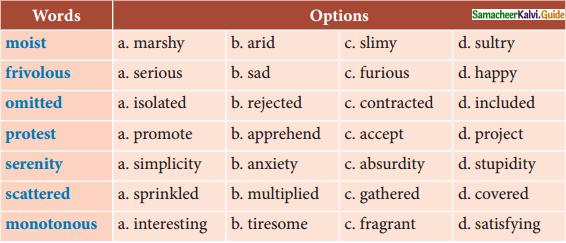
(ரோஜர் தம் பணியைச் செய்யத் திரும்பப் போகிறார்) கற்றறிந்த எந்த தொழிலையும் திறம்படச் செய்வதற்கு ……. (அவர் நசுக்கப்பட்ட ஒரு காகிதத்துண்டை தன்னுடைய சட்டைப் பையில் காண்கிறார். அதை மென்மையாக வெளியே எடுக்கின்றார். விருப்பம் இல்லாமல் அதை சாதாரண தாளாக வைக்கிறார்).

விளக்கம், என் அன்புள்ள ரோஜர் விளக்கத்திற்கு கவனம் அதுதான், உயர்வின் தொடக்கம். அது….. சிறிது கஷ்டத்துடன் அந்த காகிதத்துண்டில் என்ன எழுதியிருக்கின்றது என்பதை தானே படிக்கின்றார். (சீஸரை நினைவுகொள்) தெளிவற்ற உற்சாகத்தோடு மீண்டும் படிக்கிறார்.

ஏதோ இழந்தவரைப் போல அந்தத்தாளை முன்னும் பின்னுமாகத் திருப்பிப் பார்க்கின்றார். அதன்பின் ஒரு பயங்கரமான கருத்து அவருக்குத் தோன்றுகிறது. ரோஜரை நோக்கி, இன்று என்ன தேதி? (மீண்டும் ரோஜர் தன்னுடைய பணியில் மூழ்கி இருக்கிறார். பதில் அளிக்கவில்லை ) ரோஜர்,,,,, நான் கேட்டேன் இது மாதத்தின் எந்த நாள்?

ரோஜர் : (சிரமத்துடன் இடைவெளி விட்டு இது 15வது நாள் எஜமானரே.

வெஸ்டன் : 15வது? மார் இன் 15 வது நாள் “இட்ஸ் ஆஃப் மார்ச் (மீண்டும் காகிதத்தாளை பார்த்துக் கொண்டு பயங்கரமான தாழ்ந்த குரலில்) சீஸரை நினைவுகொள் (உரத்தக்குரலில்) ஆஹா அவர்கள் என்னைக் கொல்ல நினைக்கிறார்கள்? அவர்கள் என்னை கொல்ல நினைக்கிறார்கள்? (ரோஜர் வியப்புடன் அந்த இடத்திற்கு வருகிறார்.

மக்களுக்கு நீதிபதியாக இருந்தாலே இப்படிதான். (அவருடைய பெருமை கிளர்ச்சியில் கரைந்து விடுகிறது) நீதியின் ஒரு கருவியாக இருந்தாலே இப்படித்தான். விரைவிலோ, தாமதமாகவோ, தெருக்களில் பழி தீர்த்தல் கிடக்கிறது. ஒரு நீதிபதி, நீதிபதியாக இருக்க அதிக அளவு அச்சமற்றவராக இருக்க வேண்டும். (வியப்பில் ஆழ்ந்த ரோஜரின் முகத்தில் அந்த காகிதத் துண்டை வீசுகிறார்) அந்த அளவுக்கு வெறுப்பு நிலவுகிறது.

ரோஜர் : பிரபுவே இது என்ன? இது என்ன?

Samacheer Kalvi 12th English Guide Supplementary Chapter 6 Remember Caesar (Play)

வெஸ்டன் : நான் கவனத்துடன் இல்லாவிட்டால், (இது ஒரு மரணதண்டனை நிறைவேற்றும் ஆணை. நாம் எந்த வழக்குகளைப் பெற்று இருந்தோம்? தேசத்துரோக வழக்கில் கையூட்டுப் பெற நான் மறுத்துவிட்டேன். (இந்த தற்பெருமை அவருக்கு ஆறுதல் அளிக்கிறது) கடற்கொள்ளையர் இரு தரப்பினரும் என்னை வெறுக்கின்றார்கள் அல்லது அந்த பாதசாரி கொள்ளைக்காரனா.

ரோஜர் : இந்த காகிதத்தாள் ஓர் அச்சுறுத்தலா? எங்கே இருந்து இது வந்தது?

வெஸ்டன் : இது என் கோட் பையில் இருந்தது. யாரோ இதை… ஆம், இப்பொழுது நான் நினைத்துப் பார்க்கிறேன். நேற்று நான் நீதிமன்றத்தை விட்டு வரும்போது ஒரு மனிதன் என்னை உரசிக் கொண்டு போனான். அவன் குள்ளமான, தீயபார்வை கொண்ட மிகவும் அச்சமூட்டுபவன்.

ரோஜர் : இந்த காகிதத்தாள் என்ன சொல்கிறது?

வெஸ்டன் : (தன்னுடைய செயலாளரின் ஆவலைக் கவனித்த வகையில் தன்னுடைய தலைவிதியைப் பற்றிய நினைவில் மூழ்கியவராக) இது கதவின் சற்று அருகில் நடந்தது. மன்னிப்புக் கோருவதற்காக அவன் காத்திருக்கவில்லை. எனக்கு நினைவு இருக்கின்றது. நன்று. அவர்களின் எச்சரிக்கைக்காக, நான் நன்றி மட்டும் செலுத்த முடியும். என்னால் உதவி செய்ய முடியுமானால் நான் என்னுடைய காலத்திற்கு முன்னதாகவே இறந்து விடலாம்.

ஆனால், இன்று இல்லை. உடனே கீழே செல். எல்லாக் கதவுகளையும் பூட்டி விடு. தாழ் போட்டு விடு. சங்கிலி போட்டு விடு மற்றும் என் மனைவியை உடனே என்னிடம் வருமாறு சொல். உடனே. நில் வீட்டில் அறிமுகமற்றவர்கள் யாராவது இருக்கிறார்களா? வேலை ஆட்கள் அல்லது அத்தகையவர்கள்?

ரோஜர் : தோட்டக்காரன் ஜோயல் மட்டும்தான் பிரபுவே. அவன் கீழ் தளத்தில் ஜன்னல்களை சுத்தம் செய்து கொண்டு இருக்கிறான். (ஜோயல் சற்றுமுன் வெளியே போகிறான் என்று தன் தலையால் சுட்டிக் காட்டுகிறான்)

வெஸ்டன் : உடனே அவனை வெளியே அனுப்பி விடு. அவனிடம் ஒவ்வொன்றையும் விட்டுச் செல்ல சொல்லிவிடு போ. அவன் வெளியே போனவுடன் கதவைப் பூட்டி விடு. ஜன்னல்களும் மூடி இருப்பதை பார்த்துக் கொள்.

கொலைகாரன் இருப்பதாக நினைத்துக் கொண்டு…..

வெஸ்டன் : (துப்பாக்கி ஏந்தியவாறு அலமாரியை நோக்கி வெளியே வா. நான் சொல்கிறேன் வெளியே வா! (நிசப்தம்) உன் ஆயுதத்தைக் கீழே போடு. வெளியே வா. இல்லாவிடில் இப்பொழுது நான் உன்னை சுட்டு விடுவேன்.

(இன்னும் நிசப்தம் நிலவுவதால் தானாகவே அலமாரியின் கதவுக்கு அருகில் செல்கின்றார். அது காலியாக உள்ளது. நிம்மதி கிடைத்தவுடன் வெட்கப்படுகிறார். அவசரமாக துப்பாக்கியை மேஜை டிராயரில் திரும்பப் போடுகிறார்).

Samacheer Kalvi 12th English Guide Supplementary Chapter 6 Remember Caesar (Play)

மகிழ்ச்சியான மற்றும் குறிக்கோளுடன் கூடிய திருமதி. வெஸ்டன் பிரவேசிக்கின்றார். ஒரு கவர்ச்சி மிக்க படைப்பு. அவர் ஒரு மிகச்சிறந்த இல்லத்தரசி என்பதை ஒரே பார்வையில் ஒருவர் அறிந்து கொள்ளலாம். அவர் எந்த அளவு புத்திசாலி என்பதையும் அவருடைய செயல்ரீதியான எளிமை, அவருடைய இனிமையான தீய எண்ணத்திற்கு பின்னால் அமைந்திருப்பதை யாரும் உறுதியாகச் சொல்ல முடியாது.

திருமதி, வெஸ்டன் : (உள்ளே வரும் போதே பின்னால் பார்த்துக் கொண்டு, தோட்டக்காரன் ஜோயல் கீழ் தளத்தில் தண்ணீர் பாத்திரங்களை விட்டுச் செல்லக் கூடாது என்று நான் விரும்புகின்றேன்! என்ன இது. ரிச்சர்ட்?

வெஸ்டன் : என் அன்புக்குரியவளே. உன் கணவனின் உயிர் மிக்க ஆபத்தில் உள்ளது.

திருமதி, வெஸ்டன் : சென்ற முறை வேட்டையாடப்பட்ட மாமிசத்துண்டை நீங்கள் சாப்பிட்டுக் கொண்டு இருக்கும் போது ஆபத்தில் இருந்தீர்கள். இந்த முறை என்ன?

வெஸ்டன் : (அவளுடைய கேலிப்பேச்சை அறியாதவராக) ஒரு கொலை!

திருமதி. வெஸ்டன் : நன்று. நன்று! நீங்கள் எப்பொழுதும் ஒரு பெரிய மனிதராக வர விரும்பினீர்கள். இப்பொழுது உங்கள் விருப்பத்தை பெற்று இருக்கிறீர்கள். ஏதோ ஒரு கொலை வழக்கு நினைத்துக் கொண்டு பேசுகிறாள்).

வெஸ்டன் : நீ என்ன கருதுகிறாய்?

திருமதி. வெஸ்டன் : அவர்கள் யாரையும் கொலை செய்யவில்லை.

வெஸ்டன் : (காகிதத்தாளை அவளுக்குக் காட்டியவாறு அதைப்படி. உன்னால் சிரிக்க முடிந்தால் பார்.

திருமதி. வெஸ்டன் : நான் சிரித்துக் கொண்டு இருக்கவில்லை. (படிக்க முயற்சித்தவாறு எவ்வளவு பயங்கரமான கிறுக்கல்.

வெஸ்டன் : ஆமாம், ஒரு மூர்க்கனின் நச்சு நிறைந்த கிறுக்கல்கள்.

திருமதி, வெஸ்டன் : (புரிந்துகொண்டவாறு “சீஸரை நினைவுகொள்“ இது ஒரு புதிரா?

வெஸ்டன் : இது ஒரு மரண அழைப்பு. இன்று என்ன நாள் என்று உனக்குத் தெரியுமா?

திருமதி, வெஸ்டன் : வியாழக்கிழமை

வெஸ்டன் : மாதத்தின் என்ன நாள்?

திருமதி. வெஸ்டன் : அநேகமாக 12. நான் யூகிக்கின்றேன்.

வெஸ்டன் : (பொருள்பட) இது பதினைந்து மார்ச்.

திருமதி, வெஸ்டன் : கடவுள் இரக்கம் காட்டுவாராக. உங்கள் அன்புச் சகோதரியின் பிறந்த நாள். நாம் அவளுக்கு தேவையான குவளைமலர்களைக் கூட பரிசாக அனுப்பவில்லை.

வெஸ்டன் : நான் முன்பே கைவிட்டு விட்டேன். பிரான்ஸிஸ். உன்னுடைய உள்ளத்தில் தீர்க்கமுடியாத வியாதி அது. மார்ச் 15 அன்று சீஸர் சட்டமன்றத்தில் கொல்லப்பட்டார்.

திருமதி, வெஸ்டன் : ஆமாம். நிச்சயமாக எனக்கு நினைவு இருக்கிறது. அவர்கள் சீஸரின் புகழுக்கு நிகராக நிற்க முடியவில்லை.

வெஸ்டன் : (நிரூபித்க் காட்டியவாறு அவர் ஒரு மாபெரும் மனிதராக இருந்தார்.

திருமதி. வெஸ்டன் : (இரக்கத்துடன்) ஆம் என் அன்புமிக்கவரே. நிச்சயமாக அவர் இருந்தார். (மீண்டும் அந்த காகிதத் துண்டைப் பார்த்தவாறு) யாரோ ஒருவர் உங்களைக் கொலை செய்ய நினைத்துக் கொண்டு இருக்கிறாரா?

வெஸ்டன் : தெள்ளத் தெளிவாக.

Samacheer Kalvi 12th English Guide Supplementary Chapter 6 Remember Caesar (Play)

திருமதி. வெஸ்டன் : நீண்ட நாட்களுக்கு முன்னதாகவே யாரும் இதை செய்யவில்லை என்று ஆச்சர்யப்படுகிறேன். (அவர் கண்ணில் வியப்பு நிறைந்த பார்வை ஏற்படும் முன்) பெரும்பாலான மக்கள் நீதிபதிகளை வெறுக்க வேண்டும். நீங்கள் ஒரு கண்டிப்பான நீதிபதி என்று அவர்கள் சொல்கின்றார்கள்.

வெஸ்டன் : கண்டிப்பாக இருப்பது சட்டம்தான். நான் ஒரு நீதிபதி. அன்புள்ள பிரான்ஸிஸ், வித்தைக்காரன் இல்லை. மக்கள் கூட்டத்தை மகிழ்விக்க நான் சட்டத்தை திரித்துக் கூறவில்லை. அவர்கள் விருப்பப்படும் நாளன்று இறந்து நான் அவர்களை மகிழ்விக்க மாட்டேன்.

திருமதி. வெஸ்டன் : இல்லை, நிச்சயமாகவே இல்லை. இன்று நீங்கள் வீட்டைவிட்டு வெளியே போகமாட்டீர்கள். அழகிய லேசான விருந்து மற்றும் ஒரு டம்ளர்….

வெஸ்டன் : நான் எல்லாக் கதவுகளையும் வழியையும் அடைத்து தடைசெய்ய ரோஜர்-ஐ அனுப்பியுள்ளேன். தரைதளத்தையும் மூடுவது புத்திசாலிதனம் என்று நான் நினைக்கின்றேன். அவைகள் யாருக்காகவும், திறக்கப்படாமல் இருக்கப் பார்த்துக் கொள்ள வேண்டும்.

திருமதி. வெஸ்டன் : பிரெஞ்சுக்காரர்களையும். டச்சுக்காரர்களையும் ஒரு சேர நீங்கள் எதிர்பார்த்துக் கொண்டு இருக்கிறீர்களா? இது காலை நேரம். திரு. காம்மென்ஸ்-ஸின் பையன் மளிகைப் பொருட்கள் கொண்டு வருவான். நான் எப்படி வாங்குவது)…..

வெஸ்டன் : உனக்கு, உன் கணவனின் உயிரைவிட சிறிதளவு மிளகு பெரியதா, அன்பே?

திருமதி. வெஸ்டன் : இது சிறிதளவு மிளகு அல்ல. பெருமளவு மாவு. ரொட்டி பற்றாக்குறையாகிவிட்டால், குழம்பு தண்ணீர் மாதிரி இருந்தால் நீங்கள்தான் குறை கூறுவீர்கள். (காகிகத் துண்டை அவரிடம் திரும்பக் கொடுத்து இந்த சிறிய காகிதத் துண்டு உங்களைத்தான் குறிக்கின்றது என எப்படி தெரியும்?

வெஸ்டன் : ஏனெனில் அது என் பாக்கெட்டில் இருந்தது. என் புகைக்குழாயைப் பற்ற வைக்க ஏதோ ஒன்றைப் பார்த்துக் கொண்டிருக்கும்போது இதை நான் கண்டேன். (பொருள்பட) அங்கே (பையில்) ஓட்டைகள் இல்லை.

திருமதி. வெஸ்டன் : ஓட்டைகள் இல்லையா. பின்னே என்ன மறுபடியும்? ரிச்சர்ட் நீங்கள் அளவுக்கு மீறி புகைக்கிறீர்கள்.

வெஸ்டன் : (அவசரமாகத் தொடர்ந்து) நேற்று என்னை உரசிக் கொண்டு போன மனிதனால் இது என் பாக்கெட்டில் நழுவவிடப்பட்டது. ஒரு கருத்த ஒல்லியான கெட்ட முகமுடைய மனிதன்.

Samacheer Kalvi 12th English Guide Supplementary Chapter 6 Remember Caesar (Play)

திருமதி. வெஸ்டன் : அவன் மிகவும் தீமையானவன் என்று நான் கருதவில்லை.

வெஸ்டன் : இதைப்பற்றி உனக்கு என்ன தெரியும்! (ஒரு நாற்காலியில் சாய்ந்தவாறு நிறுத்து பிரான்ஸிஸ் நிறுத்து! இது என்னை மனம் உடையச் செய்கிறது….. (வீட்டைச் சுற்றி ஓடோடிப் பார்த்தப்பின் ரோஜர் பிரவேசிக்கிறார்).

வெஸ்டன் : ஹாய் ரோஜர்! நீ எல்லாவற்றையும் பார்த்து விட்டாயா? ஒவ்வொரு கதவும் பூட்டப்பட்டதா? ஒவ்வொரு ஜன்னலும் பூட்டப்பட்டதா? பணியாளர் எல்லாம் வெளியேறிவிட்டார்களா?

ரோஜர் : (சற்று சஞ்சலப்பட்டவனாக) எல்லா கதவுகளும், சமையலறை கதவு ஒன்றைத் தவிர. பிரபுவே!

வெஸ்டன் : (கோபத்துடன்) ஏன் சமையலறை ஒன்று மட்டும் பூட்டவில்லை?

ரோஜர் : (உளறிக்கொண்டு சமையல்காரி நினைக்கிறாள்…. அதாவது…. அவள் சொன்னாள்.

வெஸ்டன் : சரி. பேசு, அவள் என்ன சொன்னாள். சமையலறைக் கதவை நான் பூட்டச்சொன்னதைப் பற்றி அவள் என்ன நினைக்கிறாள்?

ரோஜர் : (வேகத்துடன்) தான் ஒரு மரியாதைக்குரிய பெண் என்றும் தன் வாழ்நாளில் தாழிடுவதில்லை என்றும், தன் வயதில் (தவறு செய்ய துவங்க வில்லையென்றும்) சமையலறைக் கதவு பக்கம் யார் வந்தாலும் சமாளிக்க முடியும் என்று அவள் சொன்னாள்.

வெஸ்டன் : அவளை தன் பொருட்களைக் கட்டிக் கொண்டு வீட்டைவிட்டு உடனே வெளியேறச் சொல்.

திருமதி. வெஸ்டன் : உங்கள் அபிமான உணவுகளை யார் சமைப்பது? நீங்கள் சொன்னபடி எல்லாக் கதவுகளும் மூடப்படுவதை நான் பார்க்கிறேன். எப்பொழுதும் நாம் மேல் ஜன்னல் வழியாக (ஒரு வேளை மளிகை சாமான்கள் கொண்டு வரப்பட்டால்) மளிகைச் சாமான்களை இழுக்க முடியும்.

வெஸ்டன் : (தம்மைத்தாமே கட்டுப் படுத்திக்கொண்டு ஆவல் மிகுந்த இந்த நேரத்தில் இத்தகைய கீழ்த்தரமான யோசனை ஏற்றதல்ல. பிரான்ஸிஸ். நீ மோசமானவள்.

திருமதி. வெஸ்டன் : உங்களுக்கு இது கீழ்த்தரமானதாகத் தோன்றவில்லையா? என்ன விசித்திரம்? (கதவுகளை) சுவர்களை மூடி மேற்கூரை வழியாக அனுமதிப்பது புதுமையானது என நான் நினைத்தேன். எப்படியோ! (அவள் மீண்டும் அறைக்குள் வருகிறாள். அறையின் வெவ்வேறு இடங்களிலிருந்து இரண்டு மெழுகுவர்த்தித் தாங்கிகளை எடுக்கிறாள் கதவு பக்கம் போகிறாள்).

Samacheer Kalvi 12th English Guide Supplementary Chapter 6 Remember Caesar (Play)

வெஸ்டன் : இவற்றால் நீ என்ன செய்ய விரும்புகிறாய்?

திருமதி. வெஸ்டன் : தரைத்தளத்தில் இருளில் மூழ்கி கிடப்போமானால் நாம் எல்லா மெழுகுவர்த்திகளையும் சேகரிக்க
விரும்புவோம் வெளியேறுதல்).

வெஸ்டன் : பெண்களின் புத்தி தொடர்பற்ற கருதப்படாத செயல்களில் ஈடுபடுவது எனக்கு முடிவற்ற வியப்பாக தோன்றுகிறது. (தான் என்ன செய்கிறோம் என்பதைக் கவனிக்காமல் தீமாடத்தின் பக்கம் நகர்கின்றார்.

புகைக்கூண்டில் தலையை ஒட்டி வைத்து அதன் அகலத்தை பார்ப்பதைப் போல இருக்கிறார். தலையை திரும்ப எடுத்தவாறு ரோஜர் நின்று கொண்டு கவனிப்பதை அறிகிறார்) நீ உன் வேலையை மறுபடியும் தொடராமலிருக்க, எந்த காரணத்தையும் நான் காணவில்லை, ரோஜர்.

ரோஜர் : எஜமானரே, நீங்கள் ஆபத்தில் சிக்கி இருக்கும்போது, வேலை செய்வது என் அதிகாரத்துக்கு அப்பாற்பட்டது. என்னால் செய்ய முடிந்த எதுவும் இல்லையா?

வெஸ்டன் : (மிகவும் முகஸ்துதி செய்யப்பட்டவராக) முட்டாள். என் அன்பு ரோஜர், முட்டாள். எனக்கு எதுவும் நடக்கப் போவதில்லை.

ரோஜர் : ஒருவேளை நான் சென்று அதிகாரிகளை தடுத்து எச்சரிக்கிறேன்.

வெஸ்டன் : (மிகவும் வீரமாக) இல்லை , இல்லை, இல்லை. என் காலடியில் ஒரு பாதுகாவலரை வைத்து என் மீதி வாழ்க்கையை கழிக்க வேண்டுமா? உன் வேலையைத் தொடர்ந்து செய் மற்றும் ….. (அவர் கண்கள், வலதுபுறச் சுவரில் ஒரு நாற்காலியில் கிடக்கும் பார்சலைப் பார்த்து, ஒளிர்கின்றன. சுமார் 18 ஓ 10 ஒ 4 அங்குல அளவுள்ள கன செவ்வகப் பெட்டி அது. ஒரு மெல்லிய கயிற்றால் கட்டப்பட்டுள்ளது. தீவிரமாக) என்ன இது?

ரோஜர் : இன்று காலை அது உங்களுக்காக வந்தது ஐயா,

வெஸ்டன் : என்ன அது?

ரோஜர் : (தன் குரலில் லேசான துவக்கச் சந்தேகத்துடன்) எனக்குத் தெரியாது, பிரபு. இதை எடுத்துக்
கொண்டு வந்தவர் இன்று இதை பெறுவது உங்களுக்கு மிகவும் முக்கியம் என்று சொன்னார்.

வெஸ்டன் : நீ அது என்னவென்று கேட்கவில்லையா, முட்டாள்.

Samacheer Kalvi 12th English Guide Supplementary Chapter 6 Remember Caesar (Play)

ரோஜர் : (பணிவுடன்) அது என்னுடைய வேலையாக எனக்குத் தோன்றவில்லை. நான் ஒரு போதும் தங்களுடைய விசயத்தைப் பற்றி கேட்பதில்லை. தங்களுக்கு இந்த பார்சலை காட்டிவிட்டேன். இது வந்த போது அங்கேயே விட்டுவிடு என்று சொன்னீர்கள்.

வெஸ்டன் : (அந்த பொருளின் மீது, அதிகரிக்கும் அசாதாரண மனநிலையுடன் எட்டிப் பார்த்தவாறு இதைக் கொண்டு வந்தவன் என்ன விதமான மனிதன்? அவன் குட்டையாக, கருப்பு நிறமாக இருந்தானா?

ரோஜர் : (அதைப்பற்றித் தெளிவாக கவனிக்காமல் இருந்ததால்) அவன் குட்டையாக இருந்தான் என நினைக்கிறேன். ஆனால் கருப்பாக இல்லை அவன் தொப்பி முகத்தை மறைத்துவிட்டது. நான் நினைக்கிறேன், அவன் மேவாய்க் கட்டையில் ஒரு மச்சம் இருந்தது. ஆனால் நான்…. இது ஒரு ……..

வெஸ்டன் : மச்சமா? (அவர் கற்பனை வேலை செய்கிறது) ஒரு மச்சம் ஆம். ஆம். அந்த மனிதனுக்கும் ஒரு மச்சம் தாடையில் வலது புறம். அவன் இங்கே நின்று இருப்பது போல் நான் பார்க்கிறேன். நாம் இதில் இருந்து உடனே விடுபட வேண்டும்.

ரோஜர் : இது ஓர் நரக கொல்லும்) இயந்திரம் என்று நினைக்கிறீர்களா அய்யா? நாம் இதை வைத்து என்ன செய்வோம்?

வெஸ்டன் : (பக்கவாட்டு ஜன்னலைச் சுட்டிக் காட்டி ஜன்னலைத் திற, நான் இதை என்னால் முடிந்த அளவுக்கு தோட்டத்தில் தூக்கி எறிகின்றேன்.

ரோஜர் : ஆனால் அது வெடித்து விடலாம், ஐயா நாம் அதை எறிந்தோமானால்.

வெஸ்டன் : நாம் எறியாவிட்டால் அது வெடித்து விடலாம், என்பது நிச்சயம். அது எவ்வளவு நேரமாக இங்கே
இருக்கிறது?

ரோஜர் : சுமார் 9 மணிக்கு அது வந்தது, அய்யா.

வெஸ்டன் : (மன வேதனையுடன்) சுமார் மூன்று மணி நேரத்துக்கு முன். ரோஜர், ஜன்னலைத் திற

ரோஜர் : இல்லை அய்யா. நீங்கள் ஜன்னலைத் திறங்கள், நான் அதைக் கையாளுகிறேன். என் உயிர் ஒன்றுமில்லை. உங்கள் உயிர் இங்கிலாந்து நாட்டுக்கு மதிப்பு மிக்கது.

வெஸ்டன் : இல்லை. ரோஜர் இல்லை. நீ இளைஞன். நான் என் வாழ்க்கையைக் கழித்து விட்டேன். உலகில் நீ இன்னும் செய்ய வேண்டிய பெரும்பணிகள் உள்ளன. நீ வாழ வேண்டும். என் வாழ்க்கையை வருங்கால சந்ததியருக்கு எழுதிவிடு.

நான் சொல்வதைச் செய். நீ மிகுந்த கவனத்துடன் கையாள நான் வாக்குறுதி தருகின்றேன். (ரோஜர் ஜன்னல் பக்கம் விரைந்து ஓடுகிறான்) இல்லை. காத்திரு. ஒரு சிறந்த யோசனை. தோட்டக்காரனின் வாளி, அது இன்னும் படிக்கட்டில்தான் உள்ளது?

Samacheer Kalvi 12th English Guide Supplementary Chapter 6 Remember Caesar (Play)

ரோஜர் : ஆம். ஆம். நிச்சயமாக (அவன் அறையை விட்டுச் செல்கிறான்) ஒரு நொடியில் திரும்ப வரும் போது, சுத்தப்படுத்தும் கந்தல் துணி தொங்கிக் கொண்டிருக்கும் தண்ணீர் நிரம்பிய மரவாளியை எடுத்துக் கொண்டு வருகிறான்.

Samacheer Kalvi 12th English Guide Supplementary Chapter 6 Remember Caesar (Play) 1

வெஸ்டன் : பின்னால் நில். (அவர் அச்சத்துடன் பார்சலை எடுக்கின்றார்) என்ன நடக்கும் என்று நமக்கு தெரியாது. (அவர் பார்சலை நீளவசமாக பாத்திரத்தில் இடுகிறார், தம்முடைய கையை முழு நீளத்திற்குப் பயன்படுத்துகிறார். தலையைப் பின்னோக்கி வைக்கிறார். கண்களின் ஓரங்களில் இருந்து பார்க்கின்றார். போதியளவு தண்ணீர் இல்லை. அதை (பார்சலை) மறைக்கும் அளவுக்கு இல்லை.
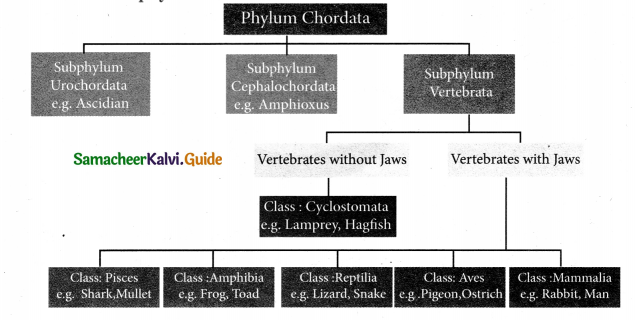
ரோஜர் : ஒரு வினாடிக்குள் நான் கொஞ்சம் தண்ணீர் கொண்டு வருகிறேன்.

வெஸ்டன் : இல்லை போகாதே. அந்த மலர்கள் (மலர்த் தொட்டியைச் சுட்டிக்காட்டுகிறார்)

ரோஜர் : நிச்சயமாக (மலர் தொட்டியில் அமைக்கப்பட்டிருந்த டாபடில்ஸ் மலர்களை இழுத்து ஆவேசமாக மேஜையின் பக்கம் எறிகின்றார். (அதிலிருந்த தண்ணீ ரை மரத்தொட்டியில் கொட்டுகிறார்) ஆ… வேலை முடிந்துவிட்டது.

வெஸ்டன் : (ரும்பிக்கை இழந்தவரா பார்சலில் இருந்து தம்முடைய கையை எடுக்கின்றார்) இப்பொழுது அது மிதக்கத் துவங்கும். அது முழுவதும் ஈரமாகிவிடும் அல்லது பயன் இல்லாமல் போகும்.

ரோஜர் : அது உள்ளே மூழ்குவதற்கு கீழே செல்வதற்கு நாம் அதன் மீது கனமான பொருளை வைக்க வேண்டும்.

வெஸ்டன் : ஆம். ஆம். ஏதாவது ஒன்றை எடுத்து வா.

வெஸ்டன் : நான் என்ன எடுப்பேன்?

வெஸ்டன் : ஏதாவது ஒன்று, கனமான தொட்டிக்குள் பொருத்தமான புத்தகங்கள். ஏதாவது ஒன்று.

ரோஜர் : (பயம் இல்லாவிட்டால் மட்டும், இவருக்கு புத்தகங்கள் மரியாதைக்குரிய பொருள்கள்) புத்தகங்களா ஐயா? ஆனால், அவைகள் மிகவும் நினைந்துவிடுமே, இல்லையா?

வெஸ்டன் : கடவுள் பெயரைச் சொல்லி அடுக்குகளில் உள்ள முதல் 6 புத்தகங்களைக் கொண்டு வா.

Samacheer Kalvi 12th English Guide Supplementary Chapter 6 Remember Caesar (Play)

ரோஜர் : (புத்தகங்களை எடுத்துக்கொண்டு வருகிறார். இது உதவி செய்யாது என்று நான் கருதுகின்றேன். இத்தகைய அழகான பைண்டிங் செய்யப்பட்டவை. (மரத்தொட்டியின் மேல் இருந்த ஈரத்துணியை எடுத்து அதை தரை விரிப்பின் மீது போட்டு புத்தகங்களை (அதில் சுற்றி மூட்டையாக்கி தண்ணீரில் போடுகிறார். இதனால் இயல்பாக தண்ணீர் மேலே வழிகின்றது.

வெஸ்டன் : தன்னுடைய கைகளை வெளியே எடுத்து நிம்மதிப் பெருமூச்சுடன் பின்னோக்கி உட்காருகின்றார். நன்றாக, உண்மையாக மூழ்கிவிட்டது. (தம் நெற்றியைத் துடைக்கின்றார் ரோஜர் அருகிலுள்ள நாற்காலியில் அமர்கின்றார்) (திருமதி வெஸ்டன் ஒரு தட்டில் மதுபானமும், சில பிஸ்கட்டுகளும் வைத்துக் கொண்டு பிரவேசிக்கின்றார்)

திருமதி, வெஸ்டன் : (அவர்களின் விசித்திர (செயலைக்) தொழிலைக் கண்டு ரிச்சர்ட்! இந்த தொட்டியில் நீங்கள் என்ன வைத்திருக்கிறீர்கள்?

வெஸ்டன் : இன்று காலையில் வந்த பார்சல். இதைக் கொண்டு வந்தவன்தான் நேற்று என்னை உரசிக்கொண்டு என் பாக்கெட்டில் அந்தக் காகிதத் துண்டைப் போட்டவன். முட்டாள்கள்! நான் இதை திறந்து பார்ப்பேன் என்று எண்ணி இருந்தார்கள். (இப்பொழுது அவர் நிம்மதியாக இருக்க தொடங்குகின்றார்) ஆனால், அந்த பலருக்கு, நாம் ஒருவரே போதும்.

திருமதி. வெஸ்டன் : (மிகவும் நம்பிக்கை இழந்தவராக) நீங்கள் அழகிய புத்தம் புதிய ஒன்றை …… கெடுத்துவிட்டீர்கள்….

வெஸ்டன் : (ஆத்திரத்துடன் இடைமறித்து) பிரான்ஸிஸ் (இடி இடிப்பதைப் போல் அவள் பெயர் சொன்னதால் அவள் பேச்சு அணைக்கப்படுகிறது.) நீ சொன்ன புத்தகம் என்ன புதிய பொருள். உன்னுடைய கணவனின் உயிர் ஆபத்தில் இருக்கும் போது தரைவிரிப்பு ஒரு பொருட்டா? நீ எனக்கு அதிர்ச்சி ஊட்டுகின்றாய்.

திருமதி. வெஸ்டன் : (தரைவிரிப்பை பற்றி அவள் சொல்லவில்லை தரை விரிப்பா? (இடைவெளிக்குப் பின் நிதானமாக)
இல்லை. நிச்சயமாக இல்லை. நான் உங்கள் பாதுகாப்புக்கு எதிராக, ஆசியாவிலேயே மிக்க அழகிய எந்த ஒரு பொருளையும் எடைபோட கனவில் கூட நினைக்கவில்லை. உங்களுக்குத் தெரியும். நீங்கள் இப்படி இருப்பதை டாக்டர் ஏற்றுக் கொள்ளமாட்டார்.

வெஸ்டன் : ஒரு வேளை, வசந்தகால காலை நேரத்தில் டாக்டர் தன் கதவின் அருகே நரக எந்திரத்தை வைத்திருக்கமாட்டார்.

திருமதி. வெஸ்டன் : (நிதானத்துடன் ஜன்னலுக்கு எதிராக தொங்கிய உருவப்படத்தின் மீது தன் கண்களைச் செலுத்தினார்) எங்கள் மூத்த அத்தை சிசிலியின் உருவப்படத்தை அகற்றுவது சிறந்தது என்று நீங்கள் நினைக்கிறீர்களா?

வெஸ்டன் : கடவுள் பெயரால், ஏன்?

Samacheer Kalvi 12th English Guide Supplementary Chapter 6 Remember Caesar (Play)

திருமதி. வெஸ்டன் : ஜன்னல் வழியாக சுடப்படும் போது அவள் உருவப்படம் நேர்க்கோட்டில் அமைகிறது.

வெஸ்டன் : ஜன்னல் வழியாக ஏன் யாரும் சுட வேண்டும், நான் கேட்கலாமா?

திருமதி. வெஸ்டன் : (நிதானமாக அந்த குரலை ஆட்சேபனை செய்பவராக) நான் உங்கள் உடைமைகளை பற்றி சிந்தித்துக் கொண்டு இருந்தேன். என் அன்புமிக்க ரிச்சர்ட், யாராவது ஒருவர் அந்த அய்லெக்ஸ் மரத்தில் உட்கார்ந்து கொண்டு……

வெஸ்டன் : ஓடி வந்து) பிரான்ஸிஸ்! அய்லெக்ஸ் மரத்தைப் பற்றிச் சிந்திக்க உன்னைத் தூண்டியது எது?

திருமதி. வெஸ்டன் : நான் அங்கே இருந்துதான் உங்களைச் சுட்டு இருப்பேன். அதாவது நான் உங்களை சுடப்போனால் அந்த மரத்தின் இலைகள் ஒருவரை மறைப்பதற்கு போதிய அளவு அடர்த்தியாக உள்ளன. இருப்பினும் அவர்களின் பார்வையை மறைக்க போதுமானது இல்லை.

வெஸ்டன் : அந்த ஜன்னலை விட்டு வந்து விடு.
திருமதி. வெஸ்டன் : என்ன?
வெஸ்டன் : அந்த ஜன்னலிலிருந்து தூரமாக வா.
திருமதி. வெஸ்டன் : (அவர் பக்கம் நகர்ந்து) என்னை யாரும் சுடப் போவதில்லை.
வெஸ்டன் : (அறைக்கு வெளியே ஓடி வந்து தரை தளத்திலிருந்து வரும் ரோஜரை அழைத்தவராக) ரோஜர்! ரோஜர்!

ரோஜர் : (வெகு தொலைவிலிருந்து) என் பிரபுவே?
வெஸ்டன் : தோட்டக்காரன் போய் விட்டானா?
ரோஜர் : இல்லை பிரபுவே. சமையலறை ஜன்னலுக்கு வெளியே சாப்பிட்டுக் கொண்டு இருக்கிறான்.

வெஸ்டன் : நான் சொல்லும் வரை அவனை அய்லெக்ஸ் மரத்தின் அடியில் உட்காரச் சொல்.

ரோஜர் : அய்லெக்ஸ் மரமா? சரி பிரபுவே. (வெஸ்டன் திரும்ப வந்து தன்னுடைய கைத்துப்பாக்கி வைத்திருந்த மேஜை டிராயர் பக்கம் போகின்றார்)

திருமதி, வெஸ்டன் : (அவர் கைத்துப்பாக்கியை வெளியே எடுக்கும்போது) அன்புள்ள ரிச்சர்ட், கவனமாக இருங்கள்.
அது மிகவும் ஆபத்தான ஆயுதம்.

வெஸ்டன் : அது மிகவும் ஆபத்தான ஆயுதம்.

வெஸ்டன் : (கம்பீரமாக) எனக்குத் தெரியும்

திருமதி, வெஸ்டன் : சரி, கொலைகாரனை முறியடிக்க இது ஒரு மோசமான வழி என்று நான் நினைக்கிறேன்.
வெஸ்டன் : எது?
திருமதி, வெஸ்டன் : ஒருவர் தம்மையே தாக்குவது. (டாபடில்ஸ் மலர்களின் கோப்பையை எடுத்துக் கொண்டு ரோஜர்
பிரவேசிக்கிறார்)

வெஸ்டன் : (அவர் உள்ளே வரும் போது அவரைச் சுற்றிப் பார்க்கின்றார்) ஜோயல் மரத்தின் அடியில் உட்கார
போய்விட்டானா?

Samacheer Kalvi 12th English Guide Supplementary Chapter 6 Remember Caesar (Play)

ரோஜர் : ஆம், ஐயா, (மலர்க் கோப்பையை வைத்து விட்டு, பக்கவாட்டு ஜன்னலின் பக்கம் போகிறார்) நான் உங்கள் செய்தியை அவனுக்குச் சொல்லிவிட்டேன்.

வெஸ்டன் : அந்த ஜன்னலில் இருந்து விலகி நில். (ரோஜர் வியப்புடன் பார்க்க) அய்கெல்ஸ் மரத்தில் யாராவது
இருக்கலாம்.

ரோஜர் : ஆனால் அவர்கள் உங்களைச் சுடுவதற்கு முயற்சிப்பார்கள் என்று நீங்கள் நினைக்கின்றீர்களா. அத்துடன்……. (அவர் வாளியை சுட்டிக்காட்டுகிறார்)

வெஸ்டன் : யாருக்குத் தெரியும்? நீ ஒரு குற்றவாளி மனதுடன் இதைக் கையாளும் போது, நான் சொல்லும் வரையில் …. நீ தோட்டக்காரனிடம் பேசுவதற்கு கதவைத் திறந்தாயா?

ரோஜர் : இல்லை பிரபுவே. நான் ஷட்டர் வழியே பேசினேன்.

வெஸ்டன் : (கைத்துப்பாக்கியின் லாக்-கைத் தொட்டுக் கொண்டு இப்பொழுது மரத்தில் யாராவது இருக்கிறார்களா என்பதைப்பார்க்கப்போகிறோம். (ஜன்னல் பக்கம் நகர்கின்றனர், ஓரக்கண்ணால் எட்டிப்பார்க்கிறார்)

திருமதி. வெஸ்டன் : ரிச்சர்ட், அதை நீங்கள் சுடப்போனீர்களானால் தயவு செய்து நான் சொல்லும் வரையில் காத்திருங்கள். (கீழ் தளத்திலுள்ள முன் பக்க கதவிலிருந்து வேகமாக கதவு தட்டும் ஒசையால் அவள் பேசுவது இடைமறிக்கப்பட்டது. அங்கே உள்ள அனைவரும் முற்றிலும் தப்பித்துவிடும் அளவுக்கு எதிர்பாராத நிகழ்ச்சி. ரோஜர் முதலாவதாக அதிர்ச்சியில் இருந்து மீளுகின்றார்)

ரோஜர் : முன்கதவுப் பக்கம் யாரோ இருக்கிறார்கள். தெருவின் பக்கம் பார்க்க, வசதியாக பின்புறச் சுவரில் ஜன்னல் பக்கம் நகர்கின்றனர். கதவை திறக்கப் போகிறார். வெஸ்டன் பிரபு அவரைத் தடுக்கின்றார்)

வெஸ்டன் : (இன்னும் தீமாடத்தின் அருகே) அந்த ஜன்னலை திறக்காதே.

ரோஜர் : ஆனால் ஜன்னலைத் திறக்காவிட்டால் அங்கே யார் என்பதை எப்படிப் பார்க்க முடியும். வெஸ்டன் : நீ உன் தலையை அந்த ஜன்னலின் வழியே நீட்டினால், கேள்வி கேட்பதற்கு காத்து இருக்காமல்
அவர்கள் உன்னைச் சுட்டு விடுவார்கள்.

திருமதி. வெஸ்டன் : ஆனால், ரிச்சர்ட் அது முற்றிலும் குற்றமற்ற பார்வையாளராக இருக்கலாம். (கதவு தட்டப்படுவது
மீண்டும் கேட்கிறது)

ரோஜர் : நான் ஒரு நாற்காலியின் மீது நின்று கொண்டு இருந்தால்…. (அவர் ஜன்னலின் பக்கம் ஒரு நாற்காலியைக் கொண்டு வருகிறார் மற்றும் அதன் மீது நிற்கின்றார். ஆனால் முன் கதவருகில் காத்திருப்பது யார் என்பதைப் பார்ப்பதற்கு அவர் போதிய அளவு உயரமானவர் இல்லை)

வெஸ்டன் : நன்று! நன்று! அது யார் என்பதை உன்னால் சொல்ல முடியுமா?

ரோஜர் : நான் போதிய அளவு உயரமானவன் இல்லை பிரபுவே.

Samacheer Kalvi 12th English Guide Supplementary Chapter 6 Remember Caesar (Play)

திருமதி. வெஸ்டன் : ஒரு ஸ்டூல் சேர்த்துக் கொள் ரோஜர். (ரோஜர் நாற்காலியின் மீது ஸ்டூல் சேர்க்கின்றார். அந்த
ஆபத்தான கட்டமைப்பில் ஏறுவதற்கு திருமதி. வெஸ்டன் உதவி செய்கின்றாள்).

திருமதி. வெஸ்டன் : இப்பொழுது நீ யாரையாவது பார்க்க முடிகின்றதா?

ரோஜர் : (பார்த்துவிட்டு, பிறகு கீழே இறங்கி வந்து) எல்லாம் நன்மைக்கே பிரபுவே. (மாடிப்படி கதவைத் திறந்து கீழே உள்ள ஒருவரை அழைக்கின்றார்) அது திருவாளர். சீஸர் (இந்தத் தகவல் ஒரு இடைவெளியால் தொடரப்படுகிறது?) அவரை நான் உள்ளே அனுமதிக்கலாமா?

வெஸ்டன் : உனக்கு யார் சொன்னது?

ரோஜர் : திரு. சீஸர், உங்களுக்கு நினைவு இருக்கிறதா, செவ்வாய்கிழமை ஹாம்ப்டனில் உங்களைச் சந்தித்தவர், பிரபு. ரோஜாச் செடிகளைப் பற்றி இன்று காலை உங்களைப் பார்க்க அவர் Mவரவேண்டி இருந்தது. நீங்கள் அதை குறிப்பு எடுத்துக் கொண்டீர்கள்.

வெஸ்டன் : (மயக்கமுற்று தன் பாக்கெட்டில் இருந்த நசுங்கிய காகிதத் துண்டை எடுத்து நான் குறிப்பு எடுத்தேனா? “சீஸரை நினைவுகொள்” இது என்னுடைய கையெழுத்தா? ஆமாம். இது என்னுடைய கையெழுத்தாகத்தான் இருக்க வேண்டும்.

திருமதி, வெஸ்டன் : (தயவுடன்) இது ஒரு மூர்க்கனின் நச்சு நிறைந்த கிறுக்கல் என்று நான் சொல்லி இருக்கக் கூடாது. ரோஜர் நீ கீழே போய் திரு. சீஸரை உள்ளே அழைத்து வருவது நல்லது. ரிச்சர்ட் கைத்துப்பாக்கியை தூரத்தில் வையுங்கள்.

உங்கள் பார்வையாளர் இதை தவறாக புரிந்துக் கொள்ளலாம். ஒரு குழந்தையிடம் பேசுவதைப்போல அவள் சந்தோஷமாகப் பேசுகிறாள். அவளிடம் வியப்பு காணப்படவில்லை. ஏனென்றால் இந்த குழப்பமான ஓசைகளும், சின்னஞ்சிறு நிகழ்வுகளுக்காக அவர் கணவர் பெரும் குழப்பத்தை ஏற்படுத்துவதும் சர்வசாதாரணம்)

Samacheer Kalvi 12th English Guide Supplementary Chapter 6 Remember Caesar (Play)

வெஸ்டன் : திரு. சீஸர் (அவர் வாளியின் பக்கம் நகர்கின்றார்)

திருமதி. வெஸ்டன் : நிச்சயமாக. இத்தகைய பெயரை யாரும் எப்படி மறக்க முடியும்? இப்போ நீங்கள் என்னை மன்னித்தால்… இது என்னுடைய பரபரப்பான காலை நேரம்.

வெஸ்டன் : (கதவிற்கு வெளியே அவள் செல்வதைத் தடுத்து) பிரான்ஸிஸ் அந்த பார்சலில் என்ன இருந்தது என்று நீ நினைக்கிறாய்?

திருமதி. வெஸ்டன் : அது உங்களுடைய புதிய வெல்வட் மேலங்கி. அன்பே, நான் சொல்வதற்கு முயன்றேன். உங்களுக்கு தெரியுமா?

(திரை கீழே இறங்குகிறது. வெஸ்டன் பிரபு தண்ணீரிலிருந்து முற்றிலும் நனைந்துவிட்ட மேலங்கியை எடுக்கிறார்)

Samacheer Kalvi 9th Science Guide Chapter 20 Organ Systems in Animals

Tamilnadu State Board New Syllabus Samacheer Kalvi 9th Science Guide Pdf Chapter 20 Organ Systems in Animals Text Book Back Questions and Answers, Notes.

Tamilnadu Samacheer Kalvi 9th Science Solutions Chapter 20 Organ Systems in Animals

9th Science Guide Organ Systems in Animals Text Book Back Questions and Answers

Samacheer Kalvi 9th Science Guide Chapter 20 Organ Systems in Animals

I. Choose the correct answer :

Question 1.
Which of the following is not a salivary gland?
(a) Sublingual
(b) Lachrymal
(c) Submaxillary
(d) Parotid
Answer:
(b) Lachrymal

Question 2.
Stomach of human beings mainly digests ……………….
(a) carbohydrates
(b) proteins
(c) fat
(d) sucrose
Answer:
(b) proteins

Samacheer Kalvi 9th Science Guide Chapter 20 Organ Systems in Animals

Question 3.
To prevent the entry of food into the trachea, the opening is guarded by ………………..
(a) epiglottis
(b) glottis
(c) hard palate
(d) soft palate
Answer:
(a) epiglottis

Question 4.
Bile helps in the digestion of ………………..
(a) proteins
(b) sugar
(c) fats
(d) carbohydrates
Answer:
(c) fats

Samacheer Kalvi 9th Science Guide Chapter 20 Organ Systems in Animals

Question 5.
The structural and functional unit of the kidney is ………………..
(a) villi
(b) liver
(c) nephron
(d) ureter
Answer:
(c) nephron

Question 6.
Which one of the following substance is not a constituent of sweat?
(a) Urea
(b) Protein
(c) Water
(d) Salt
Answer:
(b) Protein

Samacheer Kalvi 9th Science Guide Chapter 20 Organ Systems in Animals

Question 7.
The common passage meant for transporting urine and sperms in male is ………………..
(a) ureter
(b) urethra
(c) vas deferens
(d) scrotum
Answer:
(c) vas deferens

Question 8.
Which of the following is not a part of female reproductive system?
(a) Ovary
(b) Uterus
(c) Testes
(d) Fallopian tube
Answer:
(c) Testes

II. Fill in the blanks :

1. The opening of the stomach into the intestine is called …………………
Answer:
pylorus

Samacheer Kalvi 9th Science Guide Chapter 20 Organ Systems in Animals

2. The muscular and sensory organ which helps in mixing the food with saliva is ………………..
Answer:
tongue

3. Bile, secreted by liver is stored temporarily in………………..
Answer:
gall bladder

4. The longest part of alimentary canal is………………..
Answer:
ileum

5. The human body functions normally at a temperature of about …………………
Answer:
37°C

Samacheer Kalvi 9th Science Guide Chapter 20 Organ Systems in Animals

6. The largest cell in the human body of a female is………………..
Answer:
ovum

III. State whether true or false. If false, correct the statement.

1. Nitric acid in the stomach kills microorganisms in the food.
Answer:
False.
Correct statement : Hydrochloric acid in the stomach kills micro-organisms in the food.

2. During digestion, proteins are broken down into amino acids.
Answer:
True.

3. Glomerular filtrate consists of many substances like amino acids, vitamins, hormones, salts, glucose and other essential substances.
Answer:
False.
Correct statement: Hormones are not present in glomerular filtrate.

Samacheer Kalvi 9th Science Guide Chapter 20 Organ Systems in Animals

IV. Match the following :

OrganElimination
1. Skin(a) Urine
2. Lungs(b) Sweat
3. Intestine(c) Carbon dioxide
4. Kidneys(d) Undigested food

Answer:
1 – b, 2 – c, 3 – d, 4 – a

V. Differentiate the following :

a. Excretion and Secretion
b. Absorption and Assimilation
c. Ingestion and Egestion
d. Diphyodont and Heterodont
e. Incisors and Canines
Answer:
(a) Excretion
The process of removal of nitrogenous wastes generated in the body is called excretion.

Samacheer Kalvi 9th Science Guide Chapter 20 Organ Systems in Animals

Secretion
A process by which substances are produced and discharged from a cell, gland or organ for a function in the organism or for excretion.

(b)
Absorption
Absorption is the process by which nutrients obtained after digestion are absorbed by villi and circulated

  1. throughout the body by blood and lymph and supplied to all body cells according to their requirements.
  2. It takes place in the small intestine. It

Assimilation :

  1. Assimilation means the incorporation of the absorbed food materials into the tissue cells as their internal and hoihogenous component.
  2.  takes place in the cells of the body.

(c) Ingestion
The process of nutrition begins with intake of food, called ingestion.

Egestion :
The undigested or unassimilated portion of the ingested food material is thrown out from the body through the anal aperture as faecal matter. This is known as egestion or defaecation.

(d) Diphyodont
In human beings two sets of teeth (Diphyodont) are developed in their life time. The first appearing set of 20 teeth ca! led temporary or milk teeth are replaced by the second set of thirty two permanent teeth, sixteen in each jaw. This is called Diphyodont dentition.

Heterodont
Permanent teeth are of four types according to their struture and function namely Incisors, Canines, Premolars and molars. This is called Heterodont dentition.

Samacheer Kalvi 9th Science Guide Chapter 20 Organ Systems in Animals

(e) Incisors  :

  1. Used for cutting and biting.
  2. In a human adult there are 8 incisors

Canines

  1. Used for tearing and piercing.
  2. In a human adult there are 4 canines.

VI. Answer briefly :

Question 1.
How is the small intestine designed to absorb digested food?
Answer:
Small intestine comprises three parts- duodenum, jejunum and ileum. Ileum is the longest part of the small intestine. It contains minute finger-like projections called villi where absorption of food takes place. They are approximately 4 million in number. Internally, each villus contains fine blood capillaries and lacteal tubes.

Question 2.
Why do we sweat?
Answer:
The human body functions normally at a temperature of about 37°C. When it gets hot sweat glands start secreting sweat, which contains water with small amounts of other chemicals like ammonia, urea, lactic acid and salts (mainly sodium chloride). The sweat passes through the pores in the skin and gets evaporated, which reduces the body temperature.

Samacheer Kalvi 9th Science Guide Chapter 20 Organ Systems in Animals

Question 3.
Mention any two vital functions of the human kidney.
Answer:
Two vital functions of the kidneys are;

  1. Maintain the fluid and electrolyte balance in our body.
  2. Maintain the osmotic pressure in blood and tissues.

Question 4.
What is micturition?
Answer:
When the urinary bladder is full the urine is expelled out through the urethra. This process is called micturition. A healthy person excretes one to two litres of urine per day.

Question 5.
Name the types of teeth present in an adult human being. Mention the functions of each.
Answer:
Permanent teeth are of four types (Heterodont), according to their structure and function namely incisors, canines, premolars, and molars.

Types of teeth and their functions :
Samacheer Kalvi 9th Science Guide Chapter 20 Organ Systems in Animals 1

Samacheer Kalvi 9th Science Guide Chapter 20 Organ Systems in Animals

Question 6.
Explain the structure of nephron.
Answer:
Samacheer Kalvi 9th Science Guide Chapter 20 Organ Systems in Animals 2

  • Each kidney consists of more than one million nephrons. Nephrons or uriniferous tubules are structural and functional units of the kidneys.
  • Each nephron consists of Renal corpuscle or Malphigian corpuscle and renal tubule.
  • The renal corpuscle consists of a cup-shaped structure called Bowman’s capsule containing a bunch of capillaries called glomerulus.
  • Blood enters the glomerular capillaries through afferent arterioles and leaves out through efferent arterioles.
  • The Bowman’s capsule continues as the renal tubule which consists of three regions proximal convoluted tubule, U-shaped hair pin loop, the loop of Henle and the distal convoluted tubule.
  • The distal convoluted tubule which opens into the collecting tubule. The nitrogenous wastes are drained into renal pelvis of kidney which leads to ureters and stored in the urinary bladder.
  • Urine is expelled out through the urethra.

Samacheer Kalvi 9th Science Guide Chapter 20 Organ Systems in Animals

VII. Answer in detail :

Question 1.
Describe the alimentary canal of man.
Answer:
Alimentary canal is a muscular coiled, tubular structure. It consists of mouth, buccal cavity, pharynx, oesophagus, stomach, small intestine (consisting of duodenum, jejunum and ileum), large intestine (consisting of caecum, colon and rectum) and anus.
Samacheer Kalvi 9th Science Guide Chapter 20 Organ Systems in Animals 3

Mouth: Leads into the buccal cavity. It is bound 2 soft movable upper and lower lips. The buccal cavity is a large space-bound above by the palate (which separates the windpipe and food tube), below by the throat and on the sides by the jaws. The jaws bear teeth.

Teeth: Hard structures meant
for holding, cutting, grinding and crushing the food. In human beings, two sets of teeth (Diphyodont) are developed in their lifetime.

Each tooth has a root fitted in the gum (Theocodont). Permanent teeth are of four types (Heterodont), according to their structure and function namely incisors, canines, premolars and molars.

Dental formula represents the number of different type of teeth present in each half of a jaw (upper and lower jaw).
For Permanent teeth in each half of upper and lower jaw:
\(\frac{2,1,2,3}{2,1,2,3}\) = 16 x 2 = 32

Samacheer Kalvi 9th Science Guide Chapter 20 Organ Systems in Animals

Salivary glands: There are 3 pairs

  • Parotid glands Largest salivary glands, which lie in the cheeks in front of the ears.
  • Sublingual glands Smallest lands and lie beneath the tongue.
  • Submaxillary or Submandibular-glands-lie at the angles of the lower jaw.

Tongue: Muscular, sensory organ – Helps in mixing the food with the saliva.

Pharynx: It is a membrane-lined cavity behind the nose and mouth, connecting them to the oesophagus. Serves as” a pathway for the movement of food from mouth to oesophagus.

Oesophagus: Muscular-membranous canal about 22 cm in length. It conducts food ‘ from pharynx to the stomach by peristalsis (wave-like movement) produced by the rhythmic contraction and relaxation of the muscular walls of alimentary canal.

Stomach: Wide J-shaped muscular organ located.

Location: Between oesophagus and the small intestine.

Small intestine: The small intestine is the longest part of the alimentary canal, which is a long coiled tube measuring about 5 – 7 m. It comprises three parts- duodenum, jejunum, and ileum.

  • Duodenum – C-shaped and receives the bile duct (from the liver) and pancreatic duct (from Pancreas). ’
  • Jejunum Middle part of the small intestine. A short region of the small intestine.
  • Ileum – Forms the lower part of the small intestine and opens into the large intestine.

Liver: Largest digestive gland of the body, reddish-brown in colour. Bile salts help in the digestion of fats by emulsification (conversion of large fat droplets into small ones).

Pancreas: Lobed, a leaf-shaped gland situated between the stomach and duodenum.
Pancreas acts both as an exocrine gland and as an endocrine gland.

Large intestine: The unabsorbed and undigested food is passed into the large intestine.
It extends from the ileum to the anus. About 1.5 meters in length. Has 3 parts colon and rectum.

Caecum: Small blind pouch-like structure at the junction of the small and large intestine.
From its blind end, a finger-like structure called a vermiform appendix arises. It is a vestigeal (functionless) organ in human beings.

Colon: Much broader than ileum. Passes up the abdomen on the right ascending colon,
crosses to the left just below the stomach (transverse colon) and down on the left side – (descending colon).

Rectum: Last part which opens into the anus muscles called mi;)! Spain opens when passing stools.

Samacheer Kalvi 9th Science Guide Chapter 20 Organ Systems in Animals

Question 2.
Explain the structure of the kidney and the steps involved in the formation of urine.
Answer:
STRUCTURE OF KIDNEYS:

  • Kidneys are bean-shaped reddish-brown in colour.
  • The kidneys lie on either side of the vertebral column in the abdominal cavity attached to the dorsal body wall.
  • The right kidney is placed lower than the left kidney as the liver takes up much space on the right side.
  • Each kidney is about 11 cm long, 5 cm wide, and 3 cm thick.
  • Internally the kidney consists of:
    • An outer dark region the cortex. Longitudinal section of human kidney
    • The inner lighter region the medulla.
  • Both of these regions contain uriniferous tubules or nephrons.
  • The medulla consists of multitubular conical masses called the
    or whose bases are adjacent to the cortex.
  • On the inner concave side of each kidney, a notch called hilum is present through which blood vessels and nerves enter in and the urine leaves out.
    Samacheer Kalvi 9th Science Guide Chapter 20 Organ Systems in Animals 4

STEPS INVOLVED IN URINE FORMATION :

There are three stages.

  1. Glomerular filtration
  2. Tubular reabsorption and
  3. Tubular secretion

Glomerular filtration: Urine formation begins with the filtration of blood through epithelial walls of the glomerulus and Bowman’s capsule. The filtrate is called the glomerular filtrate. Both essential and non-essential substances present in the blood are filtered.

Tubular reabsorption: The filtrate in the proximal tubule consists of essential substances such as glucose, amino acids, vitamins sodium-potassium bicarbonates, and water that are reabsorbed into the blood by a process of selective reabsorption

Tubular secretion: Substances such as EU or ions are secreted into the tubule. This tubular filtrate is finally known as urine , which is hypertonic in man Finally the urine passes into collecting ducts to the pelvis and through the ureter into the urinary bladder. When the urinary bladder is full the urine is expelled out through the urethra. This process is called micturition. The healthy person excretes 1-2 litres of urine/day.

Samacheer Kalvi 9th Science Guide Chapter 20 Organ Systems in Animals

VIII. Assertion and Reason :

Mark the correct answer as ;
a. If both Assertion and Reason are true and Reason is the correct explanation of Assertion.
b. If both Assertion and Reason are true but Reason is not the correct explanation of Assertion.
c. If Assertion is true but Reason is false.
d. If both Assertion and Reason are false.

Question 1.
Assertion: Urea is excreted out through the kidneys.
Reason: Urea is a toxic substance.
Answer:
(a) Both Assertion and Reason are true and Reason is the correct explanation of Assertion

Question 2.
Assertion: In both the sexes gonads perform dual function.
Reason: Gonads are also called primary sex organs.
Answer:
(a) Both Assertion and Reason are true and Reason is the correct explanation of Assertion

Samacheer Kalvi 9th Science Guide Chapter 20 Organ Systems in Animals

IX. Higher Order Thinking Skills :

Question 1.
If pepsin is lacking in gastric juice, then which event in the stomach will be affected?
a. digestion of starch into sugars.
b. breaking of proteins into peptides.
c. digestion of nucleic acids.
d. breaking of fats into glycerol and fatty acids.
Answer:
b. breaking of proteins into peptides.

Question 2.
Name the blood vessel that
(a) enter malphigian capsule and
(b) leaves malphigian capsule.
Answer:
(a) Afferent arteriole.
(b) Efferent arteriole.

Samacheer Kalvi 9th Science Guide Chapter 20 Organ Systems in Animals

Question 3.
Why do you think that urine analysis is an important part of medical diagnosis?
Answer:
Urine is excreted from the human body which constitutes more than 95% water and other constituents like urea, chloride, sodium, potassium, creatinine and other dissolved ions, and inorganic and organic compounds. When there is an illness or disease, the constituents and its levels in urine also change.

Therefore urinalysis is also an important diagnostic tool which may be used to screen for and/or help diagnose conditions such as urinary tract infections, kidney disorders, liver problems, diabetes, or other metabolic conditions.

Question 4.
Why does your doctor advise you to drink plenty of water?
Answer:
Drinking water helps

  • Maintain the balance of fluids and electrolytes in the body.
  • When muscle cells don’t get enough water it results in muscle fatigue.
  • The functioning of kidneys also requires a lot of water.
  • Staying hydrated is necessary for good health.

Question 5.
Can you guess why there are sweat glands on the palm of our hands and the soles of our feet?
Answer:
Sweating is important for thermal regulation. Sweat works as a defense against microbes to which our hands and feet are mostly exposed than the other parts of our body.

Samacheer Kalvi 9th Science Guide Chapter 20 Organ Systems in Animals

X. Match the parts of the given figure with the correct option:
Samacheer Kalvi 9th Science Guide Chapter 20 Organ Systems in Animals 5
Answer:
Samacheer Kalvi 9th Science Guide Chapter 20 Organ Systems in Animals 6

Intext Activities

ACTIVITY – 1

Look at the picture given below and answer the questions that follow :
Samacheer Kalvi 9th Science Guide Chapter 20 Organ Systems in Animals 7
1. Are the teeth of animals similar to ours?
2. How is the shape of their teeth related to their food habit?
Answer:
There are many differences between human teeth and animal teeth.

  • Humans have at most 32 teeth, but many animals have more than we do.
  • Humans use them for breaking down food but animals need these teeth for breaking down of food and also for survival such as hunting, attacking, and defending themselves.

Lion Teeth: They are
Carnivore Teeth: Teeth are very sharp and scissor-like. Their front teeth are used to bite and hold onto prey while their long canine teeth are used for tearing flesh and meat. Their molars are also sharp – and used for slicing rather than chewing because they mainly swallow their food in whole chunks.

Bison or buffalo teeth: They are
Herbivore teeth: An herbivore is an animal that gets energy from eating plants. Herbivores have more molars than we do. They use these flat teeth for grinding branches, grasses, and seeds. Since their food doesn’t try to escape, they use their front teeth like pruning shears to clip leaves and stems.

9th Science Guide Organ Systems in Animals Additional Important Questions and Answers

I. Choose the correct answers :

Question 1.
In the dental formula \(\frac{2,1,2}{2,1,2}\) 3 refers to ……………………
(a) incisors
(b) molars
(c) premolars
(d) canine
Answer:
(b) molars

Samacheer Kalvi 9th Science Guide Chapter 20 Organ Systems in Animals

Question 2.
Lysozyme is seen in …………………….
(a) gastric juice
(b) intestinal juice
(c) bile
(d) saliva
Answer:
(d) saliva

Question 3.
…………………… is the smallest gland.
(a) Pancreas
(b) Sublingual
(c) Parotid
(d) Submaxillary
Answer:
(b) Sublingual

Question 4.
Curdling of milk protein is done by ……………………
(a) pepsin
(b) rennin
(c) lipase
(d) maltase
Answer:
(b) rennin

Samacheer Kalvi 9th Science Guide Chapter 20 Organ Systems in Animals

Question 5.
……………………acts as birth canal.
(a) Fallopian tube
(b) Vagina
(c) Uterus
(d) Vasdeferens
Answer:
(b) Vagina

Question 6.
The act of bringing swallowed food back to the mouth
(a) egestion
(b) ingestion
(c) micturition
(d) regurgitation
Answer:
(d) regurgitation

Question 7.
Gastric glands do not secrete ……………………
(a) renin
(b) pepsin
(c) lipase
(d) none of the above
Answer:
(c) lipase

Samacheer Kalvi 9th Science Guide Chapter 20 Organ Systems in Animals

Question 8.
Excretion means …………………….
(a) taking in oxygen from the air and giving out carbon dioxide.
(b) disposal of harmful germs and worms from our body.
(c) distribution of digested food to the body tissues through blood.
(d) removal of nitrogenous wastes generated in the body.
Answer:
(d) removal of nitrogenous wastes generated in the body

Question 9.
Which is the major excretory product in human?
(a) H+ or K+
(b) Glucose
(c) Urea
(d) Creatinine
Answer:
(a) H+ or K+

Question 10.
Which is a pear-shaped muscular organ in females?
(a) Uterus
(b) Fallopian tubes
(c) Ovaries
(d) Vagina
Answer:
(a) Uterus

Samacheer Kalvi 9th Science Guide Chapter 20 Organ Systems in Animals

Question 11.
What is the other name of fallopian tubes?
(a) Ovaries
(b) Fimbriae
(c) Oviducts
(d) Ova
Answer:
(c) Oviducts

II. Fill in the blanks :

1. ……………… is the smallest cell in males.
Answer:
Sperm

2. Progesterone is secreted by………………
Answer:
corpus luteum

3. The oviducts are also known as ………………
Answer:
fallopian tubes

4. One mature ovum is released once in every……………… days.
Answer:
28

Samacheer Kalvi 9th Science Guide Chapter 20 Organ Systems in Animals

5. Beta cells of pancreas produce ………………
Answer:
insulin

6. Organs which are concerned with the formation, storage and elimination of urine constitute the ………………
Answer:
excretory system

7. In the process of urine formation, the maximum amount of water from the glomerular filtrate is reabsorbed in the ………………
Answer:
proximal convoluted tubule

8. ……………… receives the sperms, acts as birth canal during childbirth.
Answer:
Vagina

Samacheer Kalvi 9th Science Guide Chapter 20 Organ Systems in Animals

9. The narrower lower part of the uterus is ………………
Answer:
cervix

10. ……………… carries sperms to the seminal vesicles.
Answer:
Vas deferens

11. ……………… is the smallest cell in the male body.
Answer:
Sperm

12. The process of formation of sperms is known as ………………
Answer:
spermatogenesis

Samacheer Kalvi 9th Science Guide Chapter 20 Organ Systems in Animals

13. ……………… is the vestigeal organ in human.
Answer:
Vermiform appendix

14. ……………… acts as a thermoregulatory organ.
Answer:
Sorotum

15. Tubular filtrate finally known as………………
Answer:
urine

Samacheer Kalvi 9th Science Guide Chapter 20 Organ Systems in Animals

III. Match the following:

OvariesBean shape
Fallopian tubesAlmond shape
UterusFunnel – shape
KidneyPeas -shape

Answer:

OvariesBean shape
Fallopian tubesAlmond shape
UterusFunnel – shape
KidneyPeas -shape

IV. Answer the following in one or two sentences :

1. It conducts food from pharynx to stomach by peristalsis.
Answer:
Oesophagus.

Samacheer Kalvi 9th Science Guide Chapter 20 Organ Systems in Animals

2. Finger-like projections enhance the absorbing capacity of the small intestine.
Answer:
Villi.

3. The bunch of capillaries inside the Bowman’s capsule.
Answer:
Glomerulus.

4. Thin muscular tubes which carry urine from kidney to urinary bladder.
Answer:
Ureter.

Samacheer Kalvi 9th Science Guide Chapter 20 Organ Systems in Animals

5. Small sac-like muscular structures that enclose testes.
Answer:
Scrotal sacs.

V. Very short answer questions :

Question 1.
Name the salivary glands.
Answer:
3 pairs of salivary glands are present in the mouth cavity.
They are Parotid glands, sublingual glands, and submaxillary or submandibular glands.

Question 2.
What is chyme?
Answer:
The action of the gastric juice SSid churning of food in the stomach converts the bolus into a semi-digested food called chyme.

Samacheer Kalvi 9th Science Guide Chapter 20 Organ Systems in Animals

Question 3.
What are villi?
Answer:
Ileum is the longest part of the small intestine. It contains minute finger-like projections called villi. They help in the absorption of food.

Question 4.
Name the bile salts.
Answer:
Sodium glycolate and sodium tauraglycolate.

Question 5.
Name the bile pigments.
Answer:
Bilirubin and Biliviridin

Samacheer Kalvi 9th Science Guide Chapter 20 Organ Systems in Animals

Question 6.
What is heparin?
Answer:
It is an anticoagulant produced by the liver.

Question 7.
What are Islets of Langerhans?
Answer:
The endocrine cells of the pancreas are known as Islets of Langerhans and they produced the hormones – insulin and glucagon.

Question 8.
What is succus entericus?
Answer:
The intestinal glands secrete intestinal juice called succus entericus which contains enzymes like maltase, lactase, sucrase, lipase etc.

Samacheer Kalvi 9th Science Guide Chapter 20 Organ Systems in Animals

Question 9.
What is a vermiform appendix?
Answer:
It is a finger-like structure originating from the blind end of the caecum, is the alimentary canal of man. It is a vestigial organ (functionless organ).

Question 10.
What is the contribution of Joseph E. Murray in Nephrology?
Answer:
He performed the first successful kidney transplant operation.

Question 11.
What is parturition?
Answer:
Childbirth is called parturition.

Samacheer Kalvi 9th Science Guide Chapter 20 Organ Systems in Animals

VI. Short answer questions :

Question 1.
What is an artificial kidney?
Answer:
Dialysis or artificial kidney :
(i) When kidneys lose their filtering efficiency, excessive amounts of fluid and toxic waste accumulate in the body. This condition is known as kidney (renal) failure.
For this, an artificial kidney is used to filter the blood of the patient. The patient is said to be put on dialysis and the process of purifying blood by an artificial kidney is called hemodialysis.
(ii) When renal failure cannot be treated by drug or dialysis, the patients are advised for kidney transplantation.

Question 2.
Draw the human excretory system and label the parts.
Answer:
Samacheer Kalvi 9th Science Guide Chapter 20 Organ Systems in Animals 8

Samacheer Kalvi 9th Science Guide Chapter 20 Organ Systems in Animals

Question 3.
What are the end products of digestion of starch, proteins and fats respectively?
Answer:
Starch – Glucose
Proteins – Amino acids
Fats – Fatty acids and glycerol

Question 4.
What are the functions of the ovaries and uterus in the female reproductive system?
Answer:
Functions of ovaries :

  • The ovaries are the female gonads, which produce ova or the female gametes.
  • They also secrete the female sex hormones namely estrogen and progesterone.

Functions of the uterus :

  • Uterus is a pear-shaped muscular, hollow structure present in the pelvic cavity.
  • The development of foetus occurs inside the uterus.

Question 5.
Give reasons for the following
(a) Scrotum remains outside the body of human males.
(b) The wall of the stomach is not digested by its own enzyme.
Answer:
(a) The two testes lie in the respective scrotal sacs. The scrotum acts as a thermoregulatory organ and provides an optimum temperature for the formation of sperms. The sperms develop at a temperature of 1-3°C lower than the normal body temperature. Hence scrotum remains outside the body of human males.

(b) The wall of the stomach is protected by mucus. Hence the wall of the stomach is not digested by its own enzymes. Further the gastric enzyme pepsinogen is present only in inactive form and converted into active pepsin only when food enters the stomach.

Samacheer Kalvi 9th Science Guide Chapter 20 Organ Systems in Animals

Question 6.
What is homeostasis?
Answer:
The tendency of the body to seek and maintain a balance condition or equilibrium within its internal environment, even when faced with external challenges is called homeostasis.

Question 7.
Rearrange the jumbled sequence of the different parts of alimentary canal in proper sequence, (oesophagus, small intestine, stomach, large intestine, anus, mouth, rectum)
Answer:
Mouth, oesophagus, stomach, small intestine, large intestine, rectum, anus.

Question 8.
Select the substances given below that need to be excreted from the body, (urea, amino acids, carbon dioxide, uric acid, glucose)
Answer:
Urea and carbon dioxide

Samacheer Kalvi 9th Science Guide Chapter 20 Organ Systems in Animals

Question 9.
Rearrange the jumbled words and fill in the blanks in the following passage to make it a meaningful description.
The human urinary system consists of a pair of …….. ( nyedik), which form the urine; a pair of …….. (ertreu), which conduct the …….. (neuri) from kidneys to the …….. (naryuri drebdal) for storage of urine and a …….. (reuhrat) through which the urine is voided by bladder contractions.
Answer:
1. Kidney
2. Ureter
3. Urine
4. Urinary bladder
5. Urethra

Samacheer Kalvi 9th Science Guide Chapter 20 Organ Systems in Animals

VII. Long answer questions :

Question 1.
List the function of the liver.
Answer:

  • Synthesizes foetal red blood cells.
  • Produces fibrinogen and prothrombin, used for clotting of blood.
  • Destroys red blood cells.
  • Stores iron, copper, vitamins A, and D.
  • Produces heparin (an anticoagulant).
  • Excretes toxic and metallic poisons.
  • Detoxifies substances including drugs and alcohol.

Question 2.
Draw a chart to show the various enzymes produced during digestion in our body and their action.
Answer:
Samacheer Kalvi 9th Science Guide Chapter 20 Organ Systems in Animals 9

Samacheer Kalvi 9th Science Guide Chapter 20 Organ Systems in Animals

Question 3.
Write a note on teeth of humans.
Answer:

  • Teeth are hard structures meant for holding, cutting, grinding, and crushing the food.
  • In human beings, two sets of teeth (Diphyodont) are developed in their lifetime. The first appearing set of 20 teeth called temporary or milk teeth are replaced by the second set of thirty-two permanent teeth, sixteen in each jaw. Each tooth has a root fitted in the gum (Theocodont).
  • Permanent teeth are of four types (Heterodont), according to their structure and function namely incisors, canines, premolars, and molars.
  • Dental formula represents the number of different types of teeth present in each half of a jaw (upper and lower jaw).
  • The types of teeth are denoted as incisors (i), canine (c), premolars (pm) and molars (m). The dental formula is presented as:

For Milk teeth in each half of upper and lower jaw:
\(\frac{2,1,2}{2,1,2}\)= 10 x 2 = 20
For Permanent teeth in each half of upper and lower jaw:

\(\frac{2,1,2,3}{2,1,2,3}\) = 16 x 2 = 32
Types of teeth and their functions

Samacheer Kalvi 9th Science Guide Chapter 20 Organ Systems in Animals 10

Samacheer Kalvi 9th Science Guide Chapter 20 Organ Systems in Animals

Question 4.
Write a note on functions of liver in digestion.
Answer:

  • It is the largest digestive gland of the body which is reddish-brown in colour.
  • It is divided into two main lobes, right and left lobes. The right lobe is larger than the left lobe.
  • On the undersurface of the liver, gall bladder is present. The liver cells secrete bile which is temporarily stored in the gall bladder.
  • Bile is released into small intestine when food enters in it. It has bile salts (sodium glycolate and sodium tauraglycolate) and bile pigments (bilirubin and biliviridin).
  • Bile ssfits help in the digestion of fats by bringing about their emulsification (conversion of large fat droplets into small ones).

Question 5.
Write a note on the skin.
Answer:

  • Skin is the outermost covering of the body. It stretches all over the body in the form of a layer.
  • It accounts for 15% of an adult’s human body weight. There are many structures and glands derived from the skin. It eliminates metabolic wastes through perspiration.
  • The human body functions normally at a temperature of about 37 C.
  • When it gets hot sweat glands to start secreting sweat, which contains water with small amounts of other chemicals like ammonia, urea, lactic acid and salts (mainly sodium chloride).
  • The sweat passes through the pores in the skin and gets evaporated.

VIII. Higher Order Thinking Skills :

Question 1.
Reproductive organs are also considered endocrine glands.
Answer:
The testes apart from producing sperms also produce male sex hormones called testosterone. Similarly, the ovary apart from producing the ovum also produces the female sex hormone called oestrogen. Hence the gonads are also considered endocrine glands.

Samacheer Kalvi 9th Science Guide Chapter 20 Organ Systems in Animals

Question 2.
Skin is considered to be an excretory organ – Justify.
Answer:
Skin eliminates

Samacheer Kalvi 12th English Guide Supplementary Chapter 5 All Summer in a Day

Tamilnadu State Board New Syllabus Samacheer Kalvi 12th English Guide Pdf Supplementary Chapter 5 All Summer in a Day Text Book Back Questions and Answers, Summary, Notes.

Tamilnadu Samacheer Kalvi 12th English Solutions Supplementary Chapter 5 All Summer in a Day

12th English Guide All Summer in a Day Text Book Back Questions and Answers

Textual Questions:

Based on your understanding of the story, answer the following questions in a sentence or two: (Text Book Page No. 175)

Question a.
What do the children get ready for at the beginning of the story?
Answer:
Children get ready to have a glimpse of the Sun on the planet Venus after a passage of seven years.

Question b.
How is life on the planet Venus described?
Answer:
It had been raining for seven years; thousands upon thousands of days compounded and filled from one end to the other with rain. A thousand forests had been crushed under the rain and grown up a thousand times to be crushed again. And this is how life on the planet Venus described.

Question c.
Who is Margot? How is she different from the rest of the children?
Answer:
Margot had joined the children recently. She had spent her first five years in Ohio. She was sent to Venus by her parents. She remembered the appearance of Sun vividly. Other children had seen it only when they were 2 years old. Her knowledge of Sun made her different.

Question d.
What does Margot like the most – the sun or the rain?
Answer:
The sun is liked the most by Margot.

Question e.
What was Margot waiting for? Why did William say that it was a joke?
Answer:
Margot was waiting for the reappearance of the Sun. She believed in the prediction of the reappearance of the Sun in the 7th year. William hadn’t seen the Sun after (i.e.) for seven whole years. So, he called the possible reappearance of Sun a joke.

Samacheer Kalvi 12th English Guide Supplementary Chapter 5 All Summer in a Day

Question f.
Why does Margot wish to return to the earth?
Answer:
Margot wished to return to the earth because, in Venus, she was badly treated by the school children especially by William who locked her in a closet tunnel.

Question g.
Why did the children lock Margot in a closet?
Answer:
The children, like those in the novel, “Lord of the flies”, consider the logic and reasoning of Margot as stupid. Her faith in the definite appearance of the Sun is ridiculed by her classmates. She asserts that the prediction of the Sun will be true. She even describes Sun as a lemon but hot in nature. Fed up with her optimism, the children lock her up in a closet.

Question h.
Margot could recall what the sun looked like while the other children could not. Why?
Answer:
Margot could recall that the sun looked like a penny or a fire in the stove, which she had seen
five years before, whereas the other children could not see it as they were living in Venus where the rain was constant.

Question i.
How long did the Sunshine on Venus?
Answer:
The Sun shined for only one hour in Venus.

Question j.
Why did one of the girls wail?
Answer:
In the midst of their running, one of the girls wailed and held out her hand to other children, because in the center of her palm, there was a single raindrop. On seeing that she started crying.

Samacheer Kalvi 12th English Guide Supplementary Chapter 5 All Summer in a Day

2. Based on your understanding of the story, answer the following in three or four sentences: (Text Book Page No. 175)

Question a.
What is the significance of the particular day described in the story “All summer in a day”?
Answer:
All summer in a day is set on the planet, Venus. The description of the planet is not based on scientific evidence. The particular day described in the story is a rainy day, which has some significance because of it, the sun is not visible.

Question b.
What happens to Margot while the teacher is out of the classroom?
Answer:
Margot was gazing out of the glass window. William asked her what she was looking at. She didn’t speak. They shoved her and edged away from her. The children in the school hated Margot, the snow faced girl. They hated her for her knowledge of the Sun. She was firm that they would see the sunlight that day as per the prediction of the scientists. The boys got annoyed. They seized her roughly and took her to a closet and locked her ignoring her pitiful cries of protest.

Question c.
How did Margot describe the sun to others?
Answer:
Margot described the sun was like a penny and as a fire in the stove. She even wrote a poem about the sun as “I think the sun is a flower, That blooms for just one hour”. This is how Margot described the sun to all the children.

Question d.
How did the children react when the sun came out after seven years?
Answer:
It was the colour of flaming bronze and it was very large. And the sky around it was blazing in blue tile colour. The jungle burned with sunlight and the children released from the spell, ran out, yelling into the springtime.

Samacheer Kalvi 12th English Guide Supplementary Chapter 5 All Summer in a Day

Question e.
Why did William and the other children bully Margot?
Answer:
Margot was the only girl who came to the planet Venus from the earth just five years ago. She was the only one to describe the sun as she had witnessed it while she was on earth. She told the other children how the sun was like a penny or a fire in the stove. The boy, William, and the other children were unable to believe her. So they started bullying Margot and treated her badly.

Question f.
What were their feelings towards Margot at the end of the story?
Answer:
At the end of the story, they felt sorry for Margot whom they had locked up. They realized that they had done a cruel thing to her. Their faces had become solemn and pale as they were feeling guilty and moved slowly towards the closet and opened the door to let her out.

Question g.
What does the title of the story convey?
Answer:
The title of the story “All Summer in a Day” conveys human nature and group mentality. For example, it is human nature to doubt one person’s experiences when everyone else in a group. It also shows the darkness of the unenlightened mind.

Samacheer Kalvi 12th English Guide Supplementary Chapter 5 All Summer in a Day

3. Answer the following questions in a paragraph of about 100-150 words each: (Text Book Page No. 176)

Question a.
What is the conflict between Margot and the other children in the story, “All Summer in a day”?
Answer:
comes – refuses – to play – neglected – by children – real crime – memory – five years ago – remembered two years old – sun came – memory – being human – locked – in the closet – finally – comes out.

Margot had a vivid memory of having seen the Sun till she was five years old on the planet earth. Though she had come to Venus planet school, her heart longed for the ‘Sunny day’. Preparations were going on to send her back to earth because one day she threw tantrums refusing to take a shower. Her intended visit could cost thousands of dollars to her parents. She drew paintings of the Sun and clarified the shape of the Sun and the warmth it generated. All the other students hated her superior understanding of the Sun and her possible return to the earth. She was not their “kind”. She kept her convictions. She refused to mix with them. This was the conflict with Margot and the other children in the story.

Question b.
How do the children react to the long-awaited event in the story?
Answer:
Children – excited – anxious – arrival of sun – re pond – bullying – behaviour the children – surprised – everyone – no children – on earth – expecting -sun – first time – seven year – target – Margot – seen – recently – she – different – do not like – difference.

The children are excited and anxious about the arrival of the sun, and they respond by bullying the girl who has seen it more recently than the children. The behavior of the children in this story surprised everyone and no children on earth would ever act in this way. The children get anxious when they are expecting something. They were really excited when the sun was coming out for the first time in seven years.

In addition to their excitement, the children target Margot. Margot has seen the sun recently because she came from Earth more than other children. She is different, and the other children do not like her different. That is why they lock Margot in the closet during the time the sun comes out. Though Margot is one of the most anxious to see the sun, She really misses it. Thus the children reacted to the long-awaited event in the story “All Summer in a Day”.

Samacheer Kalvi 12th English Guide Supplementary Chapter 5 All Summer in a Day

Question c.
The sun brought about a positive change in the attitude of the children. Illustrate the statement.
Answer:
Indeed – sun – brought – positive changes – attitude – conflict – Margot – other children – nine years old – came – Venus – remembering – earthly life – sun – appear – once – seven years – Venus – children – play – except Margot – William – locked – Margot – vain – stopped – sun – came out – flaming bronze – realize – bullying – sun – brought – positive change – in attitude.

Indeed, the sun brought about a positive change in the attitude of the children. In the beginning of the story, there was a lot of conflict between Margot and the other children. Because Margot was a nine years old girl who came to the planet of constant rain from the Earth five years ago. So, the girl was naturally remembering her earthly life, especially about the sun which was not visible on the planet Venus.

The sun would appear only once every seven years on the planet Venus. On that day, all the children were playing in the school except Margot, who was neglected by the other children because of her remembrance of the sun. One of the children, named William treated Margot very badly and locked her in a closet tunnel.

When the rain stopped, the sun came out and it was the colour of flaming bronze and the jungle burned with the sunlight as the children released from their spell, rushed out and yelling into the springtime. After seeing the sun only, the children realized how Margot’s testimony was true and changed their attitude of bullying Margot. Thus the sun brought about a positive change in the attitude of the children.

Question d.
Did the children regret having locked Margot in a closet? Answer citing relevantly from the story.
Answer:
William – locks – Margot – closet – he – doesn’t – want – her – to see – sun – problem – other children – jealous – Margot – seen – sun – appearance – brings out – worst – excited – she – remembers sun – children cannot – India – she – does not – play – no friends – make – joke – cruel – closet – seem pale – solemn.

William locks Margot in the closet because the sun is coming out and he doesn’t want her to see it. The problem between Margot and the other children is that she is from the earth and they have lived on Venus for all their lives. They are jealous of Margot because she has seen the sun and they do not remember the last time it came out. Margot also does not relate well to any of the children from Venus.

The appearance of the sun brings out the worst in the children. But they are very excited as it comes out once in every seven years. Margot has been on Venus for only five years. She remembers the sun, but the children can not understand the idea. They have turned to bully to deal with the situation. She does not play their games and has not made friends.

The children do not really think about what they are doing when they put Margot in the closet. They make it a “joke” even though it is cruel. When the sun comes out, the children simply forget about her locking in the closet out of their excitement. But at the end of the story, the children seem to be pale and solemn towards Margot’s locking in a closet.

Samacheer Kalvi 12th English Guide Supplementary Chapter 5 All Summer in a Day

Paragraph:

Question 3a.
What is the conflict between Margot and the other children in the story, ”All Summer in a day”?

Introduction:
Ray Bradbury’s short story “All summer in a day” is a work of science fiction set in an elementary school on the planet Venus. Unfortunately, rain is constant on Venus. However, for one day, once in every seven years, the rain stopped and the sun is briefly visible.

Children on the Venus:
When the story opens, the sun should be visible according to the confident predictions of scientists. Most of the children who are nine years old have never seen the sun in school. They are too young to remember when it appeared seven years before.

Margot in Venus:
They have grown up in a gloomy, sunless world. However, one of them a girl named Margot has arrived from earth recently and she recalled how the sun appeared when she was there on earth. She remembered its beauty and its warmth, and she missed it now on Venus. She tries to describe its appearance to others and she even writes poems about it.

Jealous of other children:
The other children didn’t believe her story and they seem jealous and angry. When she claims that she has actually seen the sun. They consider her aloof because she focussed on memories of the summer and the sun. She has even come to detest the running water of the school showers.

So, the other children see Margot as different from themselves and they especially hate her and didn’t allow her with their playing and one day they looked her in a closed tunnel. One boy name William in particular seems to be very hostile towards Margot. He treats her with contempt and even threatens her physically and thereby provoking the teacher’s strong disapproval.

The arrival of the sun:
One day, on Venus, the sun is supposed to be visible. Due to her lock up in the tunnel, she is not able to see the sun.

Conclusion:
When the sun vanished and the rain starts, they thought of Margot. They felt that they have done something wrong to Margot. They release her at last. many things about the sun. So the children are jealous of her. They push Margot into a closet and lock her inside when the sun comes out, they happily play with the sunlight. When the sun vanishes, they thought of Margot. They release her and feel sorry for their action.

Samacheer Kalvi 12th English Guide Supplementary Chapter 5 All Summer in a Day

4. Based on your understanding of the story, complete the story map: (Text Book Page No. 176)

Samacheer Kalvi 12th English Guide Supplementary Chapter 5 All Summer in a Day 1

Middle:
In the middle of the story the boy, William, and other children started to bullying Margot

Beginning:
At the beginning of the story, everyone is expecting the sun to arrive as they are living on Venus, a planet of Constant.

End:
At the end of the story, all the children looked at each other and their faces were pale and solemn. They seem to be very pathetic towards Margot.

Title :
All Summer in a Day

Author:
Ray Bradbury

Setting:
The story is set on the planet, Venus. Where readers are told that the sun would appear for only two hours every seven years.

Character:
Margot Children William Teacher

Samacheer Kalvi 12th English Guide Supplementary Chapter 5 All Summer in a Day

Find out and encircle the following words in the word grid: (The words have been placed horizontally, vertically, diagonally, and even back to front) (Text Book Page No. 176)

Samacheer Kalvi 12th English Guide Supplementary Chapter 5 All Summer in a Day 2

Samacheer Kalvi 12th English Guide Supplementary Chapter 5 All Summer in a Day 3
Answer:
Samacheer Kalvi 12th English Guide Supplementary Chapter 5 All Summer in a Day 4

Samacheer Kalvi 12th English Guide Supplementary Chapter 5 All Summer in a Day

Now read the sentences below. Complete them appropriately with the words you identified from the grid: (Text Book Page No. 177)

Question 1.
The scientists___________ that the Sun would come out on Venus that day after seven years.
Answer:
predicted

Question 2.
The children are getting ready for the _________event.
Answer:
anticipated

Question 3.
The children ________Margot as she _____the Sun.
Answer:
discriminated

Question 4.
William and other children have bullied her and _______her in a closet.
Answer:
children

Question 5.
When the Sun comes out, the children _________the sun.
Answer:
feel

Question 6.
The Sun _______behind a stir of mist. Again it started raining on Venus.
Answer:
faded

Question 7.
The children are ________ of Margot and ________the door and let her out.
Answer:
reminded, unlock

Samacheer Kalvi 12th English Guide Supplementary Chapter 5 All Summer in a Day

ஆசிரியரைப் பற்றி:

ரே டக்ளஸ் ப்ரேட்பரி (Ray Douglas Bradbury) (ஆகஸ்ட் 22, 1920 – ஜீன் 5, 2012) ஒரு அமெரிக்க ஆசிரியரும் (American author), திரைக்கதை எழுத்தாளரும் (screen writer) ஆவார். இவர் புதிர் (fantasy), அறிவியல் கதைகள் (science fiction), திகில் கதைகள் (horror), புதினம் (fiction) ஆகியவற்றை உள்ளடக்கிய பல பிரிவுகளில் பணியாற்றி இருக்கிறார். அறிவியல் புதினங்கள் வளர்ச்சியில் இவரின் பங்கு இன்றியமையாதது.

இவர் மனித மாண்புகளுக்கு முக்கியத்துவம் கொடுத்து தன் படைப்புகளை உருவாக்கி இருக்கிறார். இவரின் படைப்புகளில் Similes, Metaphor, Personification ஆகியவை பயன்படுத்தப்பட்டு இருக்கும். ஏப்ரல் 16, 2007 ல் இவரின் படைப்புகளுக்கு Pulitzer விருது வழங்கப்பட்டது. Moby Dick மற்றும் It came from Outer Space போன்றவை இவரின் படைப்புகள் ஆகும். இவரின் படைப்புகள் படங்களாகவும், நகைச்சுவை நூல்களிலும், தொலைகாட்சிகளிலும் இடம் பெற்றுள்ளது.

கதைச் சுருக்கம்:

இந்த அறிவியல் கற்பனைக்கதை வெள்ளி கிரகத்தின் (Venus) வாழ்க்கையைப் பற்றியது. சூரியனை பார்க்க குழந்தைகள் மிக ஆர்வத்துடன் உள்ளனர். ஏழு ஆண்டுகளாக இடைவிடாமல் மழை பெய்து கொண்டே வருகிறது. குழந்தைகள் சூரியனைப் பற்றி படித்துக் கொண்டு இருக்கிறார்கள். அவர்களுக்கு 9 வயது. அவர்கள் இரண்டு வயதாய் இருக்கும்போது சூரியனை பார்த்திருக்கிறார்கள்.

அதாவது சூரியன் 7 ஆண்டுகளுக்கு ஒரு முறைதான் உதிக்கிறது. நீண்ட நாட்களாக காத்திருந்த சூரியன் இப்போது வெளிப்படுகிறது. குழந்தைகள் ஒரு நாள் காலத்தை ரசித்து மகிழ்கிறார்கள். மீண்டும் மழைத் தொடங்குகிறது. அவர்கள் தரைக்கு கீழே உள்ள கூடாரத்திற்கு செல்கிறார்கள். இக்கதையை வாசித்து முழுமையாய் தெரிந்து கொள்வோம்.

சூரியன் இல்லாத ஒரு நாளை நீங்கள் கற்பனை செய்து பார்க்க முடியுமா? இங்கே ஓர் அறிவியல் கற்பனைக்கதை உள்ளது. இது காலத்தில் நடக்காத ஒரு கதையாக மற்ற கிரகமான வெள்ளி (Venus) கிரகத்தில் வாழ்க்கை நடத்தும் மையக்கருத்தை வைத்து எழுதப்பட்டுள்ளது.

Samacheer Kalvi 12th English Guide Supplementary Chapter 5 All Summer in a Day

கதாபாத்திரங்கள் (Characters)அவர்களின் பங்கு (Role/Part)
Morgot9 years old school girl on planet venus (Protagonist)
WilliamMargot’s classmate
TeacherThe unnamed Character

All Summer in a Day Summary in Tamil

“தயாரா?”
“தயாரா!”
இப்பொழுது?
“சீக்கிரமாக”.

“விஞ்ஞானிகளுக்கு (scientists) நிஜமாகவே!! தெரியுமா? இன்று, அது நடக்கும் என்று, நடக்குமா, நடக்காதா?” குழந்தைகள் பல ரோஜாக்களை போல, பல கிளைகள் (weeds) ஒன்றோடு ஒன்று சேர்ந்திருப்பது (intermixed) போல. மறைந்து இருந்த சூரியனை காண ஒன்றாக சேர்ந்து கூர்ந்து பார்த்து கொண்டிருந்தனர்.

மழை பெய்தது.

இல்லை. அவர்கள் தள்ளி போய்விட்டார்கள் என உணர்ந்தாள். ஏனெனில் அவள் அவர்களோடு எந்த விளையாட்டும் ஒளி எழுப்பக்கூடிய நகரத்தில் (echoing turrets) விளையாடுவதில்லை, அவர்கள் அவளை தொட்டுவிட்டு ஓடினால், அவர்களை பின் தொடராமல் முழித்துக்கொண்டு நிற்பாள். வகுப்பில் மகிழ்ச்சியான மற்றும் வாழ்க்கையை உணர்த்தும் விளையாட்டுகளைப் பற்றி பாட்டு பாடும் போது அவளுடைய உதடுகள் கொஞ்சம் கூட நகரவில்லை.

Samacheer Kalvi 12th English Guide Supplementary Chapter 5 All Summer in a Day 5

அவர்கள் சூரியன் மற்றும் கோடையை பற்றி பாடும் போது மட்டும் அவளுடைய உதடுகள் நகர்ந்தவாறு அந்த ஈரமான ஜன்னலை பார்த்து கொண்டிருப்பாள். அதற்கு பின், எல்லாவற்றையும் விட மிகப்பெரிய விசயம். ஐந்து வருடத்திற்கு முன்னால்தான் பூமியில் இருந்து வீனஸ் கோளுக்கு அவள் வந்திருந்தாள், அவள் ஓகியோவில் இருக்கும் போது அவளுக்கு நான்கு வயது, அங்கே இருந்த சூரியன், சூரியன் இருந்த விதம் மற்றும் வானம் இவைகளை நினைத்துப்பார்த்தாள்.

மேலும் அவர்கள், வாழ்க்கை முழுவதும் அவர்கள் வீனஸில் தான் இருந்திருக்கிறார்கள். அந்த கடைசி சூரியன் வந்த போது அவர்களுக்கு இரண்டு வயது தான் இருந்திருக்கும் மற்றும் அதனுடைய நிறத்தையும் மற்றும் சூட்டையும் அதனுடைய வடிவத்தையும் மறந்திருப்பார்கள் தான்.

Samacheer Kalvi 12th English Guide Supplementary Chapter 5 All Summer in a Day

ஆனால் மார்காட்க்கு நினைவில் இருந்தது. தன் “அது பென்னி வடிவத்தில் இருந்தது,” கண்ணை மூடிக்கொண்டு ஒருநாள் அவள் சொன்னாள்.

“இல்லை, அது இல்லை!” என்று குழந்தைகள் கத்தினார்கள். “அது அடுப்பில் இருந்து வரும் நெருப்பு மாதிரி இருந்தது” என்று அவள் சொன்னாள்.

“நீ பொய் சொல்கிறாய், உனக்கு ஞாபகமில்லை!” என்று குழந்தைகள் உரக்க சொன்னார்கள்.

ஆனால், அவளுக்கு ஞாபகம் இருந்தது மற்றும் அவர்களை விட்டு தனியாக நின்று கொண்டு சடசடவென அடித்து கொண்டிருக்கும் ஜன்னலைப் பார்த்தாள். ஒருமுறை, ஒரு மாதத்திற்கு முன், அவளுடைய கைகளால் அவளுடைய காது மற்றும் தலையை மூடிக்கொண்டு, பள்ளி கூடத்தில் மழையில் நனைய மறுத்துவிட்டாள். மேலும் தண்ணீர் தன் தலையில் பட வேண்டாம் என்று கத்தினாள். அதற்கு பிறகு, மங்கலாக அதை உணர்ந்து கொண்டாள், அவள் வித்தியாசமாக மற்றவர்களுக்குத் தெரிந்தாள்.

ஆகவே அவர்கள் அவளை விலகி இருந்தனர். அடுத்த வருடம், அவளுடைய அப்பாவும், அம்மாவும் அவளை பூமிக்கு கூட்டிச் சென்றுவிடுவார்கள் என பேசிக் கொண்டனர். இதை செய்வதற்கு அவளுடைய குடும்பத்திற்கு ஆயிரம் டாலர் இழப்பு ஏற்படும். அவளுக்கு இது முக்கியமாக தெரிந்தது. இதனால் தான் அந்த குழந்தைகள் பெரிய மற்றும் சின்ன வடிவமாக இருந்தாலும் அவளை வெறுத்தனர். அவளுடைய பனிப்போன்ற வெளிரிய முகம், அவளது மௌனம், அவளுடைய மெல்லிய தோற்றம் மற்றும் அவளுடைய சாத்தியமான எதிர்காலம் இவைகளை வெறுத்தனர்.

“தள்ளிப்போ!” அந்த பையன் மீண்டுமாக அவளை தள்ளினான். “எதற்காக நீ காத்து கொண்டிருக்கிறாய்? ”

பின்னர், முதல் முறையாக, அவள் திரும்பி அவனைப் பார்த்தாள் மற்றும் அவள் எதற்காக காத்து கொண்டிருந்தாள் என்பது அவளது கண்ணில் தெரிந்தது.

“நன்று, இங்கே நீ காத்திருக்க கூடாது!” என்று அந்த பையன் காட்டுமிராண்டித்தனமாக (savagely) கத்தினான்.
“உன்னால் எதுவும் பார்க்க முடியாது!” அவளுடைய உதடுகள் நகர்ந்தது.

“ஒன்றுமில்லை ,” அவன் கத்தினான். “இது எல்லாம் ஒரு நகைச்சுவை தான், ஆமா தானே?” என்று மற்ற குழந்தைகள் பக்கம் திரும்பினான்.

இன்று எதுவும் நடக்கவில்லை, இல்லையா? எல்லோரும் அவனைப் பார்த்து முழித்தனர். பின்னர் புரிந்து கொண்டு சிரித்தபடியே தலையை அசைத்தனர்.

“ஒன்றுமில்லை, ஒன்றுமில்லை!”

Samacheer Kalvi 12th English Guide Supplementary Chapter 5 All Summer in a Day

“ஓ! ஆனால்,’” மார்காட் முணுமுணுத்தாள் (whispered), அவளது கண்கள் உதவியற்றது போல் இருந்தது. ஆனால் விஞ்ஞானிகள் கணித்து (Predict) எதிர் நோக்கி இருக்கிறார்கள் என்று, அவர்கள் சொன்னார்கள், அவர்களுக்கு தெரியும், அந்த சூரியன்…..

“எல்லாம் ஒரு நகைச்சுவைத்தான்!” என்று சொல்லிக்கொண்டு அந்த பையன், அவளை பிடித்தான். “நாம் எல்லோரும் ஆசிரியர் வருவதற்கு முன் இவளை கழிப்பிடத்தில் (closet) அடைத்துவிடலாம்!” என்றான்.

பின்னால் விழுவதுபோல், “வேண்டாம்”, என்றாள் மார்கோட். அவர்கள் அவளை இழுத்தார்கள் (surged), அவளை தாங்கி பிடித்து கொண்டார்கள், முதலில் எச்சரித்தாள், பின் கெஞ்சினாள், மறுபடியும் அழுதாள். சுரங்கத்திற்குள் வந்தவுடன், அங்கிருந்த ஒரு அறையின் கழிப்பிடத்தில், அங்கே அவளை சடாரென தள்ளி கதவு மூடிவிட்டனர்.

அந்த கதவை அவள் தட்டும் போது ஆடுவதையும் மற்றும் அதன் மீது அவள் மோதுவதையும் அவர்கள் நின்று பார்த்துக் கொண்டிருந்தனர். அவள் மெல்ல அழுவதை அவர்கள் கேட்டனர். பின்பு, சிரித்து கொண்டு, அவர்கள் திரும்பி சென்று மறுபடியும் அரங்கத்திற்கு வந்தனர், ஆசிரியரும் வந்து சேர்ந்தார்.

“குழந்தைகளே! தயாரா?”, ஆசிரியர் தன் கடிகாரத்தைப் பார்த்தார்.

“ஆமாம்!” என்றனர் அனைவரும்.
“நாம் அனைவரும் இங்கே இருக்கிறோமா?”
“ஆம்”
மழை இன்னும் மெதுவாக பெய்து கொண்டிருந்தது.
அந்த பெரிய கதவருகே அவர்கள் கூடினார்கள். மழை நின்றது.

ஒரு படத்தின் நடுவே முதலில் அதிக சத்தத்தோடு வரும் பனிச்சரிவு, சூறாவளி, புயல், எரிமலை வெடித்து சிதறுதல் ஆகியவை, பின்னர் ஒலி இயந்திரத்தில் ஏற்பட்ட கோளாறால் அதுனுடைய ஓசையில் ஏதோ சில தவறுகள் நடந்துவிட்டது போலும் பின் இரண்டாவதாக அனைத்து ஓசைகளையும், வெடிப்புகளையும், எதிரொலிப்புகளையும் (repercussions) மற்றும் இடிகளையும் அந்த ப்ரொஜக்டரில் இருந்து வெளியே எடுத்து, அதற்குரிய இடத்தில் வைத்து பார்த்தால் அது அழகான, அசையாத நடுங்காத ஒரு வெப்ப மண்டலக்காட்டைப் போல் இருந்தது.

Samacheer Kalvi 12th English Guide Supplementary Chapter 5 All Summer in a Day

அந்த பூமி தரையானது அப்படியே நின்றது. அங்கே அமைதியான மிகப்பரந்து காணப்பட்டது. அது நம்முடைய காதில் துணியை வைத்து அடைத்தது போலும் அல்லது கேட்டல் திறனை இழந்தது போலும் நம்ப முடியாதவாறு இருந்தது. அந்த குழந்தைகள் காதில் தன் கையை வைத்து அடைத்து கொண்டனர். அவர்கள் சற்று விலகி நின்றார்கள். கதவு திறக்கப்பட்டதும் மற்றும் அந்த அமைதியின் மனம், காத்து கொண்டிருந்த உலகத்திற்கு வந்தது.

சூரியன் வெளியே வந்தது. அதனுடைய் நிறம் வெண்கலம் எரிவது போன்றும் மற்றும் அது மிக பெரியதாக இருந்தது. மேலும் சுற்றி இருந்த வானமானது ஊதா நிற ஓட்டினால் ஒளிவீசிக் கொண்டிருந்தது. மேலும் குழுந்தைகள் போல காடுகள் எங்கும் பரவி இருந்தது, அவர்கள் அந்த தருணத்தில் வெளியே வந்து கத்திக்கொண்டு அந்த வசந்த காலத்தை நோக்கி ஓடினர்.

Samacheer Kalvi 12th English Guide Supplementary Chapter 5 All Summer in a Day 6

“இப்பொழுது, அதிக தொலைவிற்கு செல்ல வேண்டாம்,” என்று ஆசிரியர் அவர்களை கூப்பிட்டார். உங்களுக்கு தெரியும், உங்களுக்கு இன்னும் இரண்டு மணி நேரம் தான் இருக்கிறது. உங்களை நான் தேடிப்பிடிக்க வேண்டாம் என நினைக்கிறேன்.
ஆனால் அவர்கள் சூடான இரும்பினால் கன்னத்தை சுட்டது போல, சூரியனின் வெப்பத்தை உணர்ந்து கொண்டு, தங்களுடைய முகத்தை வானத்தைப் பார்த்து திரும்பிக் கொண்டு ஓடிக் கொண்டிருந்தனர், தங்களுடைய உடம்பில் சூரிய ஒளி படுவதற்கு தங்களுடைய சட்டையை கழட்டினர்.

“ஓ! இது சூரிய விளக்கைவிட (sun lamps) அருமையாக இருக்கிறது, அப்படித்தானே?”
“இன்னும், இன்னும் அருமையாக!” அவர்கள் ஓடுவதை நிறுத்திவிட்டு வீனசை (venus) சுற்றிருந்த காட்டில் நின்று கொண்டிருந்தனர், அது வளருவதை ஒருபோதும் நிறுத்துவதில்லை, நீங்கள் எப்போதும் பார்த்த மாதிரியே இருந்தது.

அது ஆக்டோபஸின்வலை மாதிரியும், நமது கைகளை போல் வளர்ந்து நிற்கும் களைகளை போலவும், நிலையற்ற, சிறிய வசந்த காலத்தில் பூத்திருந்தது. இந்த காடானது, பல வருடங்களர்க சூரிய ஒளி படாததால் அதனுடைய நிறம் சாம்பல் போலவும், வெண்ணை நிறத்திலும் மற்றும் கற்கள் போலவும் மற்றும் நிலாவின் நிறத்திலும் காட்சி அளித்தது.

அந்த குழந்தைகள் மெத்தைப் போல் இருக்கும் காட்டு தரையில் (jungle mattress) சிரித்துக்கொண்டு, படுத்துக் கிடந்தும் அவர்களுக்கு கீழே கேட்கும் பெருமூச்சையும் உயிரோடு கீச்சிட்டு கொண்டிருக்கும் சத்தத்தையும் கேட்டுக் கொண்டிருந்தனர்.

அவர்கள் மரங்களுக்கு நடுவே ஓடினர், அவர்கள் வழுக்கி கீழே விழுந்தனர், அவர்கள் ஒருவருக்கொருவர் தள்ளிவிட்டனர், அவர்கள் கண்ணாமூச்சி (hide and seek) விளையாடினர் ஆனால் கண்ணீ ர் முகத்தில் வழிந்தோடும் வரை அனைவரும் சூரியனை ஓரக்கண்ணால் பார்த்து கொண்டே சென்றனர், அவர்கள் தங்களுடைய கைகளை மஞ்சளாகவும் மற்றும் ஊதா நிறத்திலும் காட்சி அளிக்கும் வானத்தை பார்த்து உயர்த்தினர் மற்றும் சுத்தமான காற்றை சுவாசித்தனர். நிரம்பி இருக்கக்கூடிய கடலில் எந்த சத்தமும், அசைவும் நிறுத்தினால் வரும்

Samacheer Kalvi 12th English Guide Supplementary Chapter 5 All Summer in a Day

ஓசைக் கேட்டனர். அவர்கள் அங்கிருந்த வாசனை மற்றும் அனைத்தையும் பார்த்தனர். பின்பு, கொடூரமாக குகையில் இருந்து தப்பியோடிய விலங்குகள் போல, அவர்கள் வட்டமாக சத்தமிட்டு கொண்டே ஓடினர். அவர்கள் ஓட்டத்தை நிறுத்தாமல் ஒரு மணி நேரம் ஓடினர்.

அதற்கு பின் அவர்கள் ஓடிக் கொண்டிருந்த வேளையில் அதில் ஒரு குழந்தை கூச்சலிட்டாள் (wailed).
அனைவரும் ஓடுவதை நிறுத்தினர்.
வெட்ட வெளியில் ஓடிக் கொண்டிருந்த அந்த குழந்தை, தன்னுடைய கையை நீட்டினாள்.
“ஓ! இங்கே பாருங்கள், பாருங்கள்,” நடுங்கி கொண்டே அவள் சொன்னாள்.
அவளுடைய திறந்திருந்த உள்ளங்கையை பார்க்க அவர்கள் மெதுவாக வந்தனர்.

அதனுடைய மத்தியில், கிண்ணம் போன்ற பெரிய மழைத்துளி ஒன்று இருந்தது, அதை பார்த்தவுடன் அவள் அழ தொடங்கினாள். அவர்கள் சூரியனை அமைதியாய் பார்த்தனர்.
“ஓஓ”

ஒரு சில குளிர்ந்த நீர்த்துளிகள் அவர்களுடைய மூக்கின் மீதும், கன்னங்கள் மீதும், உதடுகளிலும் விழுந்தன. சூரியன் அந்த மூடுபனிகளுக்கு (stir of mist) பின்னால் மறைந்தது (faded). ஒரு குளிர்ந்த காற்று அவர்களை சுற்றி வீசியது. அவர்கள் அந்த அரங்க வீட்டை நோக்கி நடக்க தொடங்கினர், கைகளை இருபுறமும் வைத்துக் கொண்டு , அவர்களின் புன்னகையை மறந்து, வீட்டை நோக்கி திரும்பி நடக்க ஆரம்பித்தனர். அந்த இடிமுழக்கம் (thunder) அவர்களை திடுக்கிடச் செய்ததால், ஒரு புதிய சூறாவளிக்கு முன் பாய்ந்து ஓடும் இலைகளைப் போல், அவர்கள் ஒருவருக்கொருவர் விழுந்து ஓடினார்கள்.

பத்து மைல், ஐந்து மைல், ஒரு மைல், அரை மைலுக்கு தள்ளி மின்னல் (lightening) வேகமாக அடித்தது. ஒரு நொடியில் வானம் நள்ளிரவு மாதிரி இருட்டாக மாறியது.

அவர்கள் அந்த சுரங்க வீட்டின் வாசல் முன் மழை இன்னும் வேகமாக வரும் வரை காத்திருந்தனர். பின் அவர்கள் கதவை மூடிக்கொண்டு, தொடர்ந்து எல்லா இடங்களிலும் அதிகமாக பனிகட்டிகள் விழும் சத்தத்தை கேட்டனர்.

“இன்னும் ஏழு வருடங்கள் ஆகுமா?”
“ஆமாம் ஏழு வருடம்.”
பின்பு அவர்களில் ஒருவன் மெல்ல கத்தினான் (cry).
“மார்கோட்”
“என்ன ?”
“அவள் இன்னும் நாம் அடைத்து வைத்த கழிப்பறையில் தான் இருக்கிறாள்.”
“மார்கோட்”

Samacheer Kalvi 12th English Guide Supplementary Chapter 5 All Summer in a Day

அவர்கள் ஒருவருக்கொருவர் பார்த்து கொண்டனர், பின்னர் புறப்பட்டு சென்றனர்.அவர்கள் இப்பொழுது மழை பெய்து கொண்டிருக்கும் உலகத்தை பார்த்தனர். அவர்கள் ஒருவருக்கொருவரும் பார்ப்பதை (dances) காணமுடியவில்லை. அவர்களுடைய முகம் வெளிர் (solemn) நிறத்திலும் இருந்தது. அவர்கள் தங்களுடைய கைகள் மற்றும் கால்களை பார்த்தனர். அவர்களின் முகம் தாழ்ந்து இருந்தது.

“மார்கோட்”
ஒரு பெண் சொன்னாள் “நன்று” யாரும் நகரவில்லை .
“செல்லுங்கள்,” என ஒரு பெண் முணுமுணுத்தாள். அவர்கள் அந்த குளிர்ந்த மழையின் சத்தத்தில் மெதுவாக அந்த அறையில் நடந்து சென்றனர். புயல் மற்றும் இடி, மின்னும் அறையின் வாசல் வழியாக அந்த அறைக்கு சென்றனர், மின்னல் பயங்கரமாகவும் மற்றும் ஊதா நிறத்தில் மின்னியது. அவர்கள் அந்த கழிப்பறையின் கதவு அருகே மெல்ல நடந்து சென்று நின்று கொண்டனர்.
அந்த கழிப்பறையின் கதவிற்கு பின்னால் அமைதியாக இருந்தது.
அவர்கள், மிகவும் மெதுவாக அந்த கதவை மார்காட்டை வெளியே விட்டனர்.

Samacheer Kalvi 12th English Guide Supplementary Chapter 4 The Midnight Visitor

Tamilnadu State Board New Syllabus Samacheer Kalvi 12th English Guide Pdf Supplementary Chapter 4 The Midnight Visitor Text Book Back Questions and Answers, Summary, Notes.

Tamilnadu Samacheer Kalvi 12th English Solutions Supplementary Chapter 4 The Midnight Visitor

12th English Guide The Midnight Visitor Text Book Back Questions and Answers

Textual Questions:

1. Answer in a sentence or two of the following questions: (Text Book Page No. 138)

Question a.
Mention two features of Ausable that were uncharacteristic of a detective.
Answer:
Ausable’s fat body and American accent were the two uncharacteristic features of a detective.

Question b.
What was Ausable waiting for?
Answer:
Ausable was waiting for the waiter to bring the drink he ordered and also waiting for the writer, Fowler.

Question c.
Who was the midnight visitor? What was the purpose of his visit?
Answer:
Max, a gunman was the midnight visitor. His purpose was to snatch the report on new missiles which was about to be delivered to Ausable.

Question d.
How had Max actually entered the room?
Answer:
Max had actually entered the room through the main door, using the passkey or the master key.

Samacheer Kalvi 12th English Guide Supplementary Chapter 4 The Midnight Visitor

Question e.
Did Max’s presence alarm Ausable?
Answer:
No, he was a little startled. But he was not alarmed. He just expressed his surprise seeing Max who should have been in Berlin.

Question f.
How did Ausable describe the balcony and the manner in which one could get into his room, through it?
Answer:
Ausable described the balcony in such a way that it belonged to the next apartment and used to be part of a large unit like a living room. He said that one can easily get onto it from the empty morn and somebody did last month.

Question g.
Where did Max try to hide?
Answer:
Max tried to hide in the balcony described by Mr. Ausable.

Question h.
Who was Henry? Why had he visited Ausable’s room?
Answer:
Henry was actually a waiter. He had visited Ausable’s room in order to bring the drink he ordered, with a tray, a bottle and two glasses.

Question i.
What happened to Max finally?
Answer:
Max foolishly, believing in the presence of a balcony, jumped from the 6th floor to his sure death.

Samacheer Kalvi 12th English Guide Supplementary Chapter 4 The Midnight Visitor

2. Answer the following questions in about three to four sentences each: (Text Book Page No. 138)

Question a.
Who was Fowler? Why did he meet Ausable?
Answer:
Fowler was a journalist. He was assigned to write a column about a private detective. He was disappointed on seeing a very fat man with an American accent living in a small room on the 6th ’ floor. The hotel was not even well-lit.

Question b.
Why was Fowler initially disillusioned with Ausable?
Answer:
Fowler was disillusioned with Ausable who was unlike other secret agents, he was very fat and sloppy with heavy American accent. He was not at all flashy or romantic like other agents. So, Fowler was initially disillusioned with Ausable.

Question c.
Fowler was thrilled when he entered Ausable’s room. Why?
Answer:
As soon as Ausable closed the door behind and switched on the light, Fowler had his first authentic thrill of the day. Halfway across the room, a man with a small automatic pistol in hand stood.

Question d.
How according to Ausable, had Max entered the room?
Answer:
According to Ausable, Max had entered the room in such a way, through the balcony which belonged to the next apartment and used to be part of a large unit like a living room. He said that one can easily get onto t from the empty room. This is the way Max had entered the room of Ausable.

Question e.
How did the three men react to the knocking at the door?
Answer:
Fowler jumped at the sudden knocking at the door. Ausable smiled and said it must be the police who he had asked to check on him to ensure a little extra protection. Max bit his lip nervously. He rushed to the window so that he could hide in the balcony and come back after some time.

Question f.
Was Ausable really waiting for the police? Give reasons?
Answer:
No, Ausable was not really waiting for the police. When Ausable found Max ¡n his room with a pistol in his hand, demanding a report, he heard someone knocking at his door. So, he fabricated a story of police, and for them, he was waiting in order to give protection for his sensitive document.

Samacheer Kalvi 12th English Guide Supplementary Chapter 4 The Midnight Visitor

3. Answer in a paragraph of about 150 words the following questions: (Text Book Page No. 138)

Question a.
How did Ausable outwit Max?
Answer:
Ausable – clever – secret agent – entered – his room found – max – aimed – pistol – lose – courage – quick – witted man – balcony – block – window – did not black – management – knocking – door – called – police – extra protection – important paper – gospel – truth – outwitted – presence of mind.

Ausable was a shrewd private detective. He did not become panicky on seeing Max with an automatic gun in his room. Even if he were, he did not show it off. Instead, he expressed surprise that he expected him to be in Berlin. He cooked up a nice story that it was the second time someone had broken into his room through the balcony of the neighbouring apartment which reaches down under his window. He expressed his displeasure that he would raise hell with the hotel management for not blocking that balcony. This gave a strong suggestion to Max, that he could have used the balcony instead of the pass key to enter Ausable’s room.

Being a criminal or spy, a person always looks for various routes of escape in times of danger. Very rarely he starts direct encounter risking his life. When Henry, the waiter who arrived with the pre-ordered drinks, knocked, Mr. Ausable simply smiled. When Max asked who it was, he told a blatant lie that it was the police who had come for his extra protection and wouldn’t hesitate to fire as the door wasn’t locked but just closed. Max, assuming that there is a balcony extending below Ausable’s window, jumped. He never knew that it was a suicidal jump from the 6th floor. Thus, Ausable outwitted the spy, Max.

Question b.
Describe the significance of the balcony.
Answer:
Balcony – used – to escape – max – ordinary – window against – night – unable – to believe – creatèd – morder – befool – secret gaent – Jowler – romantic writer – balcony – extends – window – empty iom – false – max – believed – description – consideration.

The balcony plays a vital role in the story ‘The Midnight Visitor’ by Robert Arthur. Because the description of balcony is used as a means to escape from Max. The balcony was actually an ordinary window, against which the night was pressing blackly. When Max was told about the balcony, he was unable to believe rather he would say that he entered only through the main door, using the passkey or the mast& key.

Though it was created by Ausable in order to befool Max, it has a unique role and saved the life of two young people named Ausable, a secret agent and Fowler a romantic writer from the hand of another secret agent Max. Moreover, Ausable said with extreme irritation that the balcony belonged to the next apartment and it is used to be part of a large unit which seems to be the living room.

He also said that the balcony which extends under his window and anybody can get onto it from the empty room. According to Ausable, what he described the balcony was a false story, but Max believed and tried to hide himself in the balcony when he heard someone, knocking at the door of Ausable. Thus the description of the balcony in the story is taken into much consideration.

Samacheer Kalvi 12th English Guide Supplementary Chapter 4 The Midnight Visitor

Question c.
Ausable planned to get rid of Max the very moment he noticed him. Explain with supporting evidence from the story.
Answer:
Ausable – clever – secret agent – entered – his room – found – Max – aimed – pistol – lose – courage – quick – witted man – balcony block – window – did not block management – knocking – door – called – police – extra protection – sensitive document – gospel – truth – Asuable – planned – to get rid – Max-noticed.

Ausable spun a story on seeing Max. Max was armed, and he was unarmed. Any wrong move would cost his life. So, he decided to be cool throughout. He feigned anger against the hotel management. His vivid word picture of a balcony extending just below his window from the next apartment makes both Fowler and Max believe that Ausable is angry and irritated. This makes Max happy for learning another possible way of escape in case any threat comes through the door. He tries to add little pieces of evidence like “the management promised to block it” to make Max believe that someone had already used the same balcony to break into

Ausable’s room earlier. Ausable knew that Henry would arrive soon with the drinks he had ordered. So, he timed his narrative in such a way that the arrival of Henry takes place soon after his vivid word portrait of the balcony to Max and Fowler. His ingenious idea of relating the knock of the waiter to a non-existent police officer is a stroke of genius. Because the fear of encountering police and a possible gunfight only goads Max to jump to his death from the 6th floor of the hotel. He thought he was jumping down onto the balcony but he was outwitted. These facts indicate that Ausable had planned to get rid of Max soon after he saw him in his room.

Question d.
Sketch the character of Ausable.
Answer:
Ausable – smart – secret agent – fat – sloppy – American accent – speak – French – german – had – important paper – Max. pinch – paper – he quick-witted presence of mind – cocked up – police story – max – jumped – sense of humour – taked to – Jowler.

Ausable was a smart, intelligent man who was a secret agent. He spoke in an American accent which he had brought from Boston twenty years ago. He could speak French and German but possibly he was a spy who dealt in espionage and danger. He had a very important paper for which risked their lives and even Max had come to his room to pinch that paper.

He was quick-witted and had a great presence of mind. He cooked up a police story and of the balcony to befool Max. The story was so convincing that Max jumped down the window, not for a moment did he think that it might be a fabricated story. In other words, he proved to be quite dangerous for Max though he had a great sense of humour when he talked to Fowler.

Samacheer Kalvi 12th English Guide Supplementary Chapter 4 The Midnight Visitor

Question e.
Do you think physical appearance matters most for a secret agent? Answer giving reasons in the context of the story “The Midnight Visitor”.
Answer:
The midnight visitor – concerned – physical appearance – not matter – secret agent – Ausable – fat sloppy – Fowler – met – first sight – never thought – Asuable – spy – After hearing – interested – to collect – new missiles – frightened – Asuable – made – mind – to be fool – max – fowler – wondered – presence of mind.

As far as the story “The Midnight Visitor” is concerned, physical appearance is not at all a matter for a secret agent. Here, in this story, it is so evident that Ausable is a secret agent but his appearance doesn’t matter to him. Because he is very fat and sloppy. When Fowler met Ausable at the first sight, he never thought that Ausable is a secret agent or a spy who dealt is espionage and danger.

After hearing Ausable is an intelligent spy or a secret agent, Fowler was very much interested to collect information regarding some new missiles. Moreover, the narrator is not at all giving importance to appearance.

It is very clear when both of them were in the custody of Max, Fowler was frightened whereas Ausable made use of his mind to befool Max, just to escape from him. Fowler wondered at Ausable’s presence of mind. Therefore it shows that physical appearance does not matter most for a secret agent.

Question f.
The unexpected presence of a criminal wielding a gun triggers different reactions in the two men who entered the room. In this light, discuss the appropriacy of the title.
Answer:
Indeed – unexpected – presence – criminal – made – different reactions – two members – Asuable – fowler . entered – max – had pistol – demanding – sensitive – document – otherwise – kill – fowler – frightened – unexpected – midnight – visitor – Asuable – used – presence of mind – max – believed – gospel of truth – tried – to hide – returned – his steps – reached – window – sill and jumped – down-balcony.

A visitor usually comes during the wakeful hours. Nocturnal visitors are usually thieves. They don’t inform one in advance because the purpose of their visit is never noble enough to inform in advance. People involved in shady businesses only choose midnight to break into someone’s house. In this story, a spy is after an important report about missiles, a secretly guarded report, which is expected to be delivered to the private detective Ausable at 12.30 am. The spy gets secret information from his trusted connections.

So, he arrives earlier than Ausable and sneaks into his room using a passkey. The spy is brandishing his pistol to coerce the private detective to pass on the report as and when it arrives. Ausable outsmarts him by cooking up a story about a non-existent balcony beneath his window which extends from the neighbouring apartment. He connects brilliantly the knock of Henry the waiter to that of police who might fire at Max as he is armed. So, the title of the story, “The Midnight Visitor” is very pertinent.

Samacheer Kalvi 12th English Guide Supplementary Chapter 4 The Midnight Visitor

4. Look at the following expressions used in the story. Match them with their meanings: (Text Book Page No. 138)
Samacheer Kalvi 12th English Guide Supplementary Chapter 4 The Midnight Visitor 1
Answer:

ExpressionMeaning
1. Let downdisappointed
2. chuckled to himselflaughed softly to himself
3. take cheerto be encouraged
4. raise the devilto complain or scold
5. black with angerbecome enraged
6. take chancestry one’s luck! take a risk

Samacheer Kalvi 12th English Guide Supplementary Chapter 4 The Midnight Visitor

5. Based on your understanding of the story, completed the Graphic organizer (Go) suitably: (Text Book Page No. 139)
Samacheer Kalvi 12th English Guide Supplementary Chapter 4 The Midnight Visitor 2
Answer:
Title:
The Midnight Visitor

Author:
Robert Arthur

Setting:
The setting of the story is the French hotel where Ausable had a small room, on the sixth and top floor.

Plot:
Ausable was a secret agent. Fowler a young writer wanted to meet him in his room. When both of them entered there was another secret agent Max, who had a pistol in his hand, demanding a report paper.

Climax:
At the end of the story, Ausable fabricated a story of a balcony and of the police. Max believed it as the gospel of truth and jumped down the balcony which never existed.

Samacheer Kalvi 12th English Guide Supplementary Chapter 4 The Midnight Visitor

Question a.
How did Ausable outwit Max?

Paragraph:

Introduction:
The story revolves around three characters, two rival spies named Ausable and Max, and one mystery writer. The story is a short but intriguing insight into the life of a spy that may be full of danger and suspense.

Ausable meets Fowler:
Ausable meets Fowler, a writer who is fascinated by spies and secrets. Ausable was expecting a sensitive document to arrive that night and so he asks fowler, to follow him that night. Suddenly, Ausable gets a phone call about someone who had entered his hotel room.

The spy enters:
The room was on the sixth floor. As they enter the room, they are startled to see a man with a pistol .-It is Max, the rival spy of Ausable. He asks them to enter and lock the room. He threatens Ausable and warns him to hand over the documents to him. Ausable sits down and complains about the balcony window that he thought. Max used to get into his room. Max claims that he used the master key to get inside.

Demand of the Spy:
Fowler listened to the conversation. Suddenly there was a loud knock at the door. Ausable suggests that it must be the police that he had arranged to keep the documents safe. Max got anxious and asked Ausable to turn them away. He threatens to shoot if he smells any trickery.

Conclusion:
As soon as Max leaps outside the window, he crashes to the road below. The room actually had no balcony at all. Fowler is relieved and impressed by Ausable’s presence of mind. He realizes that looks can truly be deceiving.

Samacheer Kalvi 12th English Guide Supplementary Chapter 4 The Midnight Visitor

6. Given below are pictures of fictitious detective characters in English & Tamil short stories. Match them with the authors who created them: (Text Book Page No. 140)
Samacheer Kalvi 12th English Guide Supplementary Chapter 4 The Midnight Visitor 3
Answer:

AuthorsDetective Characters
1. Agatha ChristieHercuie Poirot
2. TamizhvananSankar Lat
3. DevanSambu
4. Sir Arthur Conan DoyleSherlock Holmes & Dr. Watson
5. SujathaGanesh, Vasanth

Samacheer Kalvi 12th English Guide Supplementary Chapter 4 The Midnight Visitor

ஆசிரியரைப் பற்றி:

இராபெர்ட் ஜெய் ஆர்த்த ர் ஜீனியர் (Robert Jay Arthur Jr) (நவம்பர் 10, 1909 – மே 2, 1969) என்பவர் மிகச்சிறப்பான புதின ஆசிரியர் முக்கியமாக குற்ற புதினம், புதிர் புதினம் (crime fiction) ஆகியவற்றில் சிறப்பானவர். The Mysterious Traveler, Radio Series என்ற படைப்பால் அறியப்பட்டவர். The three Investigators என்னும் தொடர்கதை இளைஞர்களுக்காக எழுதப்பட்டதாகும். ஆர்த்தர் இருமுறை The Mystery Writers of America அமைப்பால் An Edgar’ s விருது இவரின் சிறந்த வானெ ரவி (Radio) நாடகத்திற்காக வழங்கப்பட்டது. தொலைக்காட்சிக்கும் பல பக்கங்கள் எழுதி இருக்கிறார்.

கதைச் சுருக்கம்:

The Midnight Visitor என்ற இந்த கதை ஒரு உளவாளியை தம்முடைய தந்திரமான செயல்முறையால் வென்ற இரகசிய முகவரைப் பற்றியது. ஆசாபில் பிரெஞ்சு விடுதியில் சிறிய அறையில் தங்கி இருந்தார். போவ்லர் என்ற இளம் எழுத்தாளர் தன் தனிப்பட்ட பிரச்சனையைத் தீர்ப்பதற்காக ஆசாபில்லை சந்திக்கிறார். அவர்கள் அறைக்குள் இருக்கும் உளவாளி மேக்ஸ் கை துப்பாக்கியுடன் இருப்பதை கண்டார்கள். அவன் ஆசாபிலிடம் ஏவுகணை ரகசியங்களை தரும்படி கேட்கிறான். கதவு தட்டப்படுகிறது. ஆசாபில் போலீஸ் வந்திருக்கிறார்கள் என்று கூறினான். உடனே மேக்ஸ் சன்னல் வழியே கீழே குதித்து தப்பிக்கிறான். ஆனால் கதவானது உணவு கொண்டு வருபவரால் தட்டப்பட்டது. இதன் மூலம் ஆசாபில் உளவாளி மேக்ஸை வெல்கிறான்.

Samacheer Kalvi 12th English Guide Supplementary Chapter 4 The Midnight Visitor

கதாபாத்திரங்கள் (Characters)அவர்களின் பங்கு (Role/Part)
Ausablea secret agent (protagonist)
Fowlera young writer
Maxanother secret agent (the spy)
HenryA waiter

The Midnight Visitor Summary in Tamil

சில நேரங்களில் தோற்றங்கள் ஏமாற்றகூடியவையாக இருக்கலாம். ஆசாபில் விசயத்திலும் இது மாதிரிதான். அவன் ஒரு துப்பறிவாளன். அவனுடைய தோற்றத்தை தவிர அவனுடைய அறிவு மற்றும் புத்திகூர்மையை வைத்து எந்த குற்றவாளியையும் வெளிகாட்டி விடுவான். இக்கதையை வாசிப்பதன் மூலம் இது எப்படி சாத்தியமானது என்பதை காண்போம்.

ஆசாபில் (Ausable) மாதிரி தோற்றம் கொண்ட ஒரு துப்பறிவாளனை (secret agent) போவ்லர் (Fowler) இதுவரை எந்த புத்தகத்திலும் வாசித்ததில்லை. போவ்லர் அந்த இருண்ட பிரெஞ்சு ஹோட்டலின் நடைபாதையில் ஆசாபில்யை பின் தொடர்ந்தான், அங்கு தான் அவனது அறை இருக்கிறது என்று போவ்லர் உணர்ந்தான். அது ஆறாவது மற்றும் மேல்தளத்தில் இருக்கும் ஒரு சிறிய அறை, வீரச்செயல் (romantic adventure) புரிவதற்கு ஏற்ற இடமாக இல்லை.

ஒரு விஷயம், ஆசாபில் குண்டான தோற்றம் கொண்டவர். சற்று குண்டானவர். அவரது உச்சரிப்பும் (accent) அப்படிதான். அவர் பிரெஞ்சு மற்றும் ஜெர்மன் மொழியை ஒழுங்காக பேசினாலும், அவர் இருபது ஆண்டுகளுக்கு முன் போஸ்டனில் (Boston) இருந்து பாரிஸ் எடுத்து வந்த அமெரிக்கன் உச்சரிப்பை மறந்தது கிடையாது.
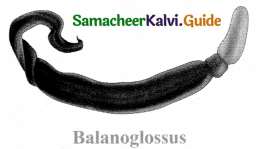
Samacheer Kalvi 12th English Guide Supplementary Chapter 4 The Midnight Visitor

“நீங்கள் ஏமாற்றம் (disappointed) அடைந்துள்ளீர்கள்” என்று அவனுடைய தோல்பட்டை வழியாக கூச்சலிட்டு (wheezily) ஆசாபில் கூறினான். “நான் ஒரு துப்பறிவாளன், உளவாளன், ரகசிய தகவல்களை சேகரிப்பவன் (spy) மற்றும் ஆபத்தான வேலையில் ஈடுபடுபவன்” என்று நீங்கள் கூறியுள்ளீர்கள். என்னை சந்திக்க வேண்டும் என்று விரும்புனீர்கள் ஏனென்றால் நீங்கள் ஒரு எழுத்தாளர், இளமையானவர் மற்றும் வீரமாமுனிவர்…….. இரவில் மர்மமான பிரமுகர்கள்,

Samacheer Kalvi 12th English Guide Supplementary Chapter 4 The Midnight Visitor 4

துப்பாக்கியின் சத்தம் மருந்துகளை மதுவில் (wine) கலந்து அருந்துவார்கள் ஆகியவற்றை நீங்கள் கற்பனை செய்து பார்த்திருப்பீர்கள். “அதற்கு பதிலாக, நீங்கள் இந்த பிரெஞ்சு பியுசுக் அறையில் ஒரு குண்டான மனிதனோடு (sloppy fat man) இந்த சோம்பலான மாலை வேலையை கழிக்கிறீர்கள், அவருடைய அறையில் சந்திப்பு விஷயமாக ஒரு தொலைபேசி அழைப்பை மட்டும் பெறுகிறார்.

உங்களுக்கு சலிப்பு தட்டியிருக்கும்!” என்று சொல்லிக் கொண்டே அந்த குண்டான மனிதர் தன்னுடைய அறையில் கதவை திறந்து சற்று விலகி நின்றார். அப்போது தான் தன்னுடைய விருந்தாளி உள்ளே செல்ல முடியும் என்று “நீங்கள் மயக்க இருக்கிறீர்கள் என்று ஆசாபில் சொன்னார்” “ஆனால் சந்தோஷமாக இருங்கள், என் இளம் நண்பரே” இப்பொழுது நீங்கள் எனக்கு வந்த ஒரு காகிதத்தை, சற்று முக்கியமான காகிதத்தை காண்பீர்கள், அதில் ஏராளமான ஆண்களும், பெண்களும் தங்களுடைய வாழ்நாளை இழந்துள்ளனர்.

Samacheer Kalvi 12th English Guide Supplementary Chapter 4 The Midnight Visitor

என்றாவது ஒரு நாள் அந்த காகிதம் வரலாற்றின் போக்கை வெகு விரைவில் நன்கு பாதிக்கலாம் என்று பேசியபோது ஆசாபில் தனக்கு பின்னால் உள்ள கதவை மூடினான். பின்னர் அவர் அந்த அறையில் உள்ள மின்விளக்கு பொத்தானை அழுத்தினான். ஒளி வந்தவுடன் போவ்லர் அன்றைய நாளின் முதல் விசித்திரமான (authentic thrill) ஒன்றை கண்டார். அந்த அறையின் பாதியளவிற்கு நடுவே கையில் ஒரு சிறிய தானியங்கி துப்பாக்கி (automatic pistol) வைத்து கொண்டு, ஒரு மனிதன் நின்றான்.

Samacheer Kalvi 12th English Guide Supplementary Chapter 4 The Midnight Visitor 5

ஆசாபில் சற்று நேரம் திருதிருவென (blinked) முழித்தார் “மேக்ஸ்” “நீங்கள் ஒரு நல்ல தொடக்கத்தை கொடுத்தீர்கள்” என்று பெருமூச்சிவிட்டான். நீங்கள் பெர்லினில் (Berlin) இருக்கிறீர்கள் என்று நினைத்தேன் மேக்ஸ் சற்று ஒல்லியான, சற்று குள்ளமான ஒரு தந்திரமான நரி போன்ற முகத்தோற்றம் கொண்டவர். துப்பாக்கியை தவிர பயப்படும் படியாக அவரிடம் வேற எதுவுமில்லை. “அந்த அறிக்கை” என்று அவன் முனுமுணுத்தான் “இன்று இரவு உங்களிடம் கொடுக்கப்படும் அந்த சில புதிய ஏவுகணைகளைப் பற்றிய அந்த அறிக்கை” உன்னிடம் இருப்பதை விட என்னிடம் இருப்பது தான் மிகவும் பாதுகாப்பானது.

ஆசாபில், நாற்காலியை (arm chair) நோக்கி நகர்ந்து அதில் அமர்ந்து கொண்டார். “நான் நிர்வாகத்தின் மீது இந்த நேரத்தில் சண்டையிட போகிறேன். “நீ வேண்டுமென்றால் பந்தயம் வைத்துக் கொள்” என்று அவன் கோபமாக சொன்னான். இது ஒரு மாதத்தில் இரண்டாவது முறை யாரோவொருவர் என்னுடைய அறைக்கு இந்த பால்கனி வழியாக வந்திருக்கிறார்கள்.

Samacheer Kalvi 12th English Guide Supplementary Chapter 4 The Midnight Visitor

போவ்லரின் கண்கள் அந்த அறையில் இருந்த ஒற்றை சன்னலை நோக்கி சென்றன”. அது ஒரு சாதாரண சன்னல் தான், அதை நோக்கி இரவு வந்து கொண்டிருந்தது. “பால்கனி’? என்று மேக்ஸ் ஆர்வமாக (inflection) கேட்டார். இல்லை, அது ஒரு சாவி எனக்கு பால்கனியை பற்றி தெரியாது. அதுப் பற்றி எனக்கு தெரிந்திருந்தால், அது என்னை சில சிக்கலில் இருந்து காப்பாற்றி இருக்கலாம். “அது என்னுடைய பால்கனி இல்லை” என்று ஆசாபில் எரிச்சலுடன் (irritation) கூறினான். “இது அடுத்த குடியிருப்புக்கு சொந்தமானது அவன் ஏதோ விளக்கம் சொல்வது போல் போவலரை பார்த்தான்.”
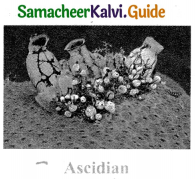
அவன் சொன்னான் “இங்க பாருங்க” இந்த அறையின் ஒரு நீளமான பகுதியும், அடுத்த அறையிலிருந்த வாசல் வழியாகவும், இதை நாம் வாழ்வதற்கு பயன்படுத்தி கொள்ளலாம். அங்கே பால்கனி (balcony) இருக்கும், அது என்னுடையது. சன்னலுக்கு கீழே நீளமாக இருக்கும். அந்த பால்கனிக்கு நீங்கள் காலியாக இருக்கும் அறையில் அடுத்த கதவின் வழியாகவும் செல்லலாம் மற்றும் யாரோ இதை கடந்த மாதம் செய்தார்கள் நிர்வாகம் இதை தடுப்பதாக சொன்னது. ஆனால் செய்யவில்லை மேக்ஸ் போவ்லரை பார்த்தான் (glanced). அவர் ஆசாபில் பக்கத்தில் விரப்பாக (stiffly) நின்று கொண்டிருந்தார், தான் கையில் வைத்திருந்த துப்பாக்கியை சைகை செய்வது போல் அசைத்தான் (commanding gesture).
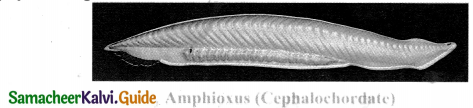

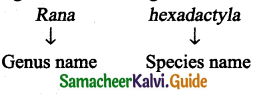
“தயவு செய்து உட்காருங்கள்” என்று அவன் சொன்னான் “நமக்கு இன்னும் அரைமணி நேரம் இருக்கிறது”. நான் நினைக்கிறேன் “முப்பத்தொறு நிமிடம் இருக்கிறது” என்று ஆசாபில் முணுமுணுத்தான். நம் சந்திப்பு பன்னிரண்டு முப்பது மணிக்கு. நீங்கள் எப்படி அந்த அறிக்கையைப் பற்றி அறிந்தீர்கள் என்பது எனக்கு தெரியும் மேக்ஸ். அந்த சிறிய உளவாளி சத்தமாக சிரித்தான். “உங்களுடைய மக்களுக்கு அது எப்படி கிடைத்தது என்பதும் நமக்கு தெரியும்.

ஆனால் அவர்களுக்கு எந்த தீங்கும் ஏற்படவில்லை . இன்றிரவு நான் அதை திரும்ப பெறுவேன். அது என்ன? கதவருகில் யார்? “போவ்லர் கதவு தட்டும் சத்தம் கேட்டு எழுந்தார். ஆசாபில் மெல்ல சிரித்தார் (smiled). “அது காவல்துறையாகத்தான் இருக்கும் என்று சொன்னார். நாம் அனைவரும் காத்து கொண்டிருக்கும் அந்த ஒரு முக்கியமான காகிதத்திற்கு சற்று கூடுதலாகவே பாதுகாப்பு (extra protection) தேவைப்படுகிறது என நான் நினைக்கிறேன். எல்லாம் சரியாக இருக்கிறது என்பதை உறுதி செய்ய என்னை பரிசோதனை செய்து கொள்ளுங்கள் என்று நான் சொல்லியிருந்தேன் .

மேக்ஸ் அவருடைய உதட்டை பதற்றத்துடன் (nervously) கடித்தான். கதவை தட்டும் சத்தம் மீண்டும் கேட்டதும் இப்ப என்ன செய்ய போறீங்க. மேக்ஸ்? ஆசாபில் கேட்டார். “நான் ஒருவேளை கதவை திறக்கவில்லையென்றால் அவர்கள் எப்படியும் சுடவும் (shoot) தயங்கமாட்டார்கள் மேக்ஸின் முகம் கோபத்தில் இருக்கும் போது, அங்குள்ள சன்னலை நோக்கி நகர்ந்தான். அந்த சன்னலில் காலை உயர்த்தி (swung) வைத்தான். “அவர்களை நோக்கி சொல்” என்று எச்சரித்தான். நான் பால்கனியில் காத்திருப்பேன். அவர்களை போகச் சொல் அல்லது நான் சுட்டுவிடுவேன். கதவை தட்டும் சத்தம் இன்னும் அதிகமானது கூடவே ஒரு குரலும் கேட்டது.
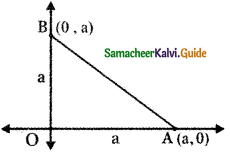
தனது துப்பாக்கியை அந்த கொழுத்த மனிதனையும், அவரது விருந்தினரையும் நோக்கியவாறு வைத்து கொண்டு தன்னுடைய கைகளால் அந்த சன்னலை தாங்கி பிடித்து கொண்டான். பின்பு தன்னுடைய இன்னொரு காலையும் அந்த சன்னல் மேல் (window sill) வைத்து கொண்டான். அந்த கதவின் பிடி திரும்பியது.
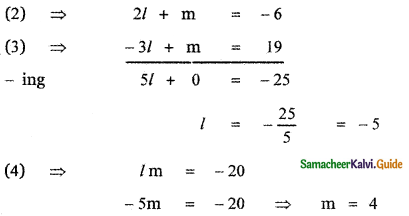
Samacheer Kalvi 12th English Guide Supplementary Chapter 4 The Midnight Visitor

மேக்ஸ் தன்னுடைய இடது கையை தள்ளிக்கொண்டு வேகமாக பால்கனியை நோக்கி குதித்தான். பின்னர் அவன் விழுந்தவுடன் ஒரு தடவை வேகமாக கத்தினான். கதவு திறக்கப்பட்டதும், வெளியே ஒரு பணியாளர் (waiter) தட்டில் ஒரு பாட்டில் மற்றும் இரண்டு கண்ணாடி குடுவையை (two glasses) கையில் வைத்துகொண்டு நின்றான்.
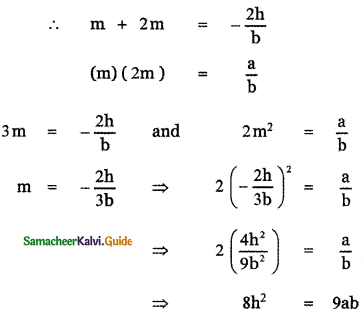
இதோ, நீங்கள் திரும்பிய போது உத்தரவிட்ட மதுபானம் (drink) என்று சொல்லிக்கொண்டு அந்த தட்டை மேஜை மேல் வைத்து விட்டு, பாட்டிலை திறந்து வைத்தபின் அறையை விட்டுவெளியேறினான். சிவப்பான முகத்தோற்றம் கொண்ட போவ்லர் அவரை பார்த்தார். “ஆனால்….. என முணுமுணுத்தான்” (stammered), அந்த காவல்துறை…. “காவல்துறையே அங்கு கிடையாது”. ஆசாபில் பெருமூச்சுவிட்டார்.

ஹென்றியை மட்டும் தான் நான் எதிர்பார்த்து கொண்டிருந்தேன். “ஆனால் பால்கனி வழியாக வெளியே சென்ற அந்த மனிதன் இல்லையா…? என போவ்லர் தொடங்கினான்” இல்லை, என்றார் ஆசாபில், “ஆனால் திரும்ப வரப்போவதுமில்லை. இங்க பாருங்க நண்பரே அங்கே பால்கனியே கிடையாது”.